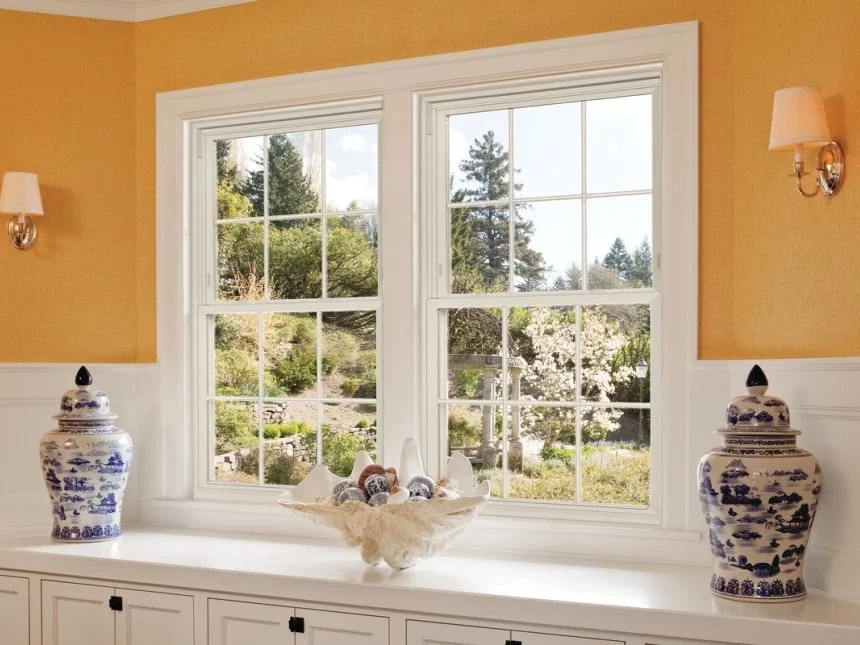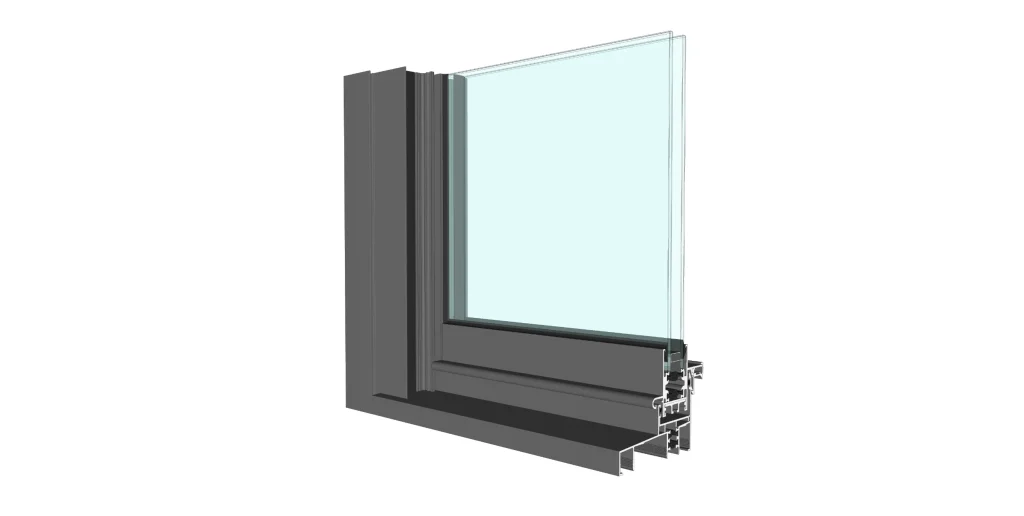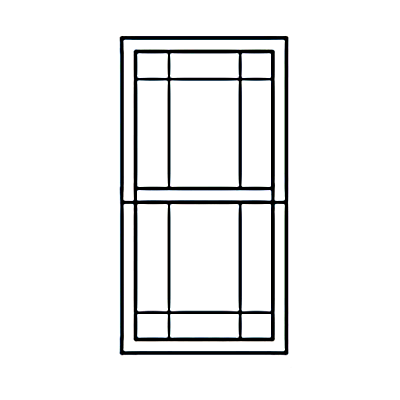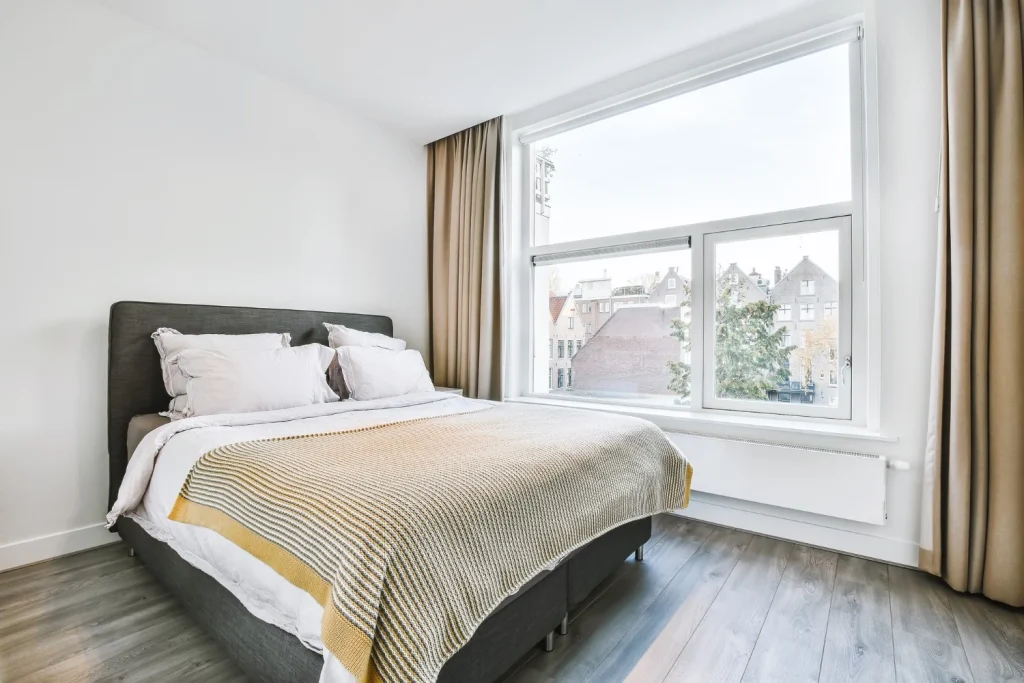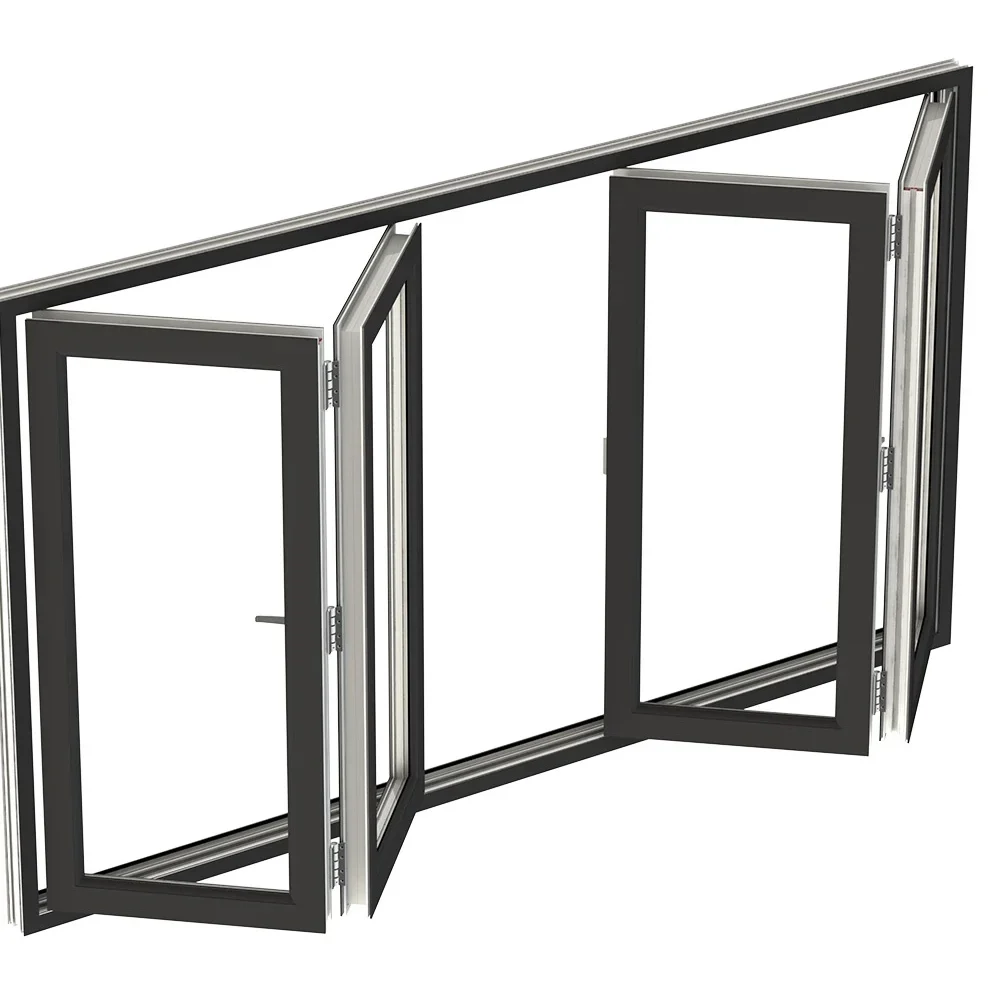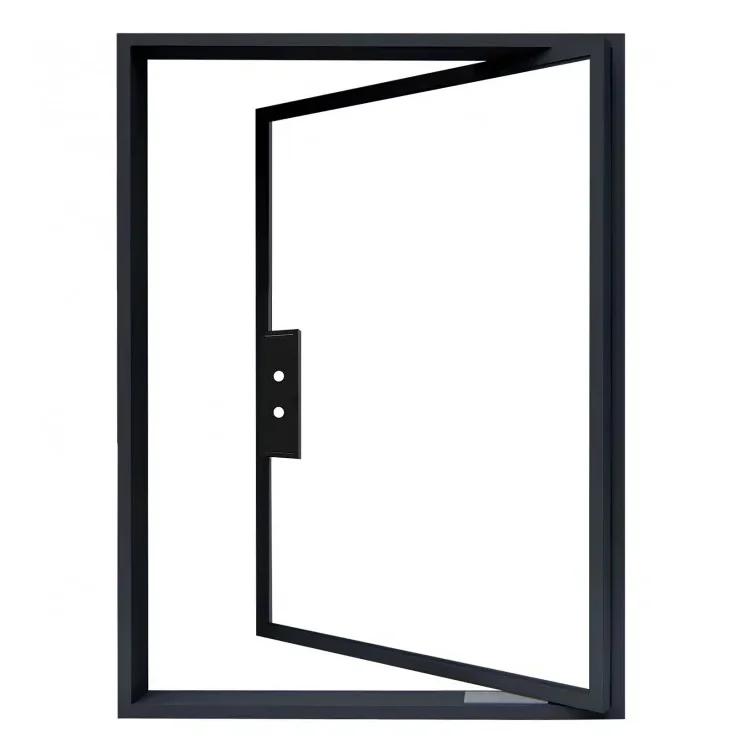
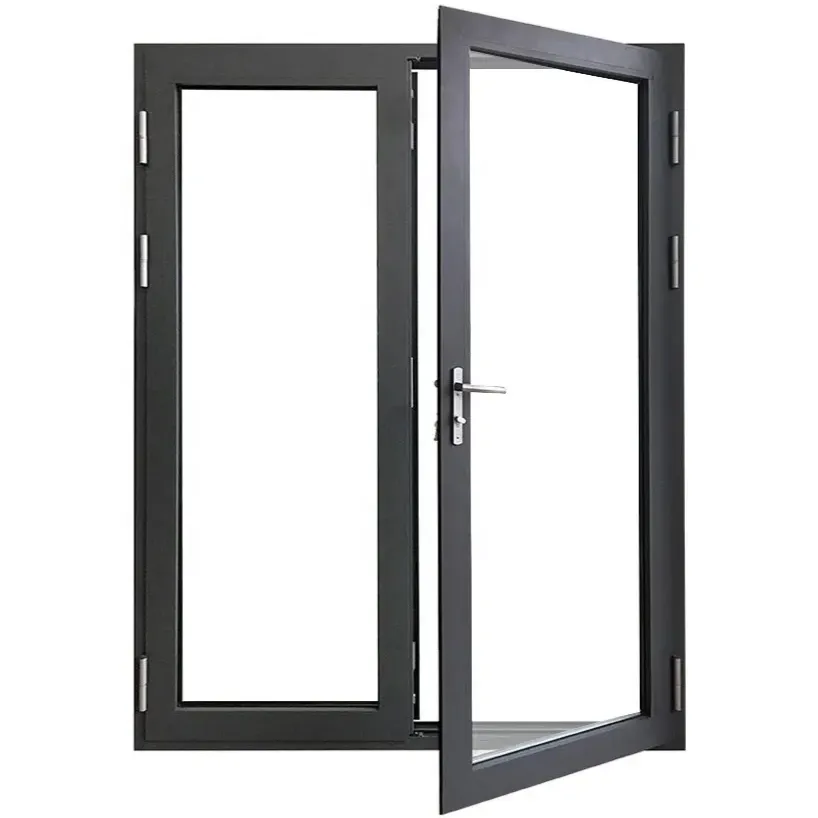
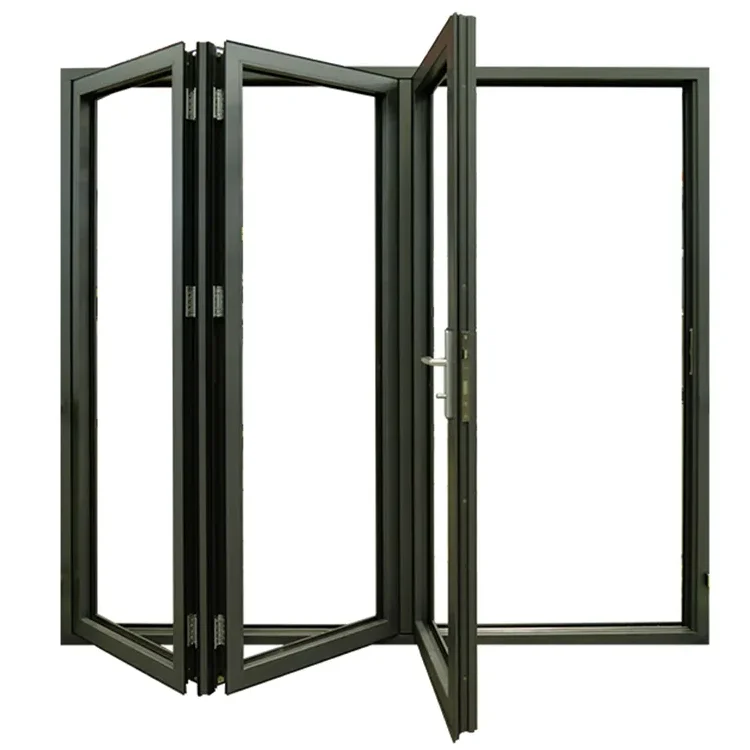
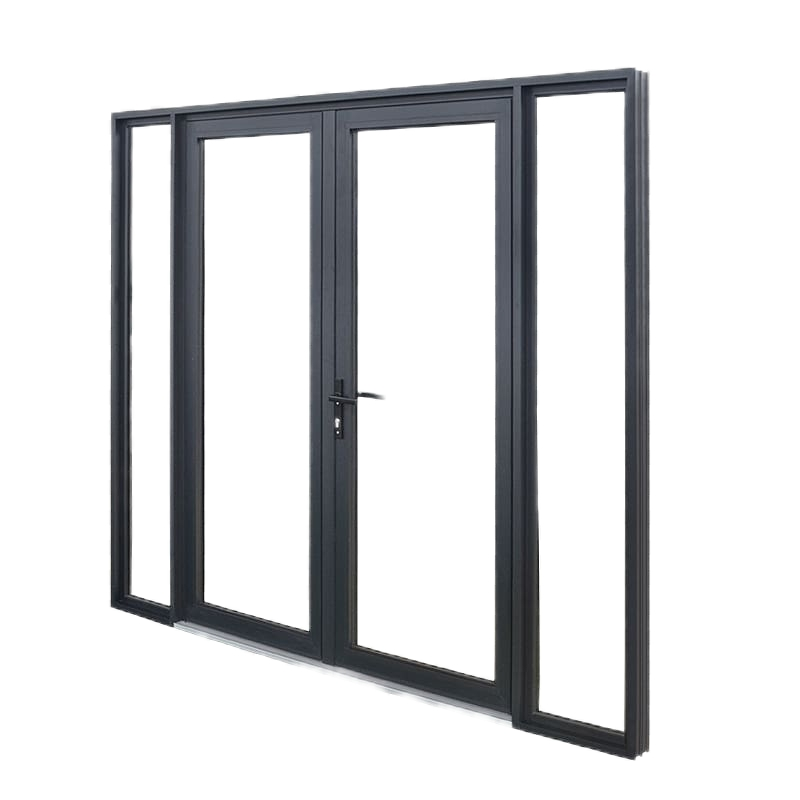
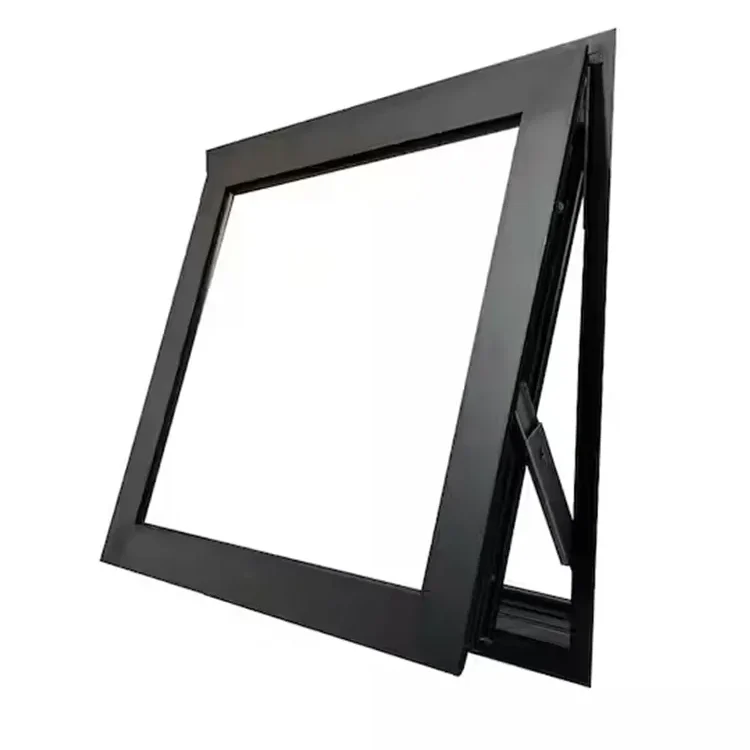
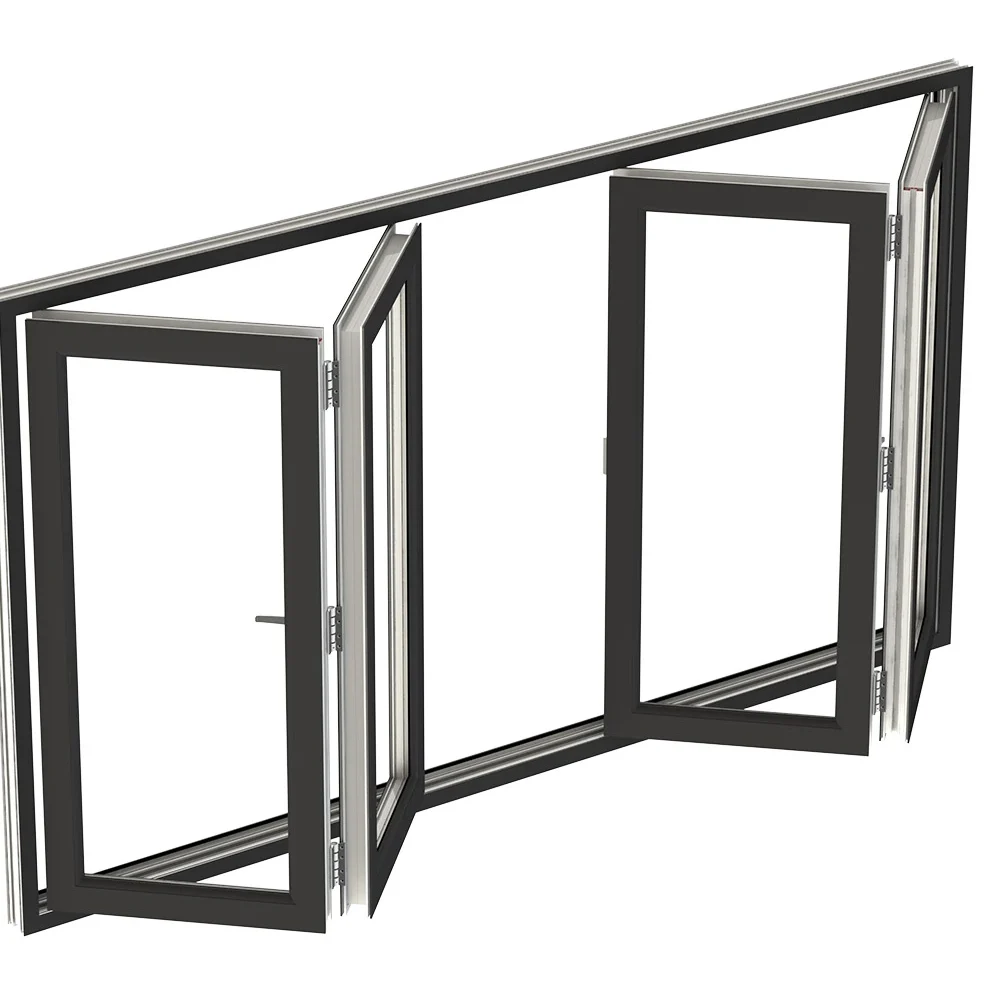
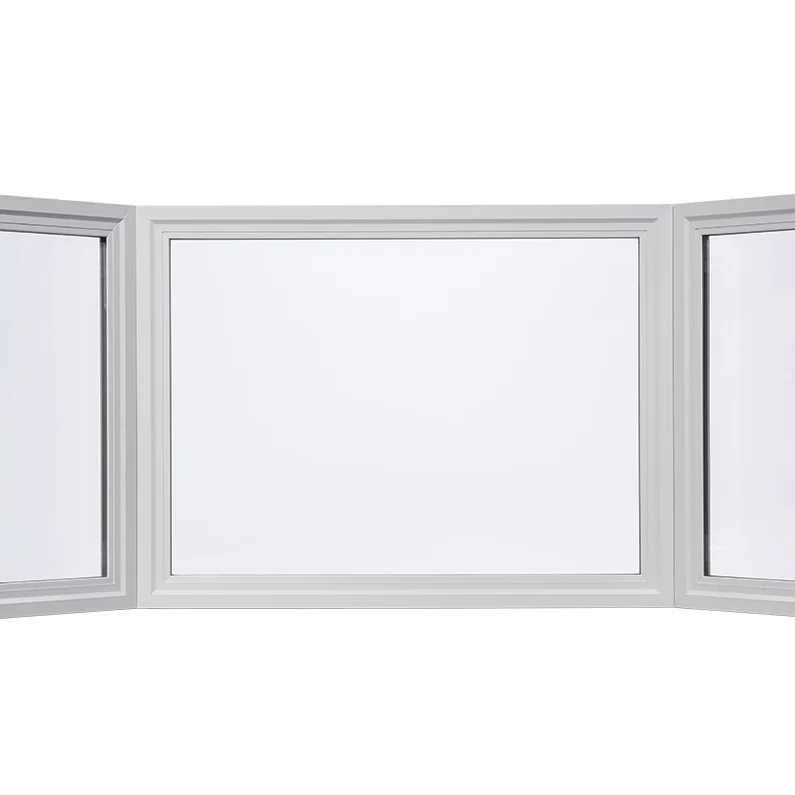
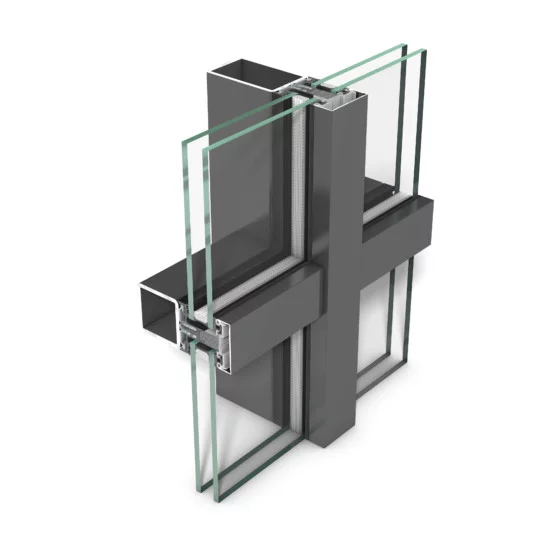
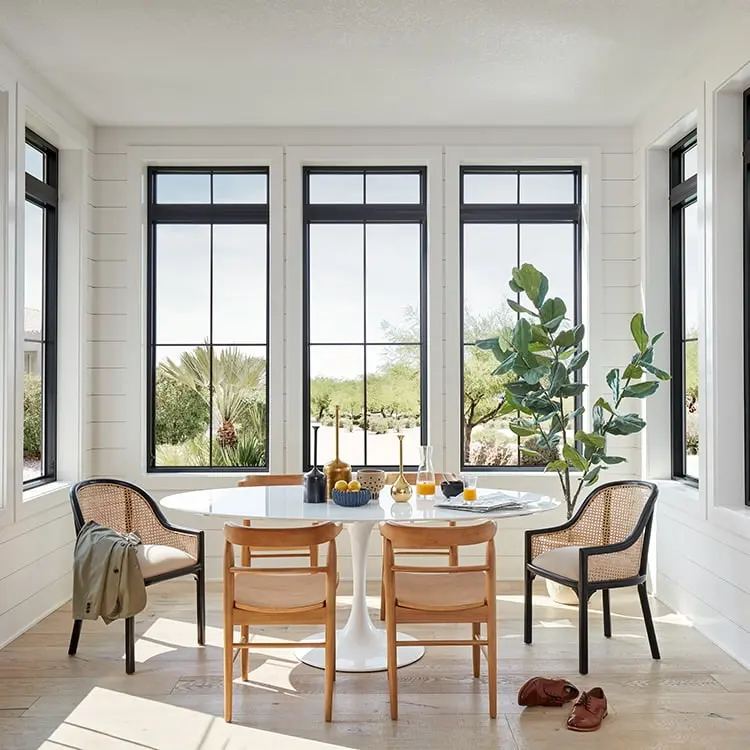
Hung Window is a space-efficient and stylish solution designed for modern homes and commercial spaces. With its vertical sliding sash, it allows for easy ventilation without requiring extra space to open outward or inward. Built with high-quality aluminum frames, this window offers a sleek appearance, strong durability, and minimal maintenance—making it ideal for areas where functionality and design matter. Whether in a single- or double-hung style, it enhances energy efficiency and provides a smooth, user-friendly experience.
Vertical Sliding Operation
Single or Double-Hung Options
Space-Saving Design
Enhanced Ventilation
Heat & Acoustic Insulation
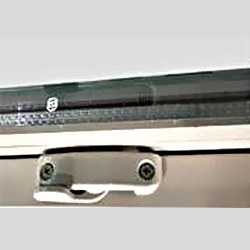
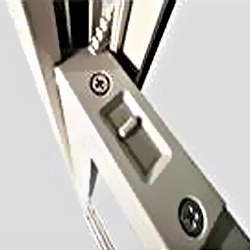
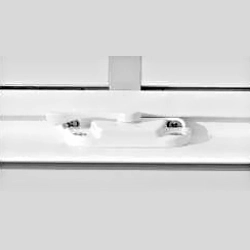
Secure Locking System
Weather-Resistant Seals
New Hung Window Designs
Hung Window Series
Thermally Insulated:
Double Hung Window System | Visible Surface(mm) | Section Profile Width (mm) | Build in Glass Thickness(mm) |
128 Series | Frame 63|Sash 45 | Frame 55|Sash 40.8 | 16-27 |
Non-Insulated:
Certificates We Got
Hung Windows Leaves
Hung Window Accessories
Ideal Applications
How We Test Hung Windows
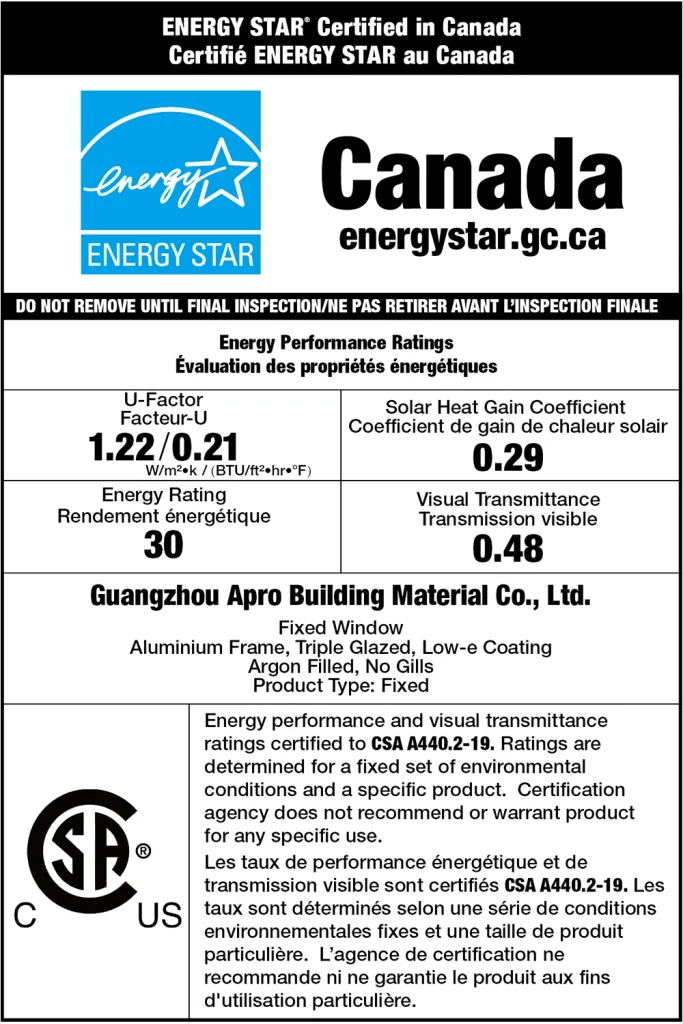
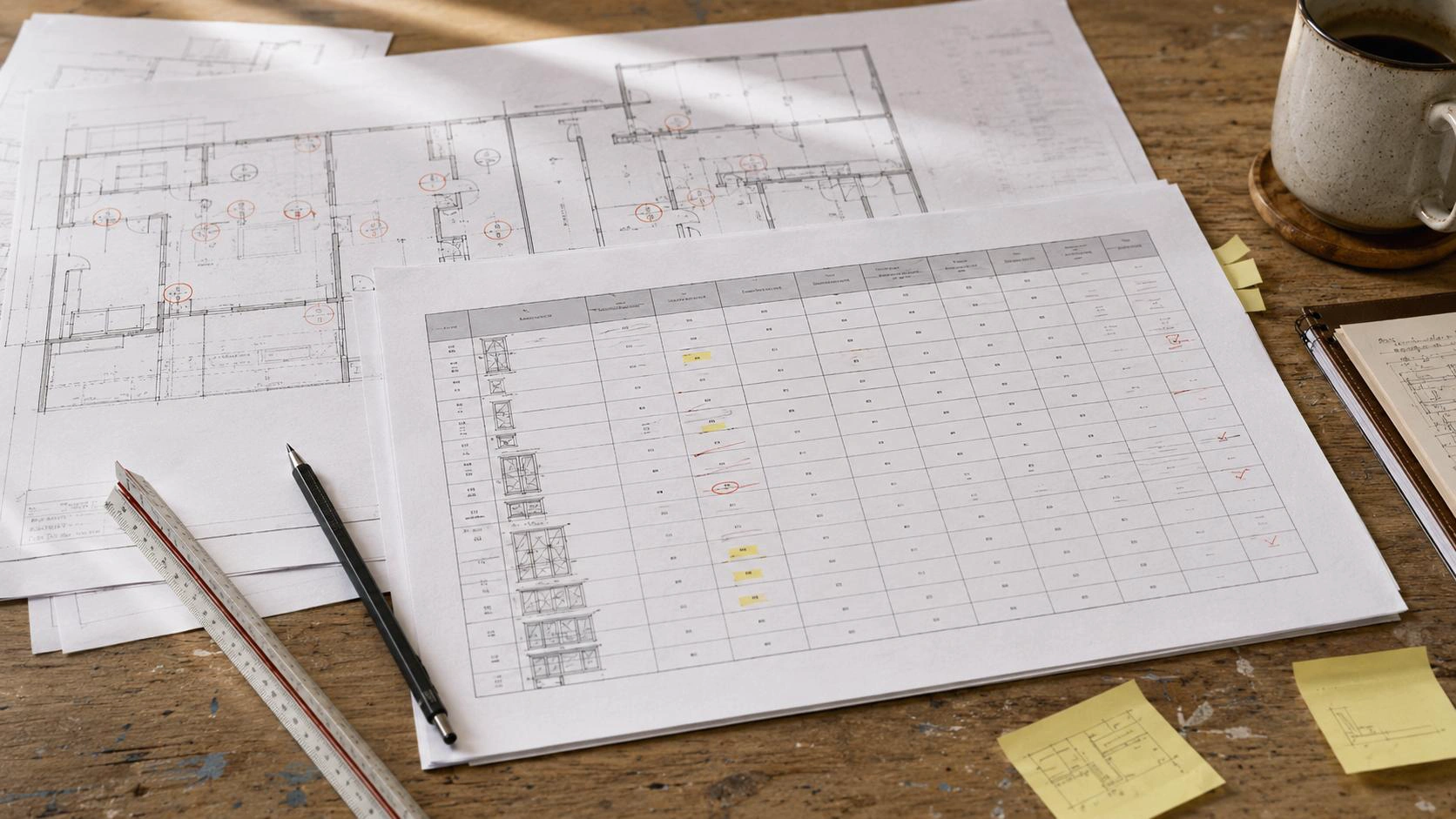
At APRO, we rigorously test our awning windows to ensure they meet the highest standards of performance and durability. Our comprehensive testing process includes evaluating air infiltration resistance (ASTM E283), water penetration resistance (ASTM E331), and structural load performance (ASTM E330). These tests confirm that our windows provide excellent insulation, prevent water leaks, and withstand various environmental pressures, ensuring long-lasting reliability and comfort in your space.
"Wow" From Our Cute Customers
Your Perfect Window Starts Here.
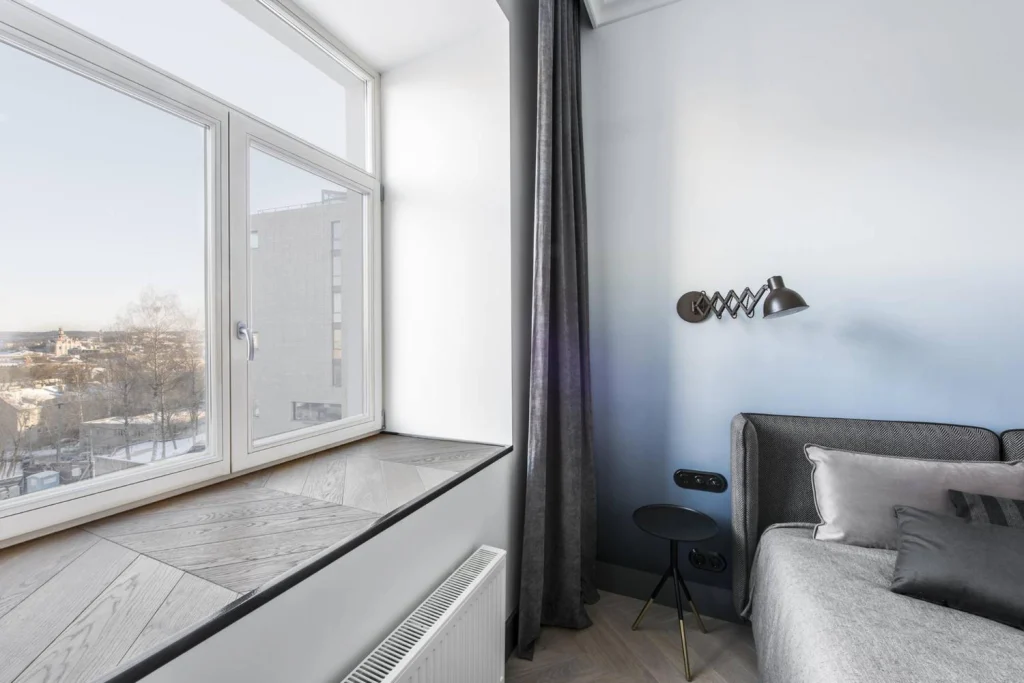
Single-Hung vs. Double-Hung Windows

| Feature | Single-Hung Window | Double-Hung Window |
|---|---|---|
| Operation | Bottom sash moves; top sash is fixed | Both top and bottom sashes are operable |
| Ventilation | Limited to bottom sash | Enhanced airflow with both sashes opening |
| Ease of Cleaning | More challenging, especially on upper floors | Easier; both sashes often tilt inward for cleaning |
| Energy Efficiency | Generally more efficient due to fewer moving parts | Slightly less efficient; more potential for air leakage |
| Cost | More affordable; fewer components | Higher cost; more complex mechanism |
| Maintenance | Fewer parts; potentially lower maintenance | More parts; may require more upkeep |
| Ideal Use Cases | Ground-level rooms, budget-conscious projects | Upper floors, areas needing better ventilation |
FAQs About Hung Window
What is a hung window?
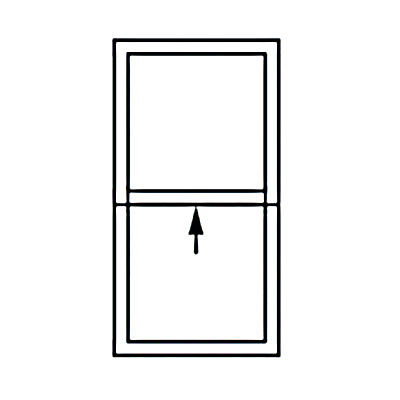
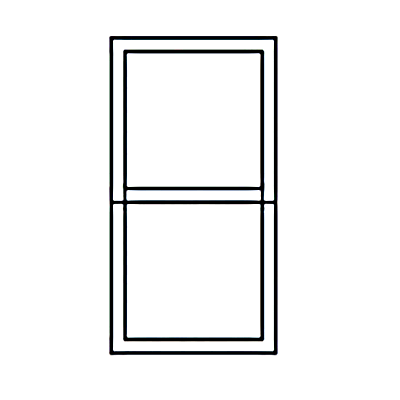
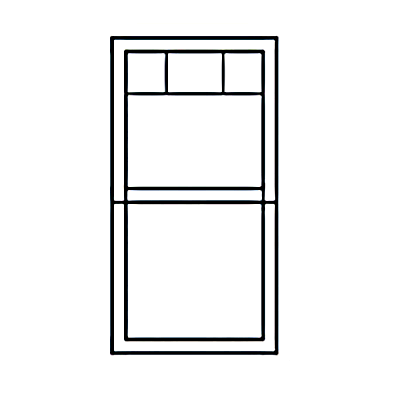
A hung window features one or two movable sashes that slide vertically within the frame. Single-hung windows have a fixed top sash and a movable bottom sash, while double-hung windows have both sashes operable.
What is the difference between single-hung and double-hung windows?
The primary difference lies in the operability of the sashes. Single-hung windows allow only the bottom sash to move, whereas double-hung windows enable both top and bottom sashes to open, offering enhanced ventilation and easier cleaning.
Are hung windows energy-efficient?
Yes, especially single-hung windows, which have fewer moving parts, reducing potential air leakage. Double-hung windows can also be energy-efficient when properly sealed and equipped with energy-efficient glass options.
How do I clean hung windows?
Many double-hung windows feature tilt-in sashes, allowing you to clean both sides of the glass from inside your home. Single-hung windows may require exterior access to clean the fixed top sash.
Where are hung windows commonly used?
Hung windows are versatile and suitable for various architectural styles. They are commonly installed in bedrooms, living rooms, and other areas where vertical space is available and ventilation is desired.
Do hung windows provide good ventilation?
Double-hung windows offer superior ventilation, as both sashes can be opened to allow air flow from the top and bottom. Single-hung windows provide ventilation through the bottom sash only.
Related Articles For You

Windows
Stop BAL Rated Window Quotation Delays: 3 Steps
A three-step supplier review framework for BAL rated aluminum windows: confirm scope, check compliance, then request quotation — before comparing suppliers.
July 28, 2026
No Comments

Windows
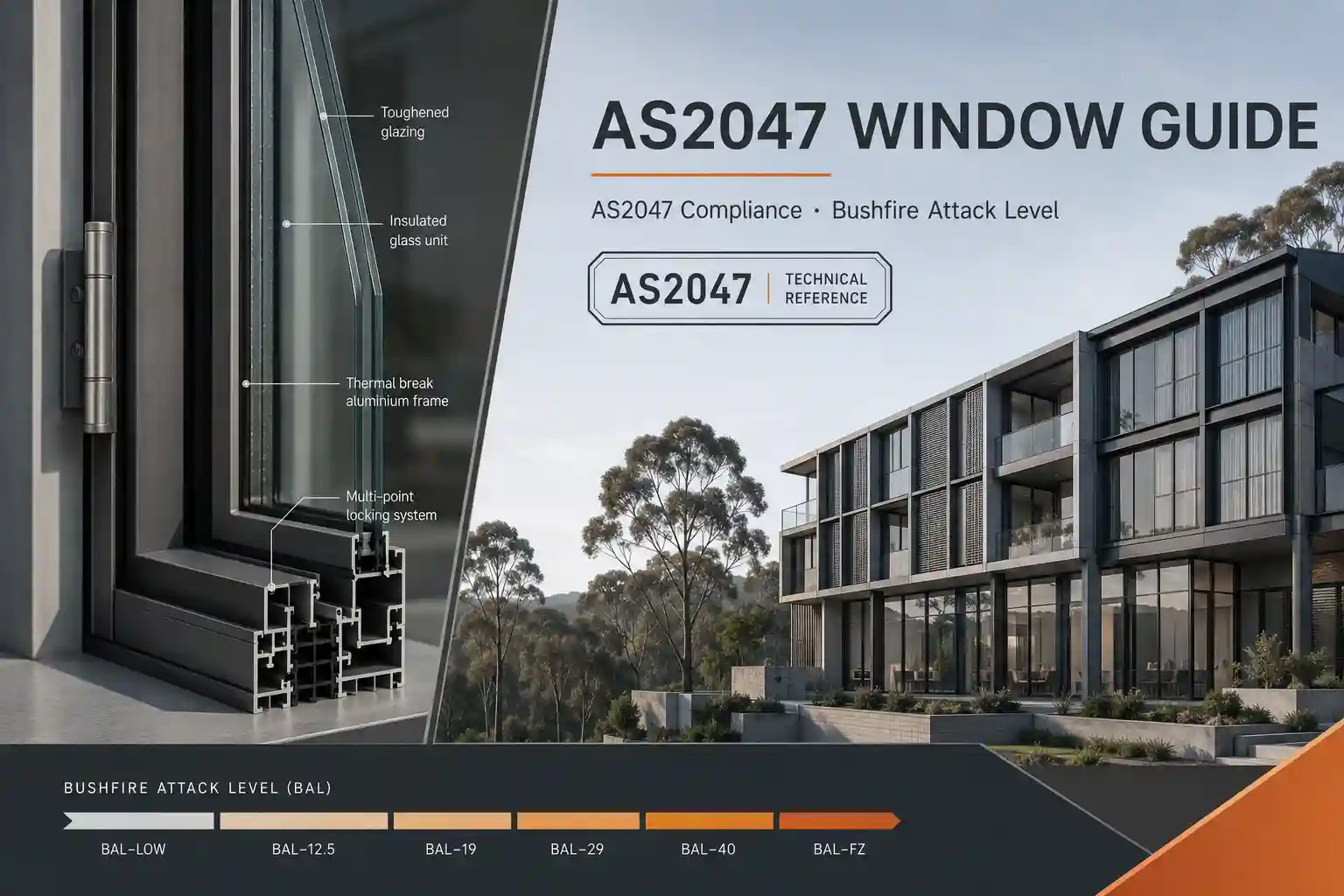
BAL Rated Aluminum Windows: The Complete AS2047 Guide
A guide to BAL rated aluminum windows for Australian commercial projects: AS2047 basics, documents needed, and supplier evaluation steps.
July 22, 2026
No Comments

Windows
What to Confirm Before Quoting Aluminum Windows
A pre-quotation checklist for contractors and window companies — confirm scope, drawings, compliance, and delivery before you approach any supplier.
June 22, 2026
No Comments