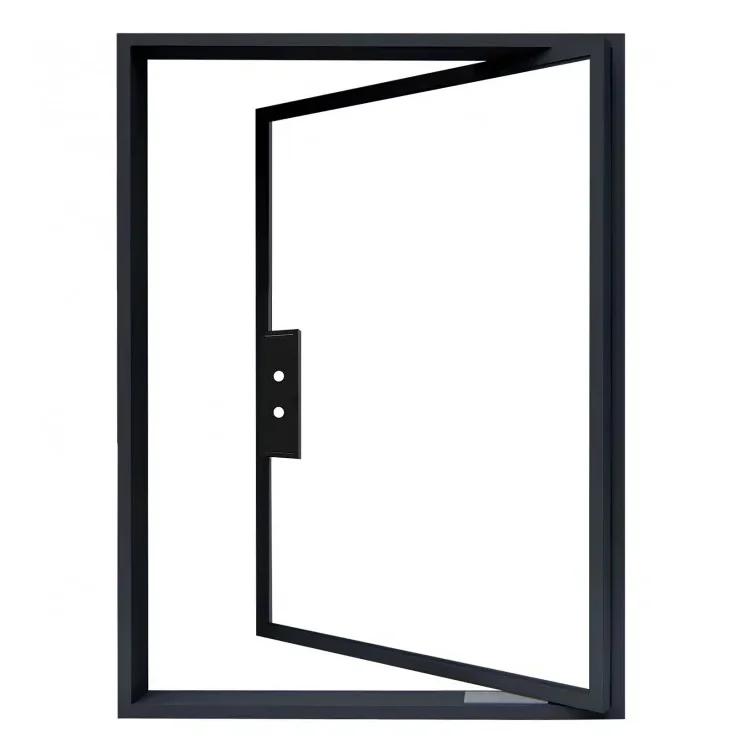
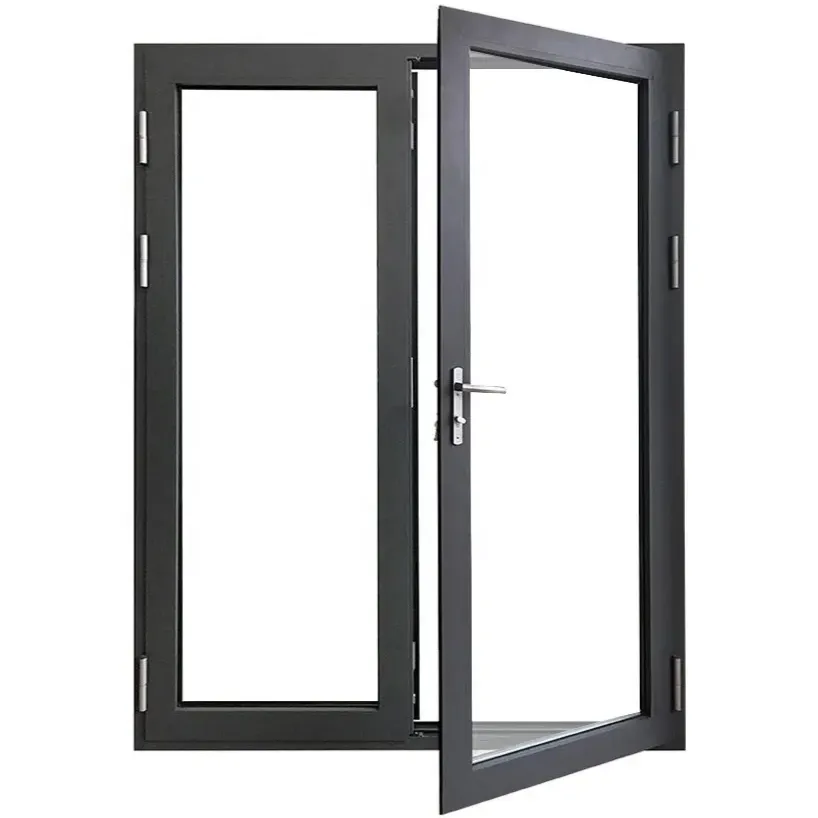
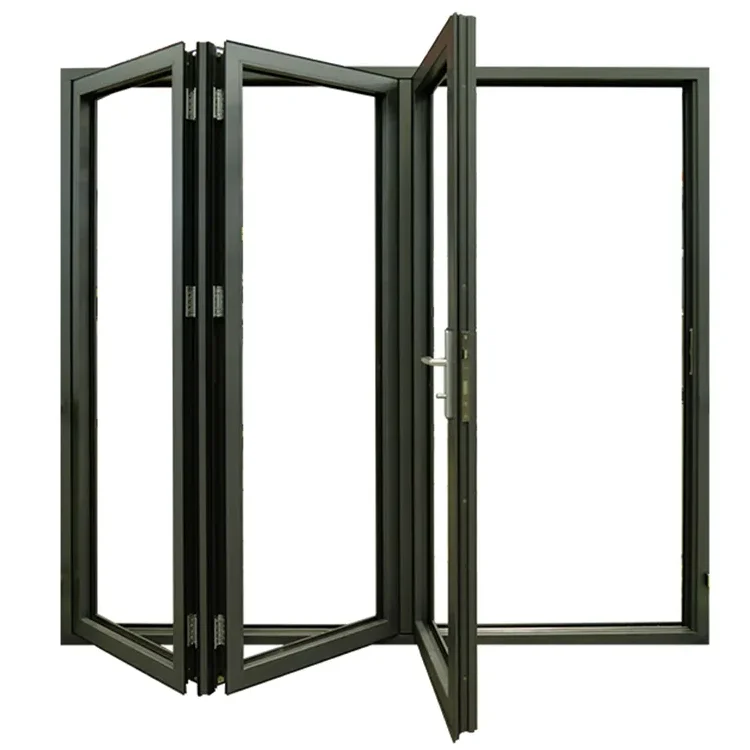
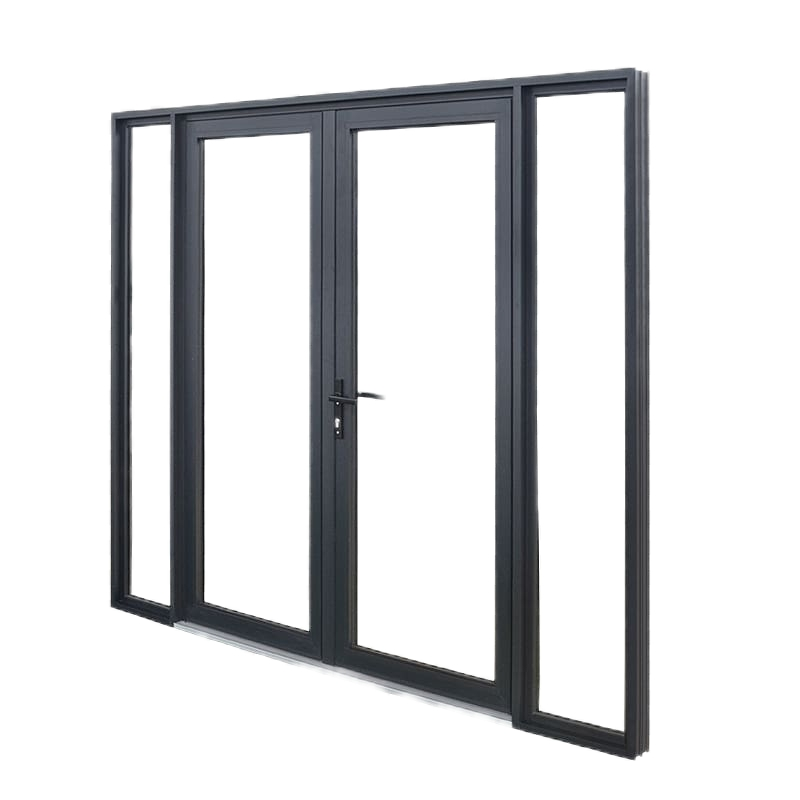
Direct Answer: A BAL rated aluminum window is a window system specified to suit a site’s assessed Bushfire Attack Level (BAL) under AS 3959, while also meeting the general performance requirements of AS 2047 for windows and external glazed doors. For contractors and dealers sourcing systems for Australian commercial projects, that means confirming the BAL category and an AS 2047 specification before a supplier can quote.
Who This Guide Is For
This guide is written for project buyers evaluating BAL rated aluminum windows for a commercial or multi-residential project in a designated bushfire-prone area — not for homeowners comparing retail products.
Why Getting This Right Early Matters
Getting the BAL category and specification wrong early costs time later: a supplier can only quote against what has been confirmed, and a certifier is generally expected to sign off only a system that matches the assessed requirement for that specific site.
Where APRO Fits In
Submitted project information can be reviewed to help identify what documentation is still needed before a scope-confirmed quotation is prepared; compliance sign-off itself remains with the project’s building certifier and consultant.
Basics and Project Applications
Australia luxurious villa with modern architectural design
A Bushfire Attack Level (BAL) is a measure of a building’s potential exposure to ember attack, radiant heat, and direct flame contact in a designated bushfire-prone area, as set out in AS 3959 (Construction of buildings in bushfire-prone areas). BAL categories are commonly grouped as follows, with higher categories generally reflecting greater potential exposure:
BAL Category
General Exposure Level (AS 3959)
BAL-LOW
Lowest general exposure category
BAL-12.5
Low-to-moderate ember exposure
BAL-19
Moderate ember and radiant heat exposure
BAL-29
Increased radiant heat exposure
BAL-40
High radiant heat and ember exposure
BAL-FZ (Flame Zone)
Highest category, including possible direct flame contact
The specific BAL category for a site is determined through a site-specific assessment — considering factors such as surrounding vegetation classification and slope — carried out by a suitably qualified assessor, not assumed from a similar past project.
Where BAL Rated Windows Are Typically Specified
BAL rated aluminum windows are most often specified for commercial, multi-residential, and mixed-use developments located in mapped bushfire-prone areas across Australian states and territories.
A BAL Assessment Sets a Requirement, Not a Product
A BAL assessment does not specify a particular product; it defines a construction requirement that a window and door system then needs to be selected or specified against, in combination with AS 2047.
Planning for Multiple Elevations
Where a project spans multiple elevations, the same building can carry more than one BAL category, so applications should be planned per elevation rather than assumed uniform across the whole site.
System, Materials, and Configuration Options
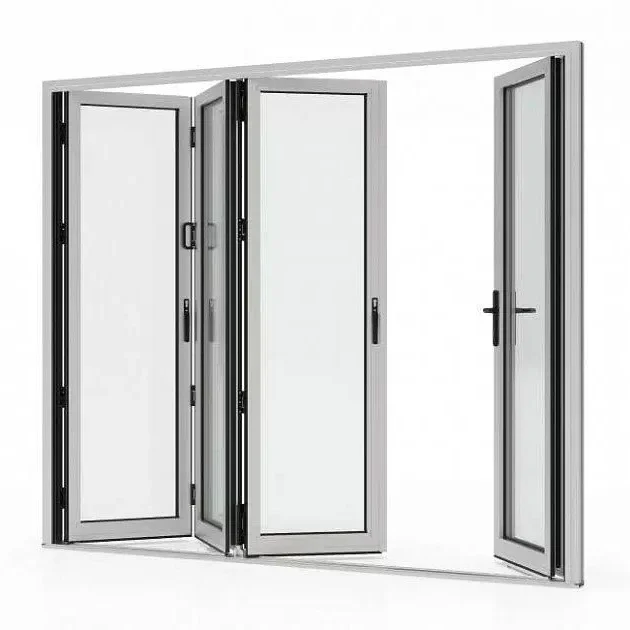
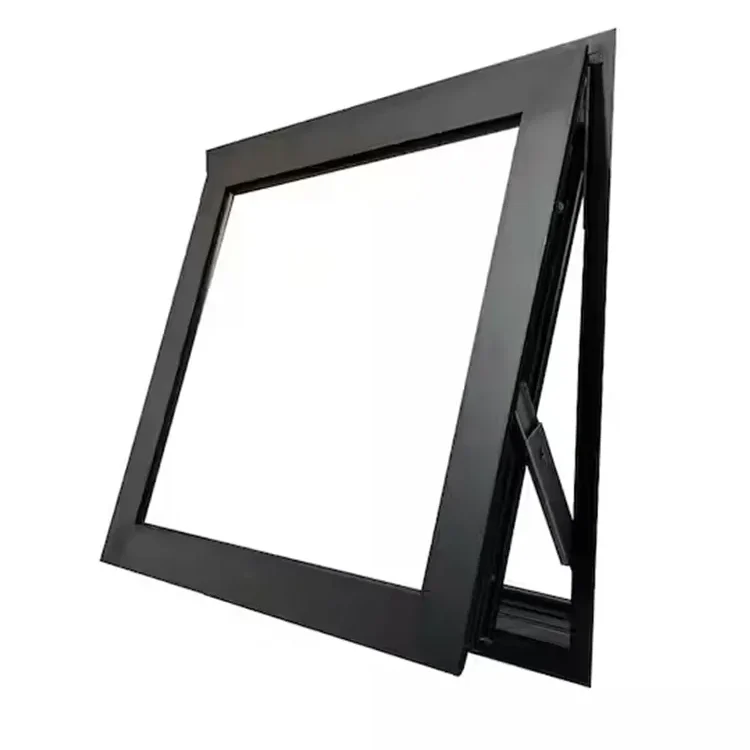
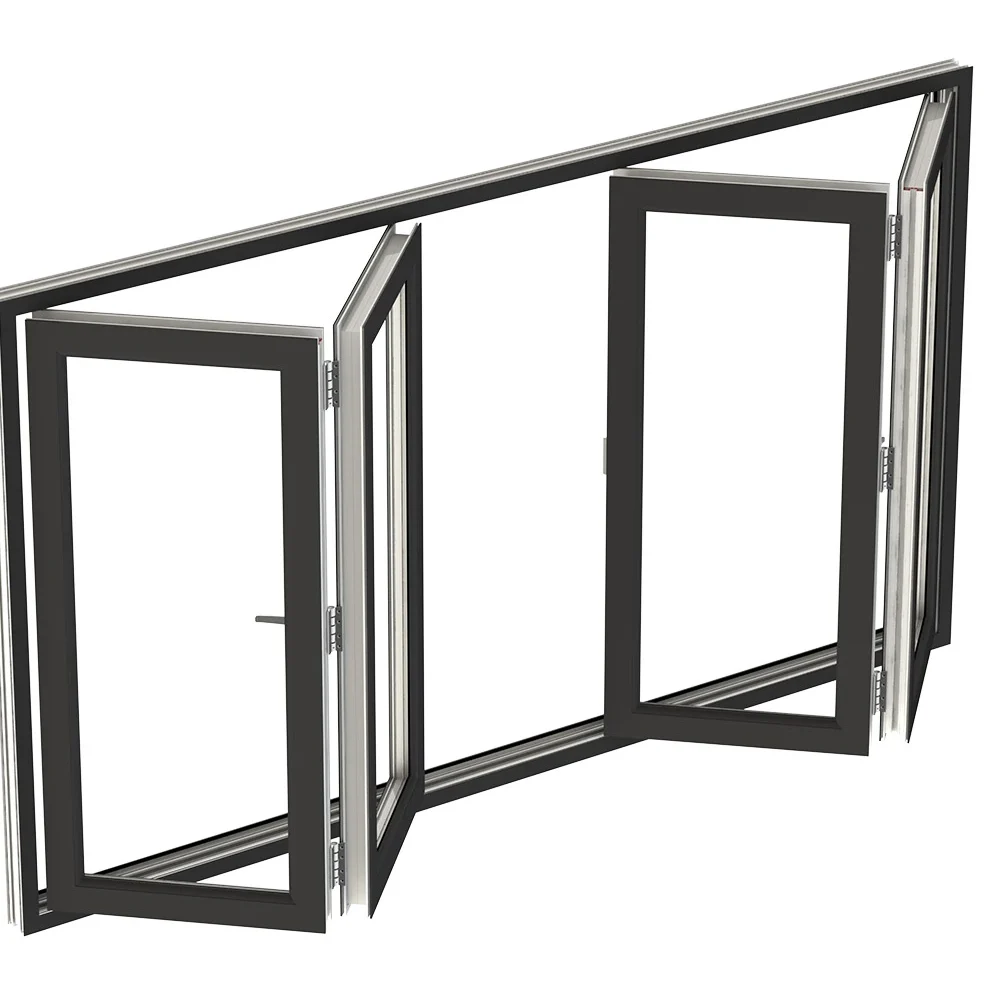
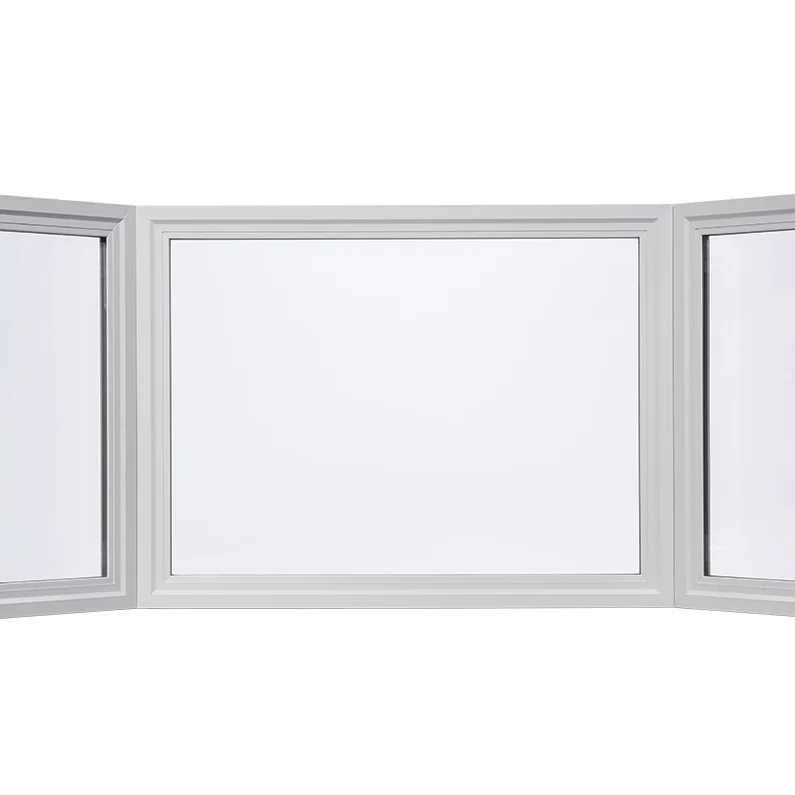
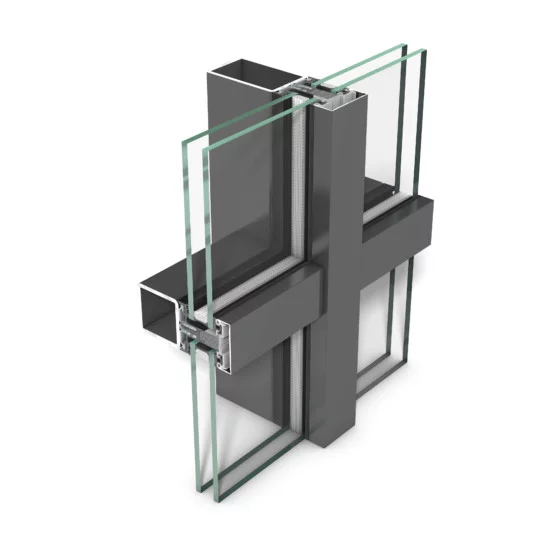
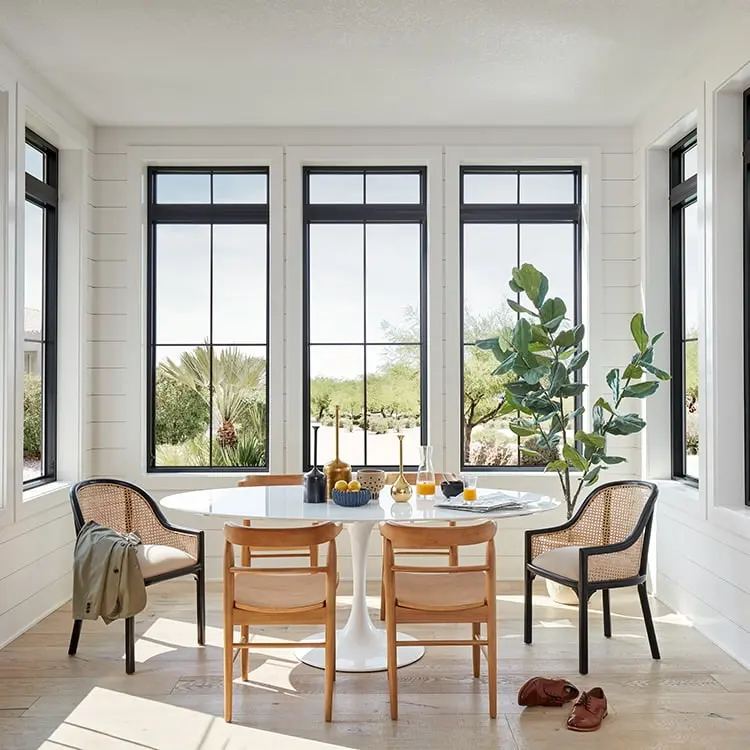
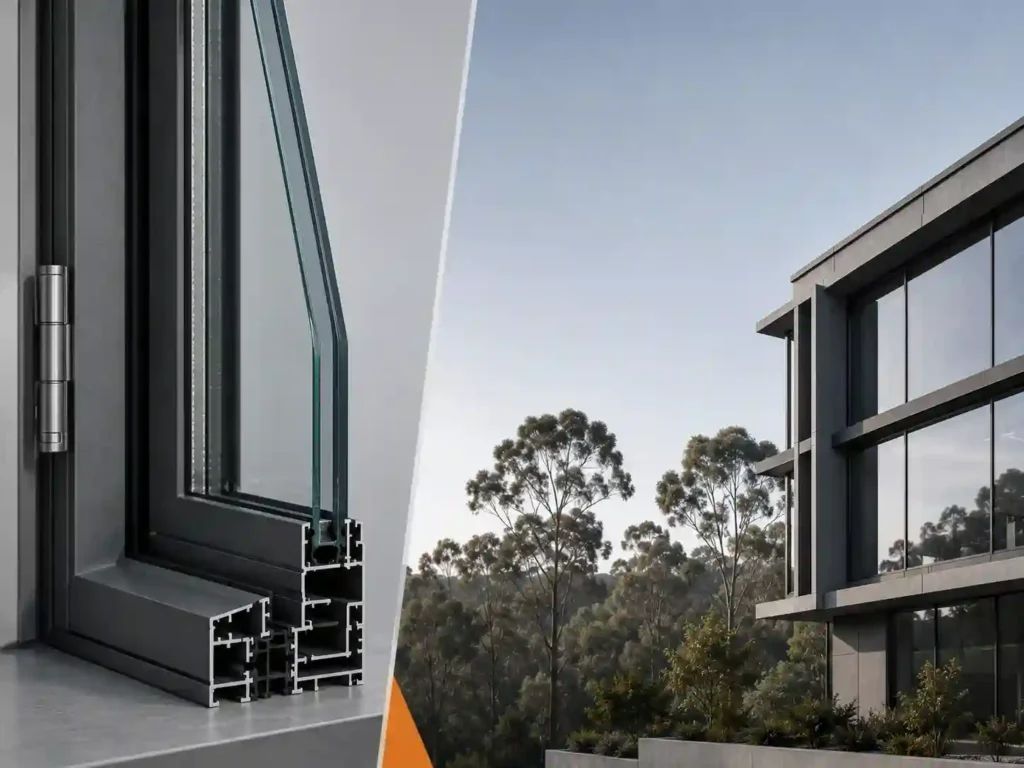
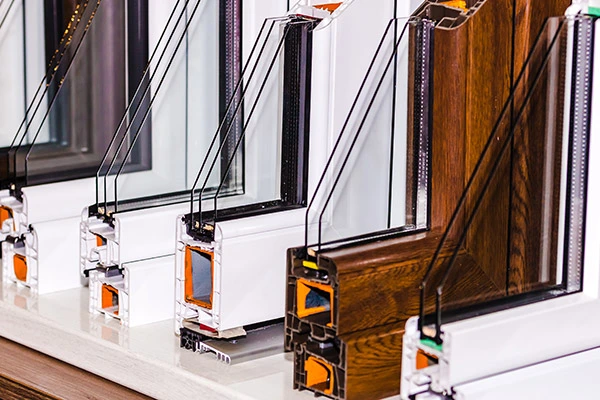
Aluminum window systems for BAL rated applications are generally selected based on frame profile, glazing build-up, thermal performance, and hardware compatibility — the same core variables used for any commercial AS 2047 window, with bushfire-related glazing or screening requirements layered on top where the assessed BAL category calls for them.
Component
What It Affects
Why It’s Relevant to a BAL Project
Frame profile and reinforcement
Structural performance, deflection under wind load
Must support the glazing and any additional screening without compromising AS 2047 performance
Glazing build-up (toughened, laminated, coated)
Weight, hardware selection, cost
Bushfire-related glazing requirements are often layered on top of standard glazing choices
Hardware (locks, hinges, operable sashes)
Usability, sealing, ember pathway control
Ember-proof screening or sealing detail is frequently tied to specific hardware choices
Screens and mesh
Ember protection at openings
May be required depending on the assessed BAL category and consultant specification
Finish (powder coating, anodizing)
Appearance, durability
Generally independent of BAL/AS2047 requirements but still needs early confirmation for production planning
Components Work as a System, Not in Isolation
None of these components are BAL-appropriate on their own — the combination is what a certifier reviews against the project’s assessed category.
The Risk of Selecting Components Without the BAL Category
Choosing a frame profile or glazing type without reference to the assessed BAL category risks a specification that looks complete but does not match the actual site requirement.
Configuration Review Before Quotation
Mapping a proposed configuration against submitted drawings and specifications early — a review APRO can provide — helps flag missing screening or glazing detail before quotation rather than after. For examples of how these configurations have been applied on other commercial projects, see APRO’s project case studies.
Design and Specification Considerations
Before a supplier can prepare an accurate specification, a project buyer generally needs to work through the following steps in order.
Confirm the assessed BAL category for each relevant elevation, using the project’s bushfire attack level assessment report.
Confirm AS 2047 performance requirements that apply to the window and door openings generally, independent of the BAL category.
Identify any additional bushfire-related detailing — such as specific glazing types or ember-proof screening — that the assessed BAL category requires on top of the standard AS 2047 specification.
Document the full specification in a window/door schedule, referencing drawings, glass build-up, hardware, and finish for every opening.
Confirm the specification with the project’s certifier or consultant before requesting a quotation.
A Frequent Cause of Revised Quotations
Skipping the BAL confirmation step is a frequent reason a quotation later needs revision — a supplier working from an incomplete specification can only price a placeholder configuration.
Why Both Standards Need to Be Addressed Together
A specification that satisfies AS 2047 in general terms will not automatically satisfy a higher BAL category’s additional requirements, and vice versa; both need to be addressed together.
A Documentation Review, Not a Certification
This kind of specification review is documentation-based rather than a compliance certification — a submitted package can be checked for gaps before it goes out for supplier quotation.
Performance and Compliance Requirements
AS 2047 is the Australian standard covering performance and testing requirements for windows and external glazed doors, including materials, construction, installation, and glazing for products such as external windows, sliding and swinging glazed doors, adjustable louvres, shopfronts, and window walls.
In general terms, AS 2047 compliance is typically evidenced through laboratory tests referenced under the AS 4420 series, covering general areas such as:
General Test Area
What It Generally Covers
Structural / deflection
Performance under wind pressure
Operating force
Whether an opening sash operates without undue effort
Air infiltration
Air leakage performance
Water penetration resistance
Weather-tightness at the required pressure
Ultimate strength
Performance at higher wind pressure without failure
Requirement Area
General Scope
Typically Verified By
BAL / bushfire construction (AS 3959)
Site-specific exposure category and associated construction requirements
Site-specific BAL assessment report
AS 2047 structural and deflection performance
Window/door performance under wind pressure
Laboratory test report referencing AS 4420 test methods
AS 2047 water penetration and air infiltration
Weather-tightness and air leakage performance
Laboratory test report referencing AS 4420 test methods
AS 1288 glass selection
Glass type and installation requirements
Glass specification cross-checked against AS 1288
Product-specific test scope
Whether a laboratory report actually covers the fabricated configuration, not just the material or profile
Report number, issuing lab accreditation, and product scope confirmed by the buyer or certifier
A factory- or laboratory-tested rating for a given configuration does not automatically transfer to every site condition — the same window line can be marketed with a general tested capability, but the specific project’s installation detail, opening size, and surrounding conditions still need to be confirmed against that test scope by the certifier.
Requirements, test scope, and applicable documentation vary by state, project type, and current standard version. The information above is general background, not a project-specific compliance determination.
Why a Test Report Alone Isn’t Always Enough
A test report is only useful evidence if it covers the actual configuration being supplied — the same frame profile with a different glass build-up or hardware set may fall outside an existing report’s scope.
A Common Risk in Cross-Border Supply
Treating a general “BAL-40 rated” marketing claim as sufficient evidence, without checking the underlying test report’s scope, is one of the more common compliance risks in import and cross-border supply.
Verifying Any Supplier’s Documentation
Buyers should ask any supplier — including APRO — for the specific report number, issuing laboratory, and product configuration covered, and confirm that information with their project’s certifier rather than relying on general marketing claims.
Cost Factors and Quotation Inputs
Cost Factor
Why It Changes the Quotation
Confirmed BAL category per elevation
Higher categories may require additional glazing or screening detail that changes material cost
Glass build-up and coating
Toughened, laminated, or coated glass changes weight, hardware needs, and unit cost
Hardware and screening
Ember-protection screening or specific hardware ties directly to bushfire-related requirements
Finish and color
Custom finishes may affect lead time and minimum order quantities
Packing and delivery assumptions
Site access, sequencing, and shipment method affect logistics cost
Documentation and test report requests
Requesting specific evidentiary documents may involve added coordination time with the supplier
Why Incomplete Quotations Aren’t Comparable
A quotation based on incomplete information is not comparable across suppliers — each supplier will fill gaps with different assumptions.
Getting Quotations That Are Actually Comparable
Buyers who send the same complete package (drawings, schedule, glass specification, BAL category, hardware, and delivery assumptions) to more than one supplier get quotations that can actually be compared like-for-like.
Catching Missing Details Before Quotation
Missing cost-relevant details are far easier to catch before a quotation is issued than after — a project review can help surface them early.
Installation, Delivery, and Coordination Risks
Packing configuration mismatch: unclear packing assumptions can complicate site receiving and unloading, especially on multi-stage projects.
Delivery sequencing gaps: BAL-rated openings are sometimes required earlier or later in a build sequence than standard openings; confirm this with the supplier and site team.
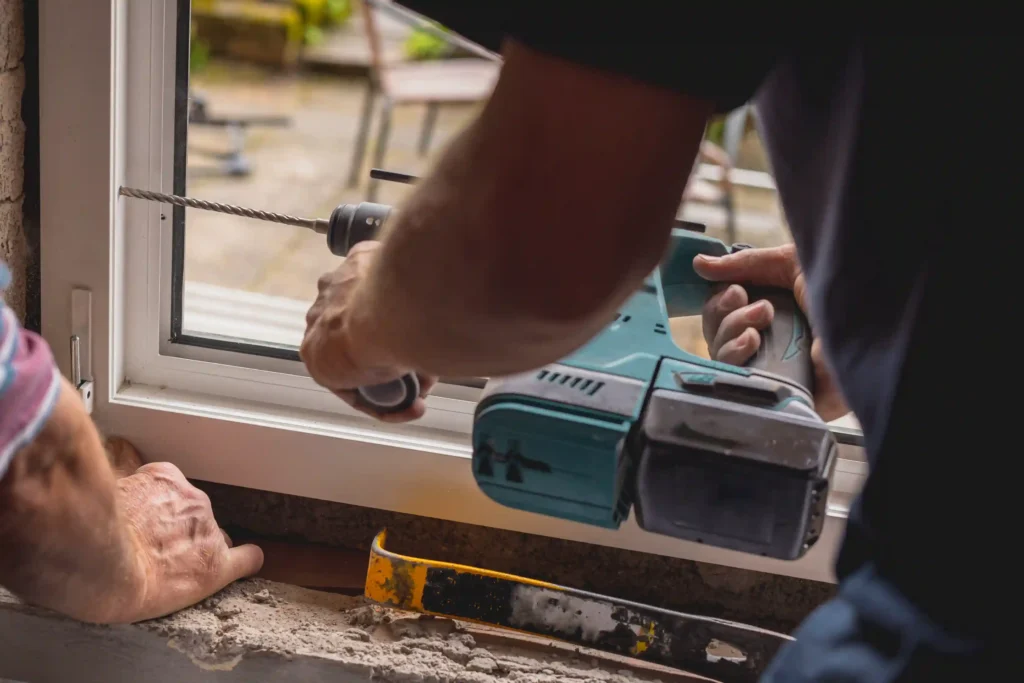
Installation detail not matching specification: screening, sealing, or glazing detail specified for a BAL category needs to be installed exactly as documented, not substituted on site without consultant sign-off.
Site access and storage constraints: confirm these early, since they affect both delivery scheduling and how packing should be configured.
Unclear responsibility boundaries: clarify what the supplier, contractor, and installer are each responsible for before production begins.
Where Installation Issues Usually Start
Installation-stage issues often trace back to a specification or delivery assumption that was never confirmed in writing before production.
The Cost of Fixing Issues Late
Once fabrication starts, correcting a missed detail is far more costly than catching it during specification review.
What APRO Can and Can’t Coordinate
APRO can help clarify what falls within its supply scope versus what remains the responsibility of the local project team, but cannot manage on-site installation coordination itself.
Common Mistakes to Avoid
Assuming a BAL category from a similar past project instead of the site’s own assessment.
Treating a general “BAL rated” product claim as sufficient without checking the specific test report’s scope.
Requesting a quotation before the window/door schedule and glass specification are finalized.
Comparing supplier quotations on unit price alone, without checking scope completeness.
Leaving delivery and packing assumptions unconfirmed until after production has started.
Assuming AS 2047 and BAL/AS 3959 requirements are interchangeable, when a project may need to satisfy both separately.
Process Gaps, Not Product Defects
Many of these mistakes are process gaps rather than product defects — they tend to happen when documentation is incomplete, not because a system is unsuitable.
Why Catching Them Early Protects the Schedule
Catching these gaps before quotation avoids the revision cycles that otherwise delay a project’s procurement schedule.
Catching Gaps Before They Reach Production
Catching these gaps during specification review is far easier than fixing them once production has started.
Project Buyer Checklist
Confirm the assessed BAL category for each relevant elevation.
Prepare architectural drawings and elevations.
Finalize the window/door schedule, including sizes, quantities, and configurations.
Confirm the glass specification, including any bushfire-related glazing notes.
Confirm performance requirement notes, including AS 2047 scope and any consultant-issued criteria.
Confirm finish, hardware, and screening requirements.
Document packing and delivery assumptions, including project location and target timeline.
Send the complete package to APRO or another qualified supplier for project review and a scope-confirmed quotation.
FAQ
What is the difference between AS2047 and AS1288 in Australian window standards?
AS2047 covers the performance and testing requirements for windows and external glazed doors, including structural, water penetration, and air infiltration testing. AS1288 covers the selection and installation of glass in buildings, including safety glazing requirements. The two standards are often referenced together for a window system, but they address different scopes — window assembly performance versus glass selection and installation.
Can aluminum windows achieve BAL-40 compliance without external shutters?
Whether a specific configuration meets a BAL-40 requirement without external shutter screens depends on the assessed compliance pathway for that project, including glazing, frame material, and any required sealing or screening detail. This is a project-specific engineering and certification question that should be confirmed with the project’s consultant and certifier rather than treated as a general product claim.
How do B2B buyers verify if an overseas window supplier has valid AS2047 certification?
Buyers can ask for the specific test report number, the issuing laboratory, and confirmation that the report’s product scope matches the exact configuration being supplied — not just the general product line. Cross-checking that information with the project’s certifier, rather than relying on a supplier’s marketing claim alone, is the more reliable verification step.
Why is sub-sill flashing critical for AS2047 compliance in commercial buildings?
Sub-sill flashing is generally an installation-level detail that helps manage water at the base of a window opening; it is typically addressed through installation guidelines and the building’s broader weatherproofing strategy rather than being a direct AS2047 window-performance requirement. Buyers should confirm installation flashing requirements with the project’s builder or consultant, since these can vary by building type and local practice.
What should project buyers confirm before requesting a quotation for BAL rated aluminum windows?
Buyers should confirm the assessed BAL category per elevation, the applicable AS2047 performance requirements, architectural drawings, a window/door schedule, and any consultant-issued glazing or screening criteria before requesting a quotation, so the supplier is pricing an accurate scope rather than a placeholder configuration.
How can buyers evaluate suppliers beyond unit price?
Compare how completely each supplier responds to the submitted documents, how clearly they separate their scope from certifier compliance sign-off, and how transparent their quotation is about inclusions, exclusions, and assumptions.
What drawings or schedules are needed before quotation?
At minimum, architectural drawings with elevations, a window/door schedule with sizes and quantities, and a glass specification are needed. Performance requirement notes and a finish/hardware list further reduce quotation revision cycles.
What documents are needed before requesting a quotation for BAL rated aluminum windows?
Architectural drawings, a window/door schedule, glass specification, shop drawing references (if available), performance requirement notes, finish/hardware details, and a packing/delivery schedule assumption sheet.
Conclusion / What to Do Next
Evaluating BAL rated aluminum windows starts with confirming the site’s assessed BAL category and the project’s AS 2047 performance requirements — before it becomes a documentation and quotation task.
Buyers who assemble a complete specification package up front, using a structured project decision checklist, get more accurate, more comparable quotations from suppliers.
Before requesting a quotation, prepare:
The site’s assessed BAL category per elevation
Architectural drawings and elevations
Window/door schedule
Glass specification, including any bushfire-related glazing notes
Performance requirement notes and any consultant-issued criteria
Finish, hardware, and screening requirements
Project location and target delivery timeline
Once this package is ready, send it to APRO or another qualified supplier for a project review and scope-confirmed quotation, rather than requesting a price on a general product description alone.
CTA
For a project review or quotation on BAL rated aluminum windows, send APRO the project drawings, window/door schedules, specifications, project location, glass requirements, finish/hardware requirements, delivery assumptions, and quotation scope.
APRO can review these inputs and clarify what additional information is needed before preparing a scope-confirmed quotation. Final compliance sign-off remains the responsibility of the project’s building certifier and consultant.
SPECIFICATION CHECKS
Specification checks for Answer Snippet and Guide Overview
Confirm Answer Snippet and Guide Overview from the current source or project schedule.
Record the page-specific context: This guide is written for project buyers evaluating BAL rated aluminum windows for a commercial or multi-residential project in a designated bushfire-prone area — not for homeowners comparing retail
Check Who This Guide Is For against the applicable drawing or evidence set.
Use the article to frame the decision, then verify the exact system configuration, test scope, drawing revision and local project requirements.
INSTALLATION INTERFACES
Interfaces affected by BAL Rated Aluminum Windows: The Complete AS2047 Guide
Who This Guide Is For
Getting the BAL category and specification wrong early costs time later: a supplier can only quote against what has been confirmed, and a certifier is generally expected to sign off only a system that matches the assessed requirement for that specific
Why Getting This Right Early Matters
Submitted project information can be reviewed to help identify what documentation is still needed before a scope-confirmed quotation is prepared; compliance sign-off itself remains with the project’s building certifier and
Where APRO Fits In
A Bushfire Attack Level (BAL) is a measure of a building’s potential exposure to ember attack, radiant heat, and direct flame contact in a designated bushfire-prone area, as set out in AS 3959 (Construction of buildings in bushfire-prone areas). BAL…
TERM DEFINITIONS
Terms used on BAL Rated Aluminum Windows: The Complete AS2047 Guide
Why Getting This Right Early Matters
Submitted project information can be reviewed to help identify what documentation is still needed before a scope-confirmed quotation is prepared; compliance sign-off itself remains with the project’s building certifier and
Where APRO Fits In
A Bushfire Attack Level (BAL) is a measure of a building’s potential exposure to ember attack, radiant heat, and direct flame contact in a designated bushfire-prone area, as set out in AS 3959 (Construction of buildings in bushfire-prone areas). BAL…
Answer Snippet and Guide Overview
Highest category, including possible direct flame
QUESTION CLUSTER
Questions answered by BAL Rated Aluminum Windows: The Complete AS2047 Guide
What does Where APRO Fits In mean on BAL Rated Aluminum Windows: The Complete AS2047 Guide?
A Bushfire Attack Level (BAL) is a measure of a building’s potential exposure to ember attack, radiant heat, and direct flame contact in a designated bushfire-prone area, as set out in AS 3959 (Construction of buildings in bushfire-prone areas). BAL…
What must be verified before using this page for a project decision?
Use the article to frame the decision, then verify the exact system configuration, test scope, drawing revision and local project requirements.
Which source section should be reviewed next?
Continue with Answer Snippet and Guide Overview on the same source-backed page, then retain the relevant project evidence.
CLAIM / EVIDENCE
Claims and evidence on BAL Rated Aluminum Windows: The Complete AS2047 Guide
Source statement
Highest category, including possible direct flame
Evidence field
Retain the source route, section 'Answer Snippet and Guide Overview', revision context and responsible reviewer.
Handoff
Match every claim on BAL Rated Aluminum Windows: The Complete AS2047 Guide to the exact report number, tested configuration and stated scope.
Manage Consent
To provide the best experiences, we use technologies like cookies to store and/or access device information. Consenting to these technologies will allow us to process data such as browsing behavior or unique IDs on this site. Not consenting or withdrawing consent, may adversely affect certain features and functions.
Functional
Always active
The technical storage or access is strictly necessary for the legitimate purpose of enabling the use of a specific service explicitly requested by the subscriber or user, or for the sole purpose of carrying out the transmission of a communication over an electronic communications network.
Preferences
The technical storage or access is necessary for the legitimate purpose of storing preferences that are not requested by the subscriber or user.
Statistics
The technical storage or access that is used exclusively for statistical purposes.The technical storage or access that is used exclusively for anonymous statistical purposes. Without a subpoena, voluntary compliance on the part of your Internet Service Provider, or additional records from a third party, information stored or retrieved for this purpose alone cannot usually be used to identify you.
Marketing
The technical storage or access is required to create user profiles to send advertising, or to track the user on a website or across several websites for similar marketing purposes.