An aluminum window project decision checklist is a structured pre-quotation tool for contractors and window companies. It covers three steps: confirming scope and drawings, checking technical and compliance requirements, and reviewing quotation and delivery assumptions — so supplier conversations start with defined inputs, not open questions.
Why Project Buyers Lose Control Before Quotation
When a commercial project moves toward window and facade procurement, the decisions made before requesting a quotation often determine whether the project runs smoothly or generates costly surprises.
Contractors and window companies that start the supplier conversation without confirmed drawings, schedules, and technical requirements tend to receive quotations that are difficult to compare — or that change significantly once production begins.
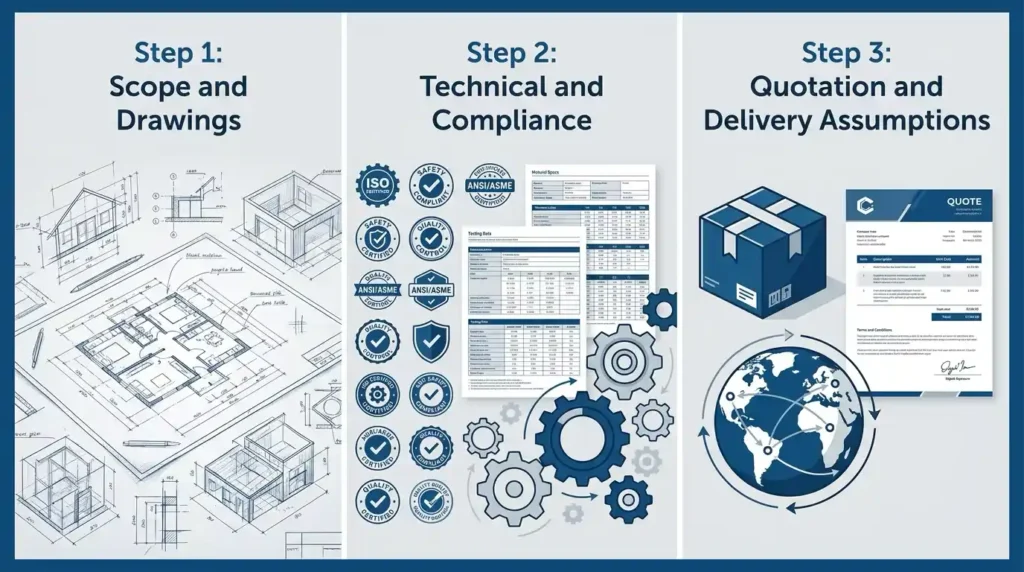
This checklist is organized around three practical steps: confirming scope and drawings, checking technical and compliance requirements, and reviewing quotation and delivery assumptions. Working through these steps reduces unclear scope, supplier mismatch, and execution risk before a single order is placed.
The Core Problem
Most quotation problems in commercial aluminum window and facade projects do not start during production. They start before the supplier conversation begins — when scope is assumed rather than defined, when drawings are incomplete, and when technical requirements are treated as something to figure out later.
The result is predictable: multiple suppliers quoting on different assumptions, prices that shift once glass, hardware, or packing details are clarified, and production scopes that do not match what the site actually needs.
Common reasons project buyers lose control at this stage:
Incomplete drawings shared with suppliers. Suppliers cannot confirm system compatibility, opening dimensions, or elevation logic without complete architectural drawings.
Missing window and door schedules. Without a schedule that links mark numbers, sizes, quantities, opening types, glass configurations, and hardware, suppliers must make assumptions — and so must the buyer.
Unconfirmed glass build-up. Glass type, thickness, insulated or laminated configuration, coating, and color affect cost, weight, system compatibility, and performance. These are not default decisions.
Vague finish requirements. Powder coating color, sheen level, anodizing grade, and sample approval process are frequently left open until after quotation, creating rework risk.
No discussion of compliance or performance requirements. Performance requirements — including structural, thermal, water, and air — vary by project location and consultant specification. Buyers who do not confirm these early often receive quotations that cannot be verified against project documents.
Unclear delivery and installation assumptions. Packing format, port of destination, installation responsibility, and site-required dates all affect total project cost and schedule. Suppliers who are not given this information price accordingly — or leave it out entirely.
How This Checklist Helps
An aluminum window project decision checklist is not a purchasing form. It is a pre-quotation alignment tool.
Using it before contacting suppliers means you enter the conversation with a defined scope, reducing the chance of incomparable proposals, scope gaps discovered after order placement, or project delays caused by documentation that should have been confirmed earlier.
The Project-Ready Supplier Review Framework for Aluminum Window Projects
What It Is
The Project-Ready Supplier Review Framework organizes the decisions that most commonly cause quotation ambiguity into three sequential steps, each building on the previous one.
The framework does not replace the project team’s own procurement process. It is a practical sequence that helps project buyers enter the supplier conversation with enough information to request and compare meaningful quotations.
The three steps are:
Confirm Scope and Drawings
Check Technical and Compliance Requirements
Review Quotation and Delivery Assumptions
Working through these steps in order reduces the risk of discovering scope gaps or compliance mismatches after production has started — when corrections are expensive.
Why the Sequence Matters
Each step depends on the one before it. Quotation and delivery assumptions cannot be confirmed until technical requirements are clear.
Technical requirements cannot be assessed until scope and drawings are in place. Buyers who skip to pricing first often cycle back to the beginning after the first round of supplier clarification questions — losing time and creating confusion.
Framework Step 1: Confirm Scope and Drawings
What to Confirm
Before a supplier can prepare a meaningful quotation for commercial aluminum windows, the project team should confirm the following:
Architectural drawings and elevations Drawings define opening dimensions, frame positions, wall interfaces, and surrounding conditions. Without them, suppliers cannot verify system compatibility or confirm fabrication logic. Share current-issue drawings, not preliminary sketches.
Window and door schedule The schedule is the most important document for quotation accuracy. It should include:
Mark numbers and corresponding locations
Rough opening or frame sizes for each unit
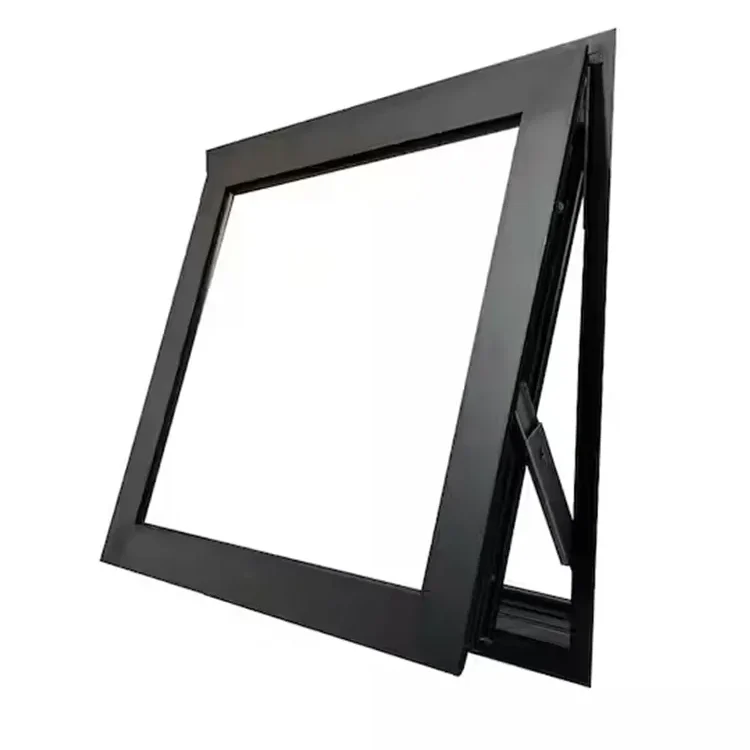
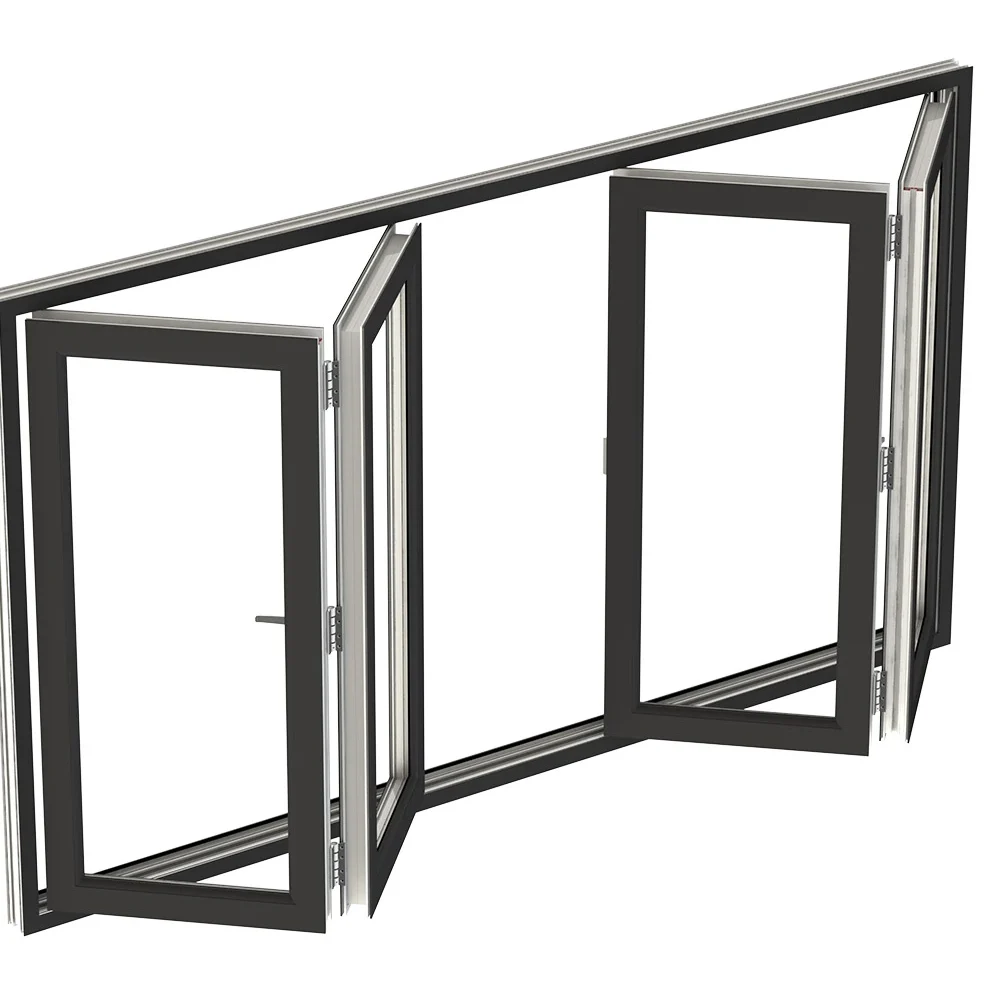
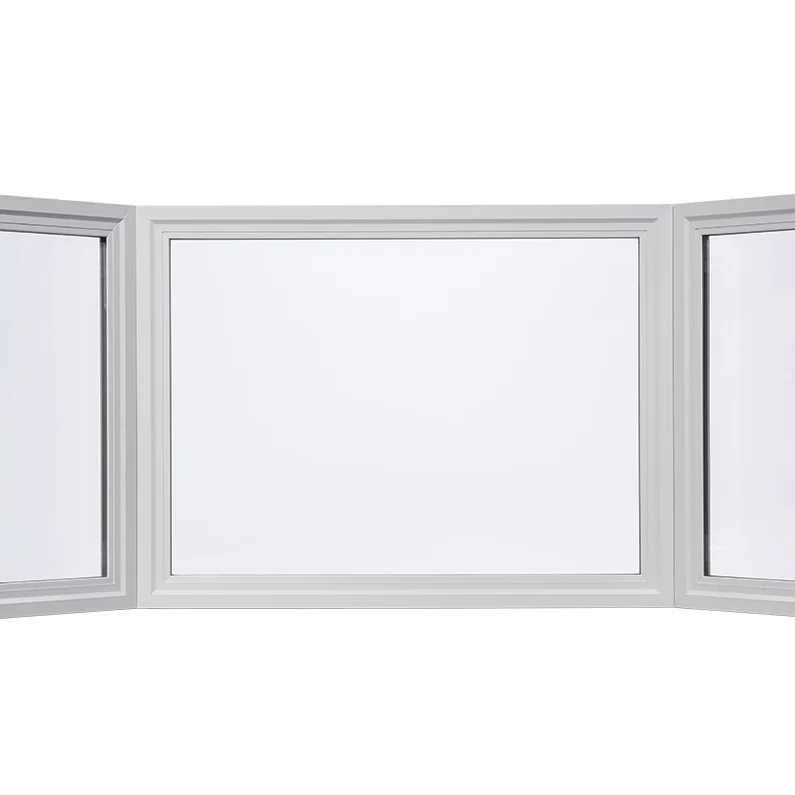
Opening types (fixed, casement, awning, tilt-and-turn, sliding, or other)
Quantity per mark
Glass configuration per mark (single, double, laminated, insulated, low-e, etc.)
Hardware requirements per mark
Any special requirements such as acoustic glazing, safety glass, or restricted opening
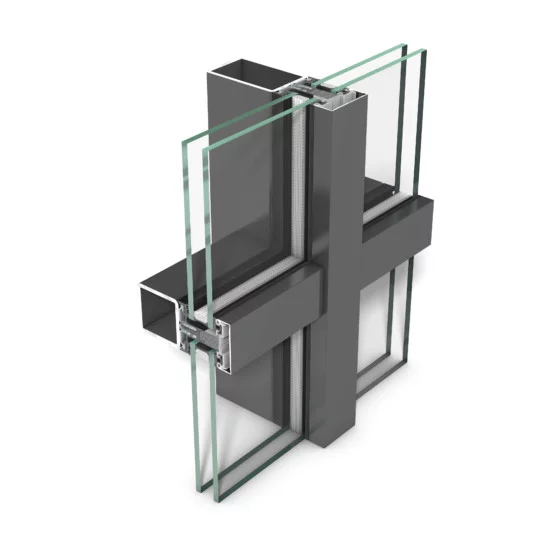
Curtain wall or facade elevations if applicable For projects involving curtain wall, storefront, or connected facade scopes, elevation drawings should show grid layout, module dimensions, glass areas, vision vs. spandrel zones, and interface points with adjacent systems.
Opening sizes and site conditions Where existing openings are involved, confirmed rough opening dimensions reduce measurement risk. Any site conditions that affect installation — such as head clearance, sill conditions, or interfacing trades — should be noted.
How to Apply This Step
Work through your project drawing set and confirm that the documents you plan to share with suppliers are complete, dimensioned, and reflect the current design intent.
If drawings are still in progress, note which dimensions or details are outstanding so suppliers can flag what is affected and how it may change the quotation.
Sharing incomplete drawings is sometimes unavoidable at early project stages — but the incompleteness should be made explicit to the supplier, not left as an unstated assumption. Unacknowledged gaps in drawings are a common source of post-order scope disputes.
Framework Step 2: Check Technical and Compliance Requirements
What to Confirm
Technical and compliance requirements for commercial aluminum windows vary by project location, building type, and consultant specification. Buyers should confirm what is required for their project before asking suppliers to respond.
The table below outlines the main technical categories to review, what each covers, and what the buyer’s project team should confirm before quotation.
Requirement Category
What It Covers
What to Confirm Before Quotation
Structural / wind load
Frame and glass ability to resist wind pressure at project location
Design pressure requirements from structural engineer or project specification
Thermal performance
U-value, solar heat gain, condensation resistance
Energy code or consultant requirements; confirm if test documentation is needed
Water resistance
Water penetration resistance under pressure
Performance class or test requirement from project specification
Air infiltration
Air leakage rate at specified pressure
Performance requirement from project or local code
Safety glass
Laminated or tempered glass requirements
Location-specific safety glazing requirements from building code or consultant
Acoustic performance
Sound transmission requirements
STC or Rw requirement from acoustic consultant or specification, if applicable
Finish durability
Powder coating or anodizing standard
Finish specification and any project-required test or certification
Hardware ratings
Locking, handle, hinge, and actuator requirements
Hardware specifications and any security or accessibility standards
Compliance caution:
Requirements vary by project market, building classification, and consultant specification. Do not assume that a supplier’s standard product meets local code or project specification without confirming the applicable standard, required performance level, and available documentation.
Buyers should verify requirements with local consultants before using any supplier’s technical claims as project evidence.
How to Apply This Step
Review your project specification, structural engineering inputs, and consultant requirements against the categories in the table above. Identify which items have confirmed requirements and which still need clarification.
For items with confirmed requirements, document the performance level or standard so you can ask suppliers to confirm compatibility and available documentation.
For items still under review, note this explicitly when approaching suppliers. A supplier that can engage constructively with unresolved technical questions — rather than simply confirming everything without documentation — is generally a more reliable project partner.
Framework Step 3: Review Quotation and Delivery Assumptions
What to Confirm
Once scope and technical requirements are in place, the final step before requesting quotations is to confirm what the quotation should cover — and what assumptions suppliers are making about delivery, packing, and installation responsibility.
This step matters because two quotations with the same unit price may cover very different scopes. Buyers who do not define these inputs in advance often discover the gap after order placement.
Step 3.1: Define quotation scope inclusions and exclusions
Ask each supplier to confirm what is included in their quotation:
Frame and sash fabrication
Glass supply and glazing
Hardware supply and fitting
Factory testing or quality inspection
Packaging and labeling
Delivery to port or project site
Shop drawing preparation or review
Installation (if applicable) or installation guidance
Items not included should be explicitly listed as exclusions, not left as assumptions.
Step 3.2: Confirm packing and delivery requirements
Commercial aluminum window projects often involve international supply chains, container shipments, and staged deliveries. Confirm:
Packing format required (e.g., crated, wrapped, palletized)
Port of loading and port of destination
Delivery terms (FOB, CIF, DAP, or other)
Site-required delivery date and lead time assumption
Any phased delivery requirements based on construction schedule
Step 3.3: Clarify installation responsibility
Installation responsibility is one of the most common areas of scope ambiguity in overseas aluminum window procurement. Before quotation, confirm:
Whether installation is in scope for the supplier or handled by local trades
Whether installation guidance, drawings, or anchor detail support is required from the supplier
Whether the project requires any site coordination, pre-installation inspection, or commissioning support
For overseas projects, installation responsibility and any related site support should be confirmed against local requirements, project contract scope, and commercial agreement — not assumed from supplier marketing.
Step 3.4: Confirm quotation document requirements
Some projects require formal quotation documents, technical submittals, or compliance documentation as part of the tender or approval process. If your project has these requirements, confirm them before requesting quotations so suppliers can prepare accordingly.
Risk Control Logic: What Goes Wrong Without a Checklist
Working through the three framework steps reduces specific, predictable risks. The table below maps the most common aluminum window project risks to the checklist step that helps prevent them.
Risk
Root Cause
Framework Step That Reduces It
Incomparable quotations
Suppliers quoting on different scope assumptions
Step 1 and Step 3 — confirm scope and quotation inclusions
Post-order scope changes
Glass, hardware, finish, or packing not confirmed before order
Step 1 and Step 3 — confirm schedule and quotation details
System incompatibility
Product selected without confirming performance requirements
Step 2 — confirm technical and compliance requirements
Compliance documentation gap
No test reports or certificates available when consultant requests them
Step 2 — identify required documentation before supplier selection
Delivery delays
Lead time and packing assumptions not aligned with construction schedule
Step 3 — confirm delivery terms, packing, and timeline
Installation responsibility confusion
Supplier and buyer have different assumptions about who does what
Step 3 — confirm installation scope and responsibility before order
Price escalation
Excluded items discovered after quotation acceptance
Step 3 — confirm inclusions, exclusions, and assumptions up front
This table is not exhaustive. Every project has site-specific risk factors. The framework is a starting point, not a substitute for project-specific review.
Anonymized Project Context: Common Scenarios Where This Checklist Applies
The following scenarios are generalized from typical commercial project patterns. No specific project names, customer names, or verified case data are used.
Scenario 1: Multi-story residential or mixed-use building A contractor procuring aluminum windows for a multi-story building typically needs a confirmed window schedule, elevation drawings, and structural performance inputs before approaching overseas suppliers.
Without the schedule, quantities and configurations are estimates. Without performance inputs, the supplier cannot confirm system selection against the project’s wind load or thermal requirements.
Scenario 2: Commercial office fit-out with facade scope Window companies working on office fit-outs with curtain wall or storefront elements need elevation drawings and glass specifications in addition to the window schedule.
The integration between the aluminum window system and adjacent facade systems often requires shop drawing coordination before fabrication begins.
Scenario 3: International procurement with phased delivery For projects procuring from overseas suppliers, delivery and packing assumptions must be confirmed before quotation to avoid cost surprises.
Lead times, packing format, port-to-site logistics, and phased delivery requirements can significantly affect total project cost and procurement schedule.
In each scenario, the project buyer who enters the supplier conversation with confirmed scope, drawings, and technical requirements gets more accurate quotations and fewer scope surprises.
How Project Buyers Can Apply This Framework
The three-step framework is designed to be worked through sequentially. Here is a practical sequence for using it before sending a quotation request to any supplier:
Before contacting suppliers
Collect current-issue architectural drawings, elevations, and window/door schedule.
Note which items in the schedule still have unresolved glass, hardware, or finish specifications.
Review project specifications and consultant requirements for performance, compliance, and documentation needs.
Confirm delivery terms, packing requirements, site-required dates, and installation responsibility.
Prepare a quotation scope summary listing inclusions, exclusions, and assumptions.
When contacting suppliers
Share the confirmed drawings and schedule, noting any outstanding items explicitly.
Ask each supplier to confirm scope coverage, technical compatibility, and available documentation.
Request a quotation that clearly separates included items from excluded items and assumptions.
Compare quotations on scope quality and documentation completeness, not only unit price.
Before placing an order
Confirm that all open items from the checklist have been resolved or explicitly noted.
Verify that compliance documentation requirements are covered by available supplier documents or identified as a buyer responsibility.
Confirm delivery, packing, and installation scope in the order documentation.
FAQ
Q1: What should project buyers confirm before requesting a quotation for aluminum windows on a commercial project?
Before requesting a quotation, project buyers should confirm the scope of works, current-issue drawings and elevations, window and door schedule, glass configuration per unit, finish requirements, hardware requirements, applicable performance or compliance requirements, delivery terms, packing requirements, and installation responsibility.
Confirming these inputs before the supplier conversation reduces quotation ambiguity and makes proposals easier to compare.
Q2: How can buyers evaluate suppliers beyond unit price?
Evaluate suppliers on their ability to engage with project-specific technical inputs: can they review drawings and schedules before pricing? Can they confirm system compatibility with performance requirements? Do their quotations clearly separate included items from excluded items? Can they provide relevant documentation when required?
A supplier that responds with technical clarity and document-based scope is generally more useful on a commercial project than one that responds with a price alone.
Q3: What drawings or schedules are needed before requesting a quotation?
At minimum, suppliers need architectural drawings showing opening dimensions and wall conditions, and a window and door schedule showing mark numbers, sizes, quantities, opening types, glass configurations, and hardware requirements.
For facade-related scopes, elevation drawings showing grid, module dimensions, and glass zones are also needed. Sharing incomplete documents should be made explicit so suppliers can flag the impact on quotation accuracy.
Q4: Which performance or compliance requirements should be checked before supplier selection?
Performance categories to review include structural/wind load, thermal performance, water resistance, air infiltration, safety glass requirements, acoustic performance (if specified), finish durability, and hardware ratings.
Requirements vary by project market, building type, and consultant specification and should be confirmed against local codes, project specifications, and consultant requirements — not assumed from supplier defaults.
Q5: What cost factors can change the final project quotation?
Glass build-up (single, double, laminated, insulated, coated) has a significant impact on cost, as do hardware selection, finish specification, packing format, delivery terms, shop drawing requirements, and whether installation is in scope.
A quotation that excludes any of these items will be lower in unit price but higher in total project cost once the gaps are identified. Confirming inclusions and exclusions before quotation acceptance reduces this risk.
Q6: How can delivery or installation risks be reduced?
Define packing format, delivery terms, port of destination, site-required dates, and lead time assumptions before order placement.
Confirm installation responsibility explicitly — whether it sits with the supplier, local installer, or another trade — and document this in the order scope.
For overseas supply, confirm whether the supplier can provide installation guidance, anchor details, or site coordination support, and whether local installation requirements need to be confirmed with a licensed contractor.
Q7: When should a project buyer contact APRO for project review?
The most useful time to engage APRO is after drawings, a window and door schedule, and basic technical requirements are in place — even if some items are still under review.
APRO’s engineering team can review project information, clarify scope, confirm system options, discuss glass and finish requirements, and help prepare a more accurate quotation scope.
Projects in early stages can also contact APRO to discuss system selection and identify what information will be needed as the design develops.
Q8: What documents are needed before requesting a quotation for aluminum windows and facades?
The minimum document set for a meaningful quotation includes: current architectural drawings, window and door schedule, glass specification or requirements, finish specification, hardware requirements, applicable performance requirements, delivery terms and timeline, and packing and installation scope.
Projects with curtain wall or storefront elements should also include elevation drawings. The more complete and confirmed this document set is, the more accurate and comparable the quotations will be.
Conclusion / What to Do Next
If your project is approaching the quotation stage for commercial aluminum windows, the most practical next step is to work through the three-step framework before contacting any supplier.
Start by confirming your drawings and window schedule are complete enough to define scope. Then review your project specification and consultant requirements for performance and compliance documentation needs. Finally, confirm your delivery and installation assumptions so quotation scope is clearly defined from the start.
Projects that enter the supplier conversation with this information in hand get more accurate proposals, spend less time on clarification rounds, and reduce the risk of scope changes after order placement.
If parts of the checklist are still outstanding — glass requirements unresolved, compliance documentation needs unclear, or drawings still in progress — note what is confirmed and what is still open. A qualified supplier can help work through open items. What matters is that both sides understand what is known and what is not before pricing begins.
For projects at this stage, APRO’s engineering team is available to review drawings, clarify scope, discuss system options, and help prepare a more accurate project quotation. Early engagement reduces surprises later.
Ready to request a project-based quotation review?
Send APRO the project information you have confirmed so far. The more complete your inputs, the more accurate and useful APRO’s review will be. If some items are still outstanding, share what is confirmed and note what is still under review — APRO’s engineering team can help clarify the impact on scope and quotation.
To get started, send:
Architectural drawings and elevations
Window and door schedule
Glass configuration requirements
Finish and hardware requirements
Applicable performance or compliance requirements
Project location and delivery assumptions
Target timeline and order quantity
Contact APRO for project review and quotation support.
SPECIFICATION CHECKS
Specification checks for Why Project Buyers Lose Control Before Quotation
Confirm Why Project Buyers Lose Control Before Quotation from the current source or project schedule.
Record the page-specific context: An aluminum window project decision checklist is a structured pre-quotation tool for contractors and window companies. It covers three steps: confirming scope and drawings, checking technical and compliance requirements, and reviewing quotation and delivery…
Check The Core Problem against the applicable drawing or evidence set.
Use the case as evidence of project experience, then confirm whether the proposed system, dimensions, tests and installation conditions match the new project.
QUOTATION INPUTS
Quotation inputs for The Core Problem
Confirm The Core Problem from the current source or project schedule.
Record the page-specific context: When a commercial project moves toward window and facade procurement, the decisions made before requesting a quotation often determine whether the project runs smoothly or generates costly
Check How This Checklist Helps against the applicable drawing or evidence set.
Use the case as evidence of project experience, then confirm whether the proposed system, dimensions, tests and installation conditions match the new project.
PROJECT ROLES
Project responsibilities around How This Checklist Helps
How This Checklist Helps
Contractors and window companies that start the supplier conversation without confirmed drawings, schedules, and technical requirements tend to receive quotations that are difficult to compare — or that change significantly once production
The Project-Ready Supplier Review Framework for Aluminum Window Projects
This checklist is organized around three practical steps: confirming scope and drawings, checking technical and compliance requirements, and reviewing quotation and delivery assumptions. Working through these steps reduces unclear scope, supplier mismatch,…
Why Project Buyers Lose Control Before Quotation
Most quotation problems in commercial aluminum window and facade projects do not start during production. They start before the supplier conversation begins — when scope is assumed rather than defined, when drawings are incomplete, and when technical…
PROJECT HANDOFF
What to hand off after reading What to Confirm Before Quoting Aluminum Windows
Source statement
This checklist is organized around three practical steps: confirming scope and drawings, checking technical and compliance requirements, and reviewing quotation and delivery assumptions. Working through these steps reduces unclear scope, supplier mismatch,…
Evidence field
Retain the source route, section 'The Project-Ready Supplier Review Framework for Aluminum Window Projects', revision context and responsible reviewer.
Handoff
Use comparable drawings and specifications before carrying a precedent into a quotation.
CLAIM / EVIDENCE
Claims and evidence on What to Confirm Before Quoting Aluminum Windows
Source statement
Most quotation problems in commercial aluminum window and facade projects do not start during production. They start before the supplier conversation begins — when scope is assumed rather than defined, when drawings are incomplete, and when technical…
Evidence field
Retain the source route, section 'Why Project Buyers Lose Control Before Quotation', revision context and responsible reviewer.
Handoff
Read What to Confirm Before Quoting Aluminum Windows as evidence of project experience, not proof that the same system automatically fits a new project.
Manage Consent
To provide the best experiences, we use technologies like cookies to store and/or access device information. Consenting to these technologies will allow us to process data such as browsing behavior or unique IDs on this site. Not consenting or withdrawing consent, may adversely affect certain features and functions.
Functional
Always active
The technical storage or access is strictly necessary for the legitimate purpose of enabling the use of a specific service explicitly requested by the subscriber or user, or for the sole purpose of carrying out the transmission of a communication over an electronic communications network.
Preferences
The technical storage or access is necessary for the legitimate purpose of storing preferences that are not requested by the subscriber or user.
Statistics
The technical storage or access that is used exclusively for statistical purposes.The technical storage or access that is used exclusively for anonymous statistical purposes. Without a subpoena, voluntary compliance on the part of your Internet Service Provider, or additional records from a third party, information stored or retrieved for this purpose alone cannot usually be used to identify you.
Marketing
The technical storage or access is required to create user profiles to send advertising, or to track the user on a website or across several websites for similar marketing purposes.