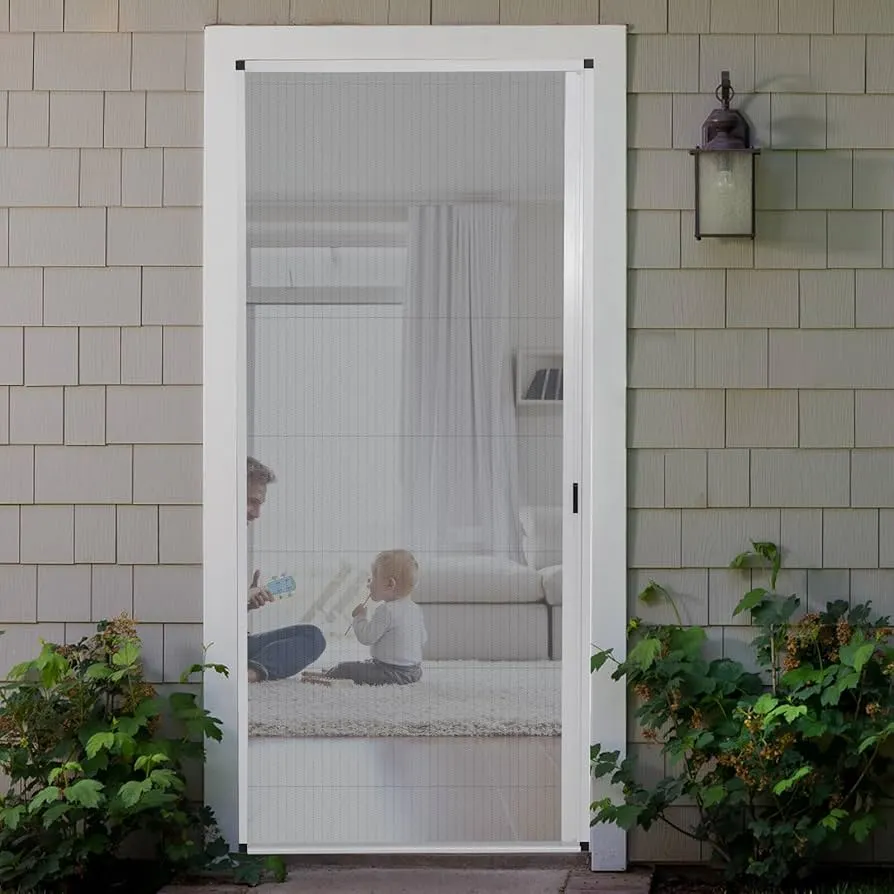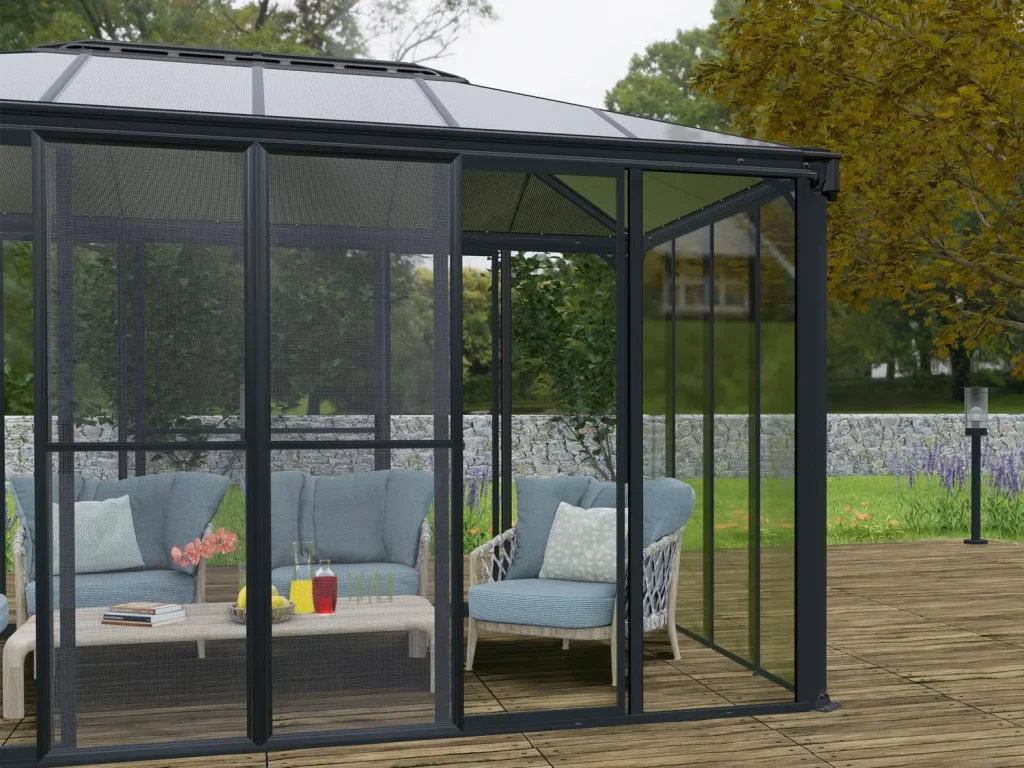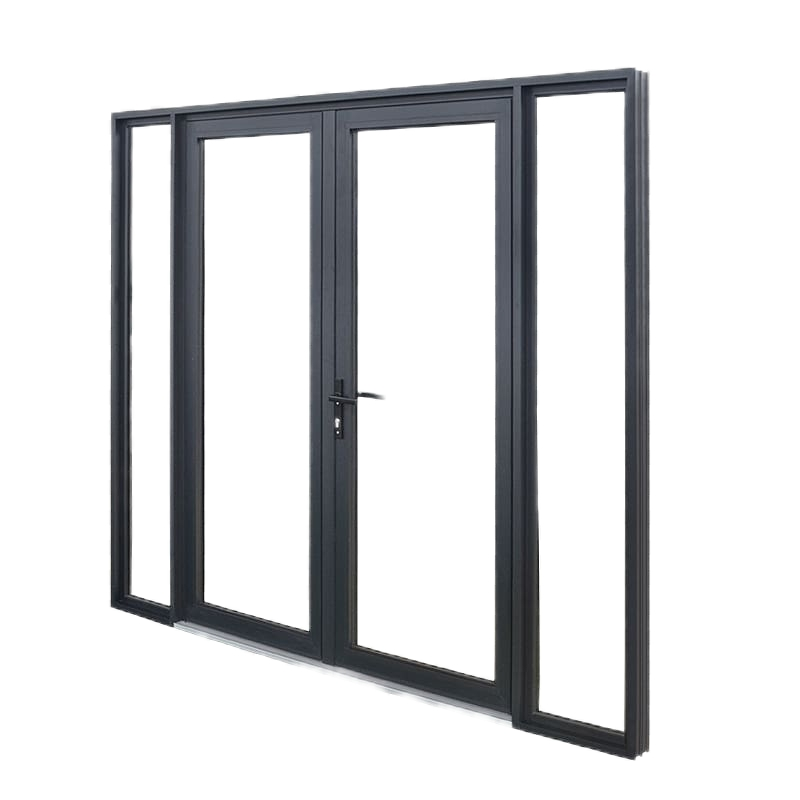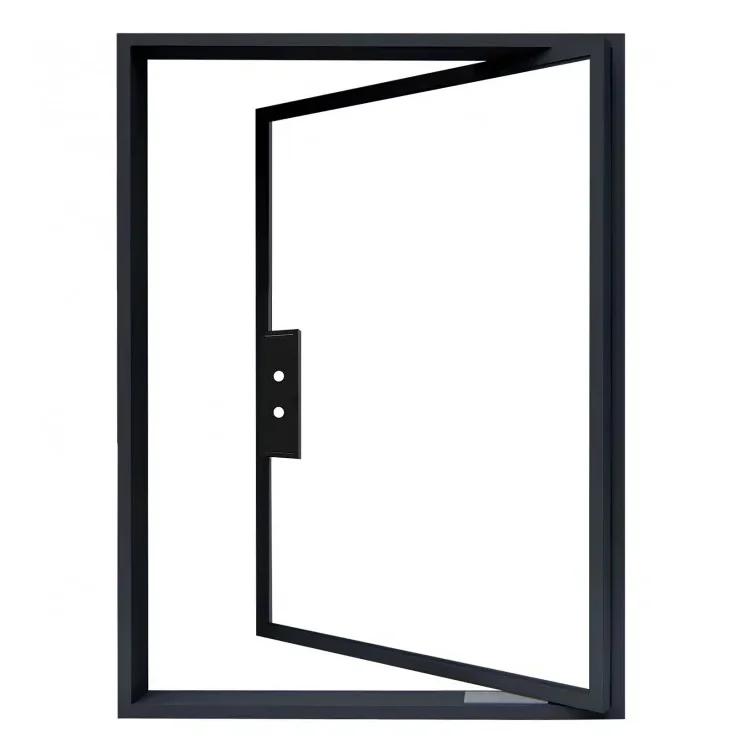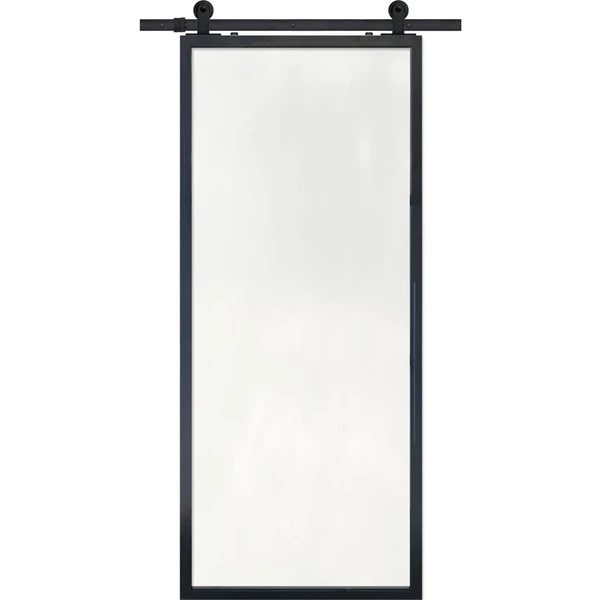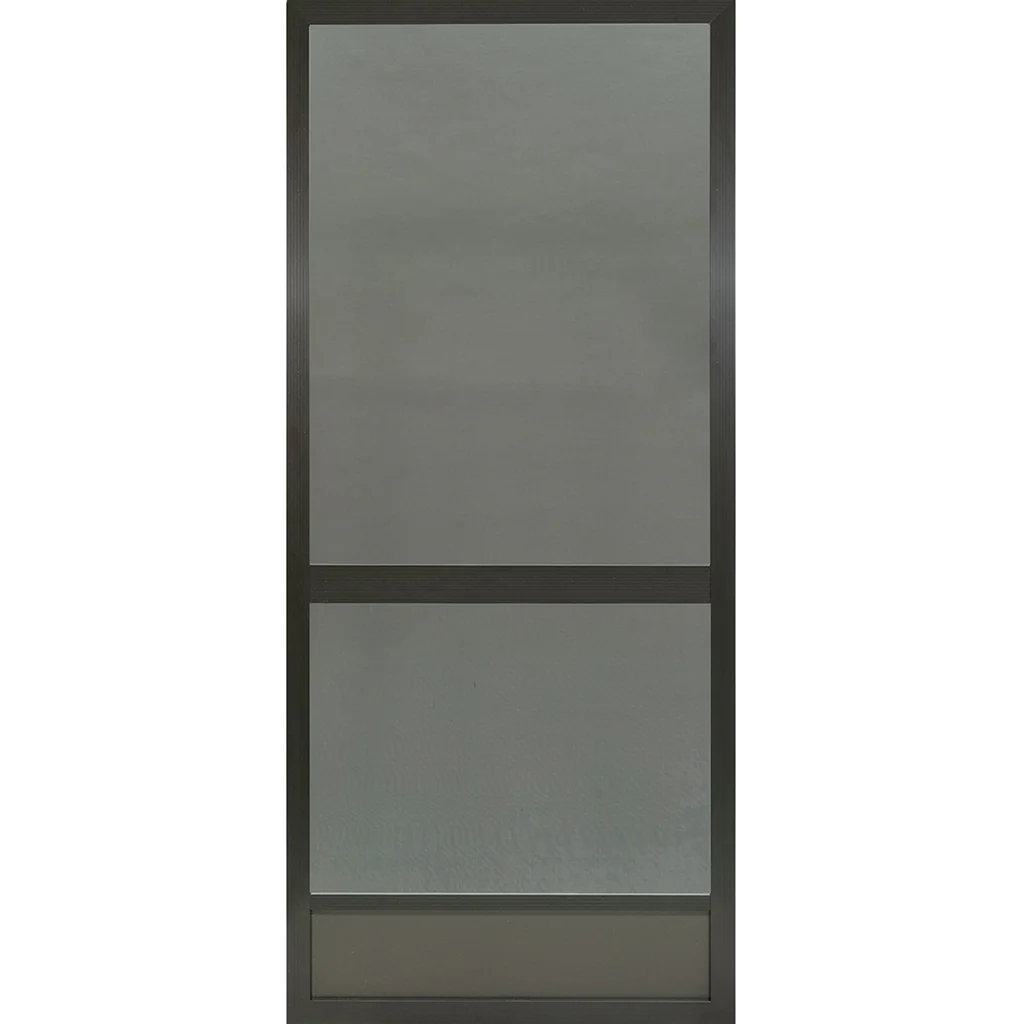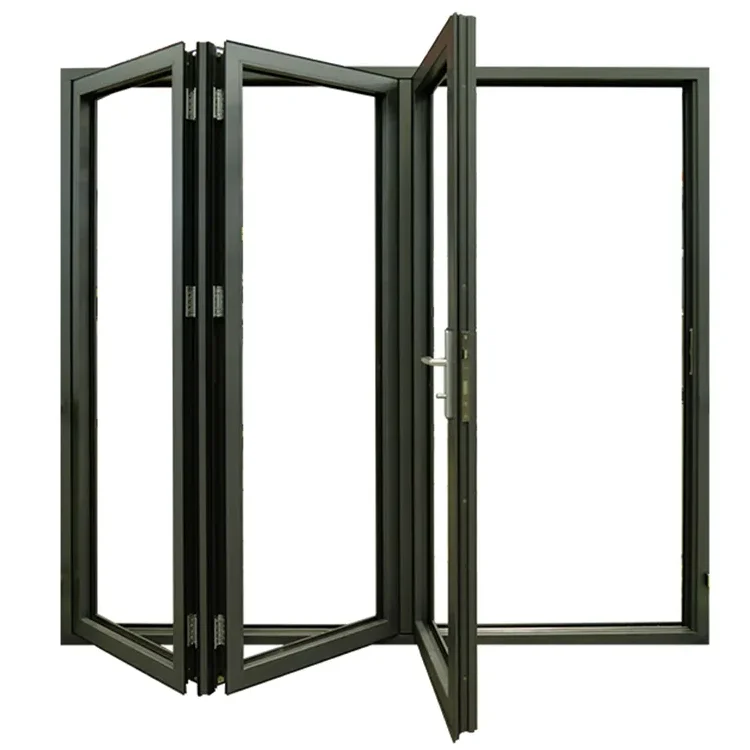
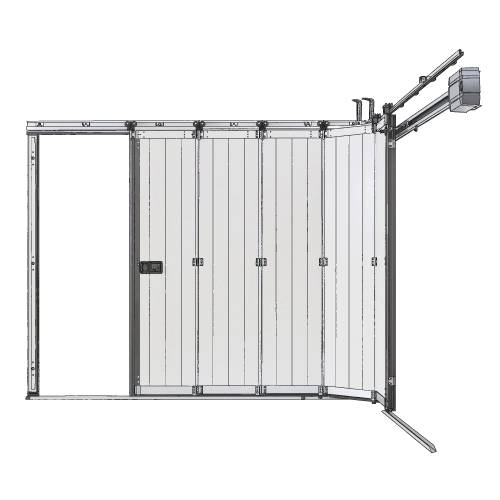
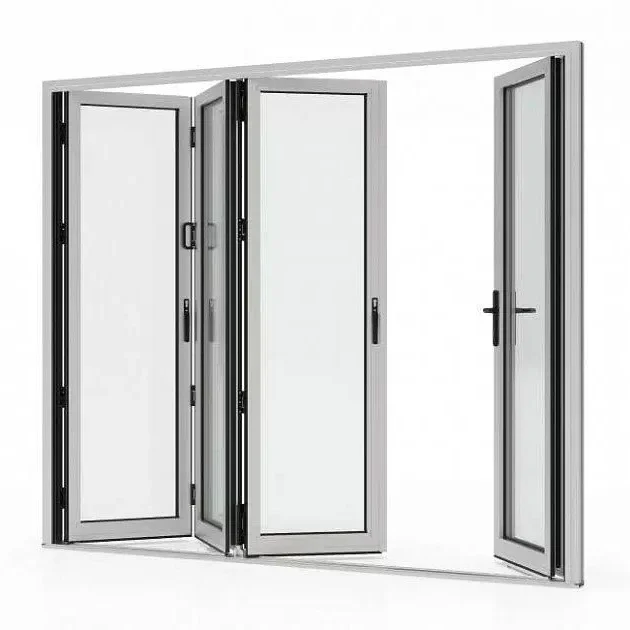
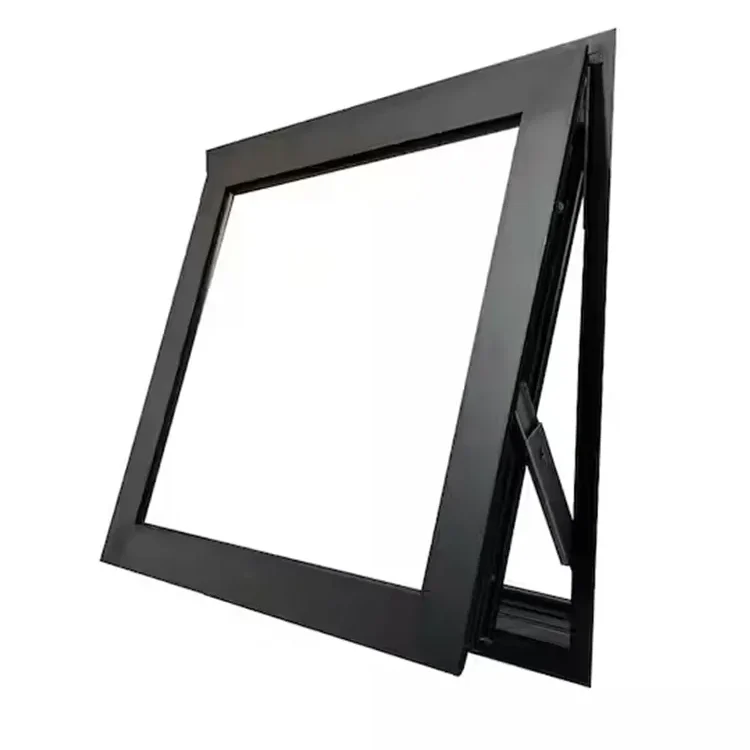
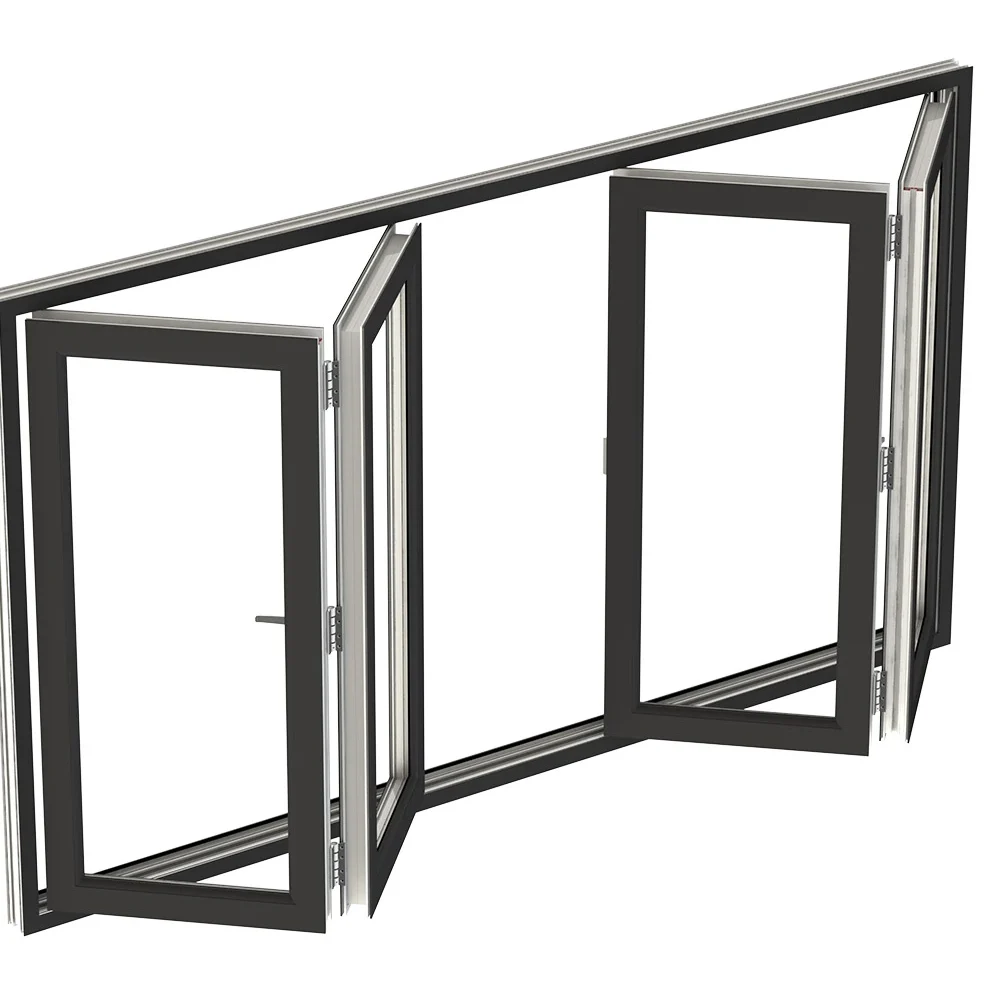
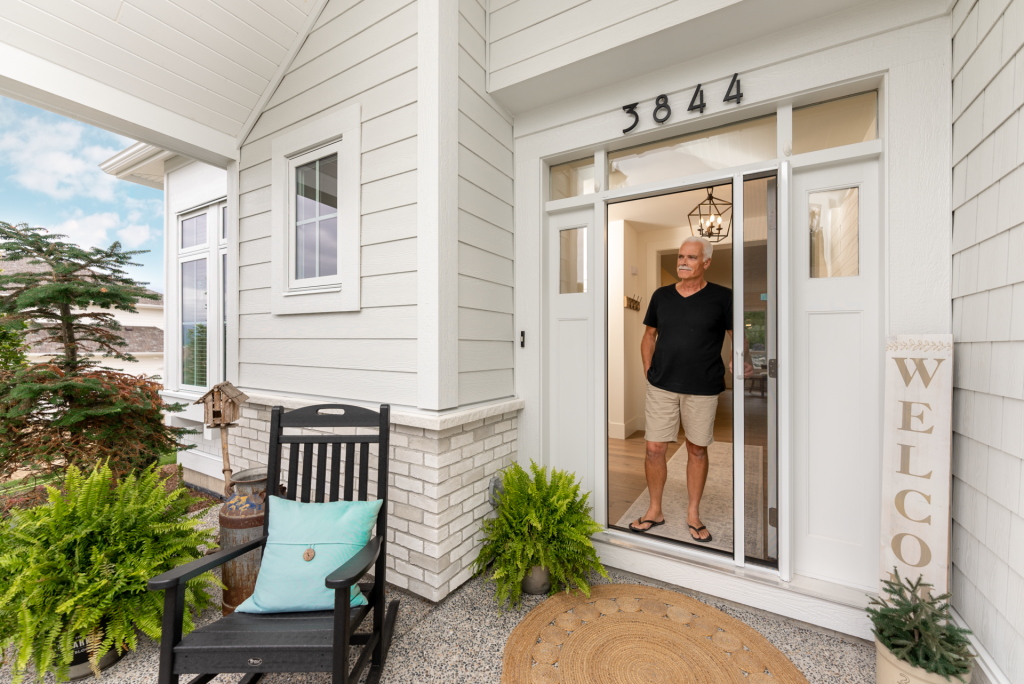
Screen doors are the perfect solution. These smart additions to your home allow natural airflow, improve indoor-outdoor connectivity, and help keep insects out—all while maintaining a clear view. Whether you’re stepping out to the patio or letting the breeze in through the front door, screen doors offer a blend of comfort, protection, and convenience for everyday living.
Fine mesh for airflow & visibility
Durable aluminum or fiberglass frames
UV and rust-resistant materials
Easy-open latches and secure closures
Magnetic or retractable options
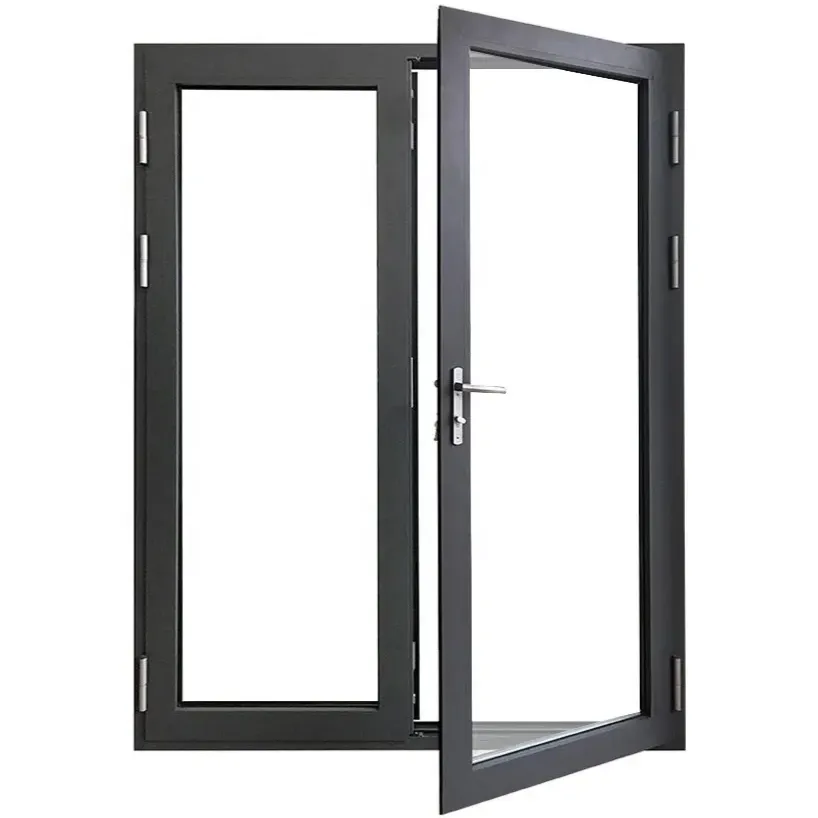
New Screen Door Designs
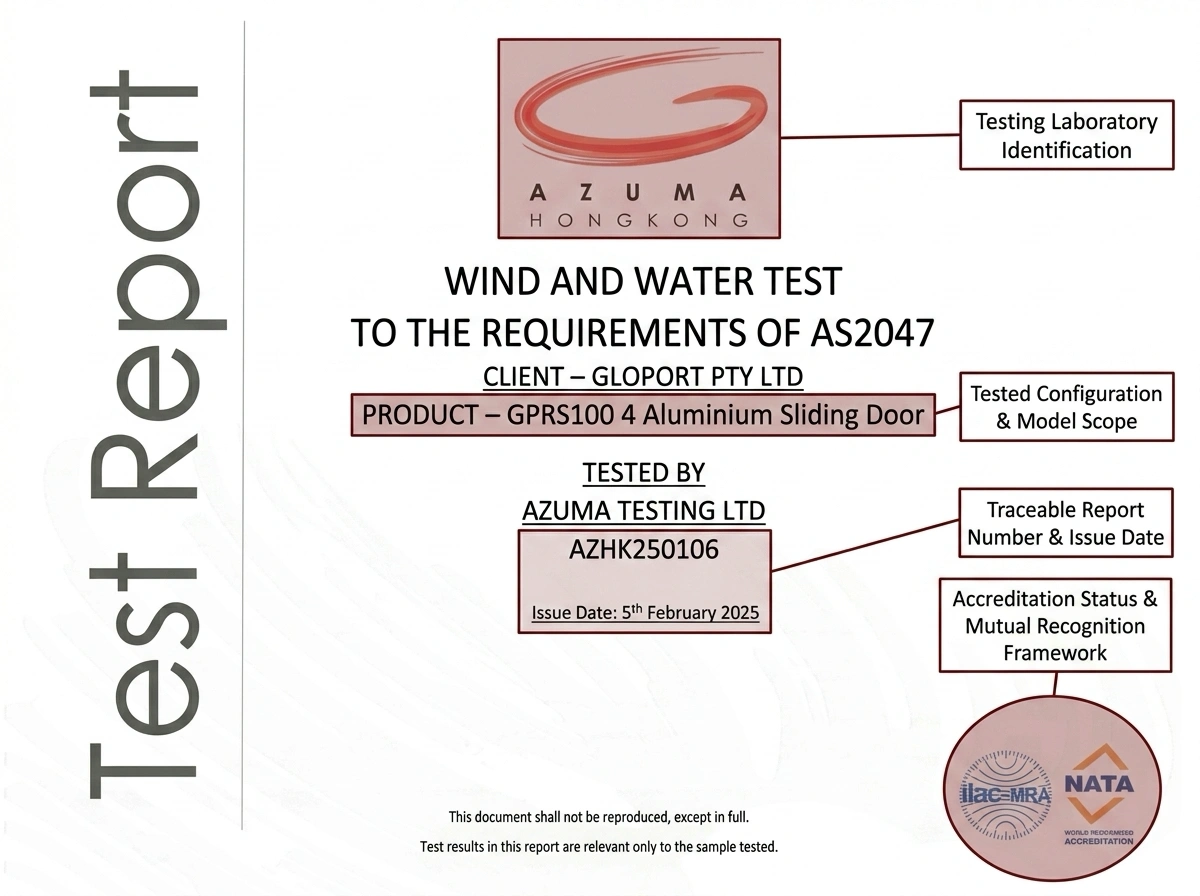
Certificates We Got
Screen Door Mesh Options
Ideal Applications
How We Ensure Our Screen Door Quality?
We apply strict quality checks to ensure every screen door is reliable and long-lasting. Mesh is tested for tear and wind resistance, and frames are evaluated for rust under outdoor conditions. We also run open/close cycle tests and inspect latch and magnet strength to ensure secure closure and smooth daily use.
"Wow" From Our Cute Customers
Your Perfect Door Starts Here.
Screen Door vs. Storm Door vs. Glass Door
| Feature | Screen Door | Storm Door | Glass Door (Interior/Patio) |
|---|---|---|---|
| Primary Function | Ventilation & insect protection | Weather protection, insulation, extra entry barrier | Creates visual connection; light flow; not weather-rated unless specified |
| Construction | Lightweight frame with mesh screen | Heavier aluminum/steel/Vinyl frame with glass panels ± screens | Typically glass slabs in aluminum/wood frames; may include insulated glazing |
| Ventilation | Excellent airflow | Variable—often glass in cold weather, vents/screens in warm | None—sealed glass; ventilation relies on adjacent windows or doors |
| Weather Resistance | None—mesh won’t block rain or wind | High—protects from rain, wind, snow, UV, drafts | Can be weatherproof if rated, but primarily for interiors or patios |
| Security & Durability | Minimal—mesh can tear, mesh-centric build | Good—tempered glass, sturdy frame, locks & deadbolts available | Standard glass strength; security depends on grade (tempered/laminated) |
| Energy Efficiency | None—open mesh cools but reduces insulation | Improves insulation; low-E glass options available | Varies based on glazing; insulated types can save energy |
| Cost | Most affordable ($25–$400) | Mid to high ($100–$1,600+) with features | Wide range based on specification; often higher than basic doors |
| Installation Ease | Simple DIY install | Requires precision and often pro install | Moderate–heavy; may require professional glazing work |
How to Replace a Screen Door?
Measure & Remove – Measure opening to select a matching replacement. Unscrew hinges, lift the door off its frame, then place it flat.
Detach Handle & Latch – Remove door handle and any latch components so the door lies flat.
Clean Frame & Inspect – Ensure the frame is free of debris or rust and tracks are smooth.
Install New Door – Align the new door in the frame, reattach hinge and handle components, ensuring the latch is secure.
Test Operation – Open and close multiple times. Adjust screws for perfect alignment and a snug fit.
FAQs About Screen Door
Can I install a screen door myself?
Yes—you can DIY if the opening is standard. Retractable models often require precise fittings, but hinged and sliding types are usually straightforward with common tools.
Are retractable screens better than fixed ones?
Retractable screens offer a cleaner look and hide away when not in use, unlike fixed screens which are permanently visible.
How often should I clean or maintain my screen door?
Clean your screen doors once or twice a season, checking mesh, tracks, hinges, and latches. More frequent attention is needed in coastal or high-dirt areas.
Can screen doors prevent insects and debris effectively?
Yes—fine-mesh polyester or fiberglass screens keep bugs and particles out while allowing fresh airflow.
Do screen doors improve energy efficiency?
Indirectly—by promoting airflow, they can reduce reliance on air conditioning during mild weather, leading to energy savings.
What material should I choose—aluminum, fiberglass, or steel?
Aluminum is lightweight, fiberglass resists dents, and steel offers the highest durability. Choose based on your climate and usage needs.
Related Articles For You

Others

Verify an AS2047 Test Report: for Project Buyer Guide
Verify an AS2047 test report before quotation. A checklist for contractors, dealers, and distributors.

August 5, 2026
No Comments

Others
N1-N6 vs Design Wind Pressure: AS2047 Guide
AS2047 N1-N6 wind rating guide for contractors, dealers, and architects: confirm the right nomination path before requesting a quotation.

July 31, 2026
No Comments

Others
AS2047 Import Documentation Mistakes: Pre-Quote Checklist
AS2047 import documentation mistakes can delay projects. Use this pre-quotation checklist to confirm scope, compliance documents, and quotation inputs.
July 29, 2026
No Comments