















Why Window Sash Matters for Homes

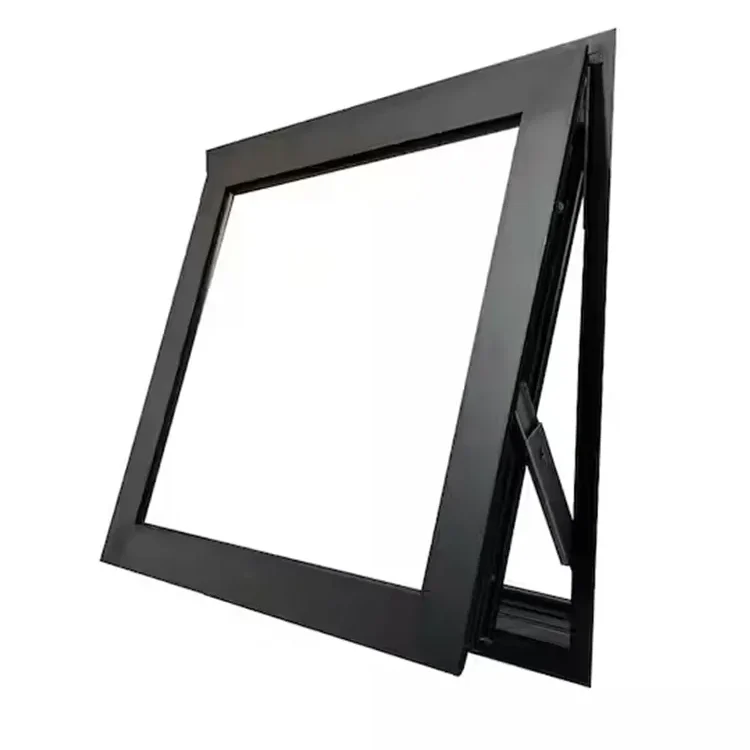
A window sash plays a bigger role in your home than most people realize. It affects comfort, efficiency, and overall appearance.
Structural support: The sash securely holds the glass in place, helping maintain window stability and prevent air or water leaks.
Energy efficiency: Well-sealed sashes with quality weatherstripping reduce heat loss in winter and keep cool air inside during summer.
Function & ventilation: Operable sashes allow windows to open smoothly, improving airflow and indoor air quality.
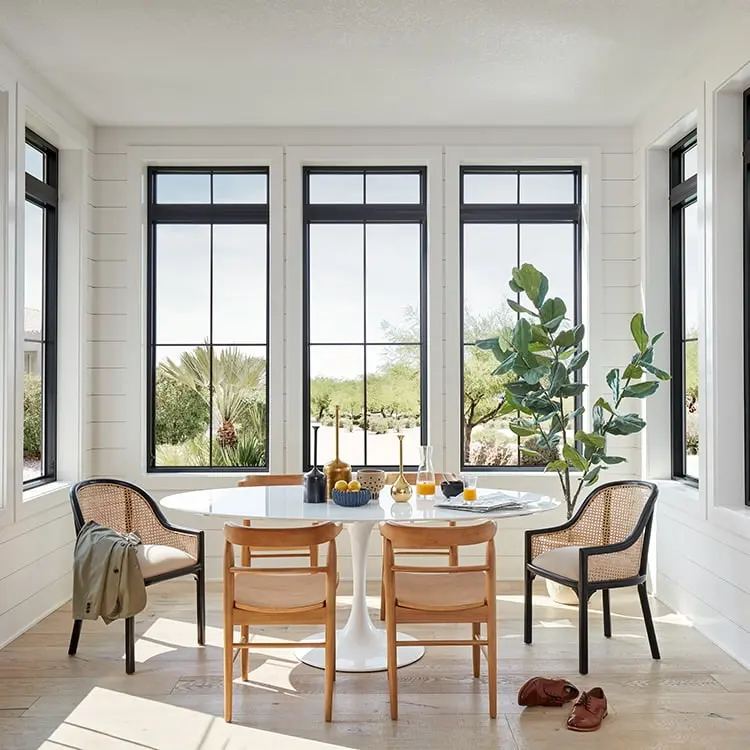
Aesthetic impact: Sash style, color, and grid patterns shape how a window looks from inside and outside, enhancing curb appeal.
Choosing the right window sash improves comfort, saves energy, and adds long-term value to your home.
Types of Window Sashes
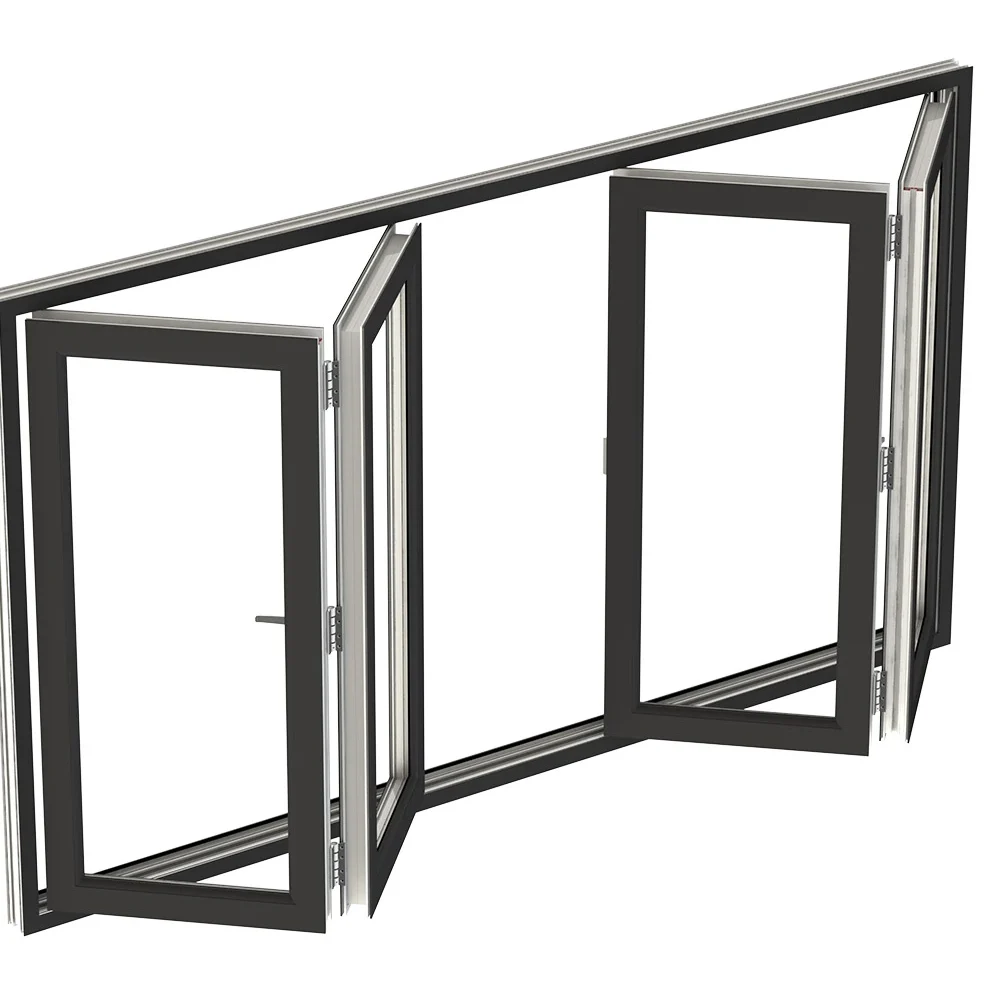
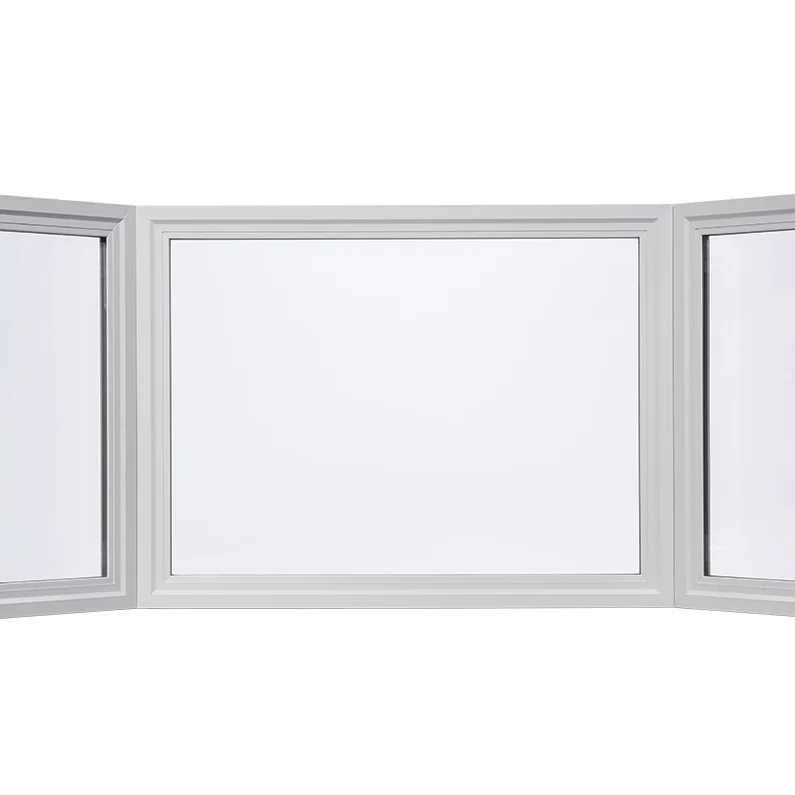
Understanding the different types of window sashes helps you choose the right balance of airflow, style, and functionality for your home. Here are the most common options:
Single-Hung Sash

A single-hung window has one movable lower sash and a fixed upper sash. It’s a classic, budget-friendly choice that offers simple ventilation and easy maintenance.
Double-Hung Sash

Both the upper and lower sashes can move, allowing better airflow control. This style is popular for its convenience, easy cleaning, and traditional appearance.
Slider Sash

Slider windows use horizontal sashes that glide side to side. They’re ideal for wide openings and modern spaces where smooth operation and wide views are priorities.
Casement Sash
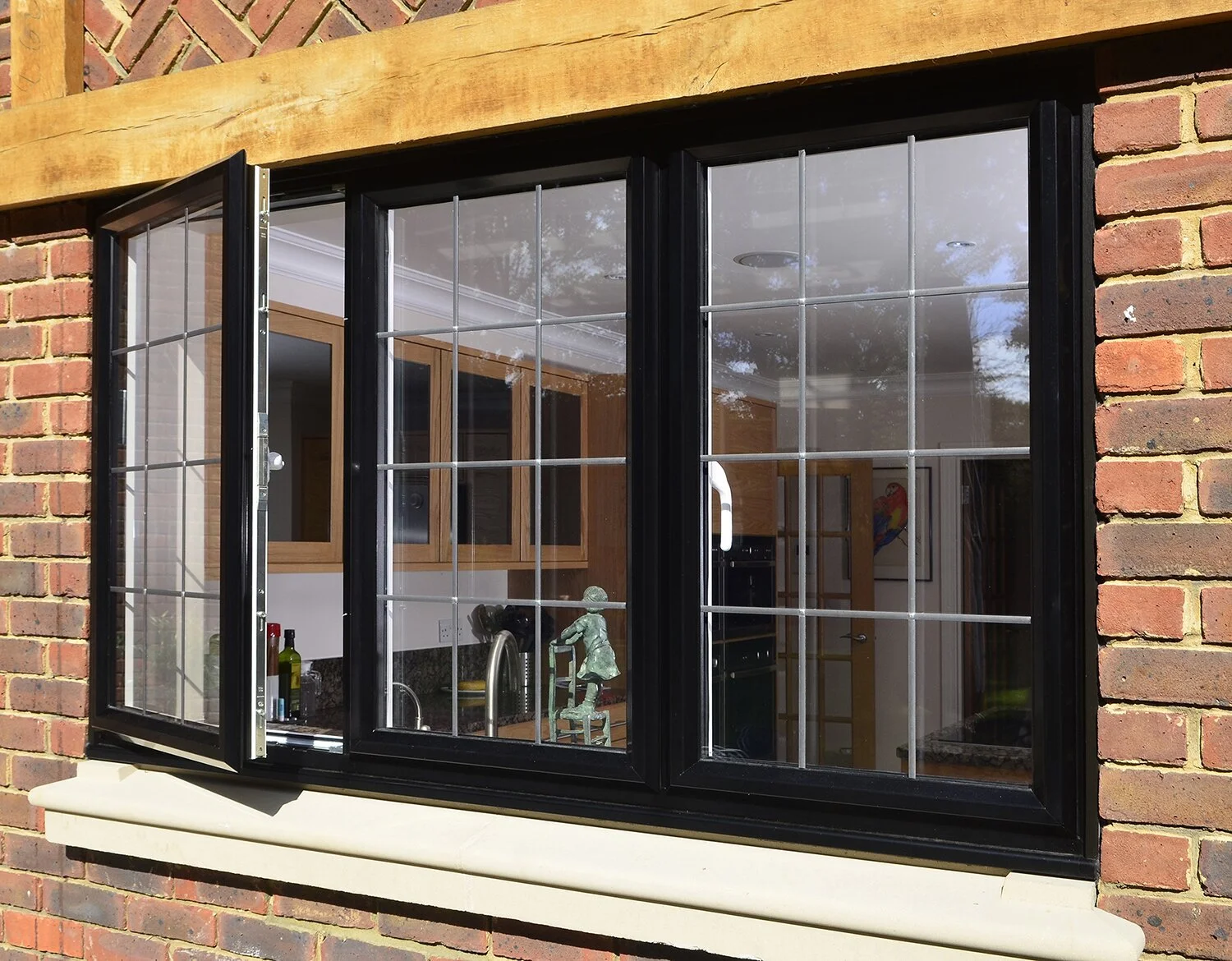
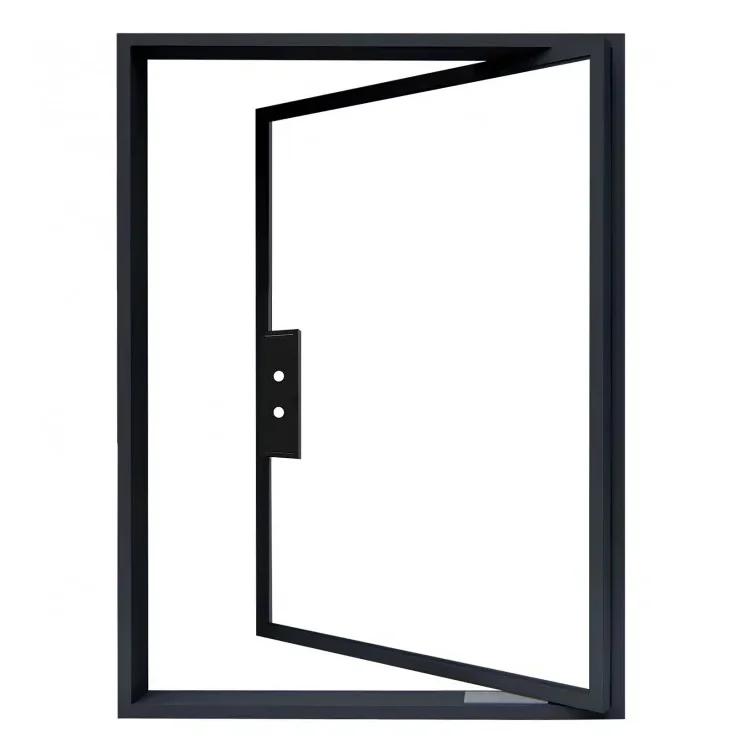
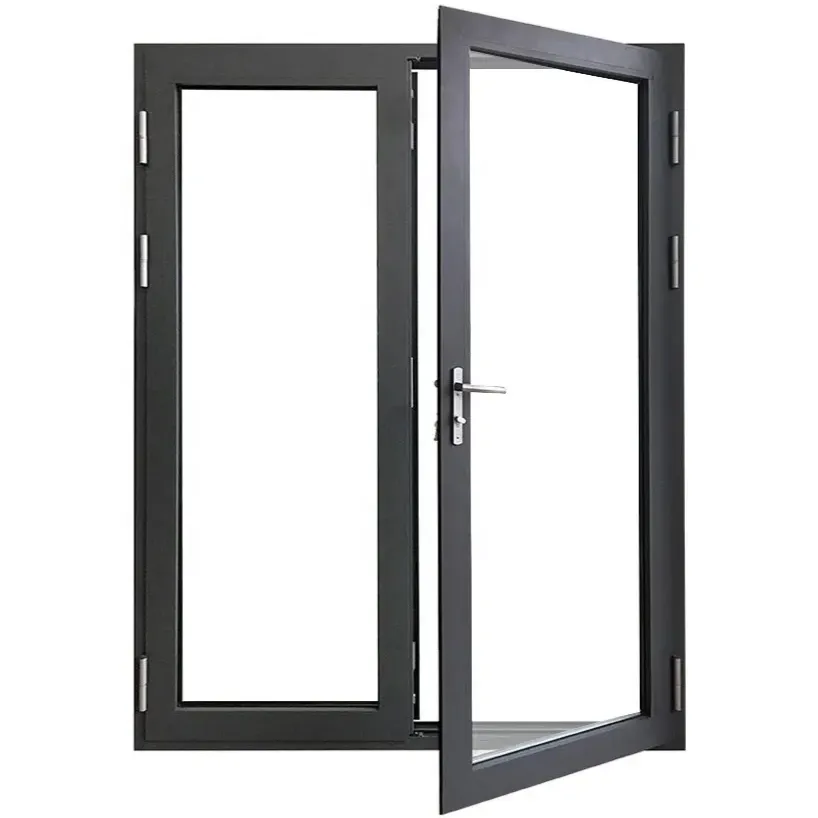
A casement sash is hinged on the side and swings outward. It provides excellent ventilation and seals tightly when closed, making it energy efficient.
Fixed Sash
Fixed sashes do not open. They are used to bring in natural light and create clear views while maximizing energy efficiency.
Window Sash vs. Window Frame

| Feature | Window Sash | Window Frame |
|---|---|---|
| Definition | The framed panel that holds the glass. | The outer structure that anchors the window to the wall. |
| Main job | Supports the glass and allows opening/closing (if operable). | Holds the entire window unit in place and supports the sash. |
| Movement | May move (operable) or stay fixed, depending on window type. | Does not move; it stays fixed in the opening. |
| Ventilation role | Provides airflow when it opens. | Supports ventilation indirectly by keeping the sash aligned and sealed. |
| Energy sealing | Uses weatherstripping and tight fit to reduce drafts. | Creates the solid perimeter seal and structure for insulation and flashing. |
| Common issues | Sticking, drafts, worn weatherstripping, rot/warping, broken balances. | Water intrusion, rot at sill, out-of-square opening, failed flashing. |
| Replacement scope | Often replaceable without changing the full window (depending on system). | Usually replaced during a full window replacement or major renovation. |
| Design impact | Affects sightlines, grids/muntins, and how the window operates. | Affects overall window shape, trim details, and installation depth. |
When to Replace a Window Sash

Knowing when to replace a window sash can save you money, improve comfort, and extend the life of your windows. You don’t always need a full window replacement—sometimes the sash alone is the problem.
Here are the most common signs it’s time to replace a window sash:
Difficulty opening or closing: If the sash sticks, sags, or no longer stays open, the balance system or frame may be worn out.
Visible damage: Cracked glass, rotting wood, warped frames, or peeling materials are clear signs of failure.
Drafts and air leaks: Feeling cold air near the window usually means the sash seal or weatherstripping has failed.
Condensation between panes: Moisture trapped inside the glass indicates a broken seal that affects insulation.
Higher energy bills: Old or damaged sashes allow heat loss, forcing your HVAC system to work harder.
Poor appearance: Faded finishes or outdated styles can make your home look worn, even if the structure is sound.
Replacing a sash is often more affordable than replacing the entire window and can instantly improve energy efficiency, comfort, and appearance—making it a smart upgrade for many homeowners.
Ready to Upgrade Your Window Sashes?
If your windows are drafty, hard to open, or showing signs of wear, replacing the sash could be the smart and cost-effective solution. Our team can help you choose the right sash style, material, and fit for your home—without the cost of a full window replacement.
Contact us today for expert advice, custom sizing, and professional support. We’re here to help you improve comfort, energy efficiency, and style with confidence.
FAQs
1. Which part of a window is the sash?
The sash is the framed part of the window that holds the glass. It’s the section that moves when you open or close the window.
2. What is the difference between a window sash and a window frame?
The sash holds the glass and may move, while the frame is the fixed outer structure that supports the entire window unit.
3. What does it mean to replace a window sash?
Replacing a sash means removing the old glass-and-frame section and installing a new one, without changing the entire window frame.
4. What does a sash look like?
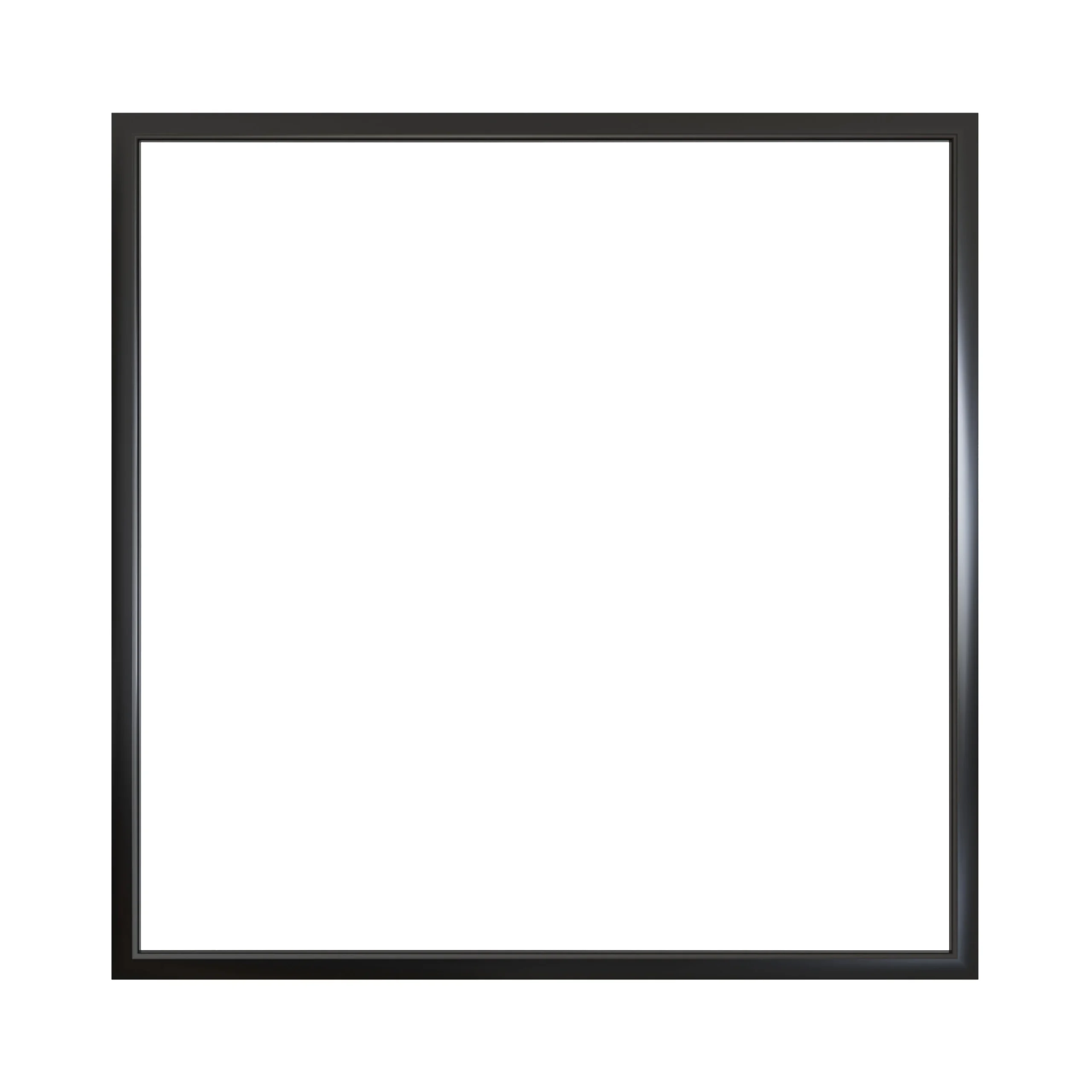
A sash looks like a rectangular frame around the glass pane, often divided by grids or muntins, and designed to slide, tilt, or swing open.
