
















What Is a Storm Window?

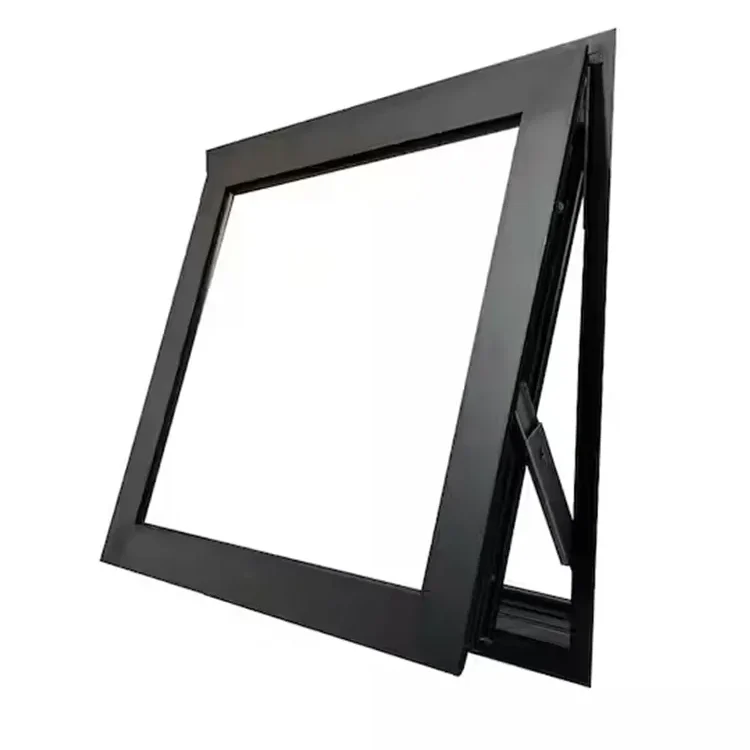
A storm window is a second window layer installed inside or outside your existing window. It’s designed to improve insulation, reduce drafts, and protect your home from harsh weather—without replacing the original window.
How Storm Windows Work
Storm windows create an air gap between the storm panel and the main window. This trapped air acts as insulation, slowing heat loss in winter, reducing heat gain in summer, and cutting down outside noise.
Key Benefits
Better energy efficiency and lower heating/cooling costs
Reduced drafts and more consistent indoor comfort
Extra protection from wind, rain, and debris
Improved noise reduction
Cost-effective upgrade compared to full window replacement
Storm windows are a simple way to boost comfort and performance, especially in older homes.
Types of Storm Windows
Interior Storm Windows

Interior storm windows are installed inside your home, over the existing window. They’re easy to put in and remove, making them ideal for seasonal use. These are popular in apartments and older homes because they improve insulation without changing the exterior look.
Exterior Storm Windows

Exterior storm windows are mounted outside the window frame. They offer stronger protection against wind, rain, and snow, and help shield the main window from weather damage. This type is best for homes in harsher climates.
Temporary Storm Windows

Temporary models are DIY-friendly options, often made from plastic film or lightweight panels. They’re affordable and quick to install, but provide basic insulation only. These work well for short-term or budget solutions.
Low-E Storm Windows

Low-E storm windows feature a special energy-saving coating that reflects heat. They help keep warmth inside during winter and block excess heat in summer, improving comfort and lowering energy bills.
Track Styles: Two-Track vs. Triple-Track
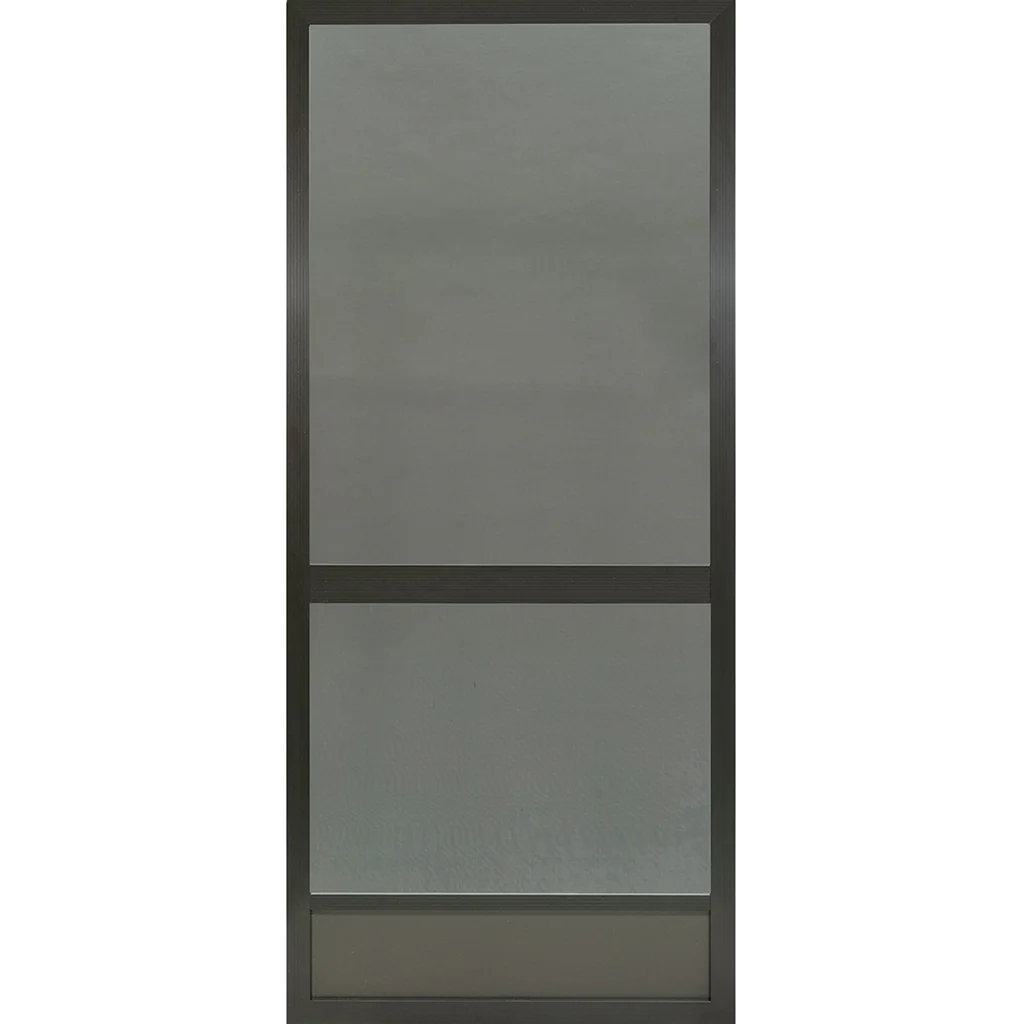
Track-style storm windows use sliding panels. Two-track systems offer simple operation and better air sealing, while triple-track systems allow screens and glass to move independently for added flexibility and ventilation.
Cost & Longevity
Storm windows are a budget-friendly upgrade compared to full window replacement. On average, they cost less per window, especially for interior or temporary models. Prices vary based on size, materials, glass type, and whether you choose interior or exterior installation.
With proper care, storm windows can last 10–20 years or more. Exterior models and Low-E versions often last longer and deliver better energy savings over time, making them a smart long-term investment.
Installation & Maintenance Tips

Installing storm windows correctly helps them perform their best.
Choose the right fit to avoid air gaps and condensation
Seal edges well to block drafts and moisture
Clean glass and tracks regularly for smooth operation
Check seals and fasteners each season, especially after winter
Simple maintenance keeps storm windows working efficiently and extends their lifespan.
Storm Windows vs Regular or Replacement Windows
| Feature | Storm Windows | Regular / Replacement Windows |
|---|---|---|
| Purpose | Add a secondary layer to improve existing windows | Fully replace the old window unit |
| Installation | Installed inside or outside over current windows | Old window removed; new window installed |
| Cost | Lower upfront cost; budget-friendly upgrade | Higher upfront cost due to full replacement |
| Energy Efficiency | Improves insulation by reducing drafts and heat loss | High efficiency with modern glazing and frames |
| Noise Reduction | Moderate noise reduction from added air gap | Stronger noise control with advanced glass systems |
| Best For | Older homes, historic buildings, tight budgets | Homes needing new frames, style, or major upgrades |
| Appearance Impact | Minimal change to original window look | Changes exterior and interior appearance |
| Longevity | Typically 10–20 years with proper care | Often 20–30 years depending on quality |
Who Benefits Most From Storm Windows?

Storm windows aren’t for everyone, but they’re a great solution in the right situations.
Older homes
Homes with single-pane or aging windows gain better insulation and comfort without full replacement.Cold or mixed climates
Storm windows help reduce heat loss in winter and limit drafts year-round.Noisy neighborhoods
The extra layer helps block traffic, street, and outdoor noise.Budget-conscious homeowners
They improve energy efficiency at a lower cost than new windows.Historic or protected buildings
Storm windows boost performance while preserving the original window’s appearance.
If replacing windows isn’t practical, storm windows offer an effective upgrade.
Ready to upgrade your windows with storm windows?
If drafts, noise, or high energy bills are a concern, storm windows could be the smart solution. We can help you choose the right type, compare costs, and decide whether storm windows or full replacement makes more sense for your home.
Contact us today for expert advice, product recommendations, or a personalized quote on storm windows that fit your climate, budget, and existing windows.
FAQs
What makes a window a storm window?
A storm window is an additional window panel installed inside or outside your existing window to improve insulation, block drafts, and protect against harsh weather and debris.
What is the difference between storm windows and regular windows?
Storm windows are secondary panels added over existing windows for extra weather protection and insulation, while regular windows are the primary, built-in window units that serve as the main barrier and often have double or triple glazing.
How do I know if I have storm windows?
You likely have storm windows if there’s a second layer of glass or panel mounted over your main window, either inside or outside the frame, often with visible tracks or extra framing.
Why is it called a storm window?
It’s called a “storm window” because it was originally designed to protect your main windows during storms and harsh weather, acting as a shield against wind, rain, and flying debris.
