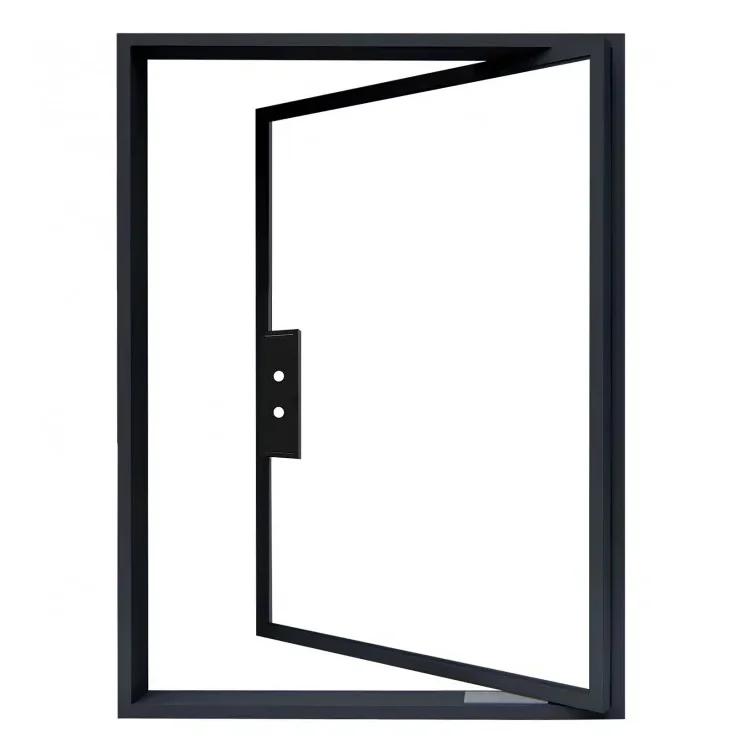
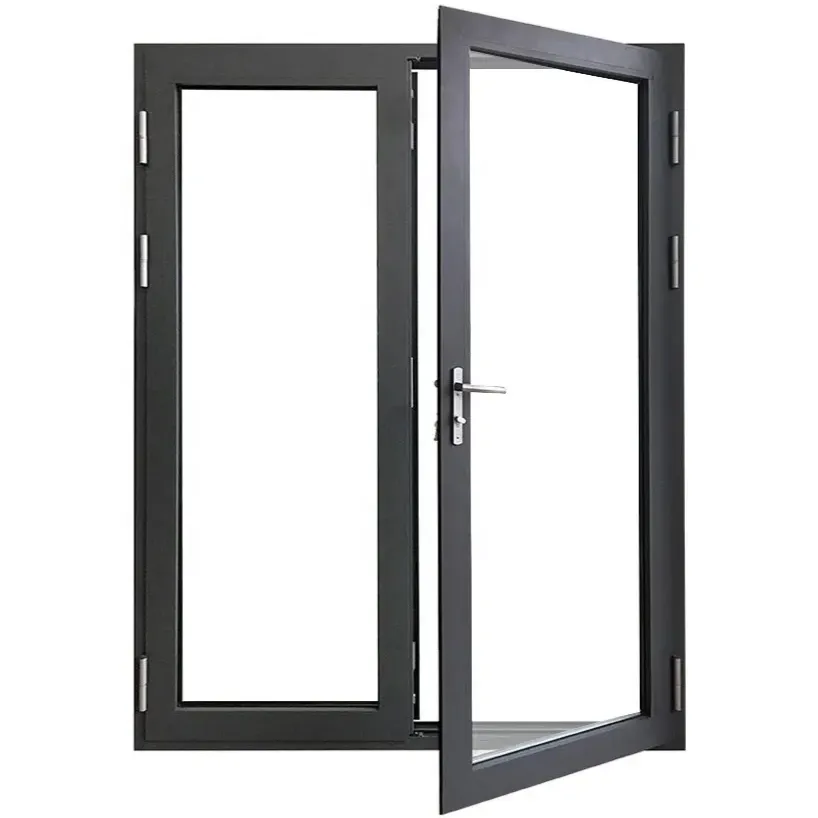
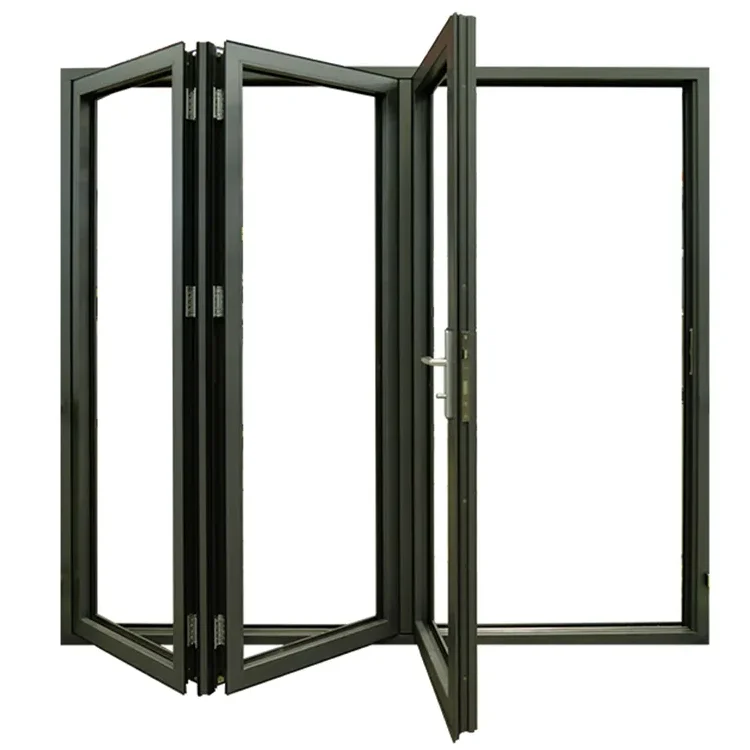
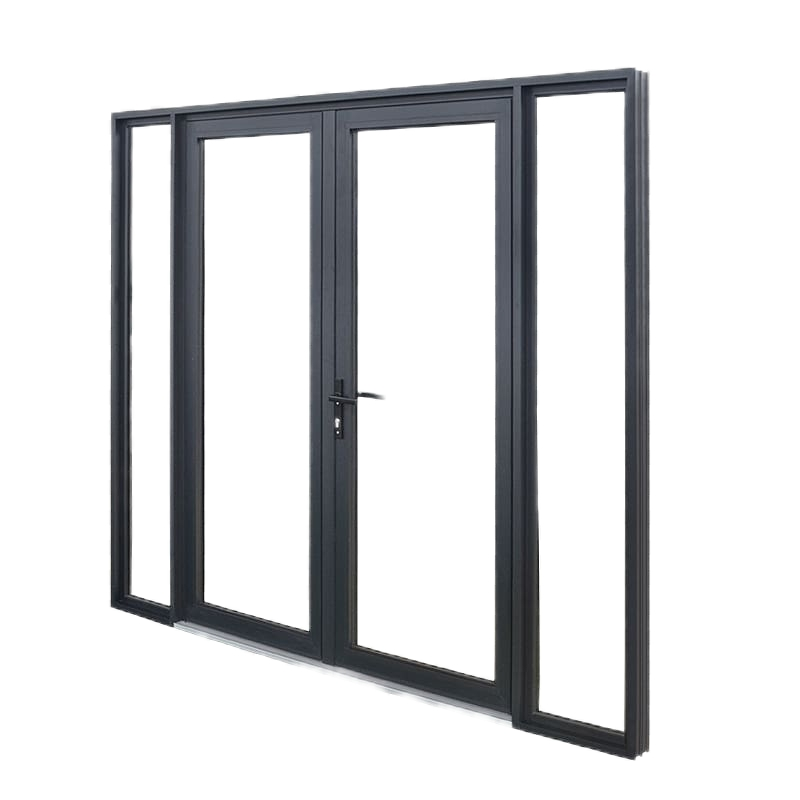
Getting a quotation for an aluminum storefront system is straightforward. Getting a quotation that actually reflects the full project scope is harder.
Contractors and builders who request storefront pricing without confirmed drawings, glass specifications, finish codes, hardware details, and delivery assumptions often find themselves comparing figures that do not describe the same scope. That leads to cost surprises, coordination gaps, and schedule disruptions — most of which can be avoided earlier in the process.
This guide walks through the specification inputs that matter before a quotation is requested, and explains how a structured review approach can reduce risk across the procurement and production stages.
Before requesting a quotation for an aluminum storefront system, project buyers should confirm: architectural drawings and elevations, window and door schedule, glass configuration, surface finish code, hardware requirements, compliance document expectations, delivery terms, and project location. Each of these inputs affects scope accuracy, supplier comparability, and production risk. This checklist explains how to prepare them.
Why Project Buyers Lose Control of the Storefront Scope
Most storefront quotation problems do not start during production. They start in the specification stage, when key inputs are left open or assumed rather than confirmed.
Common scope control issues include:
Incomplete drawings. Suppliers receive general architectural drawings but no elevation details, section references, or glazing line annotations. This forces assumptions on glass sizing, sight lines, and framing depth.
Missing window and door schedules. Without a schedule, quantities, opening types, swing directions, glazing configurations, and location marks are treated as estimates. Any estimate in the quotation stage becomes a cost variable at the production stage.
Unconfirmed glass specifications. Glass build-up — thickness, laminated or insulated configuration, coating, and tint — significantly affects system weight, hardware selection, framing requirements, and final cost. When glass is described generically, supplier proposals are not comparable.
Vague finish and hardware requirements. Powder coating colour, anodizing specification, hardware brand, cylinder compatibility, and finish tolerance expectations all affect production scope. Buyers who leave these open often receive quotes that cannot be directly compared.
Unstated delivery and installation assumptions. Packaging format, unloading responsibilities, delivery address, site-access constraints, and installation scope boundaries are frequently omitted. Suppliers fill these gaps differently, and the differences show up in final pricing or on-site disputes.
Unclear compliance document expectations. Some projects require specific technical documentation, test evidence, or system compatibility records. When buyers do not specify this upfront, they may discover the requirement after production has started.
Identifying these gaps before supplier comparison — not after — is what gives project buyers control over the quotation process.
The Project-Ready Supplier Review Framework
A structured approach to storefront supplier evaluation covers three sequential areas: scope and drawings, technical and compliance requirements, and quotation and delivery assumptions. Working through these in order helps buyers prepare a complete specification package before approaching suppliers — and makes supplier responses more comparable.
The framework applies regardless of which supplier a buyer is evaluating. Its value is in giving the buyer a consistent basis for comparison.
Why this matters for aluminum storefront system projects specifically:
Aluminum storefront systems vary in framing depth, structural capacity, thermal performance, and glass compatibility depending on the system series selected. A supplier evaluation that focuses only on unit price misses whether the system is appropriate for the project location, opening dimensions, performance requirements, and installation conditions.
Evaluating suppliers against a consistent scope — rather than against loosely worded requests — is the most reliable way to identify which proposal actually fits the project.
In overseas storefront projects, APRO’s project team regularly reviews drawings and schedules before confirming quotation scope — because the inputs available at the quotation stage directly determine the accuracy of what can be produced and delivered.
Framework Step 1: Confirm Scope and Drawings
Before contacting suppliers, a project buyer should have the following scope inputs assembled or at least clearly identified as pending.
Architectural Drawings and Elevations
Drawings define the openings, surrounding materials, and interface conditions. Suppliers need elevations and relevant details to confirm framing depths, sight-line dimensions, and interface conditions. If drawings are still in progress, identifying the expected issue date helps suppliers flag whether their lead time is compatible with the project programme.
Window and Door Schedule
The schedule should include:
Location mark references
Opening dimensions (width × height)
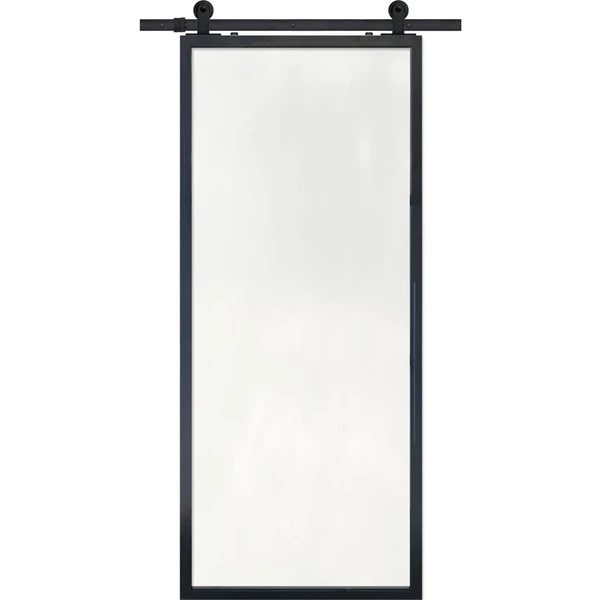
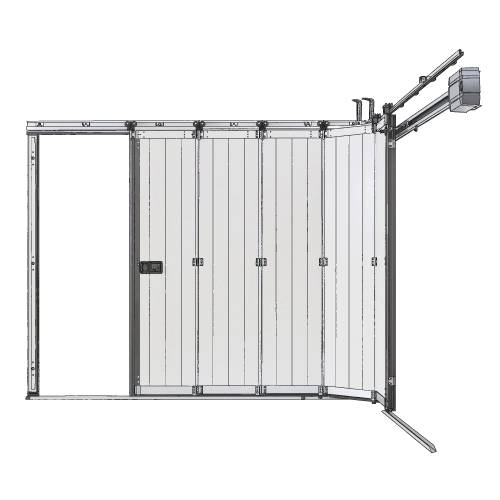
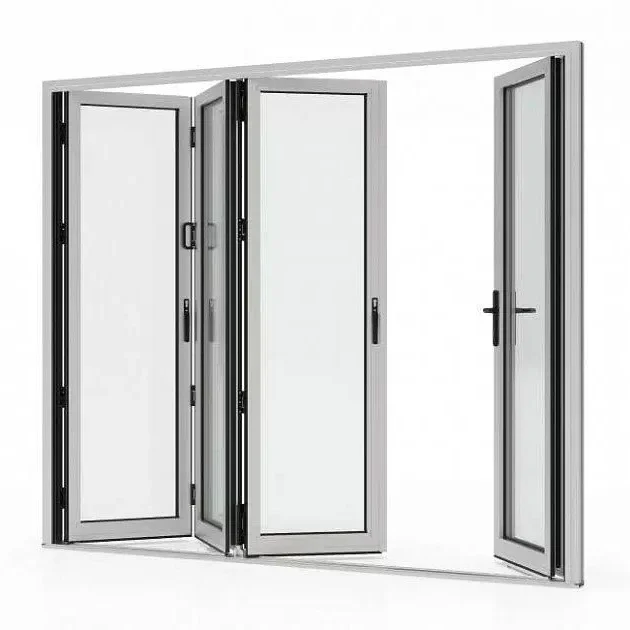
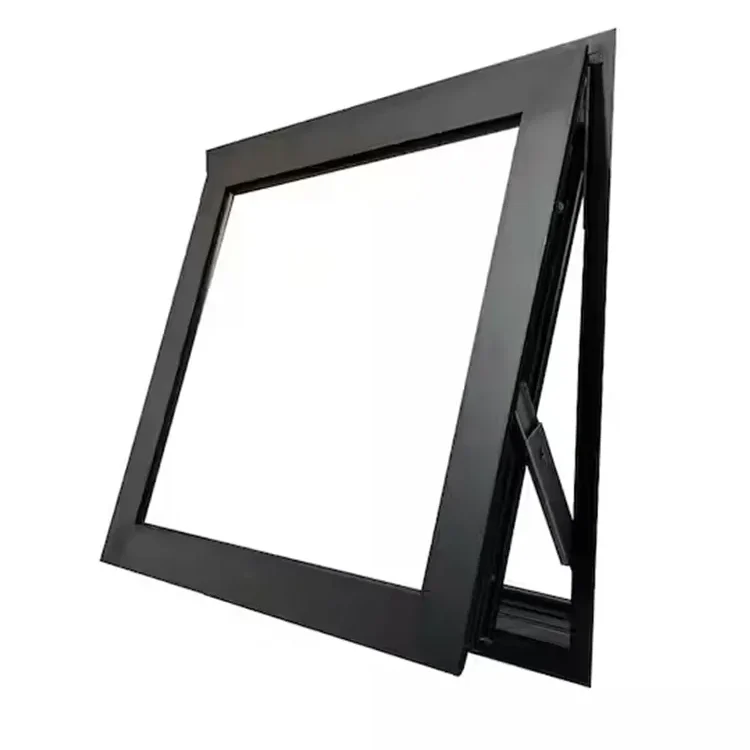
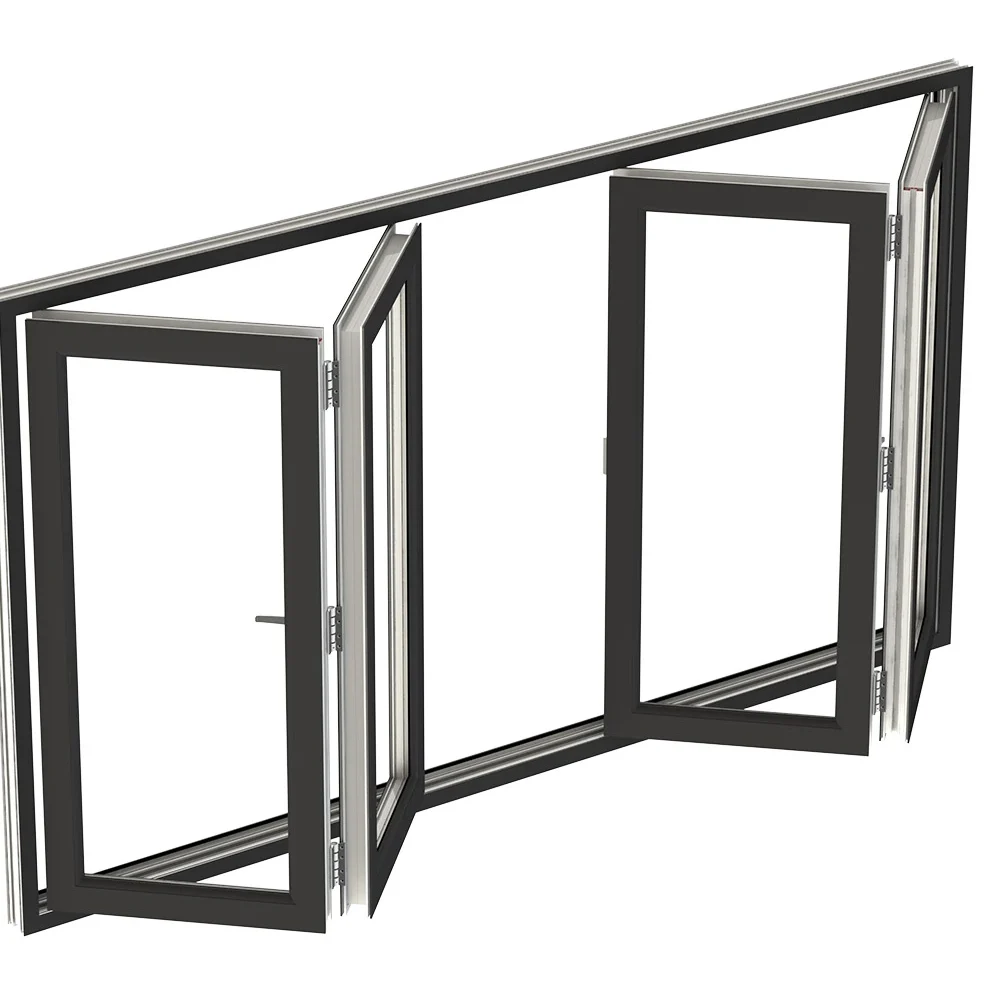
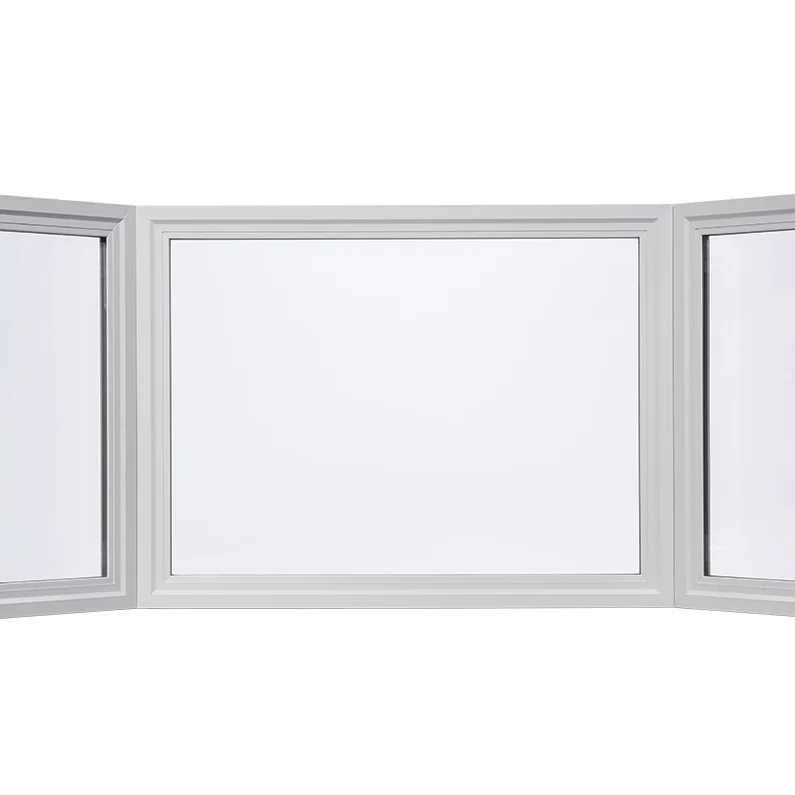
Opening type (fixed, single leaf, double leaf, sliding, bi-fold, and so on)
Glass configuration reference
Hardware requirements
Quantity per type
A complete schedule reduces the risk of misquoted quantities and wrong opening configurations reaching the fabrication stage.
Glass Specification
Glass build-up should be confirmed before quotation, not after. Key inputs include:
Single, laminated, or insulated (IGU) configuration
Glass thickness per lite
Coating type and position
Tint or colour
Safety glass requirements (where applicable based on project requirements and local codes)
Acoustic performance expectations (if relevant to the project)
It is also worth confirming the glazing line — whether the system uses a centre-glazed, face-glazed, or channel-glazed profile. This affects framing depth, glass setting dimensions, and sight-line appearance, and should be confirmed from the architectural drawings or with the facade consultant before supplier engagement.
Requirements for safety glazing, acoustic performance, and thermal properties vary by project location, application type, and applicable standards. These should be confirmed against project specifications and local consultant requirements rather than assumed from general guidance.
Surface Finish
Finish inputs include powder coating colour code, gloss level, anodizing specification (if applicable), and sample approval expectations. Finish differences between production batches or between suppliers can create visible inconsistencies in the finished facade if not managed from the quotation stage.
Hardware
Hardware affects both the quotation and the product performance. Key details include:
Handle type and finish
Lock mechanism and cylinder compatibility
Hinge type and load rating
Closer requirements
Any project-specified hardware brands or schedules
Quantities and Grouping
Confirm the total quantity by type and whether phased delivery is required. Projects with staged handovers may need production and delivery to be sequenced, which affects lead time planning and packaging configuration.
Technical and compliance requirements vary by project location, building type, application, and the specifications set by the project’s architect or consultant. The table below identifies common areas that project buyers should review and confirm before finalising a supplier comparison.
Requirement Area
What to Confirm
Who Confirms
Structural wind load
Required design wind pressure for the project location and application
Project structural engineer or consultant
Air infiltration
Whether a maximum air leakage rate is specified
Project specifications or energy consultant
Water penetration
Whether a water resistance rating is specified
Project specifications or building envelope consultant
Glass safety
Where safety glazing is required based on application and location
Project specifications and local codes
Thermal performance
Whether a U-value or SHGC target is specified
Project energy consultant or applicable code (where relevant)
Acoustic performance
Whether an STC or Rw rating is specified
Project acoustic consultant
Test reports
Whether test evidence from a recognised laboratory is required
Project specifications, architect, or consultant
System documentation
What supplier technical documents are required for review
Project architect, certifier, or procurement requirements
Finish durability
Whether a specific coating standard or warranty period is required
Project specifications
Important: Requirements in each of these areas depend on the specific project, its location, the building classification, and the documentation requested by the project team. Buyers should confirm requirements against project specifications and local code or consultant requirements rather than relying on general benchmarks.
A supplier can help identify what technical inputs are needed for scope discussion, but compliance decisions require verification against project-specific documents.
For projects in Australia, compliance requirements are typically guided by the NCC (National Construction Code) and the project specifications issued by the architect or certifier. Requirements vary by building class, state, and application. Buyers should confirm applicable standards and documentation expectations with their local consultant, rather than assuming that a supplier’s standard product offering covers all project needs.
What This Means for Supplier Evaluation
A supplier that can discuss technical inputs — system series, structural capacity, glass compatibility, hardware options, and documentation availability — before finalising price is more useful at this stage than one that sends a price list without reviewing the project details.
Buyers should ask suppliers to indicate:
Which system series or product range is being proposed
What structural spans are covered by that system
What glass thicknesses the system supports
What documentation or technical data sheets are available
Whether any project-specific performance requirements need further review
This does not mean the supplier certifies compliance. It means the supplier has reviewed the project inputs and can flag where further confirmation is needed.
Framework Step 3: Review Quotation and Delivery Assumptions
Scope Inclusions
The quotation should list what is included: aluminum framing system, glass supply, hardware, gaskets, sealants, thermal breaks (if applicable), surface finish, and packaging. Items not included should be listed as exclusions.
Assumptions Used
If the buyer has not yet confirmed all specification inputs, the supplier may be quoting on assumptions. These assumptions should be visible in the quotation — for example, noting that a glass specification is assumed pending buyer confirmation — so the buyer knows which items may change the price.
Delivery Terms
Delivery terms should cover:
Ex-works, FOB, CIF, or DAP (depending on the commercial arrangement)
Packaging format (crated, wrapped, flat-packed)
Estimated production lead time after drawings and specifications are confirmed
Port of loading or delivery point
Whether installation is included, excluded, or to be discussed separately
Installation responsibilities vary significantly by project and commercial arrangement. Where installation guidance, on-site support, or coordination is relevant, this should be confirmed as part of the project scope discussion — not assumed from the quotation price.
Documentation and Approval Process
Before production starts, the buyer and supplier should agree on:
What drawings need supplier review or sign-off
Whether shop drawings are required and who produces them
How specification changes are communicated and confirmed
What production approval documents are required before fabrication begins
Establishing this process before production starts reduces the risk of late-stage changes, production errors, and delivery delays.
Quotation Scope Comparison
The table below shows which scope items are typically included in a storefront quotation and which are commonly excluded or variable. Buyers should ask suppliers to clarify each item before comparing proposals.
Scope Item
Typically Included
Often Excluded or Variable — Confirm with Supplier
Aluminum framing system
Yes
—
Glass supply
Depends on supplier
Often optional or priced separately
Hardware
Depends on supplier
Often specified and priced separately
Thermal break
Depends on system
May be extra depending on system series
Gaskets and sealants
Often included
May be site-supplied in some arrangements
Surface finish
Yes
Colour matching, sample approval may be extra
Packaging
Depends on Incoterm
Crating vs. wrapped vs. flat-pack varies
Delivery to site
Depends on Incoterm
Often excluded from EXW quotations
Shop drawing preparation
Depends on scope
Often a separate deliverable
Installation
Rarely included
Must be confirmed separately
Compliance documentation
Depends on project
Confirm required documents before production
For overseas aluminum storefront system projects, APRO can support drawing review, scope confirmation, and quotation preparation discussions. Sharing available project documents early helps avoid scope gaps before production begins.
Where Scope Gaps Typically Surface in Commercial Storefront Projects
In commercial storefront projects — particularly those involving multi-tenancy retail, commercial offices, or public-access buildings — scope gaps tend to surface at predictable points in the project cycle.
Common patterns include:
Project Stage
Typical Scope Gap
At the quotation stage
Buyers receive prices that appear low but exclude glass, hardware, delivery, or finish. When full scope is added, the comparison changes.
At the shop drawing stage
Suppliers begin drawing review and find that opening dimensions, glazing pocket sizes, or anchorage points do not match the system selected.
At the production stage
A late specification change — glass type, finish colour, or hardware model — triggers rescheduling, material re-procurement, or price adjustment.
At the delivery and installation stage
Packaging is not suited to site conditions, or installation responsibilities have not been agreed in writing, creating delays or cost disputes.
Each of these gaps can typically be traced to a specification or scope confirmation step that was not completed before the supplier was engaged.
Addressing these gaps systematically — using a pre-quotation checklist — reduces their frequency and limits the cost and schedule impact when they occur.
Risk Control Logic: What Buyers Should Confirm Before Choosing a Supplier
Supplier selection for an aluminum storefront system project should not be based on unit price alone. The lowest price often reflects a narrower scope, a different glass specification, fewer hardware inclusions, or an excluded delivery or installation requirement.
Key risk control checks before selecting a supplier:
Scope comparison: Are all proposals based on the same drawings, schedules, glass specification, finish, hardware, delivery terms, and documentation requirements?
System appropriateness: Is the proposed system suitable for the project’s opening dimensions, structural requirements, glass configuration, and installation conditions?
Communication capability: Can the supplier respond to technical questions about the system, glass, hardware, and shop drawing process before production?
Document support: Can the supplier provide the technical documents, data sheets, or compliance-related records the project requires?
Delivery alignment: Is the supplier’s lead time and delivery arrangement compatible with the project programme and site schedule?
Responsibility clarity: Are the boundaries between supplier, contractor, installer, and consultant responsibilities clear before production begins?
A supplier that engages with these questions before price finalisation is demonstrating the kind of project support that reduces risk — not just for the initial quotation, but across the full production and delivery cycle.
How Project Buyers Can Apply the Framework
The three-step framework is designed to be used before contacting suppliers, not after receiving quotations.
Step 1 — Assemble available project documents
Collect drawings, elevations, window and door schedules, glass specifications, finish codes, hardware schedules, and any performance requirements that the project architect or consultant has issued.
Where documents are still pending, note the expected date.
Step 2 — Identify what is unconfirmed
Use the checklist below to identify which inputs are confirmed, which are pending, and which require consultant input:
Step 3 — Contact suppliers with a clear scope package
Send suppliers the confirmed inputs.
For items still pending, indicate the expected confirmation date. This allows suppliers to flag which items they can price now and which require further information before scope or price can be confirmed.
This approach does not guarantee that all quotations will be directly comparable — suppliers may still differ in system selection, glass supply arrangements, and documentation capability. But it gives buyers a stronger basis for evaluating those differences.
APRO uses this review process as the basis for project scope discussion before preparing a quotation — which is why sharing drawings and schedules early reduces revision cycles and helps project buyers receive a more accurate scope confirmation.
FAQ
Q1: What should project buyers confirm before requesting a quotation for an aluminum storefront system?
Before requesting a quotation, buyers should confirm the architectural drawings and elevations, window and door schedule, glass configuration, surface finish code, hardware schedule, delivery terms, and any compliance document requirements.
Where inputs are still pending, indicating the expected confirmation date allows suppliers to advise which items can be priced now and which require further information.
Q2: How can buyers evaluate aluminum storefront system suppliers beyond unit price?
Unit price comparison is useful only when all proposals are based on the same scope.
Buyers should check whether each supplier’s quotation includes the same glass specification, finish, hardware, delivery terms, documentation, and installation scope boundaries.
A supplier that can discuss technical inputs — system selection, glass compatibility, hardware options, and documentation availability — before finalising price is typically better placed to support the project through production and delivery.
Q3: What drawings or schedules are needed before quotation?
At a minimum, suppliers need architectural drawings or elevations showing the opening dimensions and surrounding conditions, and a window and door schedule listing sizes, quantities, opening types, glazing configurations, and hardware requirements.
Shop drawings are typically produced after scope is confirmed, not before quotation. Where drawings are still in progress, indicating the expected issue date helps suppliers assess programme compatibility.
Q4: Which performance or compliance requirements should be checked?
Performance and compliance requirements depend on the project location, building classification, application type, and the project specifications issued by the architect or consultant.
Common areas to check include:
Structural wind load
Water penetration rating
Air infiltration limit
Glass safety requirements
Thermal performance targets
Acoustic performance
These requirements should be confirmed against project specifications and local codes or consultant requirements — not assumed from general guidance.
Q5: What cost factors can change the final project quotation?
Storefront quotation costs are affected by glass configuration (single, laminated, or insulated; coating type; thickness), aluminum system series, surface finish type and colour, hardware selection, packaging format, delivery terms, quantity by type, and whether compliance documentation is required. Changes to any of these inputs after quotation can result in price adjustments or scope revisions.
Q6: How can delivery or installation risks be reduced?
Delivery and installation risks are reduced when responsibilities are confirmed in writing before production begins. Key areas to agree include packaging format, delivery point and access conditions, unloading responsibilities, production lead time, site-required dates, and the scope of installation support if any. Where installation guidance or coordination is part of the project scope, this should be agreed as a separate commercial arrangement rather than assumed from the quotation price.
Q7: When should a project buyer contact a supplier for early scope review?
Early contact is worthwhile once drawings, schedules, or project details are available — even if documentation is not yet complete. Early engagement allows a supplier to review project inputs, flag scope questions, and help clarify glass, finish, hardware, and delivery assumptions before quotation is finalised. Sharing available drawings and schedules early reduces the risk of late-stage revisions and scope disputes.
Q8: What documents are needed before requesting a quotation for an aluminum storefront system?
The core documents needed before quotation include architectural drawings or elevations, a window and door schedule, a glass specification, a surface finish code or sample reference, a hardware schedule, and any performance requirement documentation the project specifies. Delivery terms, project location, and programme dates are also needed to confirm lead time alignment. Where some documents are pending, suppliers can be informed of expected dates so they can advise on programme compatibility.
Conclusion / What to Do Next
Most storefront quotation problems can be traced to specification gaps that were present before the first supplier was contacted. The checklist and framework in this article are designed to close those gaps before they become cost or schedule issues.
The practical next step is to review your current project documents against the specification checklist in Framework Step 2 and the input table in the “How Project Buyers Can Apply the Framework” section. Identify which items are confirmed, which are pending, and which require consultant input. That review takes less time than resolving a scope dispute after production has started.
If drawings, elevations, or a window and door schedule are available — even in early or partial form — these can be shared with APRO for a project scope review. Early review helps identify specification questions, flag system compatibility considerations, and clarify glass, finish, hardware, and delivery assumptions before a formal quotation is prepared.
Ready to review your aluminum storefront system scope before quotation?
Any compliance document requirements specified by the project team
Early drawing and schedule review helps reduce quotation gaps, scope assumptions, and production-stage revisions.
Contact APRO to discuss your aluminum storefront system project requirements.
SPECIFICATION CHECKS
Specification checks for Why Project Buyers Lose Control of the Storefront Scope
Confirm Why Project Buyers Lose Control of the Storefront Scope from the current source or project schedule.
Record the page-specific context: Getting a quotation for an aluminum storefront system is straightforward. Getting a quotation that actually reflects the full project scope is
Check The Project-Ready Supplier Review Framework against the applicable drawing or evidence set.
Use the article to frame the decision, then verify the exact system configuration, test scope, drawing revision and local project requirements.
QUOTATION INPUTS
Quotation inputs for The Project-Ready Supplier Review Framework
Confirm The Project-Ready Supplier Review Framework from the current source or project schedule.
Record the page-specific context: Contractors and builders who request storefront pricing without confirmed drawings, glass specifications, finish codes, hardware details, and delivery assumptions often find themselves comparing figures that do not describe the same scope. That leads to cost…
Check Why this matters for aluminum storefront system projects specifically against the applicable drawing or evidence set.
Use the article to frame the decision, then verify the exact system configuration, test scope, drawing revision and local project requirements.
SOURCE SECTION MAP
Source sections that support Aluminum Storefront System RFQ Checklist
Why this matters for aluminum storefront system projects specifically
This guide walks through the specification inputs that matter before a quotation is requested, and explains how a structured review approach can reduce risk across the procurement and production
Framework Step 1: Confirm Scope and Drawings
Most storefront quotation problems do not start during production. They start in the specification stage, when key inputs are left open or assumed rather than
PROBLEM / RESPONSE
Problems addressed around Framework Step 1: Confirm Scope and Drawings
Problem context
A reader may see Framework Step 1: Confirm Scope and Drawings without knowing which project input controls the decision.
Source response
Most storefront quotation problems do not start during production. They start in the specification stage, when key inputs are left open or assumed rather than
Required verification
Use the article to frame the decision, then verify the exact system configuration, test scope, drawing revision and local project requirements.
OPTION TRADE-OFFS
Trade-offs to review for Why Project Buyers Lose Control of the Storefront Scope
Why Project Buyers Lose Control of the Storefront Scope
Incomplete drawings. Suppliers receive general architectural drawings but no elevation details, section references, or glazing line annotations. This forces assumptions on glass sizing, sight lines, and framing
The Project-Ready Supplier Review Framework
Use Aluminum Storefront System RFQ Checklist to define the decision and the questions that must be resolved.
Decision boundary
Use the article to frame the decision, then verify the exact system configuration, test scope, drawing revision and local project requirements.
Manage Consent
To provide the best experiences, we use technologies like cookies to store and/or access device information. Consenting to these technologies will allow us to process data such as browsing behavior or unique IDs on this site. Not consenting or withdrawing consent, may adversely affect certain features and functions.
Functional
Always active
The technical storage or access is strictly necessary for the legitimate purpose of enabling the use of a specific service explicitly requested by the subscriber or user, or for the sole purpose of carrying out the transmission of a communication over an electronic communications network.
Preferences
The technical storage or access is necessary for the legitimate purpose of storing preferences that are not requested by the subscriber or user.
Statistics
The technical storage or access that is used exclusively for statistical purposes.The technical storage or access that is used exclusively for anonymous statistical purposes. Without a subpoena, voluntary compliance on the part of your Internet Service Provider, or additional records from a third party, information stored or retrieved for this purpose alone cannot usually be used to identify you.
Marketing
The technical storage or access is required to create user profiles to send advertising, or to track the user on a website or across several websites for similar marketing purposes.