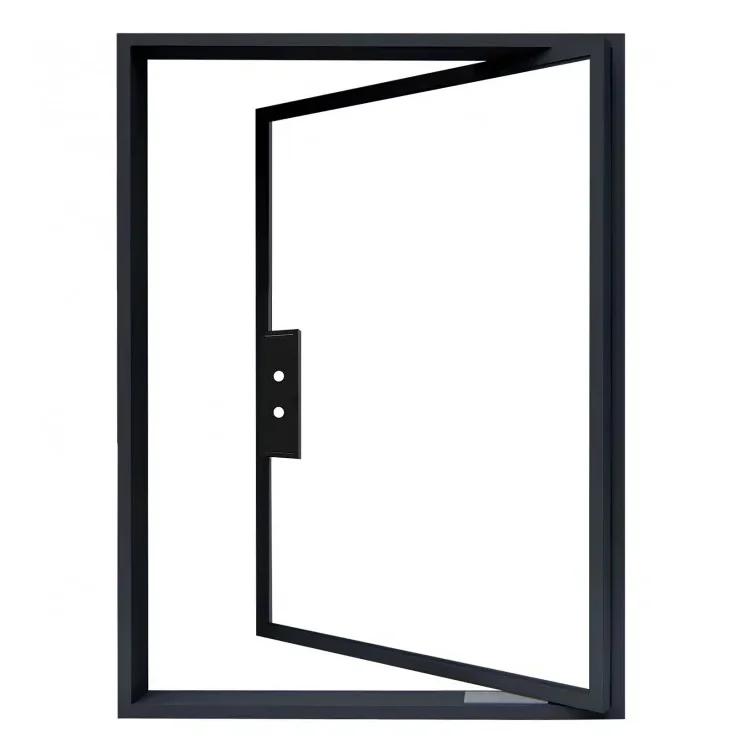
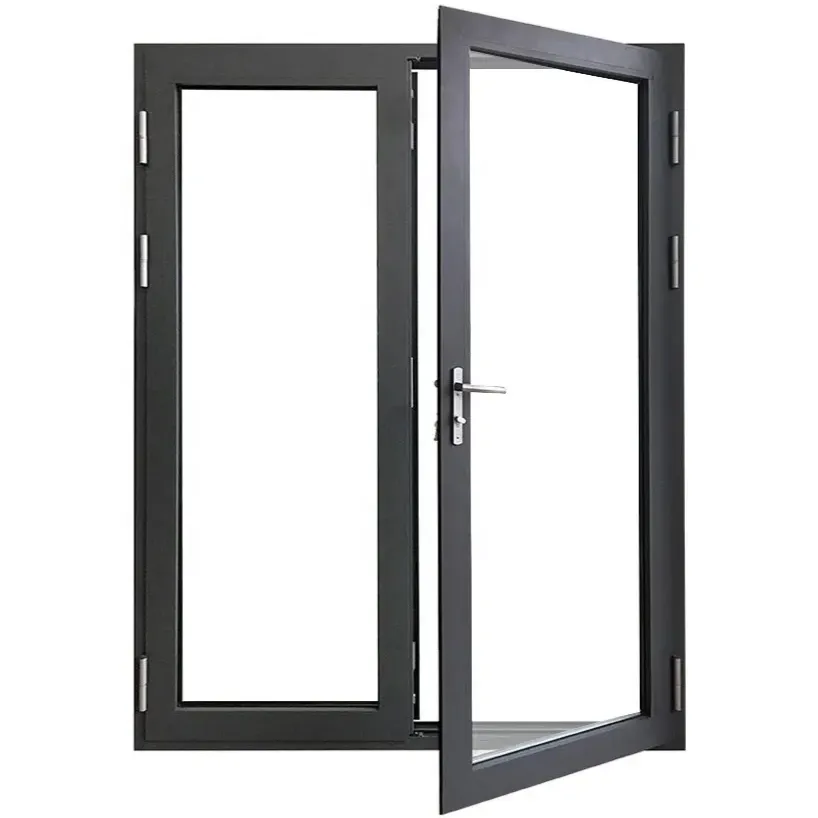
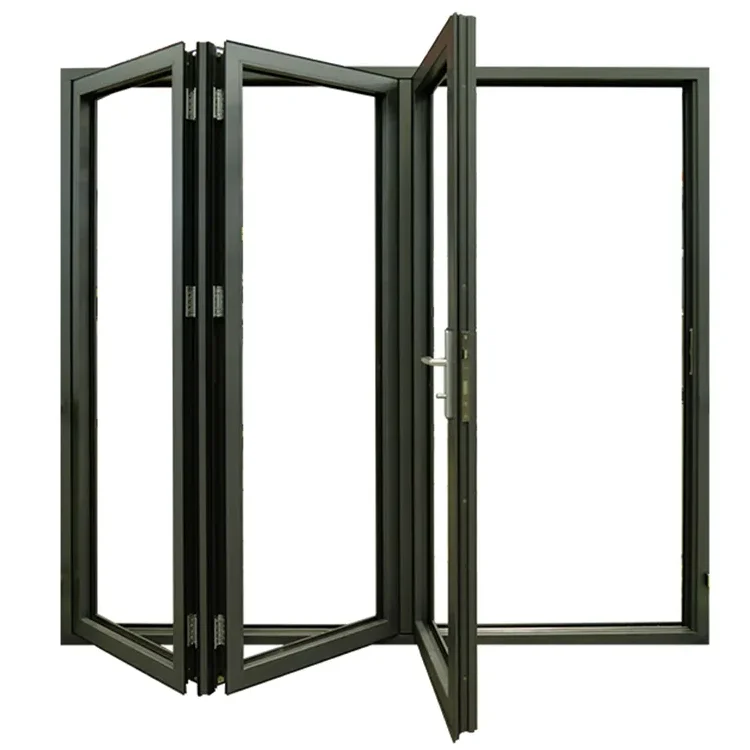
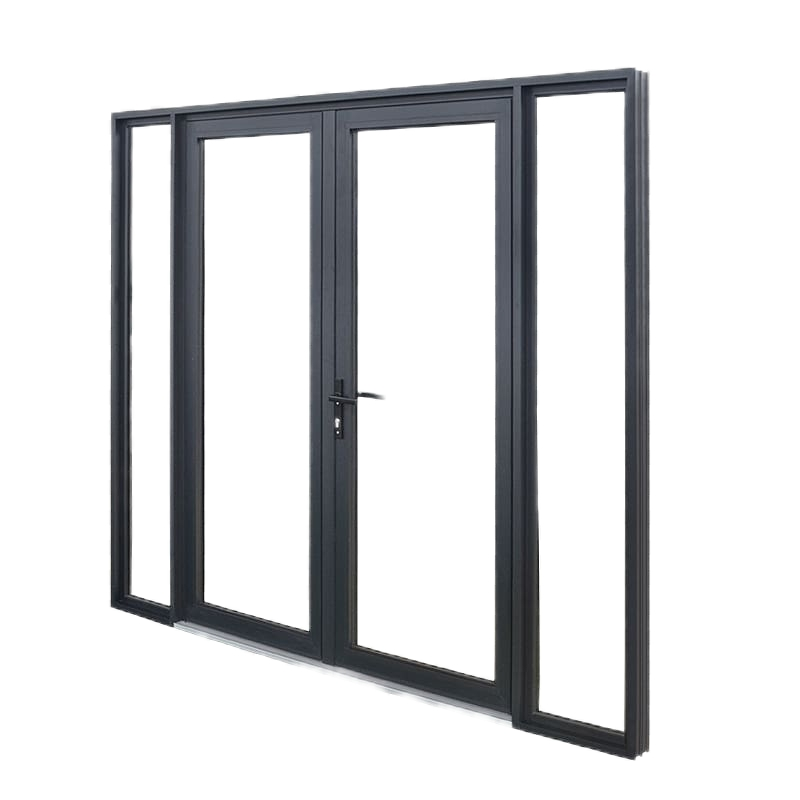
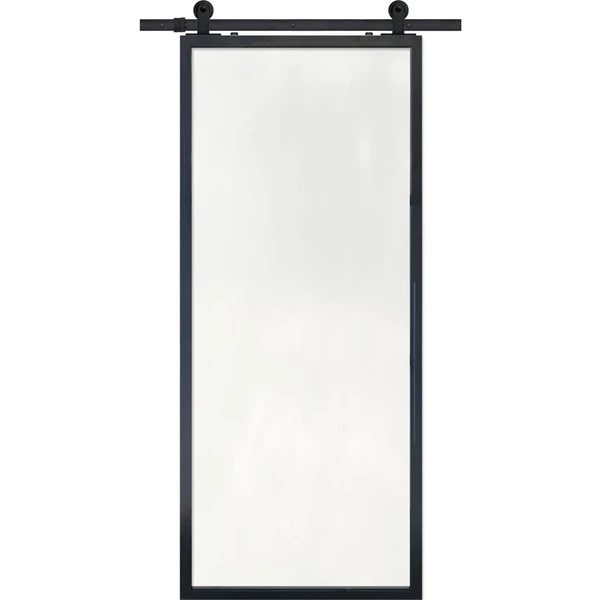
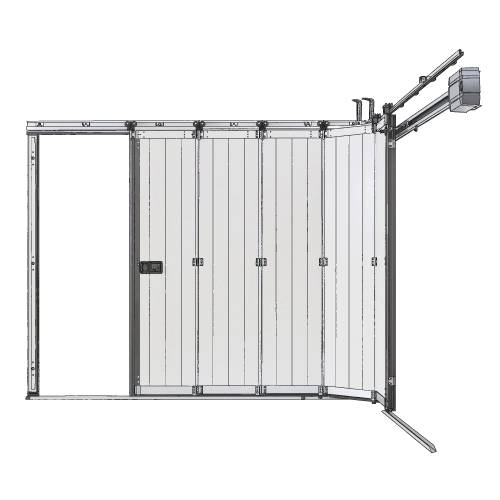
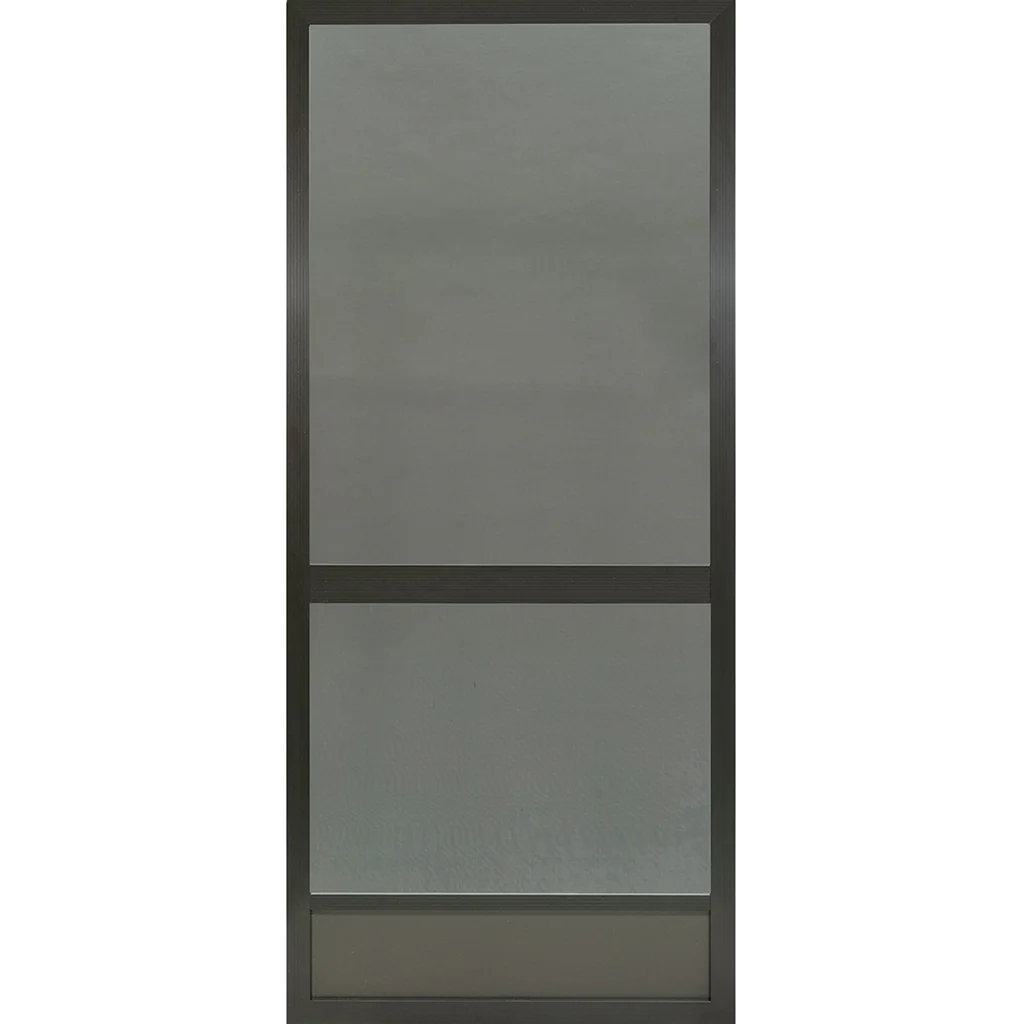
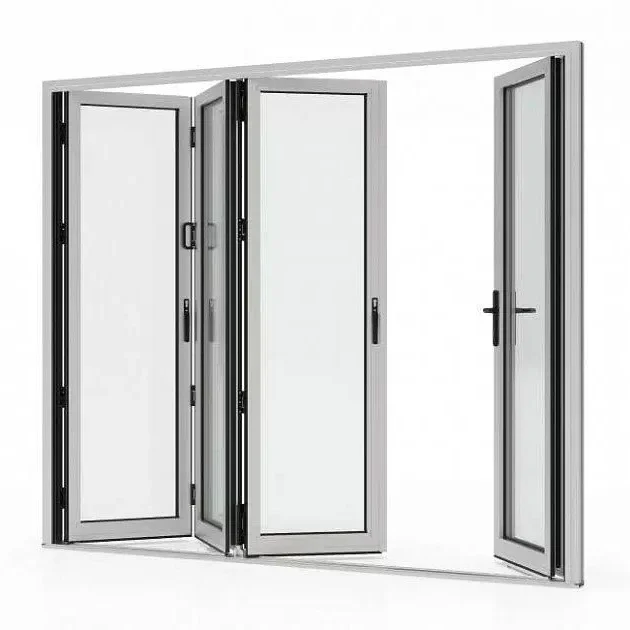
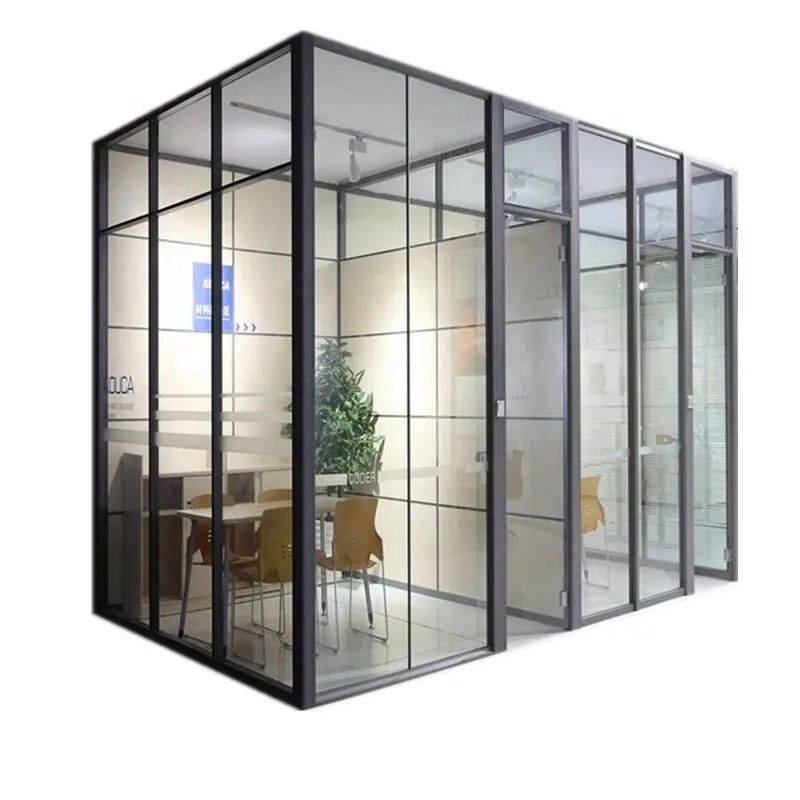
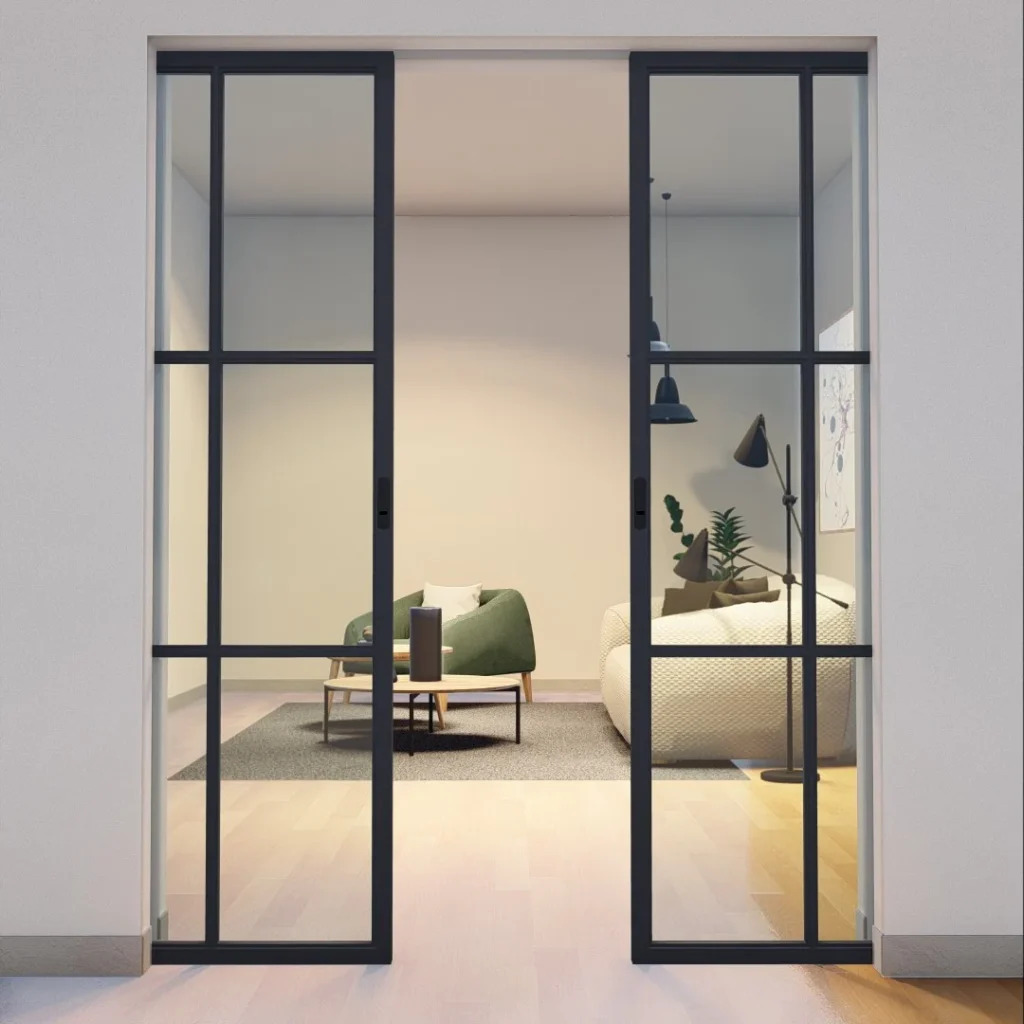
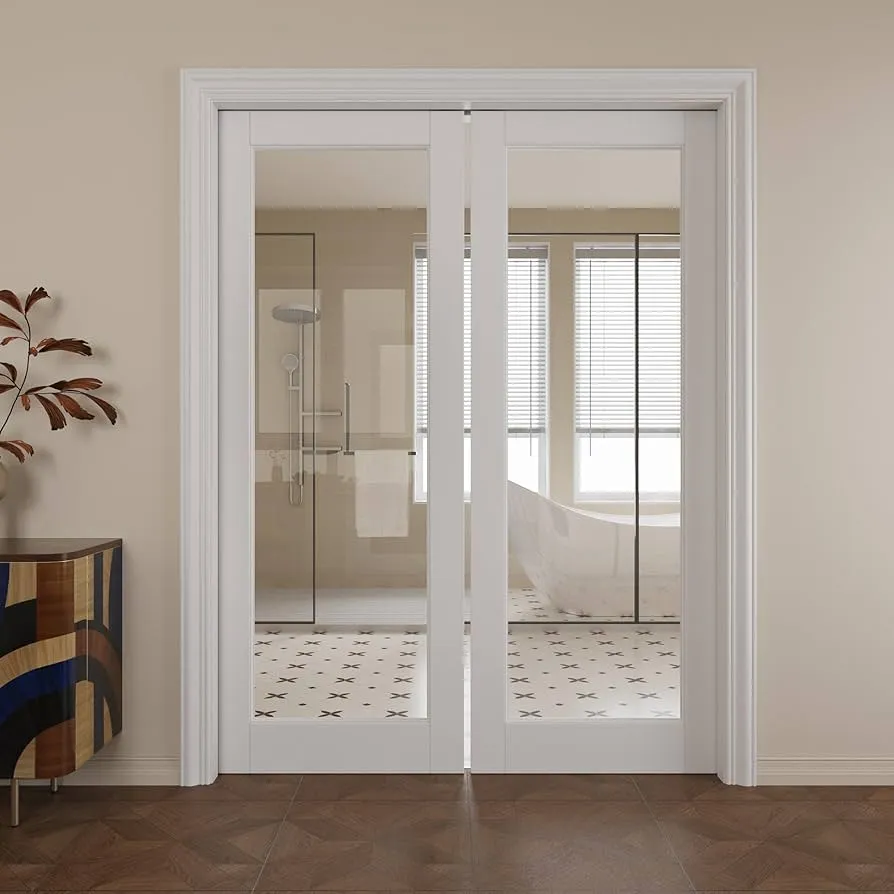
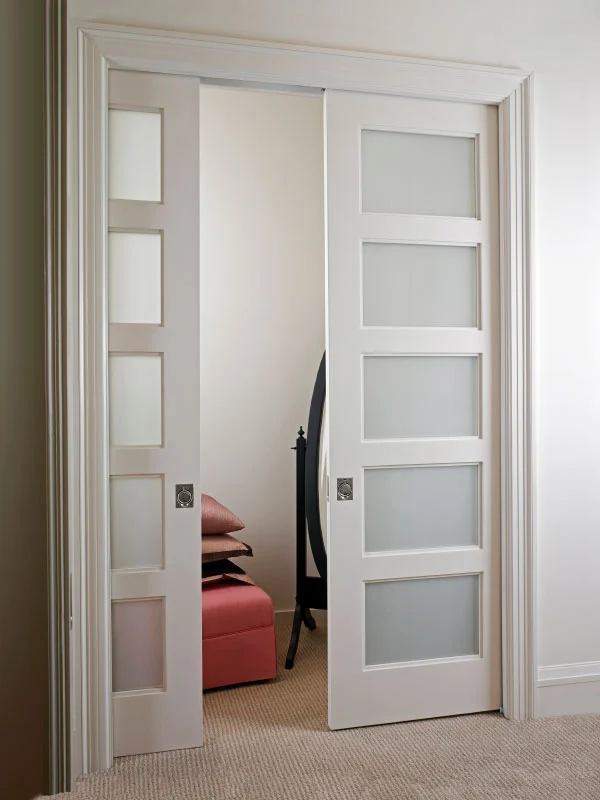
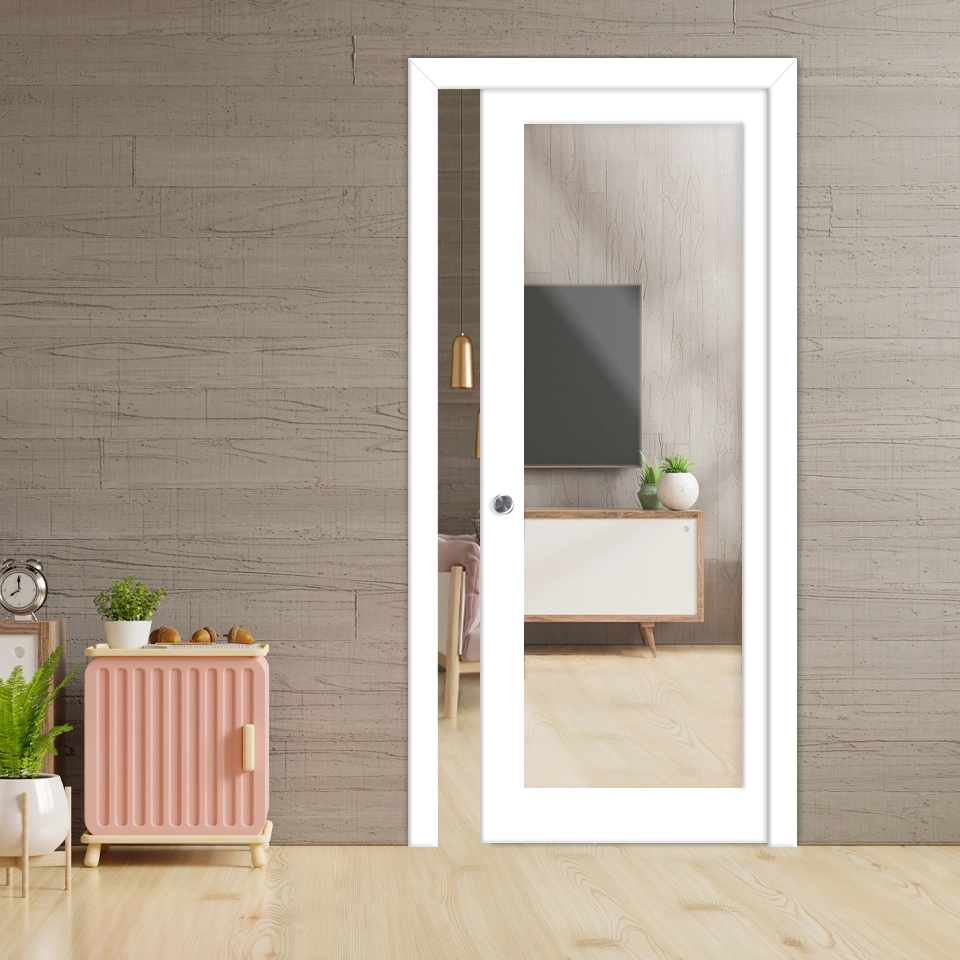
A pocket door is a sliding door system that moves into a recessed wall cavity when opened, leaving the doorway clear without requiring swing space. For construction projects, pocket doors can improve space efficiency in bathrooms, corridors, hotel rooms, apartments, offices, and partition areas, but they require early confirmation of wall depth, track hardware, door slab size, opening dimensions, and site conditions before quotation or production.
Key Takeaways
Pocket doors save space because the panel slides into a wall cavity instead of swinging into the room.
Most pocket door systems require enough wall depth, often around 4 to 6 inches depending on the frame, track, and door thickness.
For project buyers, the most important RFQ inputs are opening size, wall condition, door material, track hardware, finish, and installation scope.
Pocket doors are easier to plan during new construction than retrofit projects, where wiring, plumbing, and wall framing may need modification.
A supplier should help review drawings, clarify system details, and confirm whether the door design fits the project conditions before production.
A pocket door is a door that slides horizontally into a hidden pocket inside the wall. Unlike a swing door, it does not need floor clearance to open. Unlike an exposed sliding or barn door, it disappears into the wall when open.
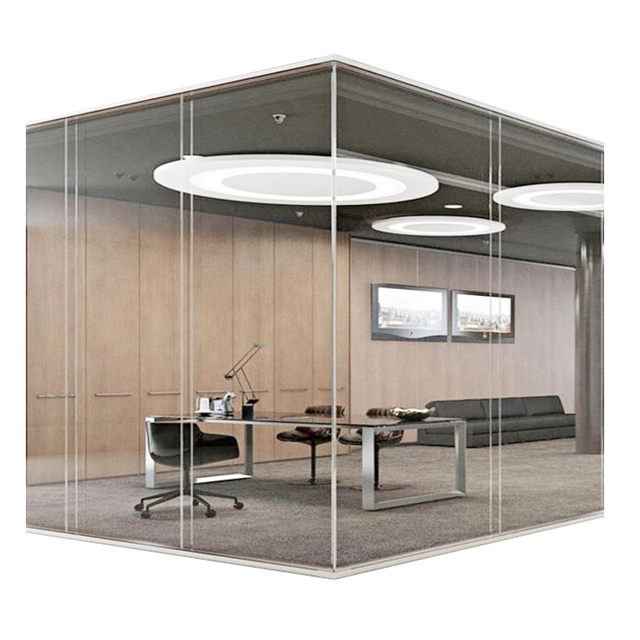
In construction projects, pocket doors are usually selected when the designer or buyer wants to save space, keep circulation clear, or create a cleaner wall appearance. They may be used as interior room doors, bathroom doors, closet doors, pantry doors, office partitions, or aluminum-framed glass doors for commercial interiors.
The concept is simple, but the project details are not always simple. The wall cavity, door slab, track, rollers, guides, frame finish, handle type, and future maintenance access all need to be considered before the door system is approved.
How Does a Pocket Door Work?
A pocket door works by hanging or supporting the door panel on a track system that allows the panel to slide into a wall cavity. The track must be level, the rollers must match the panel weight, and the pocket cavity must be wide enough to prevent rubbing.
A typical pocket door system includes:
Door slab or aluminum-framed glass panel
Overhead track or sliding rail
Rollers, hangers, or carriage hardware
Floor guide or bottom stabilizer
Recessed pull handle or lockset
Pocket cavity inside the wall
Frame, jamb, trim, or frameless finishing detail
For light interior wood doors, the hardware load may be modest. For aluminum-framed glass pocket doors, the glass weight and panel size become more important. Larger glass panels need hardware rated for the door weight, stable tracking, and accurate installation alignment.
Where Are Pocket Doors Used in Construction Projects?
Pocket doors are most useful where swing clearance is limited or where the project requires a clean, space-saving opening. In B2B projects, they are common in residential developments, hotels, apartments, offices, healthcare interiors, and commercial fit-outs.
Typical applications include:
Bathrooms and en-suite layouts where swing doors may block fixtures
Hotel rooms where compact circulation improves usable space
Apartment bedrooms, closets, and wardrobes
Kitchens, pantries, and laundry rooms
Home offices and flexible workspaces
Commercial meeting rooms and interior partitions
Walk-in wardrobes, storage rooms, and utility spaces
Multi-unit projects where repeated door openings require consistent specifications
For developers and contractors, the main value is not only style. Pocket doors can help reduce wasted clearance zones, improve furniture layout, and support more flexible interior planning. But they must be coordinated early with wall framing and MEP conditions.
Pocket Door vs Sliding Door vs Swing Door: What Is the Difference?
Pocket doors, exposed sliding doors, and swing doors solve different space and installation problems. The right choice depends on wall conditions, access requirements, privacy needs, project budget, and maintenance expectations.
A pocket door is usually the better option when the project needs a clear opening and cannot afford swing clearance. A standard sliding door may be better when the wall cannot be opened or modified. A swing door remains the simplest option where space is not a constraint.
What Types of Pocket Doors Are Available?
Pocket doors can be configured in several ways depending on opening width, design intent, and installation conditions. The most common options are single pocket doors, double pocket doors, framed systems, frameless systems, and soft-close systems.
Single Pocket Doors
A single pocket door slides into one wall cavity. It is commonly used for bathrooms, closets, bedrooms, pantries, and compact service rooms.
This type is usually easier to plan because only one side of the opening needs pocket space. However, the wall must still be free of major plumbing, electrical lines, or structural members that would block the door cavity.
Double Pocket Doors
Double pocket doors use two panels that slide into wall pockets on both sides of the opening. They are often used for wider openings, meeting rooms, dining areas, offices, and flexible interior partitions.
For project buyers, double pocket doors require more careful drawing review. Both wall sides need enough cavity space, both tracks must align accurately, and the center meeting point must be specified clearly.
Framed Pocket Doors
Framed pocket doors have visible trim, casing, or jamb details around the opening. They are common in residential, hotel, and standard commercial interiors.
This option is easier to coordinate with typical wall finishing methods. It can also hide minor wall edge conditions better than frameless systems.
Frameless Pocket Doors
Frameless pocket doors create a cleaner and more minimal appearance, with little or no visible trim around the opening. They are often used in modern apartments, offices, showrooms, and high-end residential projects.
The visual result can be strong, but the tolerance requirement is higher. Wall finishing, alignment, and reveal details must be reviewed carefully before production.
Soft-Close and Self-Closing Pocket Doors
Soft-close hardware helps slow the panel near the end of travel, reducing impact and noise. Self-closing systems may be used where the door needs to return to a closed position.
These features add comfort and durability, but they also affect hardware cost, installation detail, and maintenance access. Buyers should confirm whether these functions are required before quotation.
What Materials Are Used for Pocket Doors?
Pocket doors can use wood, glass, aluminum-framed glass, laminate, composite, mirror, or metal-accented panels. The material affects weight, hardware selection, acoustic performance, privacy, cost, and installation complexity.
Common material options include:
Wood doors: suitable for warm, traditional, or residential interiors
Laminate or composite doors: practical for cost-controlled multi-unit projects
Clear glass doors: useful where light transmission matters
Frosted or etched glass doors: suitable for privacy with daylight
Mirror pocket doors: common for wardrobes and compact bedrooms
Aluminum-framed glass doors: suitable for modern interiors, offices, hotels, and commercial partitions
Metal or hybrid designs: useful for industrial or contemporary interiors
For APRO-related project content, aluminum-framed glass pocket doors are the most commercially relevant angle. Buyers should confirm aluminum profile, glass type, frame finish, handle type, and hardware load capacity before requesting a quotation.
What Should Project Buyers Confirm Before Requesting a Quotation?
A pocket door quotation is only reliable when the supplier receives enough project information. Missing wall, opening, hardware, or finish details can lead to scope gaps, revised pricing, and production delays.
Before sending an RFQ, prepare the following information:
Confirmed opening width and height from architectural drawings
Wall depth and available pocket cavity space
New construction or retrofit condition
Single or double pocket configuration
Door slab material, thickness, and approximate weight
Aluminum profile and glass specification if using framed glass panels
Track system, roller type, and soft-close requirements
Handle, lock, latch, or privacy hardware requirements
Frame finish, powder coating color, anodizing, or trim detail
Floor guide, threshold, or bottom channel requirement
Acoustic, privacy, or safety glass requirements where relevant
Packaging, delivery location, and project timeline
For export projects, buyers should also clarify whether shop drawings, packing marks, crating requirements, or installation guidance are needed. These details affect production planning and delivery coordination.
What Wall Conditions Affect Pocket Door Installation?
Pocket doors depend heavily on wall conditions because the door needs a clean internal cavity. If the wall contains plumbing, electrical lines, HVAC elements, or structural framing, the pocket door design may need to change.
Key wall conditions to confirm include:
Wall depth, usually around 4 to 6 inches depending on the system
Stud layout and whether the wall is load-bearing
Plumbing or electrical routes inside the wall
Finished wall thickness after plasterboard, tile, or cladding
Floor level and head track alignment
Access for future hardware adjustment or repair
Waterproofing requirements near bathrooms or wet areas
Retrofit projects require extra caution. Opening an existing wall can expose hidden services or framing conflicts. For this reason, pocket doors are usually easier and more cost-effective to coordinate during new construction or major renovation.
What Are the Pros and Cons of Pocket Doors?
Pocket doors offer strong space-saving value, but they also create installation and maintenance considerations. Project buyers should evaluate both sides before selecting them for repeated use across a development.
Factor
Advantage
Possible Limitation
Space efficiency
No swing clearance required
Needs wall cavity space
Appearance
Clean opening when door is open
Frameless systems need accurate finishing
Accessibility
Clearer circulation than many swing doors
Recessed pulls may need careful selection
Installation
Works well in new construction
Retrofit work can be costly
Maintenance
Quality hardware can last many years
Hidden track repairs may be harder
Design flexibility
Wood, glass, aluminum, mirror, and composite options
Heavier panels need stronger hardware
Pocket doors are a good fit when space saving and clean design matter more than simple installation. They may not be the best option when the wall cannot accept a pocket cavity or when easy hardware access is a top priority.
What Common Mistakes Should Buyers Avoid?
The most common pocket door mistakes happen before production, not after installation. Buyers often request a price before confirming wall depth, opening size, panel weight, or hardware requirements.
Common mistakes include:
Quoting from rough opening dimensions instead of approved drawings
Ignoring plumbing, wiring, or structural framing inside the wall
Choosing heavy glass panels without checking hardware load capacity
Forgetting to specify soft-close, lock, privacy, or handle requirements
Treating framed and frameless systems as the same installation scope
Not confirming finished wall thickness before production
Assuming retrofit installation is as simple as new construction
Failing to coordinate delivery packaging for fragile glass or finished panels
In our experience, unclear wall conditions and incomplete hardware specifications are two of the biggest causes of quotation revisions. A supplier can price more accurately when the RFQ includes drawings, wall details, door schedules, and finish requirements.
How Should Buyers Evaluate a Pocket Door Supplier?
A reliable pocket door supplier should do more than provide a unit price. For project buyers, the supplier should help clarify drawings, system configuration, panel material, hardware, finish, packaging, and delivery requirements before production.
Important supplier evaluation points include:
Evaluation Factor
Why It Matters
Door system experience
Helps match the door type to the opening and use condition
Drawing review support
Reduces mistakes before production
Hardware knowledge
Ensures track and rollers fit the panel size and weight
Aluminum and glass capability
Important for framed glass pocket doors
Finish control
Helps maintain color consistency across project batches
Packaging experience
Reduces damage risk during sea freight
Export project coordination
Supports documentation, delivery timing, and communication
Installation guidance
Helps local teams understand system requirements
APRO has around 15 years of dedicated export experience in aluminum windows, doors, curtain wall, facade, storefront, sliding doors, and related glazing systems. For overseas project buyers, APRO can help review drawings, clarify door schedules, confirm aluminum and glass requirements, and coordinate production and delivery based on project information provided.
APRO does not replace local licensed engineers, architects, code consultants, or installers. Project-specific structural, safety, accessibility, and code requirements should be verified by the appropriate local professionals.
What Information Should You Prepare Before Contacting APRO?
For a more accurate project-based quotation, prepare clear drawings and door details before contacting the supplier. The more complete the RFQ information, the lower the risk of pricing errors and production changes.
Useful RFQ information includes:
Architectural drawings or door schedule
Opening width, height, and wall thickness
Pocket door type: single, double, framed, or frameless
Panel material: wood, aluminum-framed glass, mirror, laminate, or composite
Glass type if applicable: tempered, laminated, frosted, clear, or IGU
Finish requirement: powder coating, anodizing, RAL color, or custom finish
Any consultant or project documentation requirements
For aluminum-framed glass pocket doors, APRO can help review the relationship between panel size, glass weight, frame profile, hardware, and packaging method before production.
FAQs About Pocket Doors
Do pocket doors open fully?
Yes. A pocket door is designed to slide into the wall cavity so the doorway can remain fully or nearly fully open. The final clear opening depends on the door frame, handle detail, stop position, and installation accuracy. Buyers should confirm the required clear opening dimension before production.
What is the main difference between a pocket door and a sliding door?
Both are sliding door systems, but a pocket door disappears into a wall cavity when open. A standard sliding door usually remains visible along the wall or on a parallel track. Pocket doors save more visible space, while exposed sliding doors are often easier to install and repair.
Are pocket doors good for commercial projects?
Yes, pocket doors can work well in commercial interiors, hotels, offices, apartments, and flexible room layouts. They are especially useful where swing clearance is limited. However, commercial projects should confirm hardware durability, panel weight, accessibility requirements, privacy needs, and maintenance access before specifying the system.
Can pocket doors be used with aluminum-framed glass panels?
Yes. Aluminum-framed glass pocket doors are suitable for modern interiors, offices, showrooms, hospitality spaces, and residential projects. Buyers should confirm glass type, panel weight, aluminum profile, frame finish, roller capacity, and packaging requirements before quotation because glass panels need more careful handling than light interior slabs.
Are pocket doors more expensive than swing doors?
Usually, yes. Pocket doors often cost more than standard swing doors because they require a pocket cavity, track hardware, rollers, guides, and more precise wall framing. Retrofit installation can add more cost because the existing wall may need to be opened, modified, and refinished.
Can a pocket door be installed in an existing wall?
Yes, but retrofit installation is more complex than new construction. The wall may contain electrical wiring, plumbing, blocking, or structural members that conflict with the pocket cavity. Buyers should confirm wall conditions before ordering and should use qualified local installers for site modification.
What should be checked before ordering pocket doors for a project?
Buyers should confirm opening size, wall depth, pocket cavity space, door material, panel weight, track hardware, handle or lock type, finish, packaging, and delivery schedule. For project use, these details should be checked against drawings and door schedules before production approval.
Final Advice for Project Buyers
Pocket doors are a practical space-saving solution when the project needs a clear opening, compact circulation, and a clean interior appearance. They are especially useful in bathrooms, hotel rooms, apartments, offices, pantries, wardrobes, and flexible commercial spaces.
The key is early coordination. A pocket door should not be quoted only from a general product name. Buyers should confirm wall depth, opening size, panel material, hardware, finish, and installation conditions before production.
If your project requires aluminum-framed glass pocket doors, sliding doors, bifold doors, or other aluminum door systems, send your drawings and door schedule to APRO for review. APRO can help clarify system selection, glass configuration, finish, hardware, packaging, and delivery coordination for overseas construction projects.
SPECIFICATION CHECKS
Specification checks for Key Takeaways
Confirm Key Takeaways from the current source or project schedule.
Record the page-specific context: Pocket doors save space because the panel slides into a wall cavity instead of swinging into the
Check What Is a Pocket Door? against the applicable drawing or evidence set.
Use the case as evidence of project experience, then confirm whether the proposed system, dimensions, tests and installation conditions match the new project.
RISK CONTROLS
Risks to check before using What Is a Pocket Door? Project Buyer Guide
Mismatch signal
The project input for What Is a Pocket Door? is absent or differs from the source context.
Control
Identify the building type, climate, opening conditions and coordination constraints that are transferable.
Stop condition
Use the case as evidence of project experience, then confirm whether the proposed system, dimensions, tests and installation conditions match the new project.
TERM DEFINITIONS
Terms used on What Is a Pocket Door? Project Buyer Guide
How Does a Pocket Door Work?
For project buyers, the most important RFQ inputs are opening size, wall condition, door material, track hardware, finish, and installation
Where Are Pocket Doors Used in Construction Projects?
Pocket doors are easier to plan during new construction than retrofit projects, where wiring, plumbing, and wall framing may need
Key Takeaways
A supplier should help review drawings, clarify system details, and confirm whether the door design fits the project conditions before
DATA READING GUIDE
How to read data on What Is a Pocket Door? Project Buyer Guide
Where Are Pocket Doors Used in Construction Projects?
Pocket doors are easier to plan during new construction than retrofit projects, where wiring, plumbing, and wall framing may need
Key Takeaways
Use comparable drawings and specifications before carrying a precedent into a quotation.
Decision boundary
Use the case as evidence of project experience, then confirm whether the proposed system, dimensions, tests and installation conditions match the new project.
USE-CASE CHECKS
Use-case checks for Key Takeaways
Confirm Key Takeaways from the current source or project schedule.
Record the page-specific context: A supplier should help review drawings, clarify system details, and confirm whether the door design fits the project conditions before
Check What Is a Pocket Door? against the applicable drawing or evidence set.
Use the case as evidence of project experience, then confirm whether the proposed system, dimensions, tests and installation conditions match the new project.
Manage Consent
To provide the best experiences, we use technologies like cookies to store and/or access device information. Consenting to these technologies will allow us to process data such as browsing behavior or unique IDs on this site. Not consenting or withdrawing consent, may adversely affect certain features and functions.
Functional
Always active
The technical storage or access is strictly necessary for the legitimate purpose of enabling the use of a specific service explicitly requested by the subscriber or user, or for the sole purpose of carrying out the transmission of a communication over an electronic communications network.
Preferences
The technical storage or access is necessary for the legitimate purpose of storing preferences that are not requested by the subscriber or user.
Statistics
The technical storage or access that is used exclusively for statistical purposes.The technical storage or access that is used exclusively for anonymous statistical purposes. Without a subpoena, voluntary compliance on the part of your Internet Service Provider, or additional records from a third party, information stored or retrieved for this purpose alone cannot usually be used to identify you.
Marketing
The technical storage or access is required to create user profiles to send advertising, or to track the user on a website or across several websites for similar marketing purposes.