





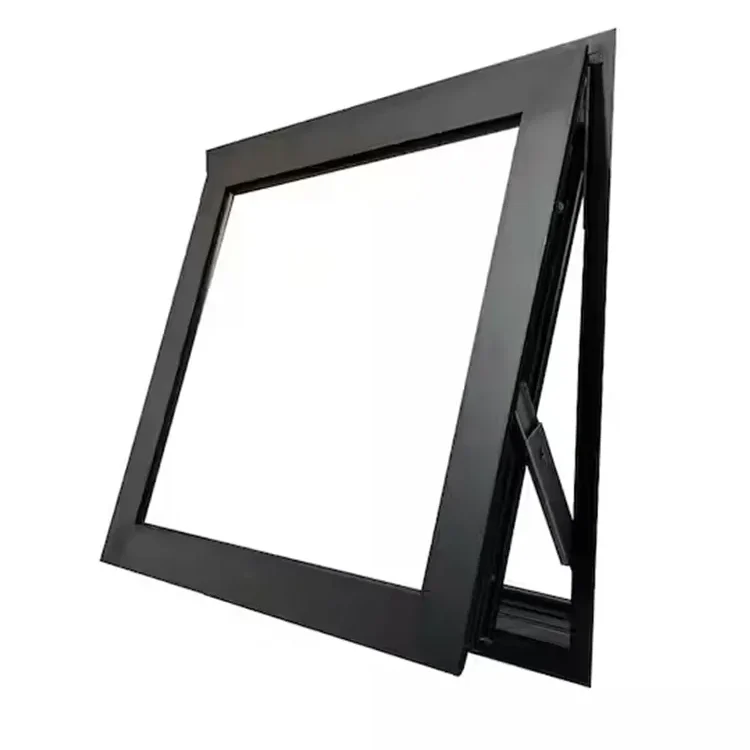

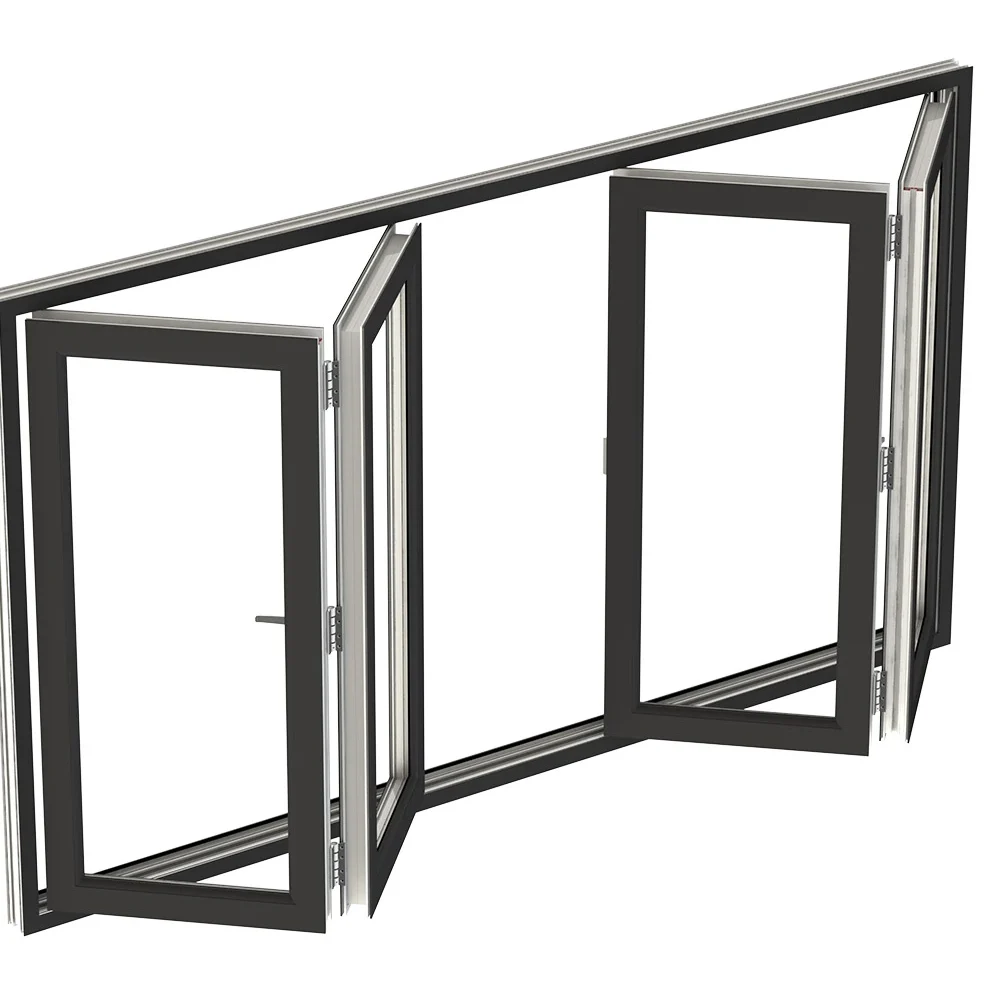

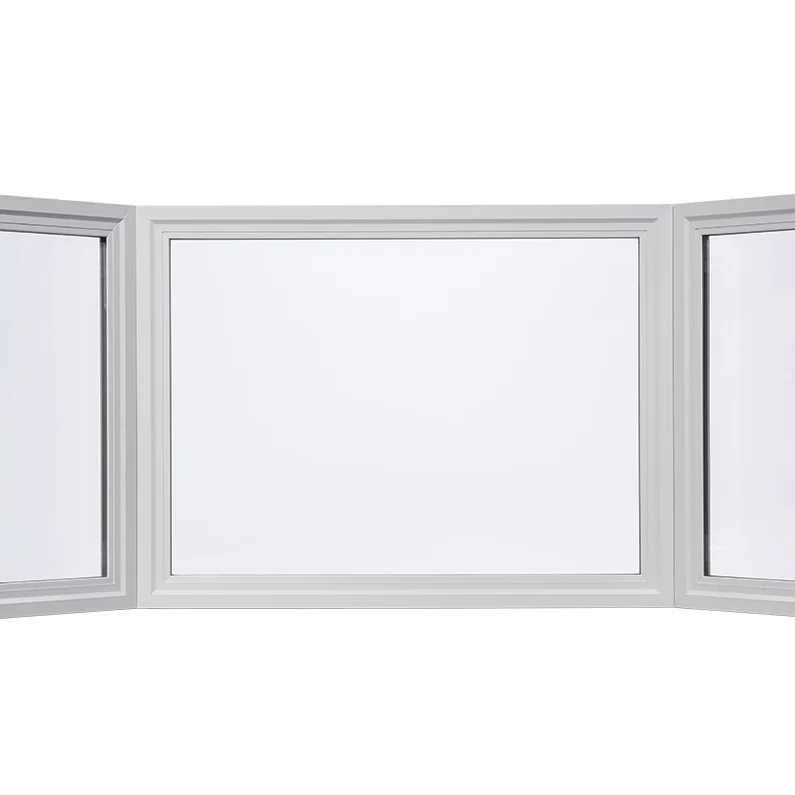





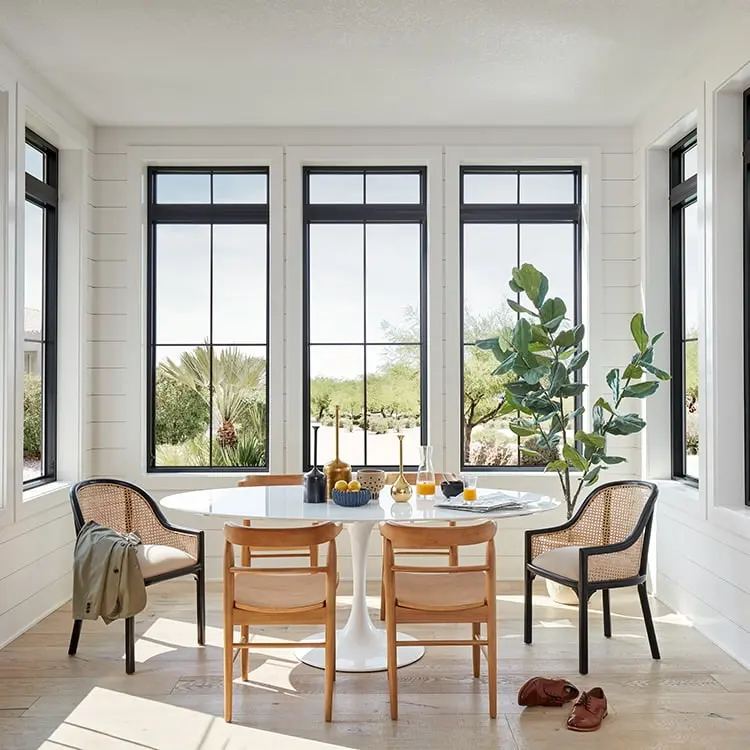


Double-hung windows are a classic choice found in many homes. They have two sashes that move up and down, giving you more control over how much air comes in or goes out. Unlike single-hung windows, both the top and bottom sections can open, which makes them more flexible.

People like double-hung windows because they are easy to use, simple to clean, and fit almost any home style. The tilt-in design lets you wash the glass from inside, which is especially handy for upstairs rooms. With their timeless look and practical features, they’re a favorite for comfort, airflow, and convenience.
Step-by-Step Guide

Step 1: Unlock and Open
To start, turn the sash lock located at the center of the window. Once unlocked, slide up the lower sash or slide down the upper sash depending on how you want to open it. Both sashes should move easily when the tracks are clean and free of dust.
If you notice any sticking or resistance, it usually means the tracks need a quick wipe. Use a soft cloth or brush to clear away dirt before trying again. This makes the movement smoother and helps protect the frame from wear.
Step 2: Adjust Ventilation
Double-hung windows give you flexible options for airflow. Opening the lower sash allows cool, fresh air to come inside. If you want to let hot air out, lower the upper sash instead.
For the best comfort, you can open both sashes at once. This setup creates a natural balance, where cooler air flows in from the bottom and warmer air escapes through the top, improving circulation in the room.
Step 3: Use Safety Stops
Many double-hung windows come with built-in vent stops or limiters. These let you keep the window partly open without worrying that it might slide too far. It’s a small feature that makes a big difference for safety.
This is especially useful if you have children or pets at home. By keeping the opening controlled, you can enjoy fresh air without risking accidents or allowing the window to open wider than intended.
Step 4: Tilt Sashes for Cleaning
Cleaning is one of the easiest parts of using double-hung windows. Simply lift or lower the sash a few inches, press the tilt latches on each side, and pull the sash toward you. This tilting action gives you access to both sides of the glass from inside the house.
Once you’ve finished cleaning, gently push the sash back into place until it clicks. Always make sure the sash is level when you re-seat it. This ensures it locks back securely and operates smoothly the next time you open it.
Step 5: Close and Lock
When you’re done, push both sashes firmly back into the frame and check that they’re sitting evenly. Slide the meeting rails together and secure the lock at the center.
Locking the window does more than protect your home. It also pulls the sashes tightly against the weatherstripping, sealing the frame for better insulation. This helps keep your house comfortable while saving energy.
Common Mistakes

Even though double-hung windows are simple to use, there are a few mistakes that can cause problems over time. Avoiding these will keep your windows safe, smooth, and efficient.
Relying on insect screens for safety – Screens are made to keep bugs out, not to stop falls. Never depend on them to protect children or pets.
Forcing a tilted sash back into place – If the sash isn’t level when re-seating, it can bend or damage the frame. Always guide it evenly until it clicks.
Leaving dirt in the tracks – Dust and grit make the sashes stick and wear down the hardware. A quick wipe keeps the window moving freely.
Forgetting to lock after closing – The lock does more than add security. It also seals the sashes tightly, boosting insulation and energy savings.
Opening only the lower sash with kids nearby – Use the upper sash instead. This allows airflow while keeping the opening out of reach.
Conclusion

Double-hung windows are practical, stylish, and easy to maintain. With two moving sashes, they give you more control over airflow and comfort while making cleaning simple with the tilt-in design. By using them correctly and avoiding common mistakes, you’ll enjoy long-lasting performance and energy savings.
Thinking about new windows or upgrading your current ones? Our team can help you choose the right double-hung windows and provide professional installation or service. Contact us today to learn more about our products and solutions for your home.
FAQs
How do I know if my window is double-hung or single-hung?
A double-hung window has two operable sashes that both move up and down, while a single-hung only has a movable bottom sash. Try sliding the top sash to check.
Can double-hung windows improve energy efficiency?
Yes. When locked, the sashes press tightly against the weatherstripping, reducing drafts. Choosing models with energy-efficient glass will boost insulation even more.
Are double-hung windows safe for children?
They can be safe if used properly. Opening the upper sash instead of the lower keeps the opening out of reach. Adding vent stops or limiters improves safety further.
Do double-hung windows work with window air conditioners?
Yes, most standard air conditioners fit in the lower sash of a double-hung window. Be sure to secure and seal around the unit to prevent leaks and improve efficiency.
How long do double-hung windows usually last?
With regular cleaning and maintenance, quality double-hung windows can last 20 years or more. Keeping tracks clear and locking them when closed helps extend their life.
