Choosing the right weatherstripping material is just as important as picking the type. Different materials offer different levels of durability, flexibility, and weather resistance. Here’s a quick breakdown to help you decide:
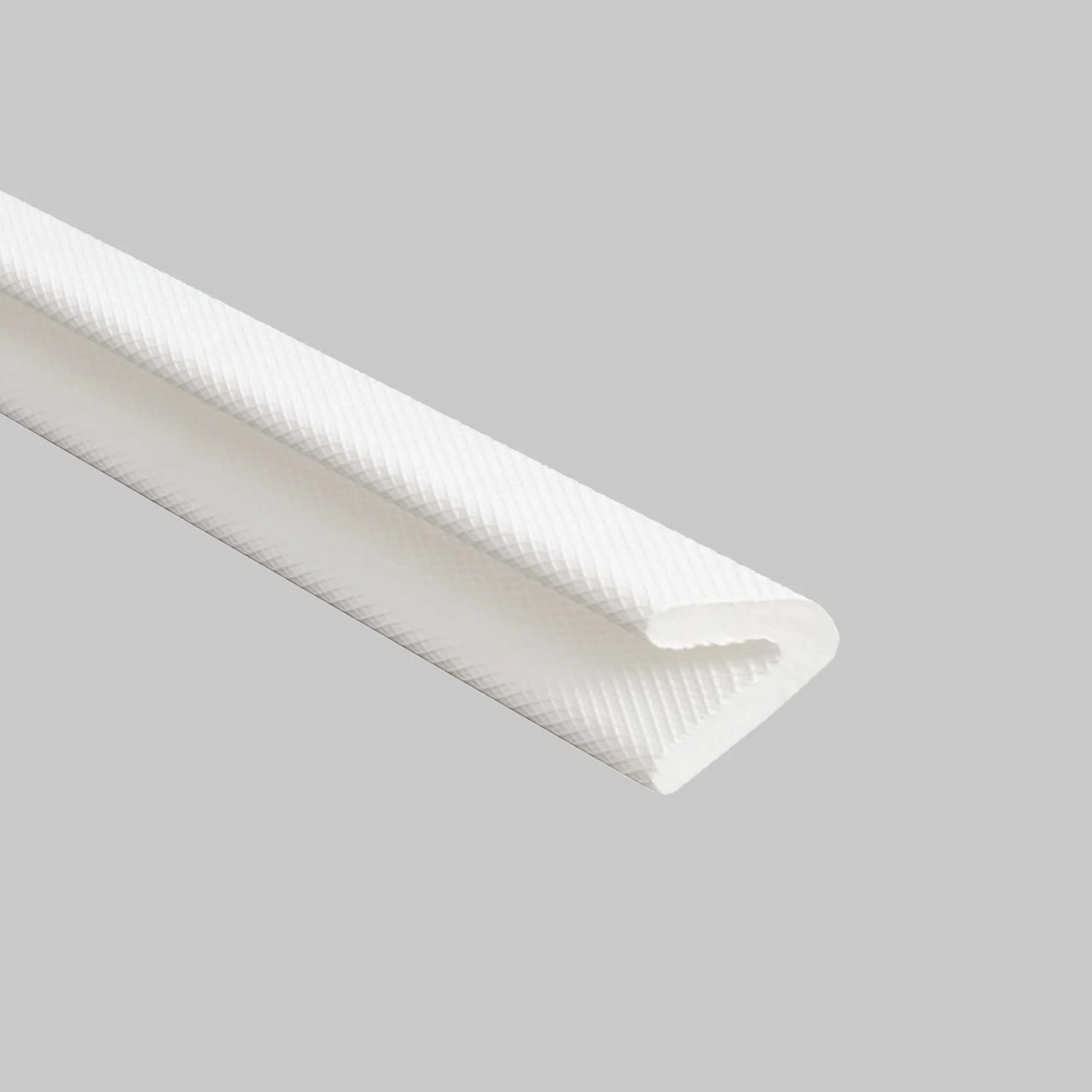
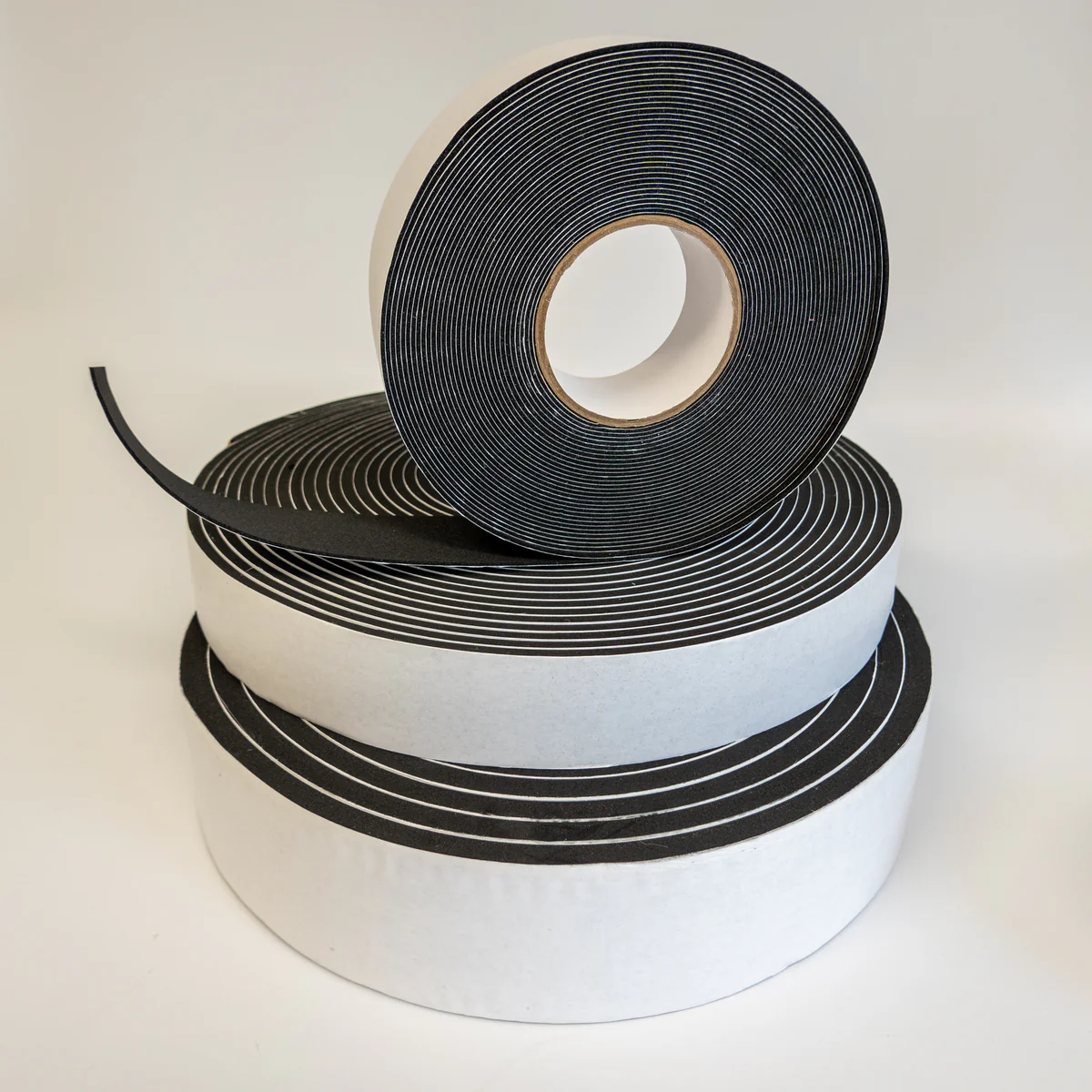
Foam: Soft, flexible, and easy to install. Great for DIY projects and uneven gaps. Best for light to moderate use, but may wear out faster.
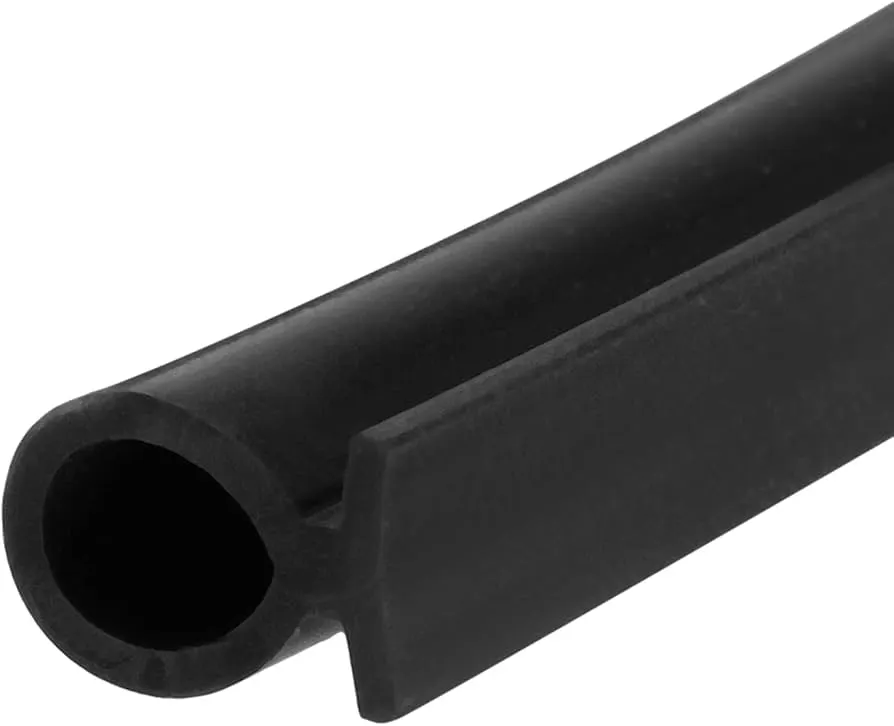
Rubber / EPDM: Strong, flexible, and highly weather resistant. Handles extreme temperatures well. Ideal for exterior doors and long-term sealing.
Vinyl: Budget-friendly and moisture resistant. Works well in damp areas but can stiffen in very cold climates.
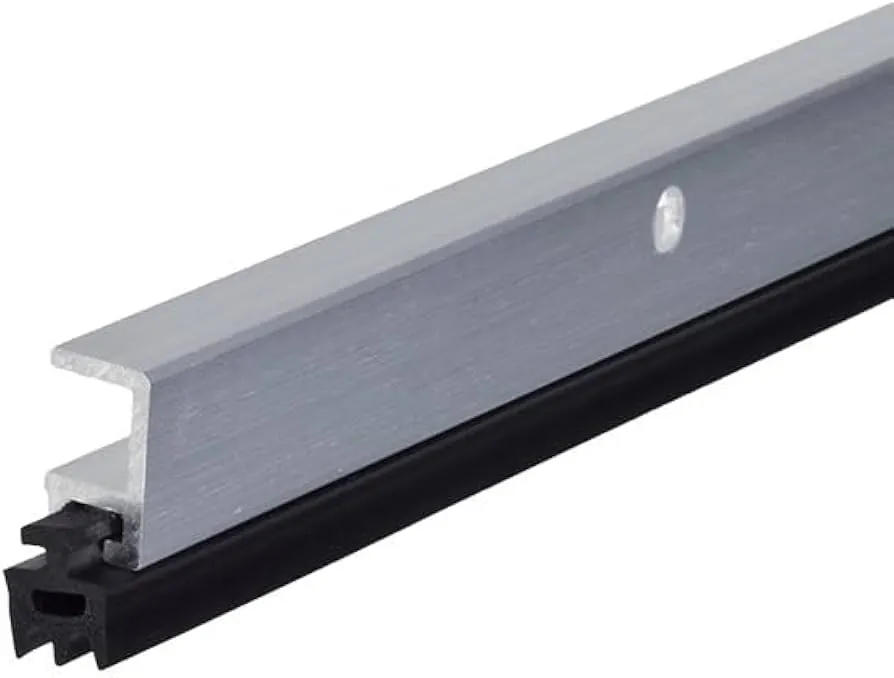
Metal:Aluminum or stainless steel options offer high durability. Often used with compression or interlocking systems for long-lasting performance.
Selecting the right material ensures better energy efficiency, comfort, and protection year-round.
Tension Seals (V-Strips)
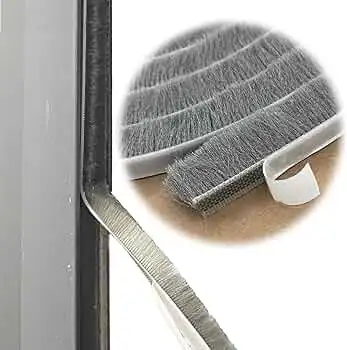
V strip tension seal for door frame edges
Tension seals, also called V-strips, are thin strips made of flexible metal or vinyl. They fold into a “V” shape and spring open to press tightly against the door edge.
These are premium weatherstripping solutions for maximum performance.
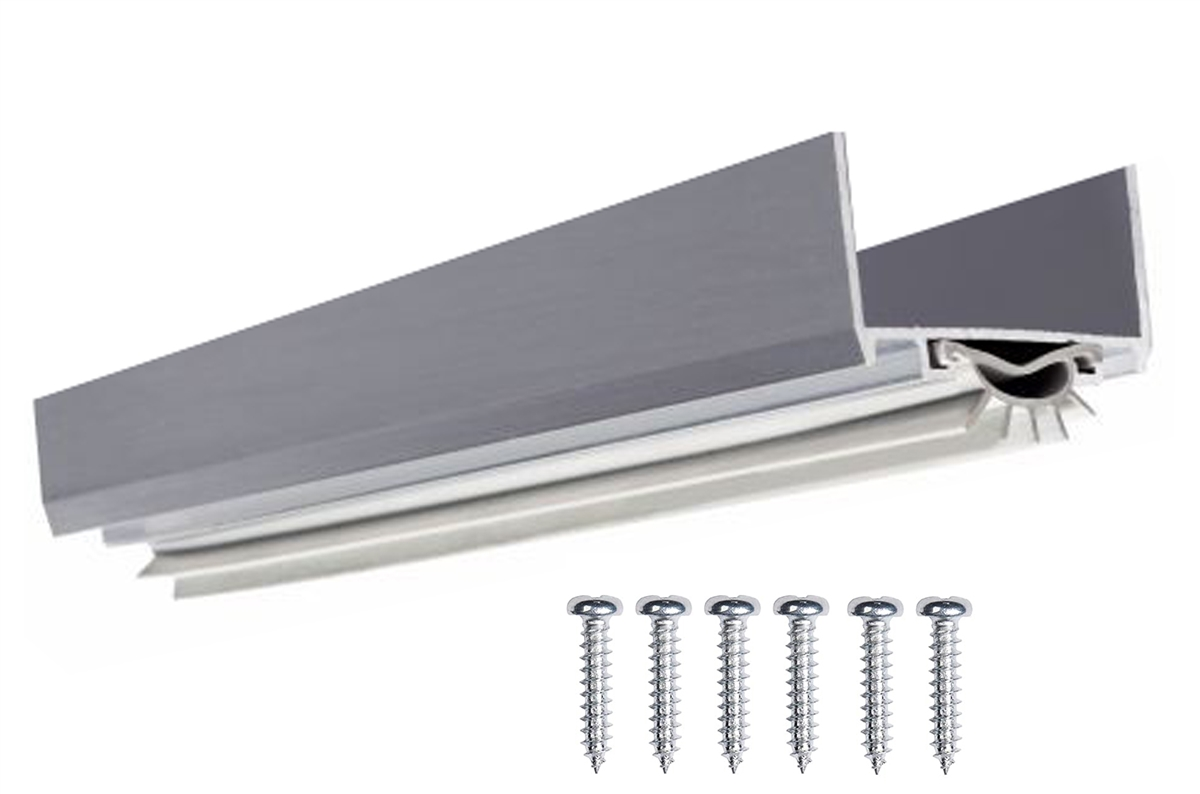
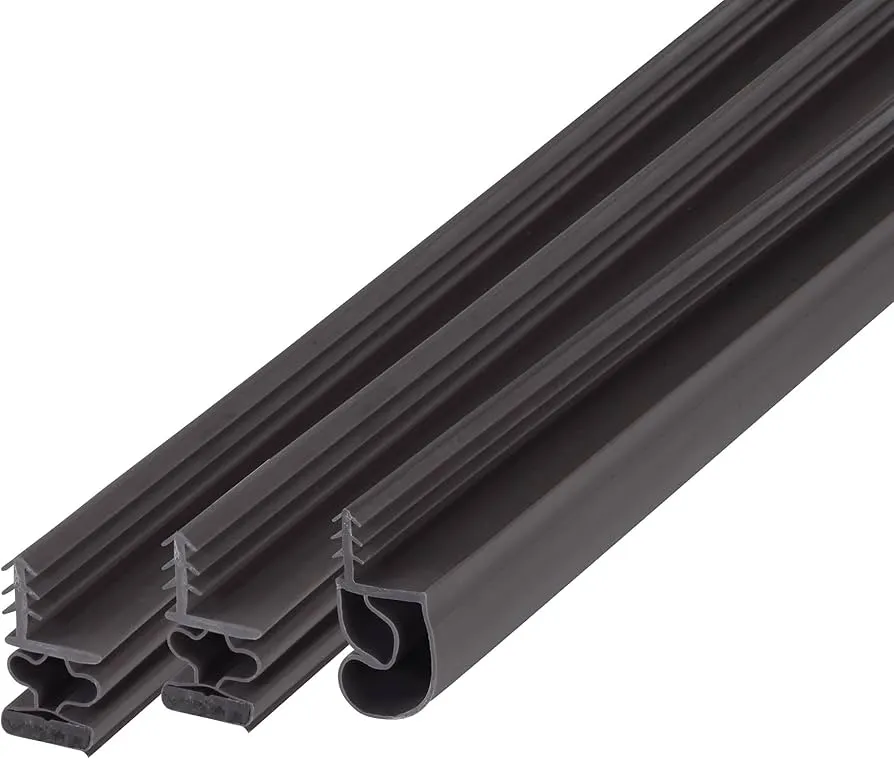
Interlocking metal seals use two metal channels that connect when the door closes. Compression seals flatten under pressure to create a strong air barrier.
Best for:
High-performance exterior doors
Extreme climates
Long-term energy savings
Pros:
Excellent durability
Strong air and moisture resistance
Professional-grade solution
Cons:
More expensive
Complex installation
If you want the highest level of protection, interlocking or compression seals are the top-tier option.
How to Choose the Right Weatherstripping
Choosing the right door weatherstripping can make a big difference in comfort and energy savings. The best option depends on your door type, climate, and gap size. Here’s how to decide:
Measure the gap size: Small gaps work well with foam or V-strips. Larger gaps may need tubular or compression seals.
Check door location: Exterior doors need durable, weather-resistant materials like EPDM rubber or bulb seals.
Consider climate: Cold or windy areas require stronger air seals and moisture protection.
Think about door use: High-traffic doors need long-lasting materials that won’t wear out quickly.
Match the door material: Magnetic seals work best on steel doors.
The right weatherstripping improves energy efficiency, blocks drafts, and keeps your home comfortable all year.
Need Help Choosing the Right Weatherstripping?
The right door weatherstripping solution can lower energy bills, reduce drafts, and protect your home from moisture and dust. But choosing the best material and seal type can be confusing without expert guidance.
Our team can help you:
Identify the correct weatherstripping type for your door
Recommend durable materials for your climate
Provide custom sealing solutions for new or existing doors
Ensure long-term performance and energy efficiency
Whether you’re upgrading a single entry door or sourcing seals for a full project, we’re here to support you.
Contact us today for professional advice, product recommendations, and a tailored quote for your door sealing needs. Let’s create a tighter, more energy-efficient home together.
FAQs
What are the different types of weatherstripping?
Common weatherstripping types include V-strip (tension seals), foam tape, felt strips, tubular rubber/vinyl, door sweeps, vinyl gasket rolls, and metal strips. These options help seal gaps around doors and windows to reduce drafts and save energy.
What are the different types of door strips?
Door strips include tension-seal (V-strips), felt, foam adhesive tape, tubular rubber/vinyl, door sweeps, door shoes, reinforced vinyl, and magnetic strips — each suited for specific gaps and door styles.
What is the best weatherstripping for front doors?
For most front doors, compression weatherstripping (rubber, vinyl, or silicone) is considered best because it creates a tight seal when the door closes, blocking air and moisture effectively.
What are the different types of window seals?
Window seals include bulb weatherstrips, compression strips, pile/fin seals, V-strip weatherstrips, adhesive foam tape, and brush-type seals, each tailored to different frame types and air leakage points.
SPECIFICATION CHECKS
Specification checks for Common Weatherstripping Materials
Confirm Common Weatherstripping Materials from the current source or project schedule.
Record the page-specific context: Choosing the right weatherstripping material is just as important as picking the type. Different materials offer different levels of durability, flexibility, and weather resistance. Here’s a quick breakdown to help you
Check Tension Seals (V-Strips) against the applicable drawing or evidence set.
Use the article to frame the decision, then verify the exact system configuration, test scope, drawing revision and local project requirements.
PERFORMANCE BOUNDARY
Performance boundaries around Tension Seals (V-Strips)
Foam: Soft, flexible, and easy to install. Great for DIY projects and uneven gaps. Best for light to moderate use, but may wear out
Treat Tension Seals (V-Strips) as page context, not universal project proof.
Verify Felt Weatherstripping for the proposed configuration.
Use the article to frame the decision, then verify the exact system configuration, test scope, drawing revision and local project requirements.
REGIONAL CHECKS
Market and regional checks for Top Door Weatherstripping Types & Best Seals Guide
Destination
Confirm the applicable market, project location and authority.
Source context
Foam: Soft, flexible, and easy to install. Great for DIY projects and uneven gaps. Best for light to moderate use, but may wear out
Boundary
Use the article to frame the decision, then verify the exact system configuration, test scope, drawing revision and local project requirements.
PROJECT HANDOFF
What to hand off after reading Top Door Weatherstripping Types & Best Seals Guide
Source statement
Rubber / EPDM: Strong, flexible, and highly weather resistant. Handles extreme temperatures well. Ideal for exterior doors and long-term
Evidence field
Retain the source route, section 'Foam Tape & Reinforced Foam', revision context and responsible reviewer.
Handoff
Continue to a product, evidence or contact page only after the unresolved inputs are listed.
VERIFICATION RECORD
Verification record for Common Weatherstripping Materials
Source statement
Rubber / EPDM: Strong, flexible, and highly weather resistant. Handles extreme temperatures well. Ideal for exterior doors and long-term
Evidence field
Retain the source route, section 'Common Weatherstripping Materials', revision context and responsible reviewer.
Handoff
Use Top Door Weatherstripping Types & Best Seals Guide to define the decision and the questions that must be resolved.
Manage Consent
To provide the best experiences, we use technologies like cookies to store and/or access device information. Consenting to these technologies will allow us to process data such as browsing behavior or unique IDs on this site. Not consenting or withdrawing consent, may adversely affect certain features and functions.
Functional
Always active
The technical storage or access is strictly necessary for the legitimate purpose of enabling the use of a specific service explicitly requested by the subscriber or user, or for the sole purpose of carrying out the transmission of a communication over an electronic communications network.
Preferences
The technical storage or access is necessary for the legitimate purpose of storing preferences that are not requested by the subscriber or user.
Statistics
The technical storage or access that is used exclusively for statistical purposes.The technical storage or access that is used exclusively for anonymous statistical purposes. Without a subpoena, voluntary compliance on the part of your Internet Service Provider, or additional records from a third party, information stored or retrieved for this purpose alone cannot usually be used to identify you.
Marketing
The technical storage or access is required to create user profiles to send advertising, or to track the user on a website or across several websites for similar marketing purposes.