
















Glass, Aluminum & Modern Envelope Materials
Modern commercial buildings rely on advanced envelope materials to balance performance, comfort, and visual impact.
Glass

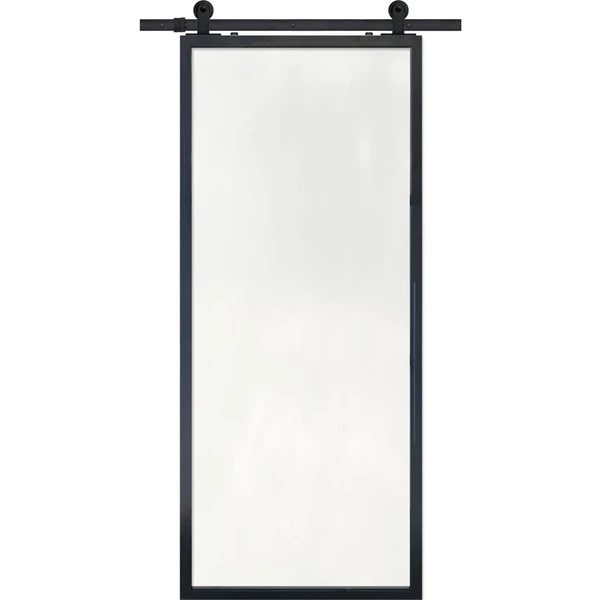
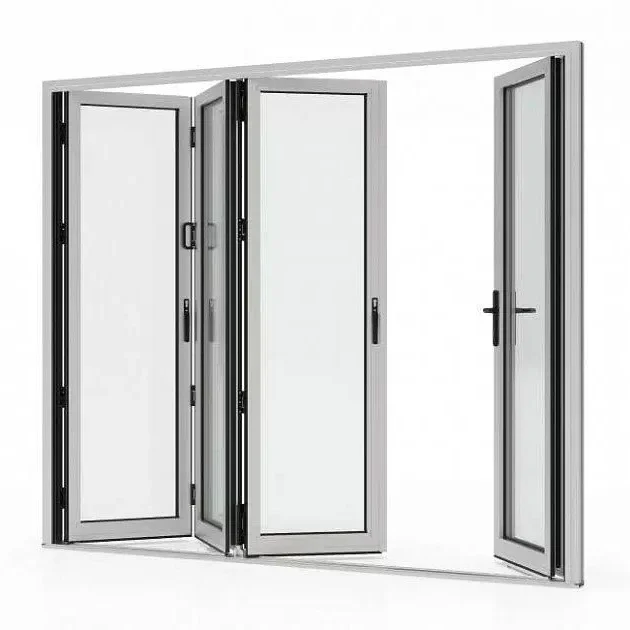
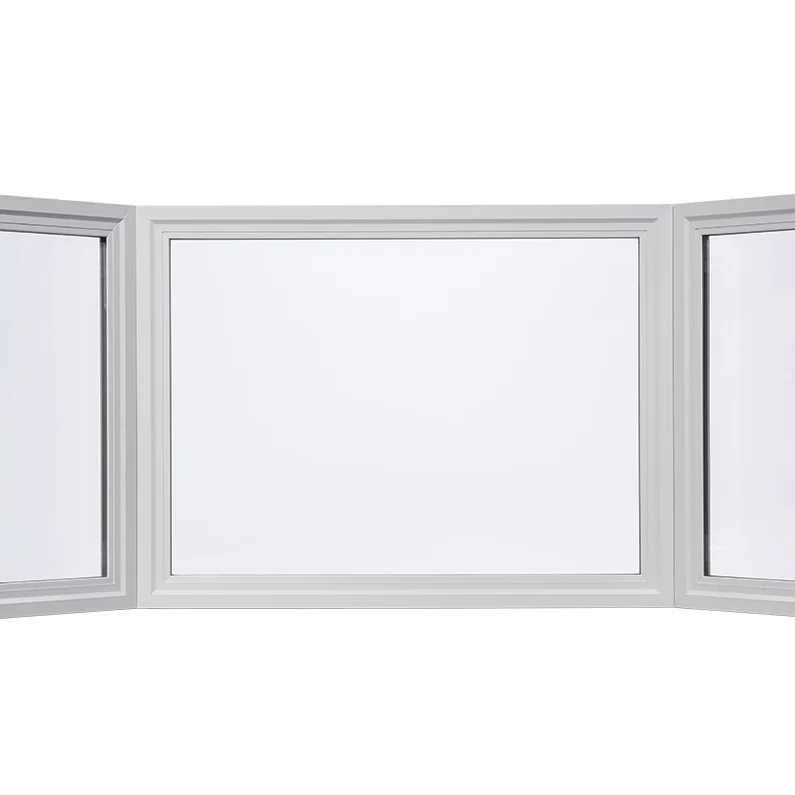
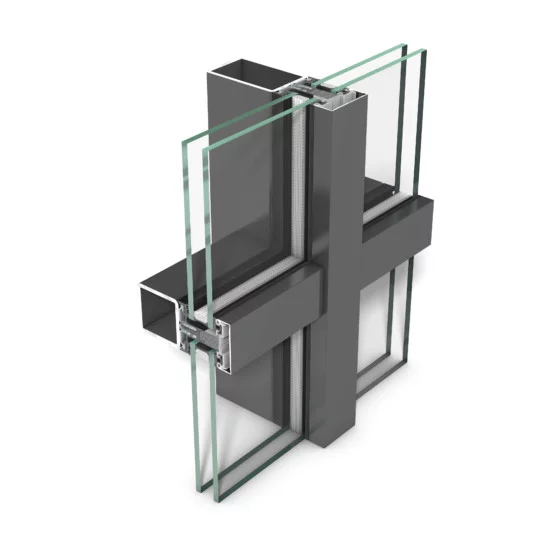
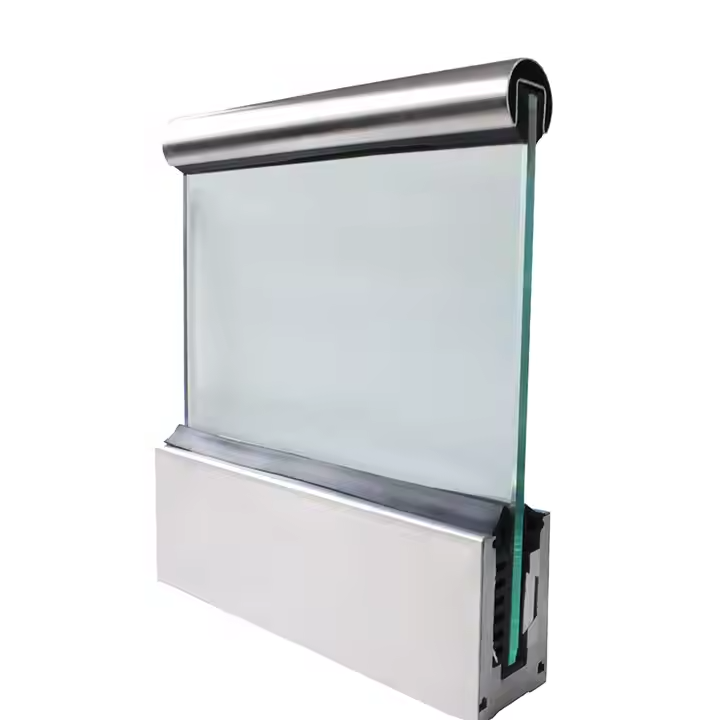
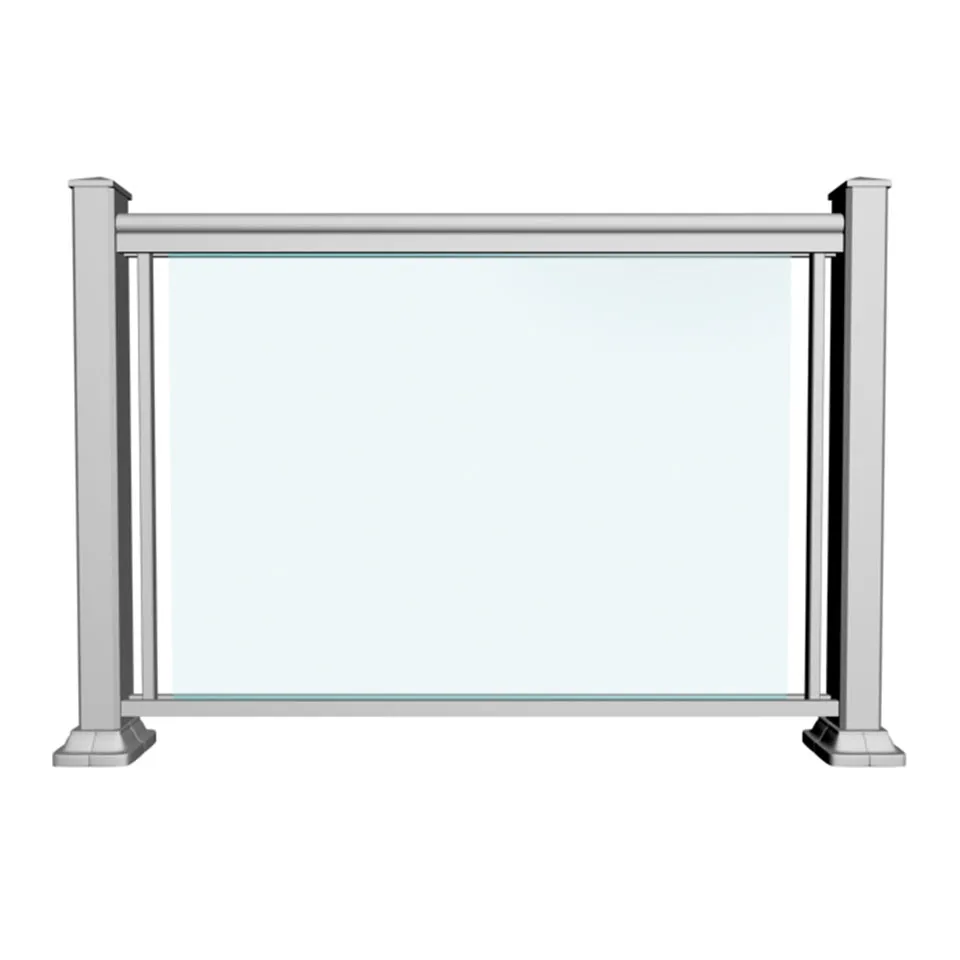
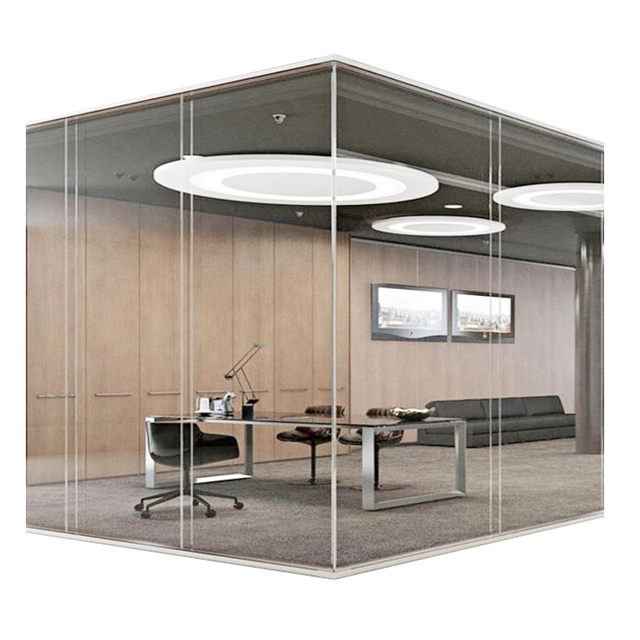
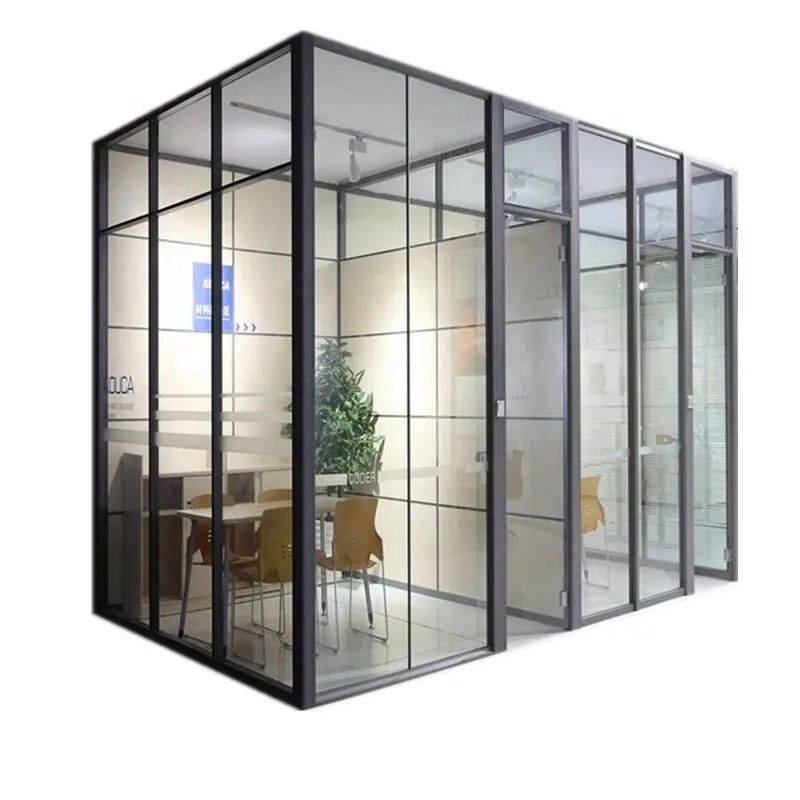
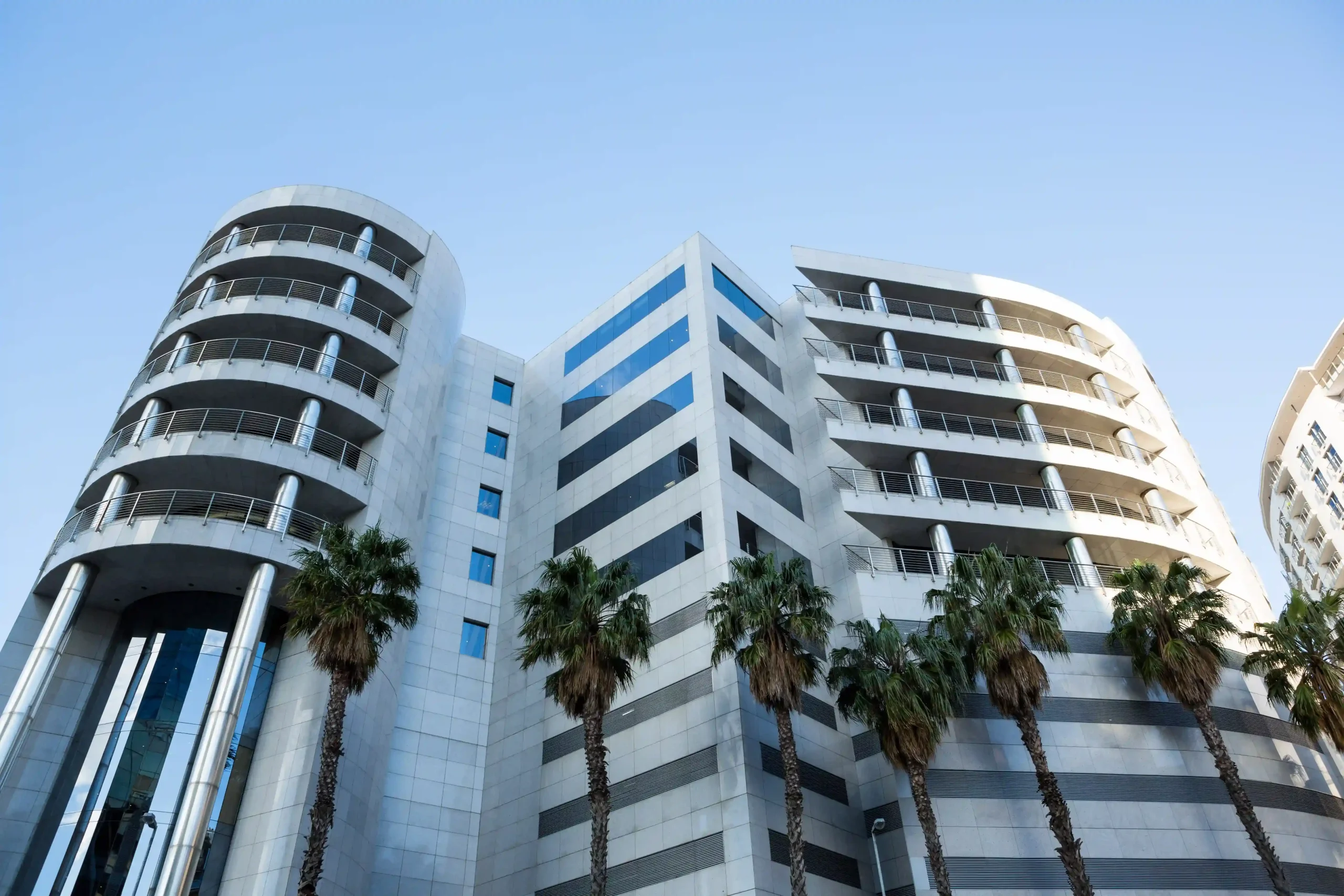
Glass plays a major role in today’s commercial design. High-performance glazing improves daylighting while controlling heat gain and glare. Systems like curtain walls and insulated glass units (IGUs) help reduce energy use, support occupant comfort, and create bright, open interiors. Low-E coatings and double or triple glazing further enhance thermal performance.
Aluminum

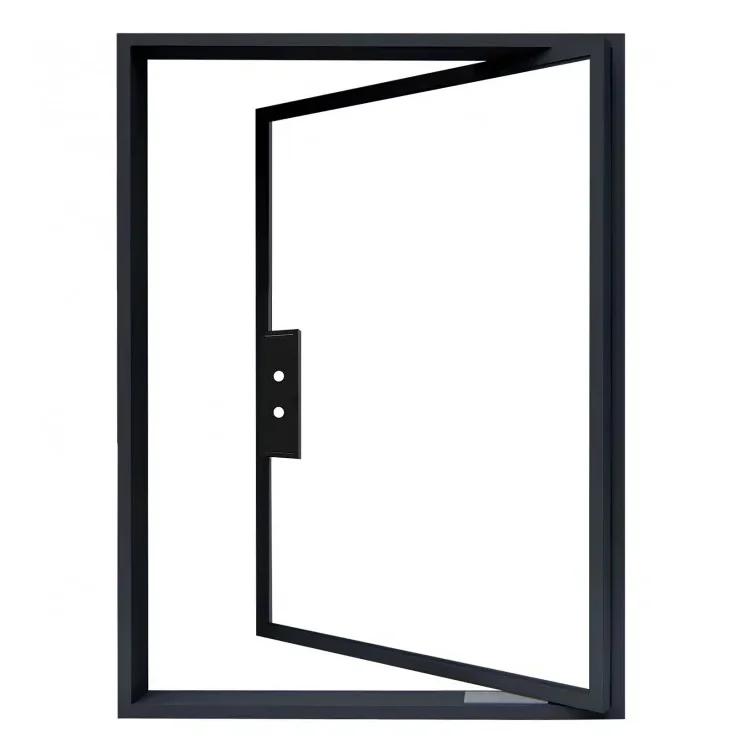
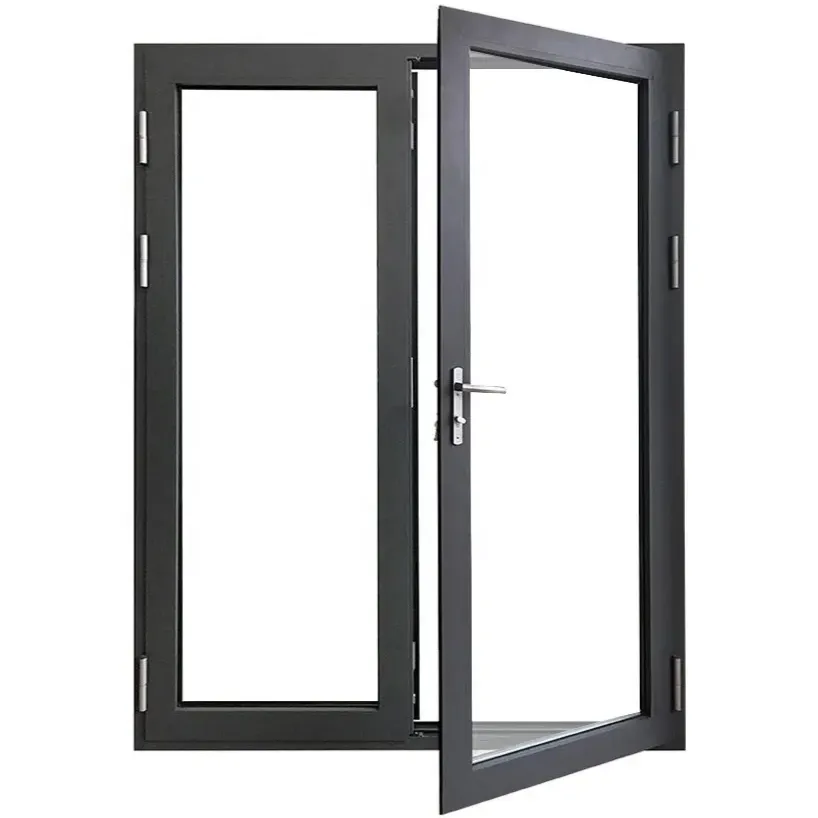
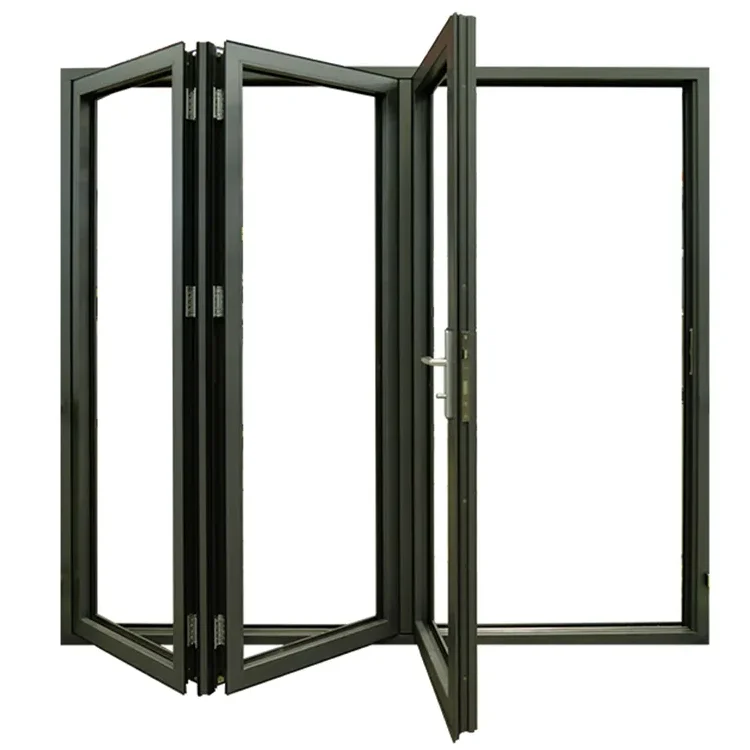
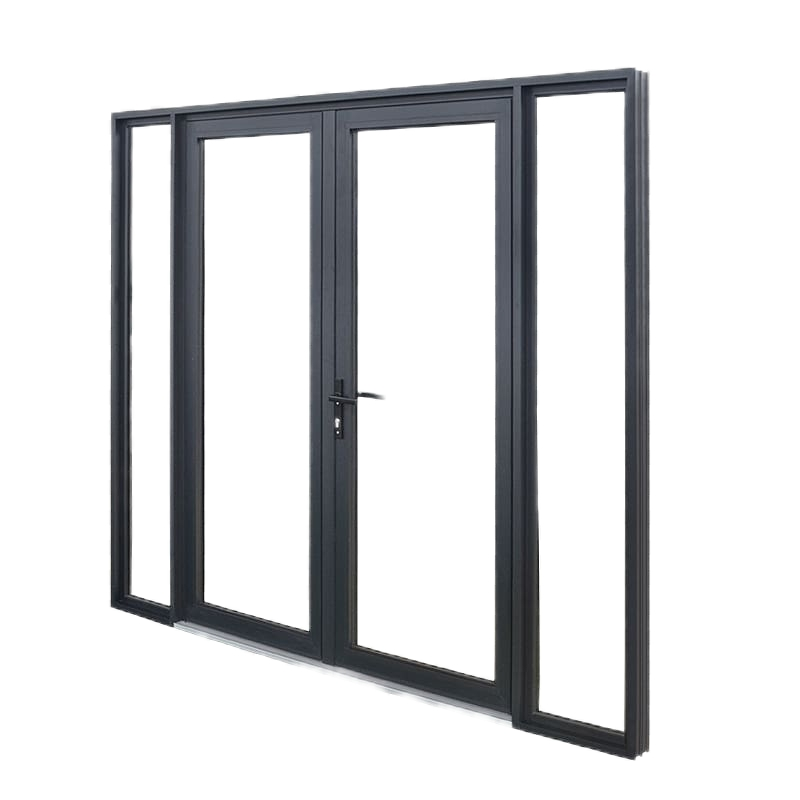
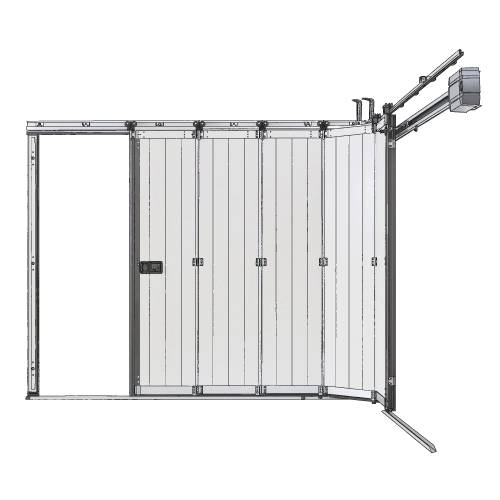
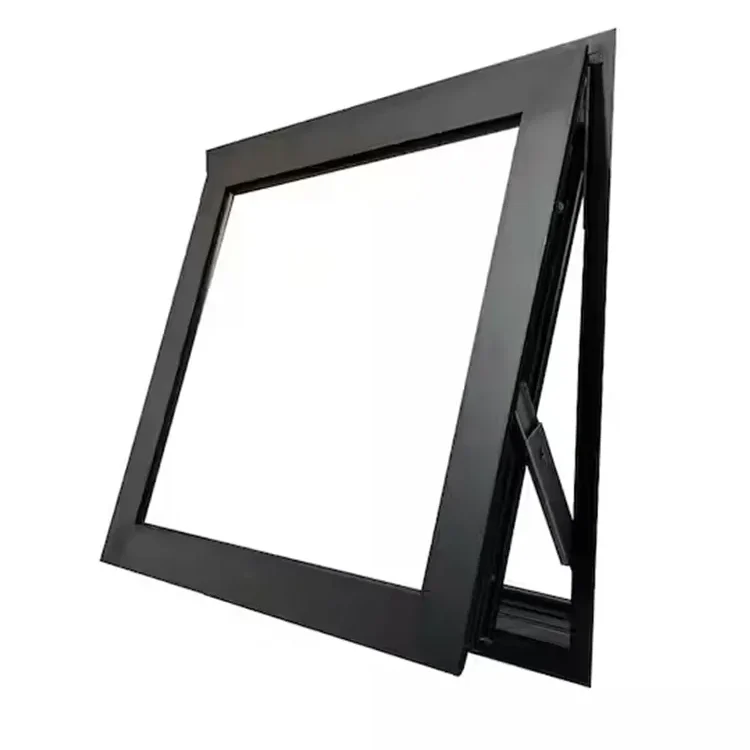
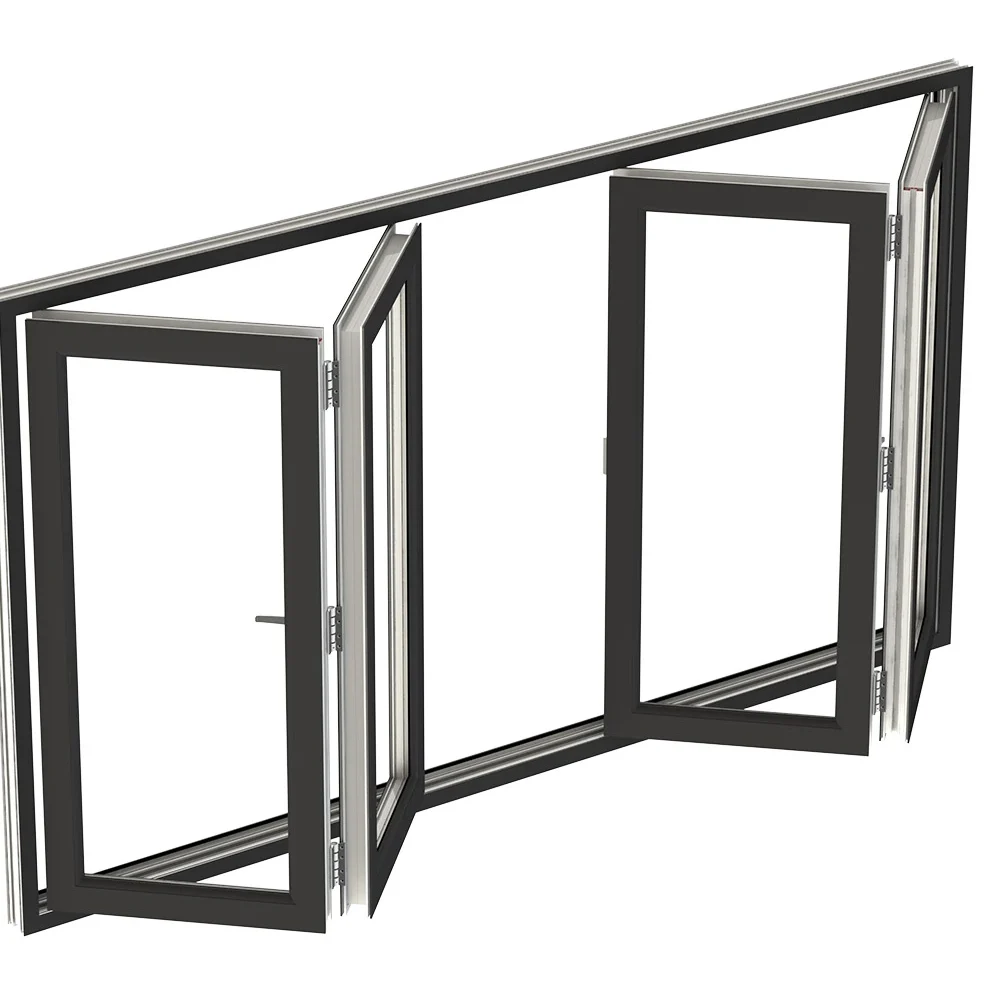
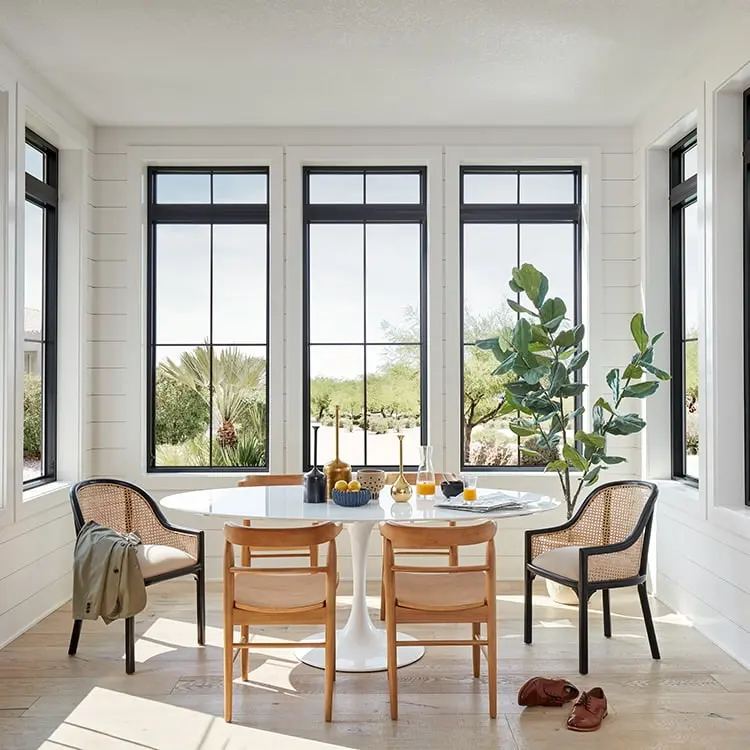
Aluminum is a top choice for window frames, curtain walls, and exterior panels. It’s lightweight, corrosion-resistant, and strong enough for large openings. Aluminum systems support slim profiles, modern aesthetics, and long service life—especially in coastal or high-humidity environments.
Fiber Cement & Composite Panels

Fiber cement and composite materials are widely used for cladding and facades. They offer excellent fire resistance, durability, and low maintenance, while allowing a wide range of textures and colors. These materials are ideal for long-lasting, cost-efficient exterior finishes.
Roofing & Insulation Materials
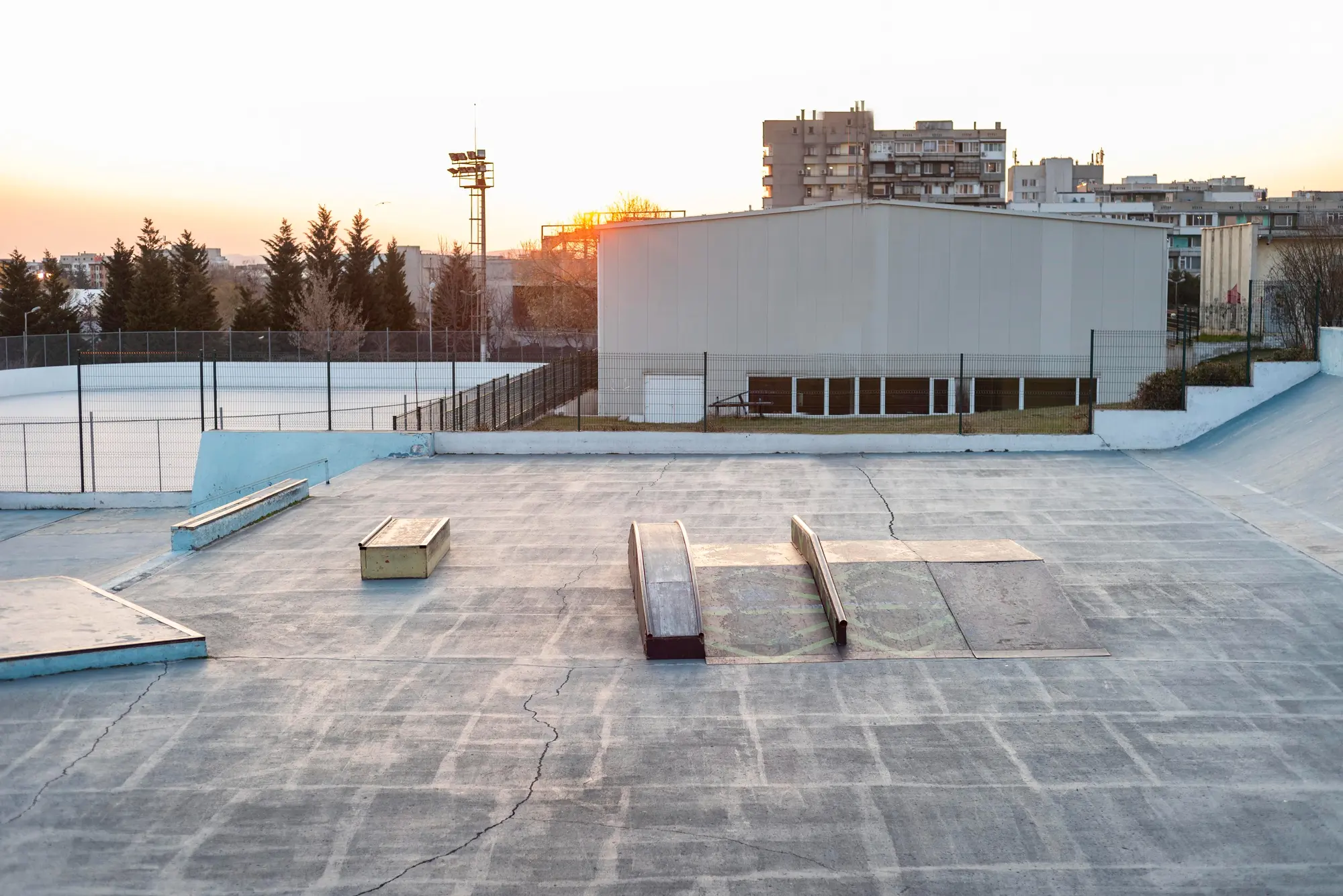
Roofing and insulation directly affect energy efficiency and building protection. Commercial projects often use membrane roofing, metal panels, or green roofs paired with rigid insulation, spray foam, or mineral wool. Together, they improve thermal control, moisture resistance, and long-term performance.
Innovative and Sustainable Materials
New materials are reshaping commercial construction. Polymers and advanced composites reduce weight and increase durability. Self-healing concrete helps extend structural lifespan by repairing micro-cracks automatically. Plant-based and recycled materials support lower carbon footprints. These innovations reflect a growing focus on sustainability, energy efficiency, and smarter building envelopes in modern commercial construction.
Material Selection Considerations
Choosing the right materials is one of the most important steps in commercial construction. The best choice balances performance, cost, and long-term value.
Building Use & Load Needs
Offices, warehouses, and retail spaces all demand different strength and durability levels. Materials must match structural and usage requirements.Climate & Environmental Exposure
Weather, humidity, coastal air, and temperature swings affect material performance. Corrosion-resistant and insulated materials perform better long term.Energy Efficiency Goals
High-performance insulation, glazing, and airtight systems help reduce energy costs and support green building targets.Fire & Safety Compliance
Materials must meet local fire ratings, smoke control, and life-safety codes to ensure occupant protection.Maintenance & Lifespan
Low-maintenance materials lower operating costs over time and reduce repair downtime.Budget & Lifecycle Cost
Upfront cost matters, but long-term durability, energy savings, and replacement cycles often matter more.Sustainability & Certifications
Recycled content, low-VOC finishes, and LEED-friendly materials support environmental goals and modern project standards.
Ready to Choose the Right Materials for Your Project?
Selecting the right commercial construction materials can make a major difference in performance, safety, and long-term costs. Our team is here to help you evaluate options, meet code requirements, and choose materials that fit your project goals and budget.
Contact us today to get expert advice, customized material solutions, and professional support from planning through construction.
FAQs
1. What materials are used in commercial construction?
Commercial buildings typically use concrete, steel, wood, glass, masonry (brick/block), aluminum, and insulation materials to meet strength, durability, and design needs.
2. What are the 10 most common materials used in construction?
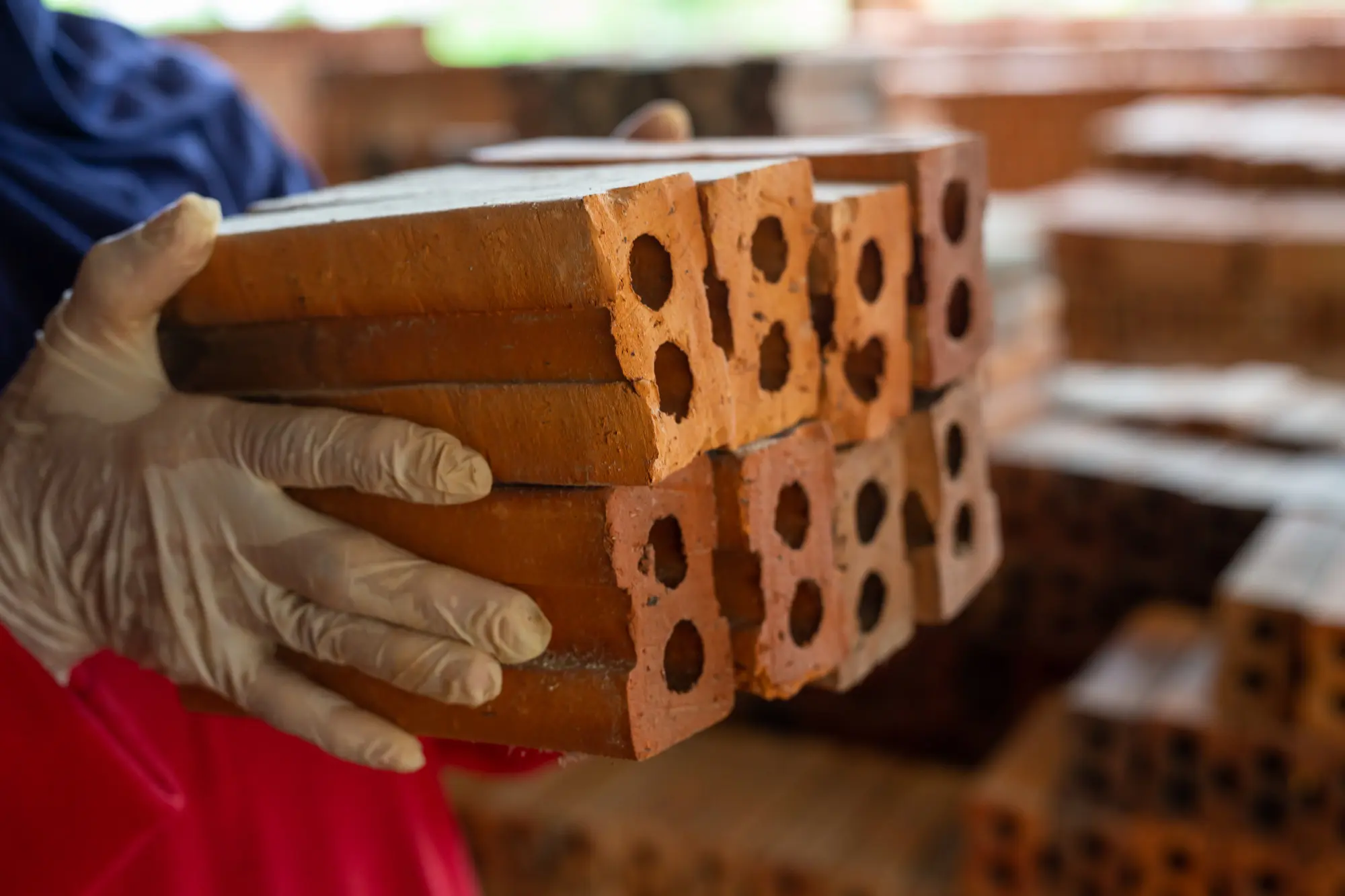
Common construction materials include concrete, cement, steel, wood, stone, brick, aggregate, glass, plastics, and composites used across many building projects.
3. What are the main materials used in construction?
The main construction materials are concrete, steel, wood, masonry (brick/stone), glass, and metal framing, chosen for structure, safety, and longevity.
4. What are the 20 building materials?
A broader list of building materials includes concrete, cement, steel, wood, stone, brick, glass, aluminum, plastics, aggregate, insulation, gypsum/drywall, roofing membranes, metal studs, fiber cement, composites, rebar, PVC piping, tiles, and finishes used in various construction phases.
