Choosing the right windows isn’t just about style — it’s about comfort, energy savings, and long-term durability. Your local climate plays a huge role in how well a window performs. A window that works perfectly in a cold, snowy region may struggle in a hot, sunny climate, and vice versa.
In this guide, we’ll walk you through the essentials: the window frame materials you should consider, the glazing options that boost performance, how to understand key energy ratings, and which window types work best in different climate zones. By the end, you’ll know exactly what to look for so you can choose windows that keep your home comfortable year-round.
Understanding Window Performance Metrics
Before choosing a window, it’s important to understand the performance ratings that tell you how well it handles heat, sunlight, and insulation. These numbers help you compare products and match them to your climate.
U-Factor
U-Factor measures how well a window insulates.
Lower U-Factor = better insulation This is especially important in cold or mixed climates, where heat loss is a major concern. Double or triple glazing, insulated frames and advanced coatings help lower the U-Factor.
SHGC (Solar Heat Gain Coefficient)
SHGC shows how much solar heat passes through the glass.
Lower SHGC = keeps heat out (best for hot, sunny climates)
Higher SHGC = lets heat in (helpful in cold climates)
Choosing the right SHGC helps manage indoor temperature without relying heavily on heating or cooling systems.
Climate Zones and Ratings
Energy standards often divide regions into climate zones—hot, cold, mixed, coastal and more. Each zone has recommended U-Factor and SHGC targets that balance comfort and energy efficiency.
Best Window Types by Climate Zone
Cold Climates: Double/Triple Glazing With Low U-Factor
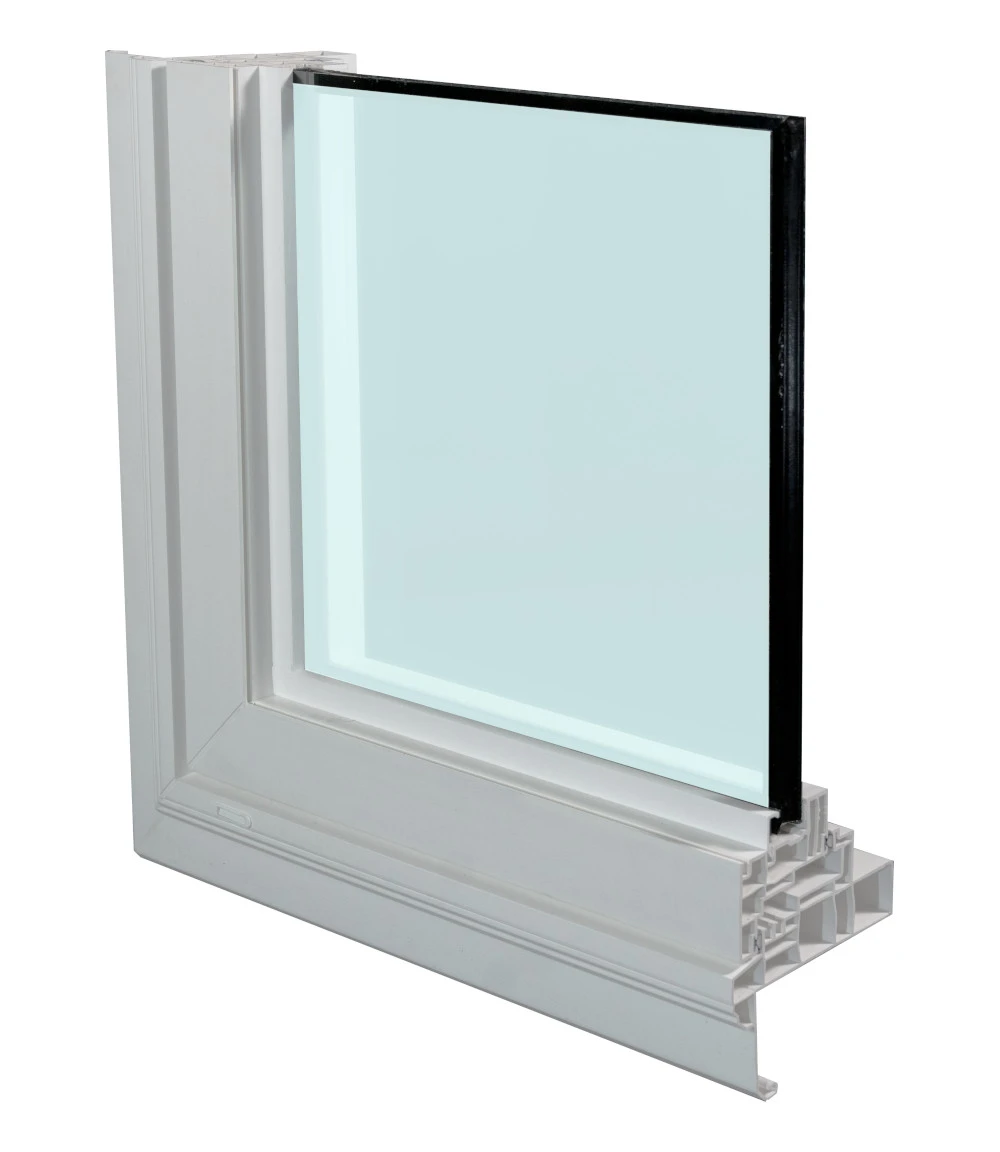
Homes in cold or snowy regions need windows that hold heat inside. Double or triple glazing adds extra layers of insulation, slowing heat loss. Look for low U-factor ratings, warm-edge spacers, and gas fills like argon or krypton. These features keep rooms warmer, reduce drafts, and lower heating bills during long winters.
Hot Climates: Low SHGC and Heat-Resistant Glazing
If you live in a hot or desert climate, the goal is simple—keep heat out. Choose windows with a low SHGC to block solar heat gain and reduce cooling costs. Tinted, reflective, or Low-E coatings help prevent overheating. In hurricane-prone regions, impact-rated glass adds extra safety against strong winds and debris.
Humid or Coastal Climates: Corrosion-Resistant Frames & Storm-Rated Glass
Marriott hotel by the beach with palm trees and blue skies
Coastal and tropical zones face humidity, salt air and storms. Frames should resist rust, swelling and warping—fiberglass, vinyl, and aluminum with marine-grade coatings are top choices. Pair them with laminated, impact-rated glazing to withstand wind pressure and flying debris. Good seals and proper drainage are essential to prevent moisture leaks.
Moderate or Mixed Climates: Balanced, All-Weather Windows
In regions with both hot summers and cool winters, the best windows balance insulation and solar control. Look for mid-range U-factor and SHGC, double-pane Low-E glass, and durable frames that perform well year-round. These windows help stabilize indoor temperatures without overworking your HVAC system.
Frame & Material Choices for Climate
Vinyl Frames
Vinyl performs well in most climates. It’s low-maintenance, moisture-resistant, and insulates well. However, it may not be ideal for extremely hot areas where prolonged heat can cause expansion if quality is low.
Fiberglass Frames
Fiberglass is one of the most climate-strong materials. It resists swelling, heat, humidity and direct sun. It expands at a similar rate to glass, making it stable in both hot and cold climates. Great for energy efficiency and longevity.
Wood Frames
Wood gives warm style and great insulation but needs more care in humid or coastal regions. With proper coatings and upkeep, it performs well in cold or moderate climates. Avoid untreated wood in high-moisture areas.
Aluminum Frames
Strong and durable, aluminum works well in hot or coastal climates when paired with thermal breaks to prevent heat transfer. Look for powder-coated or anodized finishes to resist corrosion near the ocean.
Thermal Breaks & Weather-Resistant Seals
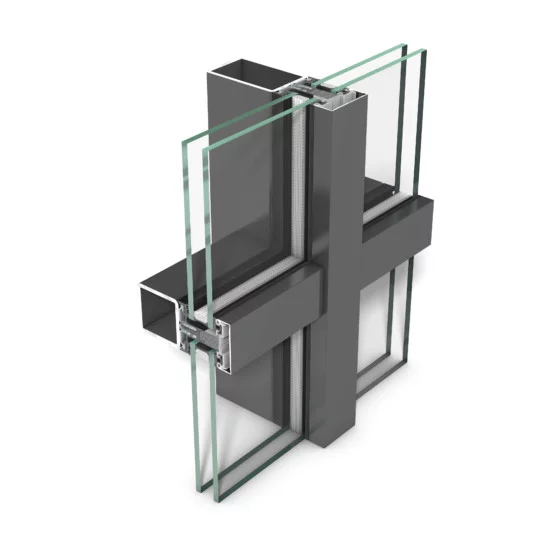
Regardless of material, windows with thermal breaks reduce heat flow through the frame, improving efficiency. High-quality seals, spacers, and weather-stripping help block drafts, moisture and noise—crucial in any climate.
Checklist & Tools for Homeowners
Before choosing new windows, it helps to have a simple checklist so you know exactly what to evaluate. Here’s an easy guide you can use at home:
✔ Identify your climate zone Know whether you’re in a hot, cold, humid, coastal, or mixed region—this determines glazing and frame needs.
✔ Check existing window performance Look for drafts, condensation, poor seals, or fading furniture (a sign of weak UV protection).
✔ Measure accurately Record width, height, and frame depth. Measure in three spots each to confirm consistency.
✔ Review key ratings Check U-factor, SHGC, air leakage, and visible transmittance labels to compare options.
✔ Match frames to your climate Choose vinyl, fiberglass, wood, or aluminum depending on moisture, heat, and maintenance needs.
✔ Consider glass upgrades Decide whether double-pane, triple-pane, Low-E, gas fills, or impact glass apply to your area.
✔ Assess your home’s orientation Windows facing west/east may need stronger solar control than north-facing ones.
✔ Check local building codes Coastal, high-wind or snowy zones may require impact-resistant or specific energy-rated windows.
Tools You May Need:
Tape measure
Flashlight (to inspect gaps or damaged seals)
Level (to check frame alignment)
Notepad or phone for photos and measurements
Utility knife (to check old caulking if needed)
Ready to Choose the Best Windows for Your Climate?
Selecting the right windows can dramatically improve your home’s comfort, energy savings, and long-term durability. If you’re unsure which glazing, frame material, or performance rating fits your climate, we’re here to help. Reach out today—our team can guide you through options, compare costs, and recommend the perfect climate-ready windows for your home.
FAQs
What are the best windows for humid climate?
Windows with vinyl or fiberglass frames, moisture-resistant coatings, and airtight seals work best in humid climates—they resist warping, rust and condensation.
What are the most thermally efficient windows?
Windows with triple-pane glazing, Low-E coatings, argon gas fills and insulated frames deliver the strongest thermal insulation.
Which window has 100% ventilation?
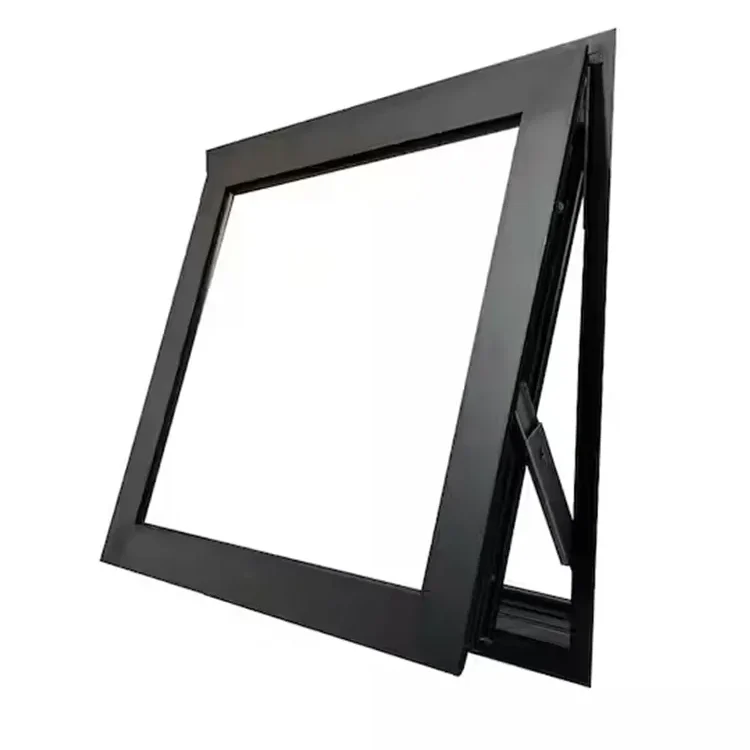
No window provides truly 100% ventilation. However, casement and awning windows offer excellent airflow and control.
What kind of windows keep your house cool?
Windows with a low SHGC (solar heat gain coefficient) and reflective or tinted glazing, particularly in hot climates, help keep your house cool.
AUDIENCE FIT
Who should use Best Windows for Your Climate: Choose Right
Architect / designer
Use Best Windows for Your Climate: Choose Right to identify Understanding Window Performance Metrics and record unresolved design inputs.
Contractor / buyer
Use the source sections on U-Factor to prepare a comparable request.
Approver
Check the cited page evidence before accepting a project-specific conclusion.
QUOTATION INPUTS
Quotation inputs for U-Factor
Confirm U-Factor from the current source or project schedule.
Record the page-specific context: In this guide, we’ll walk you through the essentials: the window frame materials you should consider, the glazing options that boost performance, how to understand key energy ratings, and which window types work best in different climate zones. By the end,…
Check SHGC (Solar Heat Gain Coefficient) against the applicable drawing or evidence set.
Use the article to frame the decision, then verify the exact system configuration, test scope, drawing revision and local project requirements.
EVIDENCE TRACE
How to trace evidence for SHGC (Solar Heat Gain Coefficient)
Source statement
Before choosing a window, it’s important to understand the performance ratings that tell you how well it handles heat, sunlight, and insulation. These numbers help you compare products and match them to your
Evidence field
Retain the source route, section 'SHGC (Solar Heat Gain Coefficient)', revision context and responsible reviewer.
Handoff
Separate general guidance from project-specific dimensions, tests, codes and consultant decisions.
PROBLEM / RESPONSE
Problems addressed around Climate Zones and Ratings
Problem context
A reader may see Climate Zones and Ratings without knowing which project input controls the decision.
Source response
Lower U-Factor = better insulationThis is especially important in cold or mixed climates, where heat loss is a major concern. Double or triple glazing, insulated frames and advanced coatings help lower the
Required verification
Use the article to frame the decision, then verify the exact system configuration, test scope, drawing revision and local project requirements.
FAILURE SIGNALS
Warning signs when reviewing Understanding Window Performance Metrics
Mismatch signal
The project input for Understanding Window Performance Metrics is absent or differs from the source context.
Control
Use Best Windows for Your Climate: Choose Right to define the decision and the questions that must be resolved.
Stop condition
Use the article to frame the decision, then verify the exact system configuration, test scope, drawing revision and local project requirements.
Manage Consent
To provide the best experiences, we use technologies like cookies to store and/or access device information. Consenting to these technologies will allow us to process data such as browsing behavior or unique IDs on this site. Not consenting or withdrawing consent, may adversely affect certain features and functions.
Functional
Always active
The technical storage or access is strictly necessary for the legitimate purpose of enabling the use of a specific service explicitly requested by the subscriber or user, or for the sole purpose of carrying out the transmission of a communication over an electronic communications network.
Preferences
The technical storage or access is necessary for the legitimate purpose of storing preferences that are not requested by the subscriber or user.
Statistics
The technical storage or access that is used exclusively for statistical purposes.The technical storage or access that is used exclusively for anonymous statistical purposes. Without a subpoena, voluntary compliance on the part of your Internet Service Provider, or additional records from a third party, information stored or retrieved for this purpose alone cannot usually be used to identify you.
Marketing
The technical storage or access is required to create user profiles to send advertising, or to track the user on a website or across several websites for similar marketing purposes.