When choosing new windows for your home, awning and hopper windows might not be the first types that come to mind.
But they’re both great options—especially for small spaces that need fresh air and natural light.

At first glance, these two windows look similar when closed. The real difference lies in how they open, how much air they let in, and where they work best in your home.
Quick Answer: Awning windows are hinged at the top and open outward — ideal for rainy climates and high wall placement. Hopper windows are hinged at the bottom and open inward — best for basements and tight spaces where outdoor clearance is limited. Both seal well when closed, but awning windows handle rain better while hopper windows are easier to clean.
What Is an Awning Window?
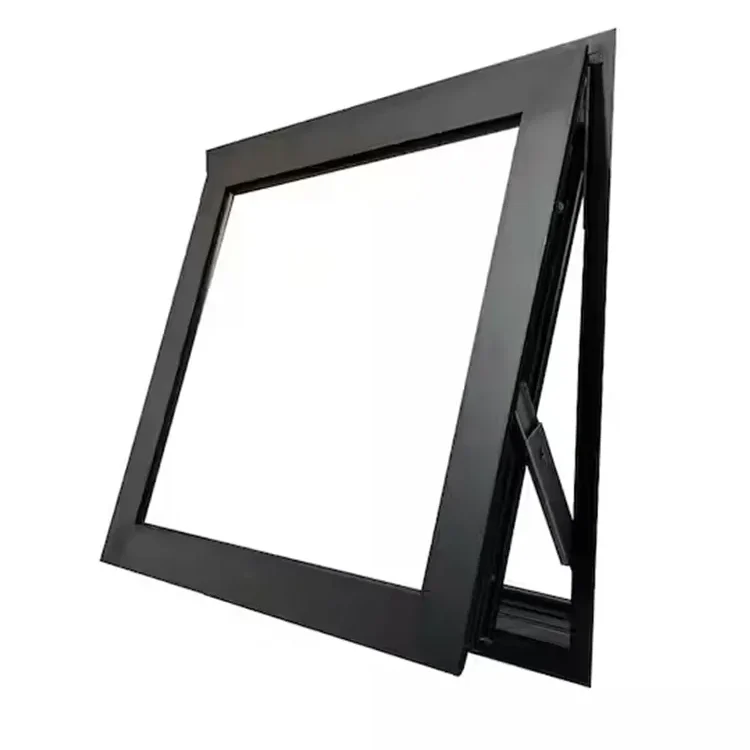
An awning window is a type of window that’s hinged at the top and opens outward from the bottom.
When it opens, the glass tilts out like a small roof—just like a fabric awning. That’s where it gets its name.
Awning windows are often opened using a crank handle, but some can be pushed open by hand. The crank helps keep the window in place and makes it easy to open or close, even if the window is installed high on the wall.
These windows are great for rooms where you want both light and airflow. You’ll often find them in bathrooms, kitchens, living rooms, and even basements.
Fun fact: The design was inspired by traditional fabric awnings used in ancient times to block the sun and rain—simple but effective.
Pros and Cons of Awning Windows
| Pros |
Cons |
| Can stay open during light rain |
Harder to clean if installed high |
| Good ventilation and natural light |
May block outdoor walkways when open |
| Great for privacy when installed higher |
Partial opening limits airflow compared to hoppers |
| Easy to operate with a crank handle |
Not suitable for emergency exits |
| Secure and energy-efficient |
Exterior clearance needed for opening |
What Is a Hopper Window?

A hopper window is hinged at the bottom and opens inward from the top.
This design creates a tilted opening that lets fresh air in while helping block dirt and debris from outside.
Hopper windows are usually opened by hand. They don’t have cranks or mechanical parts, which keeps the design simple and easy to use.
They’re a popular choice for basements, bathrooms, and stairwells—places that need airflow and light but don’t have room for large windows.
These windows first became popular in the 19th century. Back then, people used them to keep out dust from unpaved roads while still letting air into the home. It was a clever solution for modern living at the time—and it still works today.
Pros and Cons of Hopper Windows
| Pros |
Cons |
| Opens fully for maximum ventilation |
Requires interior space to open |
| Easy to clean from the inside |
Can’t be left open in rain |
| Compact and space-saving |
Not ideal near furniture or tall objects |
| Good for privacy in small rooms |
Limited egress in emergencies |
| Helps block dirt and debris from outside |
May collect dust around hinge area |
Awning vs Hopper Windows: Key Differences
a. Opening Direction & Space Considerations
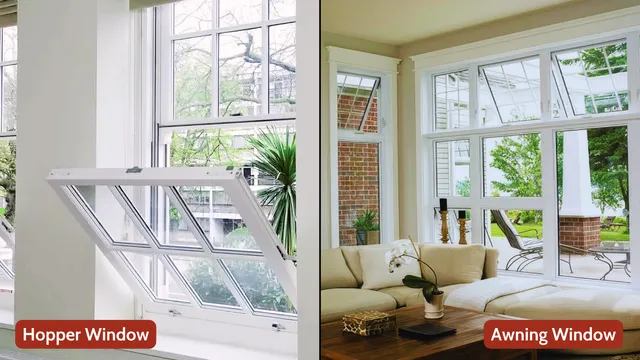
The biggest difference between awning and hopper windows is the direction they open.
- Awning windows open outward from the bottom. They’re hinged at the top, so when you open them, the glass pushes away from the house. This means you’ll need clear outdoor space, especially if the window is near a walkway, patio, or deck. An open awning window could block people walking by or get in the way of outdoor furniture.
- Hopper windows open inward from the top. They’re hinged at the bottom. This makes them ideal for areas where the outside space is limited, like homes close to fences or walls. But keep in mind—they need interior clearance to open properly. If there’s a sink, tall shelf, or furniture in front of the window, it could get in the way.
b. Ventilation & Weather Protection

Both awning and hopper windows offer good airflow, but they perform differently depending on the weather.
- Awning windows are perfect for rainy days. Because they open outward from the top, the glass creates a little roof that helps block rain from getting in. You can keep them open during light showers and still enjoy fresh air. This makes them a great choice in places with frequent rain or changing weather.
- Hopper windows open inward, so they’re not ideal during rain. If it’s wet outside and you open the window, water can easily drip inside. But on dry days, hopper windows allow more full ventilation because they open wider than awning windows.
When it comes to sealing, both types do well. Many awning windows use a compression seal, which tightens when the wind pushes against the window—helping to prevent air leaks. Hopper windows can also have a tight seal, but some models rely on weatherstripping, which may not be as strong over time.
If you care about airflow and rain protection, awning windows win in wet conditions, while hopper windows give you more breeze when the sun is out.
c. Energy Efficiency

Both awning and hopper windows are known for being energy efficient when closed properly.
They usually have a tight seal that helps prevent drafts and keeps your home comfortable. But the type of seal used can make a difference.
- Awning windows often come with a compression seal, which presses tightly against the frame when closed. This type of seal is especially effective at blocking air leaks and moisture, and it gets even tighter when wind pushes against the window.
- Hopper windows can also have a good seal, but many models use weatherstripping instead of a compression seal. While weatherstripping works, it may not be as strong or long-lasting as compression seals—especially over time.
The type of glass matters too. Whether you choose double-pane or triple-pane glass will impact the window’s insulation.
In general, the more layers of glass, the better the window will perform in both hot and cold weather.
d. Cleaning & Maintenance

When it comes to cleaning, hopper windows are generally the easier choice.
- Awning windows open outward, which can make them difficult to clean, especially if they’re installed high on a wall. You may need to go outside or use a ladder to reach the outer glass.
- Hopper windows open inward, so you can clean both sides from inside your home. This makes them more convenient, especially in basements or upper floors where outdoor access is limited.
However, both window types tend to collect dirt and debris around the hinge area. Because of the way they open, leaves, dust, and water can settle near the frame over time.
If easy maintenance is important to you, hopper windows have the advantage—but regular cleaning is helpful for both styles.
e. Security

Both awning and hopper windows offer good security when closed and locked properly.
- Hopper windows, which open inward, are harder to force open from the outside. Their inward tilt makes them less accessible to intruders, especially when installed high on a wall.
- Awning windows are also secure, especially when equipped with a strong locking mechanism. Many modern versions include multi-point locks for added protection.
Both styles can be made with thick or reinforced glass, which adds an extra layer of safety by making the window more resistant to break-ins.
If security is a priority, either option can work well—just make sure to choose high-quality materials and locking hardware.
Ideal Room Applications for Each Style
Choosing the right window isn’t just about how it looks—it’s also about where it works best.
Awning Windows

Awning windows are great for rooms where you want fresh air and light, but also need privacy or rain protection.
They’re commonly used in:
-
Kitchens – for quick airflow while cooking.
-
Bathrooms – for privacy and moisture control.
-
Bedrooms – to let in a breeze without compromising security.
-
Living areas – especially if you want to enjoy ventilation even when it’s raining.
They’re also perfect for rainy climates because you can leave them open without letting water inside.
Hopper Windows

Hopper windows shine in small or tight spaces where you still want ventilation.
You’ll often find them in:
-
Basements – to let in light and fresh air in rooms below ground.
-
Bathrooms – for privacy without taking up too much wall space.
-
Stairwells – to improve airflow in narrow spots.
They work best when installed high on the wall, where they’re out of the way but still functional. Their compact design makes them ideal for areas where larger windows won’t fit.
Final Thoughts: Which One Should You Choose?

Both awning and hopper windows are excellent choices for small spaces, offering ventilation, natural light, and energy efficiency. If you want a window that can stay open in the rain and offers a sleek, modern look, awning windows may be the better fit. But if you’re looking for easy cleaning and full ventilation in tight interior spaces, hopper windows are a smart pick—especially for basements and bathrooms.
Still not sure which style is right for your home? We’re here to help! Contact us today to get personalized advice, explore our full product catalog, or request a free quote. Whether you’re renovating or building new, our team can guide you to the perfect window solution for your space.
FAQs About Awning vs Hopper Windows
What is the main difference between awning and hopper windows?
Awning windows are hinged at the top and open outward, while hopper windows are hinged at the bottom and open inward. This means awning windows can stay open in rain, while hopper windows are easier to clean from inside.
Which is better for a basement — awning or hopper windows?
Hopper windows are generally better for basements. They open inward, which works well in below-grade spaces where exterior clearance is limited. They also help keep out debris from outside while still allowing ventilation.
Are hopper windows energy efficient?
Yes. Hopper windows create a tight seal when closed, which helps reduce air leakage. However, awning windows typically use a compression seal that is slightly more airtight than the weatherstripping found on most hopper windows.
Can awning windows be left open when it rains?
Yes. The outward-opening design of awning windows acts as a canopy that deflects rainwater away from the opening, making them one of the few window types that can remain open during light rain.