Answer Snippet: Aluminum window cost is primarily driven by frame materials, glass configuration, hardware systems, and project execution factors. A proper aluminum window cost breakdown shows that configuration differences can lead to price variations of 30–200%, making system-level evaluation essential in B2B procurement.
You will learn how each cost component impacts overall pricing and how to control risks while optimizing performance and compliance. Based on multiple commercial and residential project deliveries, optimized configurations can reduce lifecycle cost by 10–25%. This guide breaks down aluminum window pricing from materials to hidden risks and provides actionable decision strategies. Let’s start with the real cost structure behind aluminum window systems.
The Real Cost Structure of Aluminum Windows (Aluminum Window Cost Breakdown Table)
In any aluminum window systems project, cost is not a single factor—it is a combination of system components and execution quality.
Cost Component
Percentage Range
Key Drivers
Frame Cost
30–45%
Profile thickness, thermal break
Glass Cost
25–40%
IGU type, Low-E, laminated
Hardware Cost
10–15%
Locking systems, hinges
Fabrication Cost
10–20%
Precision, sealing quality
Logistics Cost
5–15%
Packaging, transport distance
Frame cost defines structural integrity and durability. Glass cost determines energy performance and long-term building efficiency. Hardware impacts usability and lifespan. Fabrication and installation ensure that design performance is actually delivered on site.
👉 One of the biggest mistakes in aluminum window pricing is evaluating unit price instead of the full system.
For comparison insights, see aluminum vs uPVC window cost comparison.
Frame Material – The Largest Cost Driver in Aluminum Windows
The frame is the backbone of the window system and the highest risk area if mis-specified.
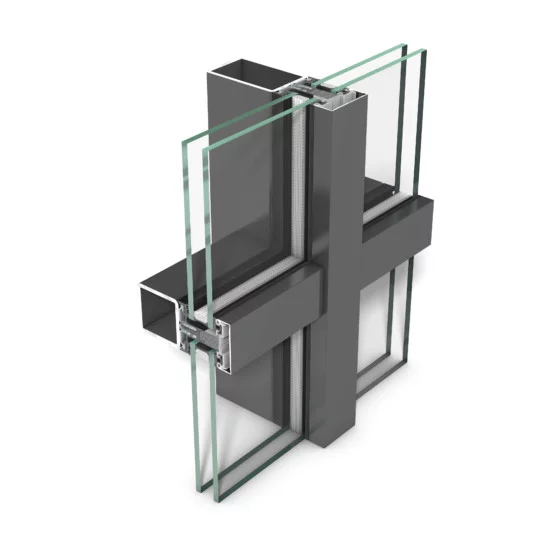
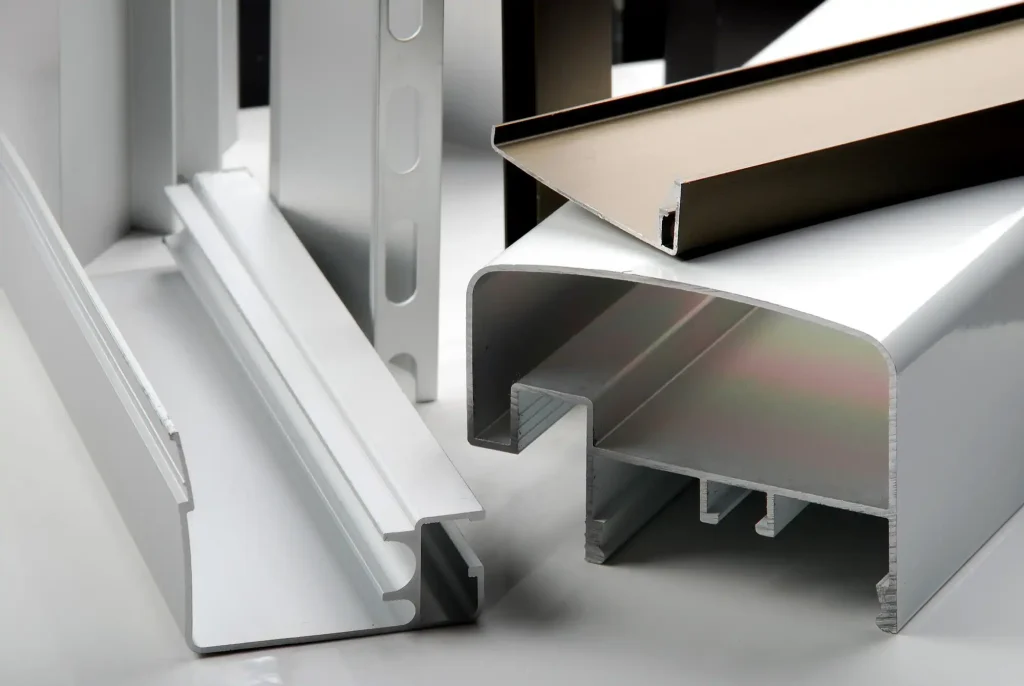
Aluminum window and door profile extrusion samples
The frame must تحمل wind load, glass weight, and operational stress. Thin profiles can deform under pressure, especially in high-rise applications.
How: Thickness vs Cost Impact
1.2mm → Low cost, suitable for low-rise
1.6mm → Standard for commercial projects
2.0mm+ → High-performance or high-wind areas
Each 0.2mm increase can raise frame cost by 8–12%.
Technical: Thermal Break Aluminum Windows
Thermal break aluminum windows use PA66 insulation strips to separate interior and exterior heat transfer. This significantly improves thermal performance and reduces energy loss.
👉 According to EN 14351-1, certified window systems must meet strict requirements for thermal insulation, wind resistance, and water tightness.
Glass is the second-largest cost factor and critical for energy efficiency.
Double vs Triple Glazing Cost Comparison
Type
Cost
Performance
Double Glazing
Base
Standard insulation
Triple Glazing
+20–30%
High thermal performance
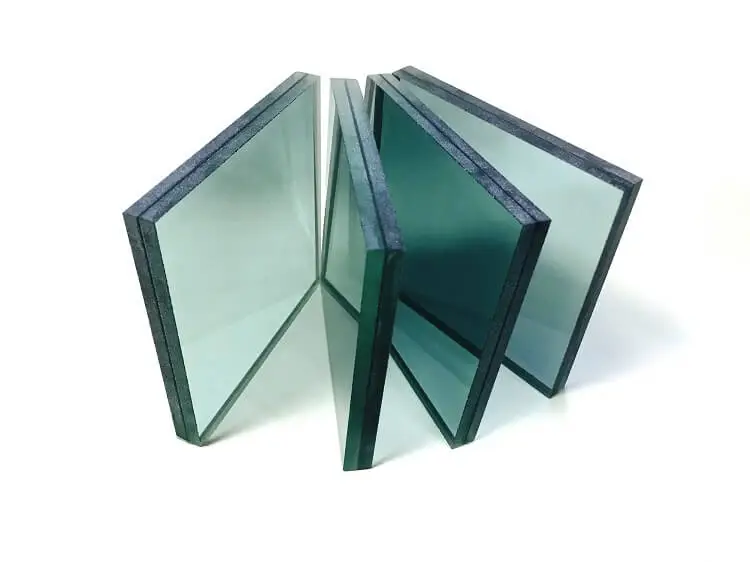
Low-E vs Laminated Glass
Low-E glass improves energy efficiency
Laminated glass enhances safety and sound insulation
Cost Increase Range
High-performance glass typically increases cost by 10–30%.
Energy Efficiency Impact
👉 According to NFRC, window performance ratings such as U-factor and SHGC directly impact energy efficiency and long-term building costs. 👉 According to U.S. Department of Energy, energy-efficient windows can reduce heat loss by up to 30%, significantly lowering long-term operational costs.
This means higher upfront investment but lower lifecycle cost.
You can also explore how window energy efficiency impacts building cost.
In real projects like commercial office building aluminum window project, using insulated glass units significantly improves energy performance.
Hardware Systems – Small Cost, Big Impact on Window Performance
aluminum door hardware system
Hardware accounts for a smaller percentage but carries high operational risk.
Multi-Point Locking Systems
Improves air tightness and security. Low-quality locks often lead to air leakage and water infiltration.
Window Hinges
Standard hinges → Lower cost
Heavy-duty hinges → Longer lifespan
Sliding vs Casement Hardware Cost
Type
Cost
Performance
Sliding Window
Lower
Lower air tightness
Casement Window
Higher
Better sealing
Cost vs Durability
Cheap hardware often fails within 2–3 years. Replacement cost is significantly higher than initial savings.
Design & Size Complexity – The Hidden Cost Multiplier in Aluminum Windows
Design complexity can significantly amplify aluminum window cost.
Custom Sizes
Non-standard dimensions increase waste and fabrication cost.
Multi-Sash Systems
More panels mean more hardware and installation complexity.
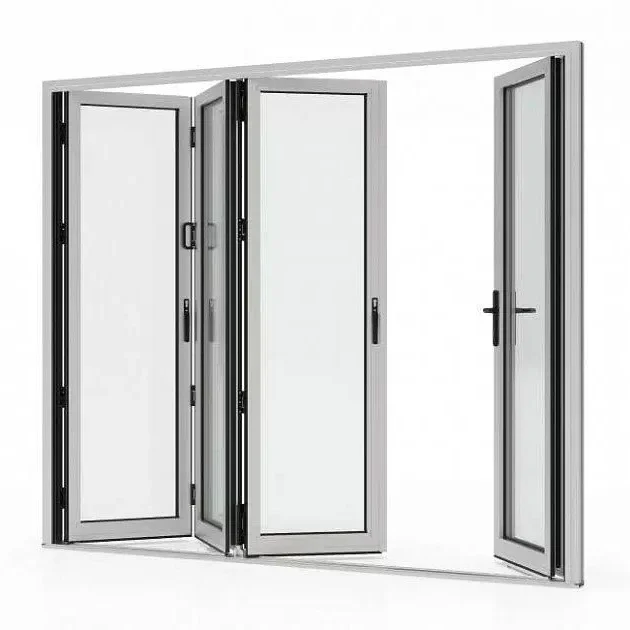
Curtain Wall vs Standard Windows
Curtain wall systems can cost 30–80% more than standard windows.
Project Example
In luxury residential aluminum window installation, large custom openings increase cost but deliver higher architectural value.
Hidden Costs in Aluminum Window Projects Most Buyers Miss
These hidden costs are often the reason budgets fail.
Key Hidden Costs
Installation cost
Export packaging protection
Freight variability
Rework and replacement
Site condition challenges
Risk Analysis
Common issues include:
Incorrect measurements
Transport damage
Site condition mismatch
How to Avoid
Conduct detailed shop drawings
Define installation responsibilities clearly
Perform mock-up testing
Step-by-Step Guide to Evaluate an Aluminum Window Quote
Step 1: Check Aluminum Specifications
Verify thickness and thermal break structure.
Step 2: Review Glass Configuration
Confirm Low-E, IGU, or triple glazing.
Step 3: Verify Hardware Quality
Check brands and durability standards.
Step 4: Assess Manufacturing Capability
Ensure supplier has system-level production capacity.
Step 5: Evaluate Delivery Reliability
Confirm lead time matches project schedule.
Supplier vs Factory Pricing – Understanding Aluminum Window Cost Risks
Trading Company vs Factory
Trading companies → Less transparency
Direct factories → Better cost control
Why Quotes Differ
Different configurations
Different compliance standards
Different system capabilities
Risk Factors in Low-Cost Suppliers
Material downgrade
Hardware substitution
Lack of certification
👉 According to Skanska, high-performance facade systems significantly improve building energy performance and lifecycle cost efficiency.
How to Optimize Aluminum Window Cost Without Sacrificing Performance
Where You Can Reduce Cost Safely
Standardize sizes
Optimize glass selection
Reduce unnecessary design complexity
Where You Should NOT Cut Costs
Frame thickness
Thermal break system
Hardware quality
These are critical to long-term performance and project success.
Aluminum window cost is not about the lowest price, but about balancing system performance, project risk, and lifecycle cost.
Next step: define your performance requirements before optimizing configuration. Explore similar project solutions or consult experts for system recommendations.
Because system configurations (frame, glass, hardware) differ significantly.
2. Are thermal break aluminum windows worth it?
Yes, especially in commercial projects due to long-term energy savings.
3. How to choose between double and triple glazing?
Depends on climate and energy efficiency goals.
4. How to avoid low-cost supplier risks?
Verify materials, certifications, and system capabilities.
5. Does installation affect cost?
Yes, poor installation can lead to rework and performance failure.
SPECIFICATION CHECKS
Specification checks for The Real Cost Structure of Aluminum Windows (Aluminum Window Cost Breakdown Table)
Confirm The Real Cost Structure of Aluminum Windows (Aluminum Window Cost Breakdown Table) from the current source or project schedule.
Record the page-specific context: Answer Snippet:Aluminum window cost is primarily driven by frame materials, glass configuration, hardware systems, and project execution factors. A proper aluminum window cost breakdown shows that configuration differences can lead to price variations of…
Check Frame Material – The Largest Cost Driver in Aluminum Windows against the applicable drawing or evidence set.
Use the article to frame the decision, then verify the exact system configuration, test scope, drawing revision and local project requirements.
RISK CONTROLS
Risks to check before using Aluminum Window Costs: Key Pricing Factors Explained
Mismatch signal
The project input for Frame Material – The Largest Cost Driver in Aluminum Windows is absent or differs from the source context.
Control
Cross-check the article against the source sections on The Real Cost Structure of Aluminum Windows (Aluminum Window Cost Breakdown Table) and Frame Material – The Largest Cost Driver in Aluminum Windows.
Stop condition
Use the article to frame the decision, then verify the exact system configuration, test scope, drawing revision and local project requirements.
PROJECT ROLES
Project responsibilities around What: 6063-T5 Aluminum & Profile Thickness Standards
Frame cost defines structural integrity and durability.Glass cost determines energy performance and long-term building efficiency.Hardware impacts usability and lifespan.Fabrication and installation ensure that design performance is actually delivered on
👉 One of the biggest mistakes in aluminum window pricing is evaluating unit price instead of the full
The Real Cost Structure of Aluminum Windows (Aluminum Window Cost Breakdown Table)
For comparison insights, see aluminum vs uPVC window cost
REGIONAL CHECKS
Market and regional checks for Aluminum Window Costs: Key Pricing Factors Explained
Destination
Confirm the applicable market, project location and authority.
Source context
👉 One of the biggest mistakes in aluminum window pricing is evaluating unit price instead of the full
Boundary
Use the article to frame the decision, then verify the exact system configuration, test scope, drawing revision and local project requirements.
FAILURE SIGNALS
Warning signs when reviewing The Real Cost Structure of Aluminum Windows (Aluminum Window Cost Breakdown Table)
Mismatch signal
The project input for The Real Cost Structure of Aluminum Windows (Aluminum Window Cost Breakdown Table) is absent or differs from the source context.
Control
Use Aluminum Window Costs: Key Pricing Factors Explained to define the decision and the questions that must be resolved.
Stop condition
Use the article to frame the decision, then verify the exact system configuration, test scope, drawing revision and local project requirements.
Manage Consent
To provide the best experiences, we use technologies like cookies to store and/or access device information. Consenting to these technologies will allow us to process data such as browsing behavior or unique IDs on this site. Not consenting or withdrawing consent, may adversely affect certain features and functions.
Functional
Always active
The technical storage or access is strictly necessary for the legitimate purpose of enabling the use of a specific service explicitly requested by the subscriber or user, or for the sole purpose of carrying out the transmission of a communication over an electronic communications network.
Preferences
The technical storage or access is necessary for the legitimate purpose of storing preferences that are not requested by the subscriber or user.
Statistics
The technical storage or access that is used exclusively for statistical purposes.The technical storage or access that is used exclusively for anonymous statistical purposes. Without a subpoena, voluntary compliance on the part of your Internet Service Provider, or additional records from a third party, information stored or retrieved for this purpose alone cannot usually be used to identify you.
Marketing
The technical storage or access is required to create user profiles to send advertising, or to track the user on a website or across several websites for similar marketing purposes.