Final Surface Quality Inspection

Final surface inspection is the last checkpoint before aluminum profiles are approved for delivery.
At this stage, inspectors focus on what the customer will actually see and use. Each anodized profile is checked for surface uniformity, color consistency, and overall finish quality.
Inspectors look closely for common surface issues such as scratches, stains, uneven color, burn marks, or residue. Even small imperfections can affect appearance, corrosion resistance, and long-term performance.
This step confirms that the anodizing process worked correctly and that the aluminum profile meets both functional and visual standards. Only profiles that pass this inspection move forward to packing and shipment.
How Hardness & Anodizing QC Work Together

Hardness testing and anodizing quality control serve different roles, but they work best as a system.
Hardness testing verifies the internal strength and stability of the aluminum profile. It confirms that the alloy, temper, and heat treatment are correct.
Anodizing QC protects the external surface, ensuring durability, corrosion resistance, and consistent appearance.
When both checks are controlled daily, problems are easier to detect early. Stable hardness supports proper anodizing results, while controlled anodizing protects the material’s performance over time.
Together, hardness and anodizing QC ensure aluminum profiles are not only strong inside, but also reliable and clean on the outside—ready for real-world applications.
Talk to Us About Your Aluminum Profile Quality Needs
Looking for aluminum profiles with stable hardness and reliable anodized finishes?
Our quality control system covers daily hardness testing, batch-based anodizing checks, and final surface inspections to ensure consistent performance and appearance.
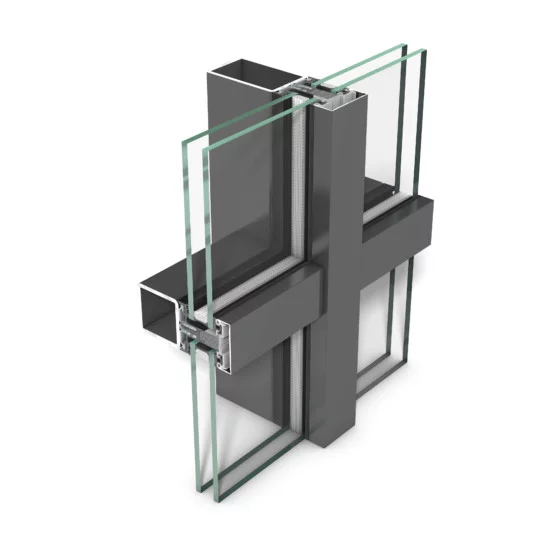
Whether you need architectural profiles, industrial extrusions, or custom anodized solutions, our team is ready to support your project.
Contact us today to discuss your requirements, request samples, or get a technical consultation from our engineers.
FAQs
What is QC10 aluminum?
QC-10 aluminum is a high-strength mold plate alloy used in tooling and industrial applications. It has good hardness, durability, and corrosion resistance and is often used for molds and heavy-duty components.
What is the difference between aluminum profile 2020 and 4040?
“2020” and “4040” refer to the cross-section size of the profiles in millimeters. A 2020 profile measures 20 × 20 mm (smaller, lighter), while a 4040 profile is 40 × 40 mm (larger, stronger, often with T-slots). They serve different load and structural needs.
What is aluminum profile 6063?
Aluminum profile 6063 is an aluminum alloy with magnesium and silicon. It is a medium-strength, easy-to-extrude, good-finish alloy widely used for architectural and anodized profiles like window and door frames.
What is an aluminium profile?
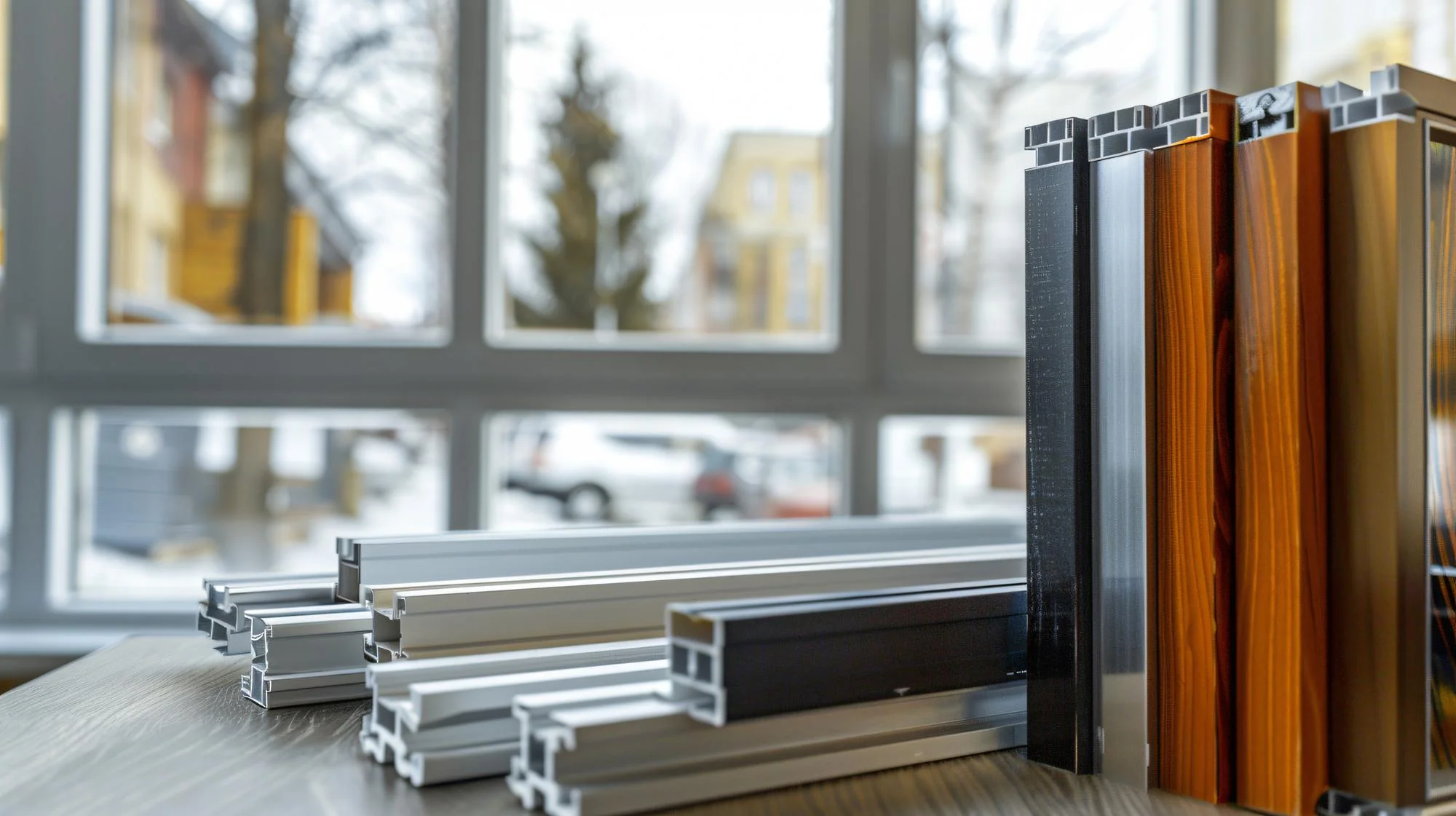
An aluminium profile is a shaped aluminum component created by extrusion. It has a constant cross-section and is used in construction, frames, machinery, and many structural applications.