Sliding glass doors do more than just give you a nice view of your backyard. They help bring natural light into your home, keep your rooms comfortable, and even play a big role in your home’s energy efficiency and safety. When they’re working well, you probably don’t think twice about them. But when they start sticking, letting in drafts, or showing signs of damage, it might be time to take a closer look.

Many homeowners wonder: should I fix it or replace the whole door? That’s a smart question. While small problems like dirty tracks or worn rollers can often be repaired, other issues—like broken seals, cracks in the glass, or air leaks—can cost you more in the long run if you ignore them.
Common Signs It’s Time to Replace a Sliding Glass Door
Not sure whether it’s time to say goodbye to your old sliding glass door? You’re not alone. These doors are built to last, but like anything else in your home, they can wear out over time.
1. Trouble Opening or Closing

Does your door stick, grind, or refuse to slide smoothly? This is often one of the first things homeowners notice. Over time, the rollers or tracks can wear down or get clogged with dirt. In some cases, the door may have shifted slightly or the frame may have warped—especially in homes with foundation movement or extreme temperatures. If it takes more than a gentle push to open or close your door, it may be time for an upgrade.
2. Drafts or Air Leaks
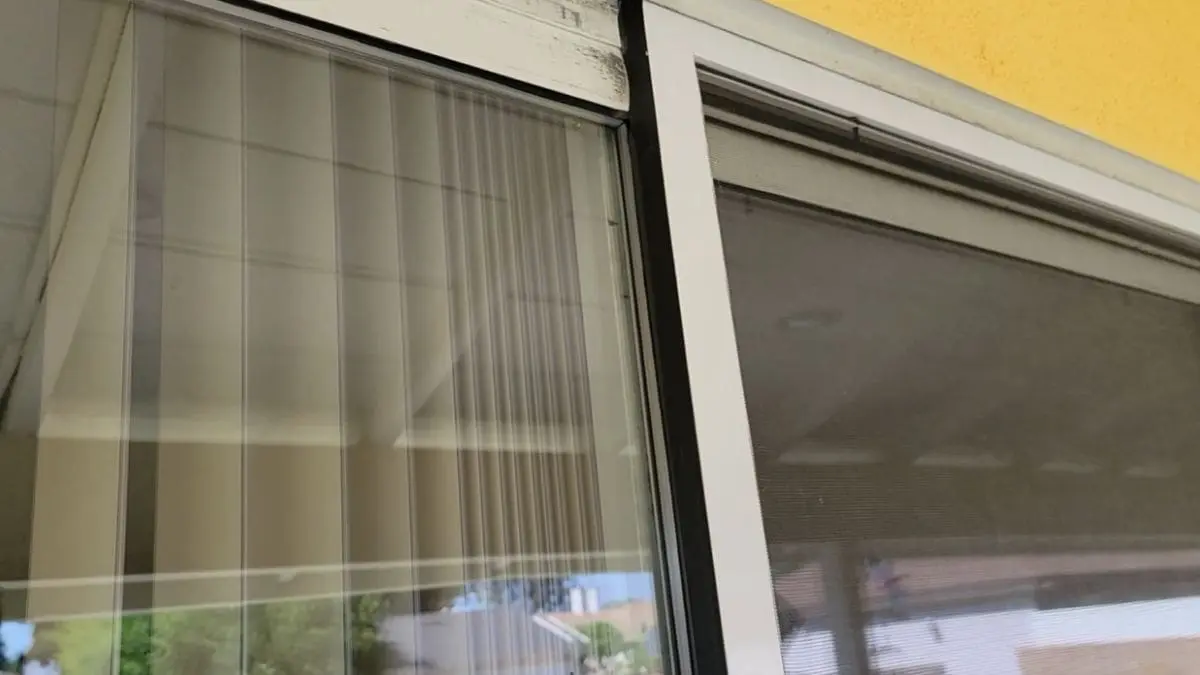
If you feel a chilly breeze in winter or a blast of heat in summer near your sliding door, it’s likely not sealing properly. Worn-out weatherstripping or loose seals can let outdoor air sneak inside, forcing your heating and cooling system to work harder. This can drive up your energy bills and make your home less comfortable.
3. Visible Gaps or Light Around the Door
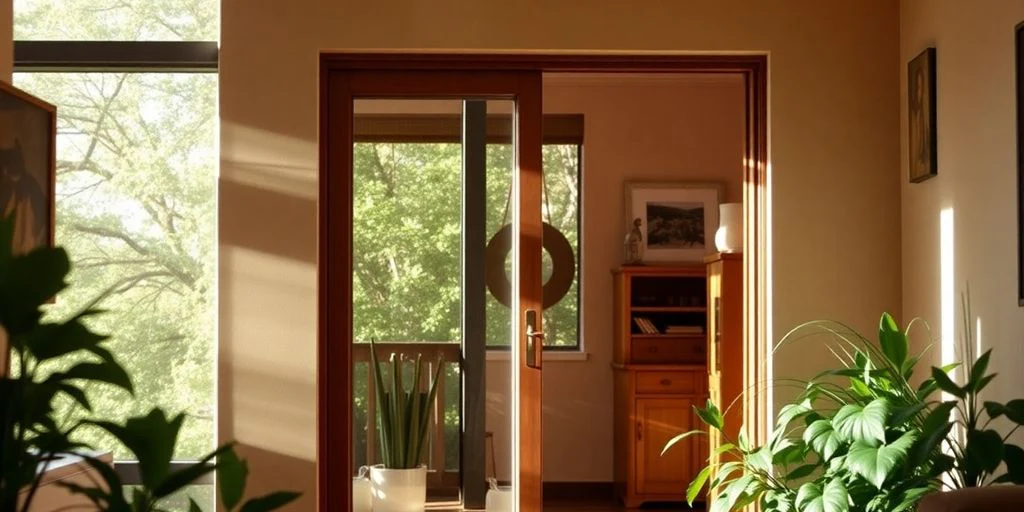
A good way to check for hidden air leaks? Try this: at night, have someone shine a flashlight around the edges of the door from outside. If you can see light coming through from inside, there’s a gap that shouldn’t be there. These gaps often mean the frame has shifted or the door is out of alignment—both signs that it may be time to replace.
4. Condensation Between the Panes
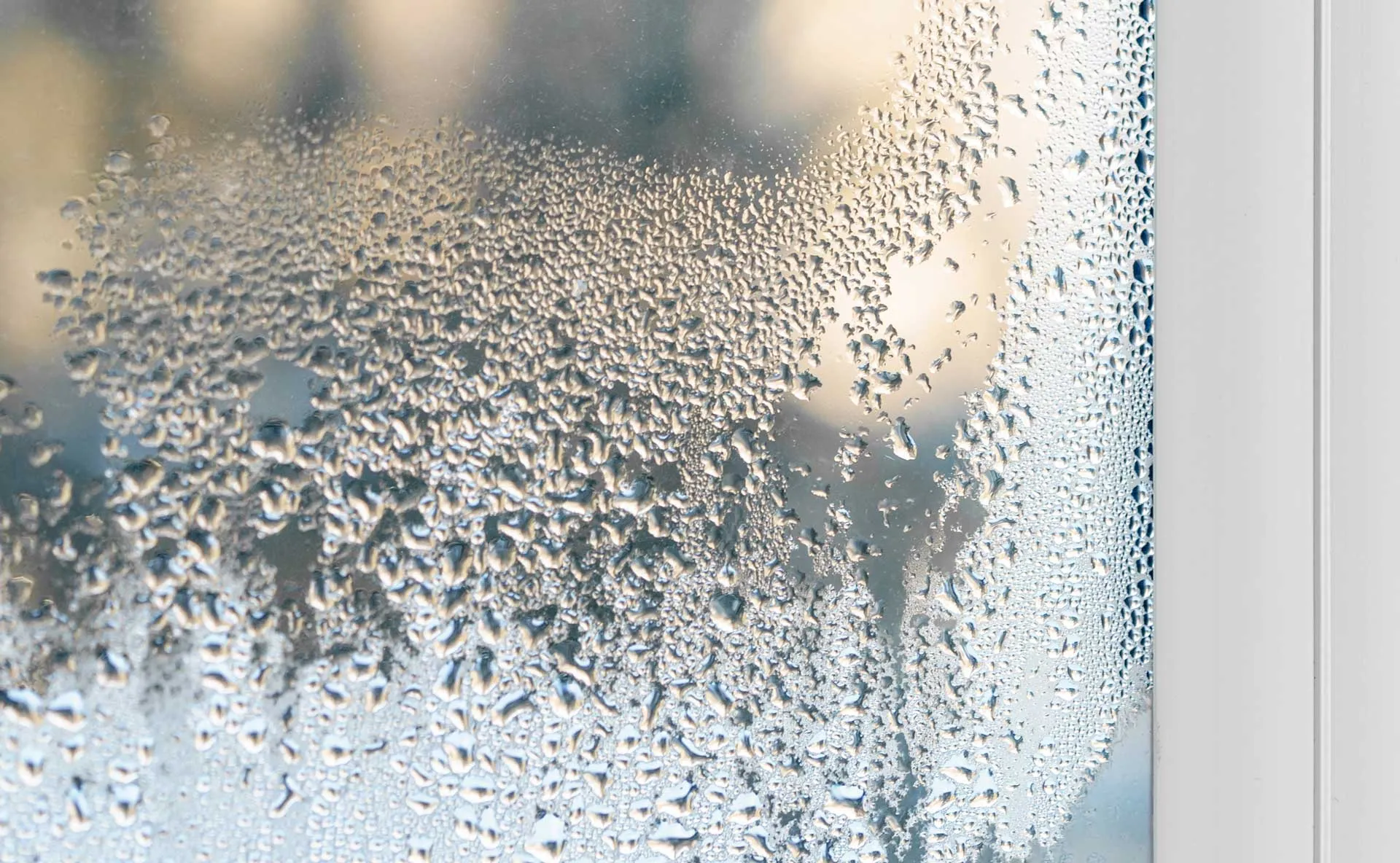
A little fog on the outside of the glass is normal, but if you see moisture trapped inside the glass panes, that’s a red flag. It means the seal has failed and the insulating gas between the panes has leaked out. Not only does this hurt your energy efficiency, but it can also lead to mold and mildew over time.
5. Broken or Damaged Glass

Cracks, chips, or cloudy spots in your sliding glass door aren’t just unsightly—they’re also unsafe. Damaged glass can shatter more easily and may allow heat or cold to seep through. If your door glass is compromised, replacing the whole unit is usually the smartest move.
6. Noisy Operation (Squeaks, Scraping, or Grinding)
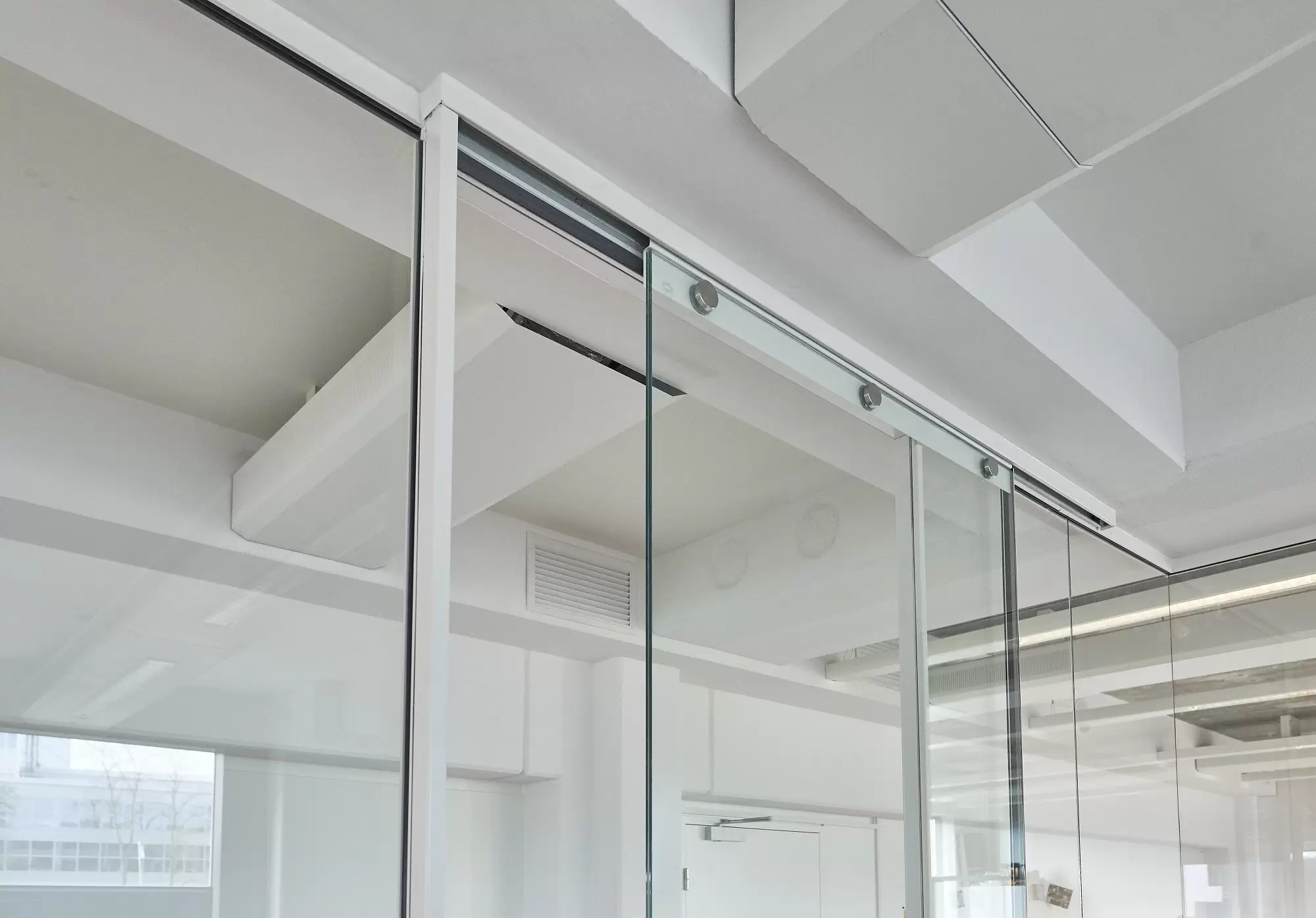
A smooth-gliding door should be nearly silent. If yours groans, squeaks, or makes grinding noises, the hardware inside—like rollers, screws, or tracks—could be worn out. While minor fixes might help for a while, ongoing noise is often a sign that the door’s internal parts are past their prime.
7. Outdated or Poorly Insulated Doors
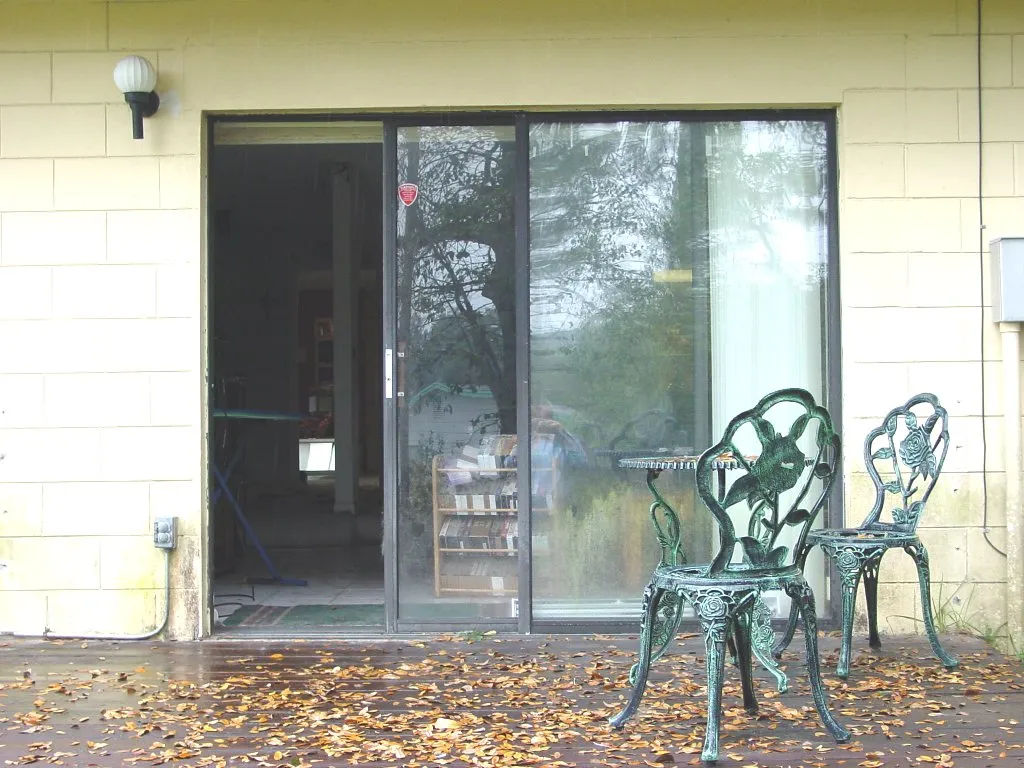
Older sliding doors, especially those installed 10+ years ago, usually lack the energy-saving features found in today’s models. Modern doors come with double or triple-pane glass, low-E coatings, and better seals. If your door feels drafty, lets in street noise, or just looks outdated, a replacement can improve insulation, comfort, and even your home’s value.
Repair or Replace? How to Decide

Not every sliding glass door problem means you need a brand-new one. In some cases, a simple repair can get things back on track—literally. But how do you know when a quick fix will do, and when it’s time to invest in a full replacement?
When a Repair Might Be Enough
If your door is in generally good shape and only has a minor issue, a repair could be all you need. Common fixable problems include:
Dirty or worn rollers that just need cleaning or replacing
Stuck tracks that can be realigned or cleared of debris
Loose handles or locks that need tightening or swapping out
These are usually low-cost fixes and can keep your door working for a few more years.
When Replacement Is the Smarter Move
If your door is showing multiple signs of wear, repairs may only delay the inevitable—and cost you more in the long run. Consider full replacement if you notice:
More than one major issue, like drafts, hard sliding, and condensation
Frame damage or visible gaps around the door
Glass issues, such as fogging between panes or cracks
An older door that lacks modern insulation or security features
Older doors often weren’t built with the energy-saving technology available today, so replacing them can lead to long-term savings on your utility bills.
Benefits of Replacing a Sliding Glass Door
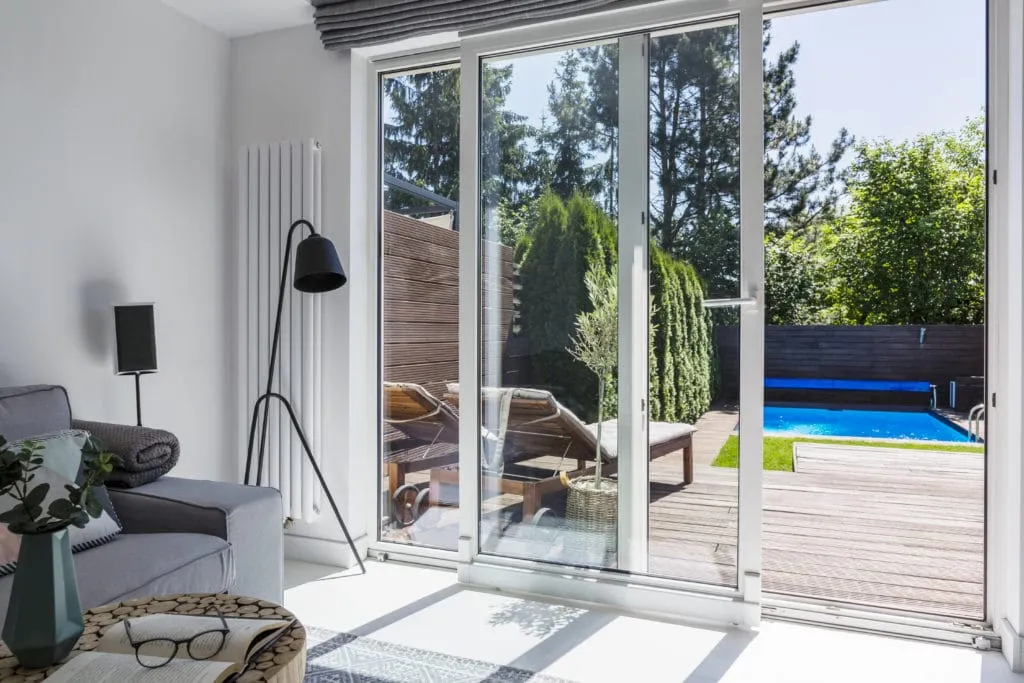
Replacing your sliding glass door isn’t just about fixing a problem—it’s an opportunity to upgrade your home in more ways than one. Today’s sliding doors offer big improvements in energy savings, security, and style.
1. Improved Energy Efficiency
Modern sliding glass doors are built with double or triple-pane glass and often include low-E (low-emissivity) coatings. These features help keep your home warmer in winter and cooler in summer by blocking heat transfer and UV rays. That means less work for your HVAC system—and lower energy bills for you. Better insulation also helps reduce outside noise, so your home stays peaceful and quiet.
2. Enhanced Security
Older sliding doors often have basic locks that can be easy to bypass. New models come with multi-point locking systems and impact-resistant or tempered glass, which make them much harder to force open or break. If security is a concern in your home, upgrading your sliding door can offer peace of mind and better protection for your family.
3. Aesthetic Upgrade and Home Value Boost
Let’s not forget the visual impact. A new sliding glass door can completely change the look and feel of a room. With sleeker frames, bigger glass panels, and modern finishes, your space will feel brighter, more open, and more stylish. It’s a simple change that can also increase your home’s curb appeal and raise its market value—especially if your old door looks dated or worn.
What to Expect During Replacement

If you’ve decided it’s time to replace your sliding glass door, you might be wondering what the process actually involves. Don’t worry—it’s usually quicker and smoother than most people expect.
Measuring and Prep Work
Before anything gets installed, accurate measurements are essential. The installer—or you, if you’re going DIY—will need to measure the width, height, and depth of the opening. This ensures the new door fits snugly and operates properly.
You’ll also need to:
Remove any window coverings or furniture near the door
Clear a path for access inside and outside
Double-check that the flooring around the opening is level and free of damage
A good installer will take care of most of this, but it’s helpful to prep the space ahead of time.
How Long Does It Take?
Most sliding glass door replacements take about 4 to 8 hours, depending on the complexity of the job. If the door is a standard size and there’s no structural damage to the frame, it might even be done in a single morning or afternoon. More custom installations or older homes may take a little longer, especially if adjustments are needed to the opening.
DIY vs. Professional Installation: Which Is Better?

If you’re handy and have the right tools, DIY installation is possible—but it’s not a beginner-level job. You’ll need to:
Measure precisely
Remove the old door without damaging the frame
Install the new unit square and level
Seal it properly to avoid leaks or drafts
A small mistake can lead to big problems later, like air leaks, poor operation, or even water damage.
Hiring a professional may cost more upfront, but it ensures a faster, safer, and more reliable result. Pros have the skills and equipment to handle unexpected issues, and many offer warranties on labor and materials for extra peace of mind.
Cost Insights and Budget Considerations

Replacing a sliding glass door is a smart upgrade—but how much should you expect to spend? The cost can vary depending on a few key factors, but understanding the basics will help you plan and budget with confidence.
Typical Cost Range
Most homeowners spend between $1,000 and $2,500 to replace a standard sliding glass door. This range usually includes both the door itself and professional installation. Higher-end materials, custom sizes, or special features can push the price up, while simpler setups may fall closer to the lower end.
What Affects the Cost?
Several details influence the total price of your sliding glass door replacement:
Door Size: Larger or custom-sized doors typically cost more than standard ones.
Glass Type: Upgrading to double or triple-pane glass, or choosing options with low-E coatings or built-in blinds, can add to the price—but improve energy performance.
Frame Material: Vinyl is generally more affordable; aluminum and wood frames may cost more but offer a different look and feel.
Labor Costs: Prices vary by region and complexity. Removing old doors, adjusting the opening, or fixing damage around the frame can all affect labor time and cost.
Think Long-Term: The ROI
While the upfront cost might seem like a lot, a new sliding glass door can actually pay off over time. With better insulation, you’ll likely see lower heating and cooling bills. Plus, if you choose energy-efficient models, you might qualify for local rebates or tax credits.
Not to mention, a new sliding door can boost your home’s appearance, comfort, and resale value—making it a worthwhile investment in more ways than one.
Ready to Upgrade Your Sliding Glass Door?

If your sliding glass door is drafty, hard to open, or just plain outdated, don’t wait for the problems to get worse. A new door can make your home more comfortable, energy-efficient, and secure—while also looking great.
Contact us today for expert advice, personalized recommendations, and a free quote. Let’s bring new light, style, and comfort into your home.
FAQs