What Are Energy-Efficient Windows?

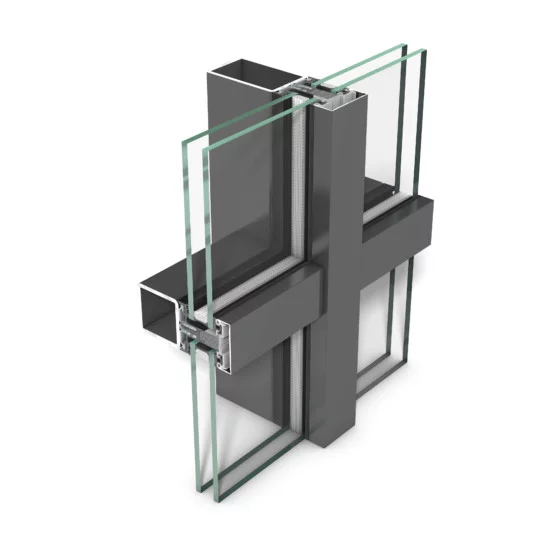
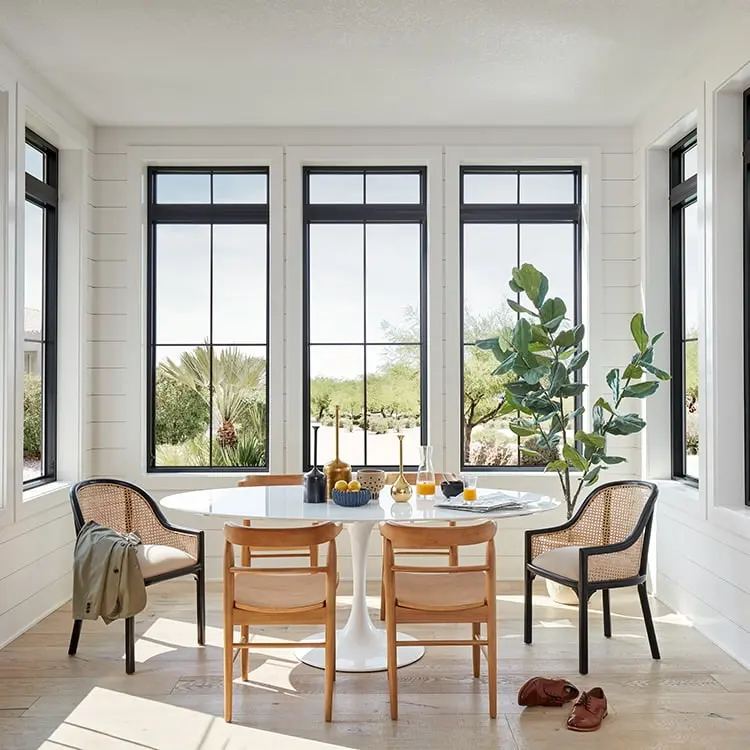
Energy-efficient windows are specially designed to keep your home comfortable while reducing how much heating or cooling you need. Instead of letting heat escape in winter or enter in summer, these windows use advanced technology—like double or triple glazing, insulated frames, gas fills, and Low-E coatings—to control temperature more effectively.
They work as a barrier between indoor and outdoor temperatures, helping your home stay stable and reducing drafts or hot spots. Whether you’re building a new home or replacing old windows, energy-efficient windows can make a big difference in comfort, performance, and long-term savings.
Benefits of Energy-Efficient Windows

Lower energy bills — reduce heating and cooling costs year-round.
Better temperature control — fewer drafts, more consistent indoor comfort.
UV protection — Low-E coatings help block harmful rays and reduce fading.
Less outside noise — multi-pane glazing improves sound insulation.
Enhanced home value — energy efficiency is a major selling point.
Reduced environmental impact — lower energy use means fewer emissions.
Condensation control — insulated glass helps prevent moisture buildup.
Key Performance Ratings & What They Mean

U-Factor
The U-factor measures how well a window keeps heat inside your home.
Lower numbers = better insulation
A good energy-efficient window usually has a U-factor of 0.30 or lower. This helps keep your home warm in winter and reduces heat loss.
Solar Heat Gain Coefficient (SHGC)
SHGC shows how much solar heat from the sun enters through the window.
Lower SHGC = less heat coming in
Homes in hot or sunny climates benefit from lower SHGC to reduce overheating, while colder climates may prefer a slightly higher value to capture warmth.
Visible Transmittance (VT)
VT measures how much natural light passes through the glass.
Higher VT = brighter interiors
Energy-efficient windows balance light and heat control, giving you daylight without excessive glare.
Air Leakage (AL)
AL tells you how much outside air can pass through the window frame.
Lower AL = fewer drafts
Good-quality windows have tight seals to keep your home comfortable and reduce energy waste.
Condensation Resistance (CR)
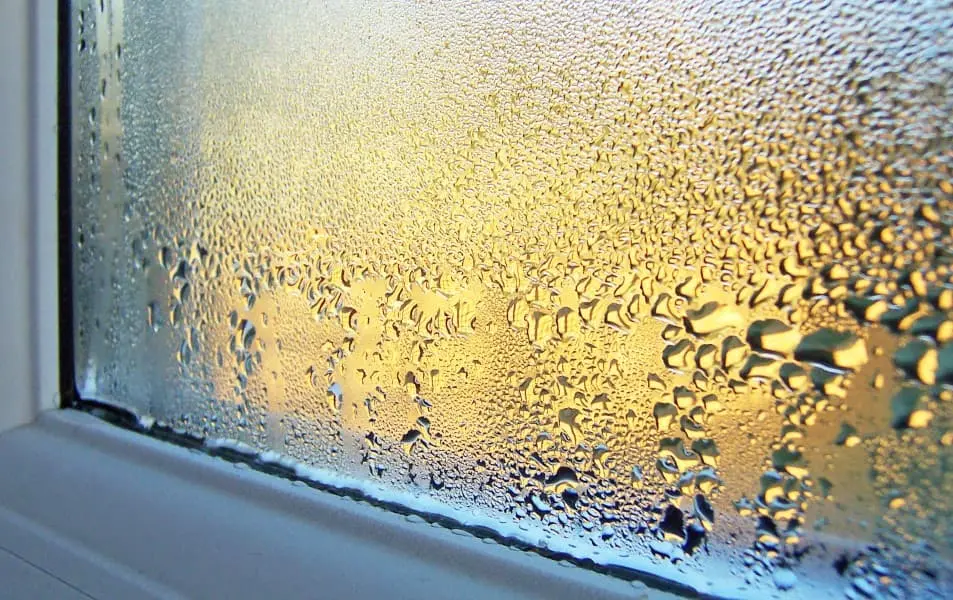
CR shows how well a window resists moisture buildup.
Higher CR = less condensation
This helps prevent mold, reduce fogging, and extend the lifespan of the window.
Types of Energy-Efficient Windows: Which Work Where
Not all energy-efficient windows are designed the same way. Different glazing types and frame constructions offer different levels of insulation, noise reduction, and comfort. Choosing the right type depends on your climate, budget, and how much efficiency you want to achieve.
Double-Pane Windows with Gas Fill + Low-E Coating

Double-pane windows are the most popular and cost-effective option for most homes. They use two layers of glass with an insulating gas—usually argon—trapped between them.
Low-E coatings help block heat and harmful UV rays while still letting in natural light.
Ideal for mild to moderate climates where you want good efficiency without the higher cost of triple-pane windows.
This combination offers a strong balance of performance, affordability, and comfort.
Triple-Pane or High-Performance Glazing

Triple-pane windows add a third layer of glass and additional gas fills (argon or krypton) for maximum insulation.
If your winters are long or harsh—or if you’re building a high-performance home—triple-pane glazing is often worth the extra cost.
Frame Materials & Construction
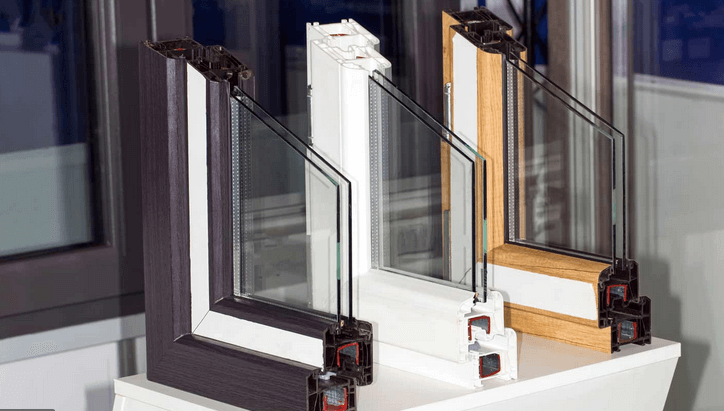
The frame is just as important as the glass. Even the best glazing won’t perform well if the frame leaks air or transfers heat.
Vinyl frames are affordable and offer good insulation.
Fiberglass frames are strong, stable, and energy-efficient.
Wood frames insulate well but require more maintenance.
Aluminum frames with thermal breaks prevent heat transfer and perform much better than older aluminum styles.
No matter the material, look for thermally broken, insulated frames with high-quality seals to ensure the whole window system performs as intended.
How to Choose the Right Window for Your Home & Climate
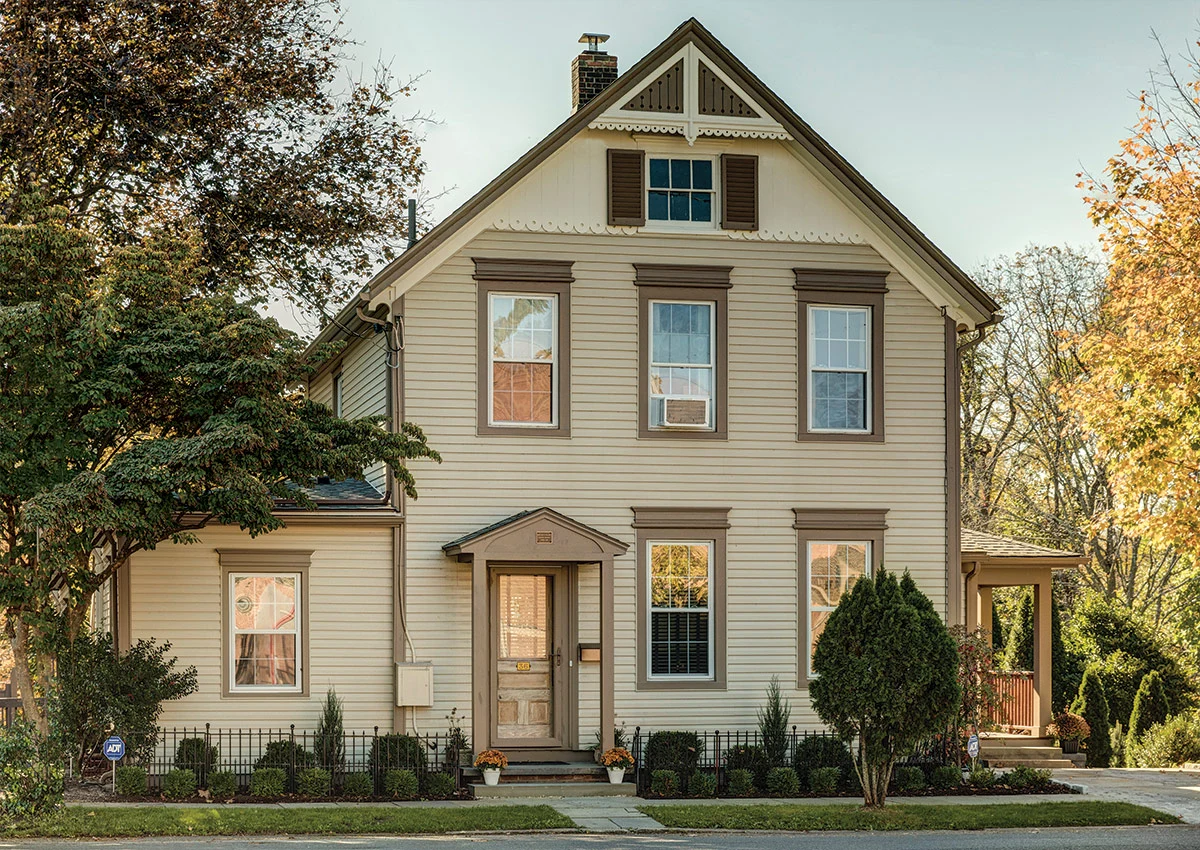
Choosing the right energy-efficient window starts with understanding your climate and comfort needs. Look at window ratings and match them to how your home performs throughout the year.
Cold climates: Choose low U-factor and triple-pane glazing to keep heat inside.
Hot or sunny climates: Prioritize low SHGC to block heat gain while keeping rooms bright.
Mixed climates: Double-pane with gas fill and Low-E coating offers balanced performance.
Frame quality: Choose insulated or thermally broken frames to reduce heat transfer.
Noise or UV concerns: Select enhanced glazing for sound control or stronger UV protection.
Installation matters: Even the best window won’t perform well without proper sealing and fitting.
Ready to Upgrade to Energy-Efficient Windows?
If you’re thinking about improving comfort, lowering energy bills, or upgrading to modern high-performance windows, our team is here to help. We offer expert guidance, custom solutions, and high-quality window options designed for every climate and home style.
Get personalized recommendations, transparent pricing, and professional support from start to finish.
Reach out today and let’s make your home more comfortable, energy-efficient, and future-ready.
FAQs
What is energy-efficient windows work?
Energy-efficient windows reduce heat transfer using double or triple glazing, gas fills (like argon), and special coatings (like Low-E). This helps keep indoor temperature stable year-round.
What is the most energy-efficient style of window?
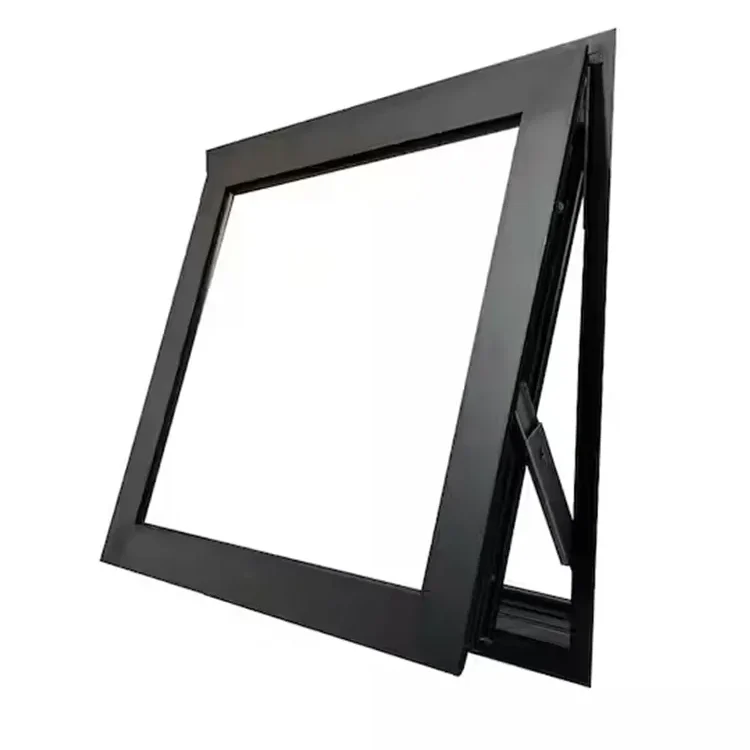
Casement or awning windows with tight seals tend to be most efficient, since they close firmly against the frame and leak less air than sliding or double-hung windows.
Are energy-efficient windows worth it?
Yes — they lower heating/cooling costs, improve comfort, reduce noise, and may raise home value, offering long-term savings and benefits.
Do energy-efficient windows keep heat out?
Yes — energy-efficient windows with low-E glass and proper glazing help block unwanted heat from entering in hot weather while still letting in light, keeping indoor spaces cooler.