














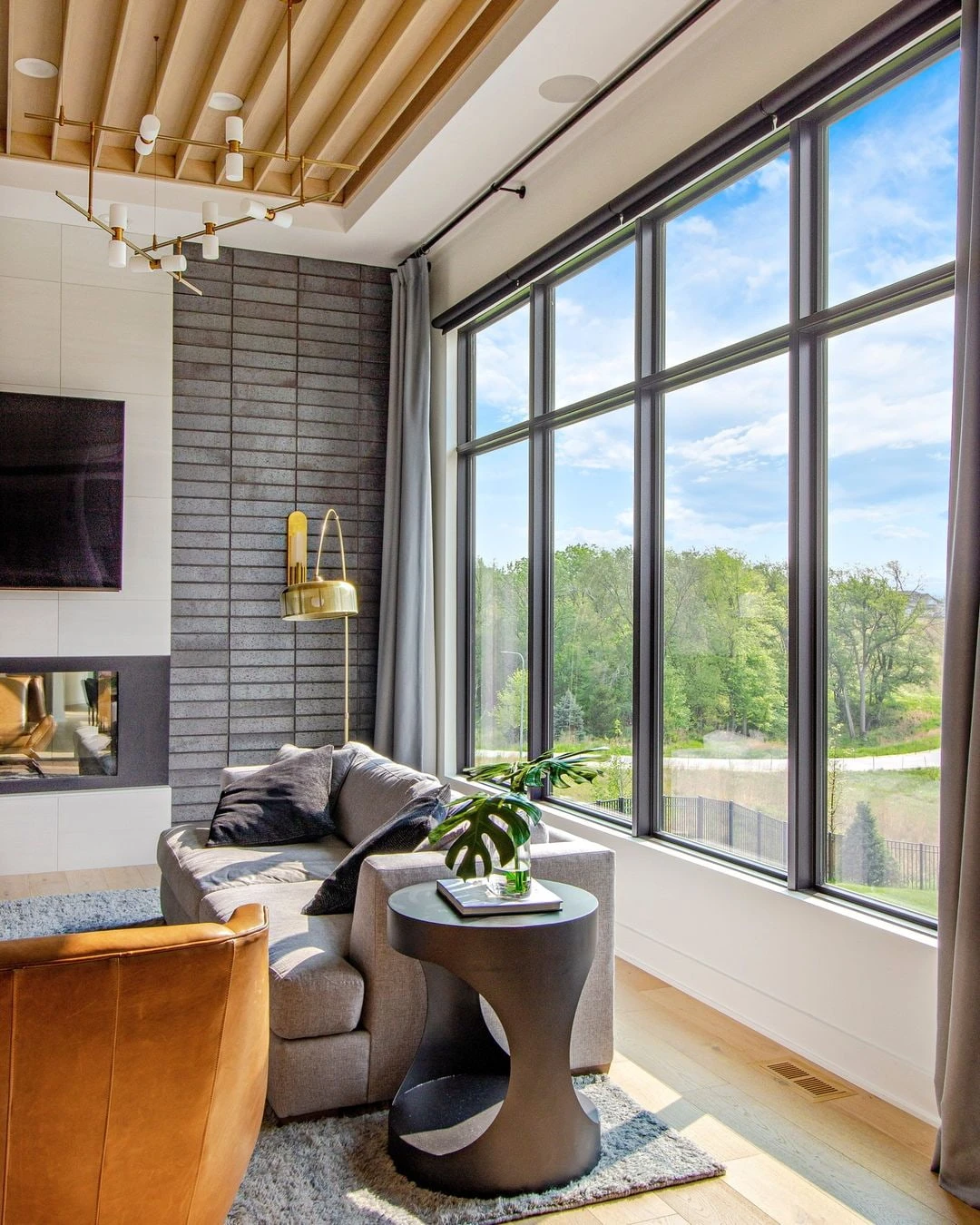
Design Goals & Considerations
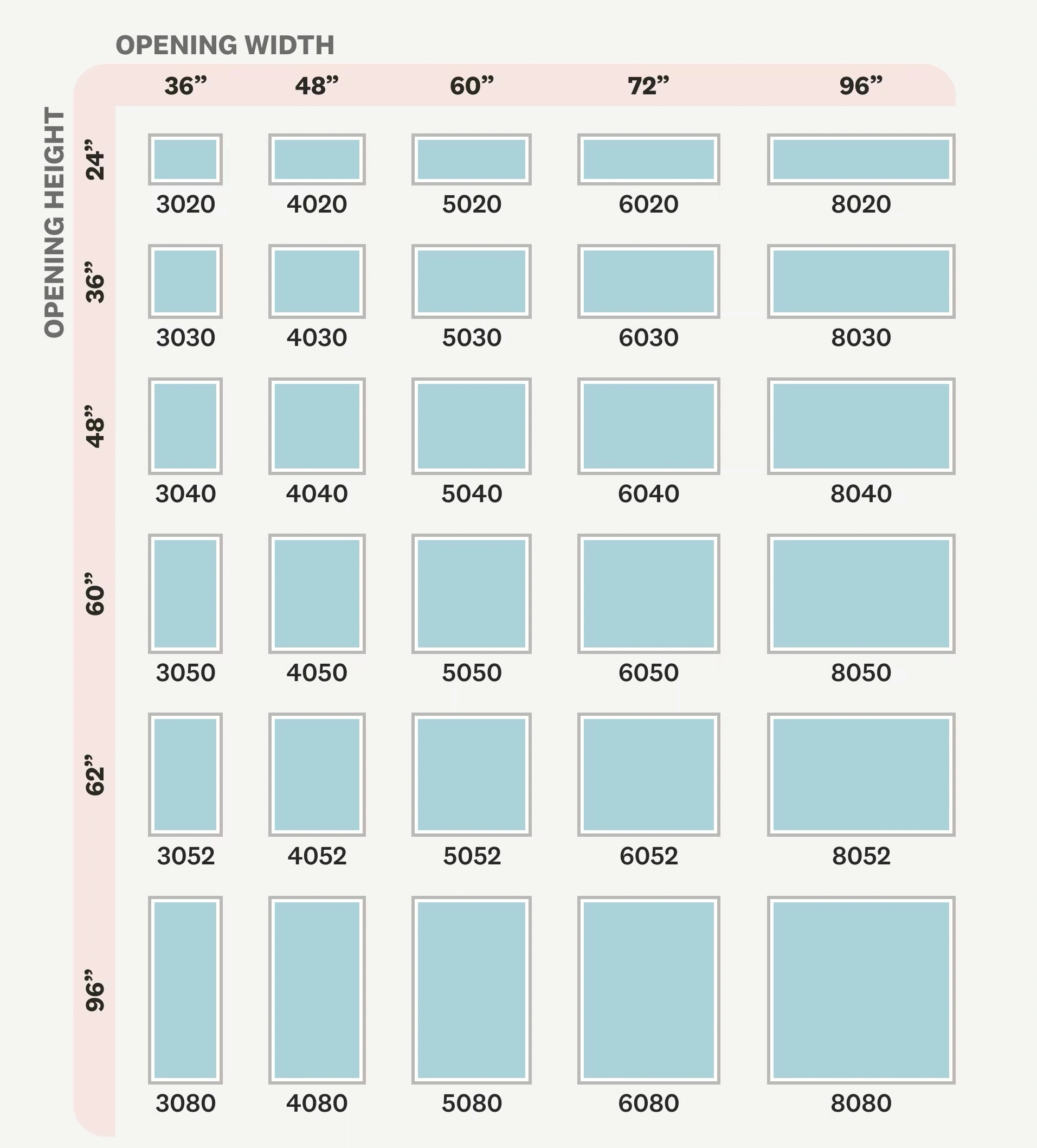
When planning picture windows, it’s all about balance—between beauty, function, and performance. The right design can make your space feel open and luxurious while maintaining harmony with your home’s structure and comfort. Here’s what to keep in mind:
Balance the view, scale, and proportions – Choose window sizes that complement your wall and room dimensions. A too-large pane can overpower the space, while a smaller one might not capture the full view. Aligning with sightlines—like the horizon or key outdoor features—creates a natural focal point.
Match your architecture and materials – Picture windows can adapt to any style. Go for slim black aluminum frames in modern homes, wood interiors for warmth and tradition, or composite materials for a clean, low-maintenance look. Matching trim and finishes help the window blend seamlessly into your overall design.
Make smart energy and glazing choices – Because picture windows are fixed, they’re naturally efficient—but the right glass makes all the difference. Opt for double or triple glazing with low-E coatings to reduce heat loss in winter and block UV rays in summer. Consider argon-filled panes or insulated frames to boost performance without sacrificing the view.
Picture Window Styles & Ideas
Picture windows come in many styles—from sleek modern panes to creative architectural statements. Below are some of the most popular design ideas to inspire your next project.
1. Simple Large Single Pane
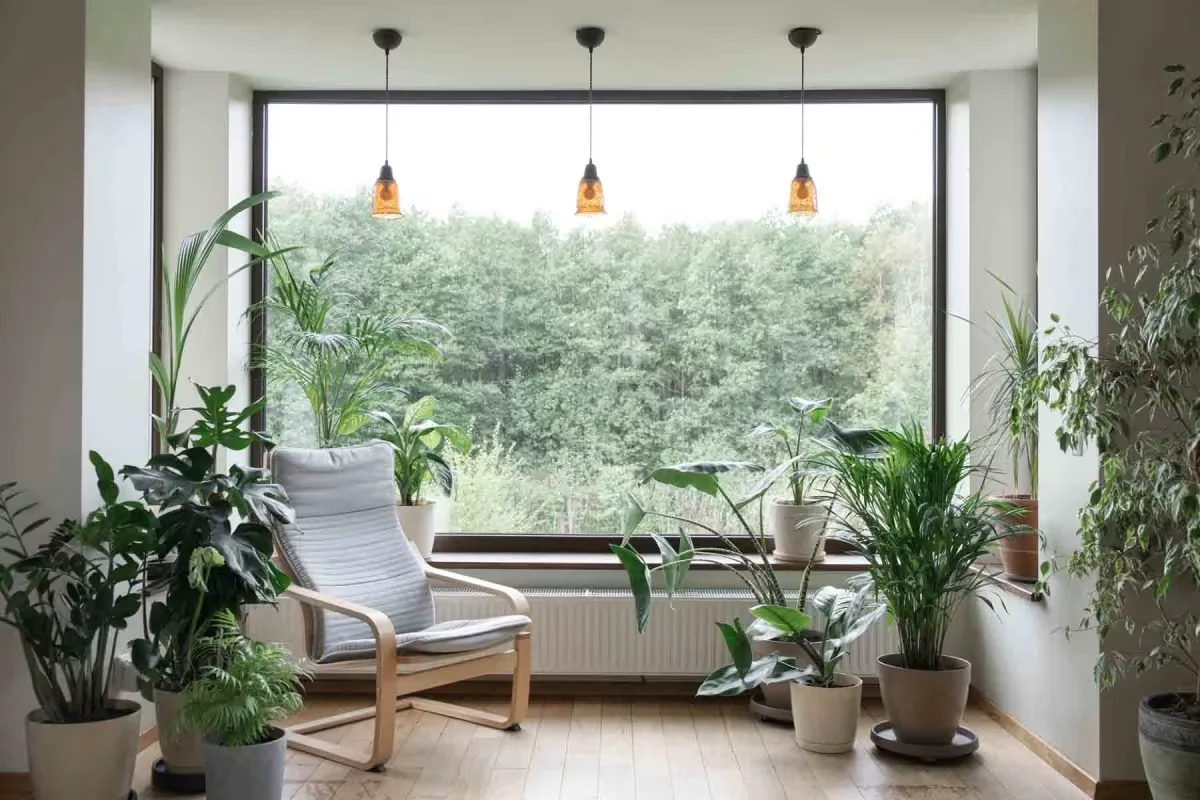
A single, expansive sheet of glass is the purest form of a picture window. It delivers a wide, unobstructed view of the outdoors and floods the interior with daylight. This minimalist style works beautifully in living rooms or dining areas where the view is the main attraction. Pair it with clean trim or hidden frames to enhance that “window-as-art” effect.
2. Black or Bold Contrasting Frames
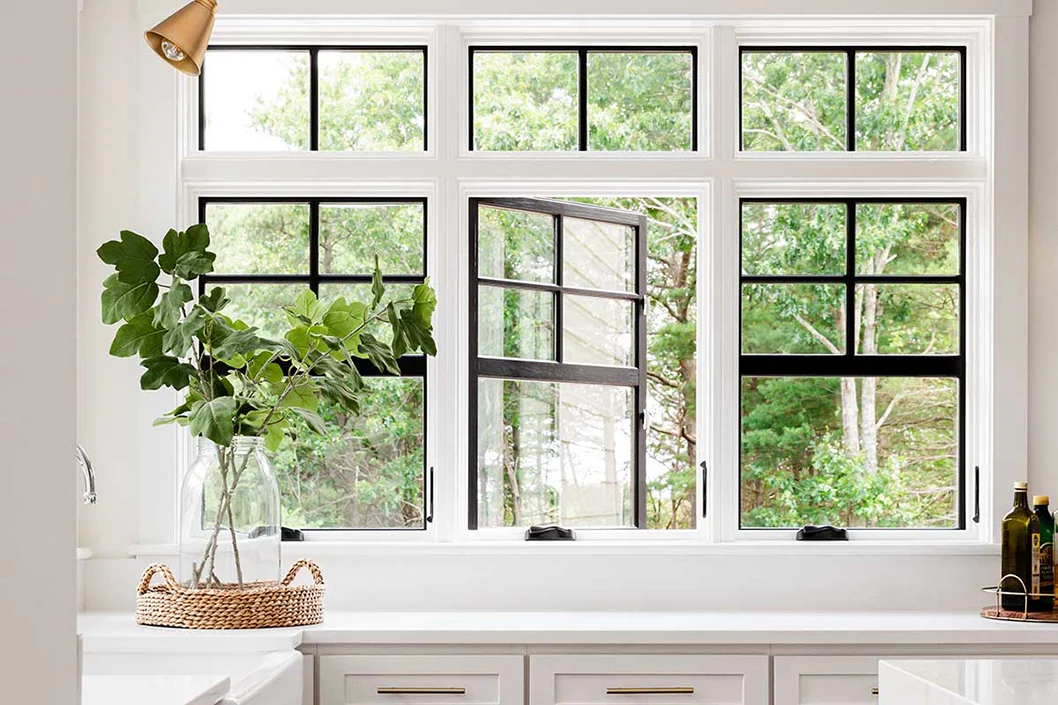
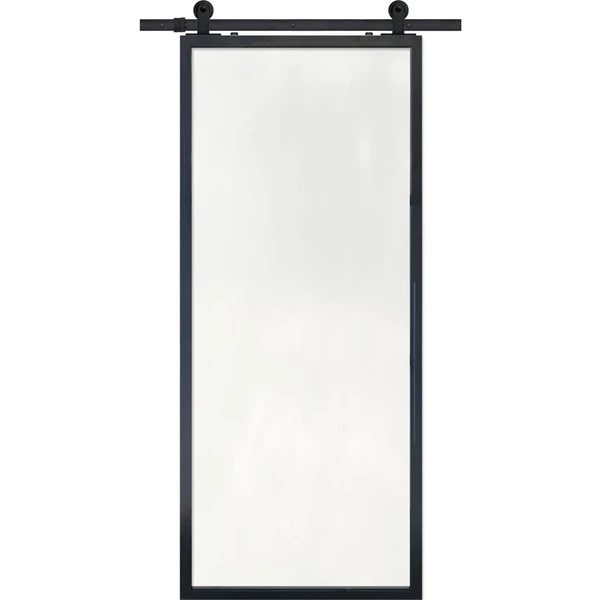
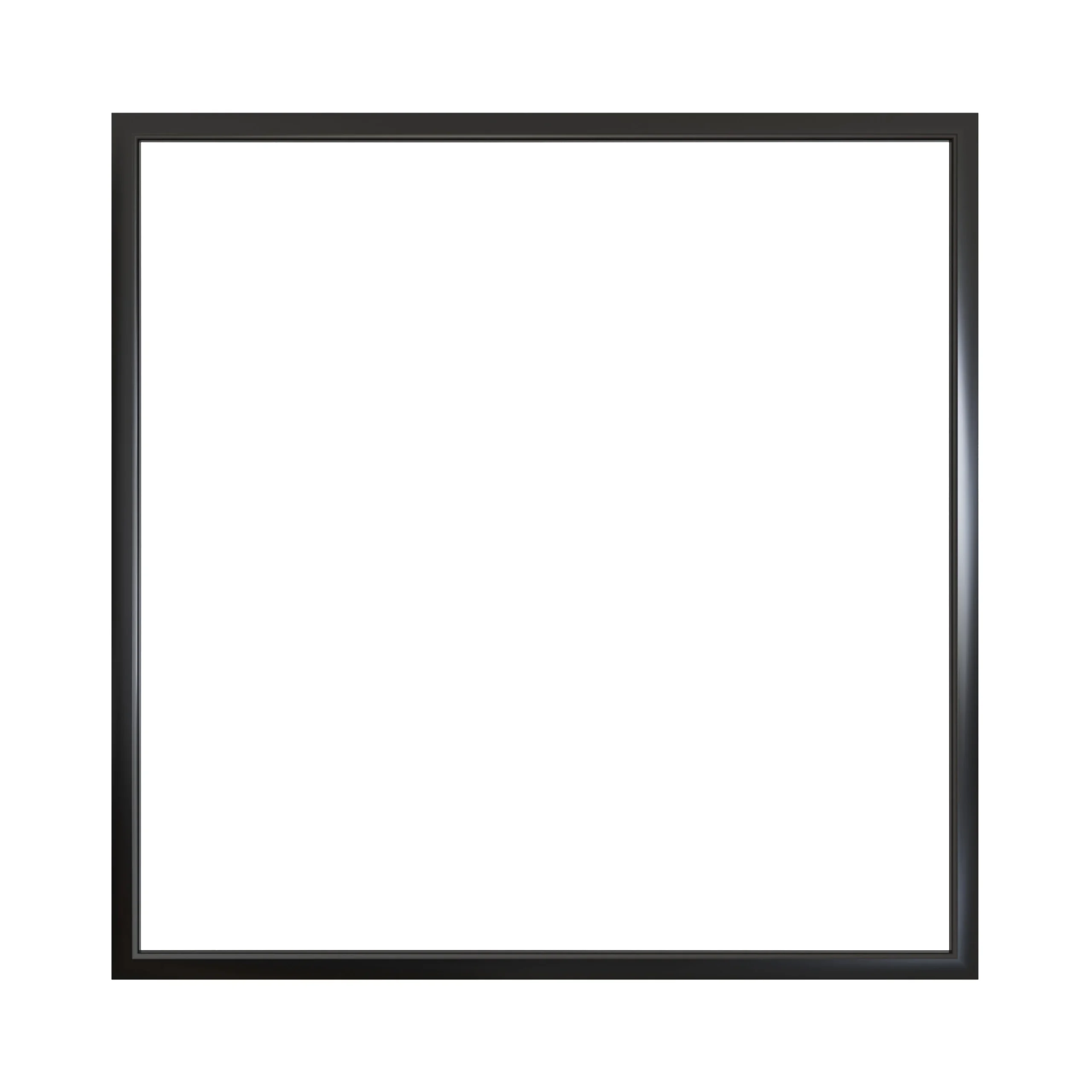
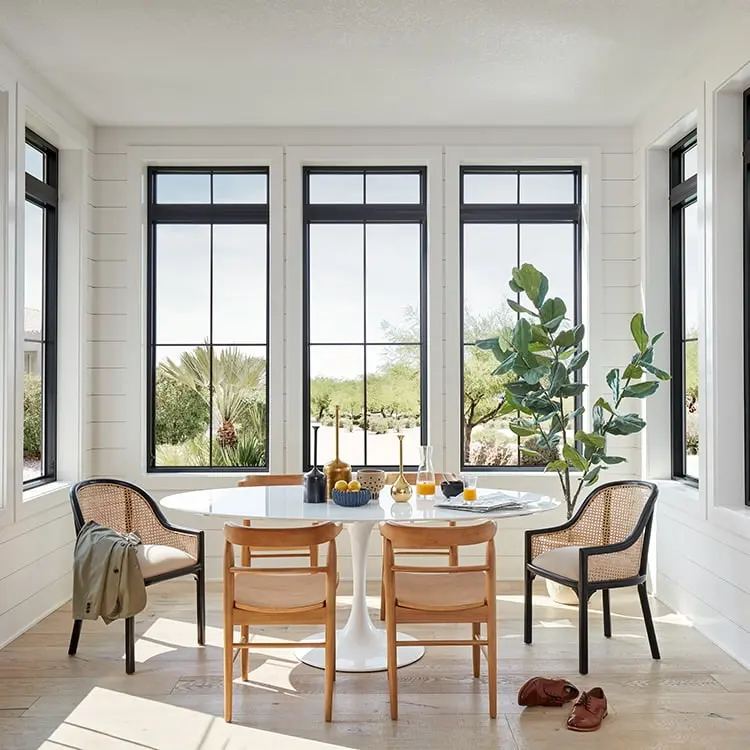
If you want your windows to make a statement, choose black or dark-colored frames. They add a crisp architectural edge and look especially striking against white or neutral walls. The high contrast creates a gallery-like feel while subtly outlining the outdoor view like a modern picture frame.
3. Frameless / Minimal Frame Designs

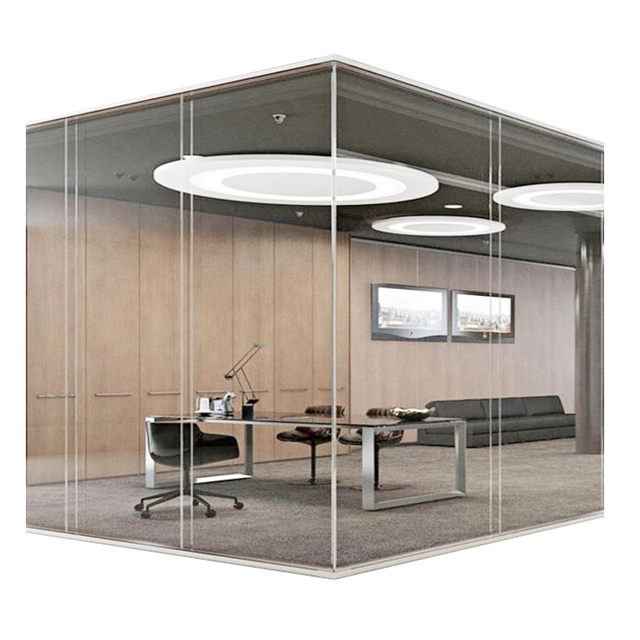
For a seamless, almost invisible aesthetic, frameless or ultra-thin frame picture windows are perfect. They give the illusion of continuous glass walls, ideal for modern and contemporary homes. Using structural glazing or hidden mullions, these designs maximize openness and light while maintaining energy efficiency.
4. Multiple Picture Windows in a Row
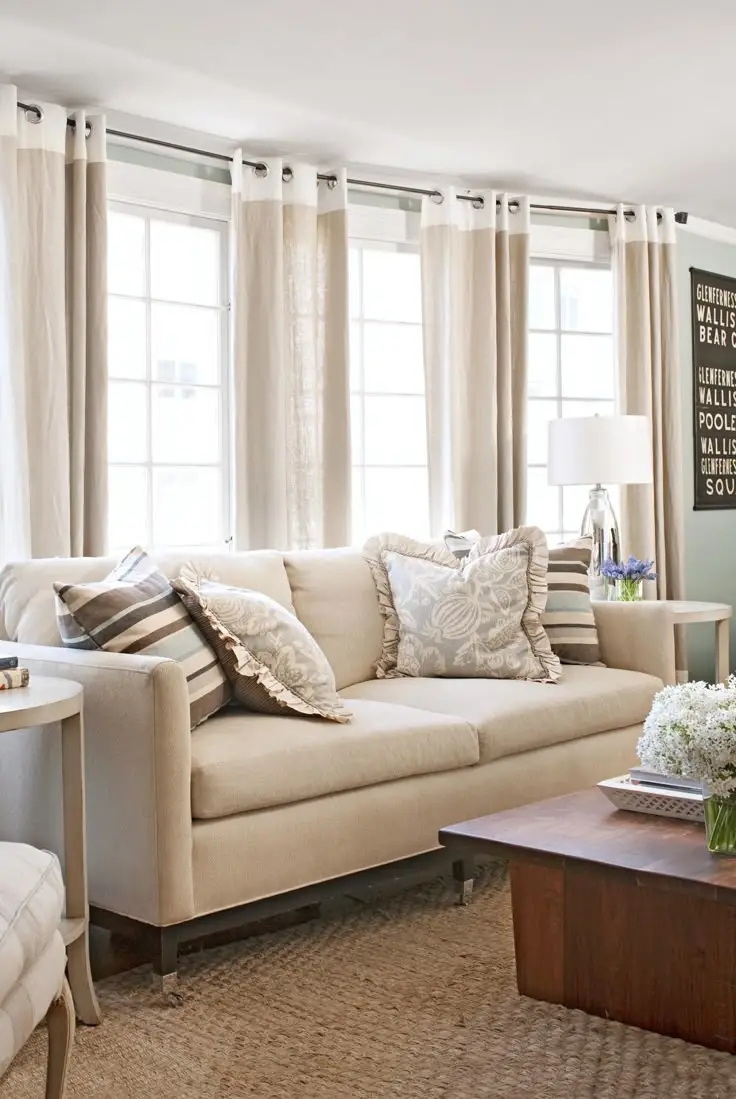
Lining up several picture windows side by side creates rhythm and balance. This style works well in long hallways, open-plan living rooms, or sunrooms. By breaking large spans into smaller sections, you get both symmetry and scalability—perfect for spaces where you want openness without structural compromise.
5. Floor-to-Ceiling Picture Windows (Wall of Glass)

Floor-to-ceiling windows turn any wall into a dramatic statement. They create a near outdoor living experience, connecting you to nature and expanding the visual space. This style is popular in modern architecture, where maximizing daylight and scenic views is key. Use energy-efficient glass to maintain comfort year-round.
6. Transom or Clerestory Above Picture Windows
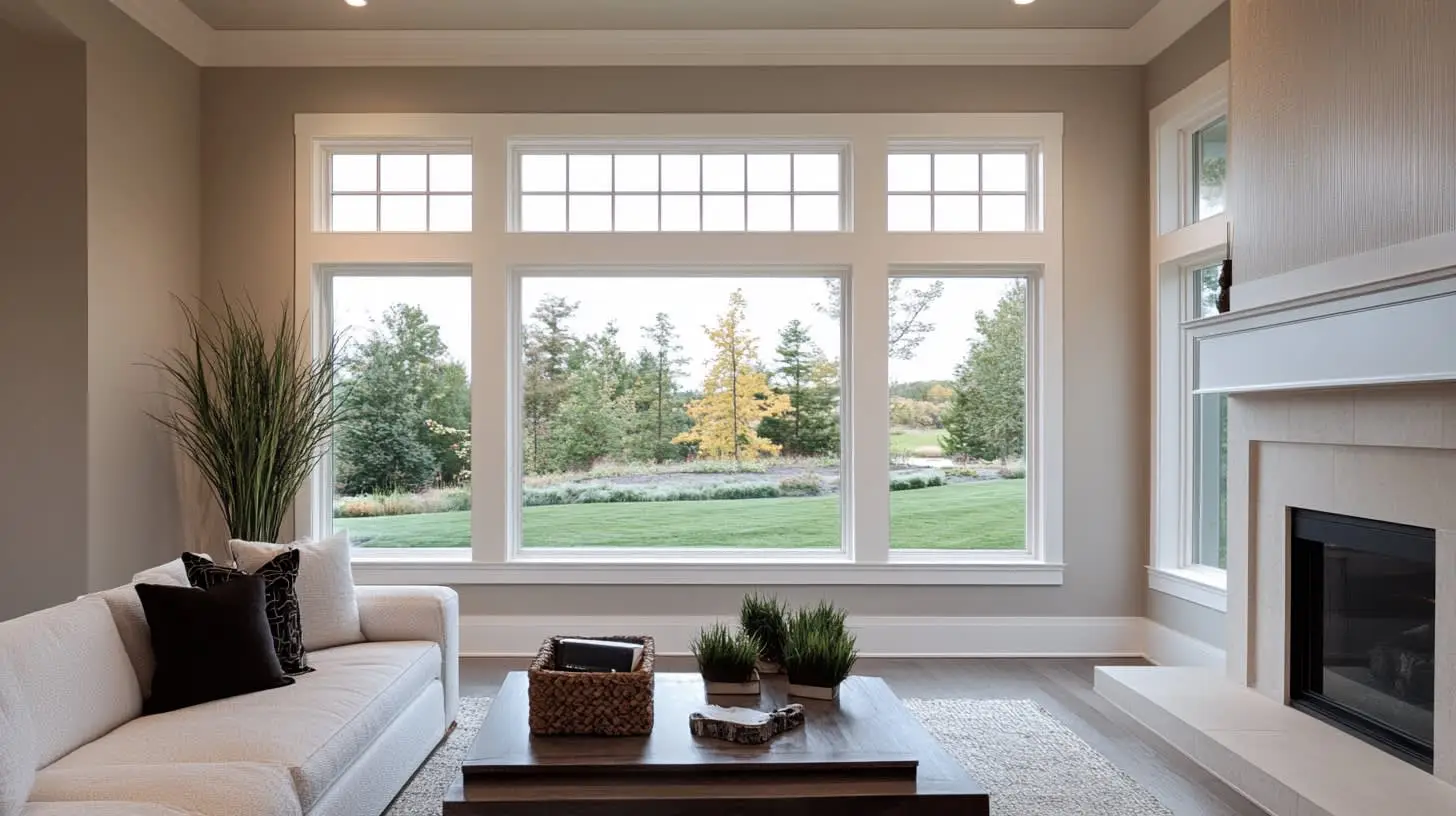
Adding a transom or clerestory window above a picture window enhances vertical height and brings in even more light. It’s a clever design choice for rooms that need brightness without losing privacy. Transoms also complement vaulted ceilings and accentuate architectural depth.
7. Picture Windows Combined with Operable Windows

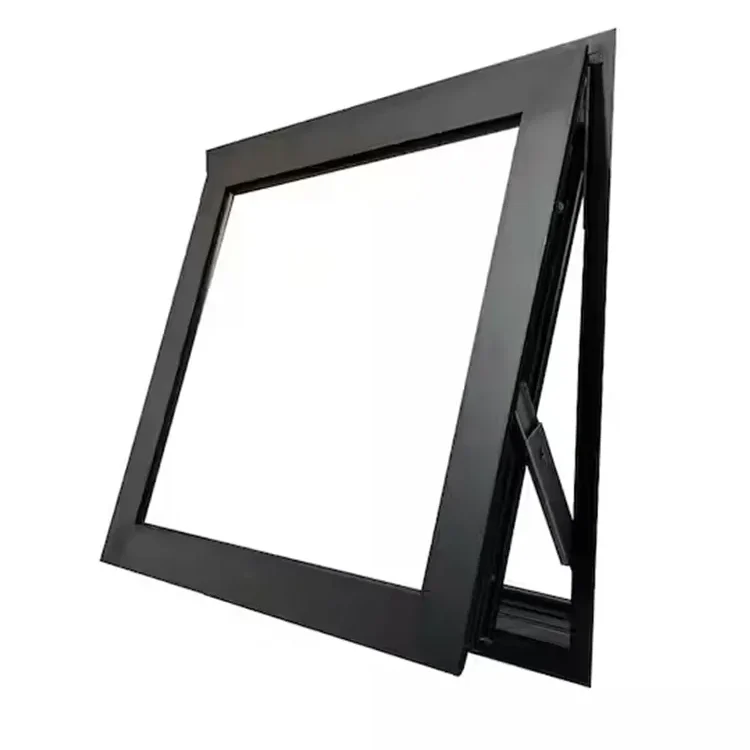
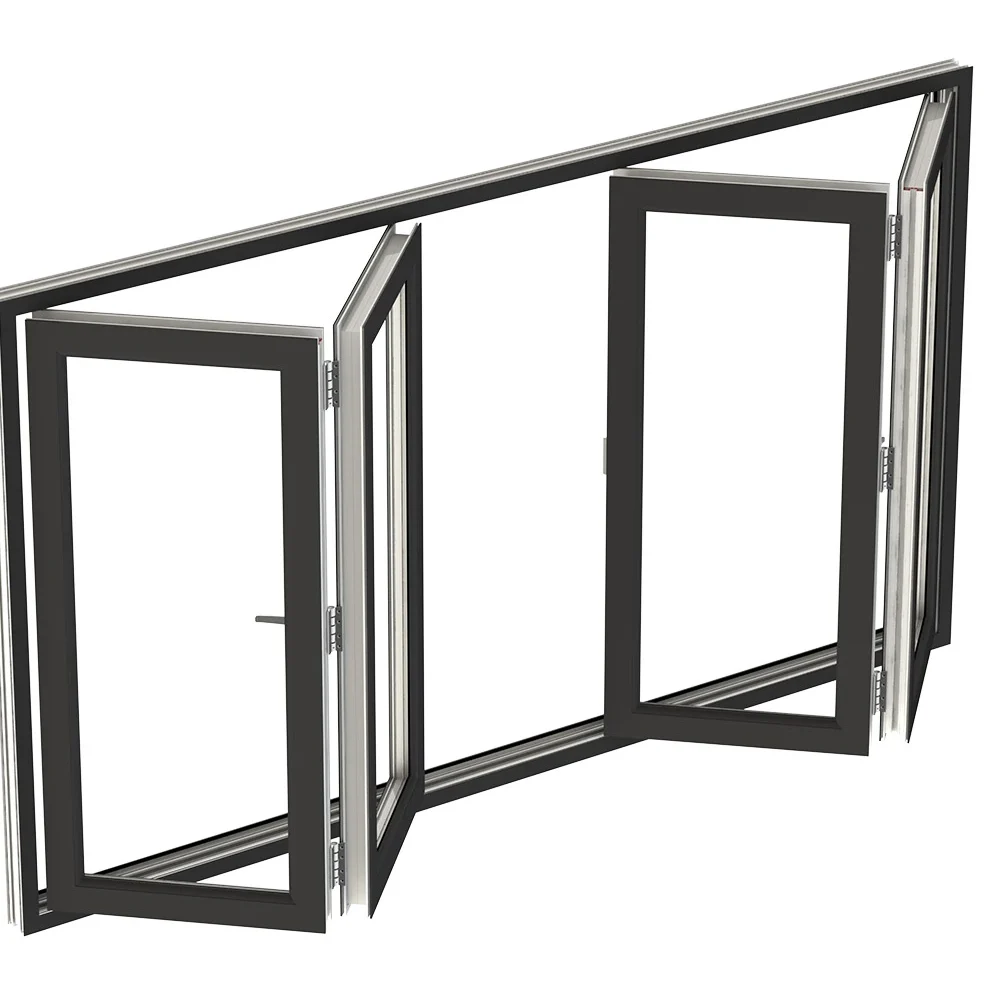
If you love the clarity of a picture window but still want airflow, combine it with operable units like casement or awning windows. This setup blends ventilation with uninterrupted sightlines—ideal for living rooms, kitchens, or bedrooms. These combos also improve functionality while keeping a unified design.
8. Picture Window with Window Seat or Bench
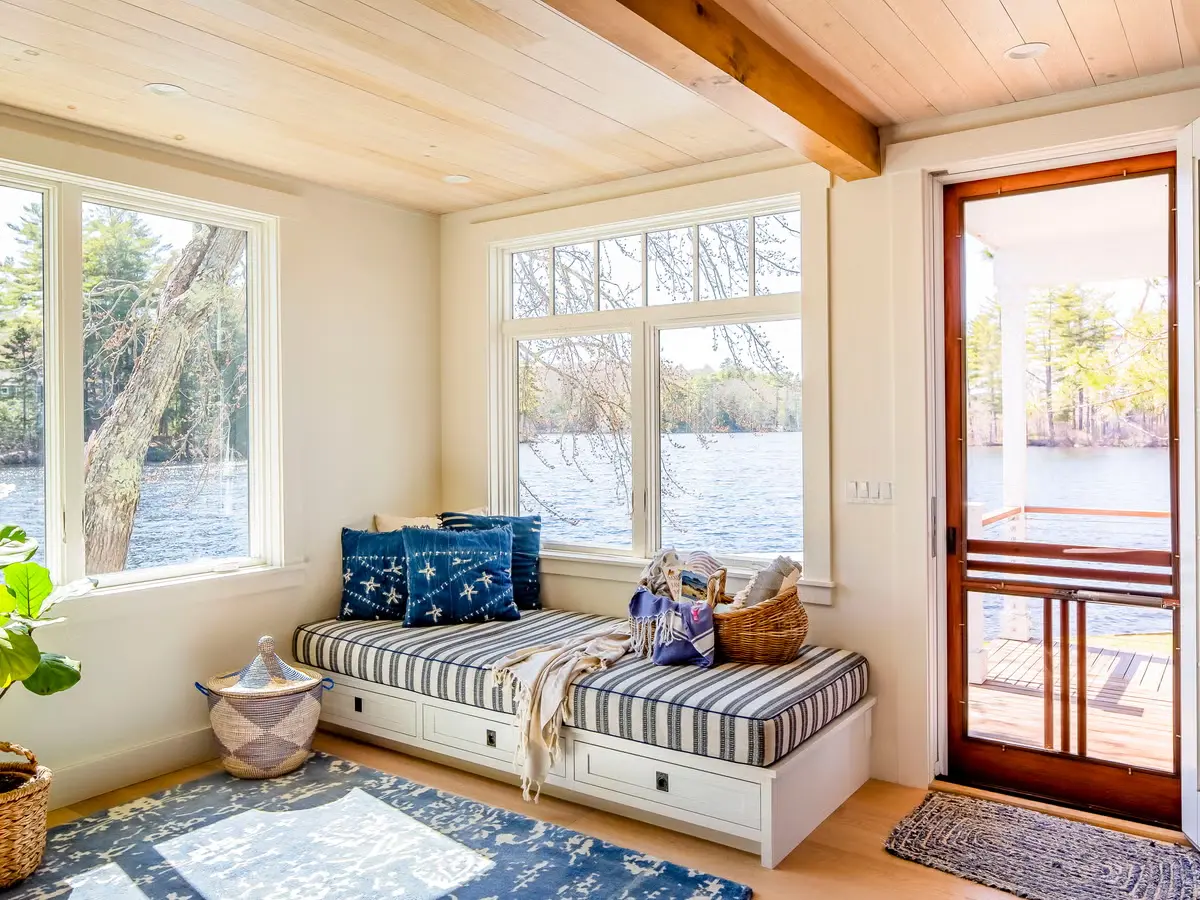
A picture window paired with a built-in bench transforms any corner into a cozy reading nook. The broad light and scenic view make it a favorite design for bedrooms, bay areas, or family rooms. Add plush cushions and side lighting for a relaxing, functional feature that feels luxurious yet simple.
9. Arched, Round-Top, or Custom Shapes

For a touch of architectural drama, try arched or round-top picture windows. These shapes soften the geometry of standard rooms and highlight the home’s character. Custom designs—triangular, trapezoidal, or circular—can follow your roofline or unique façade, turning windows into design statements.
10. Grid or Mullion Patterns for Styling
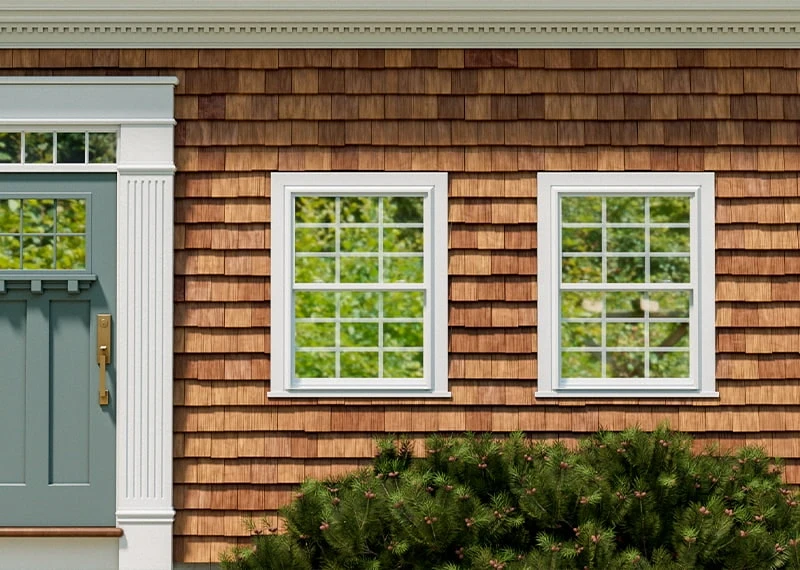
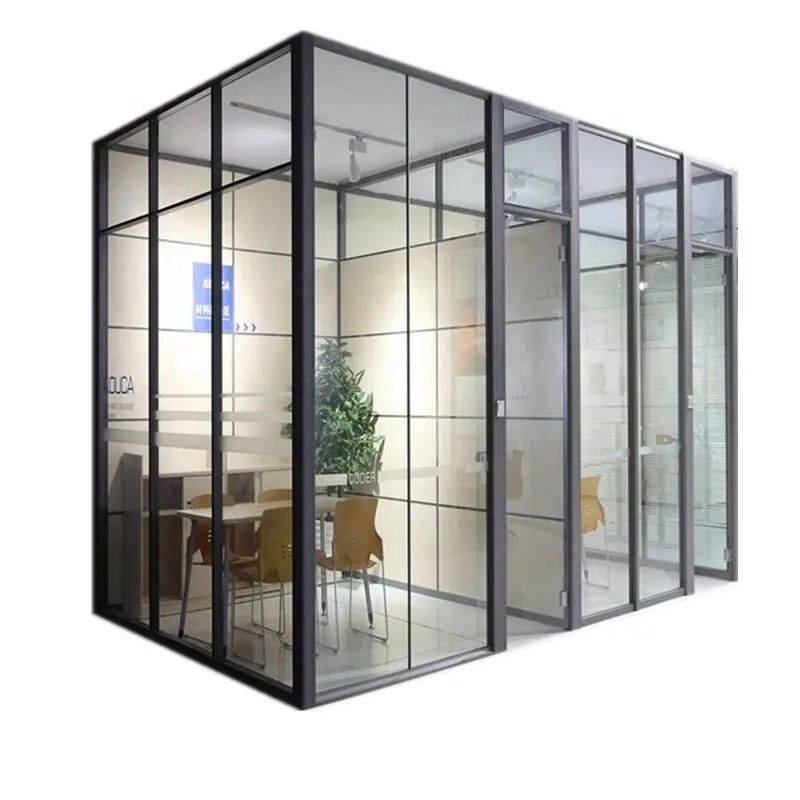
Grilles or mullions can change the entire personality of a picture window. Choose traditional divided lites for a colonial feel, or slim horizontal muntins for modern flair. Decorative grids add depth and texture without obstructing light—perfect for homeowners who want style and symmetry in one view.
Integration with Surrounding Windows
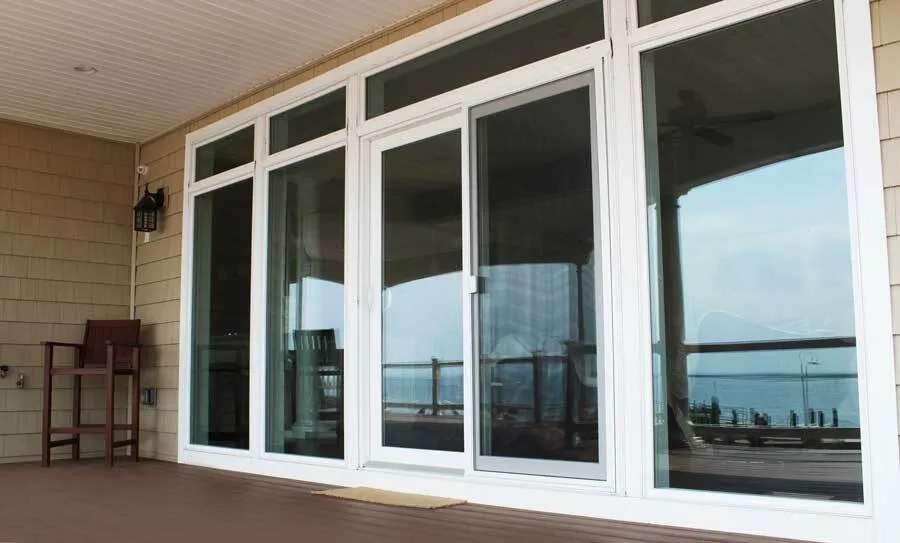
Picture windows pair beautifully with other window types, creating both visual interest and functional balance. When combined thoughtfully, they enhance not only the look of your home but also its comfort and performance.
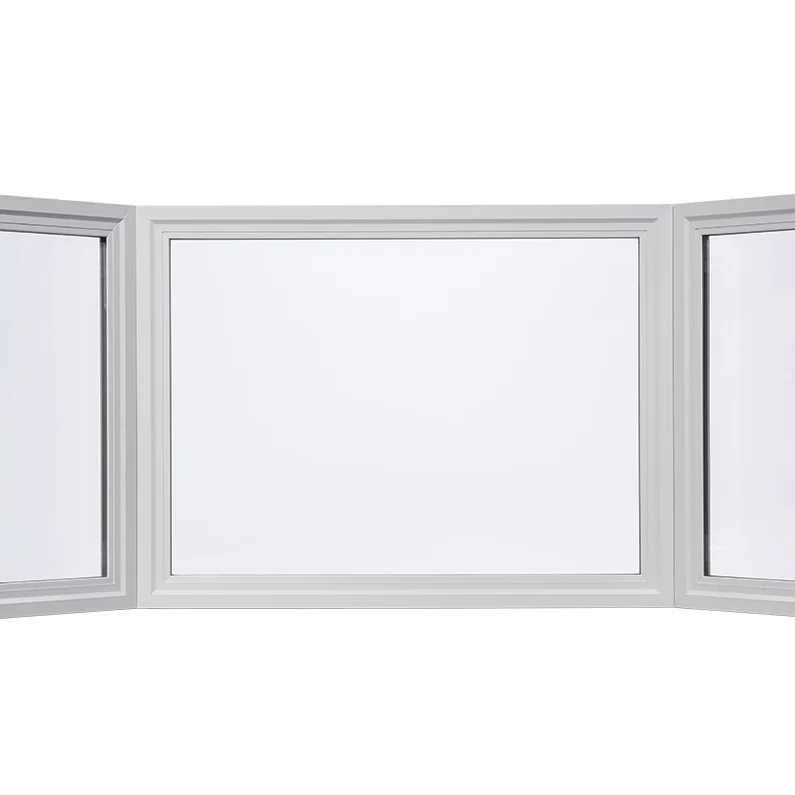
Combinations with casement, double-hung, or sliders – Pairing a fixed picture window with operable types like casement, awning, or sliding windows offers the best of both worlds—wide views and fresh air. Casements on the sides of a large central picture window, for instance, allow airflow while keeping an open view. Double-hung combinations work well for traditional homes, while sliders add a modern, space-saving twist.
Arrangements like XOX (fixed–operable–fixed) layouts – This popular layout uses an operable window framed by two stationary panels. It’s ideal for living rooms, kitchens, or sunrooms where you want symmetry, ventilation, and expansive sightlines. The fixed panels maximize light, while the center or side openings maintain functionality.
Maintaining visual harmony when mixing styles – To keep the design cohesive, match frame finishes, sightline widths, and grille patterns across different window types. Even subtle differences in proportions can disrupt the balance, so choose combinations that complement each other both aesthetically and structurally.
Practical & Performance Tips
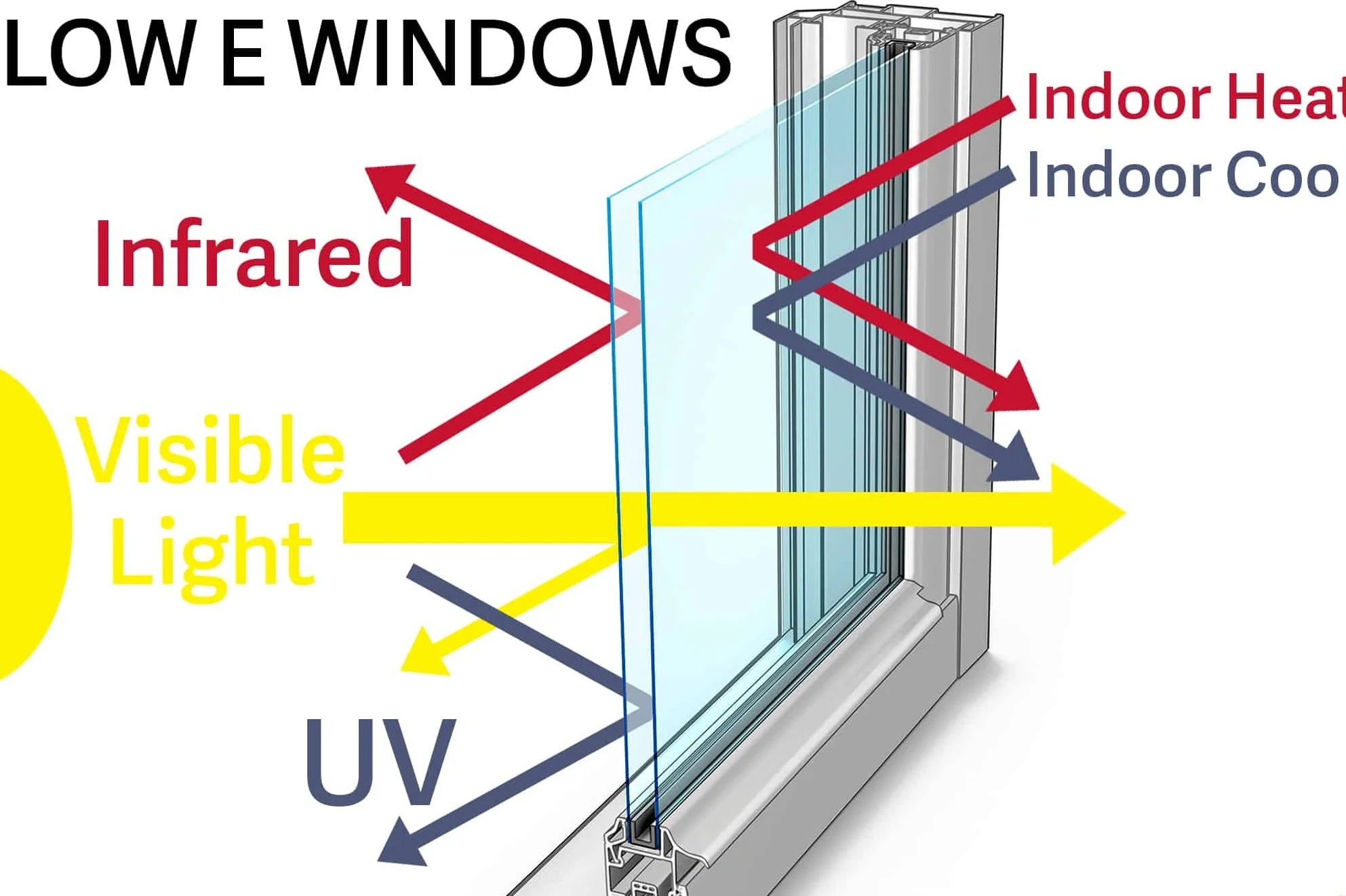
Beyond style, performance is key to getting the most from your picture windows—especially since they don’t open.
Proper sealing and insulation – Because picture windows are fixed, their edges must be perfectly sealed to prevent drafts and condensation. High-quality installation ensures an airtight barrier and helps maintain indoor comfort.
Use of low-E, double or triple glazing – For energy efficiency, opt for low-emissivity (low-E) coatings that reflect heat inside during winter and block UV rays in summer. Double or triple glazing further improves insulation, reducing energy costs and preventing cold spots near large glass panes.
Frame materials (wood, aluminum, composite) – Wood frames offer warmth and elegance but require maintenance. Aluminum frames are durable and slim, ideal for modern designs, while composites provide excellent insulation and moisture resistance—making them a balanced, low-maintenance choice.
Managing glare, privacy, and shading – Large glass surfaces can create glare or reduce privacy. Use sheer shades, blinds, or exterior overhangs to control sunlight without blocking your view. Consider tinted or frosted glass if privacy is a major concern, especially for street-facing rooms.
Decor & Treatment Ideas
Picture windows are designed to frame the outdoors like a piece of art — but that doesn’t mean you can’t style around them. The key is to enhance their visual impact while maintaining natural light and the view that makes them special. Here are some creative and practical decor ideas to consider.
1. Minimal Treatments So the View Isn’t Blocked

For picture windows, less is often more. Avoid heavy drapes or bulky blinds that can hide the natural beauty outside. Instead, use slim roller shades, sheer panels, or invisible mounts that provide a soft filter without interrupting sightlines. Neutral or translucent fabrics let daylight pour in while reducing glare. In modern or minimalist homes, leaving the window completely uncovered can make the space feel open and architectural — almost like living art on your wall.
2. Use of Side Panels, Shades, or Curtains on Flanking Windows
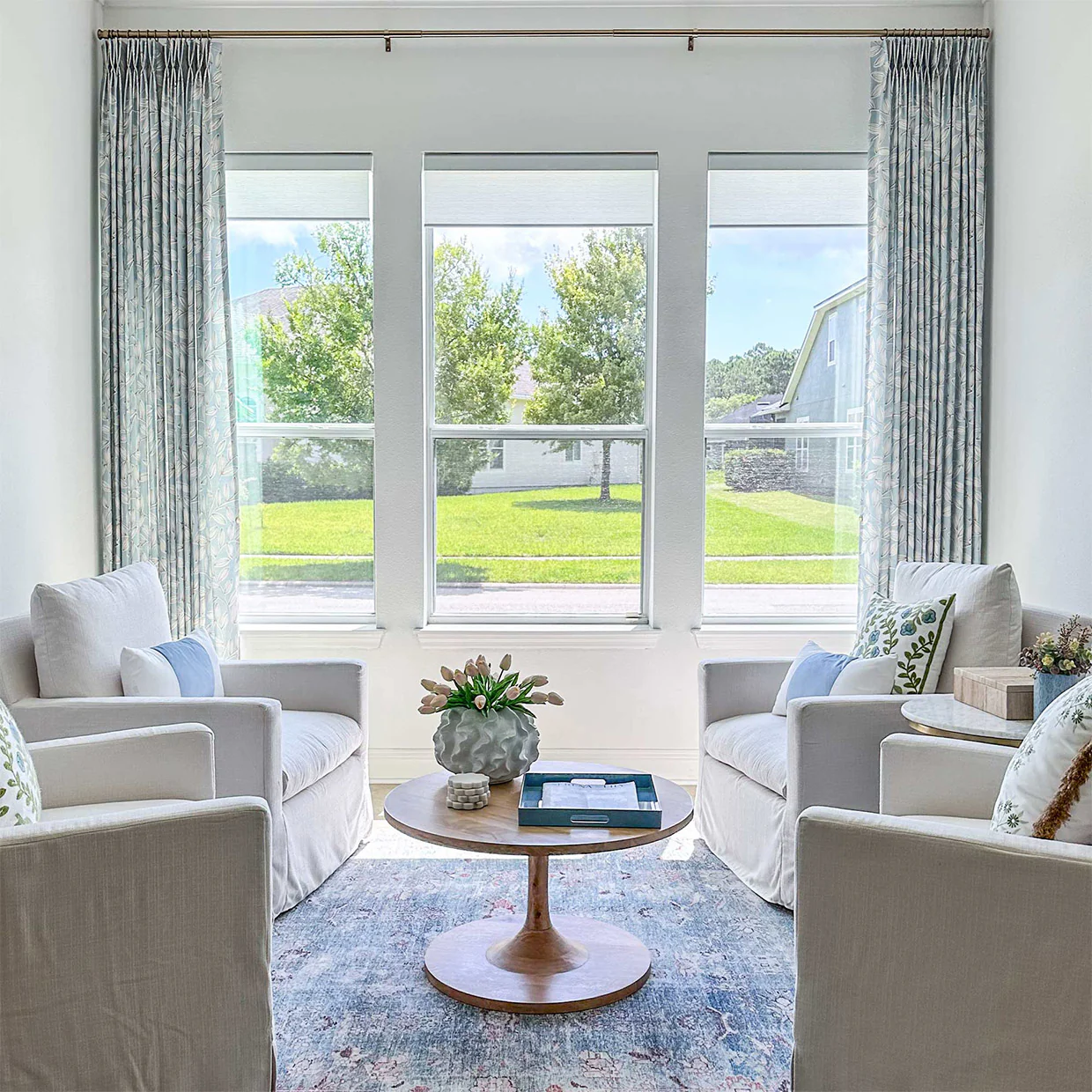
If your picture window is combined with operable ones, use functional treatments only on the sides. Roman shades, woven blinds, or drapery panels can frame the central window without covering it. This creates a sense of depth and sophistication while still maintaining the open view. Layering — like pairing sheer curtains with blackout drapes — gives you flexible light control for different times of day. Choose fabrics that complement the window’s framing material and room style for a cohesive look.
3. Lighting, Ledges, and Accents Around the Window
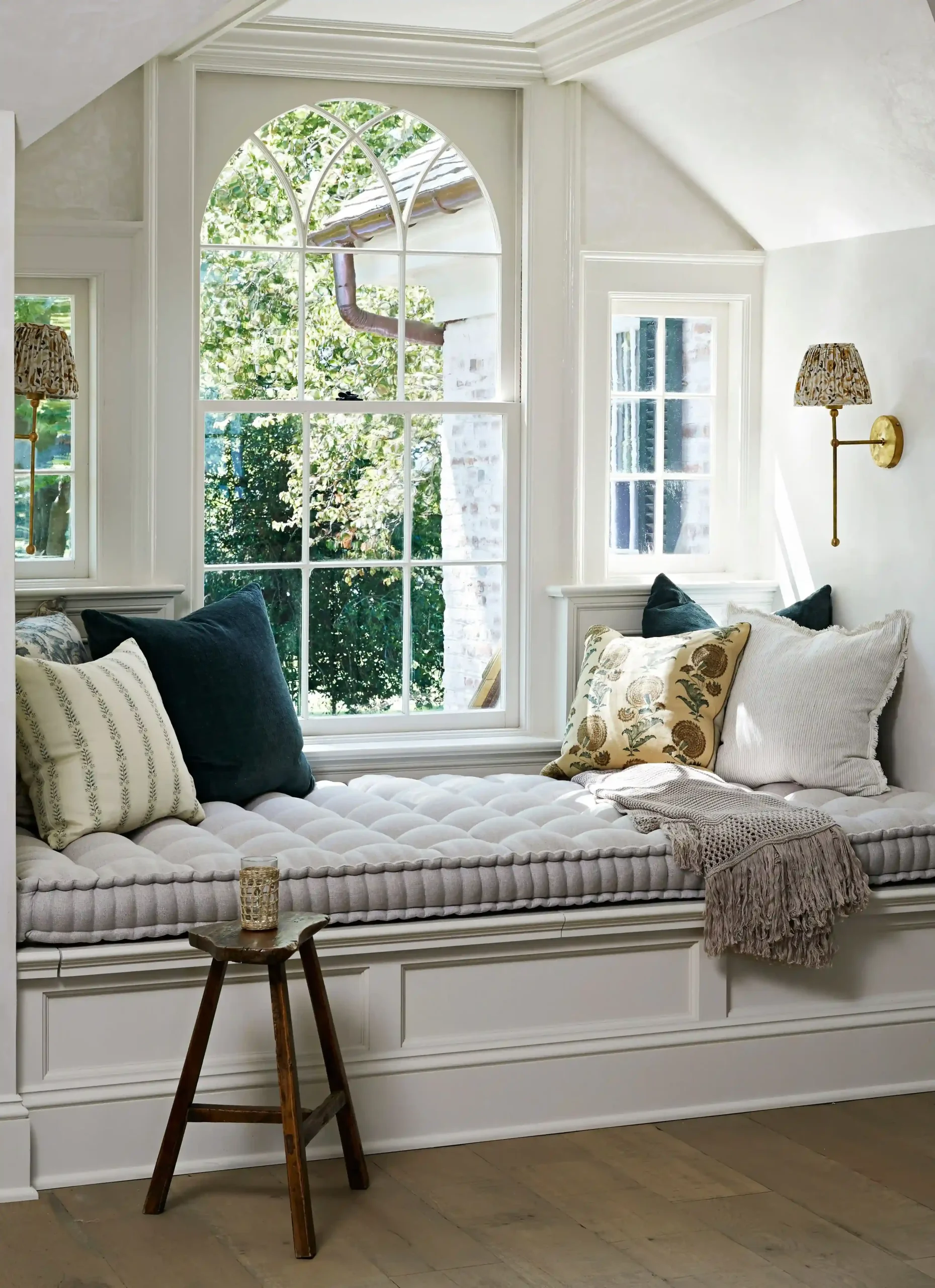
The area surrounding a picture window is the perfect place for thoughtful design touches. Install recessed lighting or wall sconces to highlight the frame and draw attention to the view even at night. A built-in ledge or window seat below the glass creates a cozy reading nook while adding practical seating or storage. You can also enhance the look with plants, sculptures, or decor pieces that echo the colors of the landscape outside — seamlessly connecting your interior with the outdoors.
Ready to Elevate Your Space with Picture Windows?

A well-designed picture window can completely transform your home — adding light, character, and timeless appeal. Whether you’re planning a modern renovation or simply upgrading your view, our expert team can help you choose the perfect window style, frame material, and installation plan to match your space and budget.
Bring your vision to life today — contact us for a free consultation!
We’ll help you design and install picture windows that are as functional as they are beautiful.
Get in touch now to start your project and see how the right window can redefine your entire room.
FAQs
Are picture windows a good idea?
Yes — they’re excellent for bringing in natural light and framing views, and because they’re fixed, they’re typically more airtight and energy efficient.
How to make a picture window look better?
Use minimal window treatments (like sheer shades or side panels), add lighting or a window seat, and choose bold or slim frames that complement your décor while keeping the view unobstructed.
Are picture windows still in style?
Absolutely — large picture windows remain popular in modern architecture and design thanks to their clean lines, strong connection to the outdoors, and ability to brighten spaces.
Are picture windows expensive?
They can be: typical installed prices range from $700 to $1,300, though custom sizes or premium materials can push costs higher.
