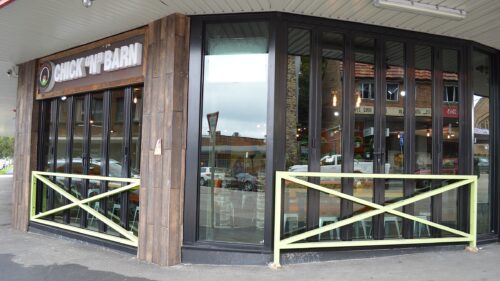
Sliding doors can last 20 to 30 years—sometimes even longer—if they’re well made and properly cared for. That’s pretty impressive for a door that sees daily use and is exposed to the elements!
The actual lifespan depends on a few things: what the door is made of, how much wear and tear it gets, and how often you clean and maintain it. In this article, we’ll walk you through what affects a sliding door’s longevity, how to spot when it’s time to replace one, and what you can do to keep yours lasting as long as possible.
Factors Influencing Sliding Door Lifespan
How long your sliding door lasts depends on more than just the calendar—it’s a mix of materials, care, and environment.
1. Material Quality

The material your door is made of plays a major role in how many years it will serve you well:
Vinyl: One of the most common choices, vinyl sliding doors usually last 20–30 years. They’re low maintenance and resist moisture well.
Aluminum: Strong and lightweight, but not the best insulator. Depending on the climate and care, aluminum doors can last 15–25 years.
Fiberglass: Tough and highly weather-resistant, fiberglass doors often reach 30+ years with minimal issues.
Wood: Classic and beautiful, but it needs consistent upkeep. Without regular maintenance, wood doors may only last 10–20 years.
2. Maintenance
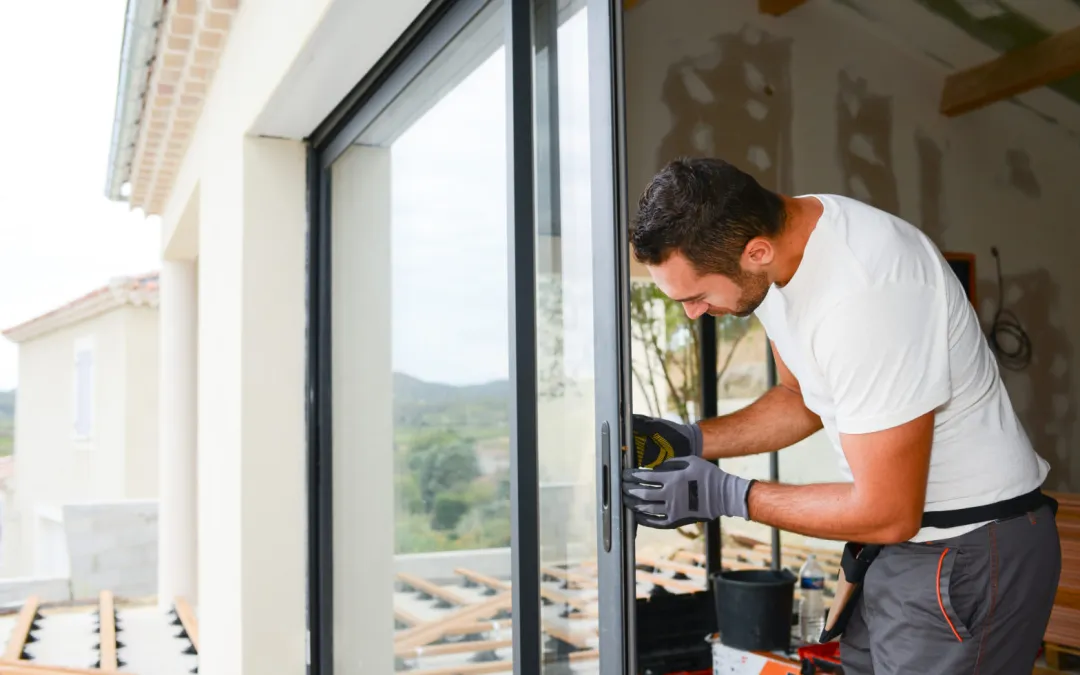
Even the best materials need a little help:
Keep it clean: Dirt and debris in the tracks can cause sticking and damage rollers over time.
Lubricate moving parts: A quick spritz of silicone spray now and then can keep your door gliding smoothly.
Check seals and locks: Inspect them yearly to keep the door energy-efficient and secure.
Neglecting maintenance can shorten the door’s life and lead to costly repairs. A little care goes a long way.
3. Environmental Conditions
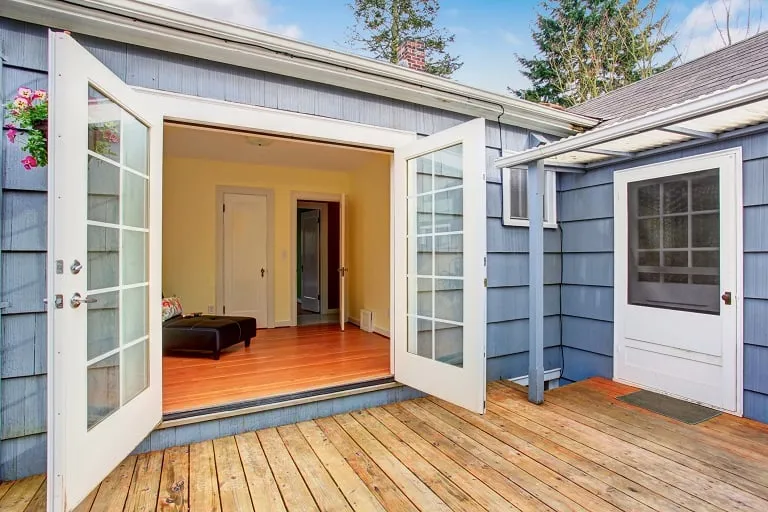
Where you live also matters:
Harsh sun, salt air, and high humidity can wear out materials faster.
Freezing winters may affect seals and tracks if water gets in and expands.
Adding protective coatings, installing overhangs, or using high-quality weather seals can help extend your door’s life—no matter the climate.
Signs It’s Time to Replace Your Sliding Door
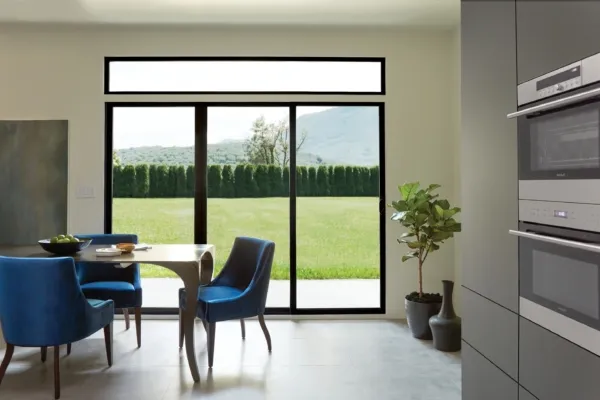
Not sure if your sliding door has reached the end of its life? Here are some telltale signs that it might be time for an upgrade:
1. Difficulty Operating
If your door sticks, grinds, or feels unusually heavy when sliding, it’s often a sign that the rollers are worn or the track is damaged. A smooth glide should feel nearly effortless—if it’s not, your door may be on its way out.
2. Drafts or Condensation
Feeling a breeze even when the door is shut? Or noticing fog or moisture between the glass panes? These are signs of failed weatherstripping or broken seals, which can hurt your home’s energy efficiency and comfort.
3. Visible Damage
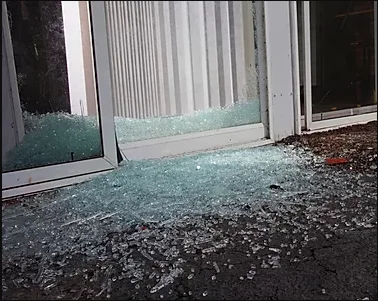
Check for cracks in the glass, warped or rotten frames, and bent tracks. These aren’t just cosmetic issues—they often point to deeper structural problems that could worsen over time.
4. Outdated Appearance
Sometimes it’s not about function—it’s about style. An old or mismatched door can make your space feel dated and may not meet today’s energy efficiency or security standards. A modern replacement can refresh the look of your entire room.
Tips to Extend the Life of Your Sliding Door
Want your sliding door to last as long as possible? A little regular care goes a long way. Here are some easy maintenance tips to help you get the most out of your door:
1. Regular Cleaning
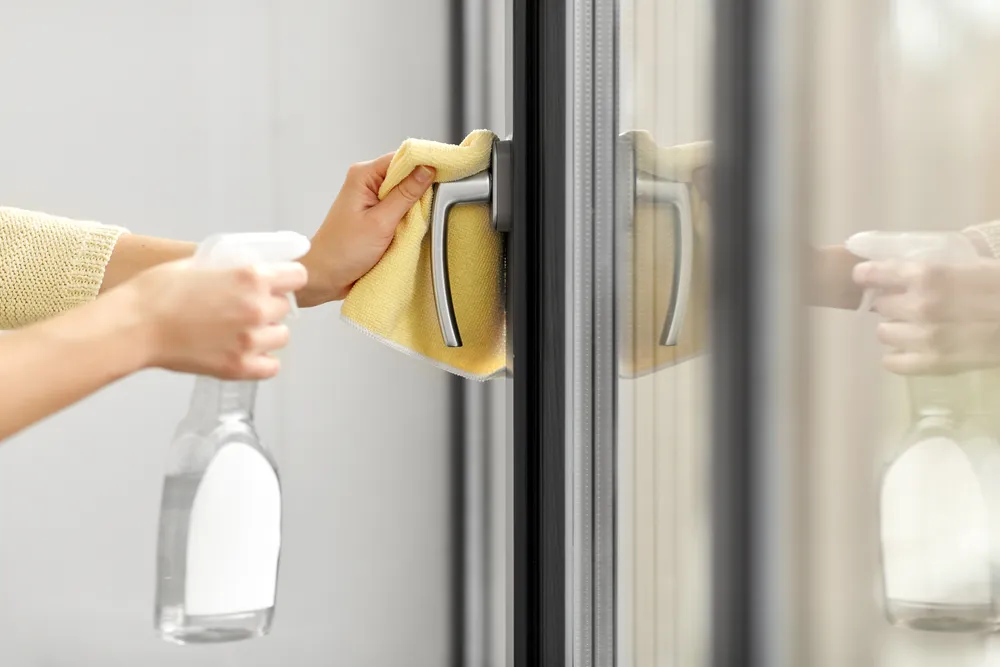
Dust, dirt, and debris can build up in the track and rollers, making the door harder to slide and wearing down components over time.
Tip: Vacuum or wipe down the track every few weeks to keep things running smoothly.
2. Lubrication
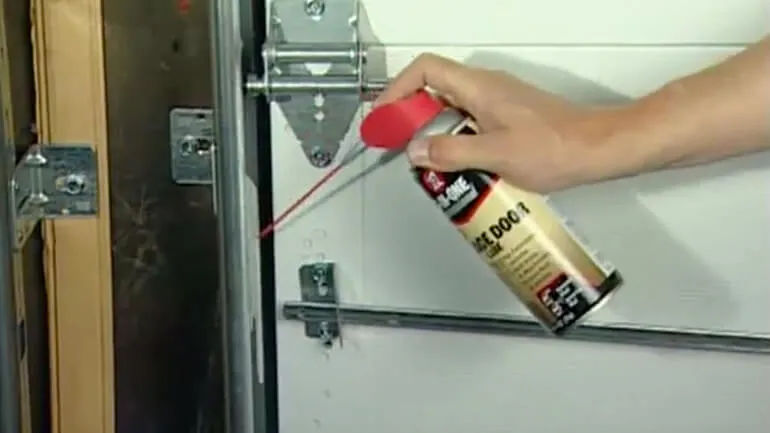
Moving parts like rollers and locks need occasional lubrication to reduce friction and prevent rust.
Tip: Use a silicone-based lubricant (not WD-40) to keep the door gliding effortlessly.
3. Seal Inspection
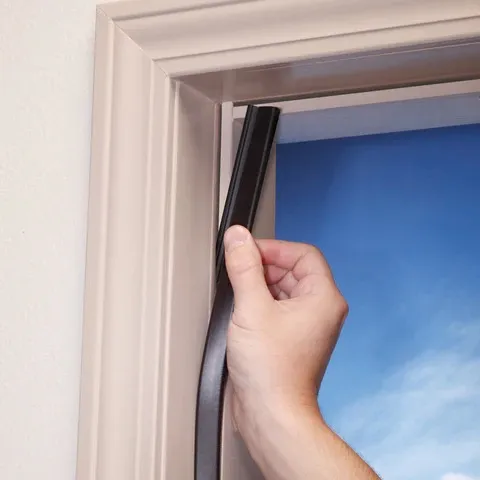
Worn-out weather stripping can lead to drafts, higher energy bills, and moisture damage.
Tip: Check the seals around the door at least twice a year and replace them if they’re cracked or peeling.
4. Professional Maintenance

Some issues—like misaligned frames or worn rollers—are best handled by a pro.
Tip: Consider a professional inspection every few years to catch small problems before they become big repairs.