Have you ever wondered how long your windows will last?
Windows play a big role in keeping our homes comfortable, energy-efficient, and looking great.
But, like most things in our homes, windows don’t last forever.
Over time, they can show signs of wear and tear, which might affect your home’s comfort and energy bills.

Knowing the lifespan of your windows and when to replace them can save you money and keep your home in top shape.
In this guide, I’ll walk you through how long different types of windows typically last, the signs that it might be time for a replacement, and some helpful tips to make your windows last longer.
Let’s get started!
Average Lifespan of Different Window Types
Most windows last between 15 to 30 years.
But the exact lifespan depends a lot on the window material.
Here’s a quick look at how long different types of windows typically last:
1. Vinyl Windows (20–40 years)

Vinyl windows are popular because they are affordable and need very little maintenance.
They offer good insulation and are resistant to moisture.
However, extreme heat can cause them to warp over time.
2. Wood Windows (15–30 years)

Wood windows give your home a classic, warm look.
They provide excellent insulation, which helps keep your home comfortable.
But they need regular maintenance, such as painting and sealing, to prevent rot and damage.
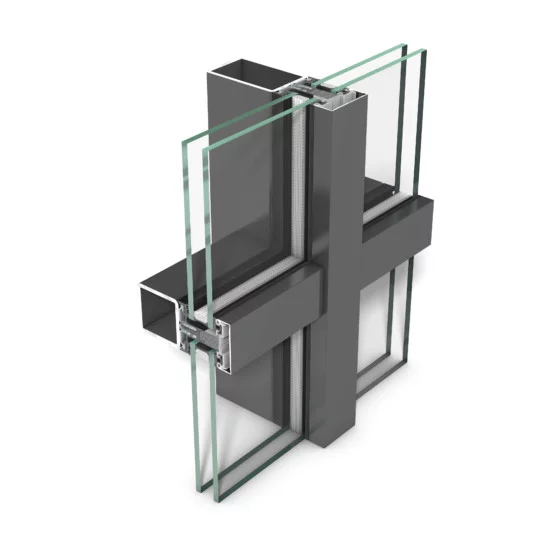
3. Aluminum Windows (15–30 years)

Aluminum windows are durable and require minimal upkeep.
They are a good choice if you want a sturdy frame that won’t rust.
However, they are not as energy-efficient as other materials, which could affect your heating and cooling bills.
4. Fiberglass Windows (30–50 years)

Fiberglass windows are the champions of durability.
They can handle extreme temperatures without warping and need very little maintenance.
They are also great at insulating your home, keeping it cool in the summer and warm in the winter.
5. Specialty Windows (40+ years)

Some premium window types, especially those with advanced technology or hybrid materials, can last over 40 years.
The key to their long lifespan is regular maintenance and proper installation.
Factors That Affect Window Longevity

Material Quality: Different materials have varying durability. Fiberglass lasts longest (30–50 years), while wood requires regular maintenance.
Installation Quality: Professional installation ensures proper sealing, preventing drafts, leaks, and premature wear.
Maintenance Routine: Regular cleaning, seal checks, and hardware lubrication can significantly extend window lifespan.
Climate Impact: Extreme temperatures, humidity, and salty air can accelerate window wear and tear.
Usage Frequency: High-use windows experience more wear on hardware, seals, and moving parts.
Signs It’s Time to Replace Your Windows
Not sure if your windows need replacing?
Here are some clear signs that it might be time for an upgrade.
1. Visible Damage

If your window frames are cracked, warped, or rotting, it’s a strong indicator that they need to go.
Wooden frames, in particular, can rot if not maintained, while vinyl and aluminum frames can crack or warp over time.
Damaged frames not only look bad but can also lead to air leaks and reduced energy efficiency.
2. Drafts and Air Leaks

Feeling a breeze when your windows are closed?
That’s a sign of a draft.
Air leaks make your home uncomfortable and can lead to higher heating and cooling bills.
If your HVAC system is working overtime, your windows could be the culprit.
3. Condensation Between Panes

Condensation on the outside of your window is normal.
But if you see moisture between double or triple panes, it means the seal has failed.
This reduces your windows’ insulation capabilities and can lead to mold and mildew.
4. Operational Issues

If your windows are difficult to open, close, or lock, it’s not just annoying—it can also be dangerous.
Stuck windows could prevent you from getting out in an emergency.
These issues often happen because of warped frames or worn-out hardware.
5. Increased Noise

If outside sounds are more noticeable than they used to be, your windows might not be providing enough sound insulation.
Newer windows with double or triple panes can significantly reduce noise, offering you a quieter home environment.
6. High Energy Bills

Have your energy bills been climbing for no apparent reason?
Poor window insulation might be to blame.
Drafty or inefficient windows can let heated or cooled air escape, forcing your HVAC system to work harder.
7. Faded Furnishings

Are your curtains, carpets, or furniture fading?
Old windows without UV protection allow harmful rays to penetrate, causing your interior items to lose their color.
Modern windows with low-E coatings can block these rays and help protect your belongings.
How to Prolong the Lifespan of Your Windows

You want your windows to last as long as possible, right?
The good news is that with a little care and attention, you can significantly extend their lifespan.
1. Regular Maintenance Tips
Keeping your windows in top shape doesn’t have to be a chore.
Here’s what to do:
Clean the Glass and Frames: Use mild soapy water to clean windows regularly.
Lubricate Tracks and Hardware: This helps windows open and close smoothly and prevents wear and tear.
Seal Gaps: Check for small gaps or cracks and seal them with caulking or weatherstripping.
A little maintenance goes a long way!
2. Seasonal Care
Windows faces different challenges in different seasons.
Preparing windows for the changing seasons keeps them efficient and durable.
3. Repair vs. Replace

Not every window problem means it’s time for a replacement.
Repair: Small issues like broken hardware or minor frame cracks can often be fixed.
Replace: When windows are warped, rotting, or showing signs of seal failure, replacement is a better long-term solution.
Knowing when to repair and when to replace can save you money and extend the life of your windows.
4. Upgrading Features
Sometimes a simple upgrade can make a big difference.
Upgrades can give old windows new life without the full cost of replacement.
5. Proper Use
Treat your windows well, and they’ll return the favor.
Avoid Slamming: Be gentle when opening and closing windows.
Maintain Hardware: Regularly check and tighten handles, locks, and hinges.
Proper use reduces wear and tear and helps avoid operational issues.
Conclusion

Windows are a critical part of your home’s comfort, energy efficiency, and overall appearance.
While most windows last between 15 to 30 years, their actual lifespan depends on factors like material quality, installation, maintenance, and climate.
Recognizing the signs of aging windows and taking proactive steps to maintain them can help you get the most out of your investment.
If you’re unsure whether it’s time to replace your windows or if you need expert advice on choosing long-lasting, energy-efficient options, we’re here to help.
Contact us today for a consultation or a free quote.
Let us guide you through the process and ensure your home remains comfortable and beautiful for years to come!