Choosing a garage door may not seem like a big deal at first, but it’s one of the most important decisions for your home’s exterior. Since garage doors often cover 15% to 30% of your home’s front, the right one can instantly boost curb appeal and make your house stand out.
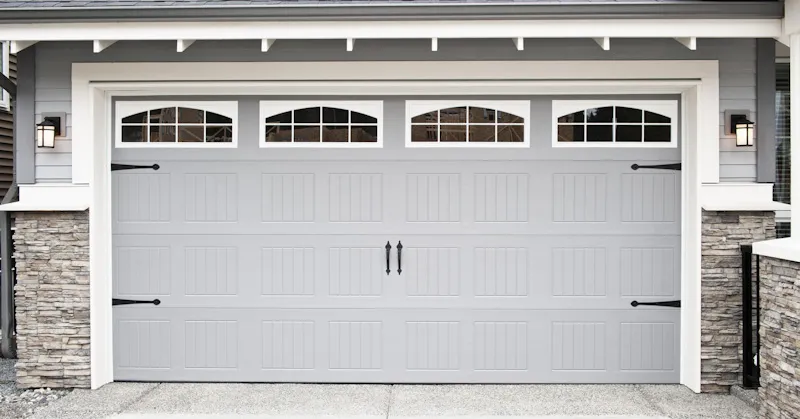
A new garage door isn’t just about looks — it’s also a smart investment. Homeowners can see up to 193% return on investment when selling, plus enjoy added benefits like better insulation, stronger security, and long-term durability. The right garage door brings comfort, style, and value for years to come.
Measuring Your Garage Door Properly
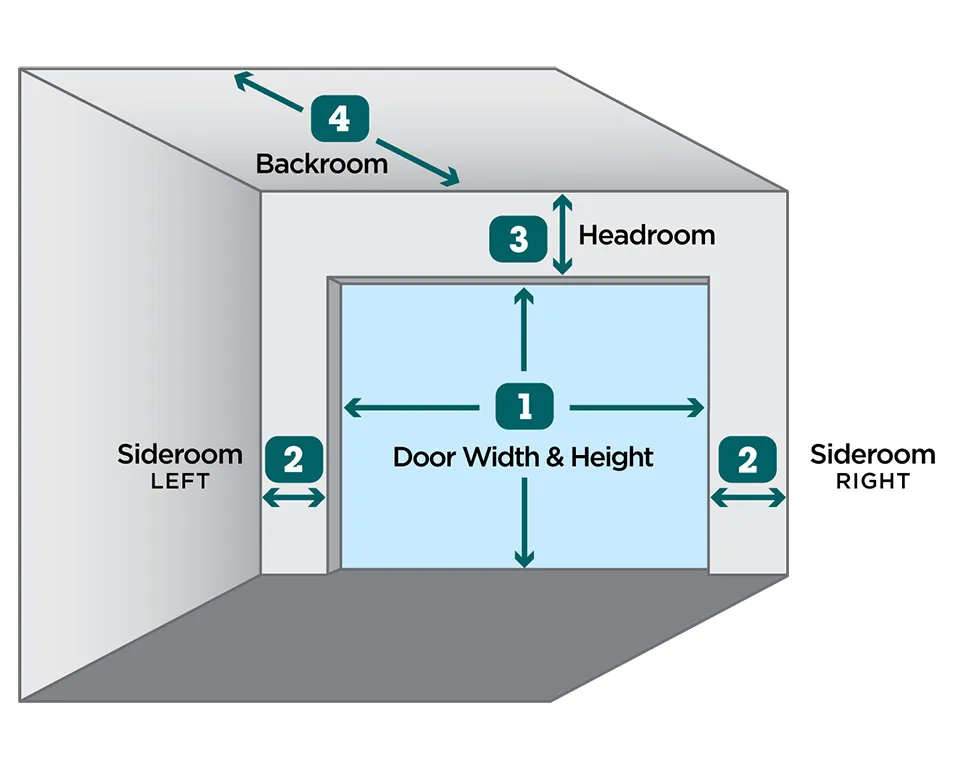
Before you start picking out styles or colors, it’s important to make sure your new garage door will fit perfectly. Accurate measurements are key to avoiding costly mistakes or installation headaches.
Here are the five main measurements you’ll need:
Width: The distance between the left and right sides of the garage opening.
Height: The distance from the garage floor to the top of the opening.
Sideroom: The space on both sides of the opening, which allows room for the tracks and hardware.
Headroom: The space between the top of the opening and the ceiling — needed for springs and tracks.
Backroom: The distance from the garage door opening to the back wall — this allows room for the door to fully open.
While it’s helpful to take your own rough measurements, it’s always smart to have a professional come out for an in-person measurement before placing your final order. Every garage is a little different, and having an expert check for things like uneven openings, obstructions, or clearance issues can save you from expensive surprises later.
Garage Door Types: Operation & Mechanisms
Garage doors do a lot more than open and close — and there’s more than one way they can do it. Understanding the different types of garage door mechanisms will help you choose the one that fits your home, space, and lifestyle best.
1. Sectional Garage Doors (Most Common)

Sectional doors are the most popular type for residential homes. They’re made of horizontal panels connected by hinges, which roll up along tracks and store flat against the ceiling. They’re space-efficient, reliable, and work well with automatic openers.
2. Roll-Up Garage Doors
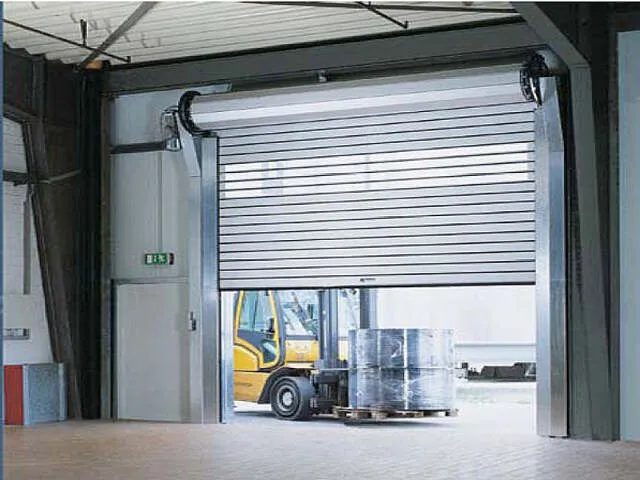
Often used in commercial spaces, roll-up doors are made of narrow horizontal slats that roll into a coil above the opening. They’re perfect if you have limited ceiling space or need a very durable, low-maintenance door.
3. Side-Hinged Garage Doors
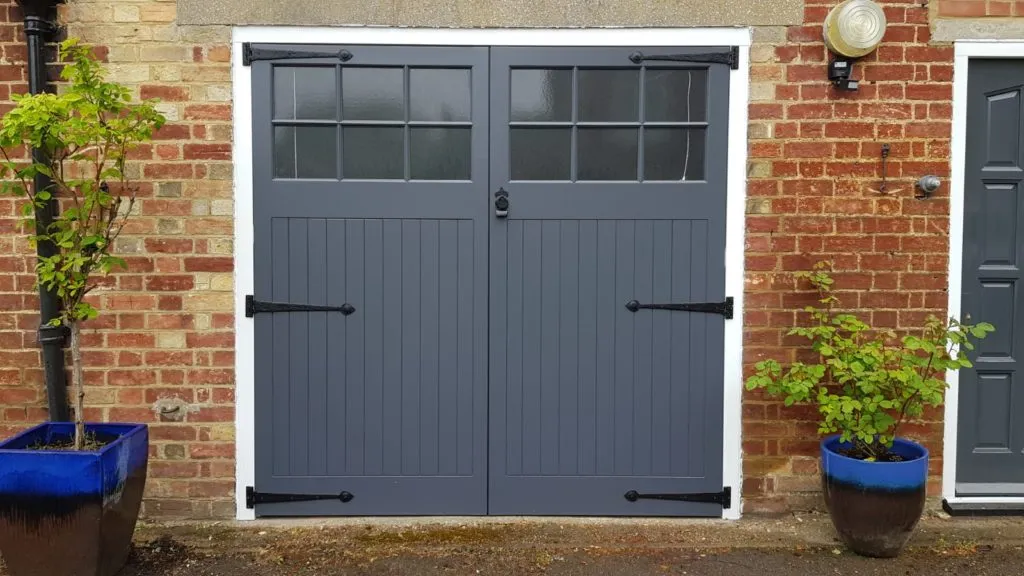
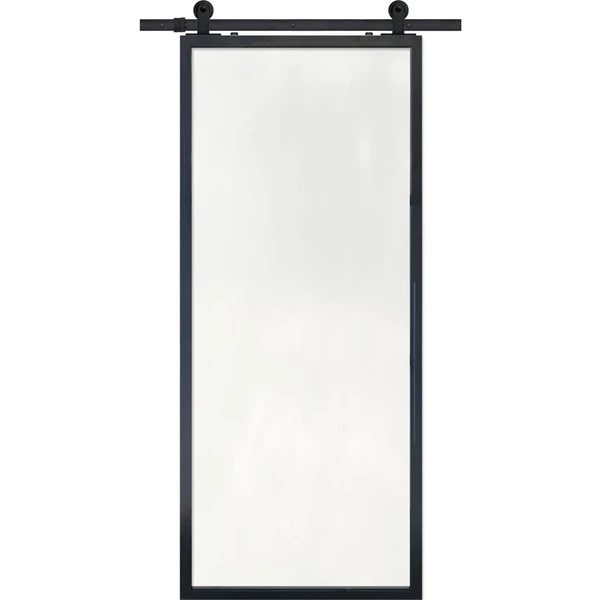
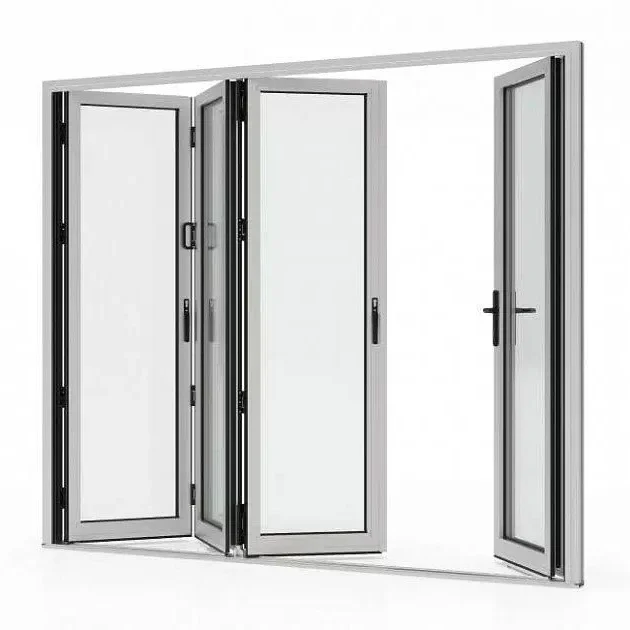
These doors open outward like traditional barn doors. Side-hinged doors are great for garages used as workshops or storage where you may not want to raise the door overhead every time.
4. Slide-to-Side Garage Doors

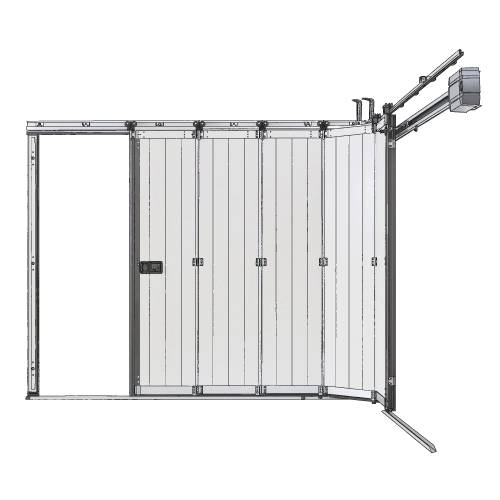
Slide-to-side doors operate by bending sideways and sitting along the interior garage wall. They’re a great choice for garages with limited headroom and offer a unique, smooth operating motion.
5. Tilt-Up Garage Doors (Canopy & Retractable)

Tilt-up doors are made of a single solid panel that lifts upward. Canopy styles tilt outward and extend beyond the garage when open, while retractable versions pull fully into the garage ceiling space. These are more common in older homes but are still available today.
6. Automation Compatibility
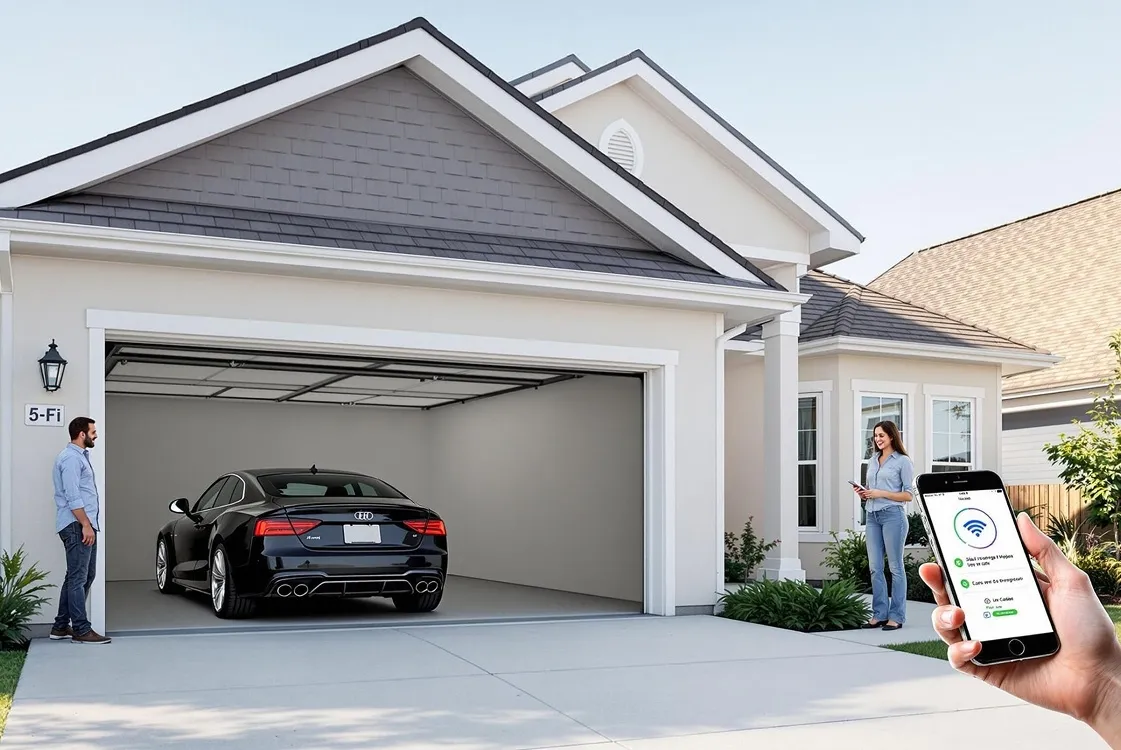
The good news is that most modern garage door types can be automated with the right opener, giving you the convenience of remote control, smart home features, and added security.
Related article: Types of Garage Doors
Garage Door Materials

Choosing the right material for your garage door is one of the most important decisions you’ll make. Each material offers a different mix of durability, maintenance, style, insulation, and cost.
| Material | Pros | Cons | Insulation (R-Value) | Cost Range (Installed) |
|---|
| Steel (24-gauge best) | Durable, low maintenance, many style options | Prone to dents | R-6 to R-20 | $1,100 – $10,000+ |
| Wood | Classic, high-end appearance | High maintenance, regular refinishing needed | R-1.2 to R-8 | $2,000 – $10,000+ |
| Fiberglass | Moisture and insect resistant, mimics wood | Can be brittle in single-layer designs | R-4 to R-16 | $1,200 – $4,000 |
| Aluminum & Glass | Modern look, natural light, rust-resistant | Fragile glass, lower insulation | R-2 to R-7.6 | $1,500 – $10,000+ |
| Composite Wood | Durable, rot-resistant, looks like wood | Cost can approach real wood | R-5 to R-8 | $1,200 – $5,000 |
| Vinyl (PVC) | Low maintenance, impact-resistant, UV-stable | Limited style options | R-4 to R-12 | $1,000 – $4,000 |
Insulation & Energy Efficiency
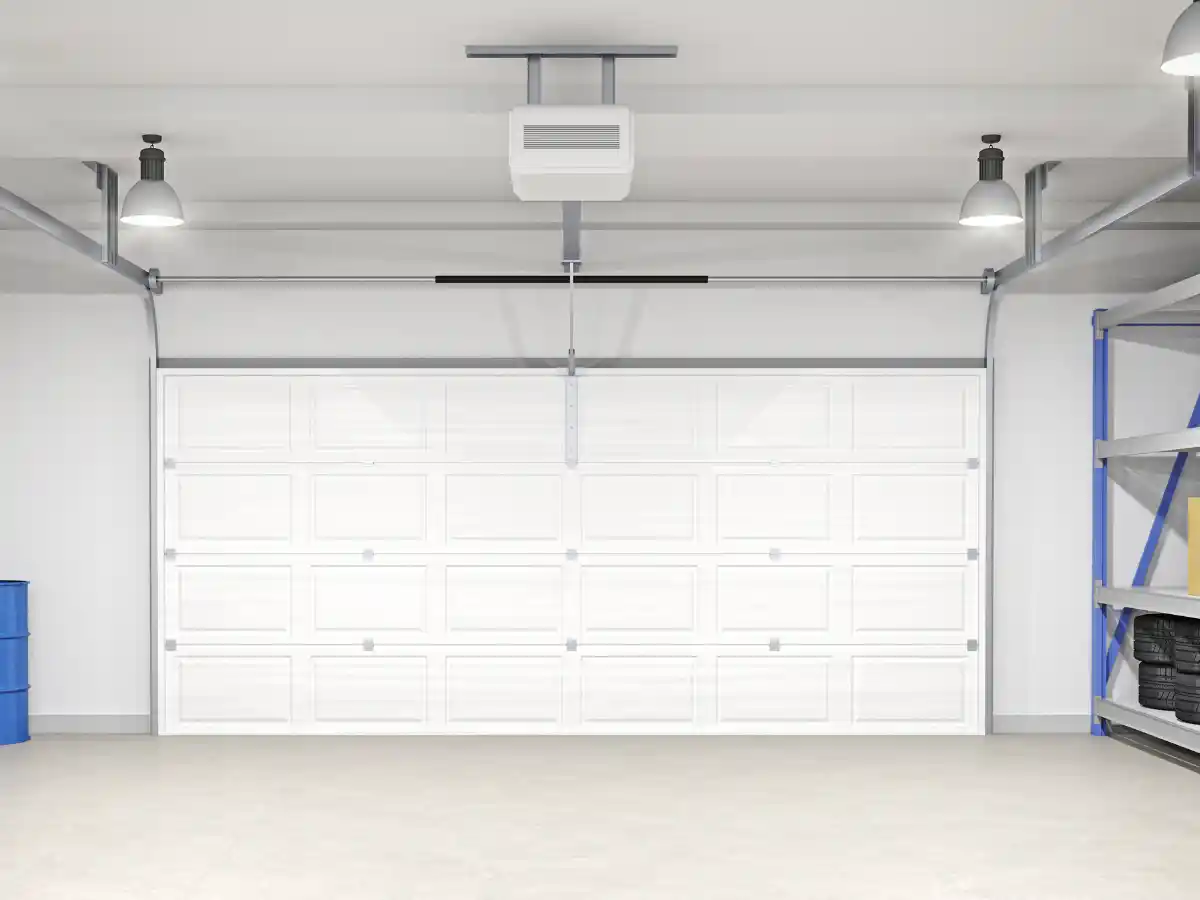
Insulation might not be the first thing you think about when buying a garage door, but it plays a huge role in your comfort, energy bills, and even how long your door lasts.
Why Insulation Matters
Comfort: A well-insulated garage door keeps your garage—and nearby rooms—warmer in the winter and cooler in the summer.
Noise Reduction: Insulated doors help block outside noise and reduce vibrations when the door opens or closes.
Durability: The insulation adds strength to the door panels, helping prevent dents and extending the life of the door.
Condensation Control: In cold climates, insulation helps prevent moisture from forming inside the garage and freezing.
Polystyrene vs. Polyurethane: What’s the Difference?

R-Value Guidelines (What You Actually Need)
R-3 or higher: Suitable for mild climates or detached garages.
R-10 or higher: Ideal for extreme climates or if the garage is attached to your home.
R-16 or higher: Best for workshops, home gyms, or garages used as living spaces year-round.
Don’t Forget Weather Seals
Insulation works best when combined with good weatherproofing. Look for:
Bottom Seal: Keeps water, dirt, and drafts out.
Gaskets Between Panels: Help prevent air leaks between door sections.
Perimeter Weatherstripping: Seals the edges where the door meets the frame.
Garage Door Styles & Designs
Your garage door isn’t just functional — it’s a big part of your home’s curb appeal. Choosing the right style can help your garage door blend in or stand out, depending on the look you want.
Popular Garage Door Styles
1. Traditional Raised Panel

The most classic look, with symmetrical rectangular panels. This style works well on a wide variety of home types, from suburban to colonial.
2. Carriage House (Farmhouse/Rustic)
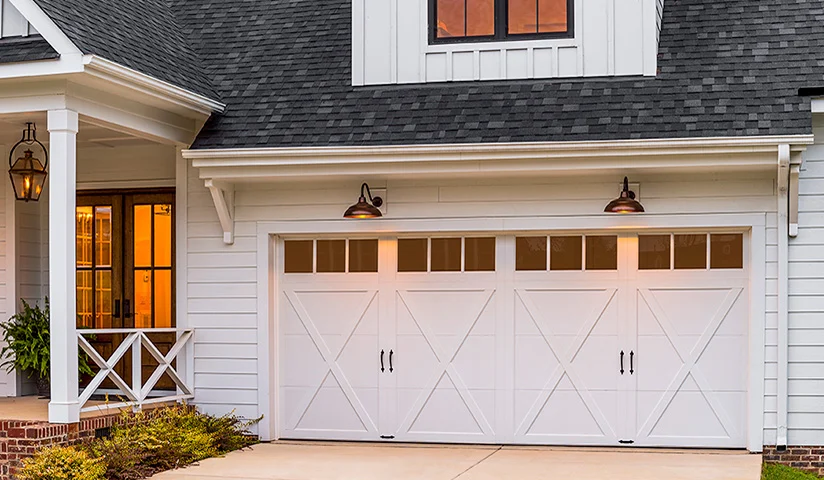
Inspired by old barn doors, these often feature decorative handles and cross beams. Perfect for farmhouse, rustic, or Victorian-style homes.
3. Flush Panels (Modern/Minimal)

Flat, clean surfaces with minimal texture. Ideal for modern, contemporary, or mid-century style homes that favor simplicity and sleek lines.
4. Contemporary (Glass-heavy, Clean Lines)

Often feature large glass panels with aluminum frames. Great for modern architecture, letting in natural light while offering a bold, upscale look.
5. Mediterranean (Arches, Decorative Hardware)

Curved tops and iron-style hardware pair well with Spanish or Mediterranean-style homes.
6. Craftsman/Bungalow
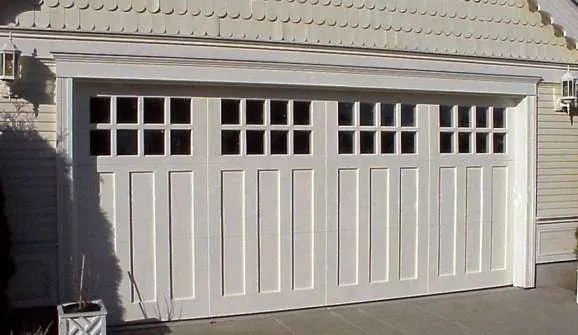
Simple, clean lines with optional windows along the top panel. Matches beautifully with Craftsman, cottage, and bungalow designs.
Customization Options
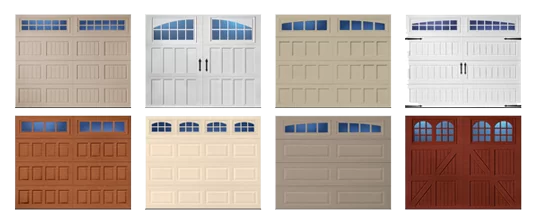
Colors
Many manufacturers offer a wide range of colors, from classic whites and browns to bold hues like blue, green, and deep red.
You can match your garage door to your home’s exterior or create contrast for extra visual interest.
Decorative Hardware
Hinges, handles, and accent pieces can give even a new garage door a timeless, classic feel.
Hardware is especially popular for carriage house and rustic designs.
Window Designs
Add windows to bring in natural light and break up large garage door surfaces.
Options include basic rectangles, sunburst patterns, or custom shapes.
Privacy glass options like frosted or tinted glass allow light in while keeping your garage contents private.
Spring Systems: Extension vs Torsion

While garage door springs aren’t something you see, they do all the heavy lifting every time you open and close the door. Choosing the right spring system makes a big difference in how long your door lasts and how smoothly it operates.
Torsion Springs
Longer Lifespan: Typically rated for up to 20,000 cycles, which can last many years even with daily use.
Smoother Operation: Torsion springs wind and unwind to lift the door evenly, resulting in quieter, more balanced movement.
Safer Design: Because they’re mounted above the door and enclosed on a shaft, they’re generally safer than extension springs.
Higher Initial Cost: They cost a bit more upfront but save money over time with fewer repairs.
Extension Springs
Lower Cost: Extension springs are more budget-friendly to install.
Higher Maintenance: They stretch and contract with each use, which puts more strain on the system and requires more frequent adjustments or replacement.
Shorter Lifespan: Usually rated for around 10,000 cycles.
More Risk: Since they stretch along the sides of the tracks, a broken spring can be dangerous if safety cables aren’t installed.
Quick Tip:
If your budget allows, torsion springs are almost always the better long-term investment for safety, durability, and performance.
Quiet Garage Door Features (Noise Control Tips)

No one wants a garage door that wakes up the whole house every time it opens. Luckily, there are several features that can help keep your garage door running quietly and smoothly.
Polyurethane Insulation Reduces Vibration
Insulated doors don’t just help with energy efficiency — they also absorb vibrations that would otherwise travel through the door panels and into your home. Polyurethane insulation is especially effective at keeping noise levels down.
Nylon Rollers Are Quieter Than Metal
The rollers that glide along the tracks can make a big difference in how noisy your door is. Nylon rollers are much quieter and smoother than traditional metal ones. They also last longer and require less maintenance.
Belt-Drive Openers Are the Quietest
If you’re getting a new opener, consider a belt-drive system. These use a rubber or reinforced belt instead of a metal chain, which greatly reduces noise and creates a smoother opening and closing motion — perfect for attached garages or bedrooms located above the garage.
Regular Maintenance Matters
Keeping your garage door well-lubricated and properly adjusted can also help reduce noise over time. A little preventive care goes a long way in keeping things quiet.
Safety Features to Look For

Garage doors are heavy, and safety is a top priority — especially if you have kids, pets, or frequent foot traffic near your garage. Thankfully, modern garage doors come with built-in safety features to help prevent accidents.
Auto-Reverse Sensors
Since 1993, auto-reverse systems have been federally required on all garage door openers. These sensors detect objects, people, or pets in the door’s path. If something blocks the door while it’s closing, the system automatically stops and reverses the door to prevent injury or damage.
Pinch-Resistant Panels
Many newer garage doors feature pinch-resistant designs that help keep fingers safe. The edges of these panels are shaped to push fingers out of harm’s way as the door closes, reducing the risk of accidental injury.
Manual Release for Power Failures
If your home loses power, you’ll still need a way to open or close your garage. A manual release feature lets you disengage the door from the opener, allowing you to operate it by hand until power is restored.
Installation: DIY vs Professional
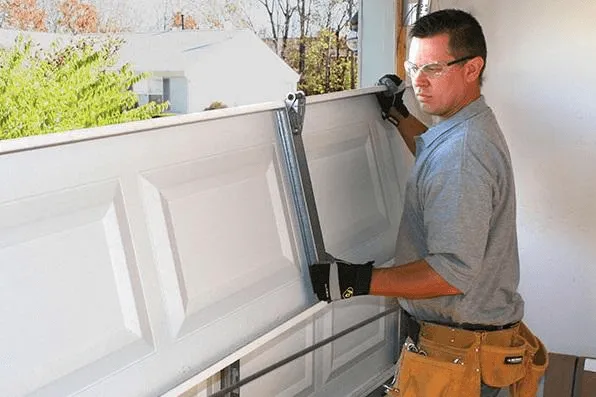
Once you’ve picked out your perfect garage door, it’s time to think about installation. While some homeowners consider doing it themselves, garage door installation is often best left to the pros.
DIY Installation
Time Commitment: Plan for 8 to 12 hours of work, even for experienced DIYers.
Tools Required: You’ll need special tools like spring winding bars, C-clamps, socket wrenches, and safety gear.
Higher Risk: Handling garage door springs can be dangerous if you don’t know exactly what you’re doing. Improper installation can lead to serious injury or property damage.
Complex Assembly: Many small parts, measurements, and adjustments are involved to ensure the door operates smoothly and safely.
Professional Installation
Faster & Safer: A trained installer can usually complete the job in about 3 hours.
Old Door Removal: Most pros will haul away your old door and ensure proper disposal.
Precision Tensioning: Professionals know how to correctly adjust springs, tracks, and openers to ensure smooth, safe operation.
Peace of Mind: You’ll have someone to call if issues arise later on.
Important Tip:
Avoid mixing parts from different brands. Using incompatible parts can lead to malfunctions, safety issues, and may even void your manufacturer’s warranty.
Garage Door Opener Options
Your garage door opener plays a big role in how smoothly (and quietly) your door operates. Let’s break down the three most common types so you can pick the one that fits your needs best.
Belt-Drive Openers: Quietest Option

If you want your garage door to open with barely a sound, belt-drive openers are your best bet. They use a rubber or reinforced belt instead of a metal chain, which means:
Ultra-quiet operation — perfect for attached garages or bedrooms nearby.
Smooth, vibration-free movement.
Slightly higher upfront cost, but worth it for the noise reduction.
Chain-Drive Openers: Budget-Friendly
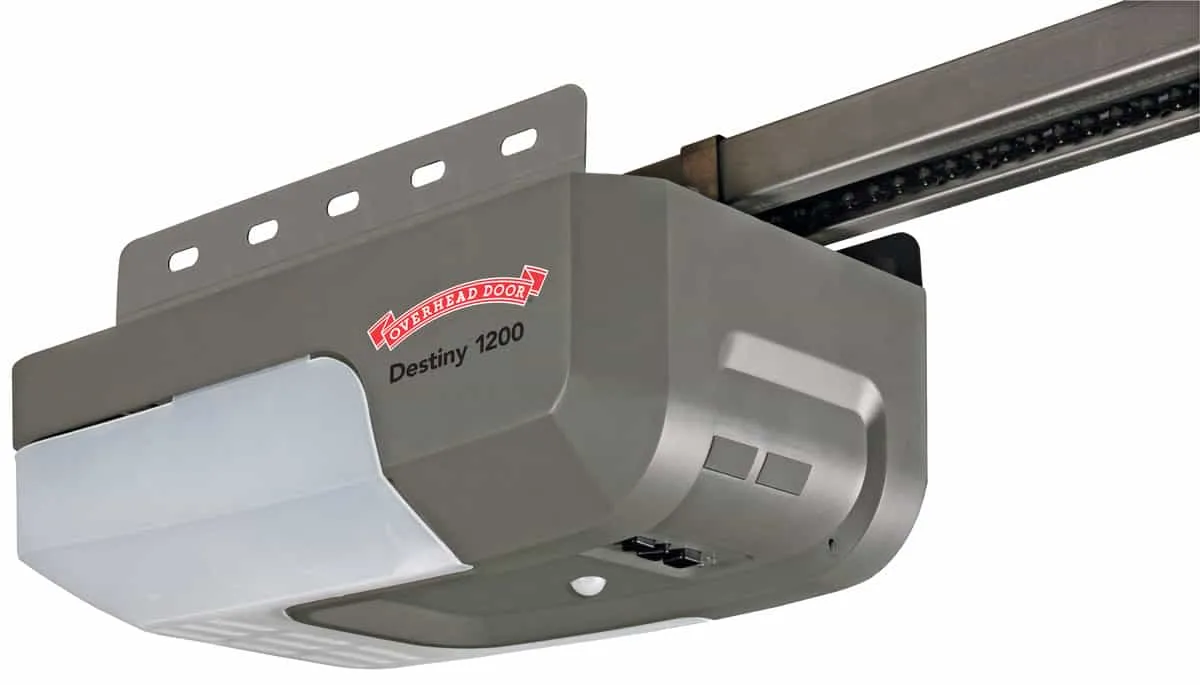
Chain-drive openers are the most common and affordable option. They use a metal chain to lift and lower the door. While reliable and strong, they do have a few trade-offs:
Louder operation due to metal-on-metal movement.
Good for detached garages where noise isn’t a big concern.
Typically lower cost than belt or direct-drive models.
Direct-Drive Openers: Quiet & Durable
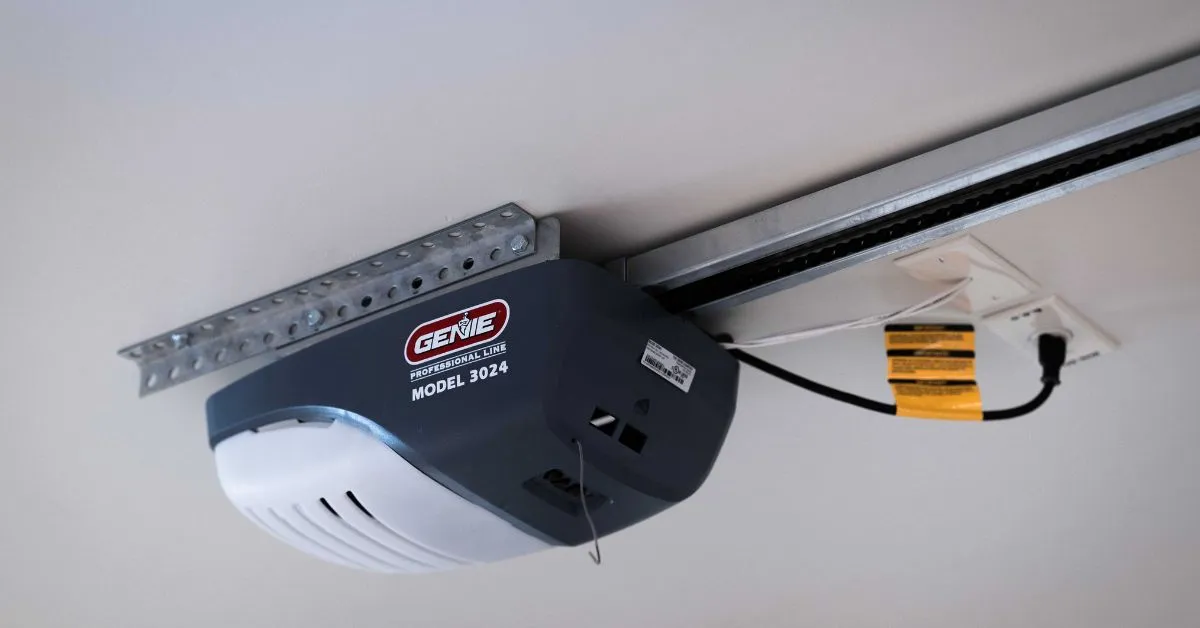
Direct-drive openers are growing in popularity for their simple, long-lasting design:
Use one moving part (the motor itself moves the door).
Very quiet, with minimal vibrations.
Known for long-term durability and low maintenance.
Often priced between chain- and belt-drive models.
Cost Breakdown & Budgeting
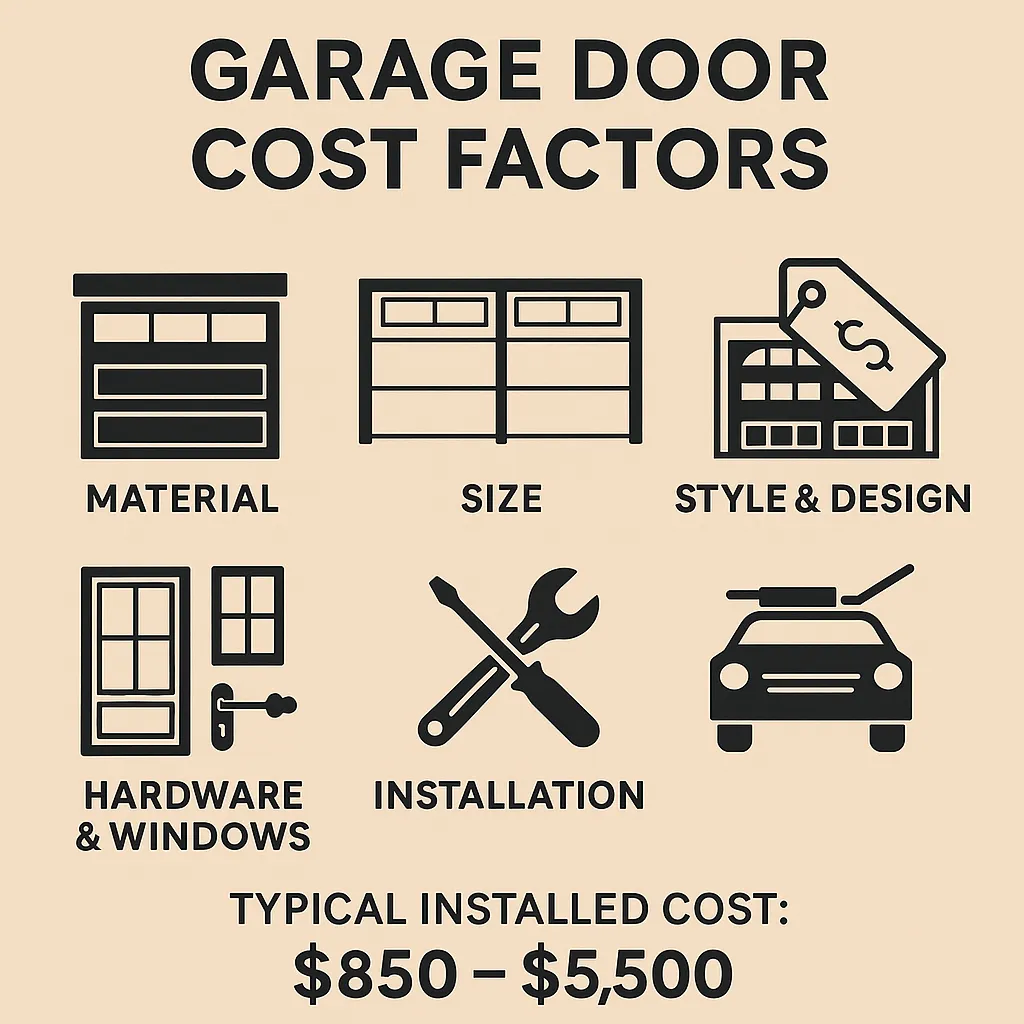
Garage doors come in a wide range of prices, depending on the features and options you choose. Understanding what affects the cost can help you plan your budget more confidently.
What Affects the Price?
Several factors work together to determine the total cost of your new garage door:
Material: Steel is usually the most affordable. Wood, composite, and custom materials cost more.
Size: Larger doors (like double-car doors) cost more than single-car doors.
Insulation: Higher R-values mean better insulation, but also a higher price tag.
Style & Design: Decorative panels, custom finishes, and unique designs can increase costs.
Brand: Premium brands often carry higher prices but may offer better warranties and build quality.
Hardware & Windows: Adding windows, decorative hardware, or specialty glass raises the price.
Installation: Professional installation adds to the upfront cost but ensures safe, proper setup.
General Price Range
Typical installed cost: $850 – $5,500
Custom or high-end doors: $3,000 and up
While it may be tempting to go for the cheapest option, investing in a quality door often means better durability, improved energy efficiency, and fewer repairs down the road — which can save you money over time.
Curb Appeal & Home Value Tips
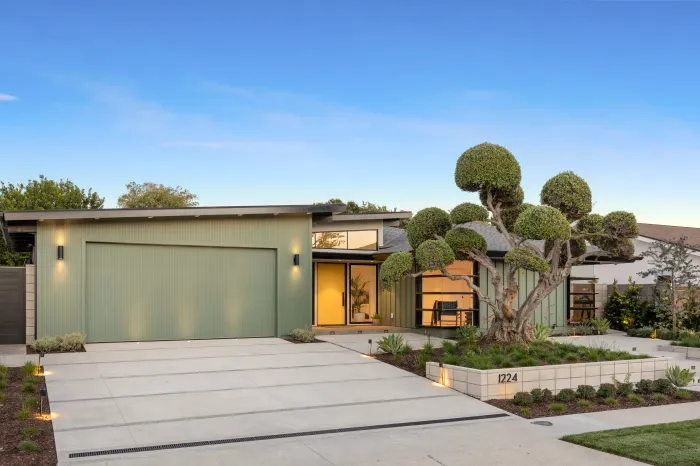
Your garage door has a bigger impact on your home’s appearance than you might think. Since it often takes up a large portion of your home’s front, even small design choices can make a big difference in how your house looks from the street.
Match the Door to Your Home’s Style
Pick a garage door design that complements your home’s architecture. For example:
Traditional raised panels for colonial or classic suburban homes.
Carriage house doors for farmhouse or rustic styles.
Contemporary glass panels for modern or mid-century homes.
Craftsman styles for bungalows and cottages.
Use Details to Boost Curb Appeal
Small upgrades can make your garage door pop:
Colors: Choose a bold contrast or match your home’s trim for a seamless look.
Windows: Add natural light and break up large door surfaces.
Decorative Hardware: Hinges, handles, and straps give extra character, especially for carriage-style doors.
Lighting: Well-placed exterior lights can highlight your garage door at night and add a welcoming glow.
Garage Doors Deliver Excellent ROI
Replacing your garage door is one of the best investments you can make for your home’s value. Studies show it can provide one of the highest returns on investment (ROI) of any home improvement project — often over 90%, and sometimes even higher.
Garage Door Buying Checklist
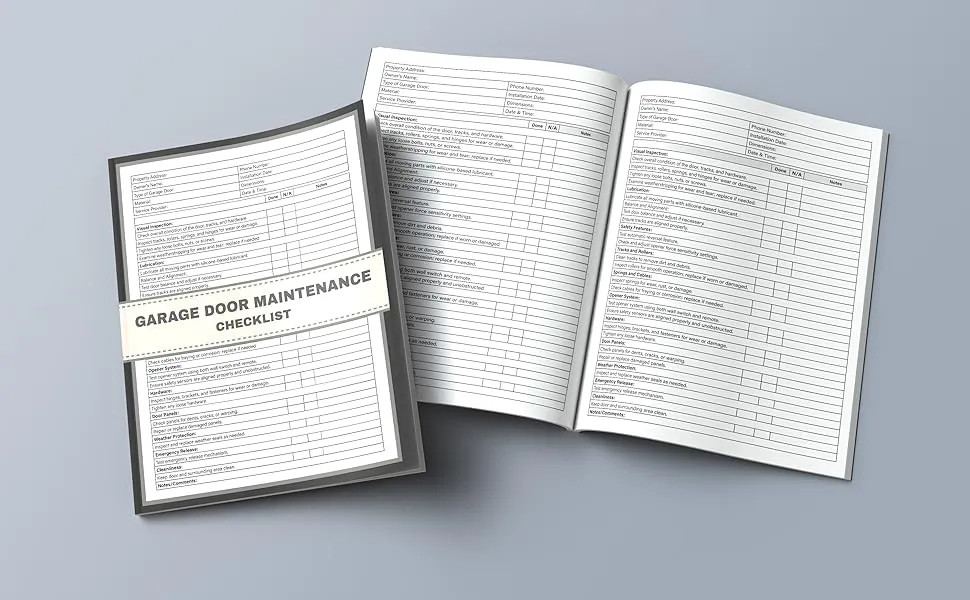
Before you make your final decision, here’s a simple checklist to help you stay on track and choose the best garage door for your home:
✅ Get Professional Measurements
Confirm width, height, sideroom, headroom, and backroom.
✅ Choose Your Door Type
Sectional, roll-up, side-hinged, slide-to-side, or tilt-up.
✅ Pick the Right Material
Steel, wood, fiberglass, aluminum & glass, composite, or vinyl.
✅ Decide on Insulation Level
✅ Select Your Style & Design
Raised panel, carriage house, modern, or custom.
Don’t forget windows, colors, and decorative hardware.
✅ Consider Noise Control
✅ Review Safety Features
✅ Pick Your Opener Type
✅ Set Your Budget
✅ Decide on Installation
By following this checklist, you’ll feel confident you’ve chosen a garage door that fits your home, your budget, and your long-term needs.
Need Help Choosing the Perfect Garage Door?

Still not sure which garage door is the right fit for your home? We’re here to help! Whether you need expert advice, want to explore our full catalog, or are looking for a fully custom design, our team is ready to guide you every step of the way.
Contact us today to speak with a garage door specialist and start designing a door that fits your home, your style, and your budget.
FAQs About Buying Garage Doors