













Standard Front Door Sizes

Let’s start with the basics. If you’re searching for front door sizes, you probably want a clear answer: What is standard, and what are my options?
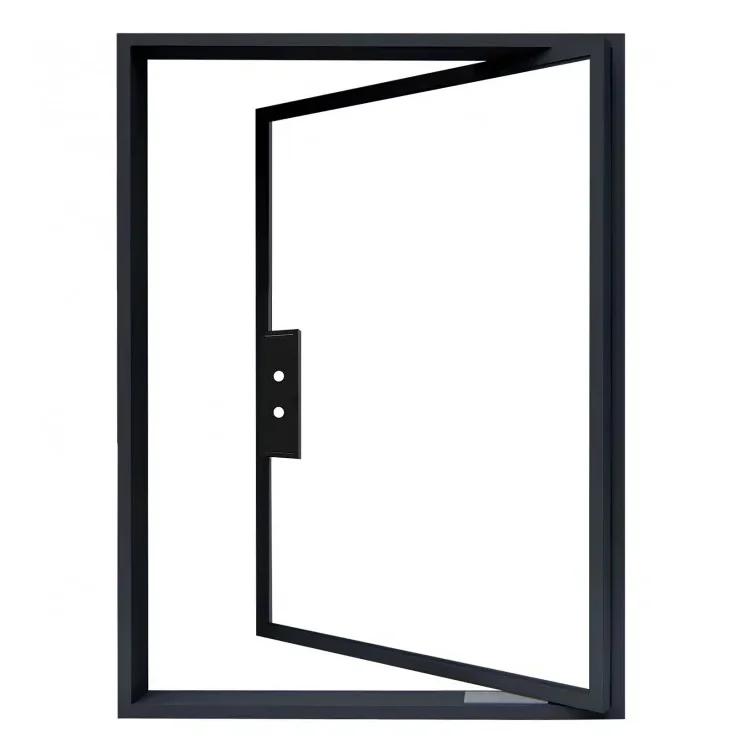
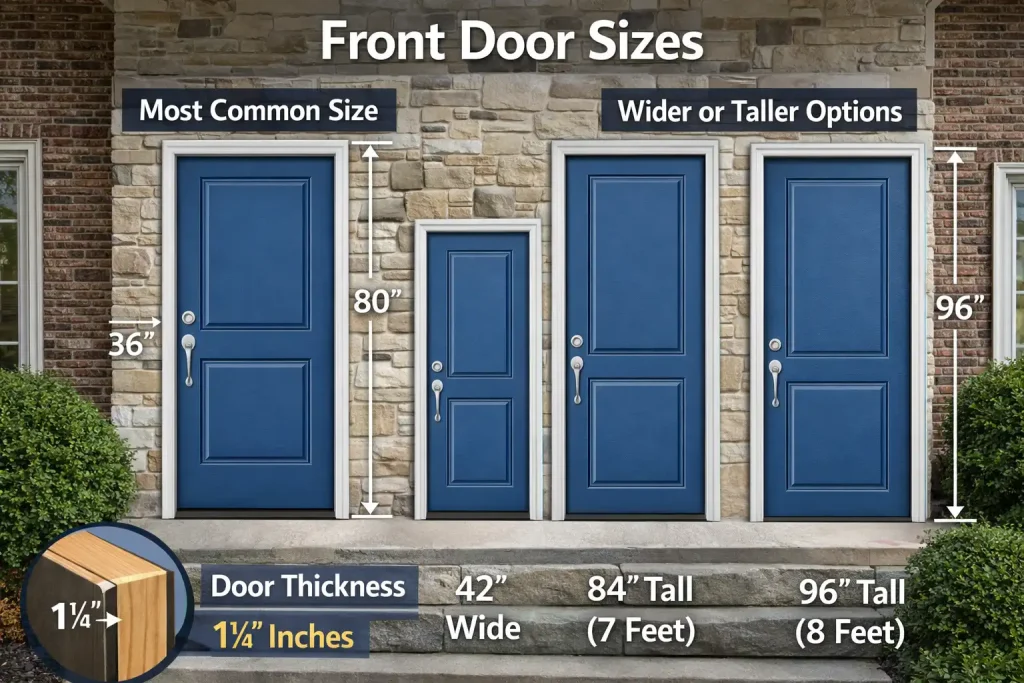
Most homes use a standard single front door size of 36” × 80” (about 915 × 2032 mm). This size works well for daily use, moving furniture, and meeting accessibility needs.
But that’s not the only option.
Typical Single Front Door Measurements
Here are the most common standard sizes:
Width: 30”, 32”, or 36” (762 mm, 813 mm, 915 mm)
Height: 80” (2032 mm) is most common
Thickness: 1-3/4” (44 mm) for exterior doors
Among these, 36” × 80” (915 × 2032 mm) is the most popular front entry door size because it offers comfortable clearance and strong curb appeal.
Common Front Door Height Ranges
While 80” (2032 mm) is the industry standard height, taller doors are becoming more popular in modern homes.
Common height options include:
80” (2032 mm) – Standard height
84” (2134 mm) – Slightly taller appearance
96” (2438 mm) – Modern, luxury entry look
Taller doors create a dramatic entry and make ceilings feel higher. However, they require proper framing and a larger rough opening.
Width Variations Based on Design
Front doors can also vary in width depending on the home’s design and entry space:
30” (762 mm) – Compact entryways
32” (813 mm) – Mid-range standard
36” (915 mm) – Most common and preferred
42”+ (1067 mm+) – Statement entrances
Wider doors improve accessibility and make moving large furniture easier. They also create a stronger visual impact from the street.
Size Ranges for Double and Wide Entry Doors
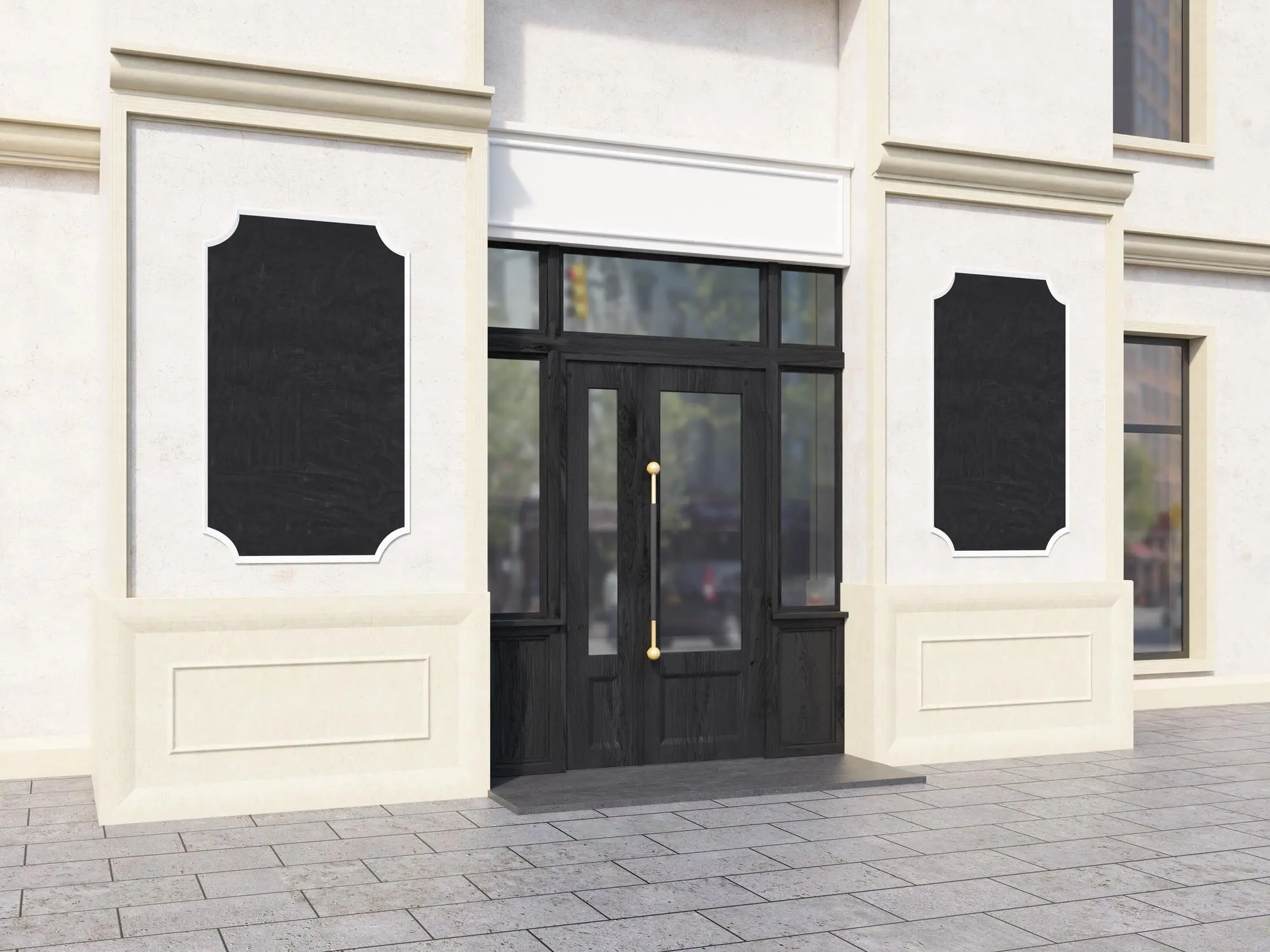
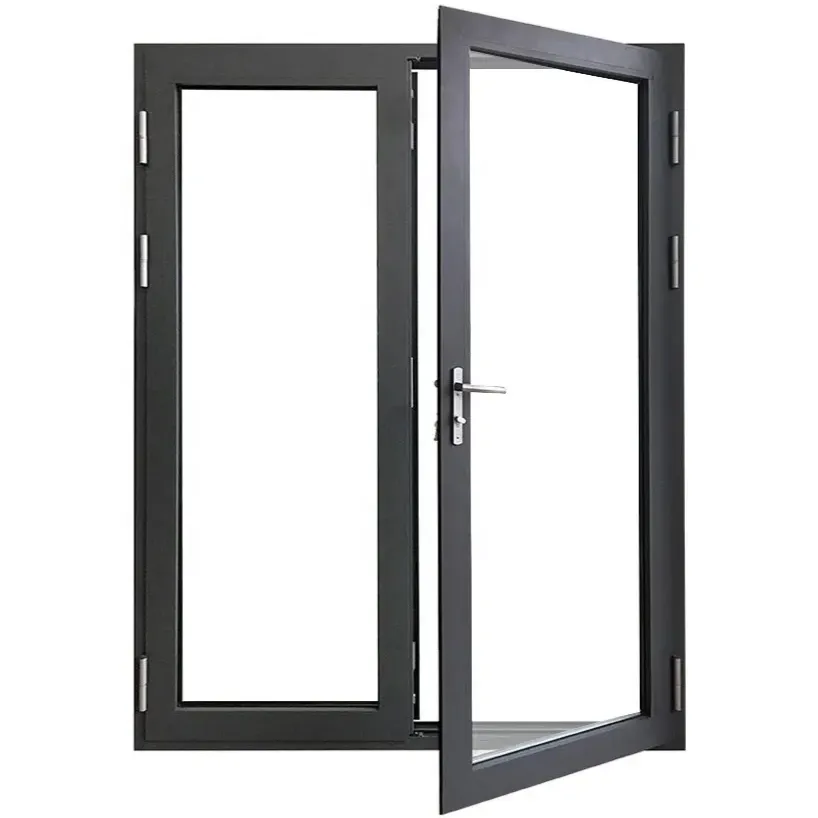
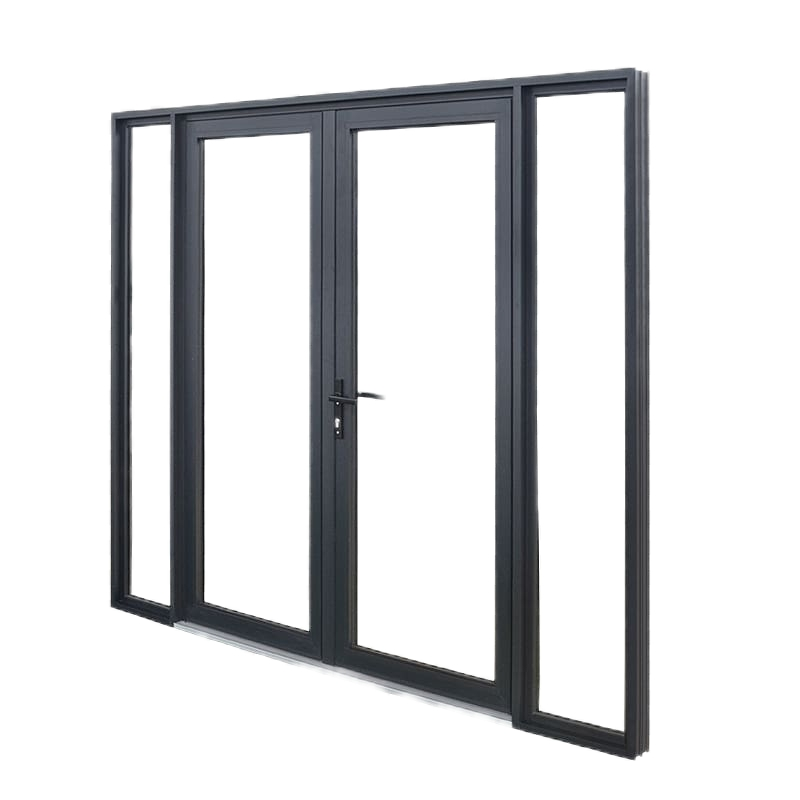
If you want a grand entrance, double doors are a great choice.
Instead of one wide slab, you get two doors that meet in the center.
Typical Double Front Door Sizes
60” × 80” (1524 × 2032 mm)
64” × 80” (1626 × 2032 mm)
72” × 80” (1829 × 2032 mm)
Each individual door panel is usually 30” or 36” wide.
For taller homes, you may also see:
Double 96” height doors (2438 mm tall)
Double doors provide:
Easier furniture movement
Improved airflow
Strong architectural presence
They require reinforced framing because of the wider opening.
Materials and Typical Size Considerations
| Material | Typical Sizes | Thickness | Size Flexibility | Structural Considerations | Key Benefits |
|---|---|---|---|---|---|
| Wood | Widths: 30”, 32”, 36” Custom widths available Heights: 80”–96”+ | 1-3/4” standard 2-1/4” premium | Highly customizable Arched & oversized options Flexible carvings & panels | Heavier weight Strong hinges required Reinforced jambs Proper sealing needed | Classic appearance Premium feel Best for custom projects |
| Fiberglass | Widths: 30”–45” Heights: 80” or 96” | 1-3/4” | Moderate flexibility Stable core structure Suitable for larger doors | Lightweight Minimal structural upgrades | Energy efficient Low maintenance Weather resistant |
| Steel | Widths: 30”, 32”, 36” Height: 80” | 1-3/4” | Mostly standard sizes Limited custom options | Heavier than fiberglass Reinforced frames Strong hinges Anti-corrosion sealing | High security Strong impact resistance Durable structure |
Door material affects not just style—but also available sizes, thickness, and structural requirements.
Let’s break down the most common materials.
1. Wood Front Doors

Wood doors offer a classic and warm look. They are also the most flexible when it comes to size.
Typical Wood Door Sizes
Standard widths: 30”, 32”, 36”
Custom widths: Available
Heights: 80” to 96” or more
Thickness: 1-3/4” (standard), 2-1/4” for premium builds
Why Wood Allows Custom Sizes
Wood is easy to mill and shape. That means:
Custom heights and widths are possible
Oversized or arched doors are easier to produce
Decorative carvings and panel layouts are flexible
However, wood doors are heavier and may require:
Stronger hinges
Reinforced jambs
Proper sealing to prevent warping
They are ideal if you want a custom-sized entry door with a traditional look.
2. Fiberglass Front Doors
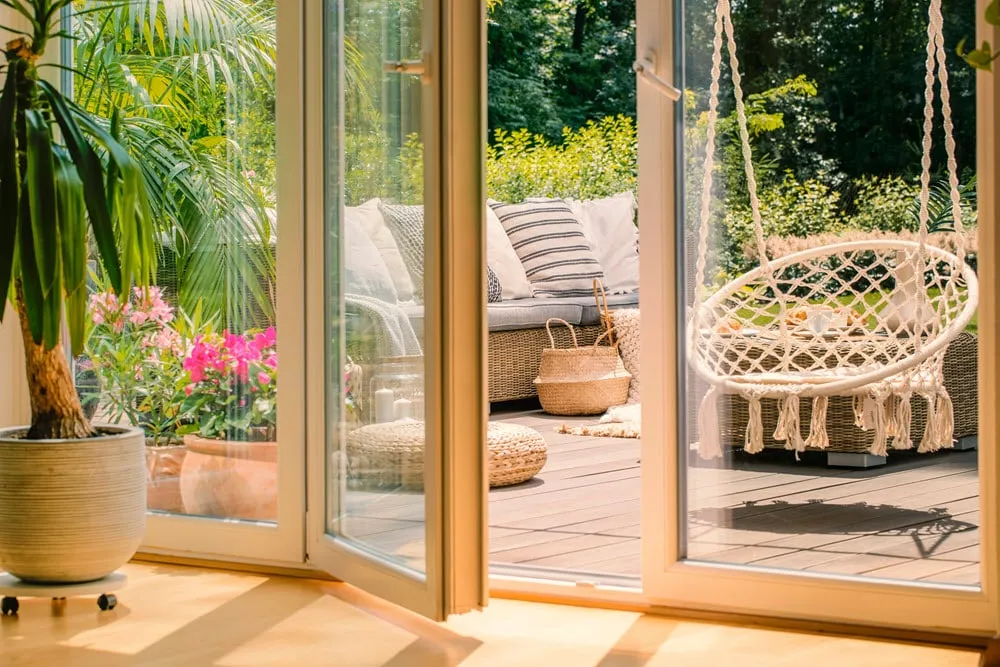
Fiberglass doors are one of the most popular modern choices. They combine durability with good insulation.
Typical Fiberglass Door Sizes
Width range: 30” to 45”
Standard height: 80” or 96”
Thickness: 1-3/4”
Fiberglass doors are often available in standard sizes, but some manufacturers offer wider or taller options.
Why Fiberglass Is Size-Flexible
Lightweight compared to wood
Strong internal core construction
Resistant to expansion and contraction
This makes them ideal for larger doors without heavy structural upgrades.
They are also:
Energy efficient
Low maintenance
Weather resistant
If you want standard sizing with better insulation, fiberglass is a smart option.
3. Steel Front Doors
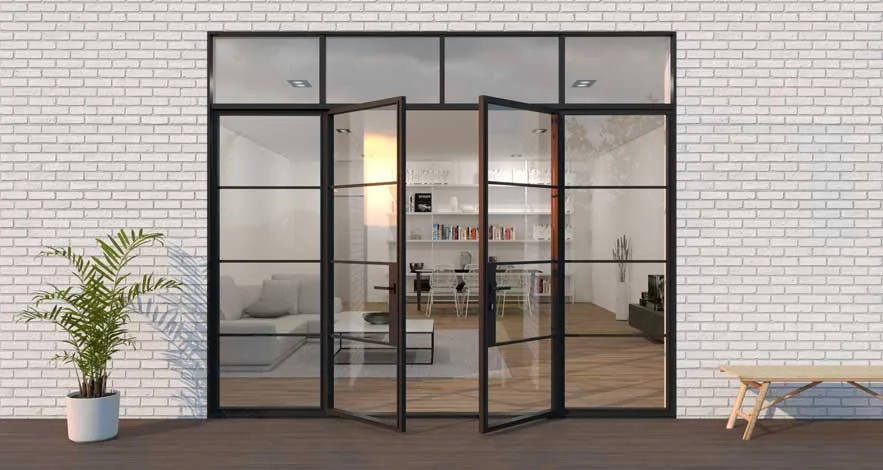
Steel doors are known for security and strength.
Typical Steel Door Sizes
30”, 32”, 36” widths
80” standard height
1-3/4” thickness
Custom steel doors are less common than wood because steel panels are factory-formed.
Performance Benefits of Steel Doors
High security
Strong impact resistance
Stable structure
However, steel doors are heavier than fiberglass and may require:
Reinforced frames
Strong hinges
Proper sealing to prevent corrosion
They work best when you want durability and security in standard front door sizes.
Choosing the Right Front Door Size
To choose the right size, ask yourself:
Do I need better accessibility?
Do I want a taller, modern look?
Is this a replacement or new construction?
What material fits my climate and budget?
The most common answer for many homes is still 36” × 80” (915 × 2032 mm). But modern design trends are pushing toward taller and wider entry doors.
Key Factors That Affect Front Door Sizes

Choosing the right front door size is not just about looks. Several practical factors affect what size will work for your home. Before ordering a new entry door, consider these key points:
Rough opening size – The wall opening must match the door frame, not just the door slab.
Home design style – Modern homes often use taller (8 ft / 96”) doors for a bold look.
Accessibility needs – Wider doors (36” or more) improve comfort and wheelchair access.
Building structure – Load-bearing walls may limit how wide you can expand the opening.
Door material – Wood allows more custom sizing, while steel often follows standard dimensions.
Energy efficiency goals – Larger doors need proper insulation and weather sealing.
Local building codes – Minimum width and height rules may apply.
Budget considerations – Custom or oversized doors increase material and installation costs.
Understanding these factors helps you choose a front door size that fits structurally, functionally, and visually.






One Response
Thanks for sharing this useful content. Many people underestimate the benefits of UPVC doors. Casement doors, in particular, offer good ventilation and security. It’s great to see manufacturers focusing on quality materials and smooth operation.