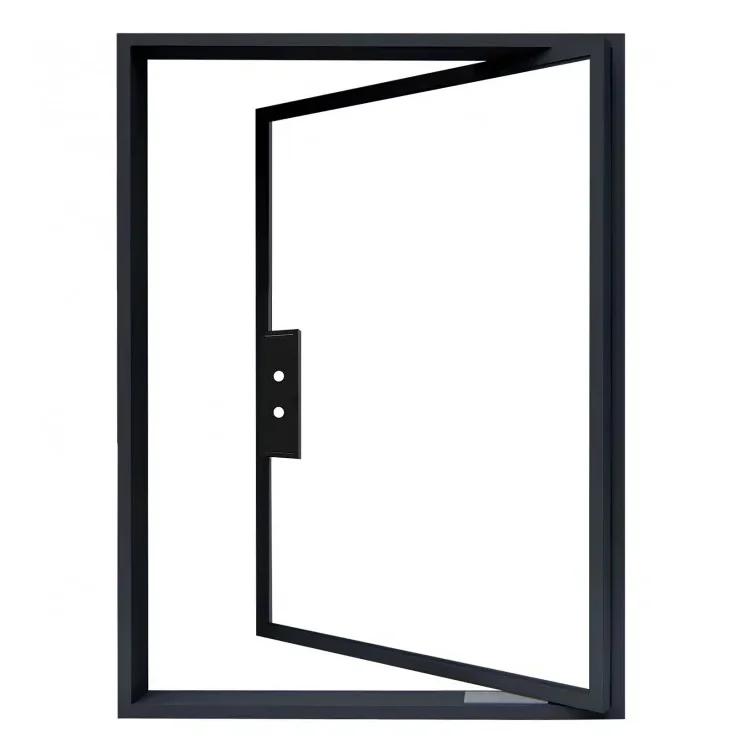
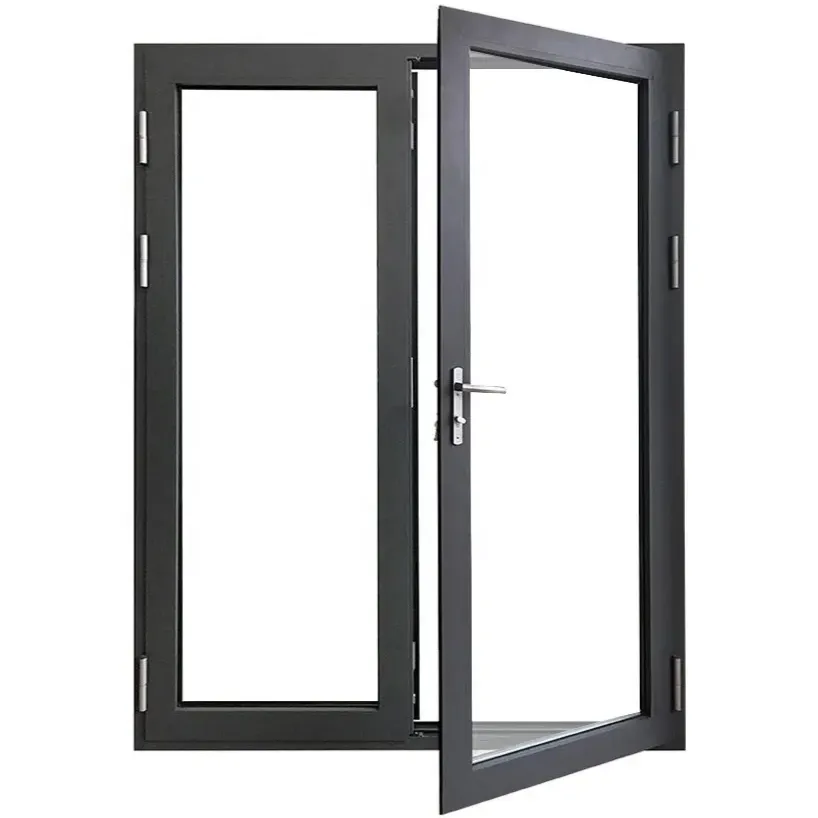
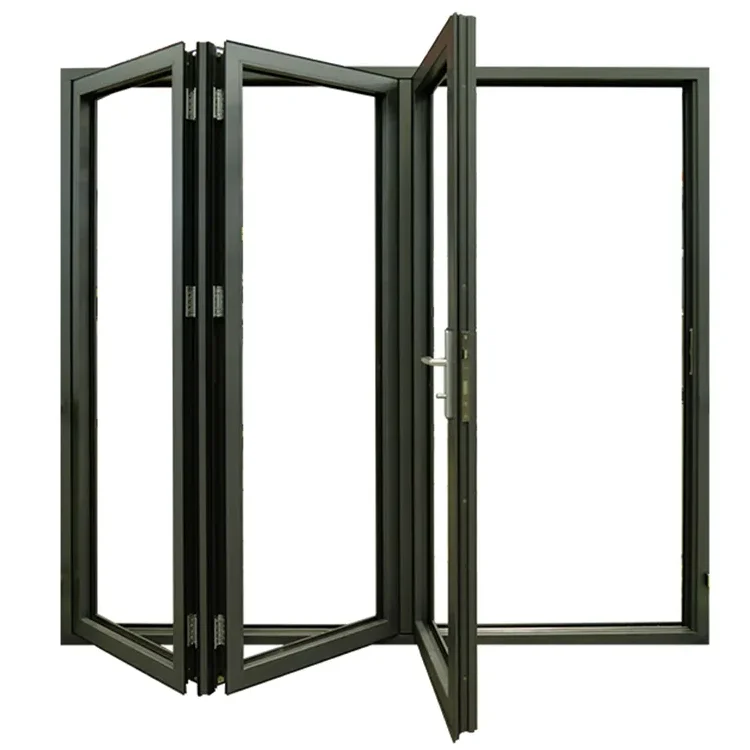
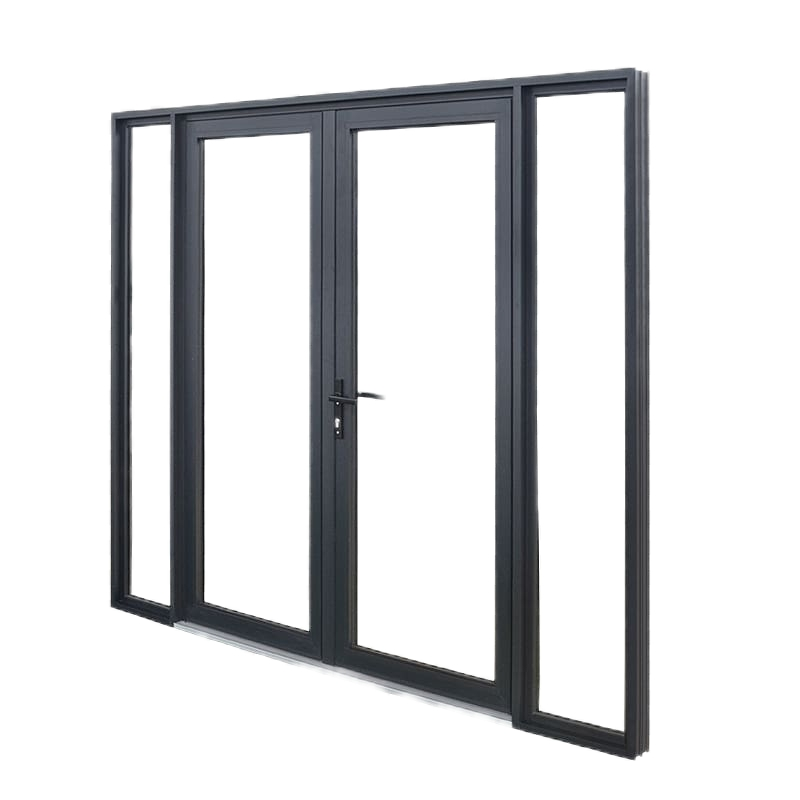
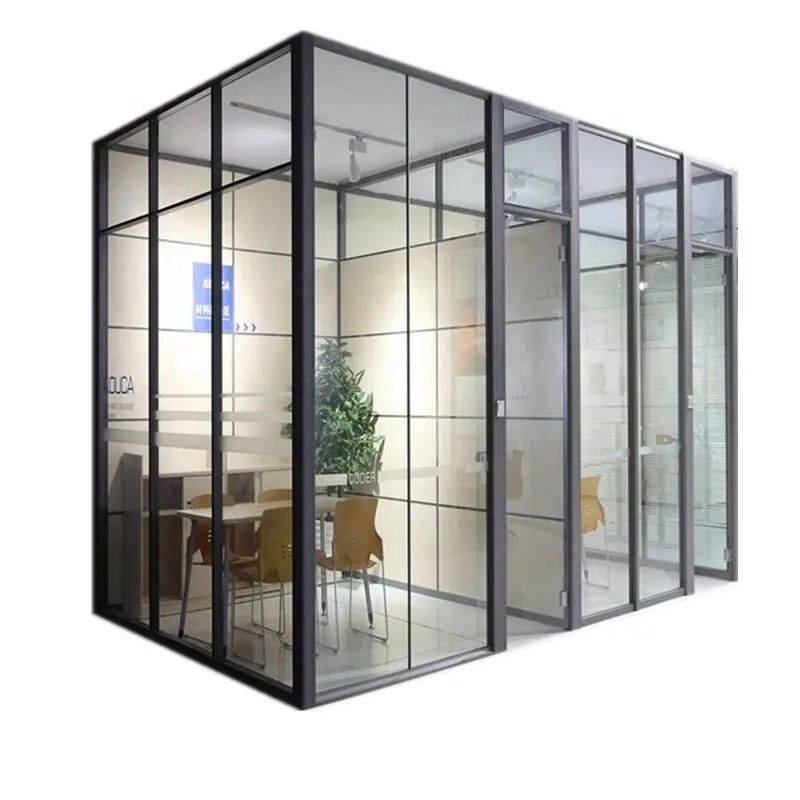
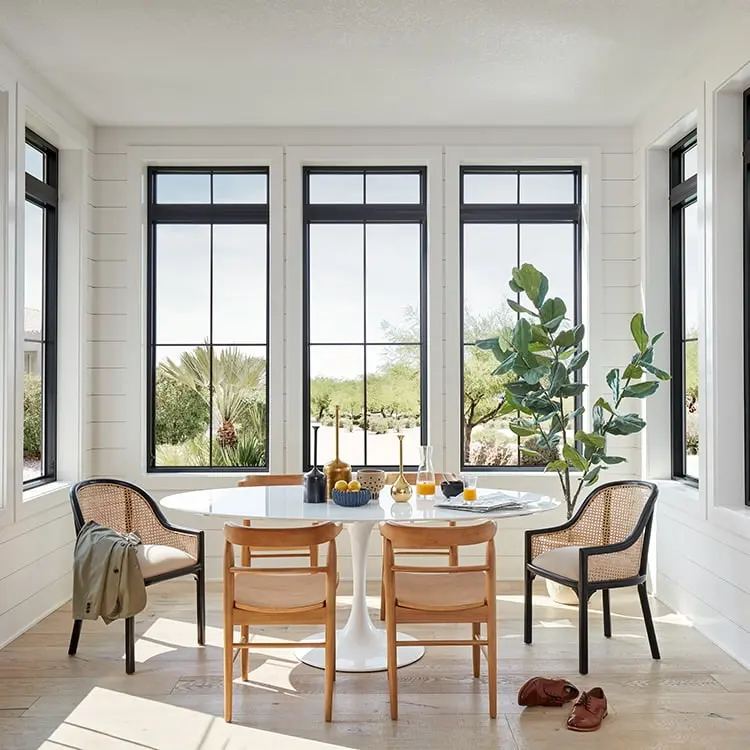
When it comes to choosing doors for your home or office, you’ll likely come across two popular options: panel doors and flush doors. At first glance, they might seem pretty similar — after all, a door is just a door, right? But once you start looking closer, you’ll see they offer very different designs, features, and price points.

The right door does much more than just separate one room from another. It adds to your home’s style, improves functionality, and even helps manage your budget. Whether you’re remodeling your house, building a new space, or simply replacing old doors, understanding the differences between flush and panel doors can help you make a smart, long-lasting choice.
What Is a Flush Door?
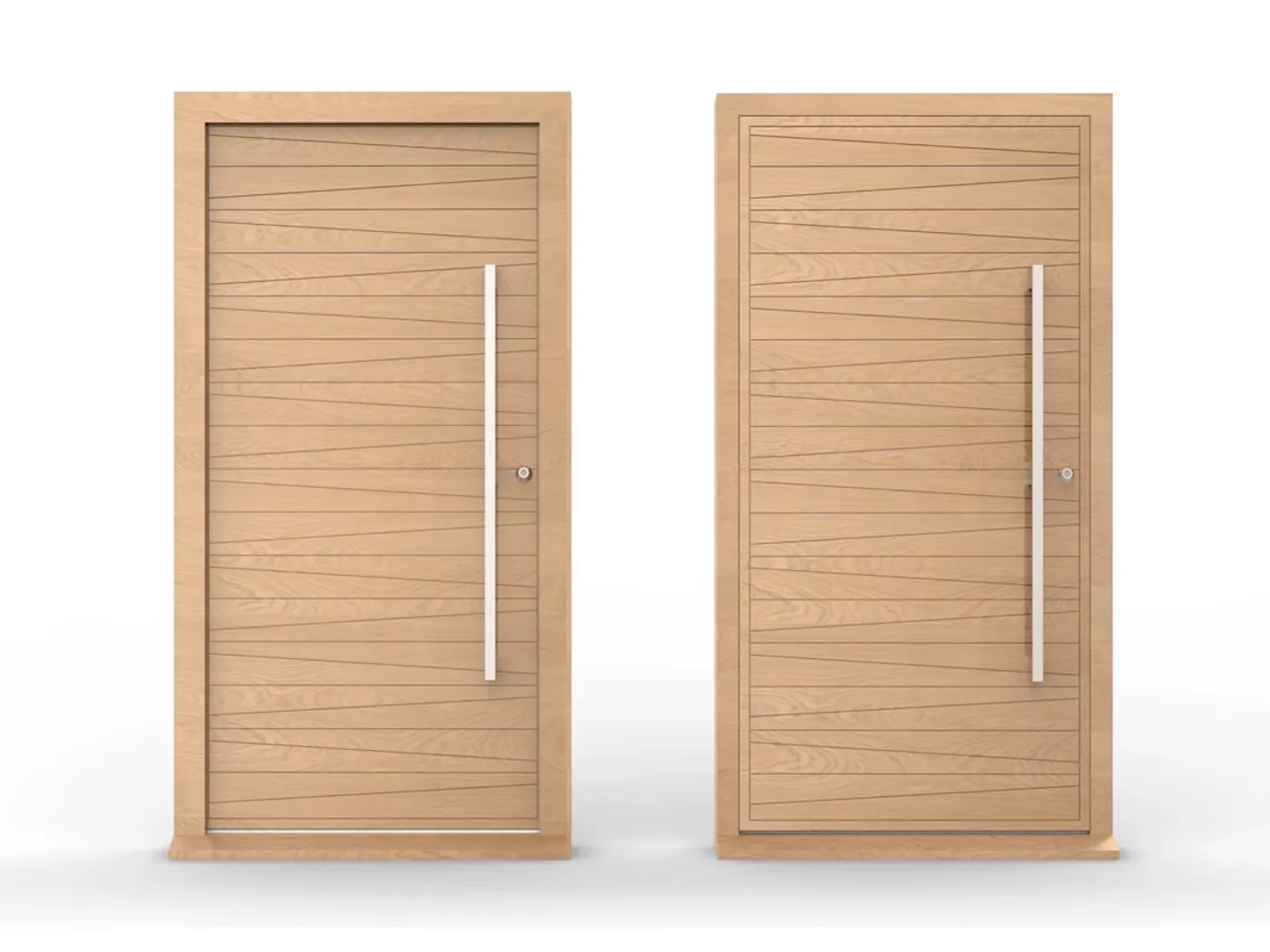
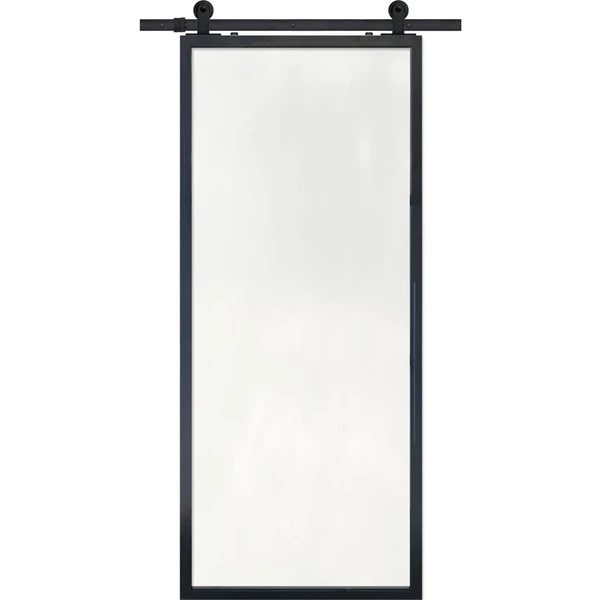
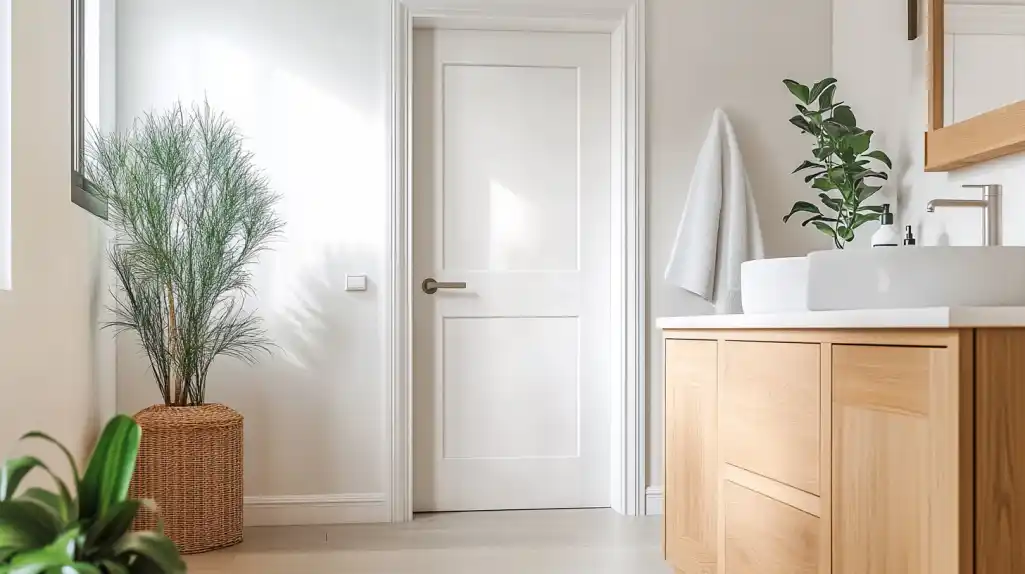
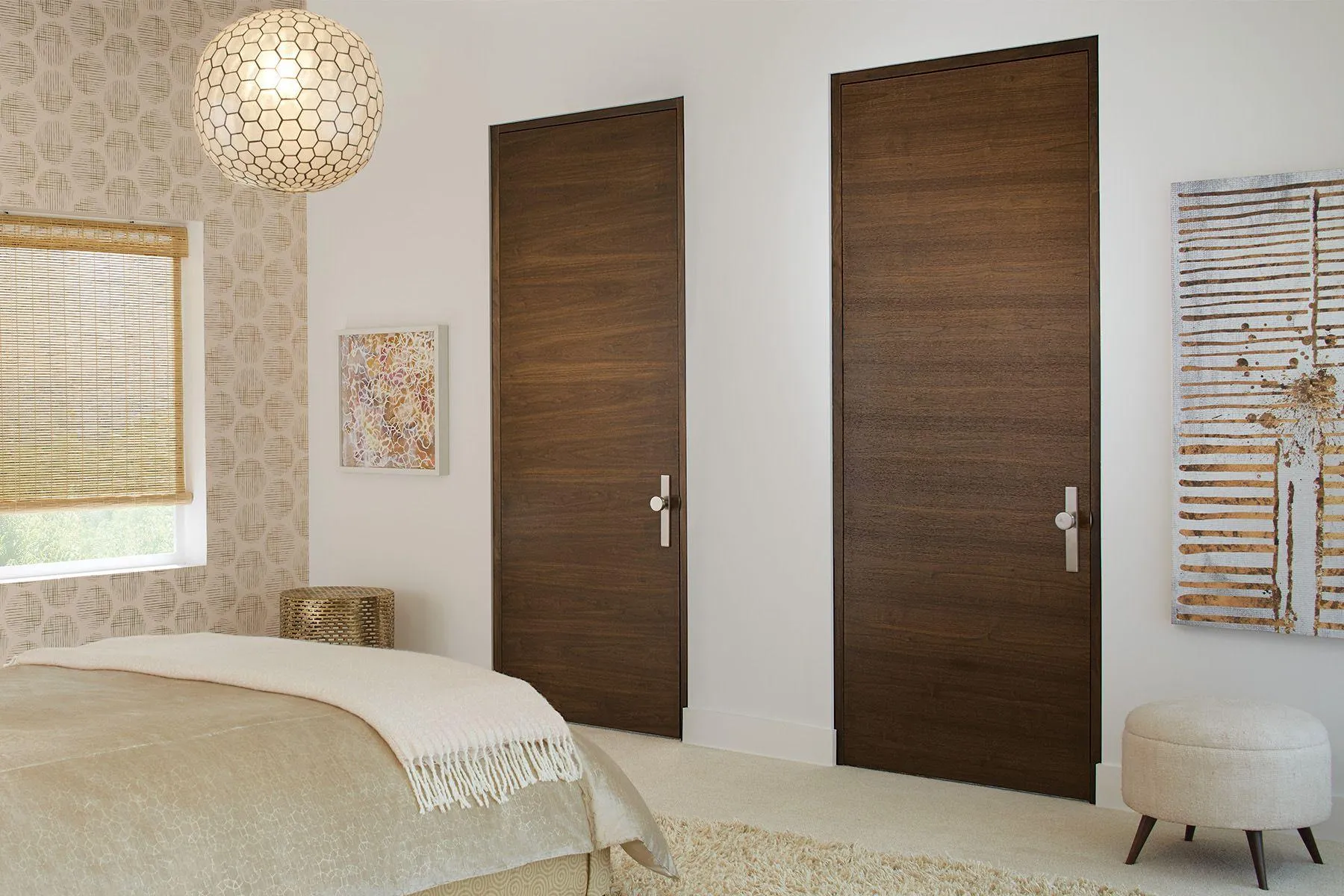
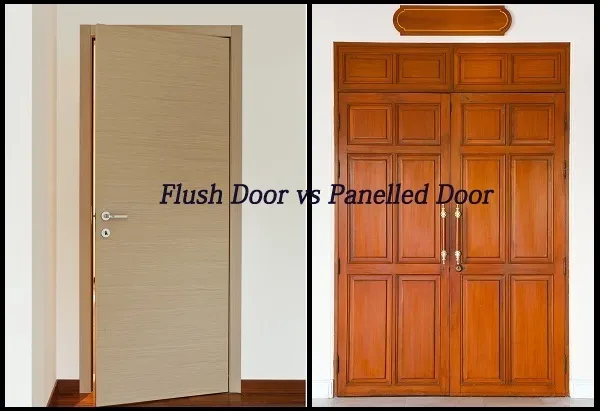
Let’s start with flush doors, one of the most common door types you’ll see in modern buildings. A flush door is easy to recognize because of its flat, smooth surface. There are no panels, grooves, or raised sections—just a simple, clean look. This minimal detailing gives flush doors a sleek and modern appearance that works well in many spaces.
How Are Flush Doors Made?
Flush doors are usually made by attaching a thin layer of wood or laminate (called a veneer) over a solid or hollow core. The inside of the door can be filled with different materials like:
Each material has its own pros and cons, but in general, they all help create a door that’s lightweight, durable, and budget-friendly.
Where Are Flush Doors Used?
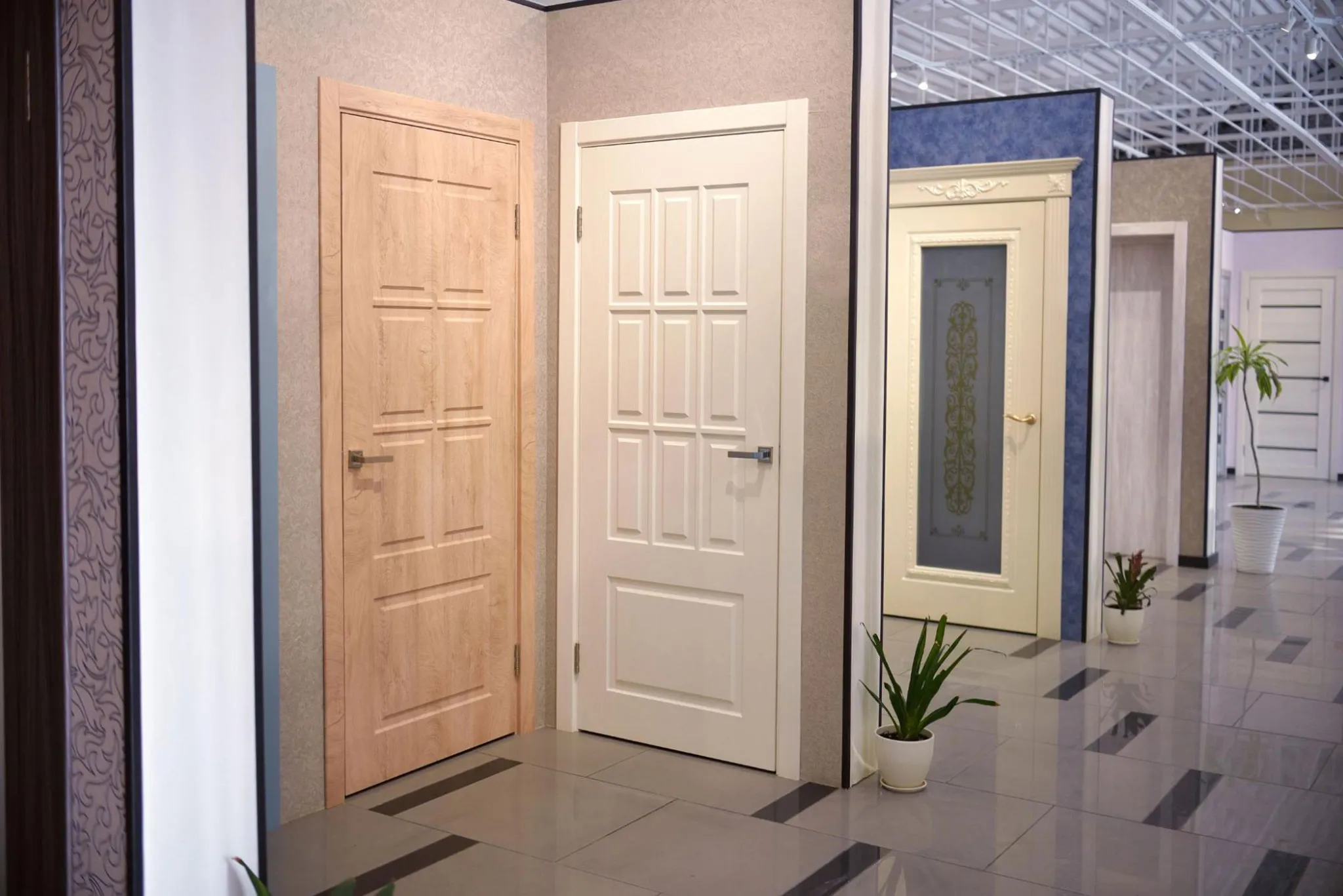
Thanks to their simple design and versatility, flush doors fit in almost anywhere. You’ll often find them in:
Modern interiors where clean lines and minimalism are key.
Commercial spaces like offices, schools, and hospitals, where durability and easy maintenance are important.
Minimalist designs where the door blends into the wall or complements contemporary décor.
If you’re looking for something simple, functional, and affordable, flush doors are often a great choice.
What Is a Panel Door?
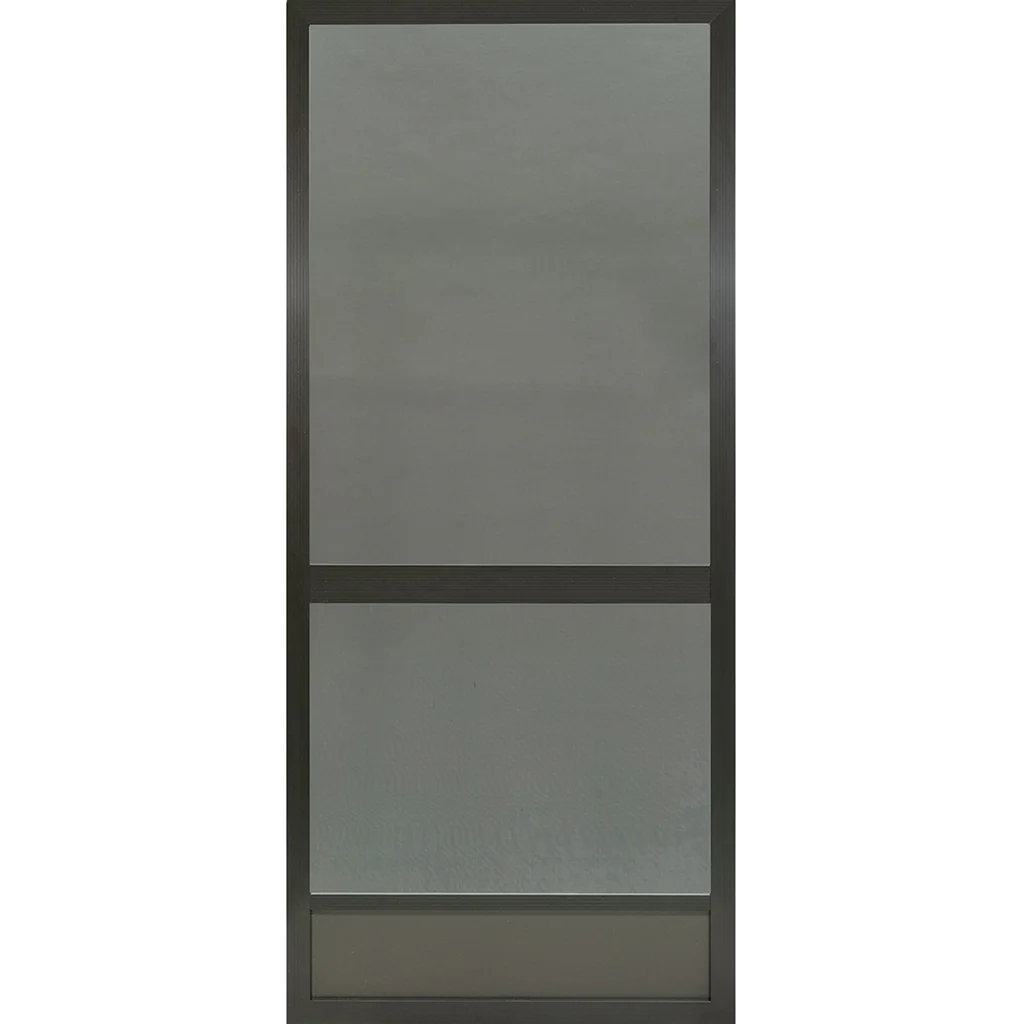
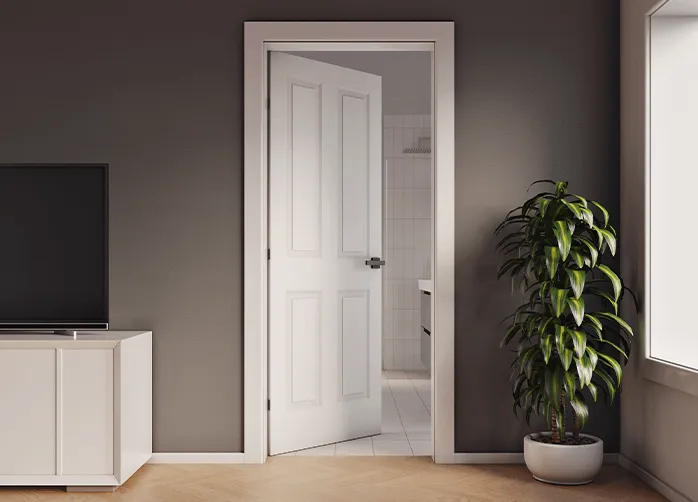
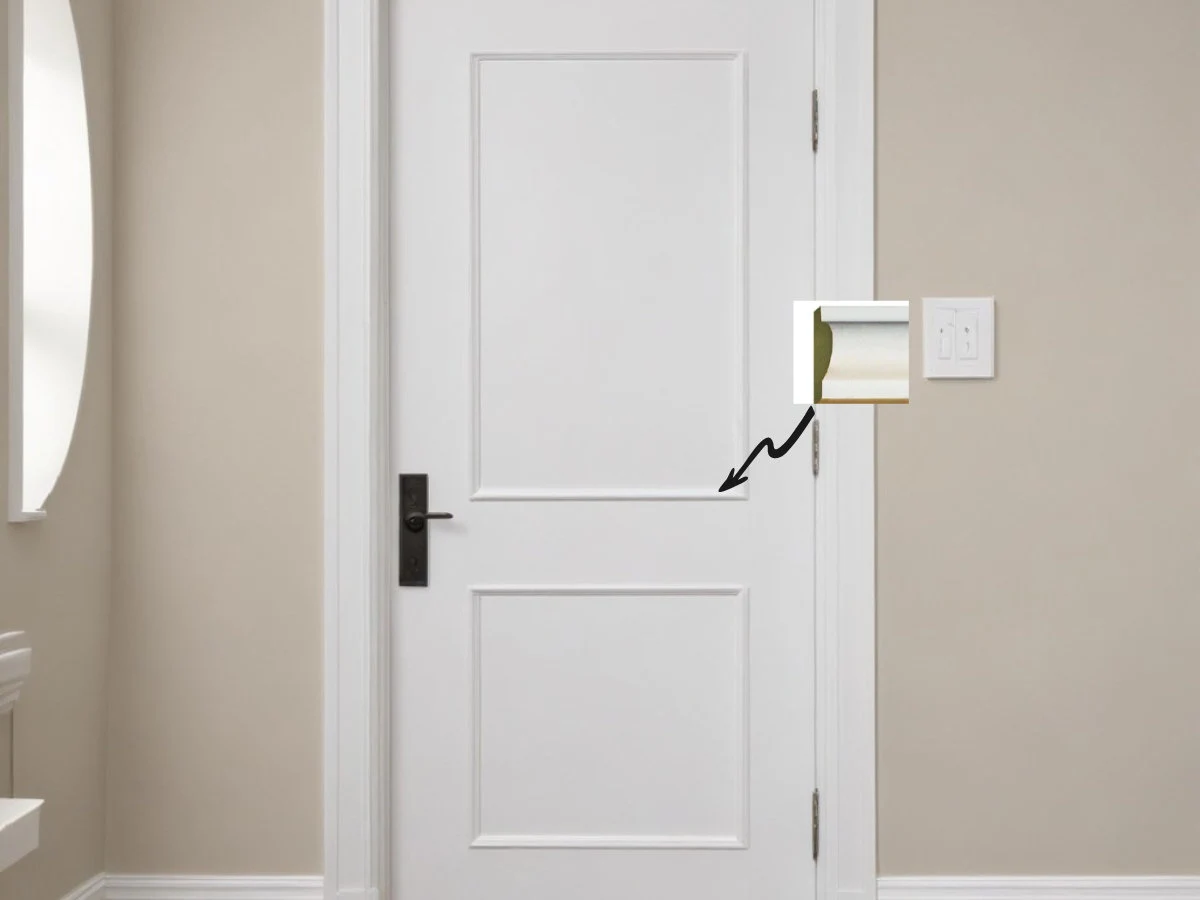
Now let’s talk about panel doors, which you’ve probably seen in many traditional homes. Unlike flush doors, panel doors have a more detailed design made up of several parts. The door is built using stiles (vertical pieces), rails (horizontal pieces), and one or more panels that fit inside the frame. These panels can be flat, raised, or even have glass inserts for extra style.
How Are Panel Doors Made?
Panel doors come in a variety of materials, each offering its own look and benefits. Some of the most common materials include:
Solid wood – classic, strong, and long-lasting.
Engineered wood – more affordable, with good stability.
PVC – lightweight, water-resistant, and low maintenance.
Fiberglass – durable, weather-resistant, and available in many styles.
Because of this layered construction, panel doors are often heavier and sturdier than flush doors. They also offer more design flexibility, allowing for decorative patterns, grooves, and custom finishes.
Where Are Panel Doors Used?
Panel doors are a popular choice for homeowners who want a bit more style and elegance. You’ll often see them in:
Traditional homes where classic design is a perfect match.
Formal spaces like dining rooms, living rooms, or offices.
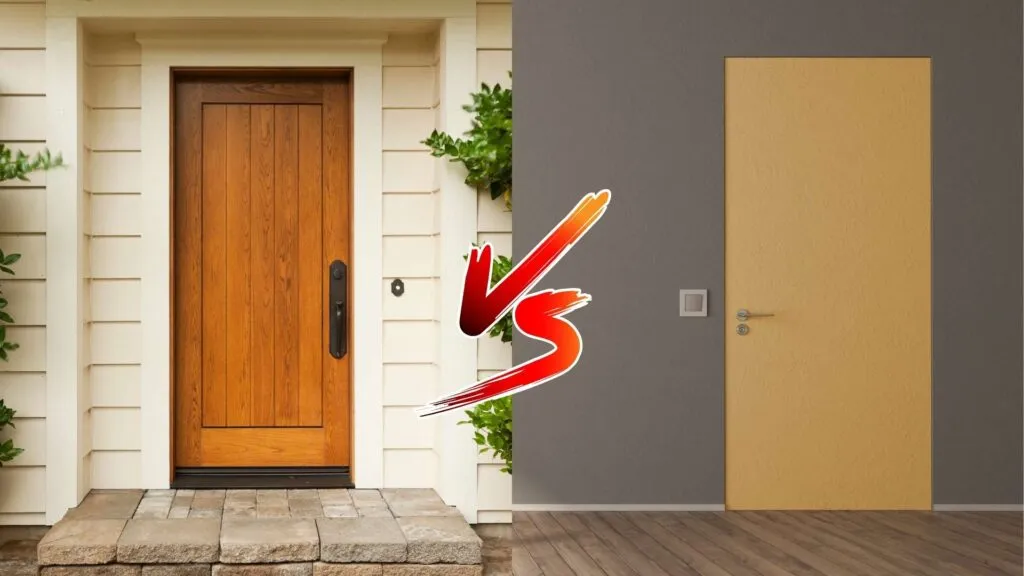
Main entrances where a strong, attractive door makes a great first impression.
If you’re aiming for timeless beauty and a touch of elegance, a panel door might be the way to go.
Design & Aesthetic Comparison

Flush Doors: Sleek and Minimal
Flush doors are all about simplicity. Their smooth, flat surface gives them a modern, clean, and minimalist look that works perfectly in contemporary interiors. If you prefer a clutter-free design with straight lines and no extra details, flush doors are a great match.
You can also find flush doors in a variety of finishes, such as:
Laminate for colorful or textured appearances
Veneer to mimic natural wood grains
Painted surfaces for bold or subtle color choices
This makes them highly versatile, even within their minimal design style.
Panel Doors: Classic and Decorative
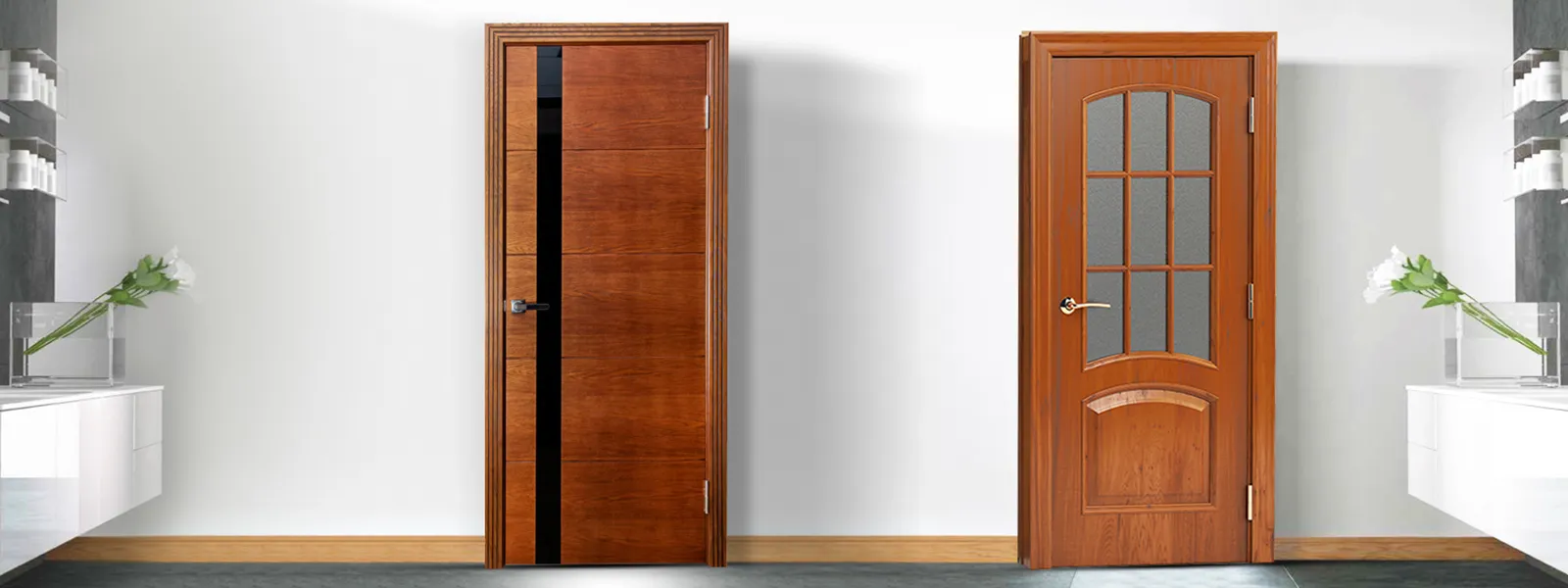
Panel doors, on the other hand, offer a more traditional and decorative look. Because of their multi-part construction, they can feature raised or recessed panels, adding depth and character.
Popular panel door styles include:
Shaker – simple, clean lines with recessed panels
Craftsman – sturdy, detailed, and rich in woodwork
Colonial or Victorian – more ornate, with multiple raised panels and decorative touches
Panel doors can also be customized with different stains, paints, and finishes to match your home’s décor, whether you’re aiming for cozy and classic or elegant and formal.
Durability & Maintenance
Flush Doors: Simple and Low Maintenance
One of the biggest advantages of flush doors is how low-maintenance they are. Because of their smooth, flat surface, there are no grooves or raised sections to collect dust or dirt. This makes them:
Easy to clean — a simple wipe-down is usually enough.
Resistant to warping — especially when made with quality core materials like plywood or engineered wood.
Good for humid areas — certain flush doors with laminate or WPC finishes handle moisture better than solid wood.
Thanks to these qualities, flush doors are great for busy households, offices, and high-traffic areas where you want durability without much upkeep.
Panel Doors: Sturdy but Needs Some Care
Panel doors are known for their strong construction and long-lasting performance, especially when made from solid wood. However, their detailed designs mean they do need a bit more attention over time:
Dust can collect in the grooves and raised panels.
Polishing or refinishing may be needed every few years, especially for solid wood doors.
More sensitive to moisture — wood panel doors can expand or contract with changes in humidity if not properly sealed.
If you’re willing to put in a little maintenance, panel doors can stay beautiful for decades and even add long-term value to your home.
Cost & Installation
Flush Doors: Budget-Friendly and Easy to Install
Flush doors are usually more affordable, making them a popular choice for people who want a clean, modern look without breaking the bank. Their simple design and flat surface mean:
Lower manufacturing costs
Less labor required to install
Shorter installation time
Because they’re lightweight, flush doors are often easier for homeowners or contractors to handle, which can also help reduce labor costs. This makes flush doors a great choice if you’re working on multiple rooms or a tight budget.
Panel Doors: More Expensive but High-Quality
Panel doors generally cost more than flush doors. The higher price comes from:
More complex construction — multiple pieces need to be carefully fitted together.
Better materials — solid wood panel doors, for example, are more expensive than engineered or laminated flush doors.
Skilled installation — because of their weight and design, panel doors often need professional installation to ensure a perfect fit.
While they may cost more upfront, panel doors can offer long-term value by adding character, charm, and even increasing your home’s resale appeal.
Sound & Thermal Insulation

Flush Doors: Decent Insulation for Everyday Use
Flush doors generally provide good basic insulation, especially if they have a solid core. Depending on the material used inside, flush doors can:
Block a reasonable amount of noise — solid-core flush doors do better than hollow-core versions.
Help maintain room temperature — though they’re not as effective as some panel doors in extreme conditions.
For interior rooms like bedrooms, offices, or bathrooms, solid flush doors usually offer enough soundproofing and temperature control for most people’s needs.
Panel Doors: Stronger Insulation with Solid Construction
Thanks to their thicker, layered design, panel doors can offer better insulation — both for sound and temperature — especially when made from solid wood or heavy engineered materials. This makes panel doors a smart choice for:
Main entry doors where you want to block outdoor noise and drafts.
Living areas where a quieter, more temperature-stable space is important.
High-end interiors where comfort is a bigger priority.
However, not all panel doors are created equal. The actual insulation performance depends on the materials and the quality of construction.
Environmental Impact
Flush Doors: Eco-Friendly Options Available
Many flush doors are made with engineered materials like MDF, plywood, or WPC, which often use recycled wood fibers or byproducts. This can help reduce the demand for cutting down new trees. Some key points:
Less waste — engineered cores can use smaller wood scraps.
Lower energy use — manufacturing flush doors typically requires less labor and material than solid wood doors.
Laminate and veneer finishes — can also be made from sustainable sources if properly certified.
Look for FSC (Forest Stewardship Council) certification or similar labels to ensure the wood comes from responsibly managed forests.
Panel Doors: Sustainable Solid Wood Options
Panel doors, especially those made from solid wood, can also be eco-friendly — if sourced responsibly. Many manufacturers now offer:
Sustainably harvested hardwoods
Reclaimed or recycled wood options
Low-VOC (volatile organic compounds) finishes to improve indoor air quality
Because panel doors are often more durable and long-lasting, they may also need to be replaced less often, reducing long-term environmental impact.
Choosing the Right Door for Your Space
Bedrooms:
A solid flush door works well for most bedrooms, offering privacy, noise control, and a simple look. For a more decorative feel, a panel door can add warmth and style.
Bathrooms:
Flush doors with laminate or WPC finishes handle moisture better and are easier to clean.
Living Rooms & Dining Rooms:
Panel doors shine here, adding character and a touch of luxury to formal spaces.
Main Entrance:
A solid panel door makes a great first impression, provides strong insulation, and adds curb appeal.
Offices & Commercial Spaces:
Flush doors are often ideal for offices due to their clean lines, simple maintenance, and affordability.
Need Help Choosing the Right Door?
Still not sure whether a flush door or a panel door is the best fit for your space? We’re here to help! Our team offers expert advice and a wide range of high-quality doors to match every style, budget, and need.
Contact us today for a free consultation or browse our full selection of doors. Let’s help you find the perfect door that brings both beauty and functionality to your home or business!
FAQs