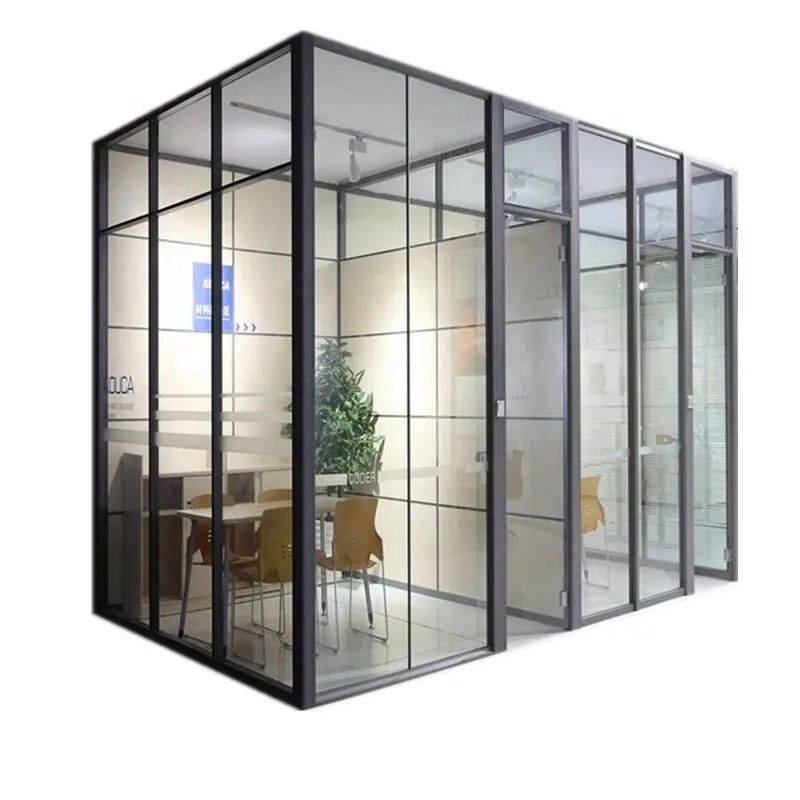
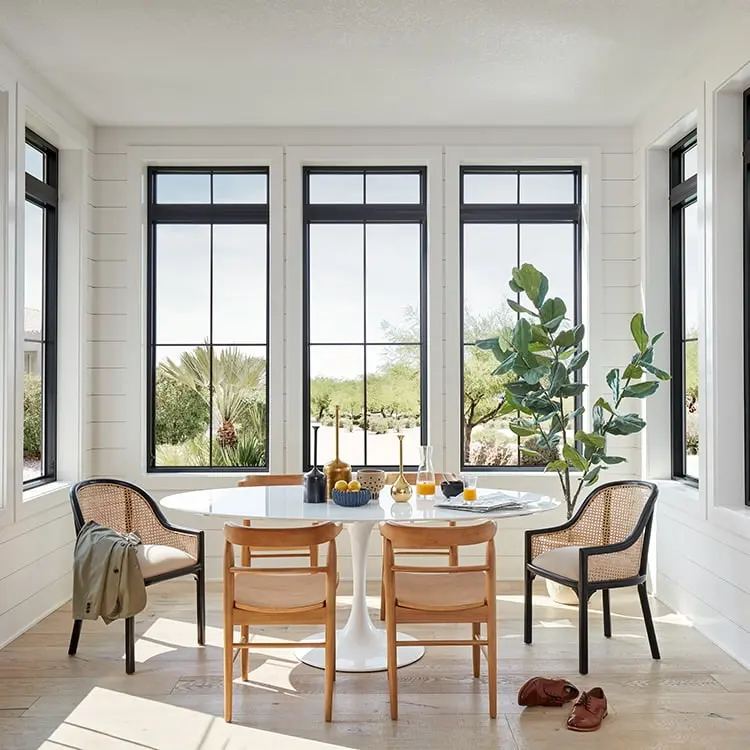
A sunroom—often called a season room—is a bright, glass-filled space designed to bring the outdoors in while keeping you protected from bugs, rain, and harsh temperatures. Homeowners often compare 3-season vs 4-season rooms because each offers a different level of comfort, insulation, cost, and long-term value.
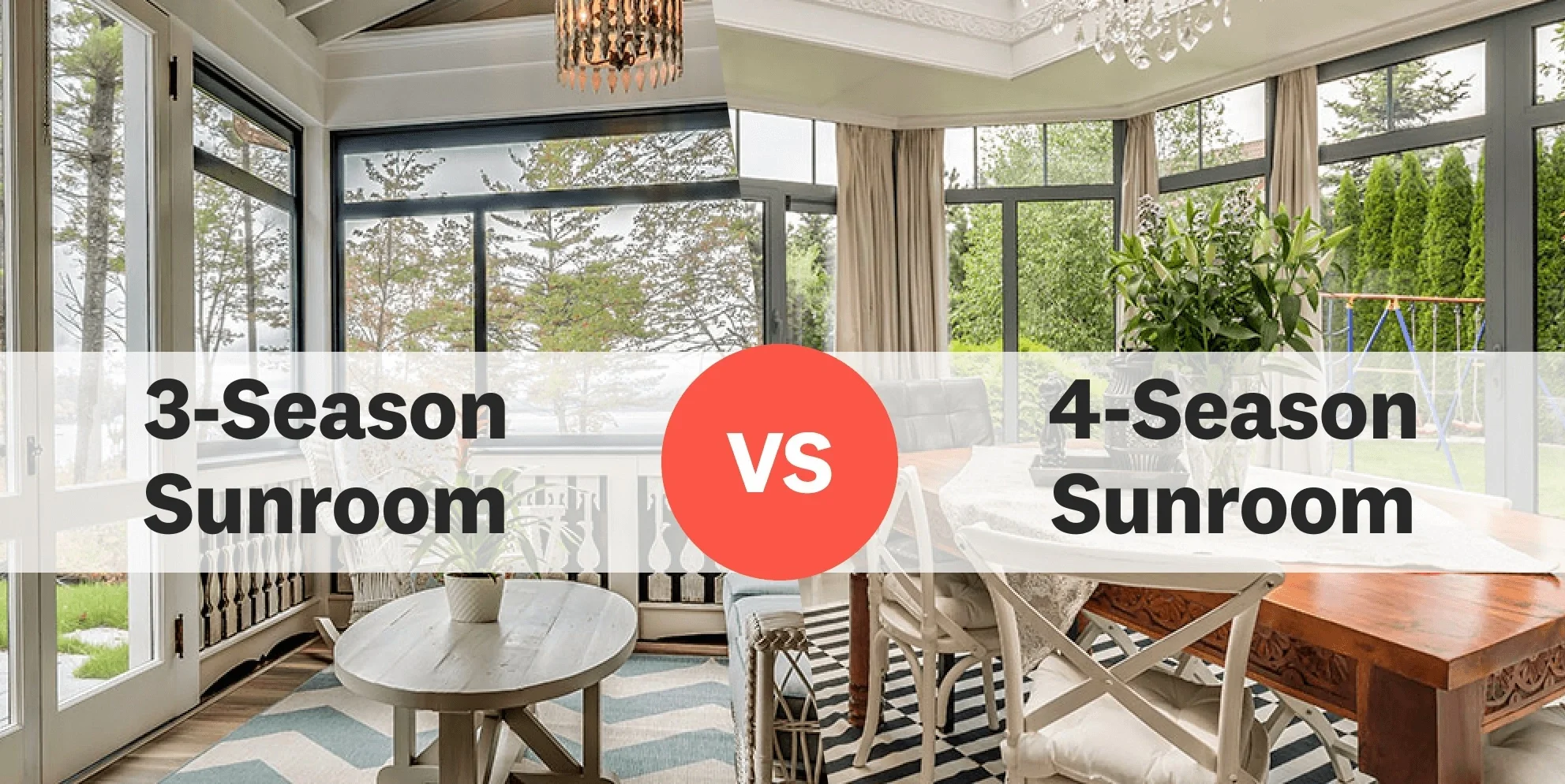
In this guide, you’ll learn the key differences between the two: how they’re built, how much they cost, when you can use them, and which type is right for your home and lifestyle.
What Defines a 3-Season Room
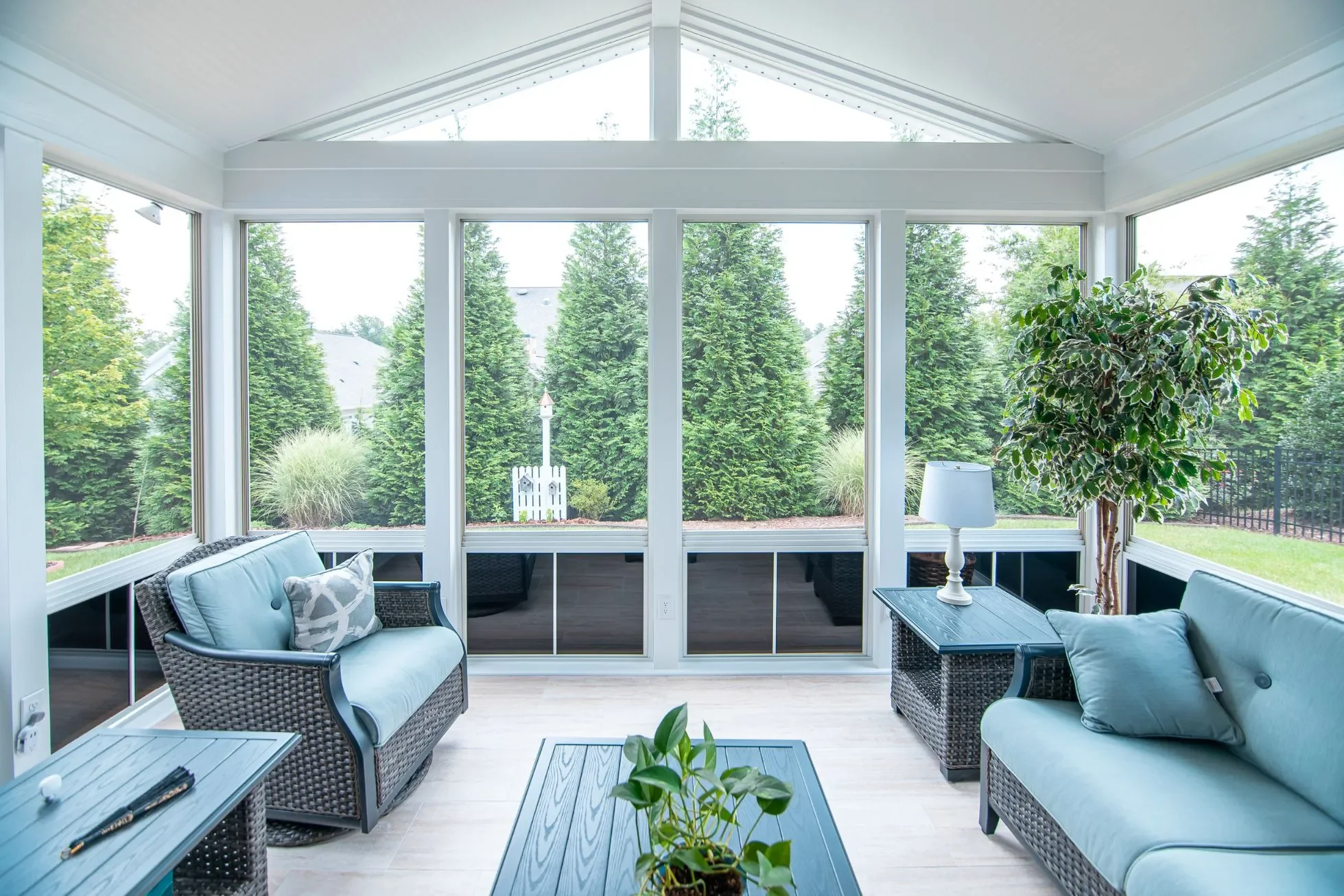
A 3-season room is designed for comfortable use during spring, summer, and fall. It gives you a sunny, breezy space without committing to full insulation or climate control.
Design purpose:
Typical construction:
Light framing and basic structural support
Minimal or no insulation
Single-pane or screened windows
No permanent heating or cooling
Not fully sealed from winter temperatures
Best suited for:
Warmer climates where winters are short
Homeowners wanting an affordable upgrade
Casual use: reading nook, plant room, hobby space
What Defines a 4-Season Room
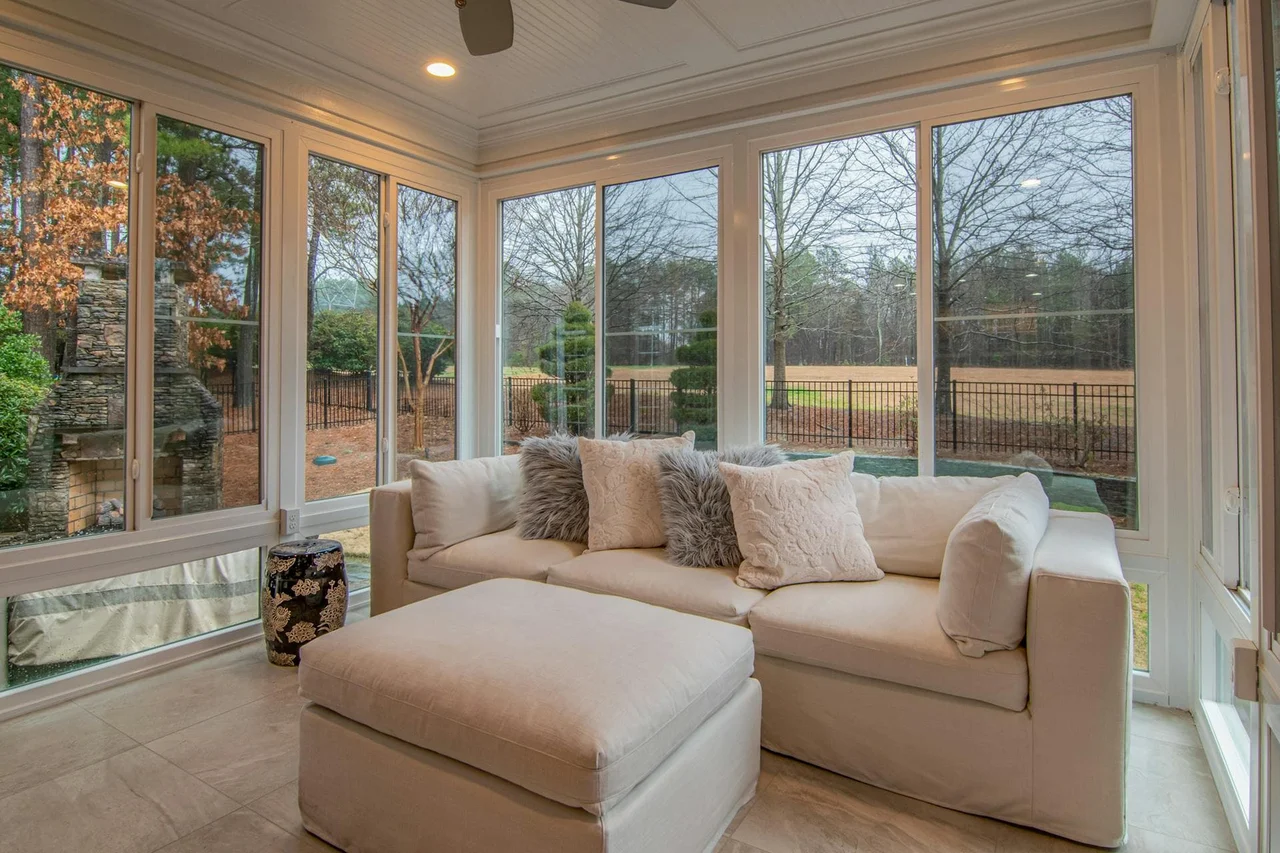
A 4-season room, sometimes called an all-season sunroom, is built for year-round comfort, no matter how hot, cold, or humid your weather is. It functions more like a true home addition.
Design purpose:
Typical construction:
Full-depth insulation in the walls, roof, and floor
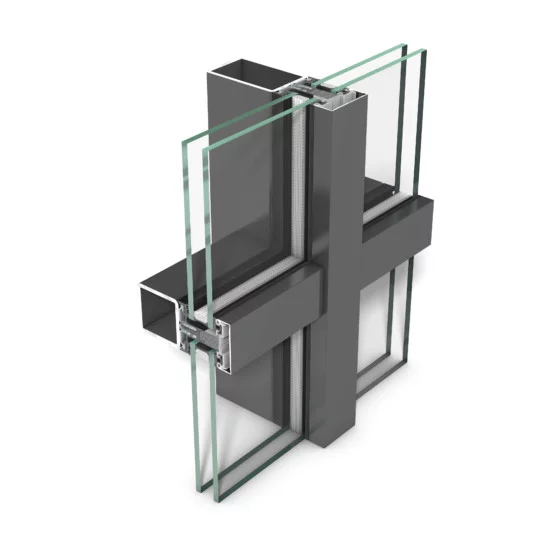
Insulated, high-performance glazing (double or triple pane)
Climate control via HVAC, heat pump, or mini-split
Strong foundation and framing that meet building codes
Weather-tight seals and thermal breaks
Best suited for:
Colder or highly variable climates
Homeowners wanting a space used daily (office, dining, lounge)
Projects with a higher budget and long-term ROI
Key Differences: Build, Cost & Use
| Aspect | 3-Season Room | 4-Season Room | Brief Takeaway |
|---|
| Design purpose | Used mainly in spring, summer and fall. | Designed for comfortable use all year. | 3-season = fair-weather space; 4-season = full addition. |
| Structure & insulation | Lighter framing, little insulation, single-pane or screens. | Insulated walls, roof, floor and high-performance glass. | 4-season is built like the rest of the house. |
| Climate control | Usually no permanent HVAC; may use fans or space heaters. | Connected to HVAC or has its own mini-split system. | 4-season keeps stable temperature in any weather. |
| Cost to build | Lower upfront cost and simpler construction. | Higher initial investment for insulation and systems. | 3-season is budget-friendly; 4-season costs more to build. |
| Operating cost | Minimal energy costs but limited usable days. | Some heating/cooling cost but more usable space. | 4-season adds real living area, not just occasional use. |
| Comfort & usability | Too hot or cold in weather extremes. | Comfortable in most temperatures and seasons. | Choose based on how often you want to use the room. |
| Resale value | Nice bonus but counted as seasonal space. | Often treated as true living space in appraisals. | 4-season rooms usually deliver better ROI. |
| Best suited for | Warmer climates, casual sitting or hobby space. | Colder or variable climates, daily living and work. | Match the room type to your climate and lifestyle. |
1. Structural & Insulation Differences
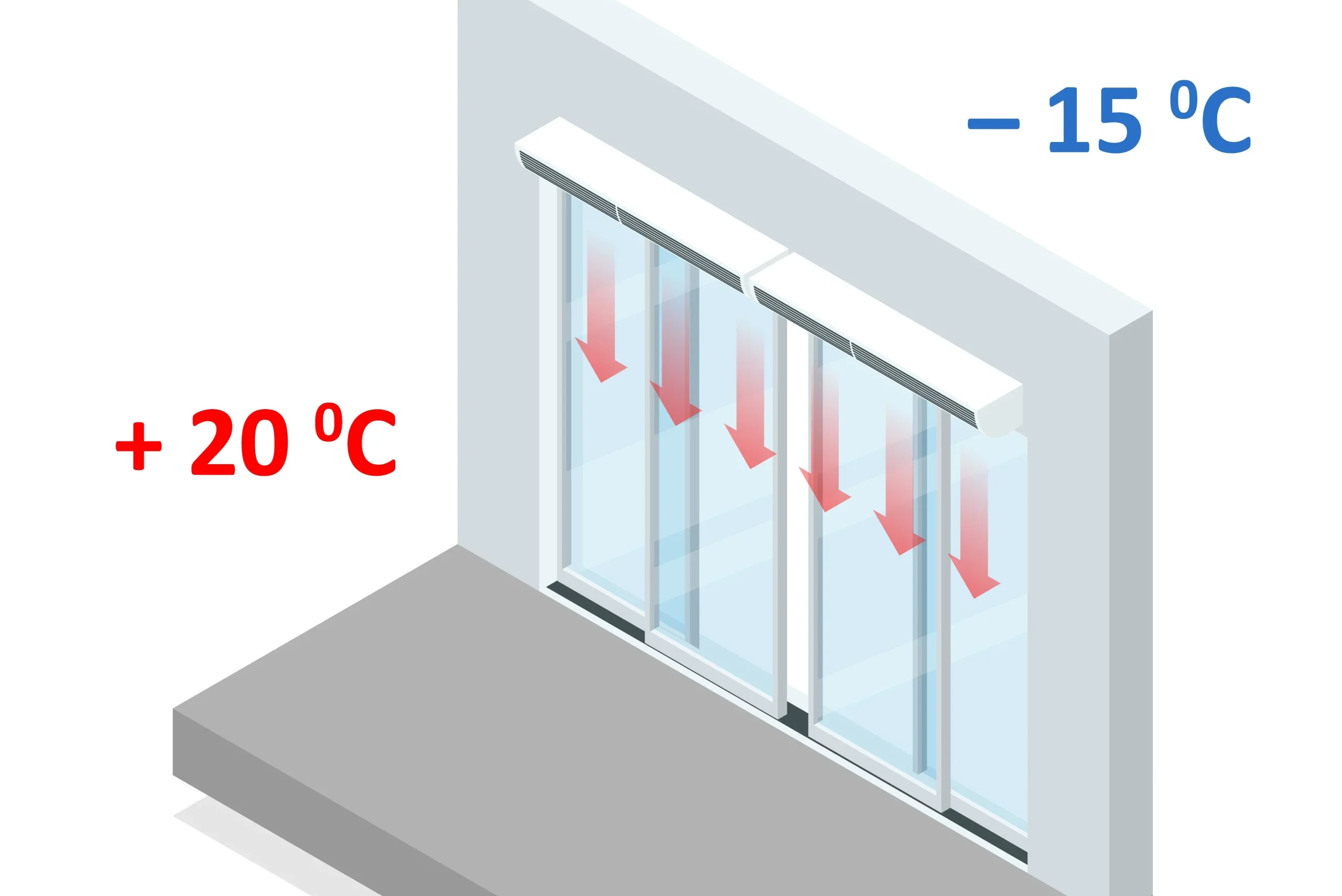
The biggest difference between a 3-season and 4-season room comes down to how they’re built.
A 3-season room uses lighter framing, single-pane or screened windows, and little insulation—great for mild days but not for temperature extremes.
A 4-season room is built like a true home addition: insulated walls, roof, and floors; high-performance double or triple glazing; and thermal breaks that stop heat loss or heat gain. This construction is what makes it usable all year.
2. Cost Comparison: Upfront Build vs Operating Cost

A 3-season room has a lower upfront cost because it doesn’t include insulation, HVAC, or heavy framing. But it also offers limited seasonal comfort.
A 4-season room costs more to build due to insulation, energy-rated windows, and climate control. However, it can reduce long-term energy waste and adds more usable square footage, which balances its higher investment.
3. Seasonal Usability & Comfort
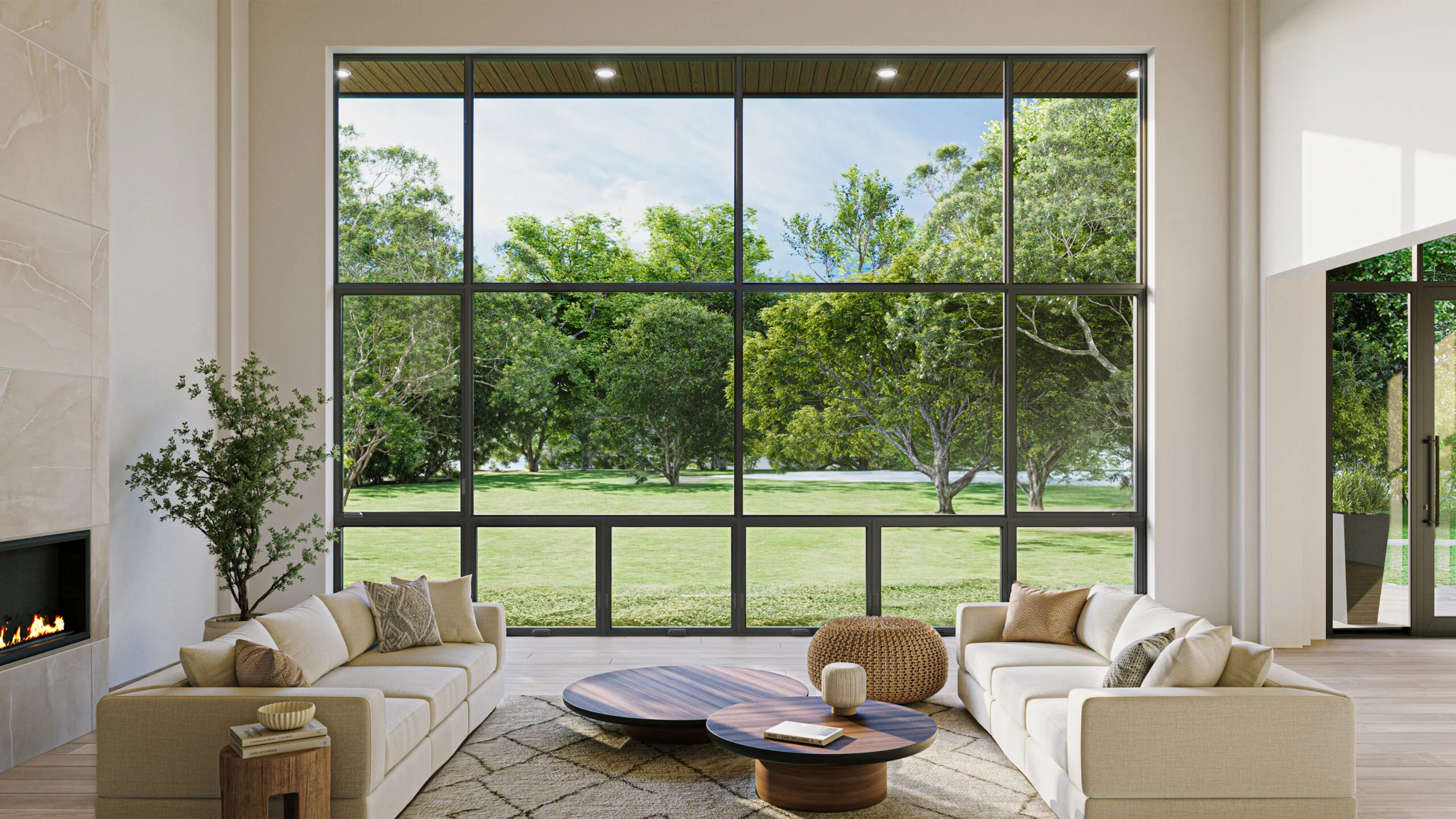
A 3-season room is ideal for spring, summer, and fall. In colder months, it may feel too chilly or humid to use without temporary heaters.
A 4-season room stays comfortable year-round thanks to temperature control and insulated construction. It can function like a living room, home office, dining area, or playroom no matter the weather.
4. Resale Value & Home Addition Impact

A 4-season room typically adds more resale value because buyers view it as functional living space. Its energy-efficient windows and solid construction also appeal to modern homeowners.
A 3-season room, while still attractive, is seen as bonus space—not a true extension of the home. It boosts enjoyment but offers a smaller return on investment.
Choosing What’s Right for Your Home & Lifestyle
Climate & weather: Colder areas or big temperature swings favor a 4-season room; mild regions may only need a 3-season room.
Intended use: Daily living (office, lounge, guest room) suits a 4-season room; casual, warm-weather use fits a 3-season room.
Budget & upgrade strategy: A 3-season room offers lower upfront cost and can be upgraded later for full-season use.
Permits, codes & foundation: Local building rules and structural needs may limit or increase the complexity of converting to a 4-season room later.
Ready to Build the Perfect 3-Season or 4-Season Room?
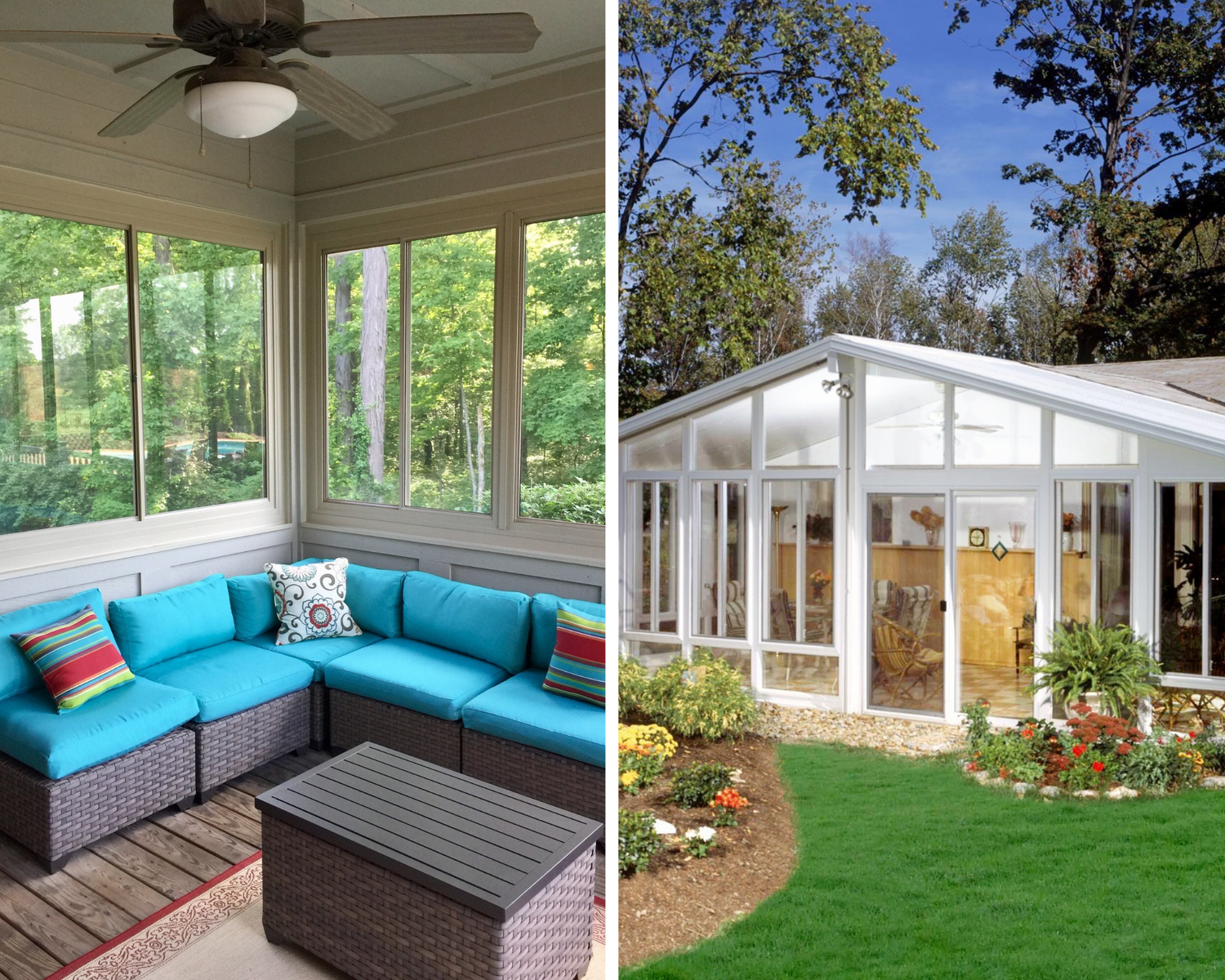
Choosing the right type of sunroom can feel overwhelming—but you don’t have to figure it out alone. Our team can help you compare options, understand local code requirements, and design a room that fits your climate, lifestyle, and budget.
Reach out today — let’s create a bright, comfortable space you’ll enjoy for years.
FAQs
What’s the difference between a 3-season room and a 4-season room?
A 3-season room is built for spring, summer, and fall use only—lighter framing, minimal insulation, and often no HVAC. A 4-season room is fully insulated and climate-controlled for year-round comfort.
Should I get a 3-season or 4-season tent?
For mild weather and short-term use, a 3-season tent is lighter and cheaper. For stronger storms or year-round use (including snow and cold), a 4-season tent offers better protection.
What is the difference between a 3-season and 4-season cottage?
A 3-season cottage is suited for warmer months and may not have full insulation or heavy-duty materials. A 4-season cottage is winter-ready with proper insulation, heating, and materials for all weather conditions.
Are 4-season rooms worth it?
Yes, if you want year-round living space and higher resale value. While more expensive initially, they offer better comfort, insulation, and can function as full living areas.