












What Is a Garage Door?
Today’s garage doors come in many designs and operating styles, each suited to different homes, climates, and budgets. In this guide, you’ll learn the most common types of garage doors, how they work, their pros and cons, and how to choose the right one based on your space and lifestyle.
Sectional (Overhead) Garage Doors

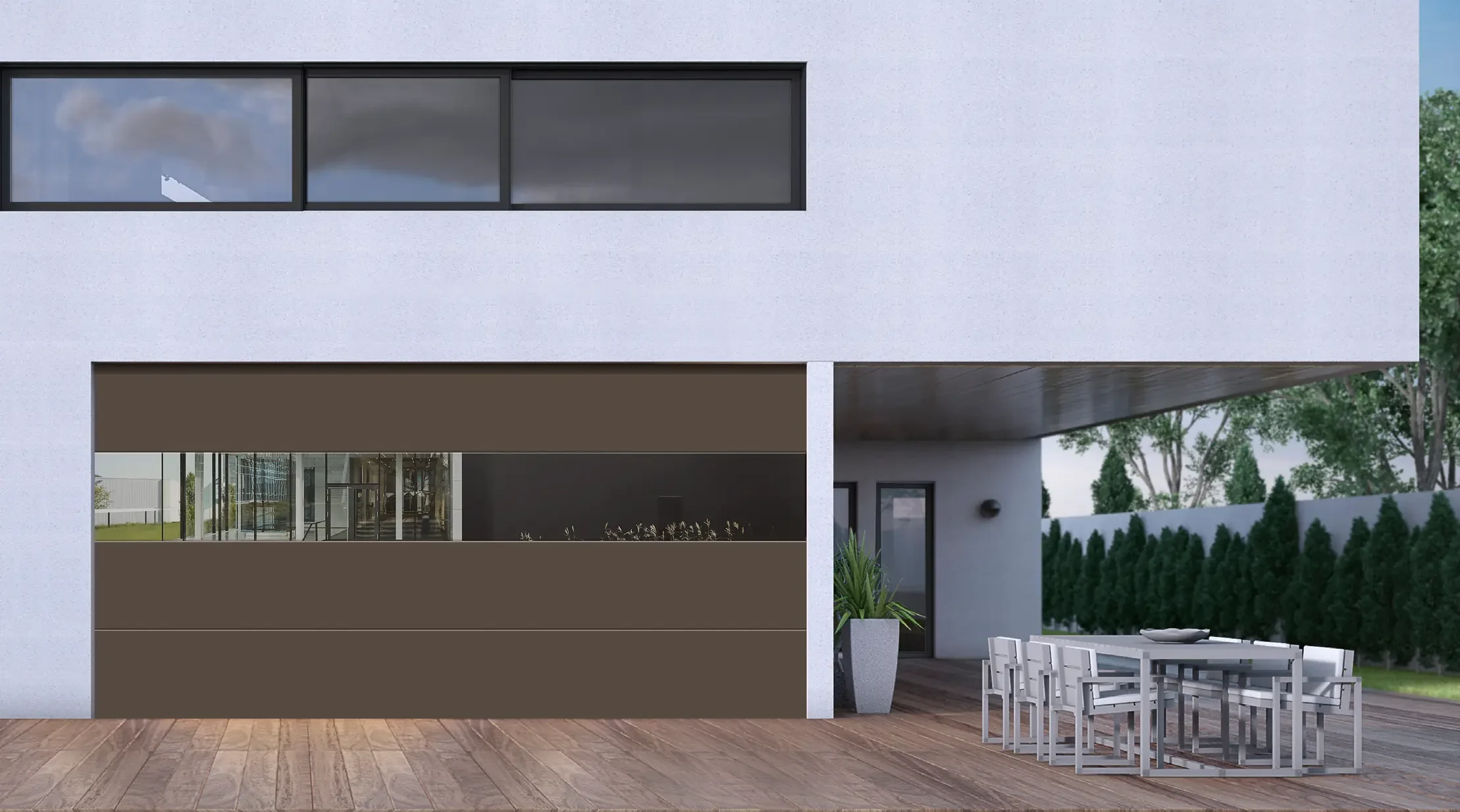
Sectional garage doors are the most common style in modern homes. They’re made of several horizontal panels connected with hinges, allowing the door to bend as it glides upward along tracks and stores flat against the ceiling. This smooth motion makes them practical, reliable, and easy to use with almost any garage layout.
Pros
Space-efficient design with no outward swing, perfect for short driveways.
Can be insulated to improve energy efficiency and reduce noise.
Available in a wide range of materials, colors, and window designs.
Cons
Heavier than some types, requiring a robust opener.
Tracks, rollers, and springs need periodic maintenance.
Torsion springs can be dangerous to adjust without a professional.
Best when: You want a versatile, insulated, overhead door that works well with standard garage spaces.
Roll-Up / Roller Garage Doors
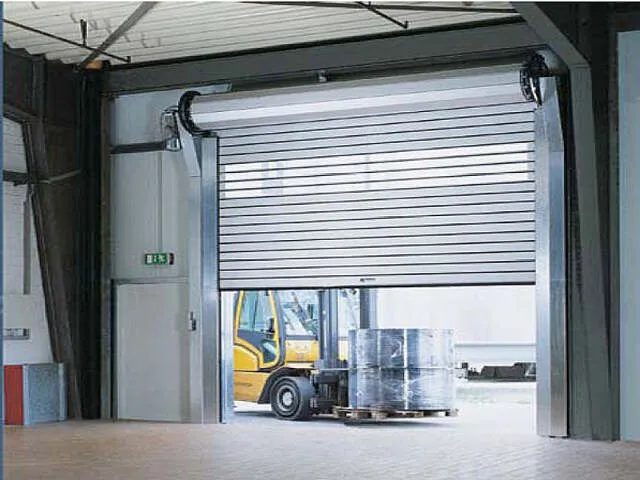
Roll-up garage doors use narrow steel or aluminum slats that coil tightly into a compact drum above the doorway. This design is popular for commercial buildings but also works well for homeowners who need maximum space efficiency.
Pros
Extremely compact, making them ideal for low ceilings or limited overhead room.
Durable and secure, built to withstand frequent use and harsh conditions.
Excellent for garages that double as workshops or storage areas.
Cons
Typically have a more industrial appearance with fewer style options.
Limited window or decorative add-ons compared to sectional doors.
Often more expensive due to the heavy-duty construction.
Best when: You have little or no overhead clearance, or you need a tough, space-saving door for heavy or commercial-style use.
Side-Hinged (Swing-Out / Carriage) Garage Doors
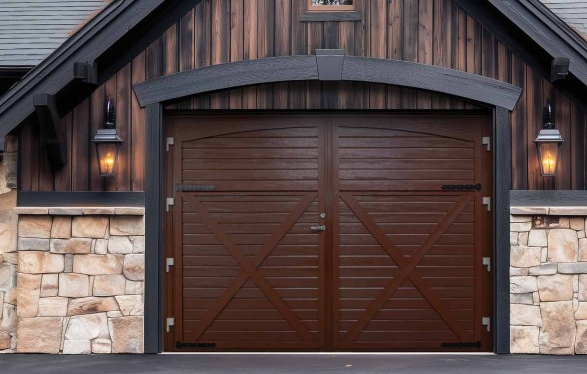
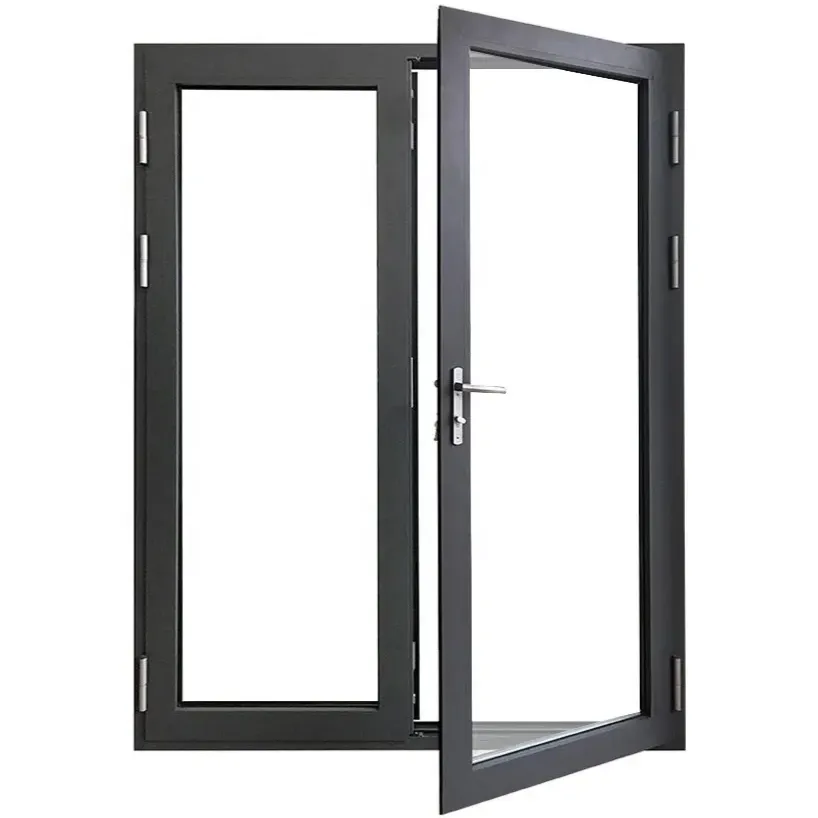
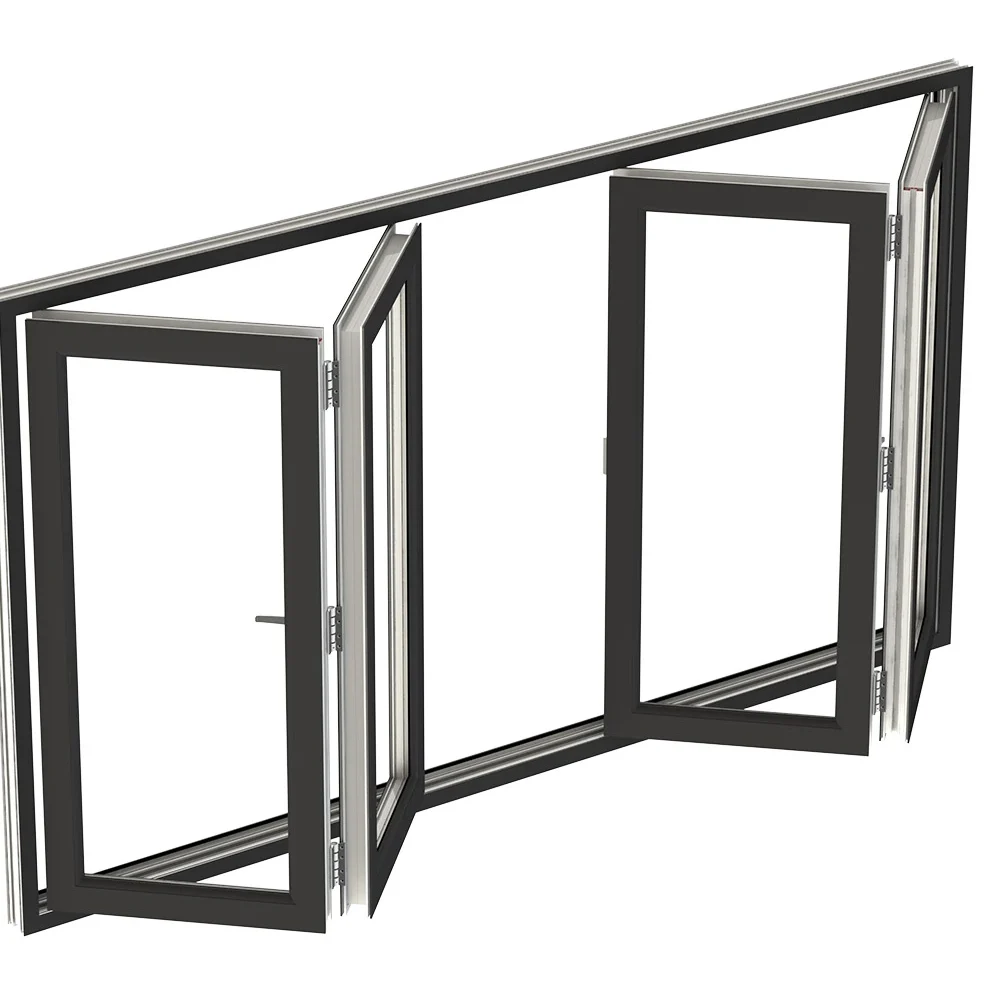
Side-hinged garage doors open like traditional barn or carriage doors, with two panels that swing outward from the center. They offer a charming, old-world look and are especially popular in homes with classic or farmhouse-style architecture. Because they don’t rely on overhead tracks, you gain full use of your ceiling and interior wall space—great for workshops, gyms, or garages with a lot of storage.
Pros
No overhead tracks, leaving ceiling and wall space completely free.
Easy pedestrian access since you can open just one side for quick entry.
Offers a rustic, traditional look that enhances charming or historic homes.
Ideal for garages used as workshops or hobby rooms, where overhead clearance matters.
Cons
Requires driveway clearance to swing open, which may not work in tight spaces.
Can be less weather-tight or less secure than modern overhead doors unless sealed and reinforced well.
Heavy winds or snow can make outward swinging tricky without strong hardware.
Best when: You want a traditional, carriage-style aesthetic and have enough driveway space for the doors to swing open comfortably.
Tilt-Up Garage Doors (Single-Panel / Canopy / Retractable)
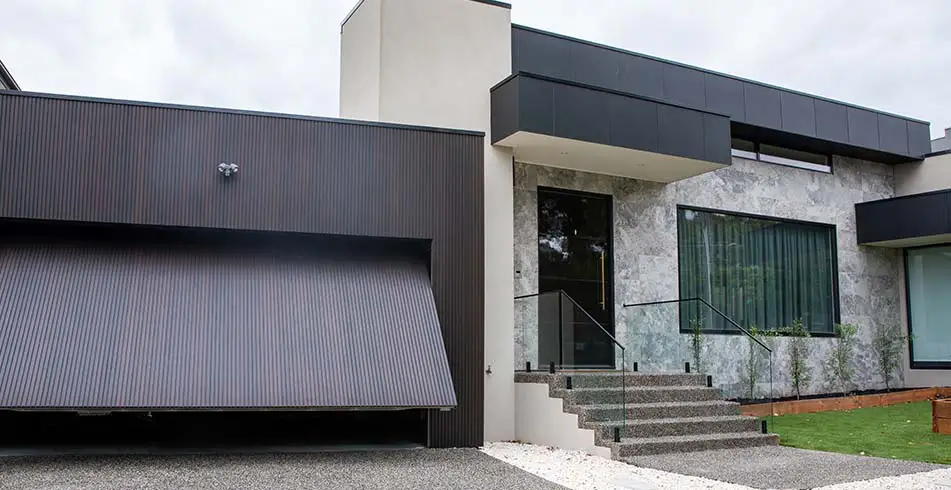
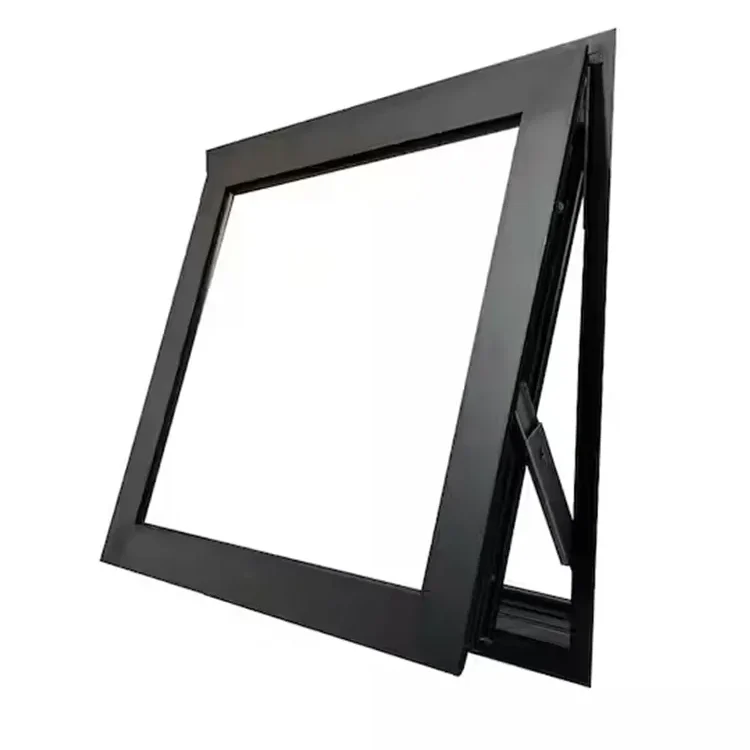
Tilt-up garage doors consist of one solid panel that lifts as a single piece. Canopy-style panels swing outward and then up, while retractable versions slide back into the garage without extending past the front of the home. These doors offer a simple, streamlined appearance and work well with classic architecture.
Pros
Simple mechanism with fewer moving parts than sectional doors.
Works with many existing garage openings without major modifications.
Provides a clean, classic look that suits older or minimalist homes.
Cons
Needs driveway space for canopy styles since the door swings outward before rising.
Generally offers less insulation and fewer style options compared to modern sectional doors.
Not as customizable, and hardware may need reinforcement for frequent use.
Best when: You love the look of a traditional single-panel door and have enough driveway room to accommodate the outward swing.
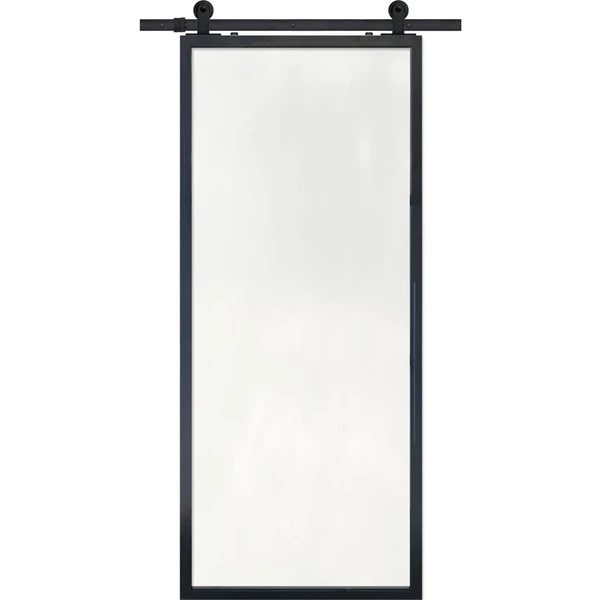
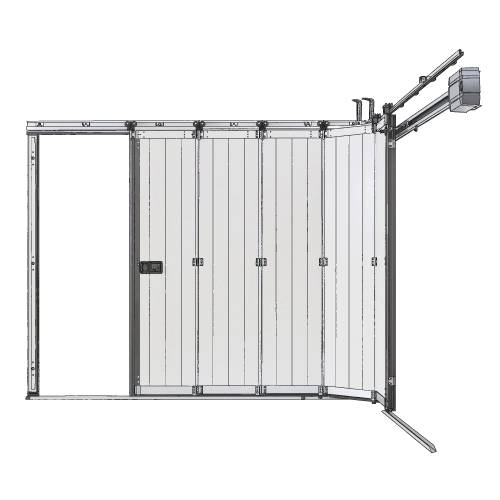
Side-Sliding / Slide-to-Side Garage Doors

Side-sliding garage doors operate by moving horizontally along a track on the side wall instead of lifting upward. Instead of rolling overhead, the panels tuck neatly along one wall, making them a smart choice for garages with tight ceilings, beams, or other overhead obstacles. Their motion is smooth and easy, and because they don’t swing out, they’re convenient in shorter driveways too.
Pros
Great for garages with low ceilings or overhead obstructions.
Keeps the ceiling completely free for lighting, storage racks, or loft space.
Easy to open manually, even in small or low-height garages.
Cons
Takes up valuable wall space, limiting shelving, tool racks, or storage.
Fewer door manufacturers and installers offer this style, reducing customization options.
May look less conventional than sectional or tilt-up designs, depending on the home.
Best when: Your garage has limited overhead space or exposed beams, but a clear side wall—making this layout-friendly option a great fit.
How to Choose: Matching Door Type to Home & Needs
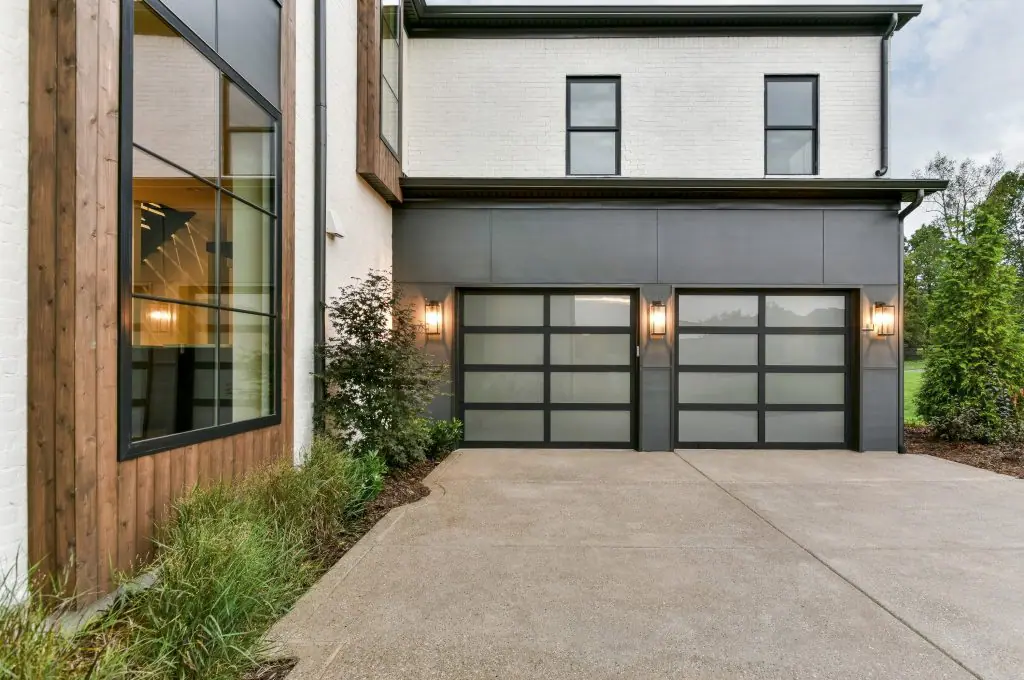
Picking the right garage door isn’t just about looks—it’s about how well the door fits your space, climate, and daily routine. Here’s how to narrow down your options with clarity and confidence:
Space & layout:
Think about how much room you have in front of and inside the garage. Short driveways may rule out swing-out doors. Low ceilings might make sectional doors tricky but make roller or side-sliding doors a great fit. Also consider whether you need ceiling or wall space for storage, lighting, or workshop tools.Budget vs functionality:
Some doors cost more upfront but save money over time. Sectional or insulated doors improve energy efficiency, while basic tilt-up doors cost less but offer fewer insulation options. Look for a balance between price, durability, and long-term performance.Lifestyle & daily use:
If you open your garage several times a day, choose a reliable, quiet mechanism like sectional or roller doors. If security is a priority, steel or insulated doors may be better. And if aesthetics matter—such as matching a farmhouse or carriage-style home—side-hinged doors may suit you best. Local climate also matters: insulated doors help in cold regions, while corrosion-resistant materials work best near the coast.Maintenance & long-term cost:
Every door needs some level of upkeep. Sectional doors require track and roller maintenance, while tilt-up doors may need hinge adjustments. Roller doors are durable but harder to repair. Be sure to consider the cost of future hardware, openers, insulation upgrades, or replacements over the life of the door.
Ready to Find the Perfect Garage Door for Your Home?
Choosing the right garage door can transform both the look and function of your home. Whether you need more headroom, better insulation, a classic style, or a low-maintenance option, we’re here to help you explore the best fit for your space and budget.
Contact us today — let’s upgrade your garage with the right door, done right.
FAQs
What are the different types of garage doors?
The main types are sectional (overhead), roll-up, side-hinged, tilt-up (canopy or retractable), and side-sliding garage doors.
What is the most popular type of garage door?
Sectional overhead doors are the most popular because they’re versatile, insulated, highly customizable, and fit most garages.
Which type of garage door is best?
The best type depends on your needs:
Sectional for all-around performance
Roll-up for low ceilings
Side-hinged for traditional style
Side-sliding for overhead obstructions
What is the cheapest type of garage door?
Tilt-up (single-panel) garage doors are typically the most affordable, offering a simple design and low upfront cost.