










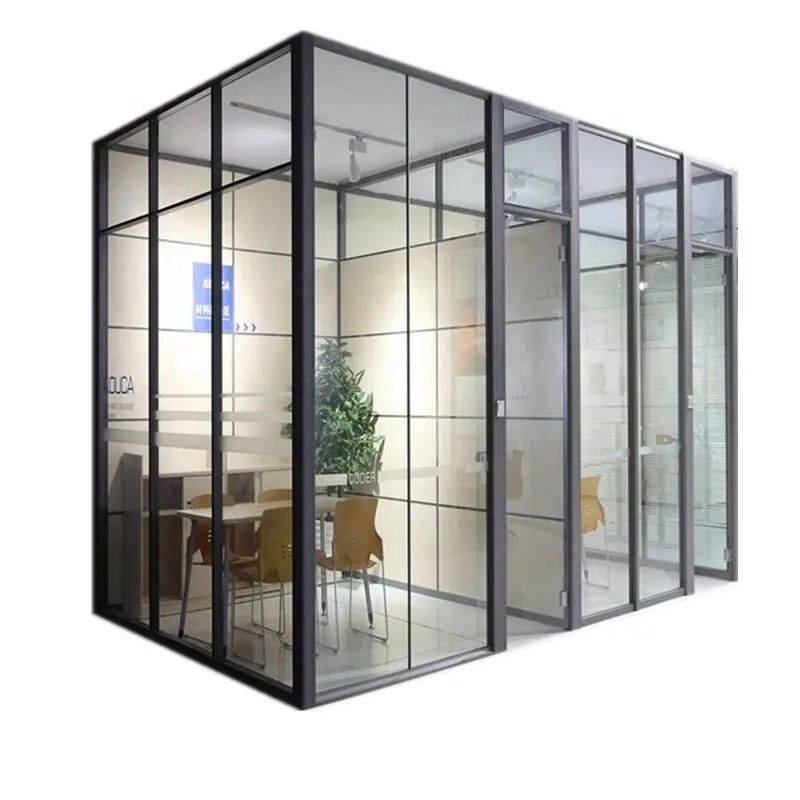


Choosing a new exterior door is more than just picking something that looks good.
Your front, patio, or side door plays a big role in how your home looks, how secure it is, and how much energy it saves.
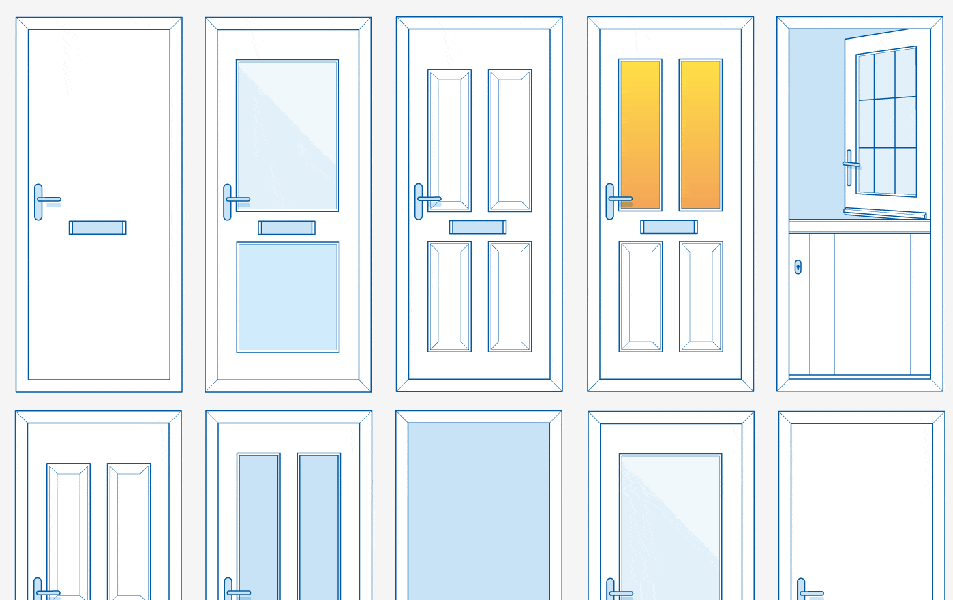
From welcoming guests to keeping the weather out, the right door does it all.
But with so many styles, materials, and features out there, it can be hard to know where to start.
In this guide, we’ll walk you through the most popular types of exterior doors, explain what makes each one unique, and help you figure out which option fits your home, lifestyle, and budget best.
Types of Exterior Doors by Function
Not all exterior doors are the same. Each one has its own purpose, design, and best use depending on where it goes in your home.
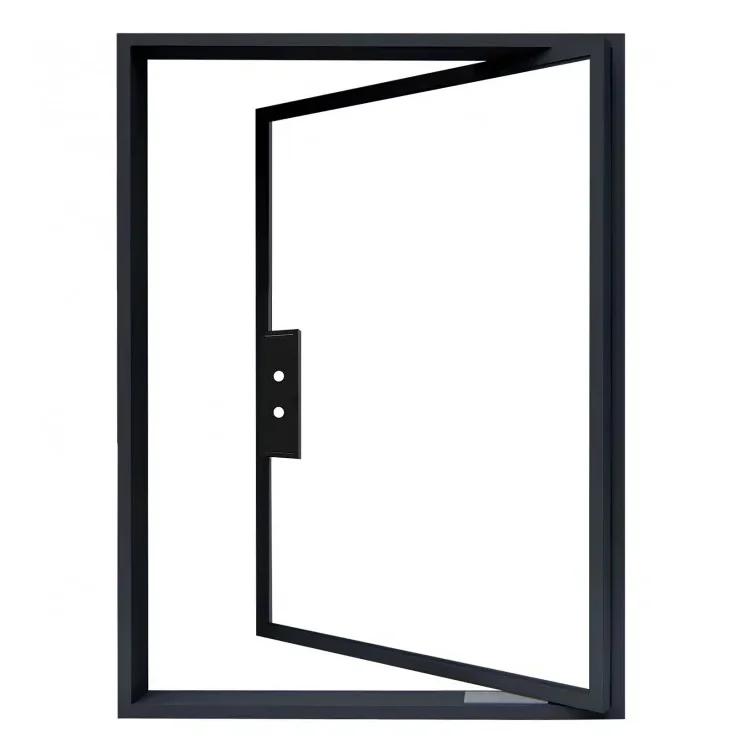
1. Entry Doors (Front Doors)
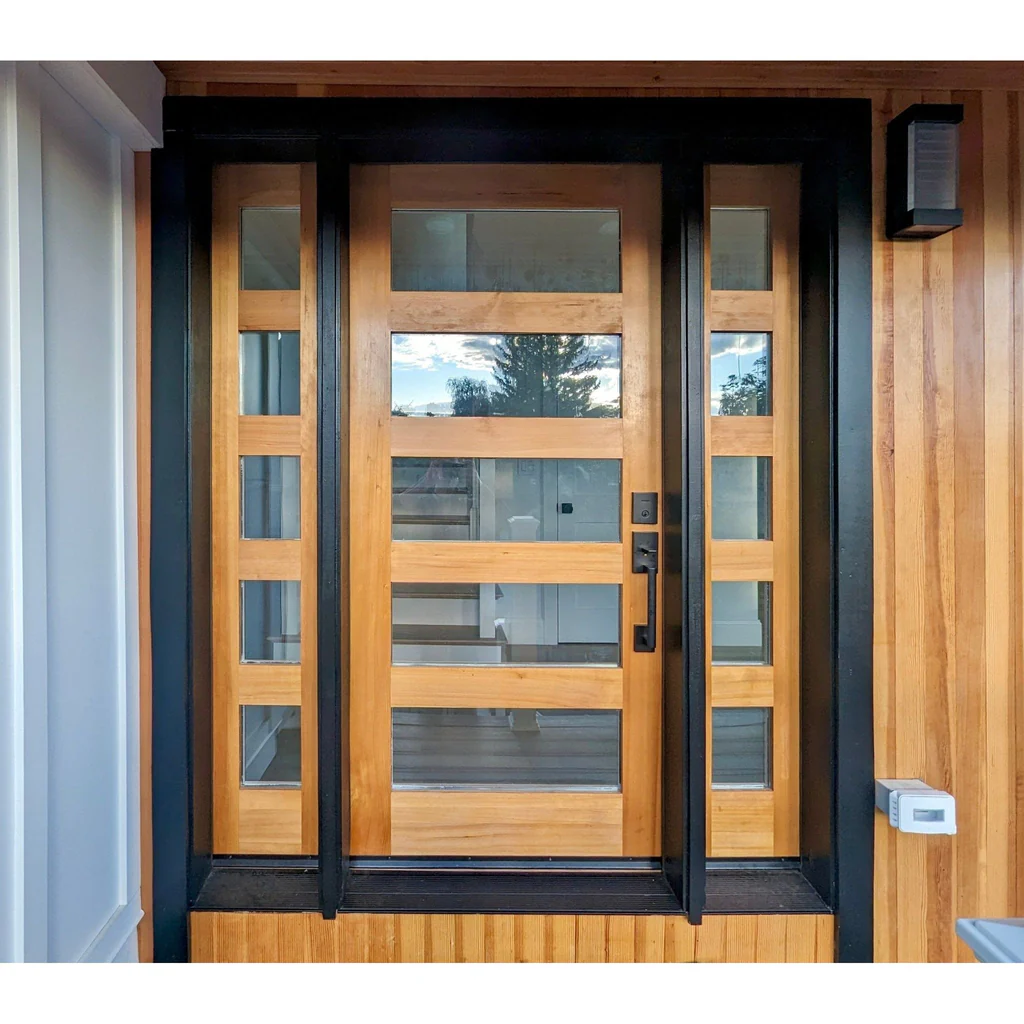
Your front door does more than welcome guests—it’s your home’s first line of defense and a big part of its curb appeal.
A good entry door adds security, insulation, and style all in one.
These doors are often made from:
Wood – traditional and elegant
Steel – strong and secure
Fiberglass – durable and weather-resistant
Composite – a blend of strength and energy efficiency
Wrought Iron – bold, decorative, and very secure
With so many styles and materials available, it’s easy to find an entry door that fits your home’s look and your lifestyle.
2. Patio Doors
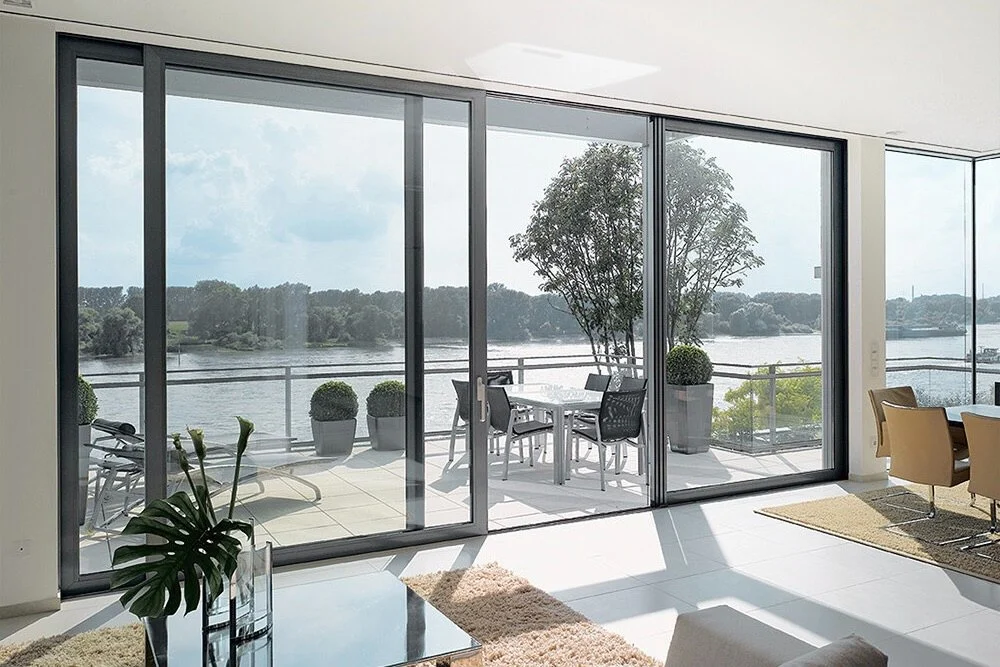
Patio doors connect your indoor and outdoor spaces and let in tons of natural light. They’re ideal for backyards, decks, or balconies.
Popular styles include:
Sliding Doors – space-saving, modern, and easy to use
French Doors – hinged, elegant, and classic
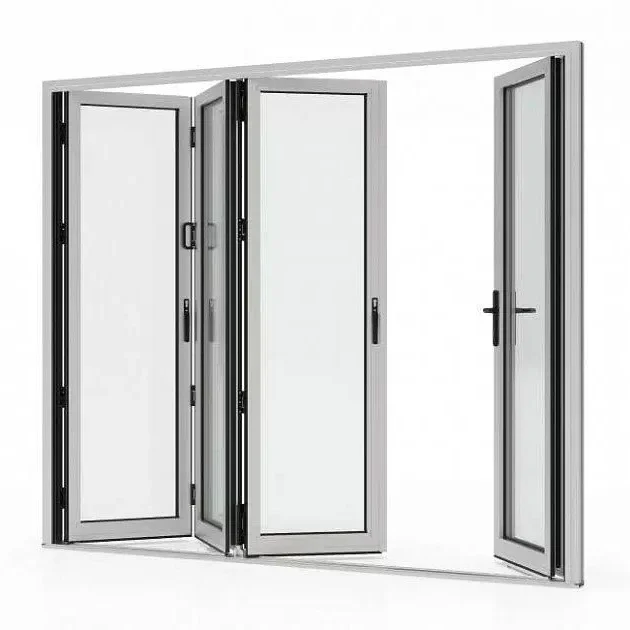
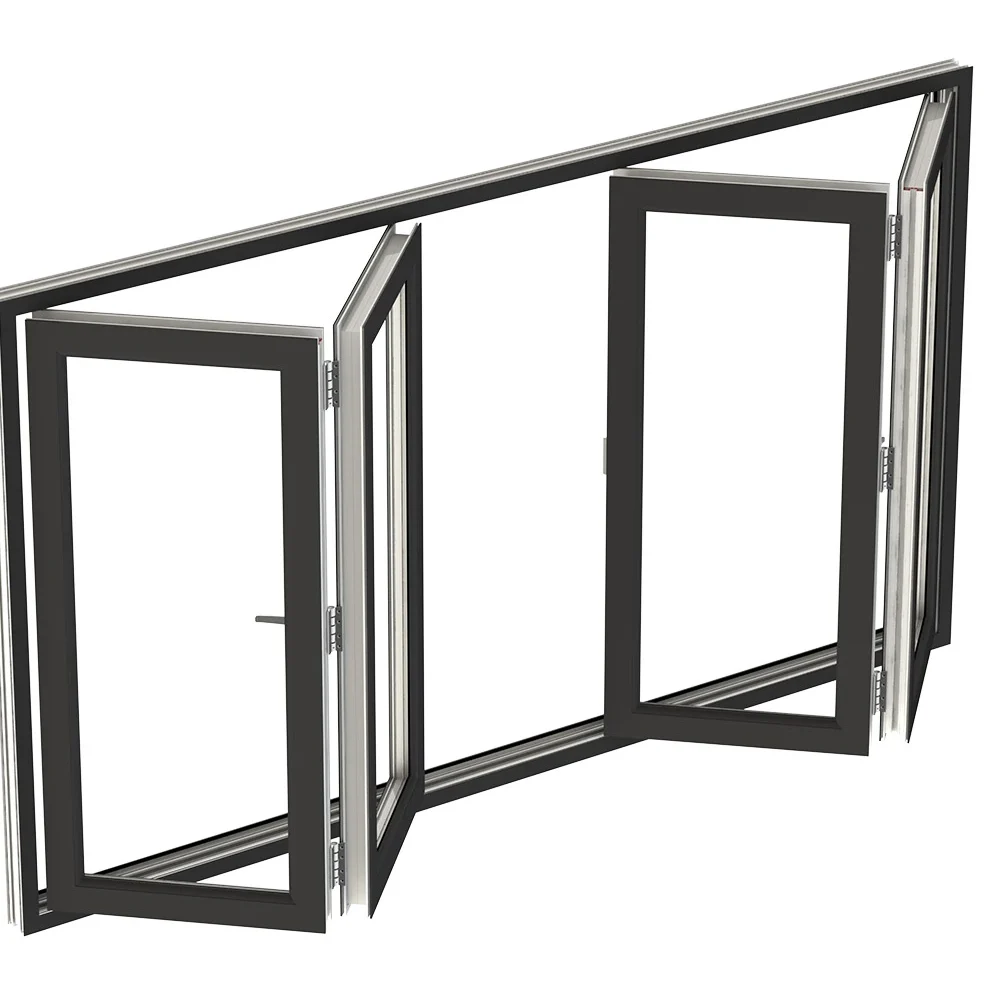
Bifold or Stacking Doors – perfect for wide openings and open-concept living
Common materials for patio doors:
Vinyl – affordable and energy-efficient
Aluminum – sleek and low-maintenance
Wood – warm and traditional
Fiberglass – long-lasting and weather-resistant
These doors offer great views, fresh air, and a smooth transition to your outdoor space.
3. Storm Doors

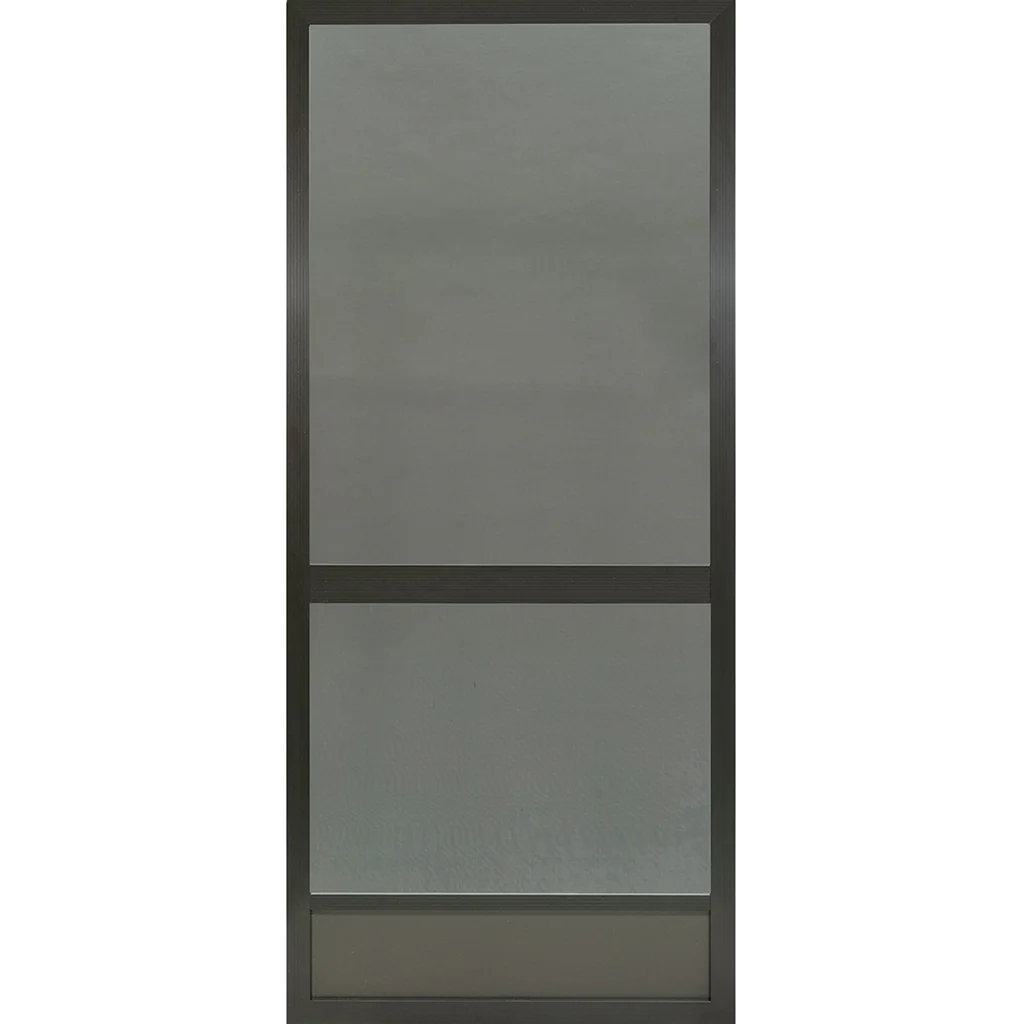
A storm door adds an extra layer of protection in front of your main door. It helps block wind, rain, snow, and even bugs.
Plus, it adds insulation and security without covering up your entry door.
Storm doors come in:
Aluminum – strong, lightweight, and rust-resistant
Steel – heavy-duty and extra secure
Vinyl/Composite – energy-efficient and low-maintenance
You can choose from full-view glass styles, half-view with screens, or models where the glass and screen are interchangeable based on the season.
4. Security Doors

If safety is your top concern, a security door is a smart investment.
These doors are built with reinforced frames, heavy-duty locks, and tamper-resistant hardware.
They’re commonly made from:
Steel – strong and impact-resistant
Aluminum – durable and rust-proof
Security doors are perfect for front, side, or garage entries where added protection matters most.
5. Dutch Doors

Dutch doors are divided in two, so the top half can open while the bottom stays closed.
They’re practical and charming—great for airflow, keeping pets or kids inside, or chatting with delivery drivers.
Dutch doors work well as:
Side or back doors
Garden or laundry room entries
Interior-exterior transitions where ventilation is a plus
They bring character to your home while also adding a bit of function and fun.
Popular Exterior Door Materials and Their Pros & Cons
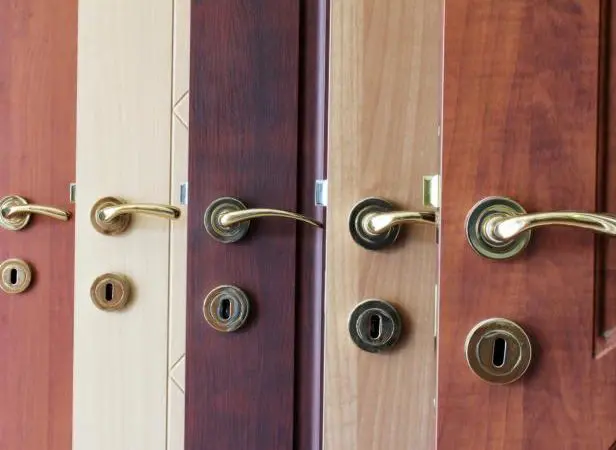
Door Styles & Configurations
Exterior doors don’t just vary by material—they also come in different styles and opening configurations. The way a door functions can make a big difference in how it fits your space and how easy it is to use.
Single & Double Hinged Doors
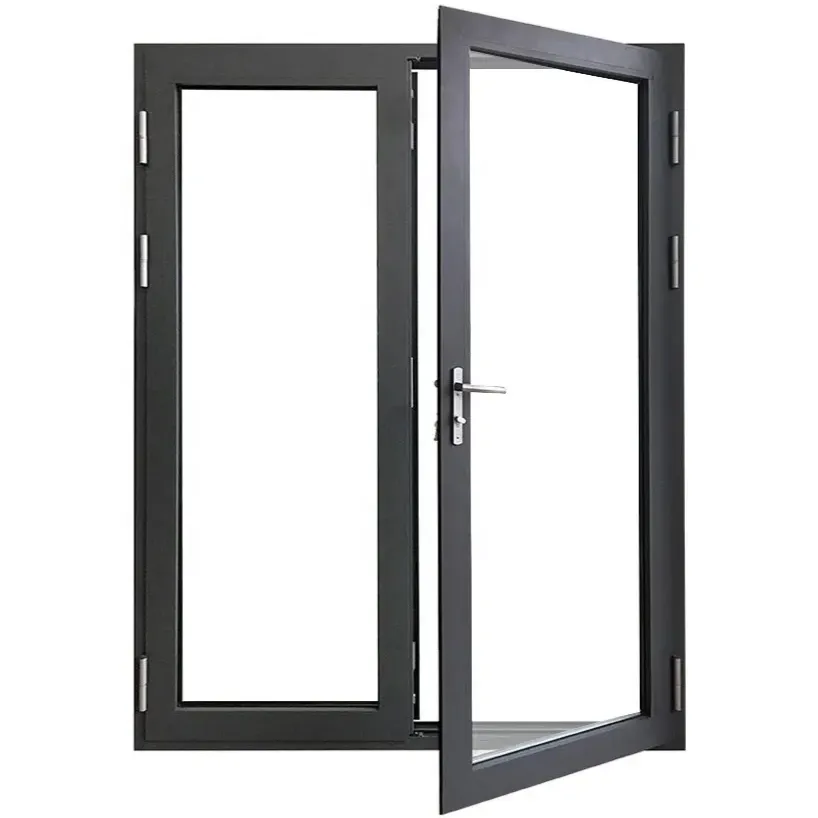
These are the classic, go-to choice for most front doors and back doors. A single hinged door opens on one side, while double doors swing open from the center—great for a grand entrance or wide access.
They’re easy to install, familiar to use, and fit almost any style of home.
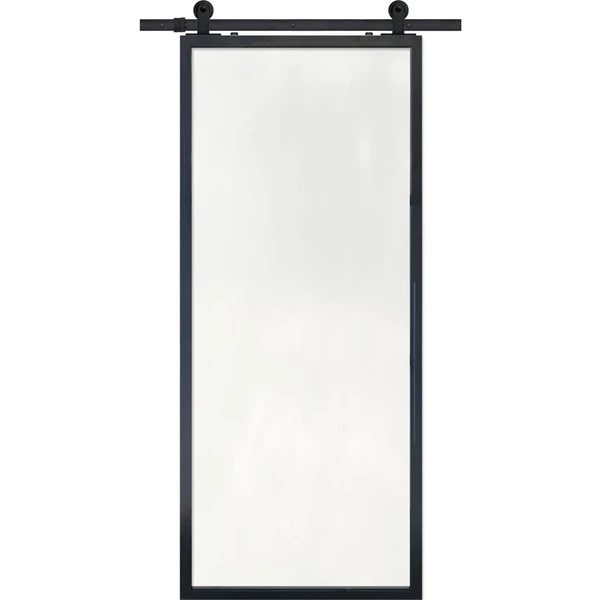
Sliding Doors

Sliding doors glide along a track instead of swinging open, making them ideal for patios, balconies, or small outdoor spaces where you want to save room.
They usually feature large glass panels that bring in natural light and connect indoor and outdoor living.
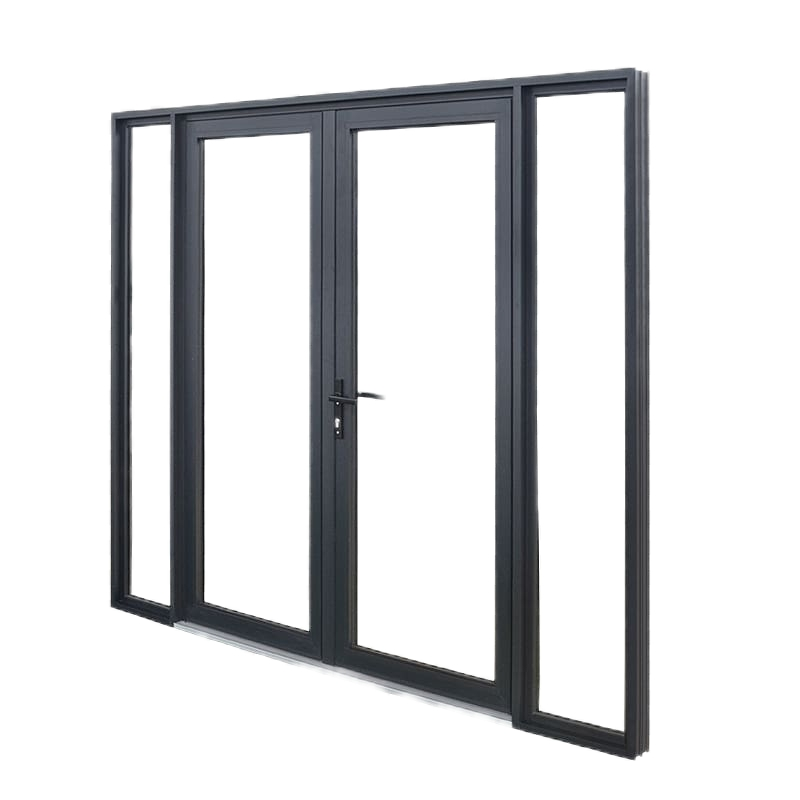
French Doors

Elegant and timeless, French doors are a pair of hinged doors that swing open from the middle.
They’re a great choice for both patios and entryways, offering a classic look and the flexibility of single or double opening panels.
Add sidelights or transoms for extra charm and light.
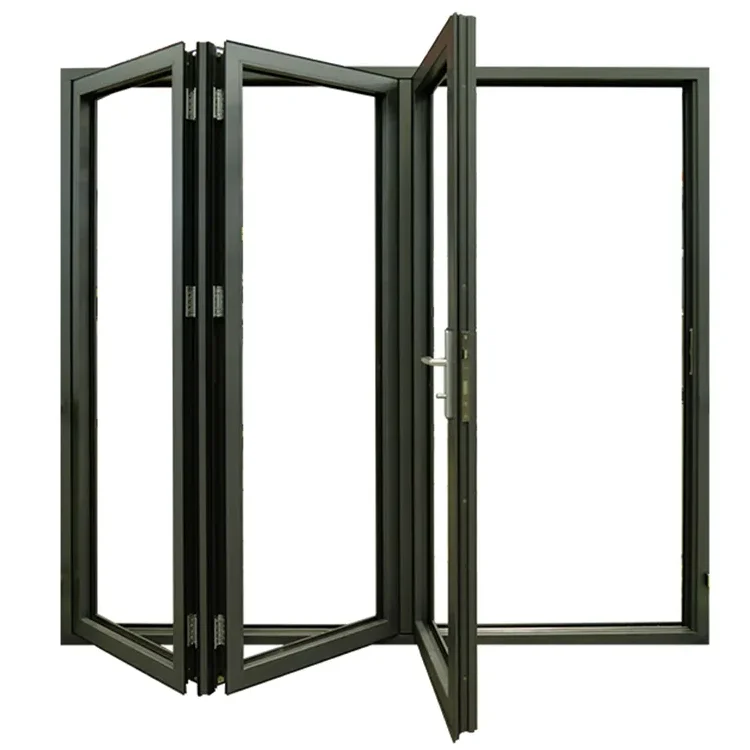
Bifold & Stacking Doors

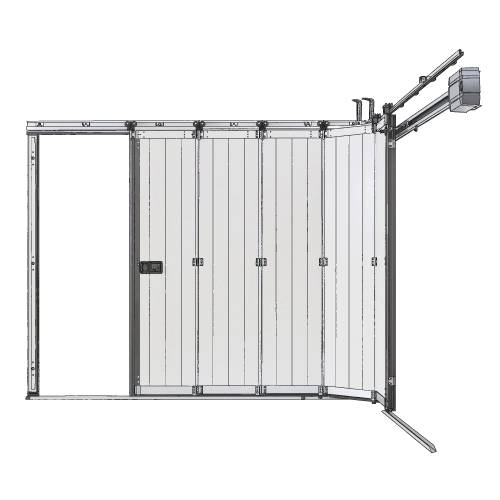
Want to open up a wall completely? Bifold doors fold neatly to the side, while stacking doors slide and stack behind each other.
Both options are perfect for al fresco living, wide patio access, or creating an open, airy feel in modern homes.
They’re especially useful in areas where you want to blur the line between indoors and out.
Dutch Doors
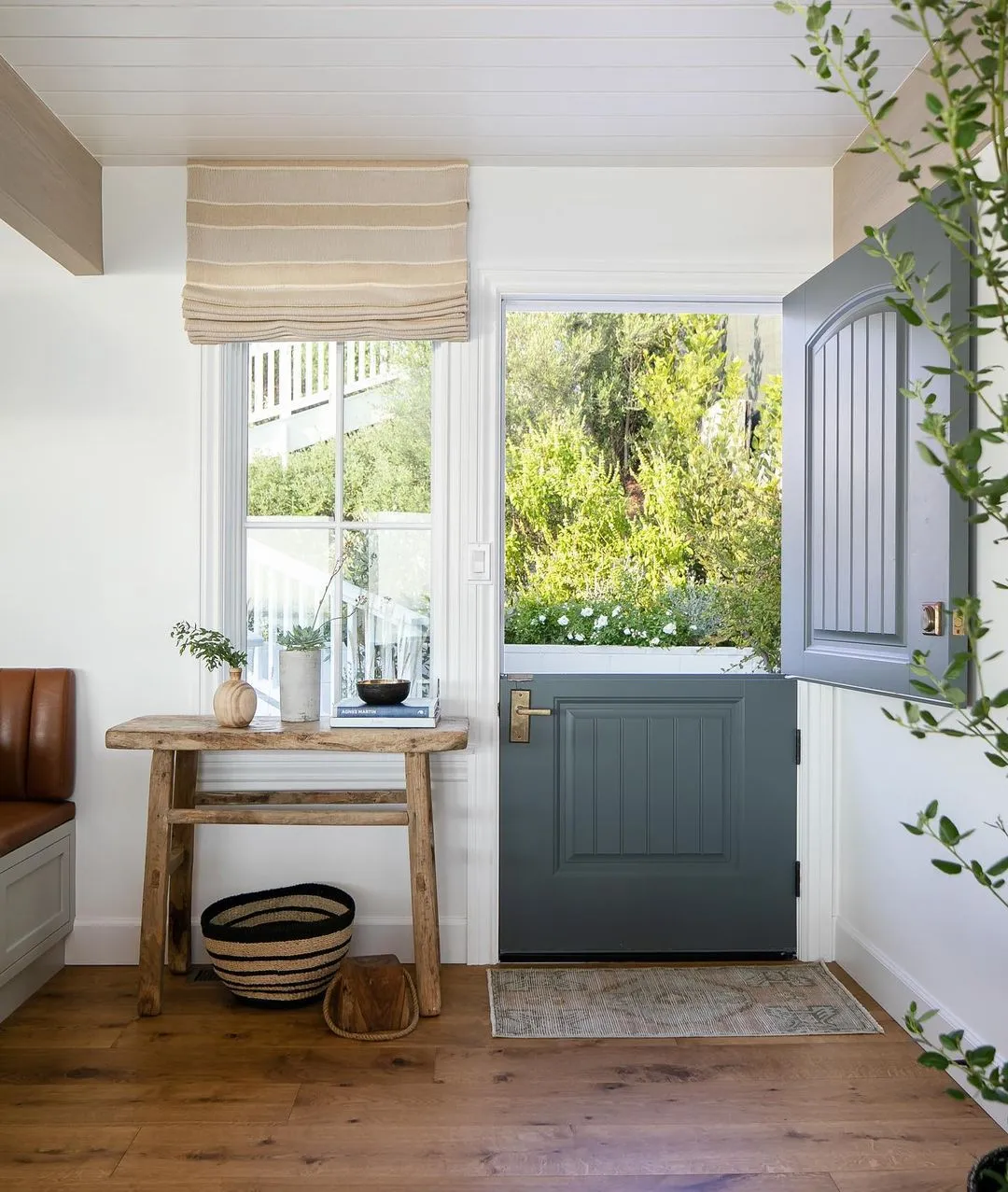
Dutch doors are split horizontally so you can open the top half while keeping the bottom closed.
They’re both stylish and practical—great for letting in fresh air while keeping pets or kids safely inside.
You’ll often see them used for side entrances, garden doors, or homes with a charming, country-style vibe.
Prehung vs. Slab Doors: Know the Basics

After exploring different door styles and how they open, it’s just as important to understand how your door is built and installed. Most exterior doors come in one of two formats: prehung or slab door.
What Is a Prehung Door?
A prehung door comes already attached to its own frame, complete with hinges, weatherstripping, and pre-cut holes for the doorknob and lock.
It’s ideal if:
You’re replacing a damaged door and its frame
You’re working on new construction
You want a weather-tight seal with minimal guesswork
Since everything is built in, prehung doors are quicker to install—but they’re heavier and usually require two people to handle.
What Is a Slab Door?
A slab door is just the door panel—no frame, hinges, or hardware. It’s best if you’re only replacing the door itself and keeping the existing frame.
It’s a good fit when:
Your current door frame is in good shape
You’re looking for more design flexibility
You want a more budget-friendly option
Slab doors cost less up front but may take more time and skill to install, since you’ll need to align the hinges, cut holes for the hardware, and make sure it fits perfectly.
Quick Pros and Cons
| Type | Pros | Cons |
|---|---|---|
| Prehung | Easy to install, includes frame, good seal | Heavier, more expensive |
| Slab | Affordable, flexible design options | Requires more work and precise fitting |
How to Choose the Right Exterior Door
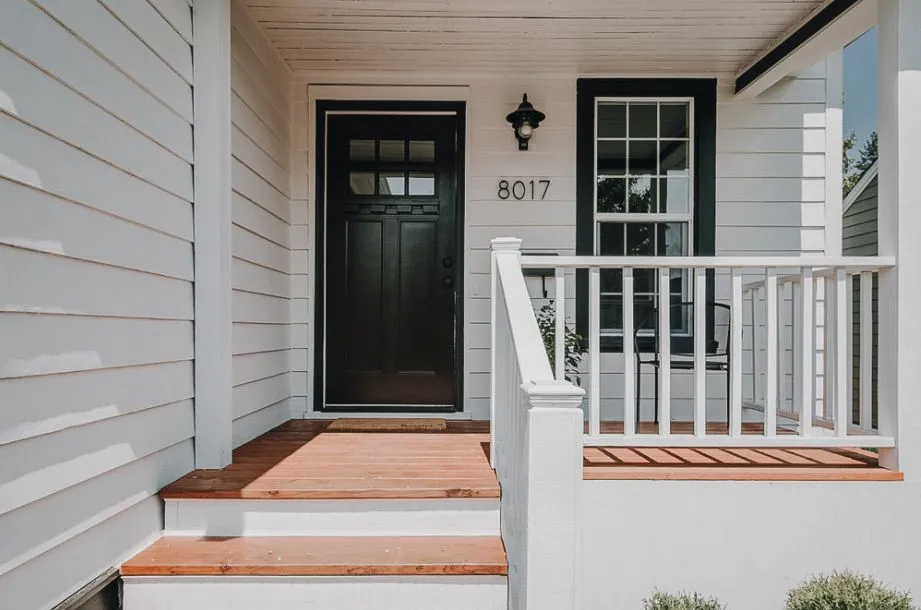
With so many types of exterior doors available, how do you pick the one that fits your home best?
- Climate Exposure: If your entry is exposed to harsh weather, choose materials like fiberglass or aluminum that resist warping, rotting, and moisture damage. For covered porches or mild climates, wood can be a beautiful option.
- Security Needs: Want peace of mind? Go with steel or wrought iron doors, or consider adding a security door with reinforced frames and tamper-resistant locks—especially for side or garage entrances.
- Budget: If you’re cost-conscious, fiberglass and composite doors offer good durability and style without the high price tag. Wood and custom aluminum doors are typically on the higher end.
- Energy Efficiency: Look for doors with insulated cores, weatherstripping, or low-E glass to help reduce heating and cooling costs. Fiberglass and steel are top picks for keeping the temperature comfortable indoors.
- Style Preference: Love a modern vibe? Try sliding or minimalist aluminum doors. Prefer something timeless? Go for French doors, Victorian designs, or classic wood entry doors with rich finishes and glass accents.
- Traffic Flow & Accessibility: For high-traffic areas, sliding or bifold doors provide wide, easy access. If accessibility is a concern, look for low-threshold options or automatic sliding doors for smoother entry and exit.
Ready to Find the Perfect Door?

Whether you’re upgrading your entryway, opening up your patio, or adding more security to your home—choosing the right exterior door makes all the difference.
Need help making the right choice?
Contact us today for expert advice, a full product catalog, or a custom quote.
We’re here to help you find a door that fits your space, style, and budget—no stress, just solutions.