Standard Awning Window Sizes and Dimensions Guide

Find awning window sizes from compact 18″×18″ to larger 48–72″ widths, plus height ranges and measurement tips to choose the right size for your home project.
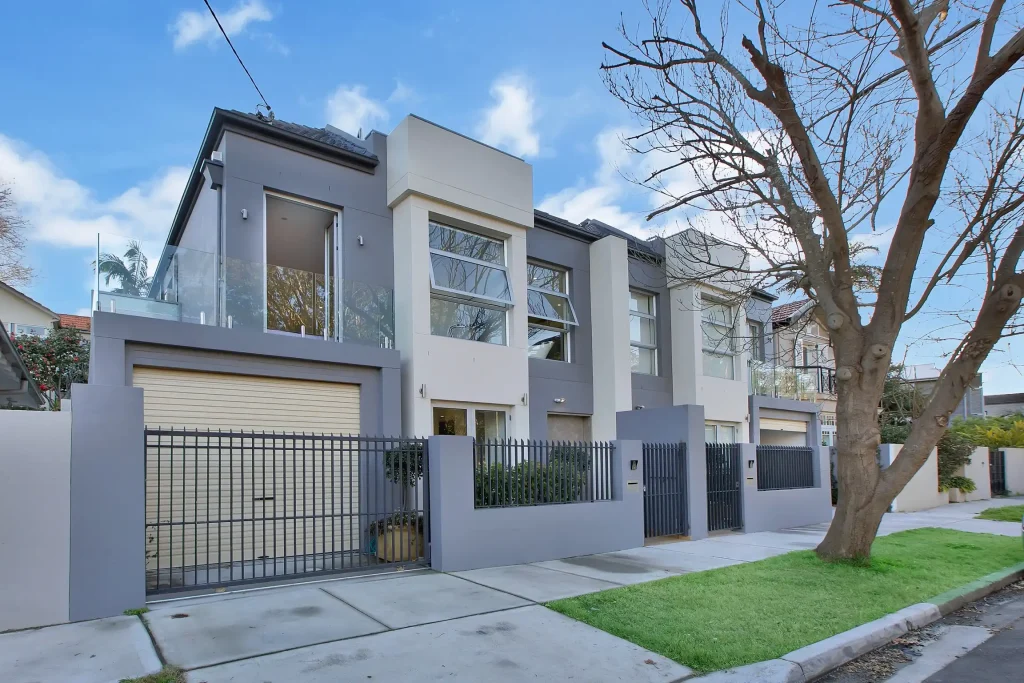
Standard awning windows on modern townhouse exterior
Table of Contents
Please enable JavaScript in your browser to complete this form.
Like this article? Share it on:

Table of Contents

What Are Awning Windows?

Row of open awning windows with a sleek white frame

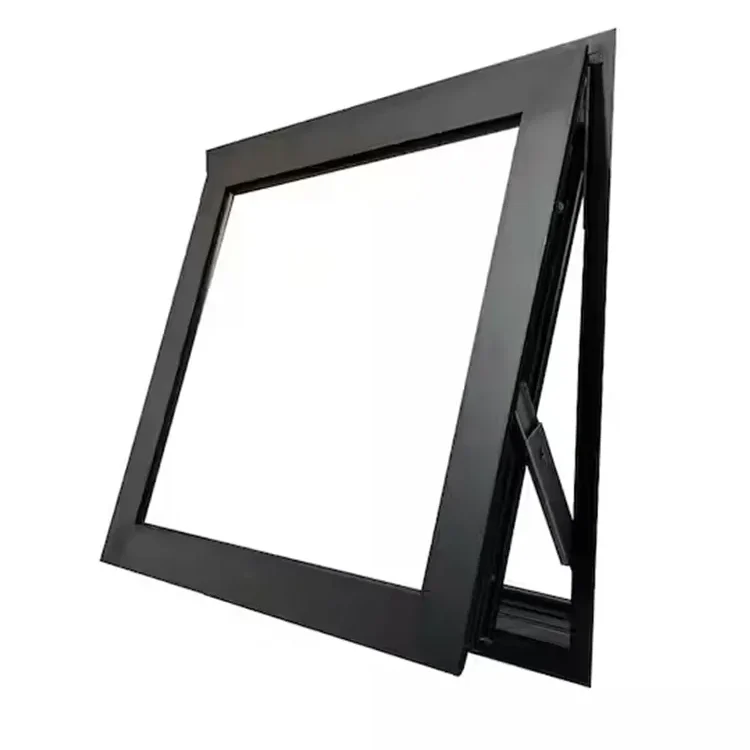
Awning windows are top-hinged windows that open outward from the bottom. When opened, the glass panel creates a small “awning” shape, which helps block rain while still letting fresh air in.

These windows are popular because they offer a smart balance of ventilation and weather protection. Since they open outward, you can keep them slightly open during light rain without worrying about water getting inside. They also seal tightly when closed, which helps improve energy efficiency.

Key benefits of awning windows include:

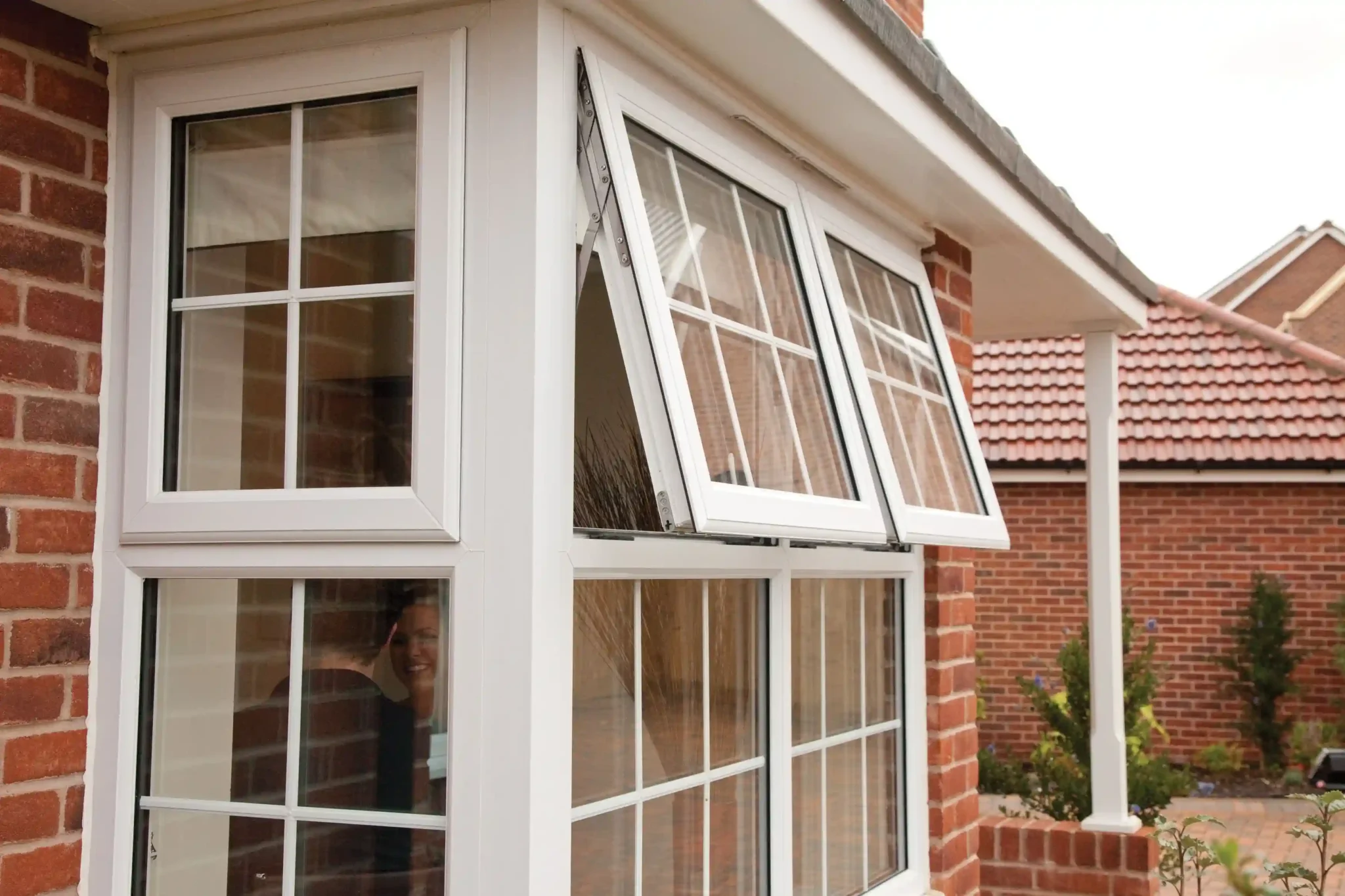
Exterior view of white awning windows opening outward on a house
  • Reliable airflow, even in wet weather

  • Strong seals that reduce drafts and heat loss

  • Flexible design that works alone or paired with fixed windows

Common placements include bathrooms, kitchens, and basements, where airflow, privacy, and moisture control matter most.

Typical Standard Awning Window Sizes

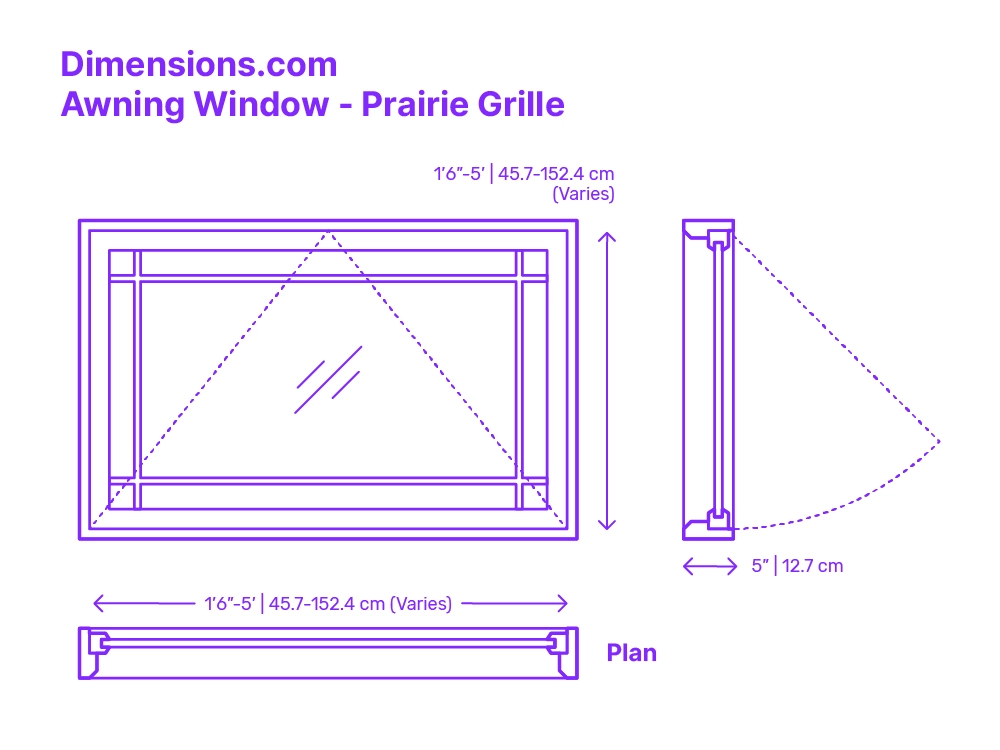
Awning window dimensions with width and height labels

Awning windows come in a wide range of standard sizes, making them easy to fit into many home layouts without needing custom orders.

Common width ranges usually start around 16 inches and go up to 48 inches. Some manufacturers offer wider options, reaching 60 to 72 inches, especially for modern designs or multi-panel setups.

Typical height ranges often fall between 24 inches and 84 inches, giving you flexibility for both compact openings and tall wall sections.

Keep in mind, standard sizes vary by manufacturer. Always check the product specifications before ordering to avoid fit or installation issues.

Standard Size Chart Examples

Bar operated awning window showing maximum size limits

Here are some common width × height sizes you’ll often see in stock awning windows:

  • 24″ × 18″ – Compact, ideal for bathrooms or basements

  • 36″ × 24″ – Balanced size for steady ventilation

  • 36″ × 60″ – Taller option that adds more daylight

  • 48″ × 38″ – Wider opening for improved airflow and views

Narrower sizes work best when ventilation and privacy are priorities.

Taller models allow more natural light, making rooms feel brighter and more open.

Custom Sizes and Limitations
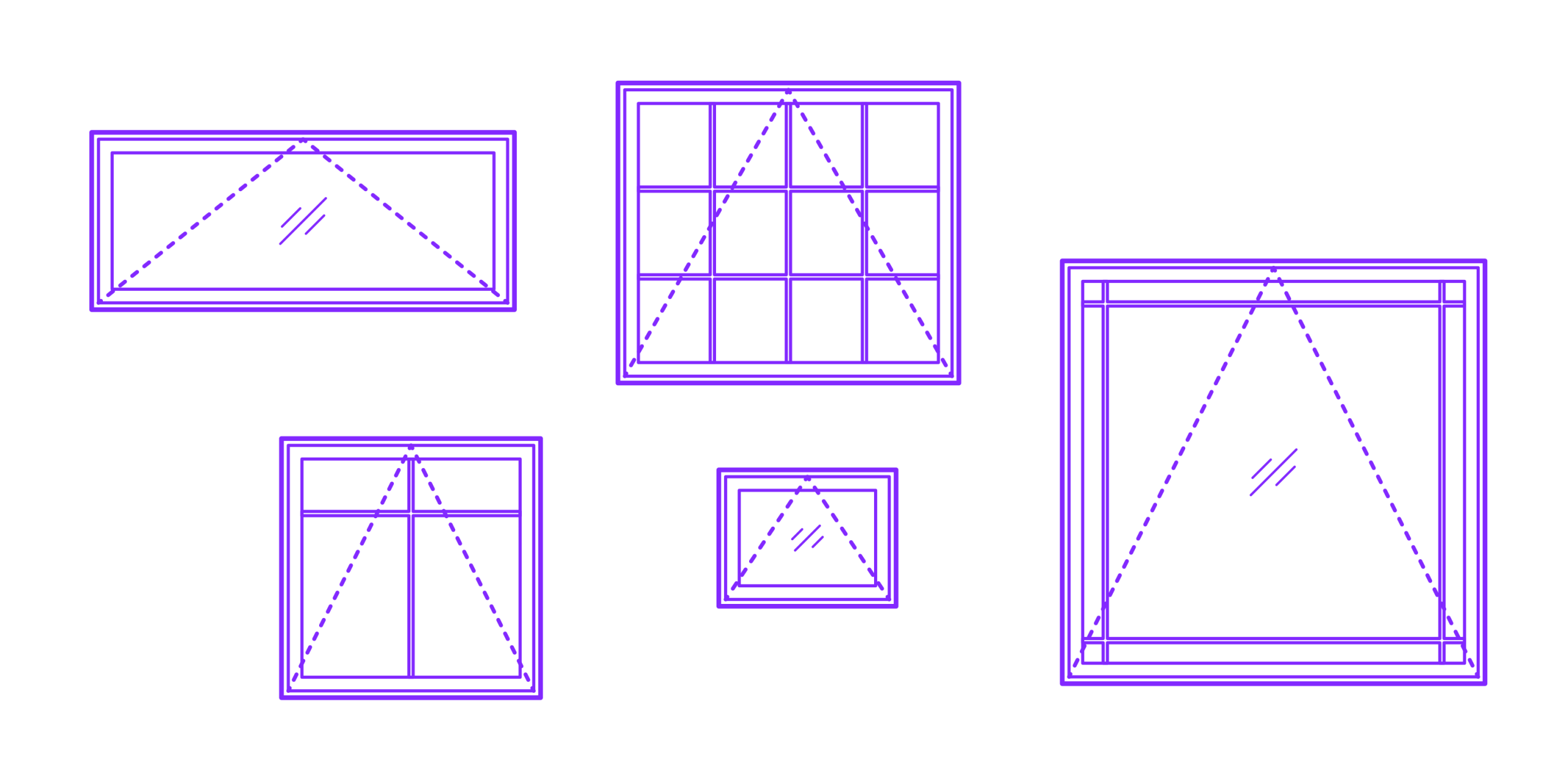
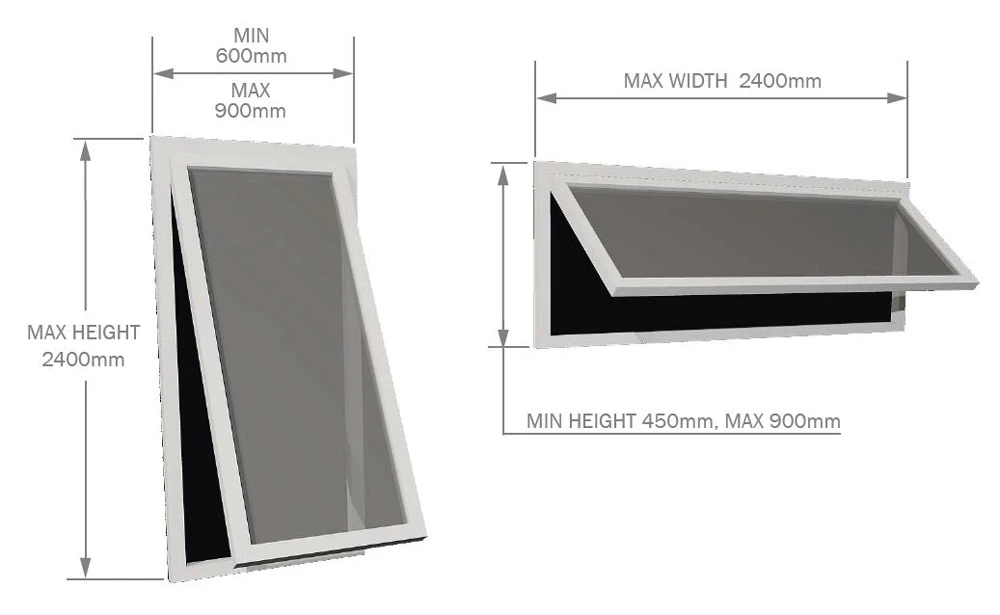
Awning window size diagrams showing standard dimensions

While standard awning window sizes work for many homes, custom sizes are often the best choice when openings don’t match stock dimensions or when design flexibility matters.

Custom sizing options are usually available in small increments, often down to 1/8 inch, allowing a precise fit for renovations, replacements, or unique wall layouts. This helps improve sealing, insulation, and overall performance.

When to choose custom over standard:

  • Existing openings don’t match standard sizes

  • You want to maximize light or ventilation in a specific space

  • Architectural or design requirements call for exact dimensions

Size limits do apply. Most manufacturers cap awning window widths at around 6 feet, depending on frame material, glass type, and hardware strength. Always confirm limits with the manufacturer to ensure safety and long-term durability.

Choosing the Right Awning Window Size for Your Room
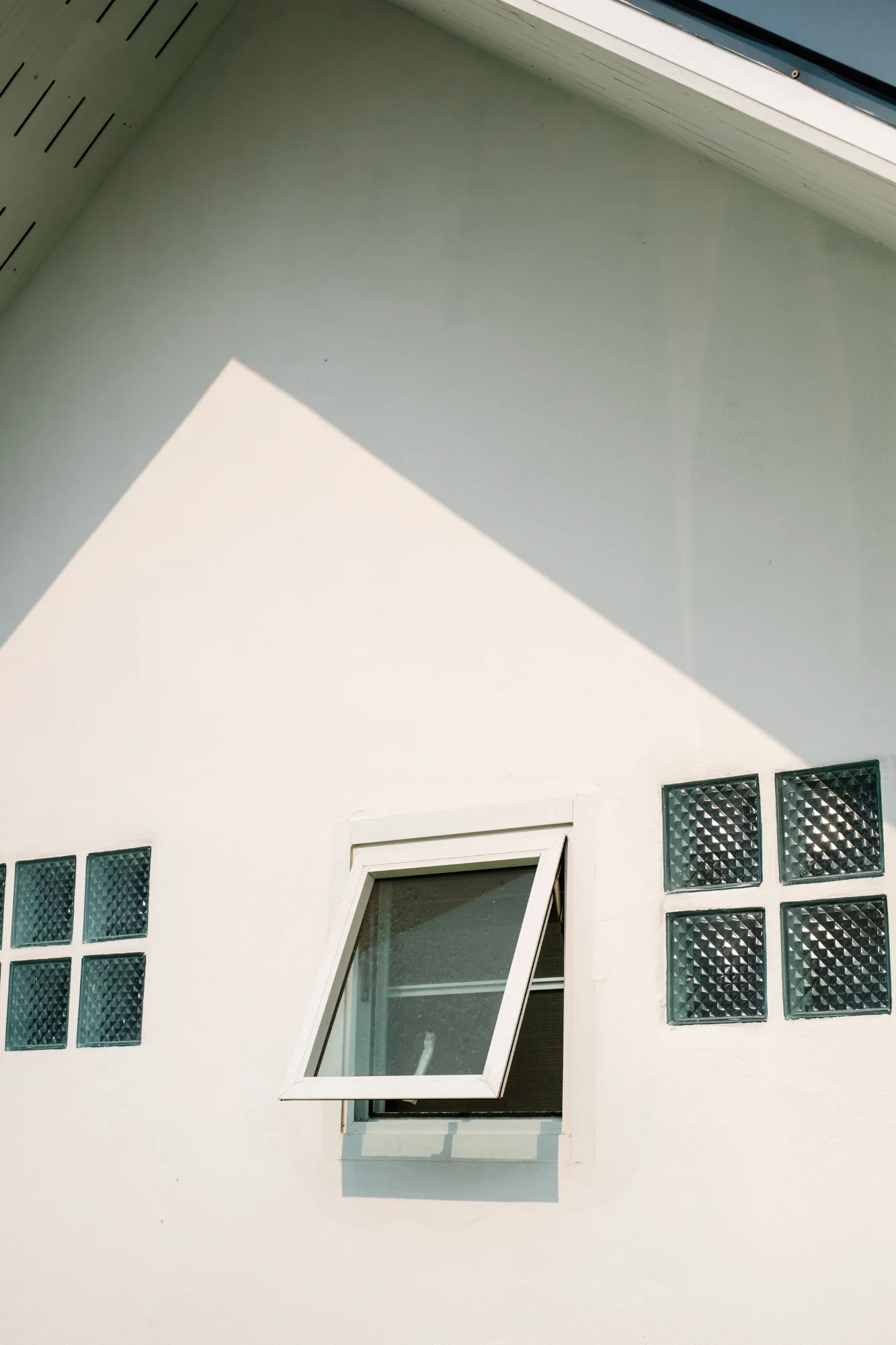
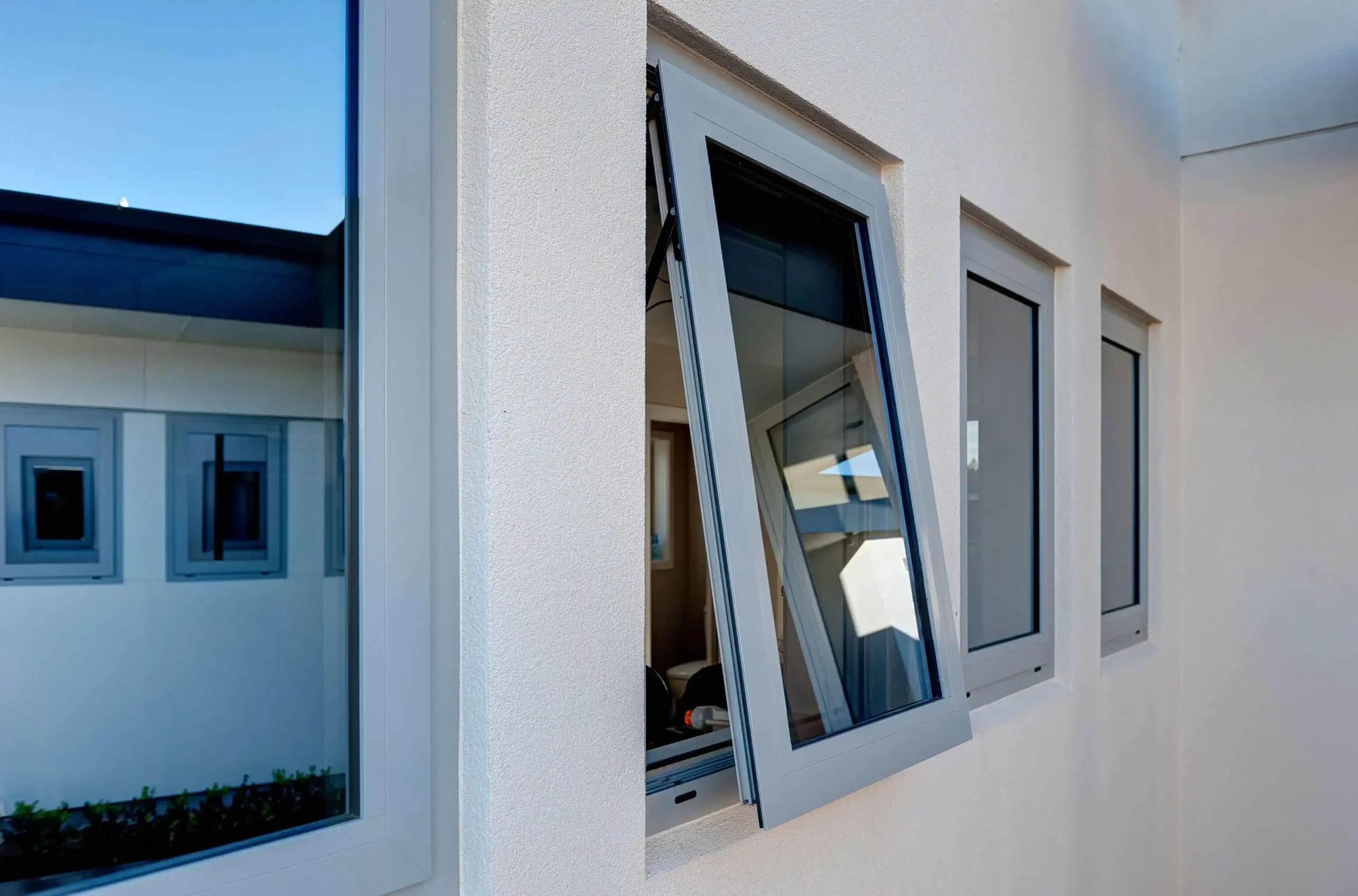
Awning window opening outward on modern exterior wall

Choosing the right awning window size is about function, comfort, and compliance, not just looks.

  • Match size to room function:
    Smaller windows work well where privacy and ventilation matter, like bathrooms and basements. Larger sizes are better for spaces that need more natural light and airflow.

  • Balance with wall space:
    The window should fit the wall without overpowering it. Oversized windows can reduce insulation and increase heat loss or gain.

  • Think about energy efficiency:
    Proper sizing helps control heating and cooling costs while maintaining comfort year-round.

  • Check local building codes:
    Some areas have minimum or maximum size rules, especially for basements and habitable rooms.

Choosing wisely ensures your windows perform well and meet safety requirements.

Need Help Choosing the Right Awning Window Size?

Selecting the perfect window size can make a big difference in comfort, energy efficiency, and overall design—and you don’t have to figure it out alone.

Our experts can help you choose the ideal awning window size, confirm code compliance, and recommend the best options for your space and climate.

Contact us today for professional advice, customized solutions, and a fast, no-obligation quote.

FAQs

1. What are standard sizes for awning windows?

Standard awning windows typically range in width from about 2 ft (24″) to around 3 ft 10″ (46″) and heights often fall between 1 ft 8″ (20″) up to about 7 ft 8″ (92″) depending on manufacturer and model.

2. What is a good size for a window awning?

A good size depends on your space, but common stock awning windows often fall between 24 × 18 inches to 36 × 60 inches, balancing ventilation, light, and privacy.

3. What is the standard awning size?

There isn’t one single “standard” size, but many manufacturers list awning windows in a range from roughly 24–48 inches wide and 18–72+ inches tall.

4. What is the size of an awning window in CM?

Converted to metric, typical awning window widths can be about 60–120 cm, and heights often range from 45–185 cm, though sizes vary by brand and region.

Like this article? Share it on:

Leave a Reply

Your email address will not be published. Required fields are marked *
Latest Insights From Our Experts

Request A Free Quote!

Please enable JavaScript in your browser to complete this form.
Project Types

Access Your Download – Tell Us About Your Project First

Please enable JavaScript in your browser to complete this form.
Request A Free Quote!
Please enable JavaScript in your browser to complete this form.