












Choosing the right patio door might seem like a small decision, but it can have a big impact on how your home looks, feels, and functions. Whether you’re building a new home or updating your current space, two of the most popular options are sliding and hinged patio doors.

Both styles connect your indoor and outdoor spaces beautifully, but they work very differently. Some offer space-saving benefits, while others add a classic touch. The best choice depends on your home’s layout, your design taste, and how you use your patio.
Sliding Patio Doors
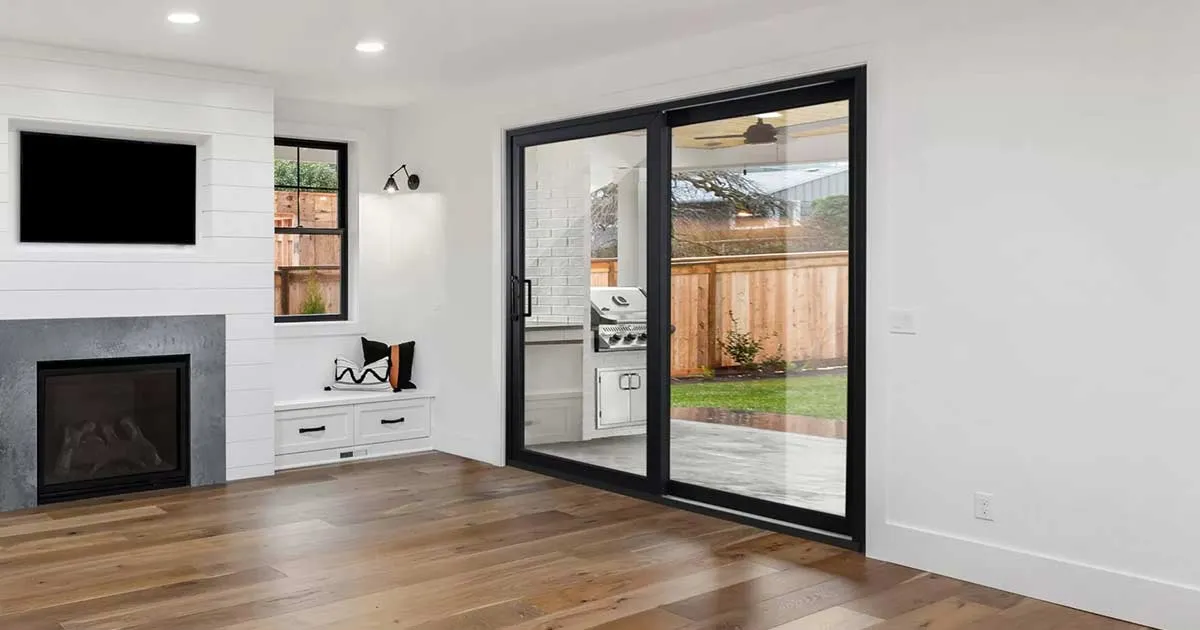
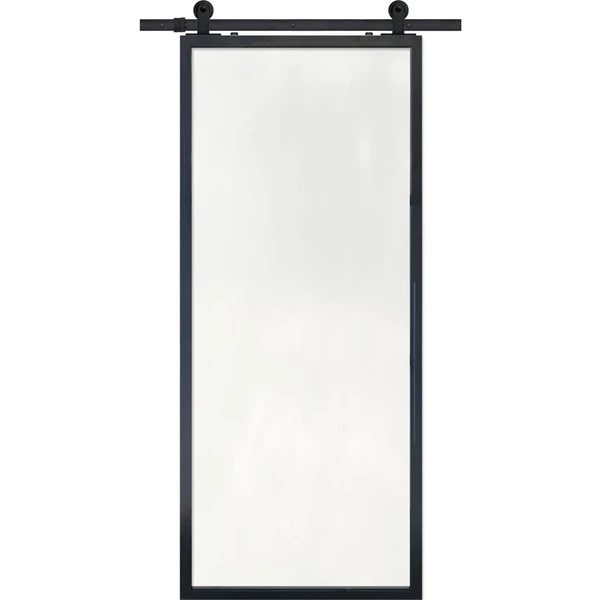
Sliding doors open by gliding along a horizontal track. One panel stays in place while the other slides open and closed. Because they don’t swing outward or inward, they’re perfect for tight areas where every inch counts.
They’re ideal for small rooms, patios with limited space, or anywhere you want a clean, minimalist look. Plus, their large glass panels bring in tons of natural light and give you a great view of your outdoor space.
Popular types of sliding patio doors include:
Standard 2-panel: The most common style, with one sliding panel and one fixed panel.
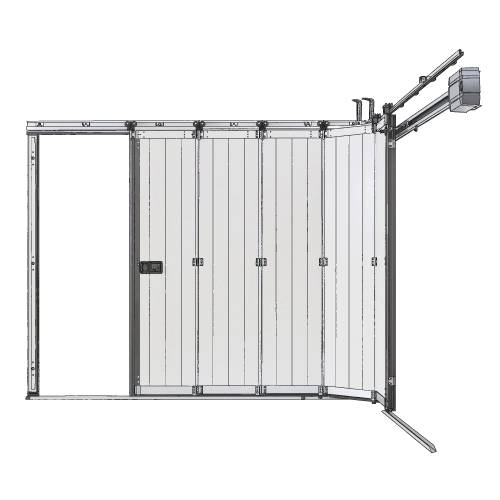
Multi-slide or stacker doors: Multiple panels slide open and stack together for a wide, open feel—great for large patios or decks.
Sliding French doors: A blend of traditional charm and modern function. These mimic the look of classic French doors but operate on a sliding track.
Hinged Patio Doors at a Glance
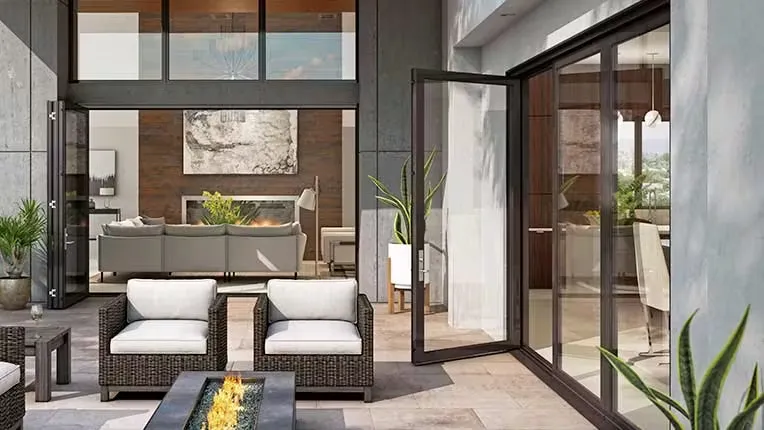
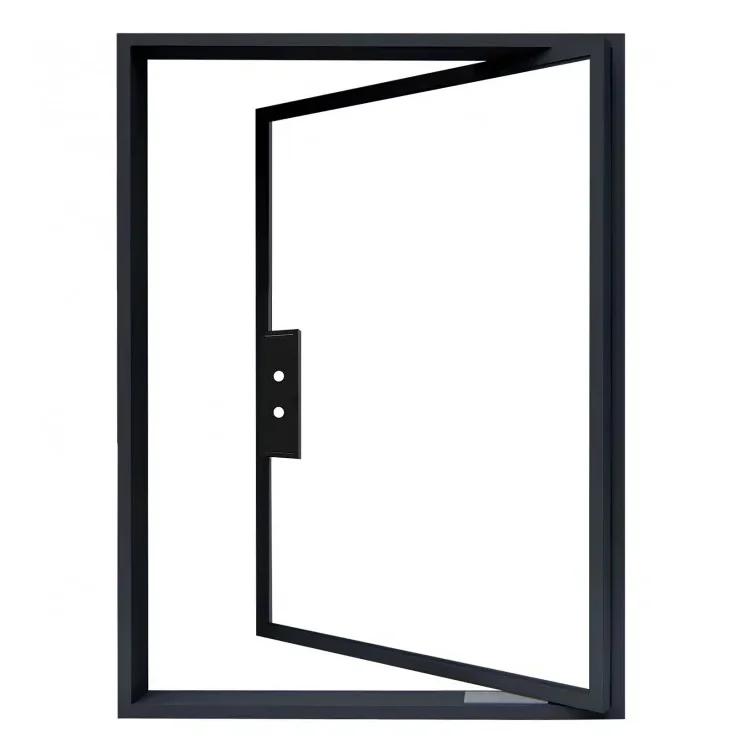
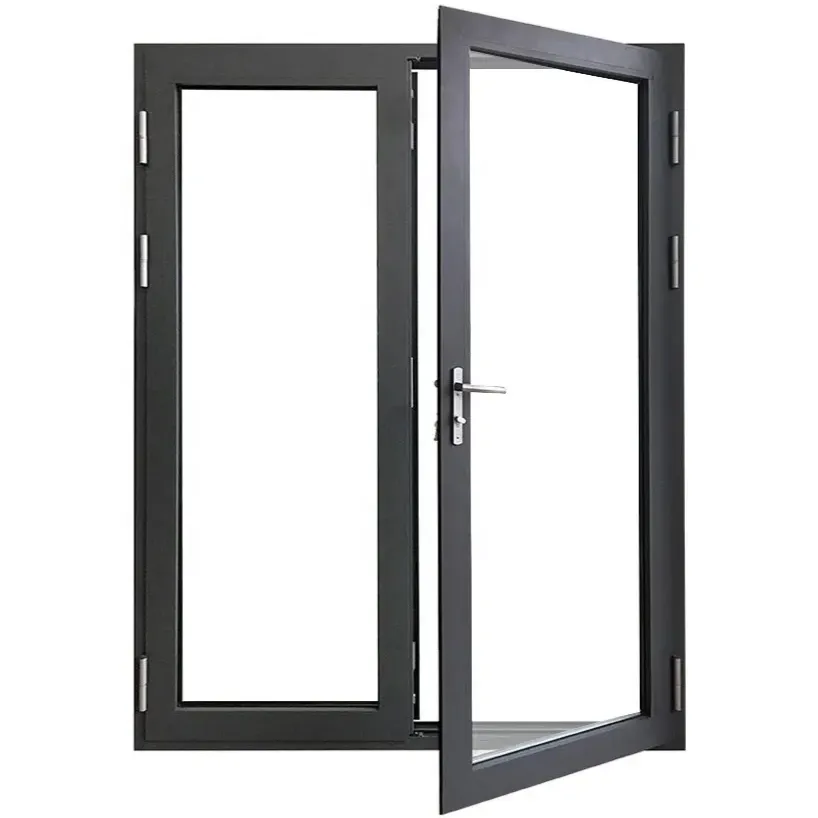
These doors are attached to the frame with side hinges and swing either inward or outward, depending on your space and preference. They provide a wide, open feel and are great when you want a grand entrance to your patio or backyard.
They add charm and character, especially in homes with more traditional architecture. Hinged doors also let you open the full doorway—great for fresh air, big gatherings, or moving furniture in and out.
Common types of hinged patio doors include:
Single-hinged (French doors): One active panel that swings open, usually paired with a fixed panel.
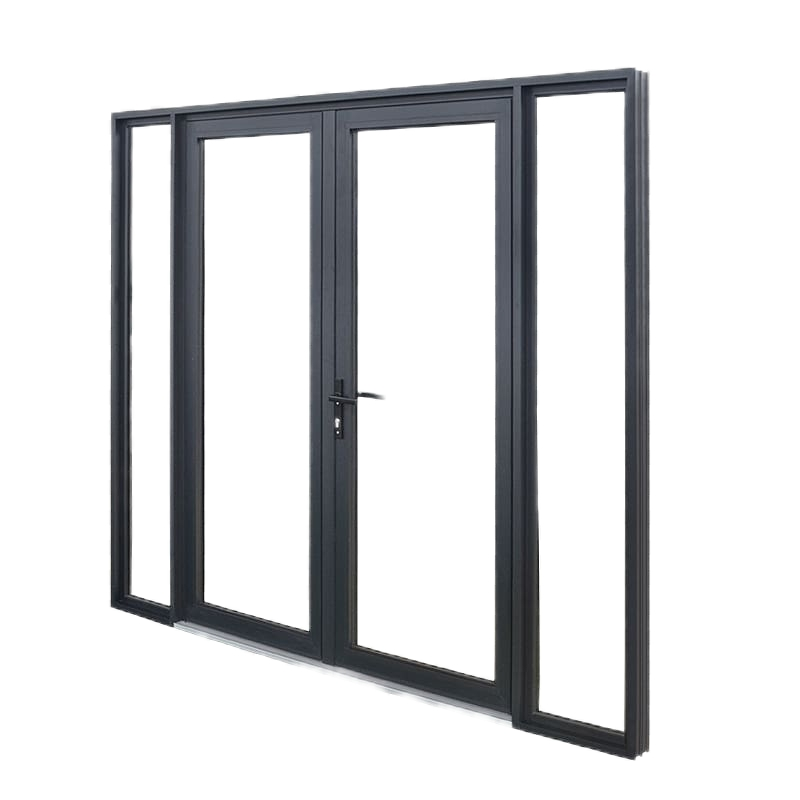
Double-hinged: Both panels open from the center, often called classic French doors.
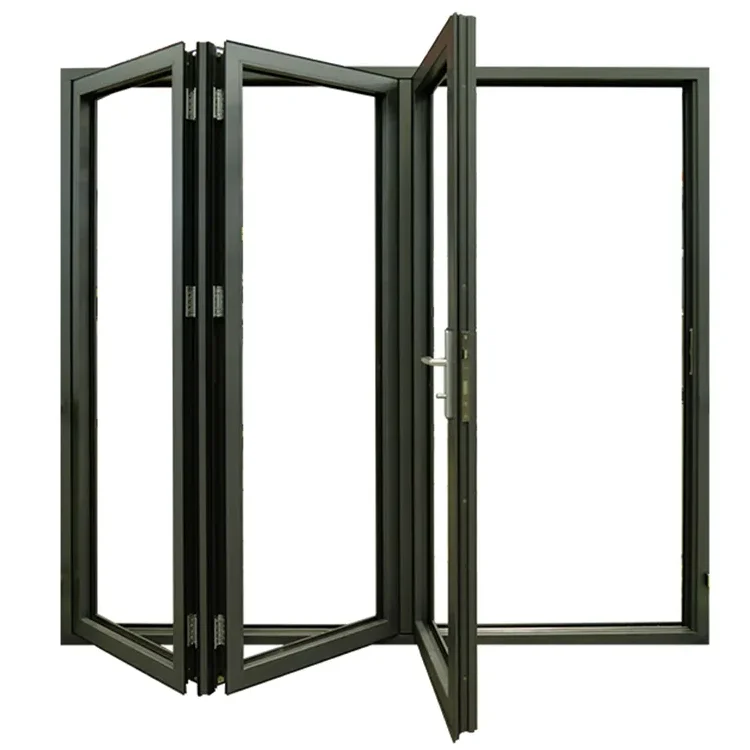
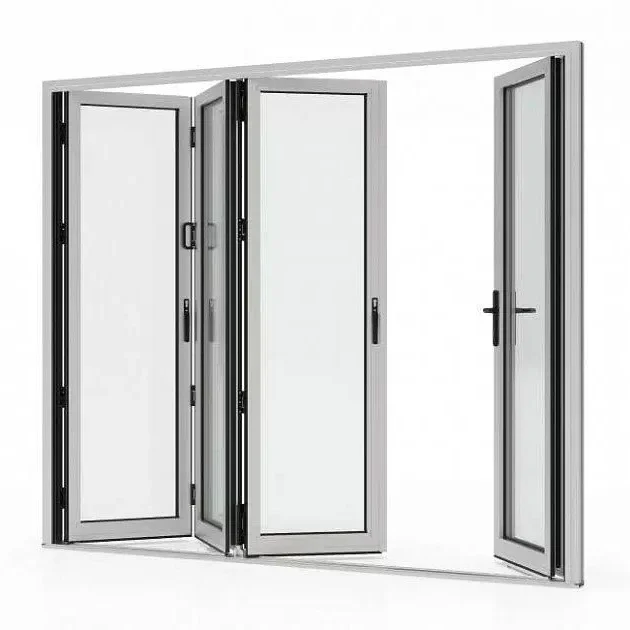
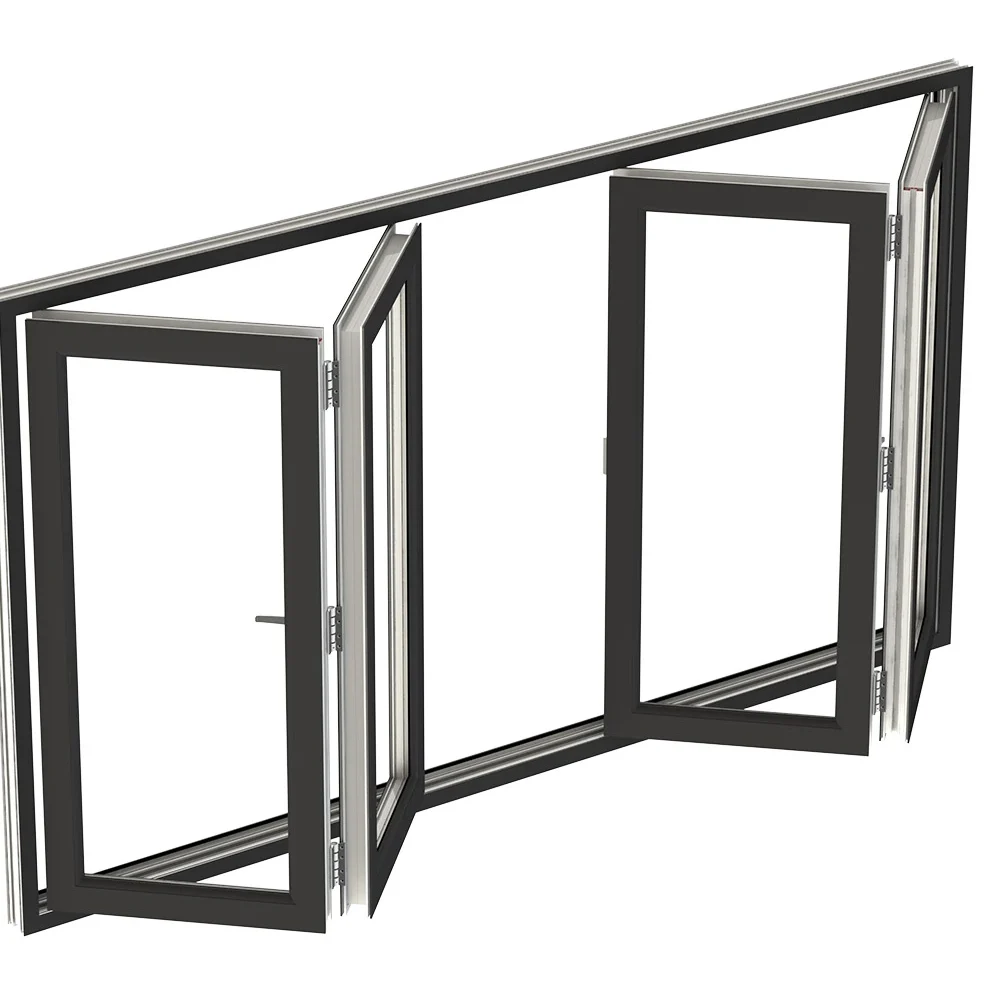
Bifold or accordion-style: Multiple panels fold and stack to the side, creating a wide, seamless indoor-outdoor flow.
Sliding vs. Hinged Patio Doors: Side-by-Side Comparison
Pros and Cons of Sliding Patio Doors
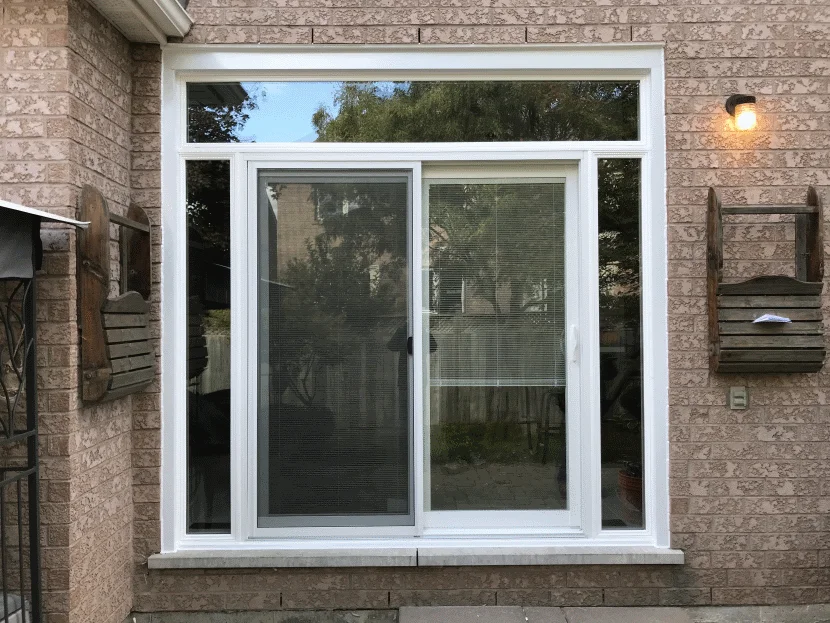
Sliding patio doors are a popular choice for modern homes, especially when space is limited. Let’s take a quick look at what they do best — and where they fall short.
Pros
Space-saving design – No need for swing clearance, perfect near furniture or tight walkways.
Modern style – Clean lines and wide glass panels create a sleek, contemporary look.
Natural light – Large panes let in lots of sunlight and outdoor views.
Easy operation – Doors glide smoothly on tracks, ideal for kids, seniors, or anyone with limited mobility.
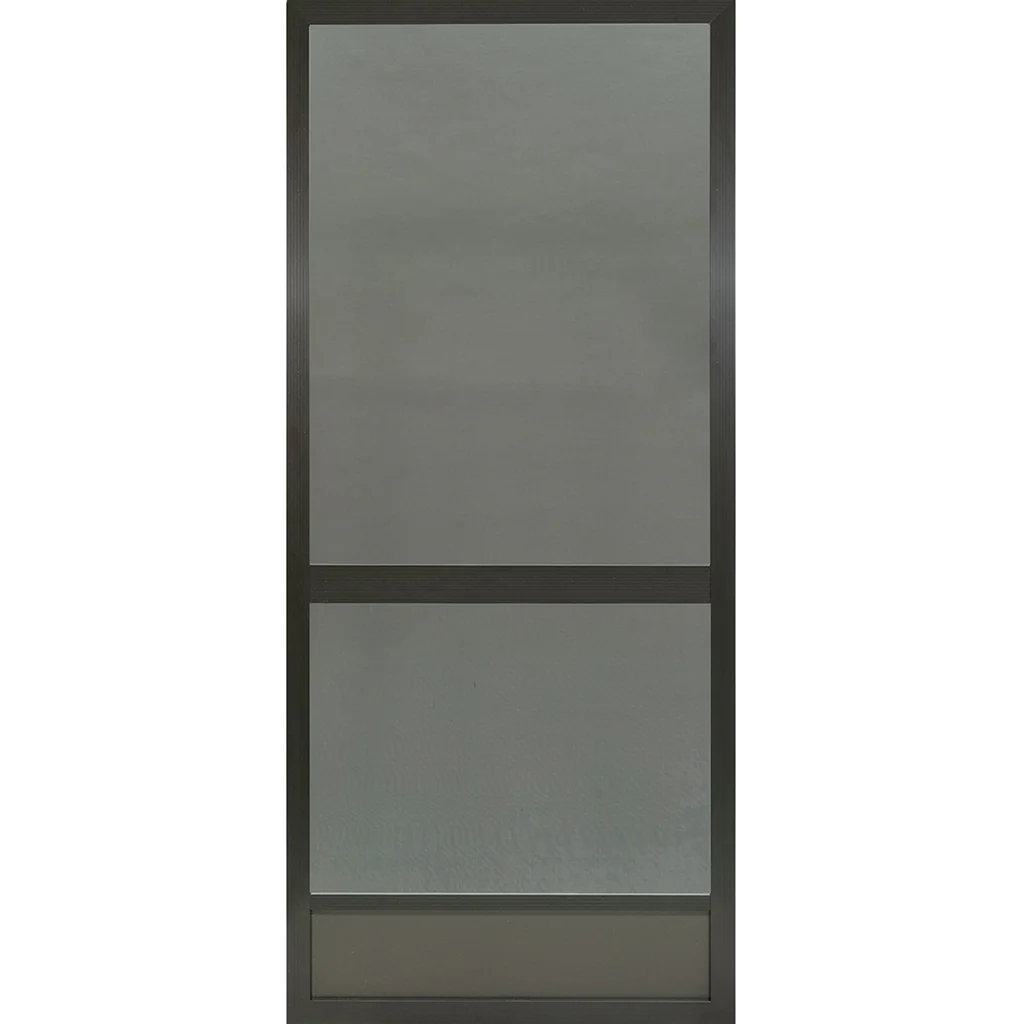
Great ventilation – Often paired with a sliding screen, so you can let fresh air in and keep bugs out.
Cons
Only one panel opens – You get partial access, not a full-width entry.
Track maintenance – Dirt or debris can jam the track; regular cleaning is a must.
Security upgrades needed – May require extra locks or anti-lift devices for full protection.
Harder to clean exterior – The outside panel can be tricky to reach, especially on upper floors.
Fewer customization options – Typically come in fewer colors or grille styles than hinged doors.
Pros and Cons of Hinged Patio Doors
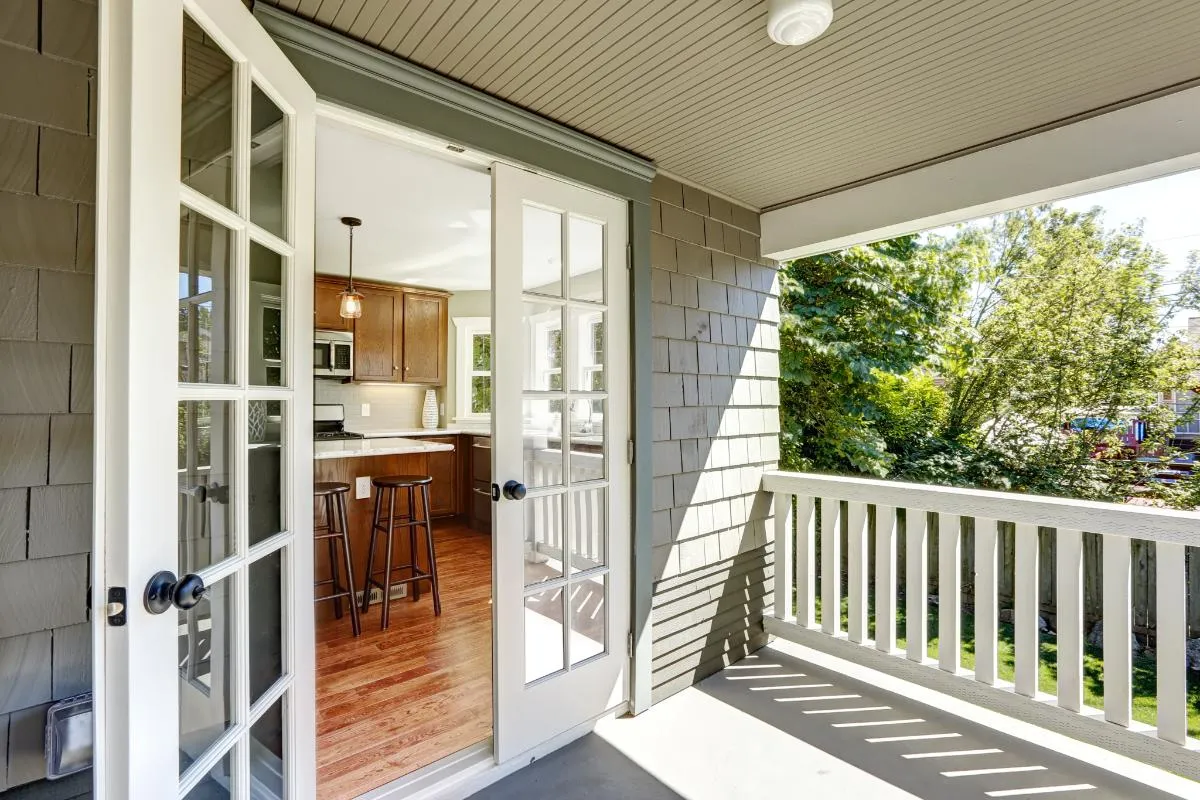
Hinged (or French-style) patio doors are loved for their charm and wide opening. They suit homes that lean traditional, transitional, or rustic — but they’re more flexible than you think.
Pros
Full opening access – Both panels can swing open for large furniture or wide airflow.
Timeless design – Adds elegance and character to your home’s interior and exterior.
Strong security – Solid frame construction supports deadbolts and multipoint locks.
Custom style – Choose from grilles, swing directions, woodgrain finishes, and more.
Better insulation – Tighter seals often mean better energy efficiency in extreme climates.
Cons
Needs swing space – Doors require room to open, indoors or outdoors.
More clearance planning – Swing direction must be considered carefully near furniture or walls.
Higher price for upgrades – Custom finishes, transoms, or sidelights can raise the cost.
May weather over time – Hinges and seals need occasional checks to stay in good shape.
Screen options limited – Screens aren’t always included or easy to add.
Which Patio Door Should You Choose?
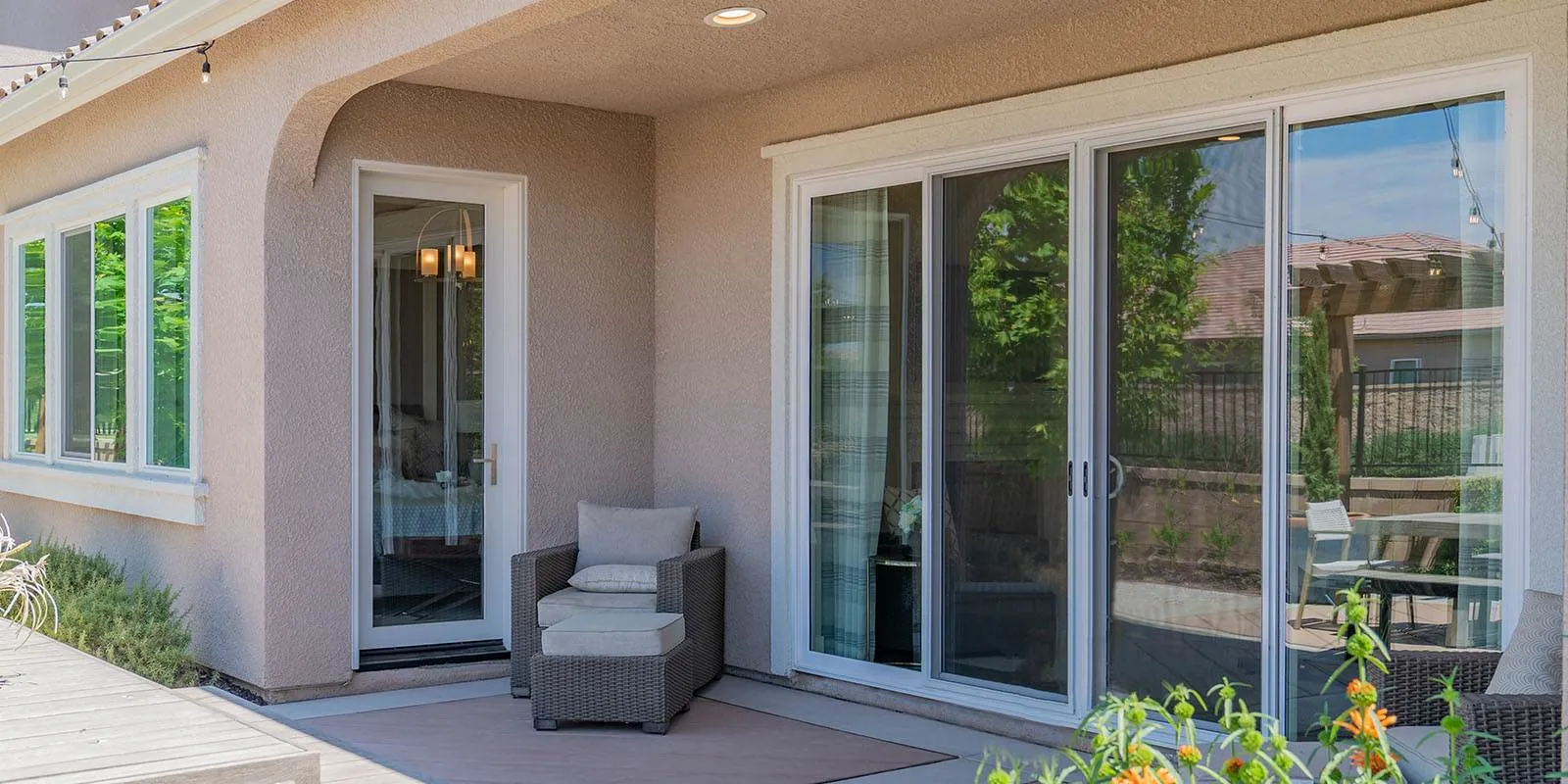
Both sliding and hinged patio doors have their strengths — it really comes down to your space, style, and how you use your home.
Choose Sliding Patio Doors if:
You have limited space or furniture nearby the door.
You want a modern, minimalist look with clean lines.
You like the idea of easy-glide operation (great for kids, seniors, or frequent use).
You want to add a screen door for ventilation without bugs.
Choose Hinged Patio Doors if:
You prefer a classic, elegant look that makes a design statement.
You want both doors to open fully for wide access to your deck or garden.
You prioritize security and insulation — especially in colder or windier areas.
You enjoy choosing from decorative finishes, sidelights, or swing configurations.
Or Mix Both!
If you have multiple outdoor access points, you don’t have to choose just one style.
Use sliding doors in tighter areas like kitchens or sunrooms.
Use hinged doors in larger entertaining areas like the living room or main deck.
Mixing both gives you the best of functionality and aesthetics.
Ready to Find Your Perfect Patio Door?
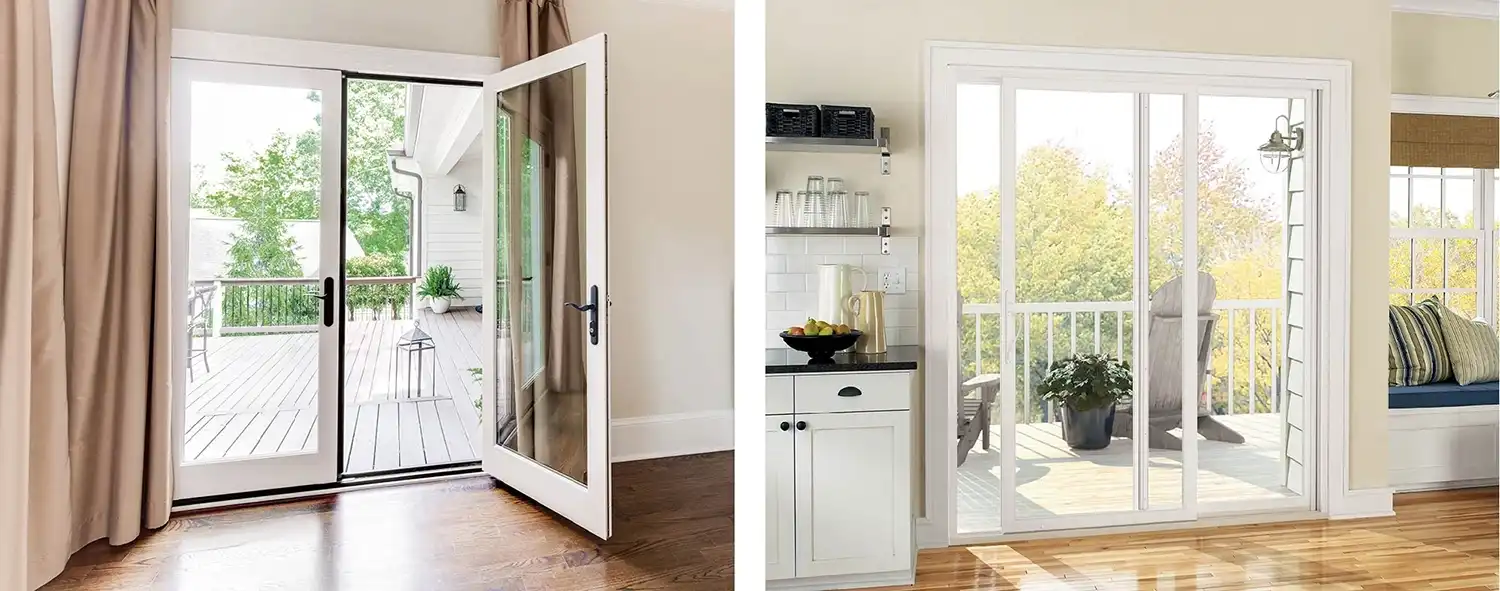
Ready to upgrade your patio with the perfect door? Whether you’re exploring styles, customizing a look, or just want a quick quote — our team is here to help.
Contact us today to browse our catalog, discuss your needs, and get expert support in choosing the right patio door for your home.