












Choosing the right door for your garage or commercial space isn’t just about looks—it’s about function, durability, and space. Two of the most common options are roll-up doors and overhead (sectional) doors.
At first glance, they might seem similar. Both lift up to open and free up floor space. But how they work—and where they work best—can be very different.
In this guide, we’ll break down the key differences between roll-up and overhead doors to help you decide which one fits your needs best. Let’s start with how each door works.
Quick Comparison
| Feature | Roll-Up Door | Overhead Door |
|---|---|---|
| Opening Mechanism | Coils into a drum above the door opening | Panels slide on tracks and rest under the ceiling |
| Space Requirement | Minimal ceiling space needed | Requires full ceiling clearance for horizontal tracks |
| Best Use Case | Industrial, storage units, low-clearance spaces | Residential garages, retail, insulated spaces |
| Insulation | Limited unless upgraded | Often well-insulated with high R-values |
| Style Options | Basic industrial appearance | Many colors, panels, and window designs |
| Maintenance | Low—fewer moving parts | Moderate—requires upkeep of springs, tracks |
| Cost | Higher for commercial-grade models | More affordable for standard residential doors |
How Each Door Works
Before comparing roll-up and overhead doors, it helps to understand how each one actually functions. The way they open and close affects everything—from space use to maintenance needs.
Roll-Up Doors

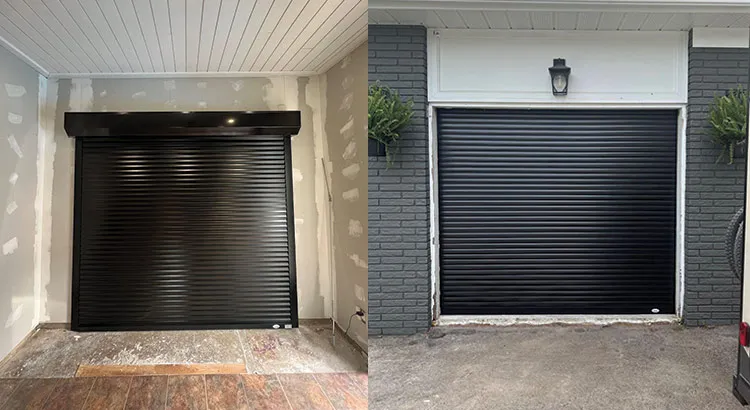
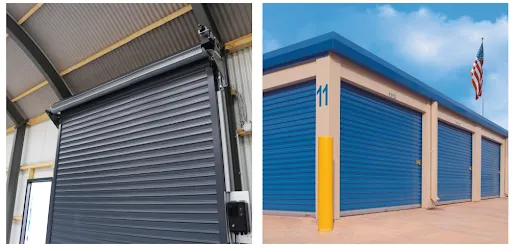
Roll-up doors are made from narrow horizontal steel slats that roll tightly into a coil above the door opening. Think of it like a steel version of a window shade or paper towel roll.
The slats are connected by hinges and roll around a barrel or drum at the top.
The door moves vertically, staying compact and out of the way.
Most roll-up doors are made from galvanized steel, which makes them durable and resistant to rust, dents, and wear.
Because of their design, roll-up doors are often used in commercial buildings, storage units, and industrial spaces where saving headroom is important.
Overhead (Sectional) Doors

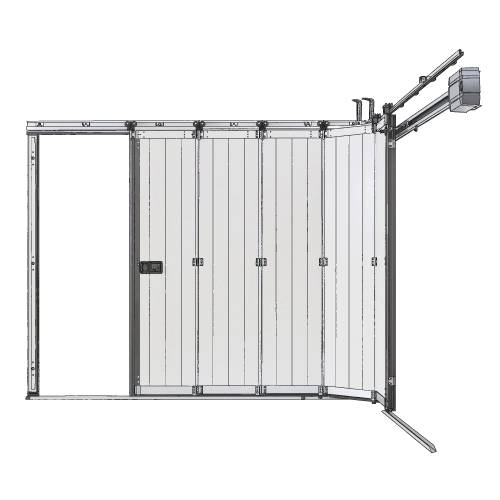
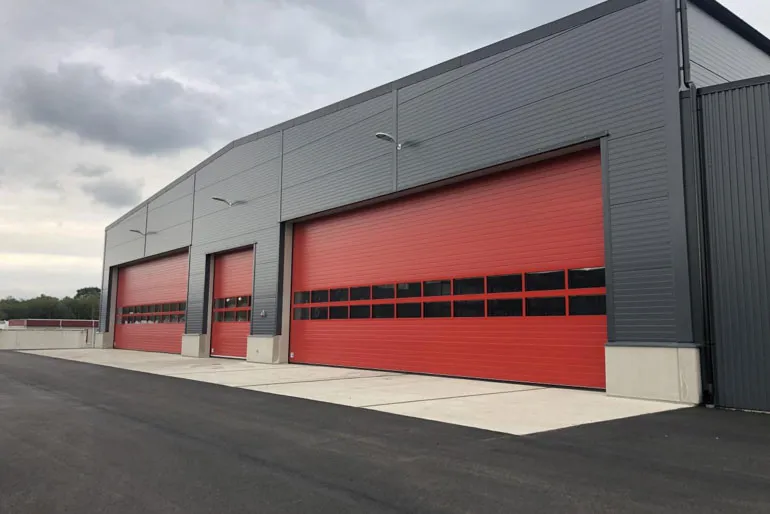
Overhead doors, also called sectional doors, are made from larger horizontal panels—usually 4 to 6 wide sections.
These panels are hinged together and move along tracks that curve from vertical to horizontal.
When opened, the door slides up and rests parallel to the ceiling inside the garage or building.
Most overhead doors are made from steel, aluminum, or insulated composite materials, and are popular in homes and garages.
This design gives overhead doors a smoother, quieter operation and allows for better insulation in many cases.
Pros and Cons of Roll-Up and Overhead Doors
Choosing between a roll-up and an overhead door comes down to how you want your door to function—and what fits your space, budget, and usage needs.
Roll-Up Door

Pros
- Space-Saving Design: Roll-up doors coil into a compact barrel directly above the opening, so they don’t block ceiling lights, HVAC systems, or ceiling-mounted storage. This makes them ideal for spaces with low headroom or narrow bays.
- Built for Heavy-Duty Use: Made from galvanized steel slats, roll-up doors are designed for high-cycle commercial and industrial use. They can withstand impacts, harsh weather, and daily wear and tear better than many residential-grade options.
- Low Maintenance: With fewer moving parts (no tracks or large torsion springs), roll-up doors typically require less upkeep. Many models use enclosed drums and counterbalance systems that last for years without service.
- Good for Tight or Outdoor Spaces: Because of their compact footprint and rugged build, roll-up doors are commonly used in self-storage units, warehouses, loading docks, and outbuildings.
Cons
- Limited Design Flexibility: Roll-up doors usually come in a utilitarian style—metallic finishes, limited colors, and few decorative options. They’re practical, not customizable.
- Not as Insulated: Most standard roll-up doors are non-insulated. Insulated models exist, but they cost more and are less common than insulated sectional doors.
- Higher Upfront Cost for Custom Sizes: Heavy-duty roll-up doors can be more expensive to fabricate or customize, especially in large sizes or insulated versions.
Overhead (Sectional) Door
Pros
- Wide Style Variety: Overhead doors come in a range of panel designs, colors, window inserts, and textures. They’re easy to match with home styles, garages, or retail storefronts—making them ideal for residential and light commercial use.
- Superior Insulation: Many sectional doors have foam-filled or sandwich-style panels that offer high R-values, making them energy-efficient for climate-controlled garages and commercial spaces.
- Quieter and Smoother Operation: Modern overhead doors glide along horizontal tracks and can be fitted with ultra-quiet openers, making them perfect for attached garages or noise-sensitive areas.
- Easier to Customize and Automate: You’ll find more automation and accessory options—smart openers, decorative hardware, glass inserts—tailored to the overhead door format.
Cons
- Takes Up Ceiling Space: When open, the door rests horizontally along your ceiling. This can block overhead lighting, storage racks, or ceiling fans in tight garages or shops.
- More Maintenance Over Time: With more moving parts—rollers, tracks, torsion springs—overhead doors require occasional adjustment and lubrication. Springs may also need replacement every few years.
- Not Ideal for Harsh Environments: Overhead doors are less rugged than roll-ups in tough outdoor or industrial environments. In windy or debris-prone areas, they may dent or wear faster unless reinforced.
Best Use Cases
Not every door fits every situation. Roll-up and overhead doors each have strengths that make them better suited for different settings. Here’s when to use each one:
Best Use Cases for Roll-Up Doors

- Tight Ceiling or Headroom Areas: Roll-up doors are perfect for places where you need to save overhead space—like storage units, workshops, or garages with low ceilings.
- Industrial and Commercial Buildings: They’re commonly used in factories, warehouses, shipping docks, and self-storage facilities. Their heavy-duty build handles high traffic and tough conditions.
- High-Cycle Environments: Roll-up doors can be opened and closed thousands of times without much wear. This makes them ideal for places with frequent loading and unloading—especially when time and efficiency matter.
- Outdoor or Harsh Conditions: Galvanized steel slats hold up well in windy, dusty, or coastal environments where other door types might dent or corrode more quickly.
Best Use Cases for Overhead Doors

- Residential Garages: Sectional overhead doors are the go-to for homes. They offer great curb appeal, insulation, and compatibility with modern garage door openers.
- Temperature-Controlled Garages or Workshops: If you’re heating or cooling your garage, overhead doors with insulated panels help reduce energy loss and keep temperatures stable.
- Spaces Requiring Custom Style: Overhead doors come in many designs—from carriage house styles to modern aluminum and glass. This makes them perfect for homes, retail storefronts, and showrooms where appearance matters.
- When Ceiling Obstruction Isn’t an Issue: If your garage or facility has plenty of ceiling clearance, the overhead door’s track system works great and keeps the door fully out of the way when open.
Installation Considerations

Before you pick a roll-up or overhead door, it’s important to understand what’s involved in installation. The right setup ensures smooth operation, safety, and long-term performance.
Structural Support
Both door types need a solid frame to anchor the system, but the support needs are different:
Roll-up doors require strong vertical supports to hold the weight of the rolling barrel and slats. The mounting system is usually compact but very heavy, especially in steel models.
Overhead doors need reinforced wall brackets and ceiling tracks. The ceiling must be level and strong enough to handle the horizontal track system and spring tension.
If you’re installing into concrete, steel, or unfinished framing, professional assessment is a must.
Automation & Opener Compatibility
Most roll-up and overhead doors can be automated, but the opener systems differ:
Roll-up doors often use jackshaft or direct-drive openers, which mount beside the door instead of overhead. This is ideal in spaces with limited ceiling room.
Overhead doors typically use trolley or belt-driven openers that mount on the ceiling and pull the door along tracks.
Make sure the opener is matched to your door’s size, weight, and usage frequency.
Headroom & Backroom Requirements
Clearances can make or break your installation plan:
Roll-up doors need very little headroom—sometimes as little as 12 inches—making them ideal for tight vertical spaces. However, you’ll still need side room for guides and the barrel.
Overhead doors typically need 12 to 24 inches of headroom and backroom to accommodate the horizontal tracks. This is usually not a problem in standard garages, but it’s something to measure first.
Energy Efficiency Tips
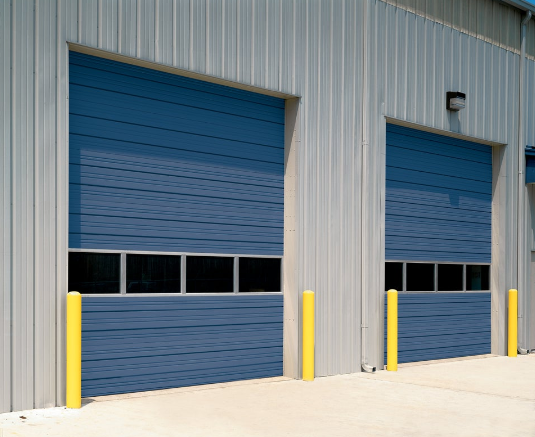
If your door opens to the outdoors or connects to a heated or cooled space, energy efficiency becomes a big deal. A poorly insulated or sealed door can lead to rising utility bills and uncomfortable indoor temperatures.
For Roll-Up Doors: Use Insulated Slats
Most standard roll-up doors are made from uninsulated steel slats, but insulated options are available—especially in the EU and UK markets. These slats are foam-filled or double-layered to reduce thermal transfer.
Look for insulated roll-up models if you’re using the space as a workshop, climate-controlled storage, or part of a commercial building.
While these options may cost more upfront, they reduce heat loss and improve energy savings over time.
Also, make sure your roll-up door has brush or rubber seals on the sides and bottom to block drafts and debris.
For Overhead Doors: Focus on Panel Insulation and Sealing
Overhead doors generally offer better insulation options, especially in residential or finished garage setups.
Choose doors with sandwich-style panels and high R-values (the higher, the better for insulation).
Use weatherstripping around the perimeter—especially the bottom seal and track sides—to prevent air leaks.
If your garage is heated or cooled, an insulated overhead door can help maintain indoor temperatures and lower HVAC usage.
Bonus tip: Some manufacturers also offer thermal break technology—a built-in layer that prevents heat from traveling through the metal parts of the door.
Cost Comparison
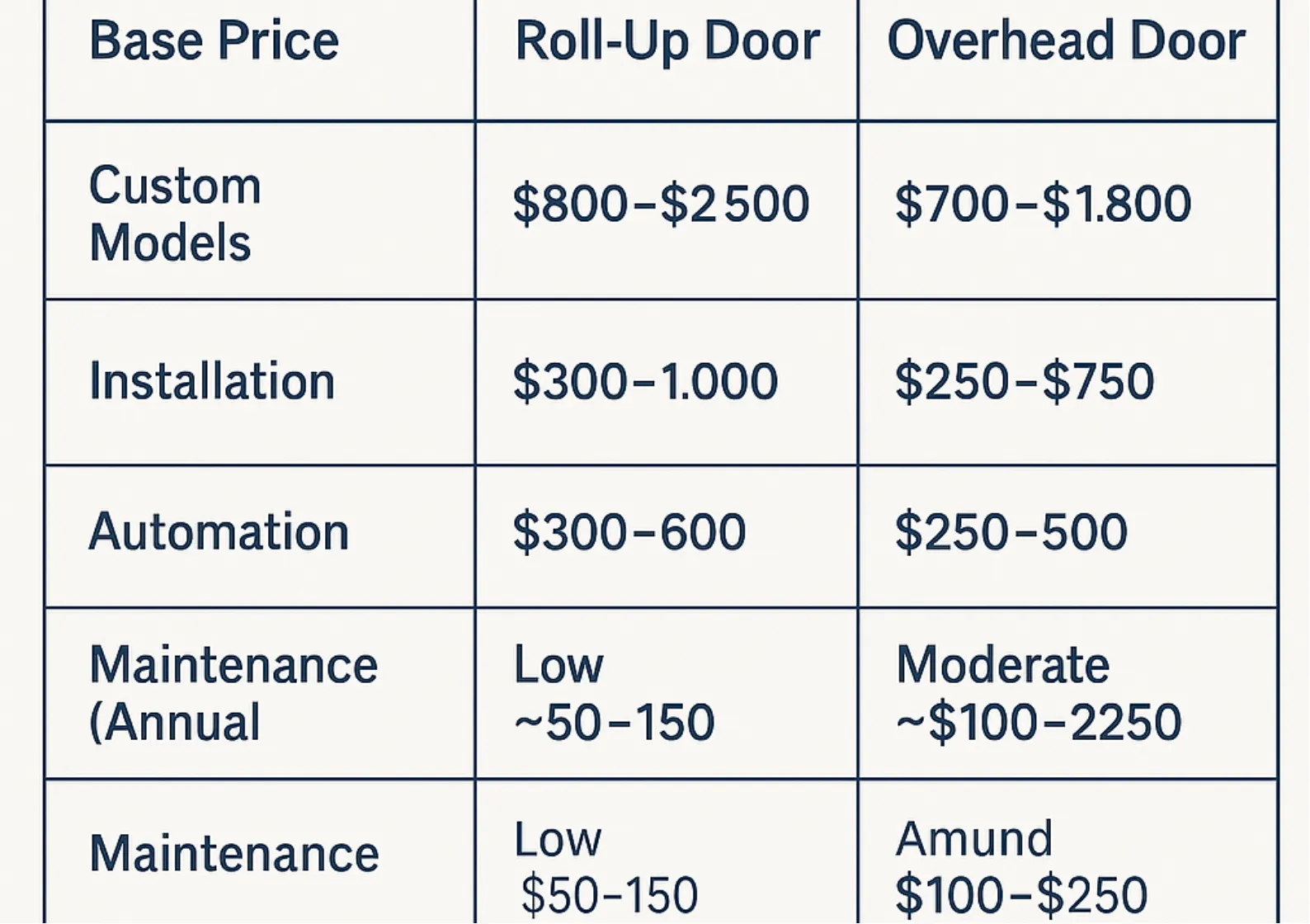
| Cost Category | Roll-Up Door | Overhead Door |
|---|---|---|
| Base Price (Standard Size) | $800 – $2,500 (commercial-grade) | $700 – $1,800 (residential-grade) |
| Custom/Insulated Models | $2,000 – $5,000+ | $1,200 – $3,500+ |
| Installation Cost | $300 – $1,000 | $250 – $750 |
| Automation Add-on | $300 – $600 (jackshaft opener) | $250 – $500 (ceiling-mount opener) |
| Maintenance (Annual) | Low: ~$50–$150 | Moderate: ~$100–$250 (springs, tracks) |
| Expected Lifespan | 20–30 years (industrial use) | 15–25 years (residential use) |
Ready to Choose the Right Door?
Whether you’re upgrading your garage, outfitting a warehouse, or planning a new build, we’re here to help you find the perfect fit—roll-up or overhead.
Contact us today and let our team guide you through your options. We offer high-quality doors, tailored solutions, and full support—from selection to installation.