












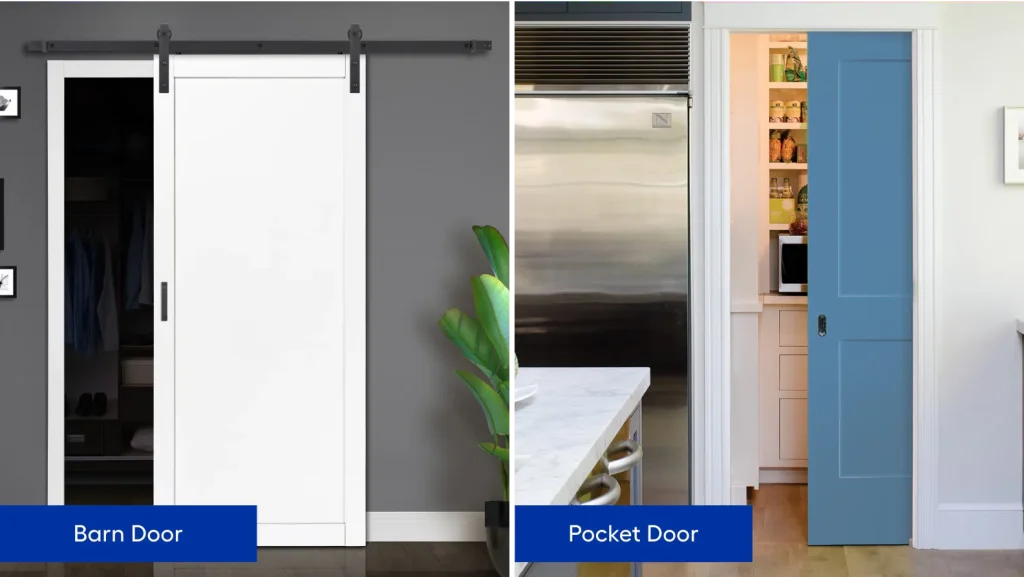
Looking to save space and add style to your home? Pocket doors and barn doors are two of the most popular options out there—and for good reason. Both offer a sleek alternative to traditional swinging doors, and they’re especially handy in tight spots where every inch counts.

You’ve probably seen these doors popping up more and more. Barn doors are everywhere in farmhouse-style homes, and pocket doors are a favorite in modern, minimalist designs. Whether you’re remodeling a bathroom, updating your hallway, or just want to add something unique to your space, choosing between a pocket door and a barn door is a decision worth thinking about.
What Is a Pocket Door?
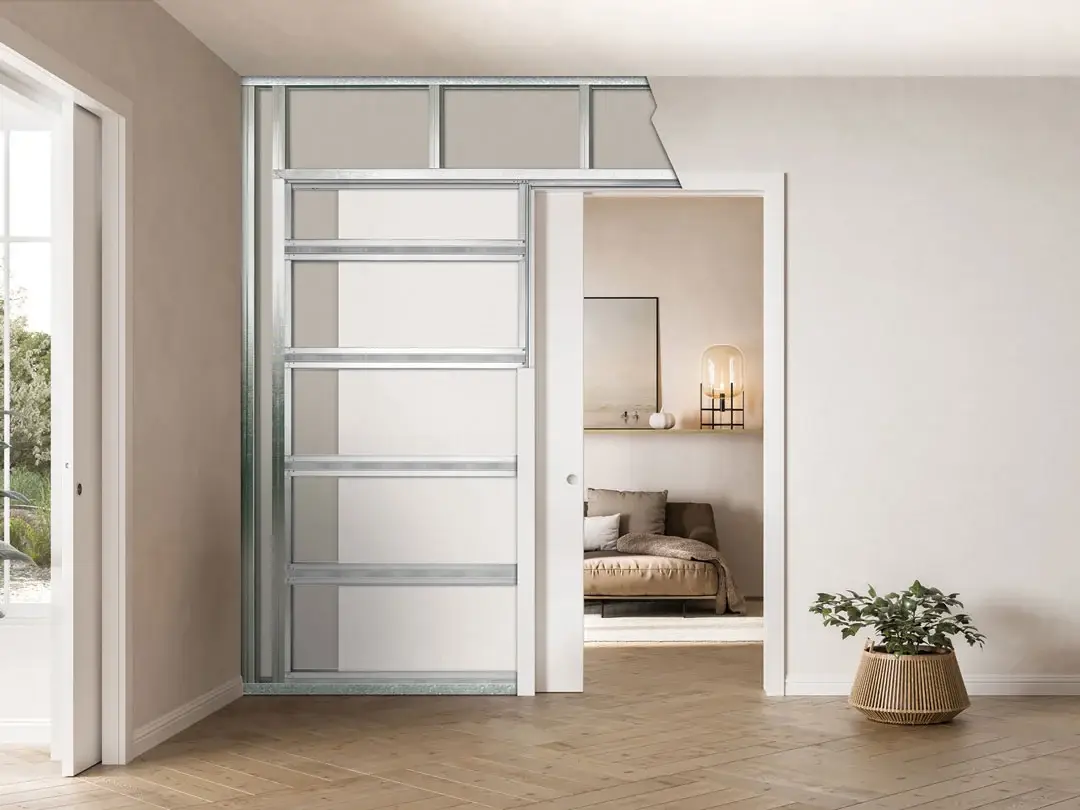
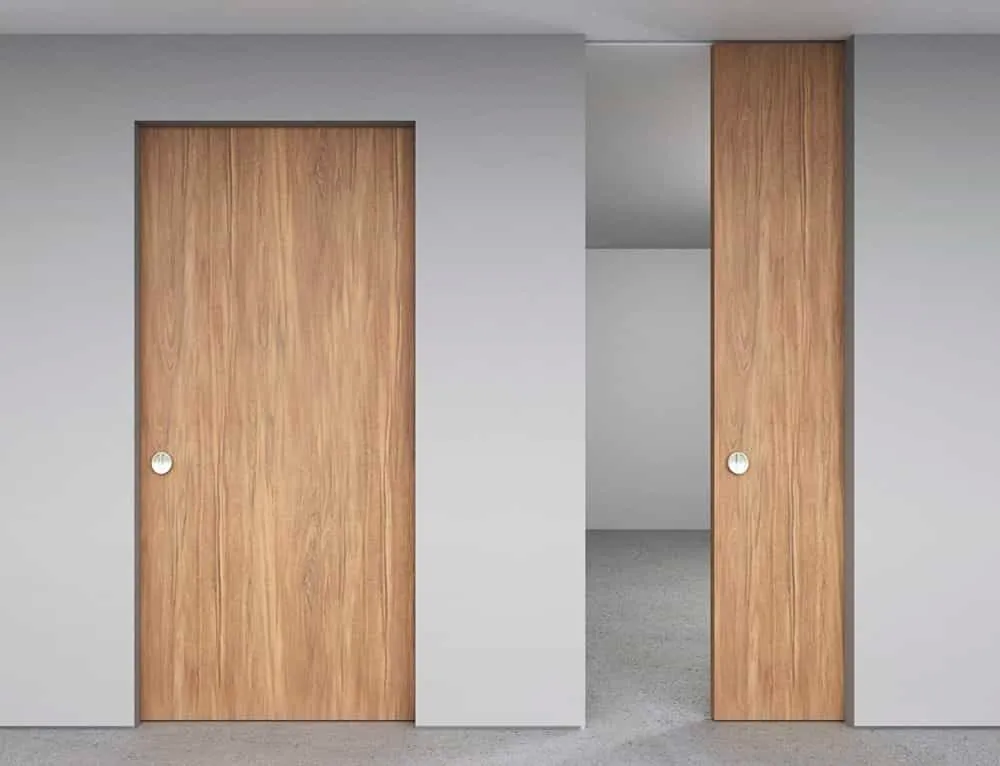
A pocket door is a clever space-saving door that slides right into the wall when you open it—hence the name “pocket.” Unlike regular doors that swing out and take up room, pocket doors disappear into a hidden wall cavity, giving you more floor space and a clean, open look.
These doors are often made from materials like solid wood, aluminum, or even mirrored panels for a more modern feel. You won’t usually see hinges or knobs sticking out—just a simple handle or grip to slide it open and closed.
Where do pocket doors work best?
They’re perfect for small spaces like bathrooms, laundry rooms, and narrow hallways. If you’re going for a sleek, minimalist design, or just want to make the most of a tight layout, pocket doors are a smart choice.
Side-by-Side Comparison Table
| Feature | Pocket Door | Barn Door |
|---|---|---|
| Space-saving | Slides into wall | Slides along wall |
| Privacy & sealing | Better, closes flush | Gaps possible |
| Installation | More complex (especially retrofit) | Easier surface install |
| Maintenance | Harder (track in wall) | Easier access |
| Aesthetic flexibility | Sleek, minimalist | Rustic, can be modernized |
| Cost (installed) | $500–$2,900 | $500–$1,200 |
Space & Layout Considerations
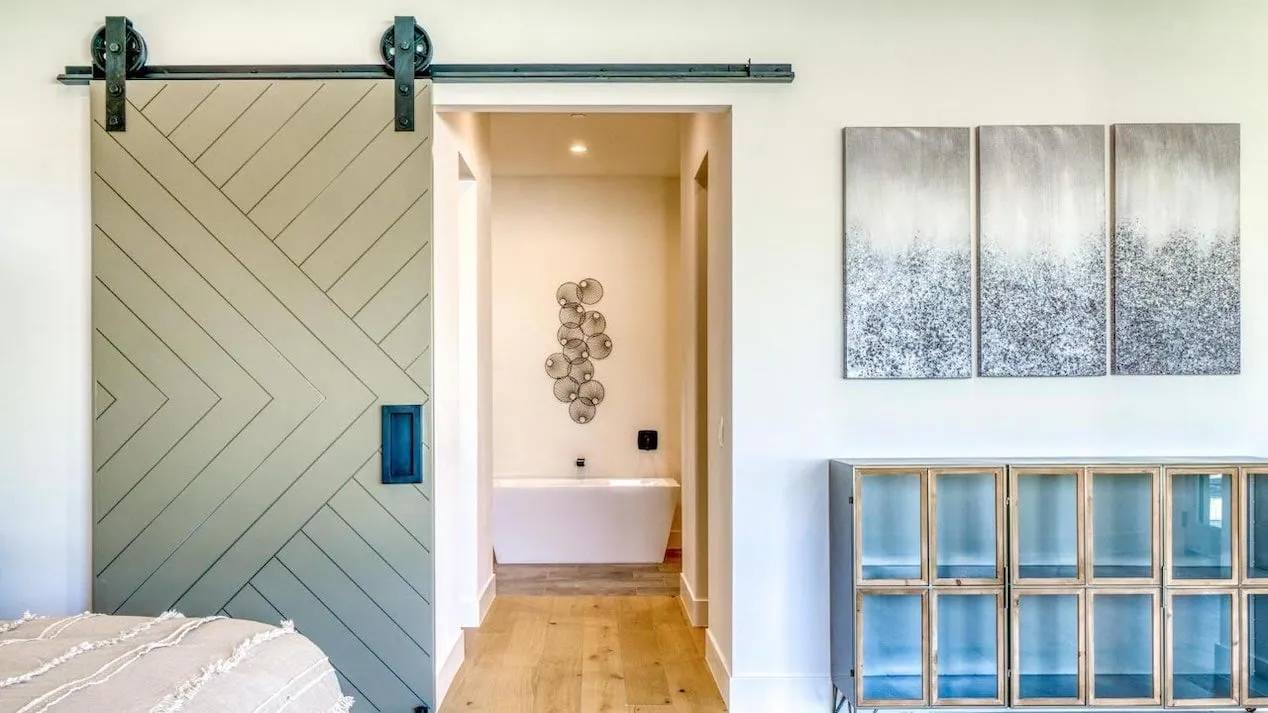
Pocket doors are a great choice for tight areas. Since they slide right into the wall, they don’t take up any extra room when open. That means you can use every inch of your floor space—perfect for small bathrooms, laundry rooms, or narrow hallways.
Barn doors, on the other hand, slide along the outside of the wall. They still save space, but only if you have a clear wall next to the doorway. You can’t put light switches, shelves, or artwork in the space the door slides over. In larger rooms like living areas or bedrooms, this usually isn’t a problem. But in smaller spaces, it can be a deal-breaker.
- Best for small rooms: Pocket doors
- Best for open layouts or feature walls: Barn doors
Privacy, Sealing & Sound Insulation
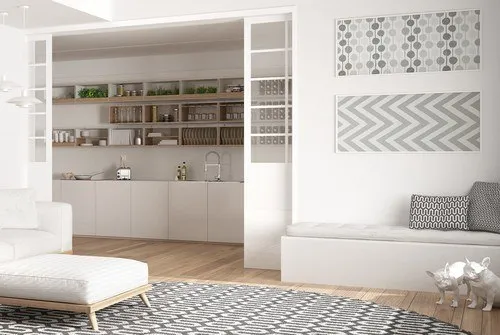
Pocket doors slide fully into the wall and sit flush when closed. This helps block sound and air better than most sliding doors. It won’t be 100% soundproof, but it’s closer to what you’d get from a regular hinged door.
Barn doors, however, leave small gaps between the door and wall. These gaps let sound and light pass through, which can be distracting—especially for bedrooms, offices, or bathrooms.
- Want better noise control and privacy? Go with a pocket door.
- Just need to close off a space visually? A barn door works fine.
Installation: Complexity & Structural Needs
Pocket doors need to slide into your wall. That means the wall must be thick enough to hold the door and track. You might need to move electrical wiring or switches. If it’s a load-bearing wall, installing a pocket door could be tricky—or even impossible—without professional help. That’s why they’re often easier to include during new construction or big remodels.
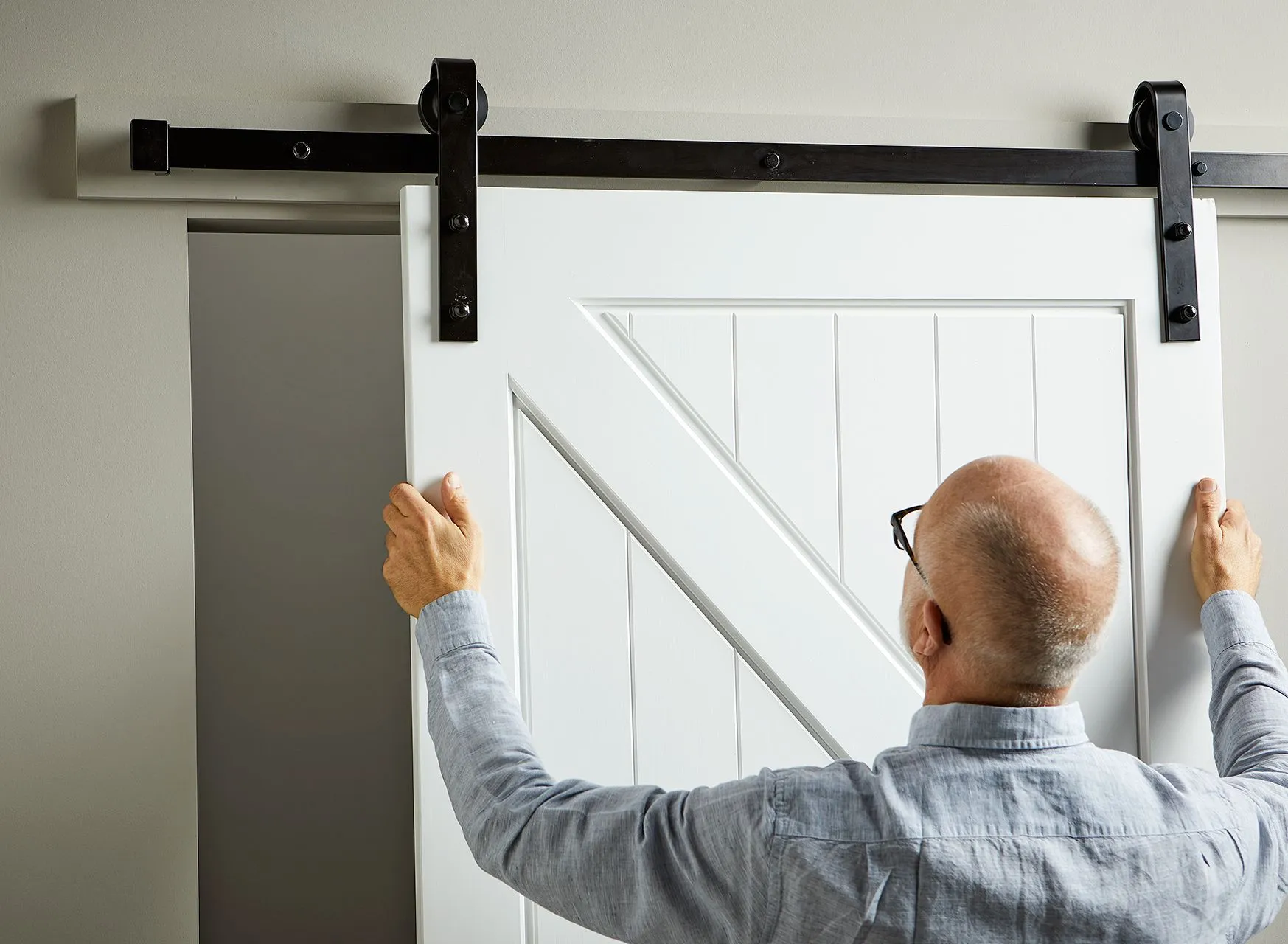
Barn doors are far easier to install. Since the track mounts to the outside of the wall, there’s no need to open it up. You just need solid studs to anchor the hardware. It’s a much easier DIY job and ideal for upgrades or quick style boosts.
- Want a sleek built-in look? Go with pocket doors (but plan ahead).
- Want something quick and stylish? Barn doors are the easier option.
Maintenance & Durability
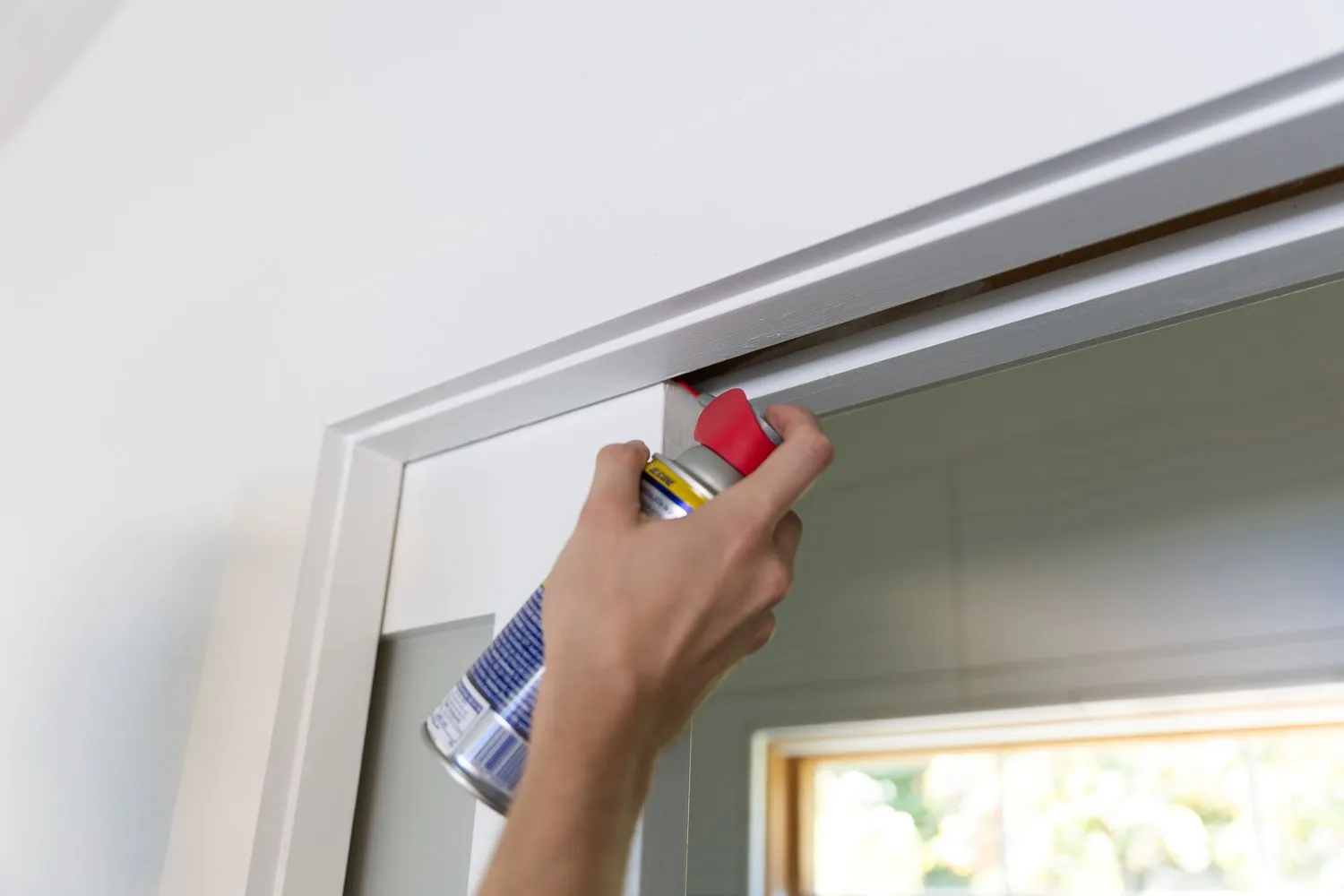
Pocket doors have hidden tracks inside the wall. That’s great for looks, but not so great for maintenance. If the track gets dirty, squeaky, or off-track, fixing it means opening the wall—a hassle, especially in older homes.
Barn doors are much more straightforward. Since everything is visible and easy to reach, it’s simple to wipe down the track, tighten the hardware, or re-align the rollers if they slip. That makes them a better choice if you want fewer repair headaches over time.
Bottom line:
Pocket doors look sleek but are harder to fix.
Barn doors are easier to clean, check, and adjust.
Cost Breakdown & Retrofitting Insights
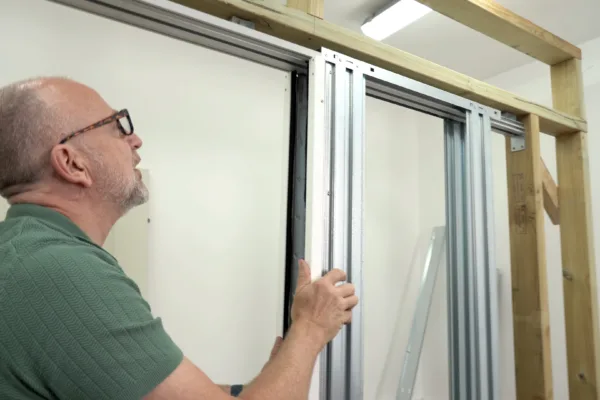
Pocket doors can cost between $500 and $2,900 installed, depending on whether it’s a new build or a retrofit. Installing one into an existing wall may require removing drywall, adjusting wiring, or rebuilding the wall to fit the door cavity.
That’s why pocket doors are best suited for new construction or full remodels, where everything is already open.
Barn doors, by contrast, are much easier to add to an existing room. With surface-mounted tracks and fewer structural needs, installation is faster and more affordable, typically ranging from $500 to $1,200 total.
- If you’re retrofitting a space: Barn doors usually make more sense.
- If you’re designing from scratch: Pocket doors offer more flexibility.
Style & Design Impact
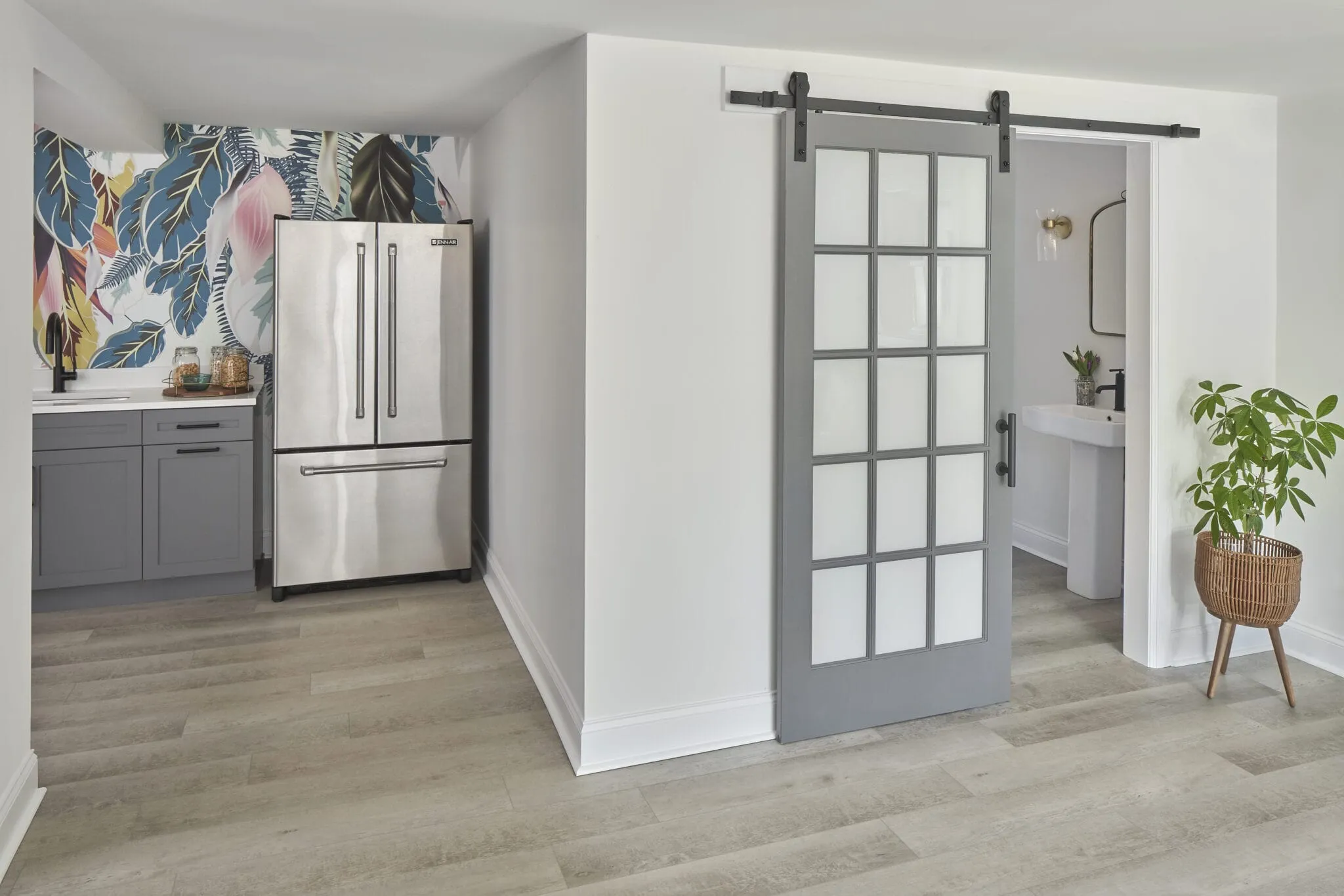
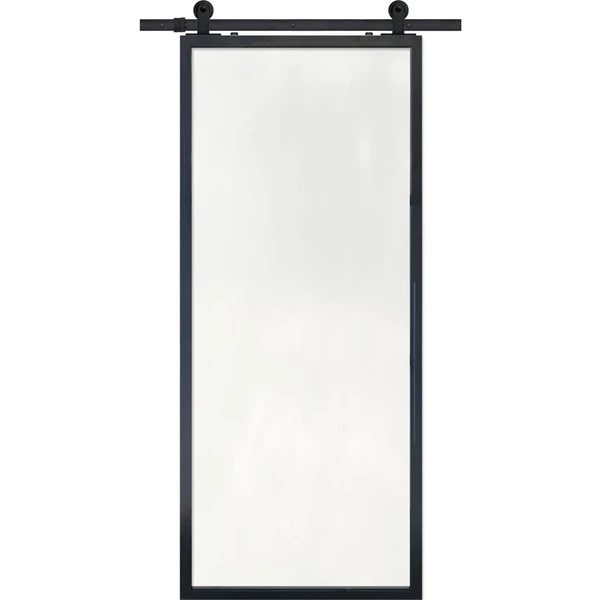
Barn doors are bold and eye-catching. They pair beautifully with rustic, farmhouse, or cottage-style interiors, especially when made from reclaimed wood or finished with black metal hardware. Even in modern spaces, you can now find sleek, updated barn door styles with clean lines and subtle finishes.
Pocket doors, on the other hand, are all about blending in. They tuck neatly into the wall when open and look clean and modern when closed. That makes them ideal for minimalist homes, contemporary layouts, or small spaces where visual simplicity matters.
Both styles come in a wide range of materials, finishes, handles, and hardware, so you can customize them to match your home’s personality.
Quick tip:
Want your door to stand out? Go barn.
Want it to disappear? Go pocket.
Accessibility & Mobility Considerations
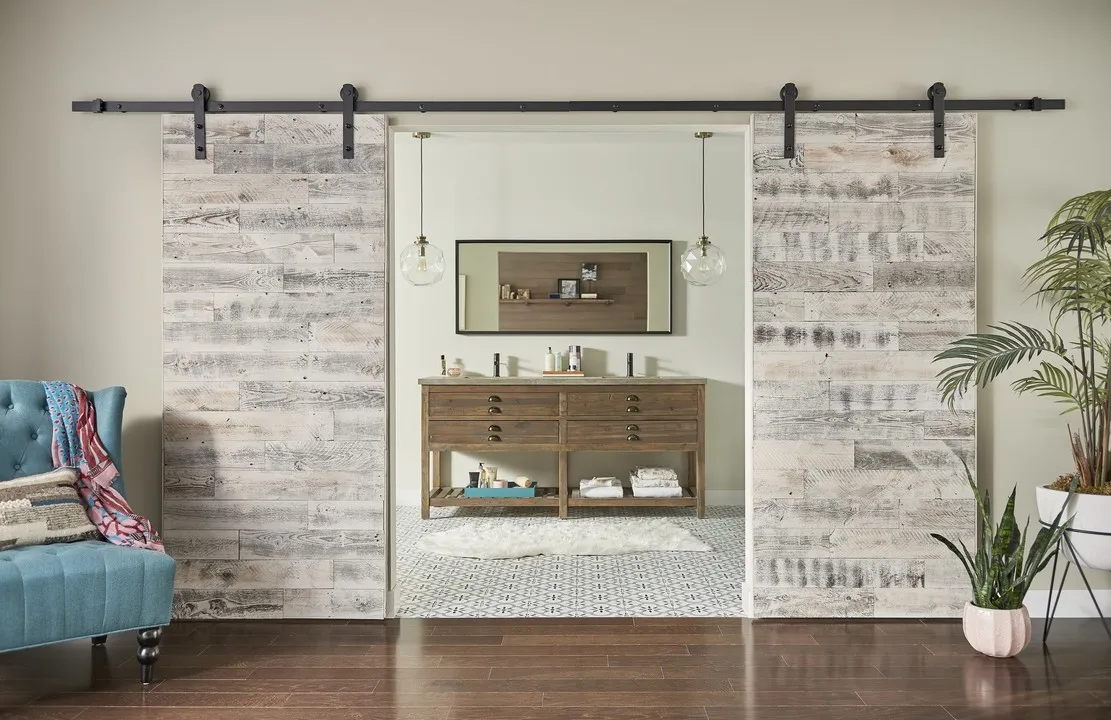
If accessibility matters in your space, both barn and pocket doors are great picks.
Since they slide instead of swinging, these doors are easy to operate while using a wheelchair or walker—and there’s no need to step back or around a swinging door.
That said, pocket doors are often lighter and easier to glide, especially for kids, seniors, or anyone with limited upper-body strength. Since barn doors are usually heavier (and may require more effort to close flush), they can sometimes be trickier to handle.
Resale Value & Long-Term Impact
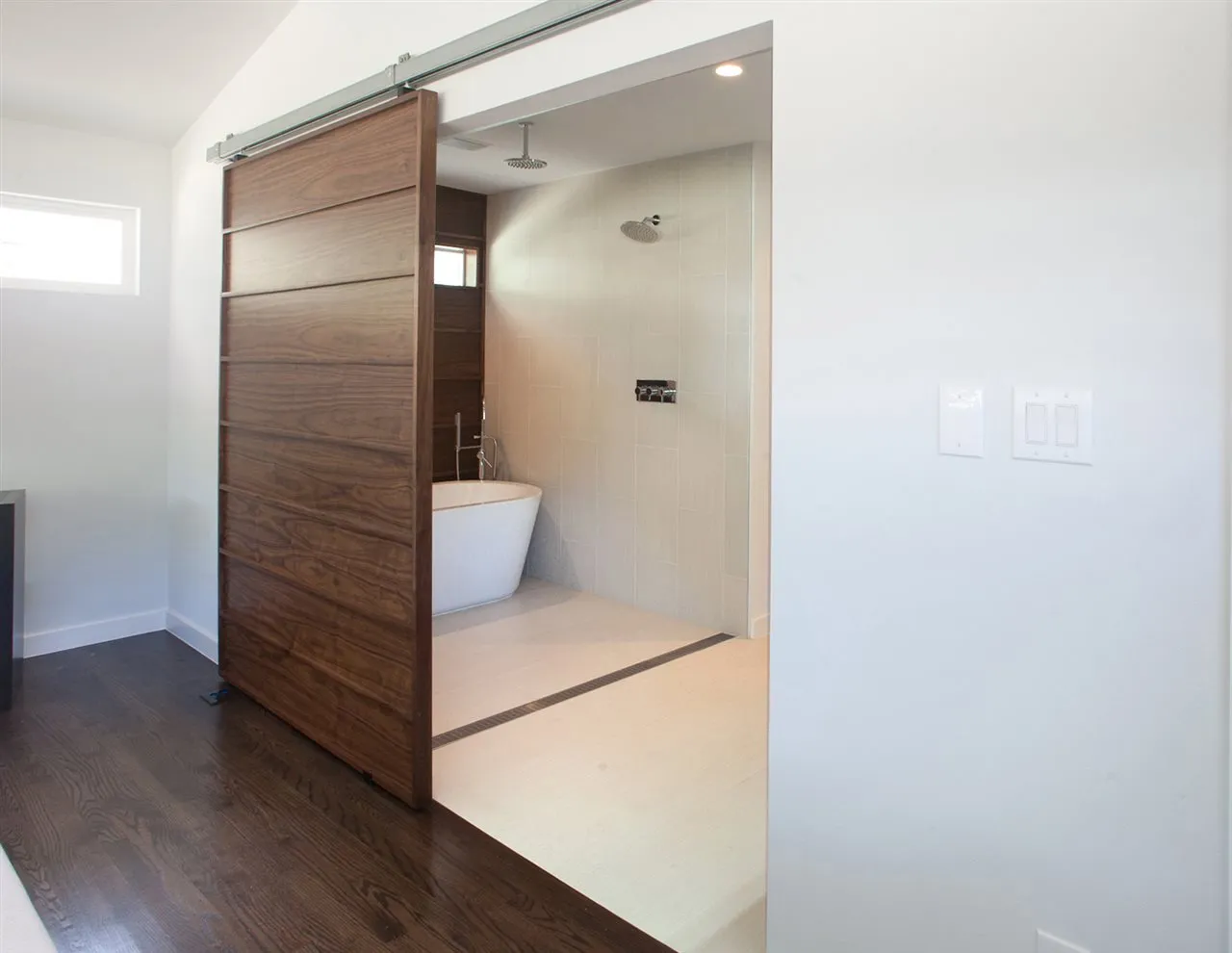
Pocket doors tend to have broader appeal to future buyers—especially in modern homes or tight spaces where their seamless, hidden design adds both function and style. They’re a subtle upgrade that many buyers see as smart and practical.
Barn doors, while trendy and charming, can be more style-specific. A farmhouse look might thrill one buyer and turn off another. That doesn’t mean barn doors hurt resale value, but they may not boost it either—especially if the style feels out of sync with the rest of the home.
And don’t forget: maintenance matters. A door that squeaks, sticks, or slides off its track can leave a bad impression. Whether you go barn or pocket, well-installed, well-maintained hardware will protect your investment.
Which One Should You Choose?
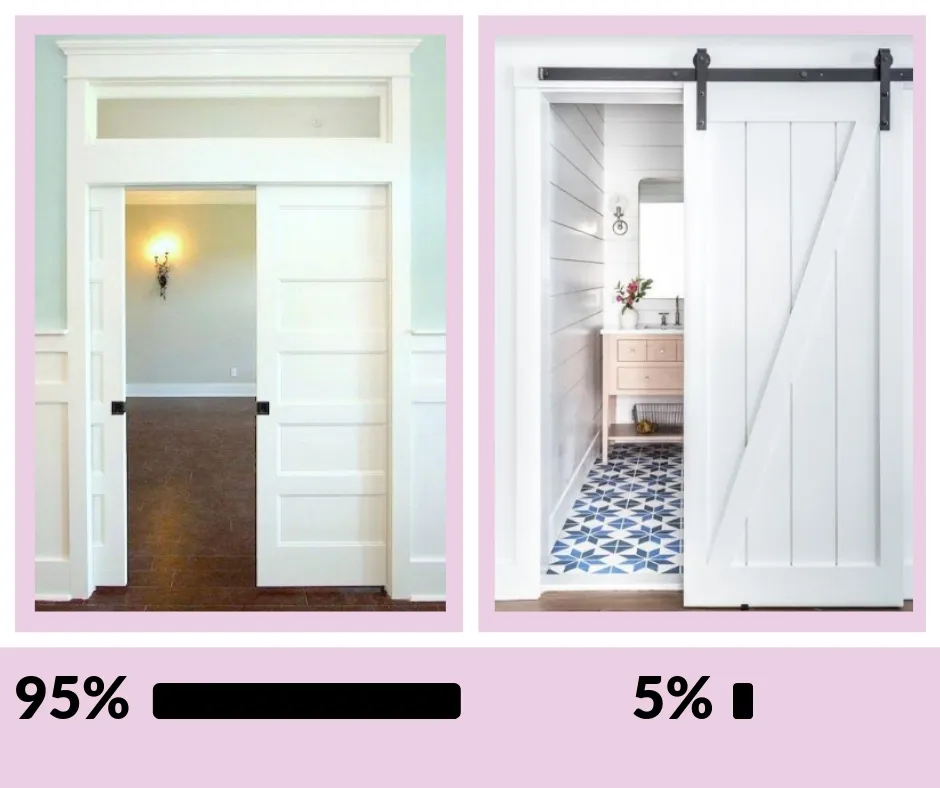
If you’re tight on space, love sleek design, or need better sealing and privacy, pocket doors are your go-to. They disappear into the wall and keep your layout clean and open—perfect for bathrooms, hallways, or minimalist interiors.
If you’re looking to make a design statement, want an easier install, or love the warm, rustic vibe, barn doors are a fantastic choice. They’re ideal for pantries, closets, bedrooms, or anywhere you want that sliding door charm without major wall work.
Quick guide to choosing:
Small space + modern look → Pocket door
Stylish feature + DIY-friendly install → Barn door
Need privacy or better noise control? → Pocket door
Want character and charm? → Barn door
In the end, both doors are excellent solutions—just with different strengths. Pick what works best for your room, your style, and your life.
Ready to Choose Your Perfect Door?
Whether you’re leaning toward a sleek pocket door or a bold barn door, we’re here to help you make the right call. Our team can guide you through the options, answer your questions, and provide expert support—no matter your space or style.
Contact us today to explore customized door solutions for your home or project!