













Double-hung windows are one of the most popular window styles in homes today. They have two sashes that slide up and down, giving you flexible airflow and an easy way to clean. Many models also feature tilt-in sashes, which means you can clean the inside and outside glass from indoors—no ladder needed.
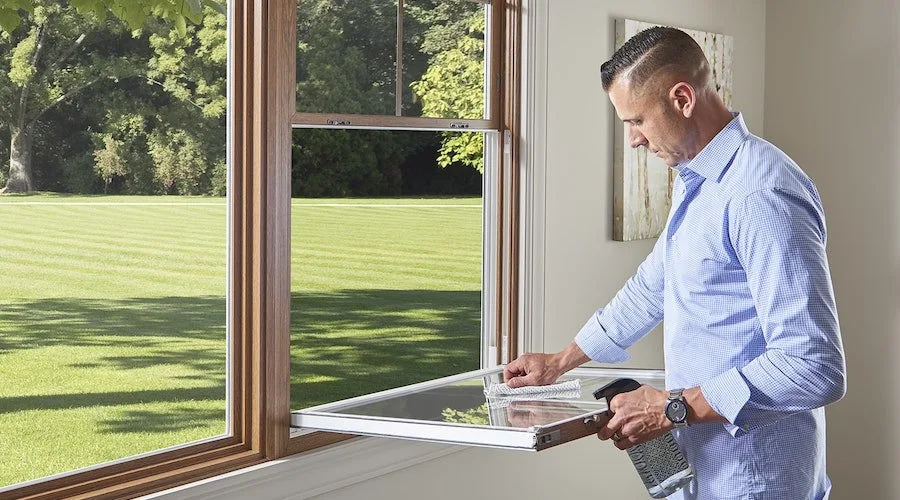
In this guide, you’ll learn how to clean double-hung windows step by step. We’ll cover everything from prep work to choosing the right cleaner, plus tips to avoid streaks and keep your windows working smoothly. By the end, you’ll be ready to clean your windows quickly, safely, and with professional results.
Preparation and Tools

Before you start cleaning, a little preparation goes a long way. Choose a cool or overcast day to reduce streaks, and lay down a drop cloth to catch drips. Remove curtains or blinds so you have clear access to the window, and put on light gloves if you want extra grip.
Here’s a quick checklist of tools and cleaners you’ll need:
Tools: microfiber cloths, squeegee, small vacuum, soft brush or toothbrush, spray bottle or bucket, cotton swabs.
Cleaners: ammonia-free glass cleaner or a simple DIY mix (distilled water + white vinegar + one drop dish soap).
The goal is a fast, safe, and streak-free clean for your double-hung windows. By setting up properly, you’ll make the job easier and get professional results without frustration.
How to Clean Double-Hung Windows

Step 1 — Prep & Remove Screen
Start by getting your space ready. Place a drop cloth on the floor to protect it from drips, then unlock the window and clear the area. This makes cleaning easier and less messy.
Next, remove the insect screen. Press the release tabs, tilt it out carefully, and wash it with mild soap and water. Let the screen air-dry completely before putting it back.
Step 2 — Tilt Sashes & Clean Tracks
Lower the top sash slightly and press the tilt latches to release it. Tilt the sash inward and rest it securely. Always clean the top sash first so water doesn’t drip onto clean glass.
Once the sash is tilted, vacuum dust and dirt from the tracks and sills. For stubborn grime, use a mild cleaner or a baking soda and vinegar mix. Wipe everything dry before moving on.
Step 3 — Clean Frames & Hardware

With the sashes tilted in, wipe down the window frames and hardware. A simple solution of mild soap and water is enough to keep vinyl or wood frames looking good.
Avoid abrasive pads that can scratch the surface. If locks, balances, or other moving parts feel sticky, apply a very light coat of silicone spray for smoother operation.
Step 4 — Wash Glass (Top First, Then Bottom)
Now it’s time to clean the window glass. Use an ammonia-free cleaner or a vinegar-and-water mix for a streak-free finish. Spray the cleaner on the cloth instead of directly on the glass.
Clean the outside and inside of the top sash first, working from top to bottom. Then repeat the same process on the bottom sash. Buff the glass dry with a microfiber cloth.
Step 5 — Detail & Reassemble
For the finishing touch, use cotton swabs or a folded microfiber cloth to clean corners, muntins, and around locks. These small areas often collect haze or dust.
When everything looks clean, tilt the sashes back into place until they click. Reinstall the insect screen, test the window for smooth movement, and lock it up securely.
Common Mistakes

Even when you know how to clean double hung windows, a few small missteps can cause streaks or damage. Here are the main things to avoid:
Wrong timing: Cleaning in direct sunlight or using too much spray makes streaks harder to remove. Work on a cool, cloudy day and spray lightly.
Wrong materials: Paper towels leave lint, and harsh cleaners like ammonia can harm Low-E glass or vinyl. Stick to microfiber cloths and ammonia-free solutions.
Wrong order: Always clean the top sash first. Starting at the bottom means drips fall on freshly cleaned glass.
Skipping details: Ignoring tracks, sills, or weep holes leads to sticky windows and drainage issues. Clean these spots as part of your routine.
Poor sash handling: Make sure tilted sashes are supported and clicked back into place to prevent damage and gaps.
By avoiding these mistakes, you’ll get streak-free windows that stay in good shape longer.
Conclusion

Cleaning double hung windows is simple when you follow the right steps. With a little preparation, the right tools, and a smart routine, you’ll enjoy streak-free glass and smooth-moving sashes that last longer.
If you’re looking for quality window care products or professional services, our team is here to help. Contact us today for expert advice, reliable supplies, and support to keep your windows bright and clear.
FAQs
How often should I clean double hung windows?
Most homeowners clean their windows at least twice a year—once in spring and once in fall. If you live in a dusty area or near the coast, more frequent cleaning may be needed.
What’s the best way to clean double hung windows that don’t tilt?
If your windows don’t tilt in, you’ll need to clean the exterior from outside. Use an extension pole with a microfiber pad or consider hiring a pro for upper floors.
Can I use a pressure washer on double-hung windows?
It’s not recommended. High pressure can damage seals and frames, causing leaks. Stick with hand cleaning methods for safety and longer window life.
How do I remove hard water spots from glass?
Mix equal parts distilled vinegar and water, then apply with a cloth to the spots. For stubborn stains, a commercial glass-safe mineral remover works best.
Do I need to clean window screens separately?
Yes. Screens collect dust and pollen, which can blow back onto clean glass. Remove the screens, wash them with mild soap and water, rinse, and let them air-dry fully before reinstalling.