












Thinking about replacing your front door? You’re not alone—and for good reason. Your front door does a lot more than just open and close. It’s one of the first things people notice about your home. It boosts curb appeal, helps keep your home safe, and plays a big role in your home’s energy efficiency.
Whether you’re updating a dated entryway, improving security, or just want to make your home look more welcoming, choosing the right front door is a smart move. But how much should you expect to spend?
Average Cost of Front Door Installation
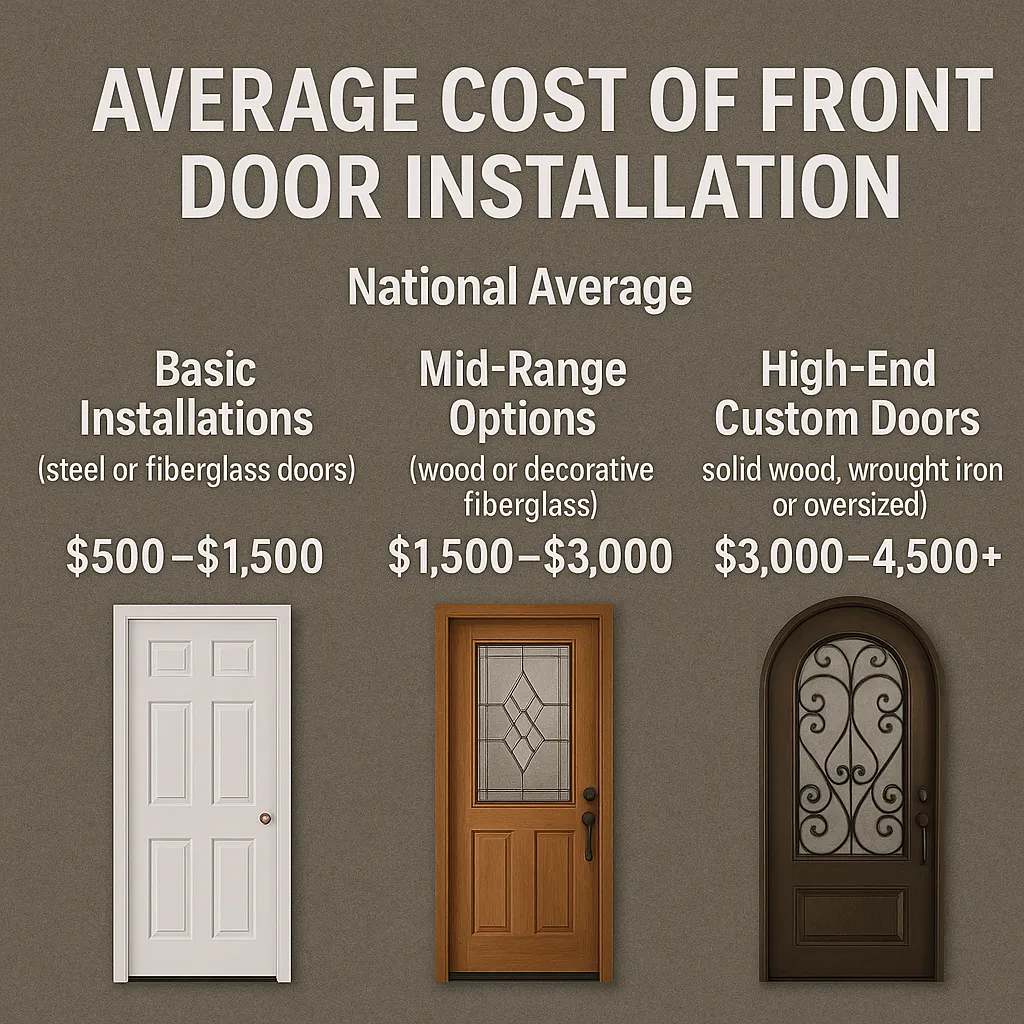
So, how much does a front door really cost? On average, homeowners spend between $500 and $4,500 for a new front door installation. But the price you pay depends on a few key factors—like the material, style, and whether you’re going with a simple replacement or a fully custom upgrade.
National Average
Basic Installations (steel or fiberglass doors): $500–$1,500
These include standard-sized doors with minimal design and basic hardware.Mid-Range Options (wood or decorative fiberglass): $1,500–$3,000
These often include added insulation, better locks, and decorative glass panels.High-End Custom Doors (solid wood, wrought iron, or oversized): $3,000–$4,500+
Designed to make a statement, these doors are built to your specs and can include smart features, sidelights, and premium finishes.
Cost by Door Material
The type of material you choose for your front door plays a big role in the overall cost.
Steel Doors
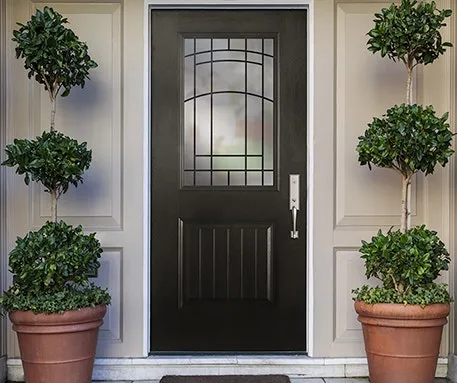
Cost Range: $150 – $1,000
Steel is strong, secure, and affordable. It’s a great choice if you want durability on a budget. However, it may dent over time and isn’t as stylish as other options.
Fiberglass Doors
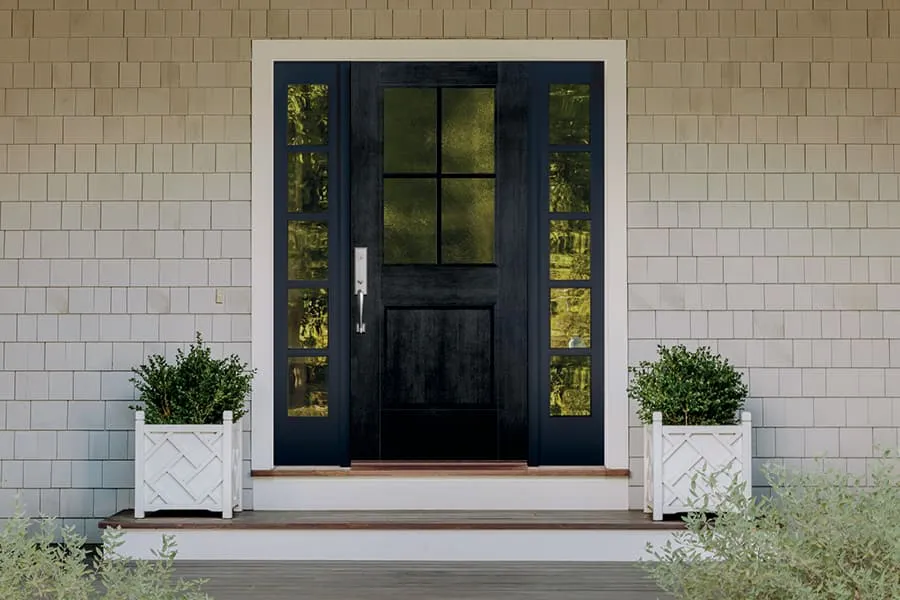
Cost Range: $200 – $2,000
These are energy-efficient, low-maintenance, and can mimic the look of wood. Fiberglass is a solid middle-ground option for most homes.
Wood Doors
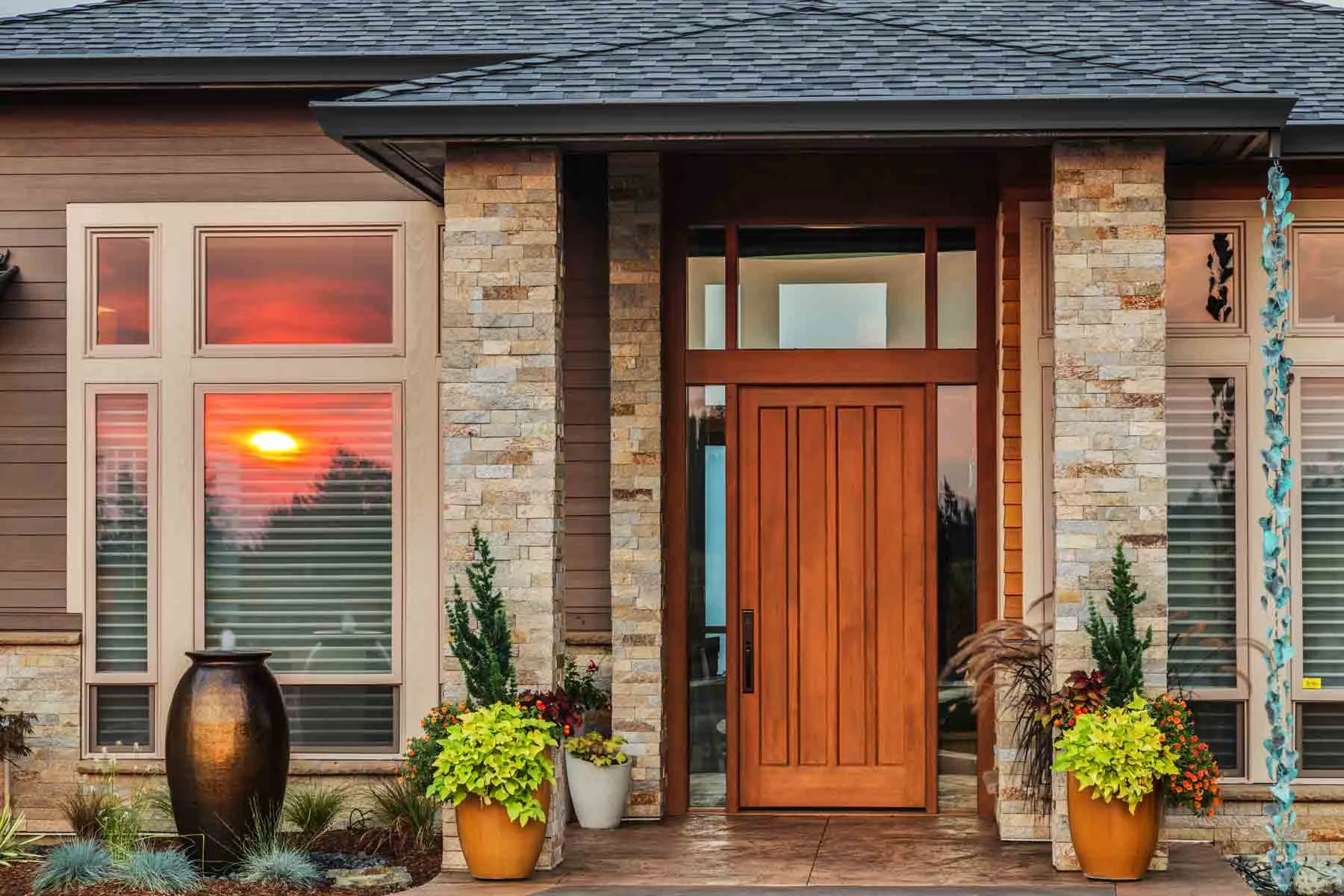
Cost Range: Starting at $500, can exceed $4,000
Wood doors bring classic beauty and a custom feel. But that warmth and charm come with a higher price tag and more upkeep.
Composite Doors
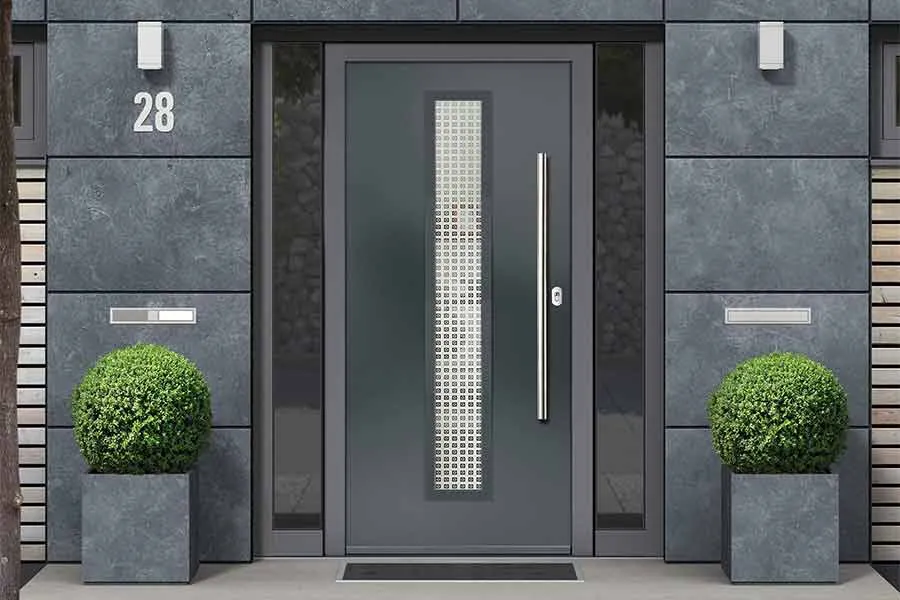
Cost Range: $500 – $3,000
Made from a mix of materials, composite doors are built for strength, insulation, and resistance to wear. They’re a good all-weather option.
Aluminum Doors

Cost Range: $800 – $2,500
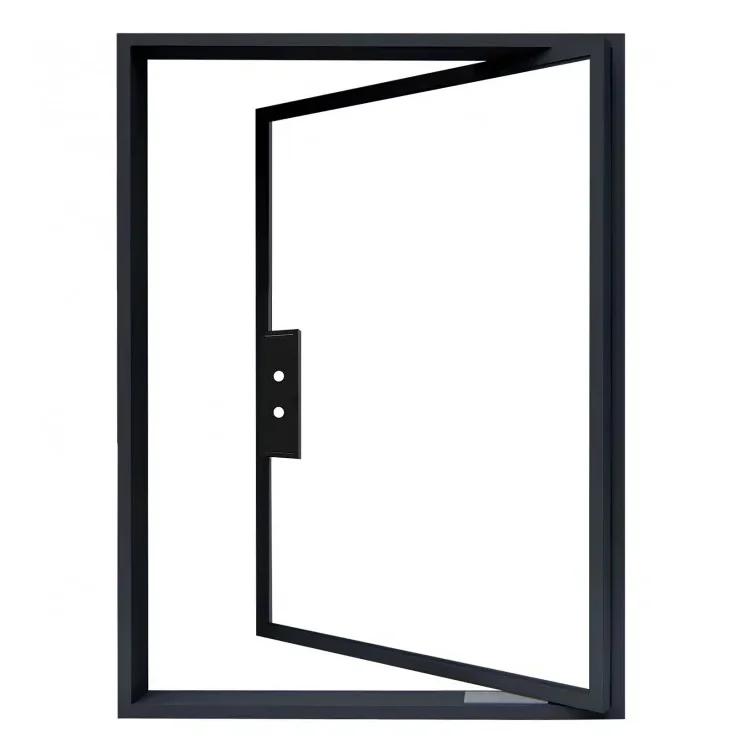
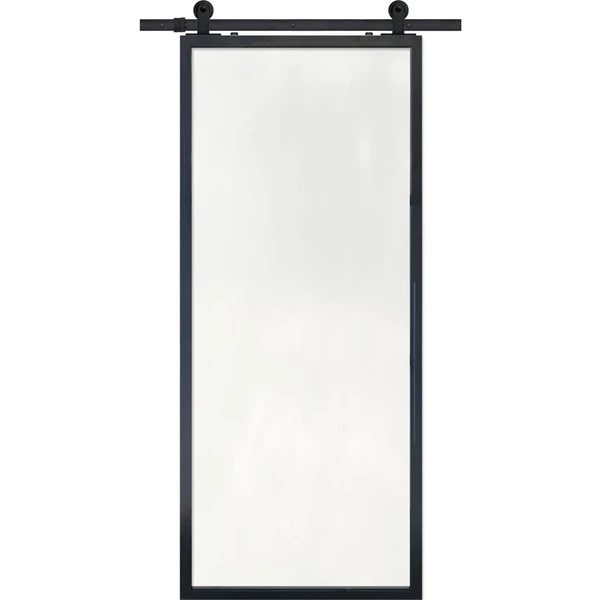
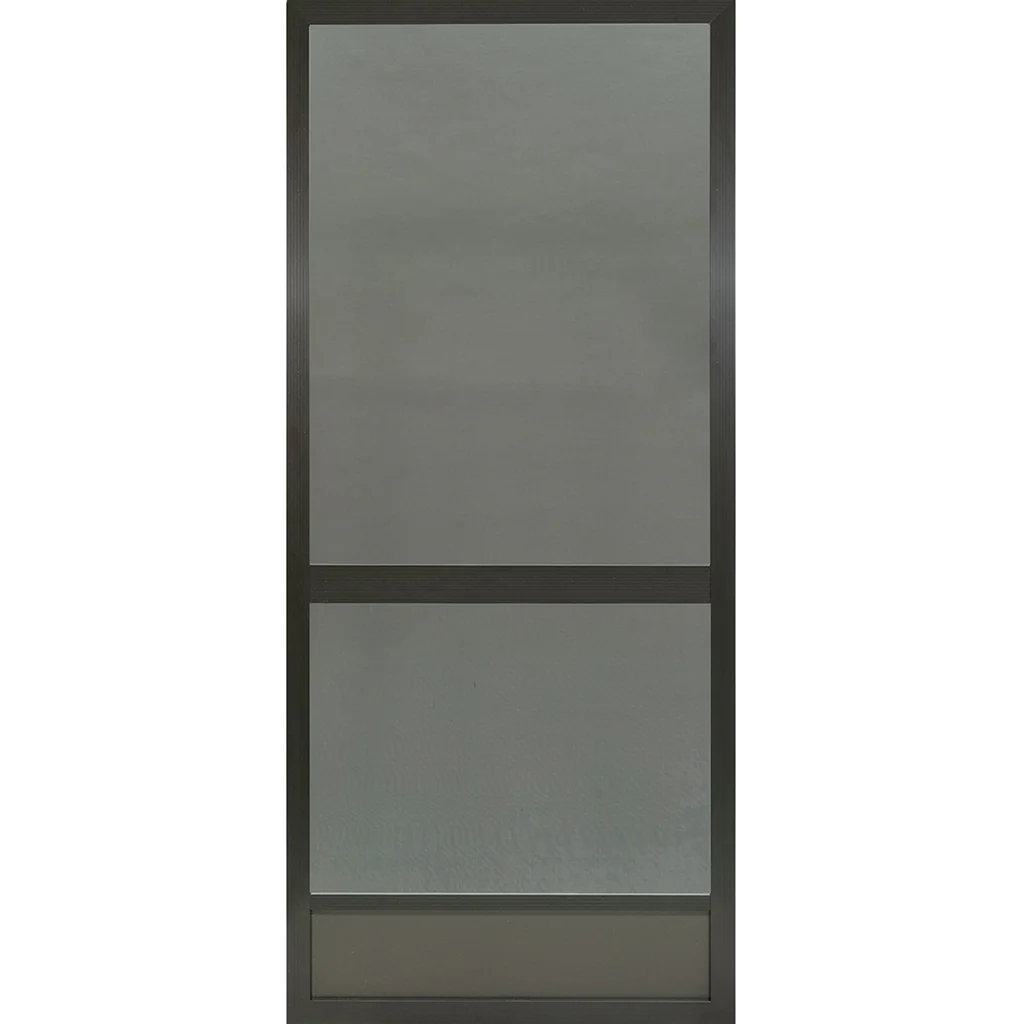
Lightweight yet tough, aluminum doors are sleek and modern. They’re rust-resistant, but may not offer the same insulation as fiberglass or wood.
Glass Doors
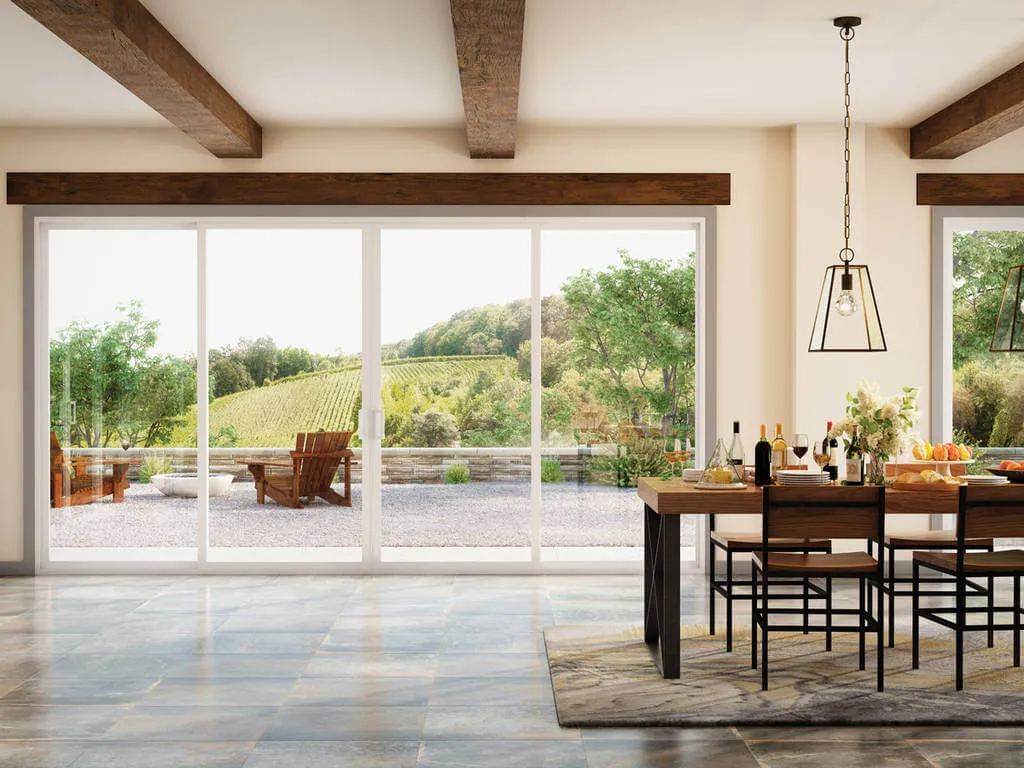
Cost Range: Varies widely
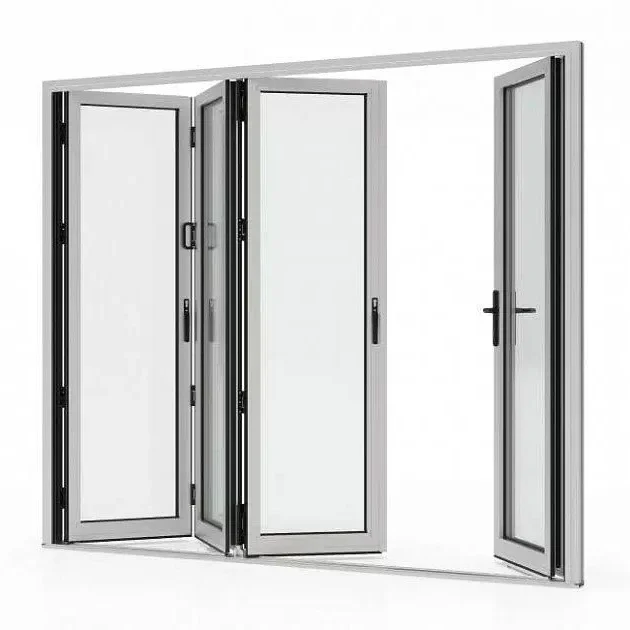
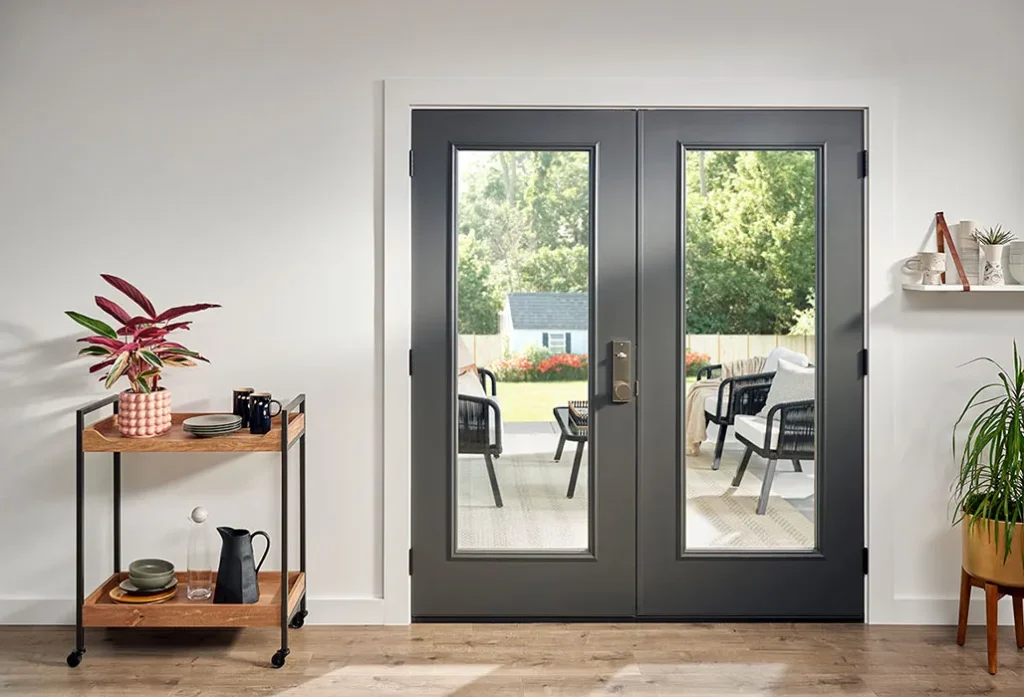
Full or partial glass front doors can cost anywhere from $500 to $5,000+ depending on thickness, decorative features, and safety ratings.
Cost by Door Style
Your front door’s style isn’t just about looks—it also impacts the price. Whether you’re going simple or grand, here’s what to expect:
Single Front Doors
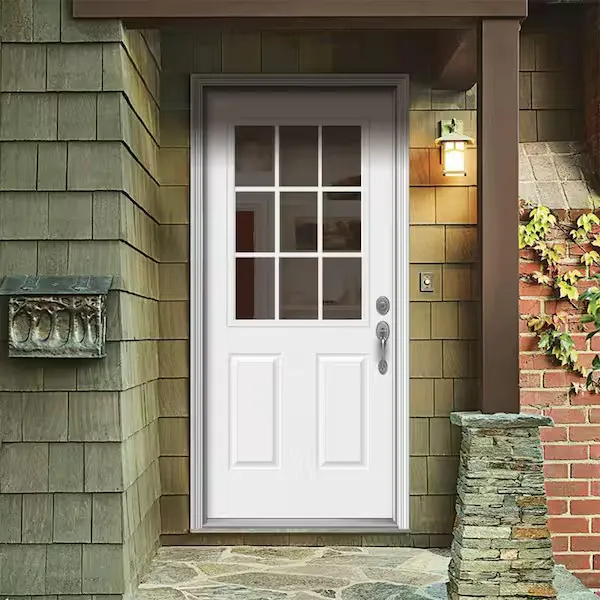
Cost Range: $500 – $2,000
This is the most common option for homes. It’s budget-friendly and available in all materials, from steel to wood.
Double Front Doors
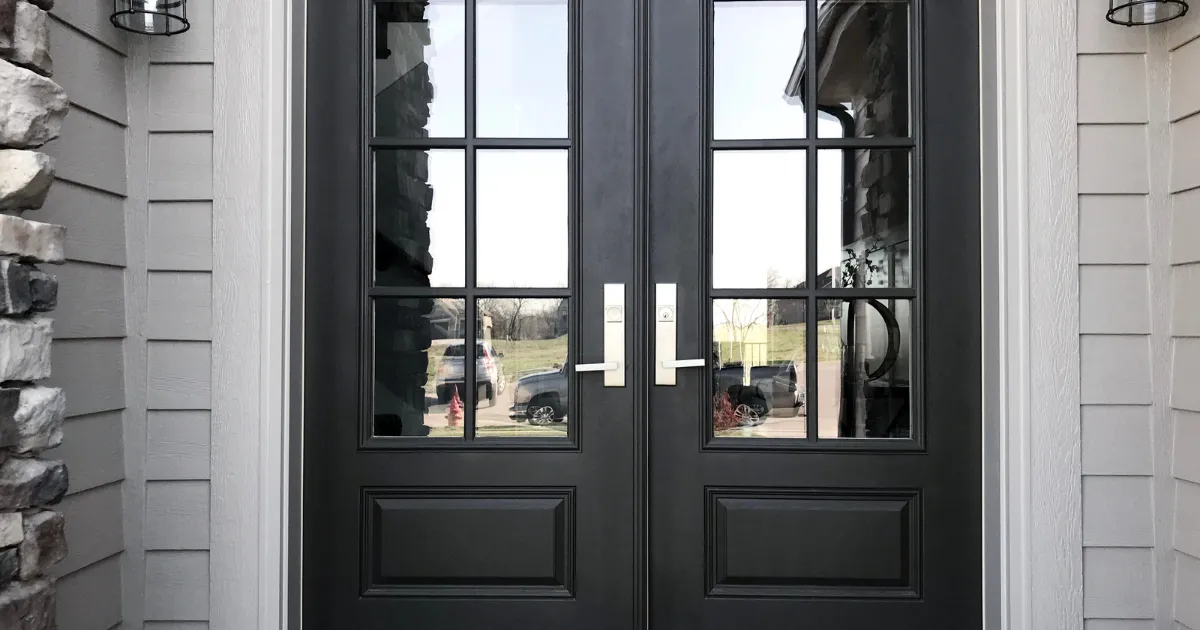
Cost Range: $1,500 – $5,000
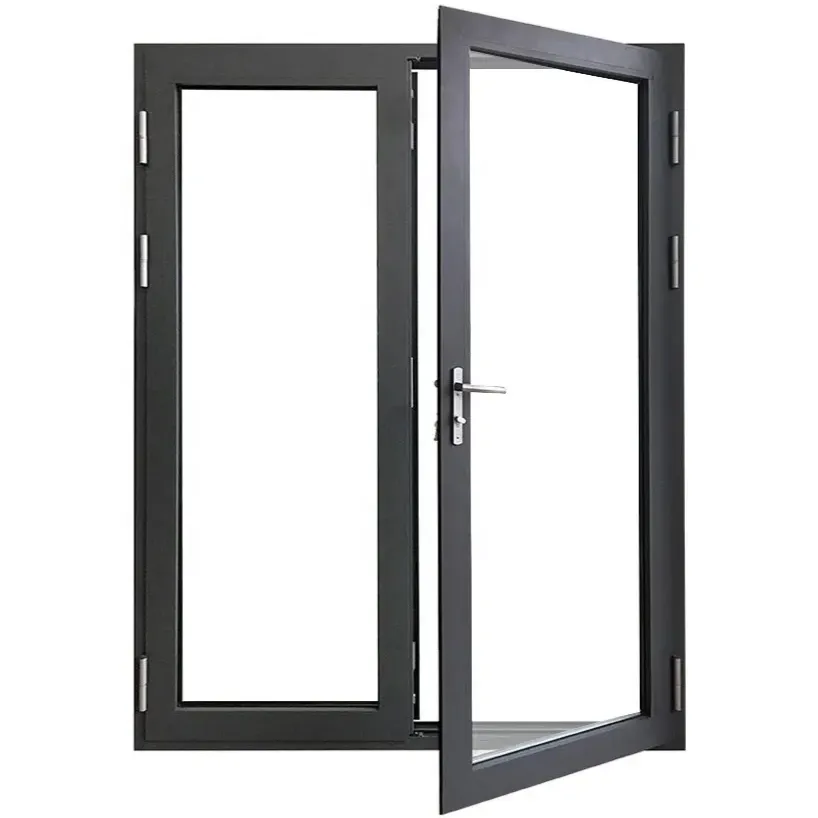
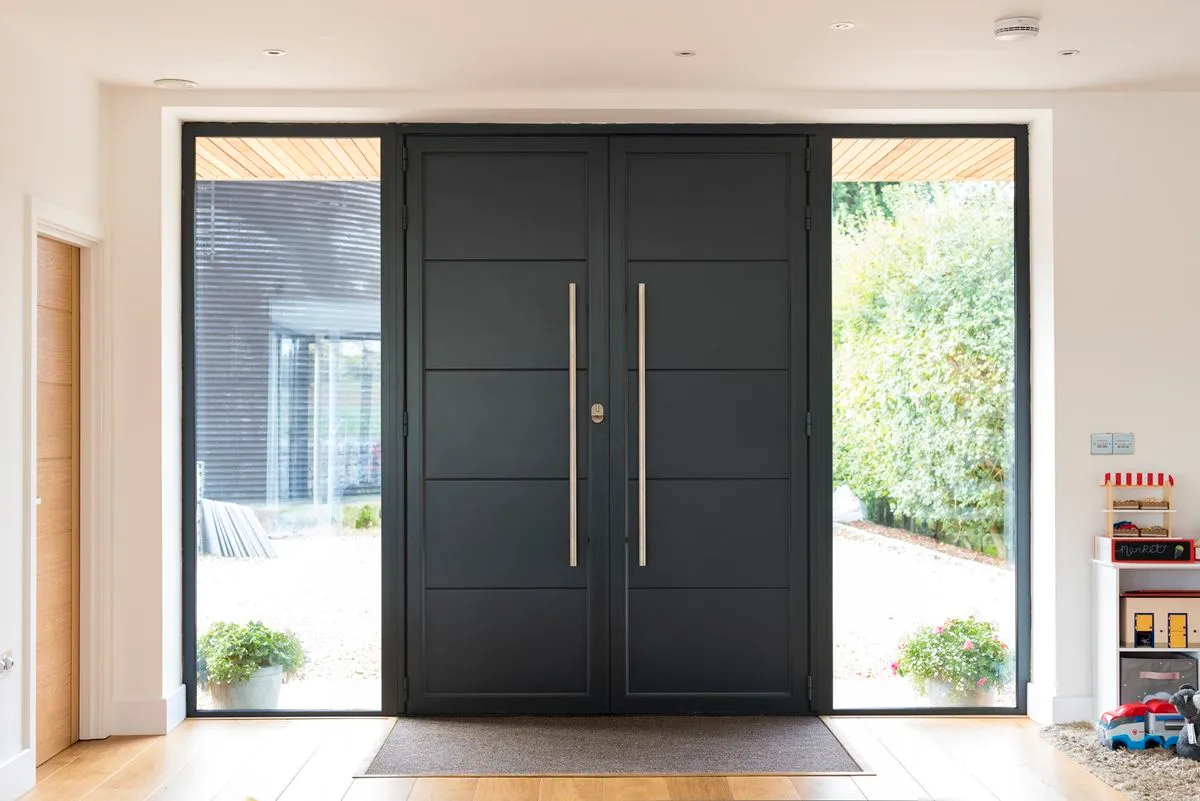
Great for larger entryways, double doors add elegance and make moving furniture easier. They also cost more due to the extra materials and hardware.
Doors with Sidelights
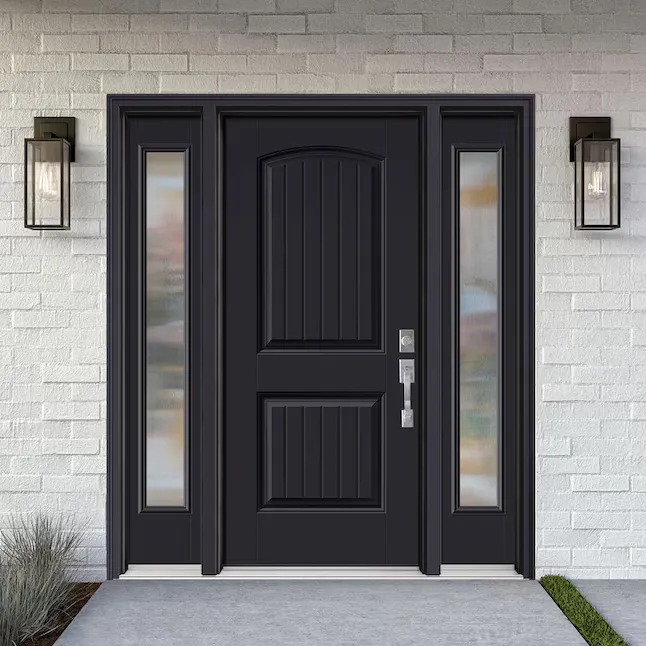
Additional Cost: Add $500 – $2,500
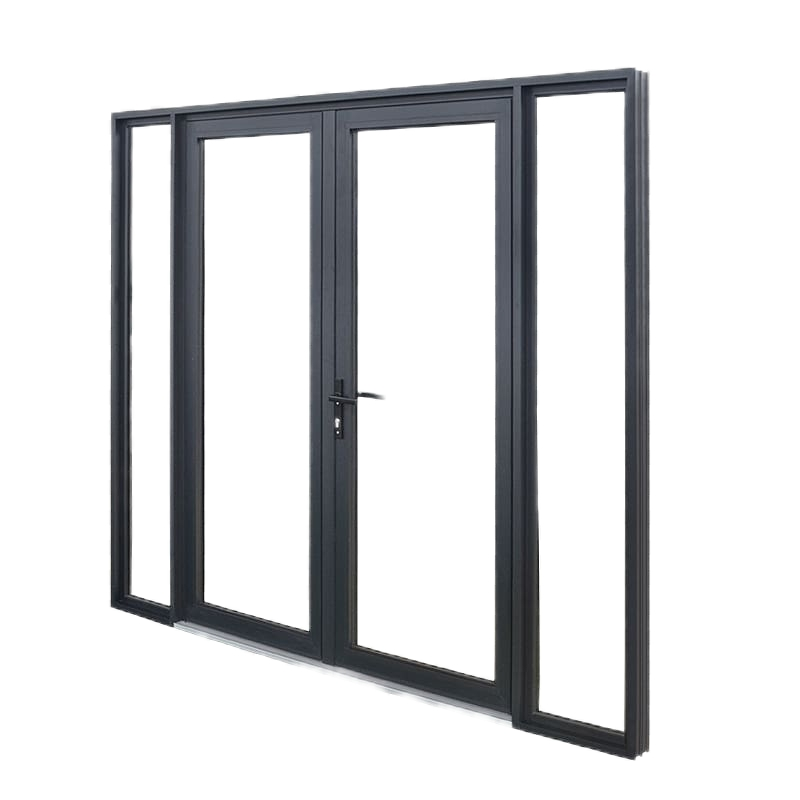
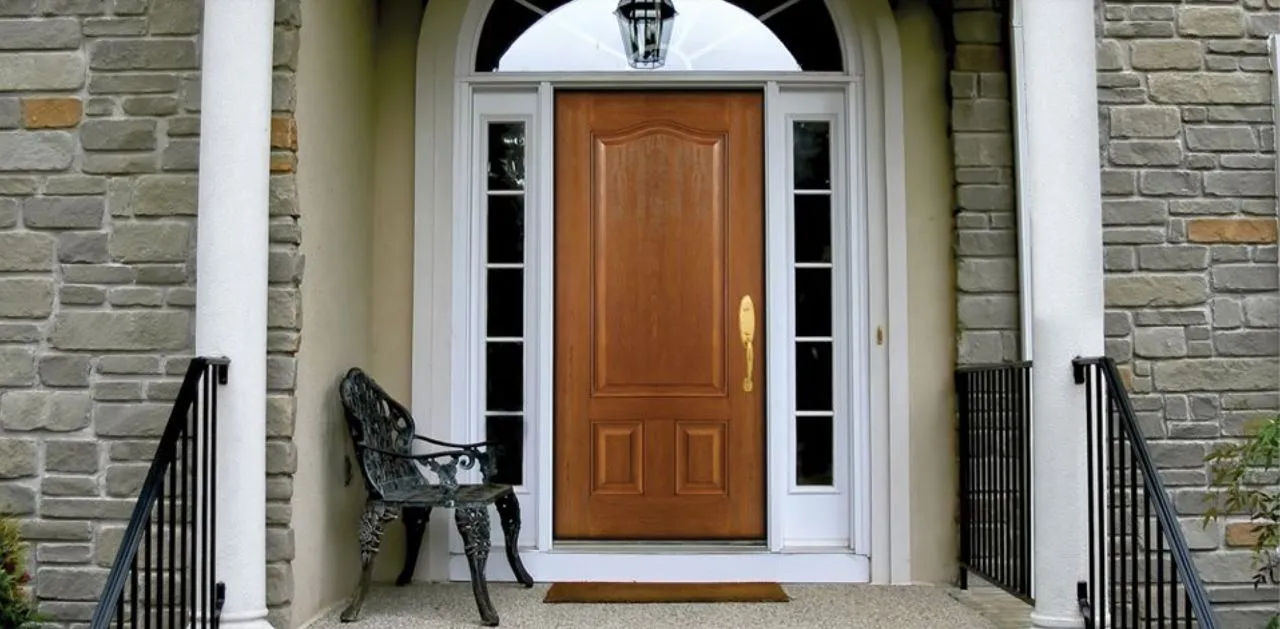
Sidelights—those vertical glass panels beside the door—boost natural light and style but add to the total cost.
Custom or Oversized Doors
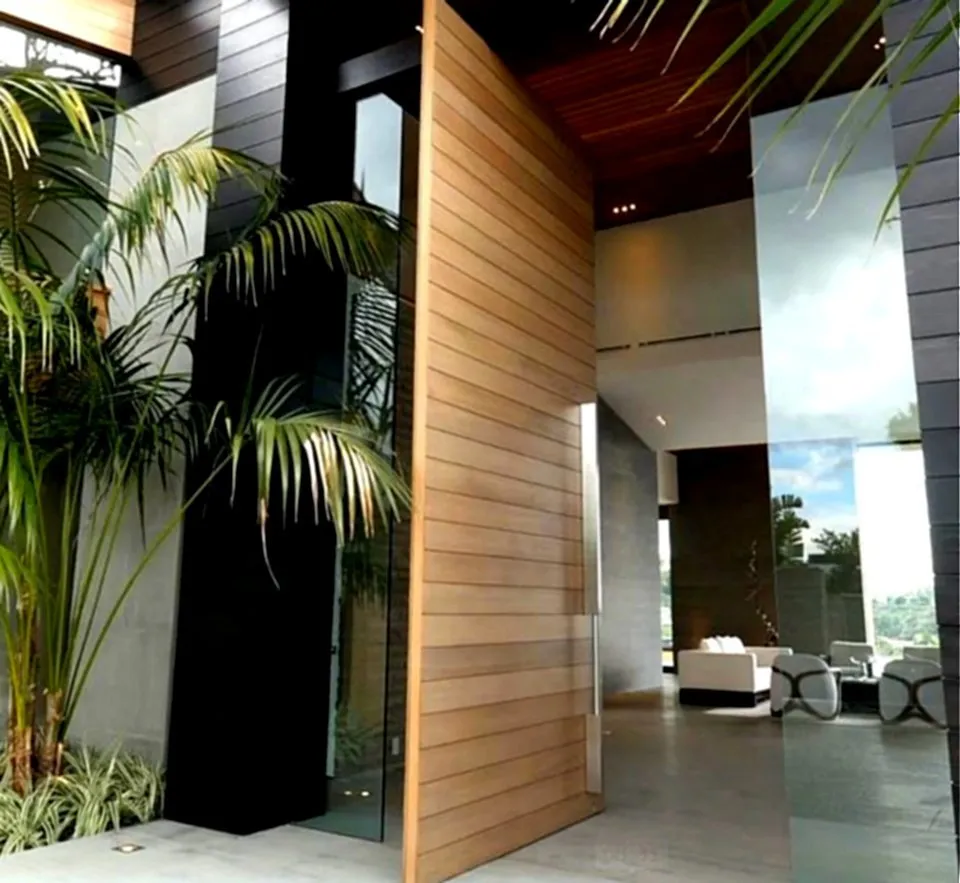
Cost Range: $5,000 – $10,000+
Want something bold and one-of-a-kind? Custom and oversized doors can get pricey depending on the size, design, and material.
Factors Influencing Front Door Costs
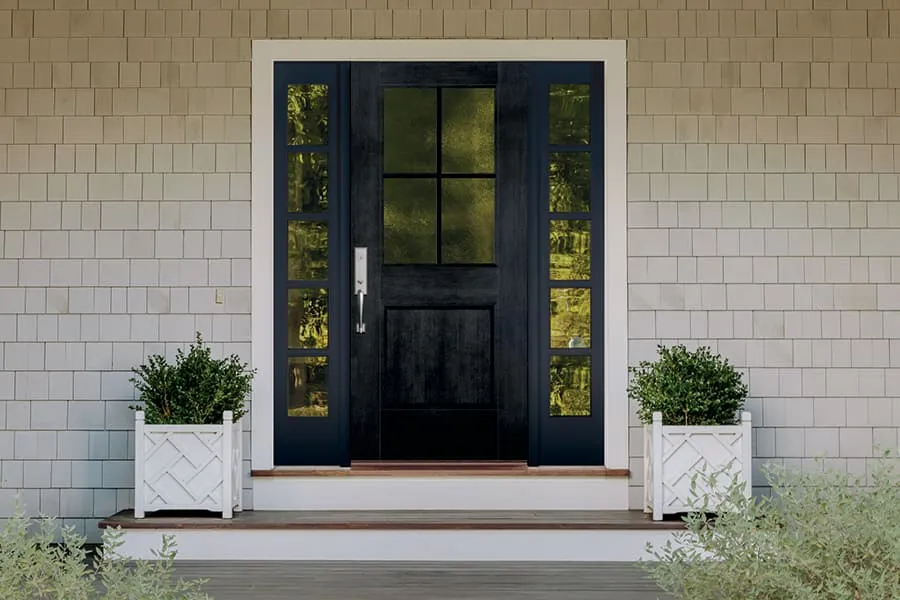
Not all front doors are priced the same—and for good reason. Several key factors can significantly affect what you’ll pay for your new entryway.
1. Material Quality
The type and quality of the material have the biggest impact on price. Solid wood or high-end fiberglass doors cost more than basic steel or composite options, but they also tend to last longer and look more premium.
2. Design Complexity
Intricate paneling, glass inserts, custom shapes, or unique finishes all add to the price. A simple flat-panel door is much more affordable than one with detailed carvings or decorative sidelights.
3. Energy Efficiency
Doors with insulated cores, double-pane glass, and ENERGY STAR® certification might cost more upfront, but they can save you money on heating and cooling over time.
4. Hardware and Accessories
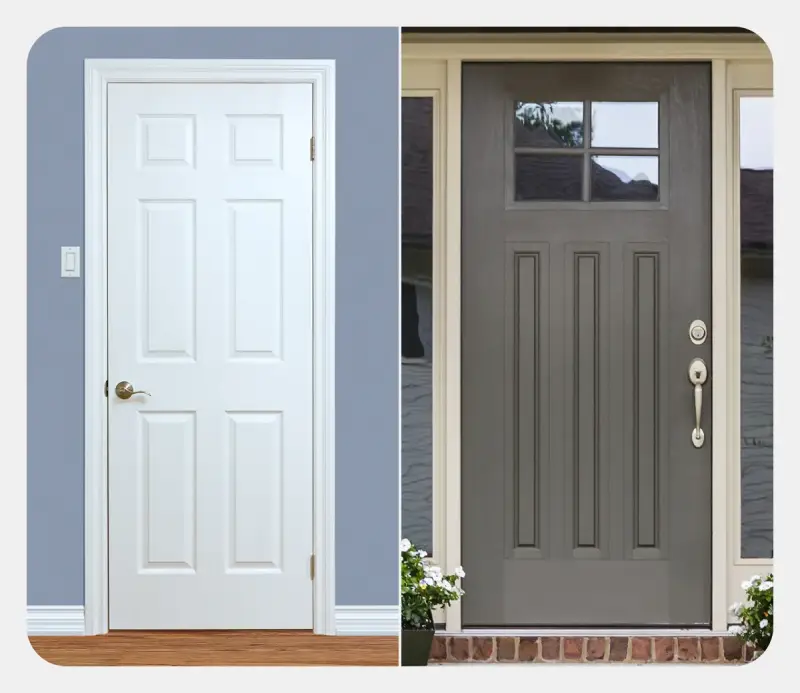
Don’t forget the extras—premium door handles, smart locks, upgraded hinges, kick plates, or custom finishes can easily add a few hundred dollars to your total.
5. Labor and Installation
Professional installation usually adds between $300 and $800, depending on the door type and whether structural modifications are needed. While it’s an added cost, it’s often worth it for proper sealing and fit.
Additional Costs to Consider
When budgeting for a new front door, don’t forget the extras that can sneak onto your final bill. Here are a few common add-ons:
Old Door Removal
Typical Cost: $50 – $200
If you’re replacing an existing door, you’ll likely need to pay for the removal and disposal of the old one. Some installers include this in their quote—others don’t.
Structural Modifications
Cost Varies: Depends on complexity
Need to widen your entryway or adjust framing to fit a new door size? Structural changes can drive up your total cost quickly, especially if they involve drywall or electrical work.
Permits and Inspections
Typical Cost: $50 – $200
Depending on your local building codes, you might need a permit for door installation—especially if structural changes or energy efficiency upgrades are involved. Always check with your city or municipality before starting the project.
DIY vs. Professional Installation
When it comes to installing a new front door, you’ve got two choices: do it yourself or bring in a pro. Each option has its ups and downs, depending on your experience and the type of door you’re working with.
DIY Installation
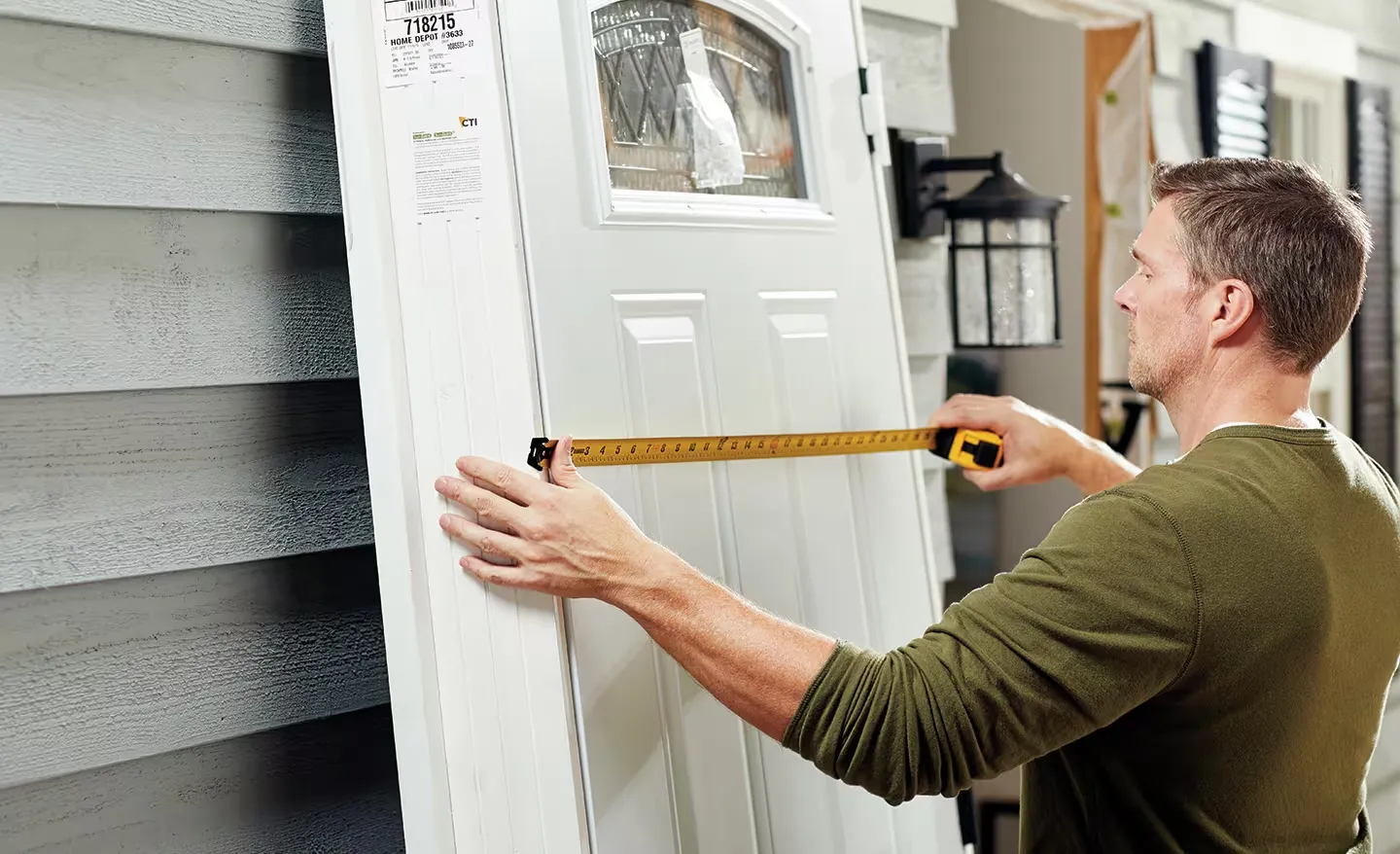
If you’re handy and have the right tools, installing a basic front door yourself can save you on labor costs—anywhere from $150 to $500. It’s a good option for standard-sized doors with no structural changes.
What to Watch Out For:
Front door installation isn’t just about hanging a slab of wood. It involves accurate leveling, weather sealing, and sometimes electrical work for smart locks or doorbells. A small mistake can lead to drafts, leaks, or security issues.
Professional Installation
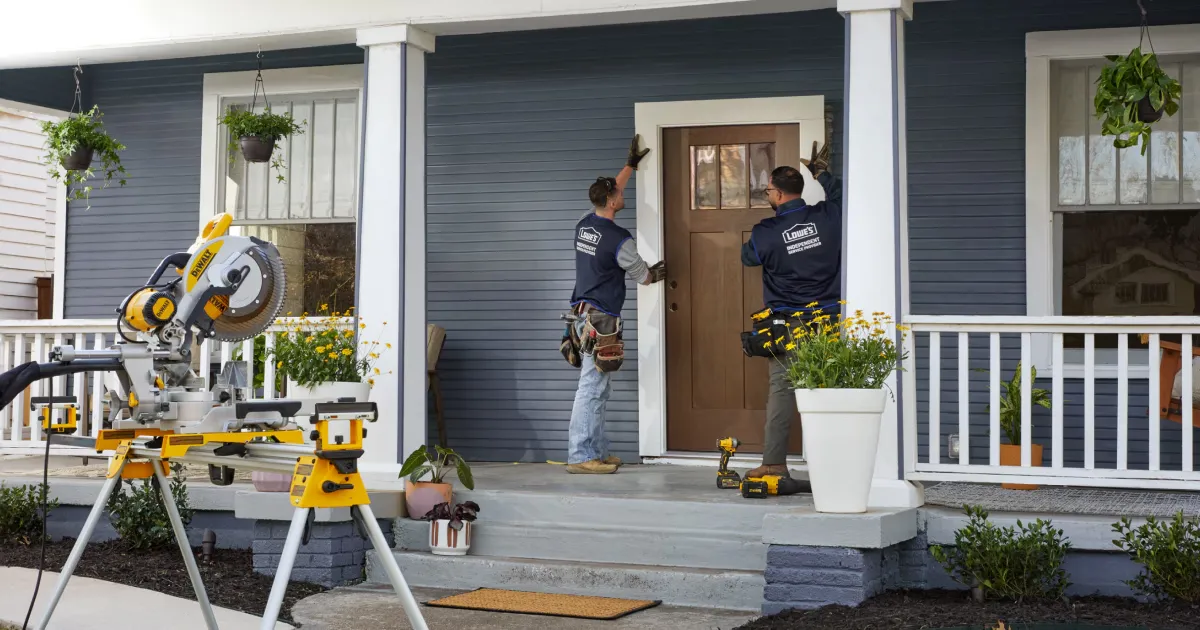
Pros ensure the door fits perfectly, seals properly, and meets all code requirements. Plus, many door manufacturers only honor warranties when a certified installer does the job.
Our Take
For custom, heavy, or high-end doors, professional installation is the way to go. You’ll get peace of mind, better performance, and warranty protection—without the headaches of a DIY project gone sideways.
Tips for Choosing the Right Front Door
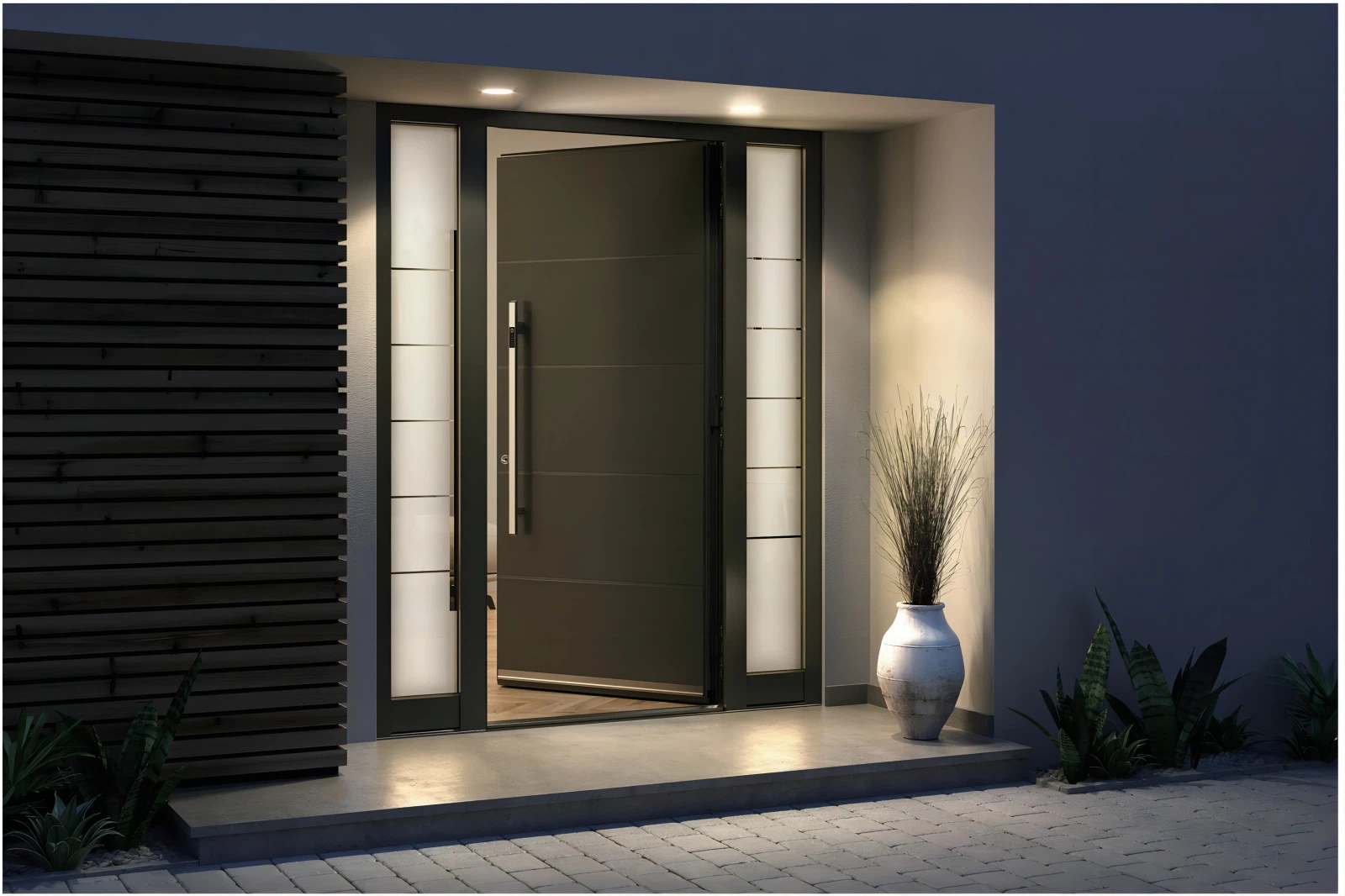
Choosing a new front door isn’t just about picking something that looks nice—it needs to work for your home, your climate, and your budget.
1. Assess Home Style
Look at your home’s overall design. A traditional wood-paneled door might suit a colonial-style house, while sleek glass or metal works better for a modern look. Your front door should enhance—not clash with—your home’s exterior.
2. Consider Climate
Live in a coastal or humid area? Fiberglass and aluminum resist moisture and warping better than wood. In colder climates, an insulated steel or fiberglass door can help keep energy bills in check.
3. Budget Wisely
Think long-term. While a cheaper door might save money now, investing in a high-quality, energy-efficient model could reduce maintenance and utility costs down the road. Find a balance that fits both your immediate budget and your future plans.
Get the Perfect Front Door—Factory Direct
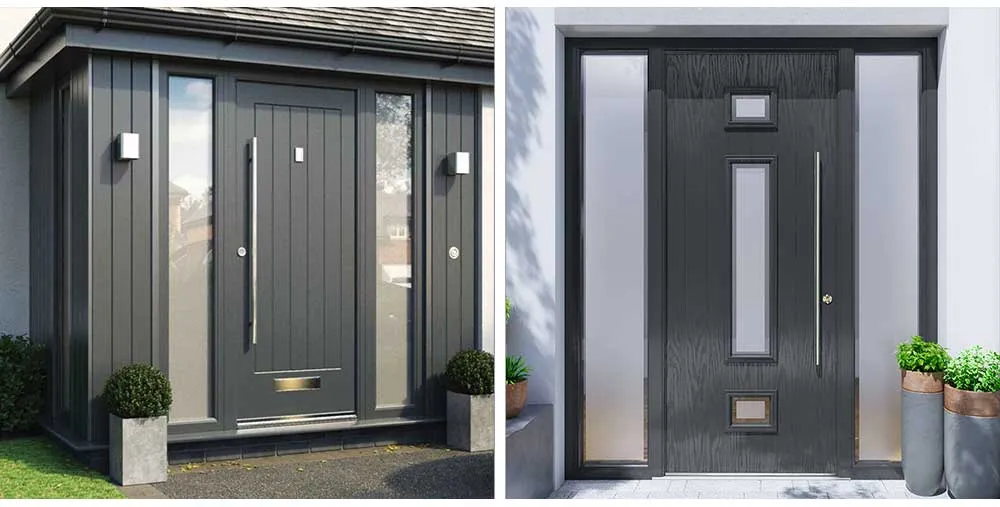
Looking for a high-quality front door without the high-end markup? We offer durable, stylish doors at competitive factory prices. Whether you need a classic design or a fully customized solution, we’re here to help.
Contact us today to explore our catalog, request a custom design, or get a fast, free quote—no pressure, just quality.