











Window locks may seem small, but they play a big role in home security and safety. While doors often get most of the attention, windows are common entry points for intruders, making the right lock an essential part of your protection plan. It’s also important to understand the difference between a simple latch and a true lock.
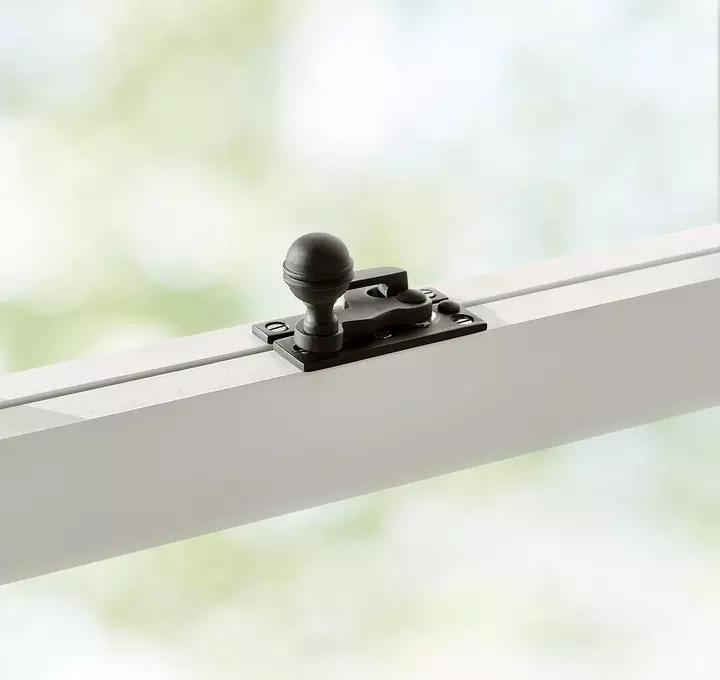
A latch holds the sash closed, but a lock actually secures it against forced entry. The best choice also depends on your window type—whether hung, sliding, or casement—since each design requires a specific style of lock. Matching the lock to your window ensures smooth use, better security, and lasting peace of mind.
Main Types of Window Locks
Windows are not just for letting in light and air—they can also be vulnerable entry points if not secured properly. The good news? There are many types of window locks designed to match different window styles and security needs. Let’s walk through each one in detail.
Sash Locks / Sash Fasteners
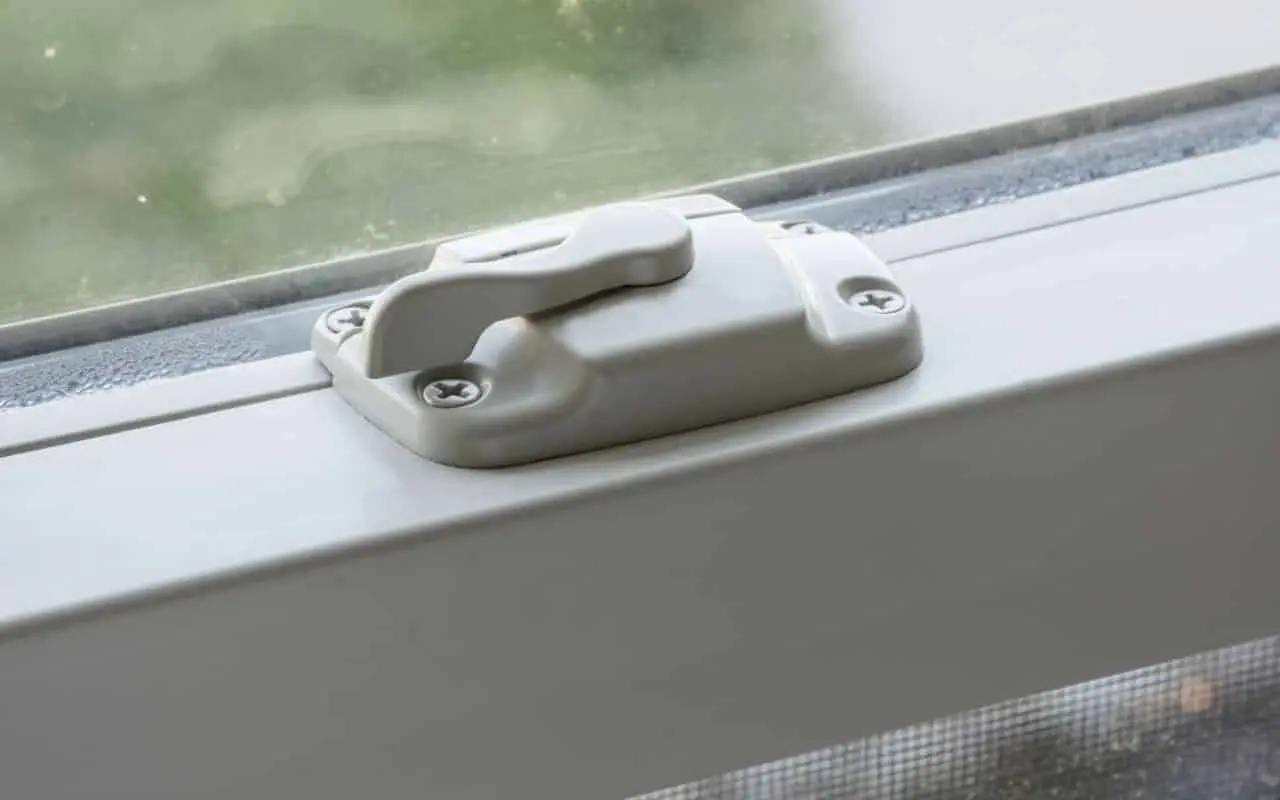
Best for: Single-hung and double-hung windows.
Sash locks (sometimes called sash fasteners) are the most traditional style. They’re usually mounted on the meeting rail, pulling the top and bottom sashes together. Besides locking, they help seal the window more tightly, which also reduces drafts.
Pros: Simple design, easy to operate, inexpensive, and improves sash alignment.
Cons: Provides only basic protection; can be pried open if the frame is weak.
Security level: Basic. Works best when paired with secondary locks.
Keyed Window Locks / Keyed Sash Locks
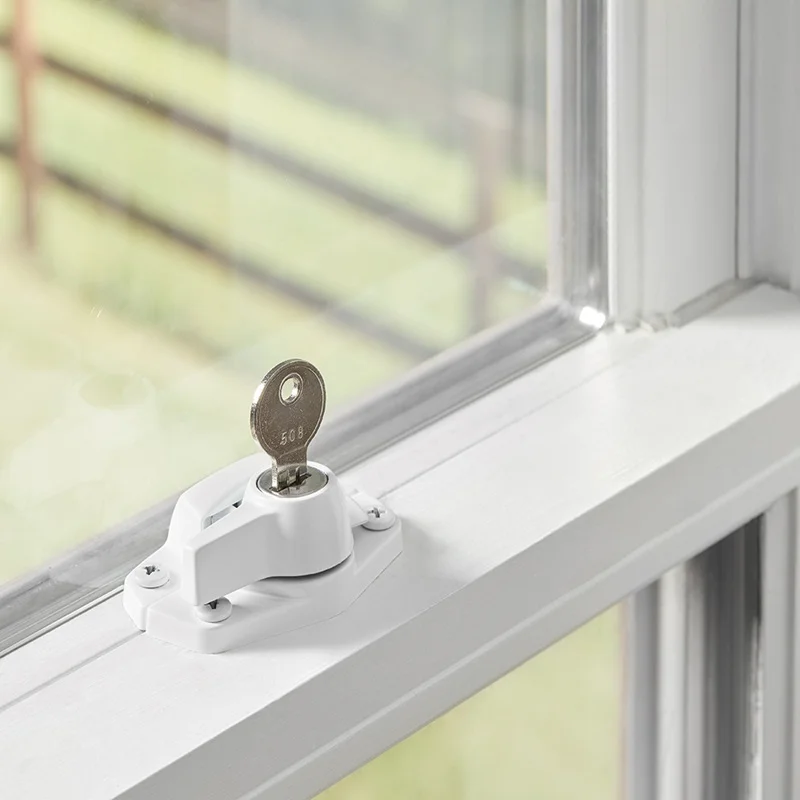
Best for: Ground-floor hung windows or homes in high-risk areas.
These locks look similar to standard sash locks but require a key to unlock. This extra step adds strong protection, especially on easily accessible windows.
Pros: Affordable upgrade, strong deterrent against intruders, adds confidence for vulnerable windows.
Cons: Keys can get misplaced, may slow down emergency exits.
Security level: High. A reliable option for boosting security.
Sliding Window Locks / Track Locks
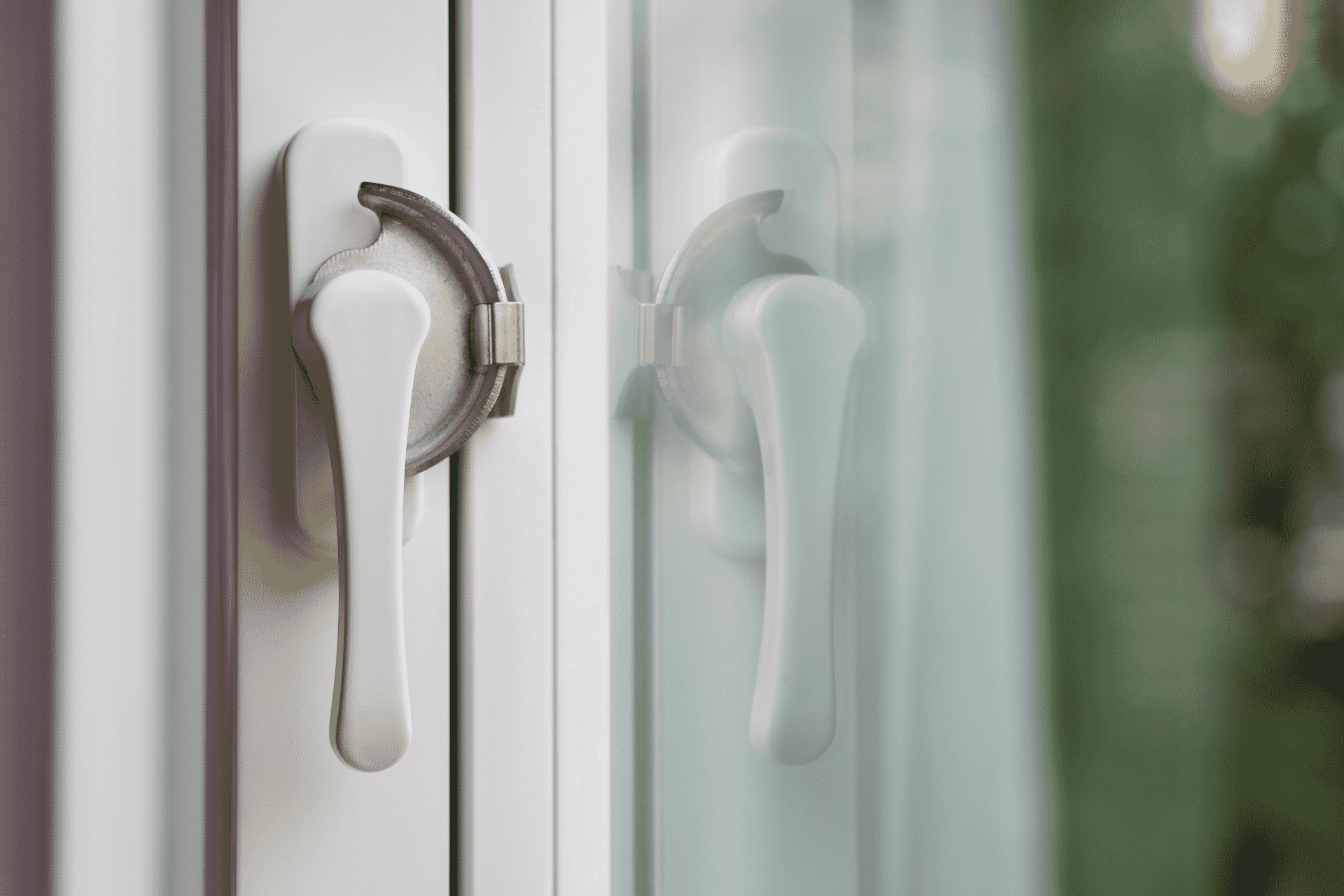
Best for: Sliding windows and sliding patio doors.
Track locks clamp directly onto the window’s track, stopping the sash from sliding open. Some styles allow adjustable placement, so you can leave the window slightly open for airflow while still keeping it secure.
Pros: Easy to install, inexpensive, versatile for ventilation, no drilling required in most cases.
Cons: If not tightened properly, they can be removed; limited to sliding windows.
Security level: Moderate to high, depending on build quality.
Window Pin Locks / Cable Locks
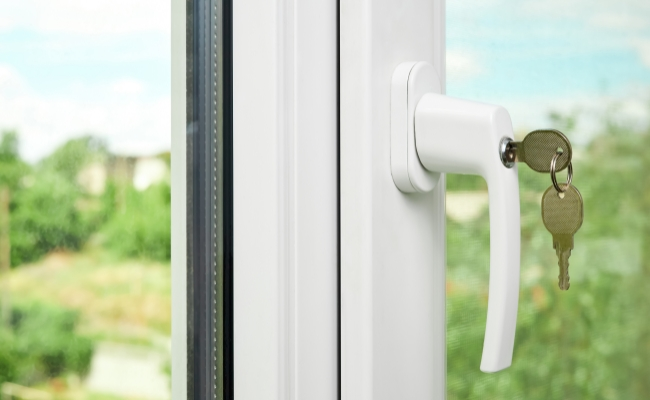
Best for: Hung, sliding, and sometimes casement windows.
Pin locks use a solid steel pin inserted through the frame to block movement, while cable locks use a flexible cable to restrict opening distance. They’re popular for preventing both break-ins and accidents involving children.
Pros: Very effective, child-safe, inexpensive, versatile for different windows.
Cons: Pins often require drilling; can slow down emergency egress.
Security level: Moderate. Strong deterrent against forced entry.
Hinged Wedge Locks / Vent Stops / Window Limiters
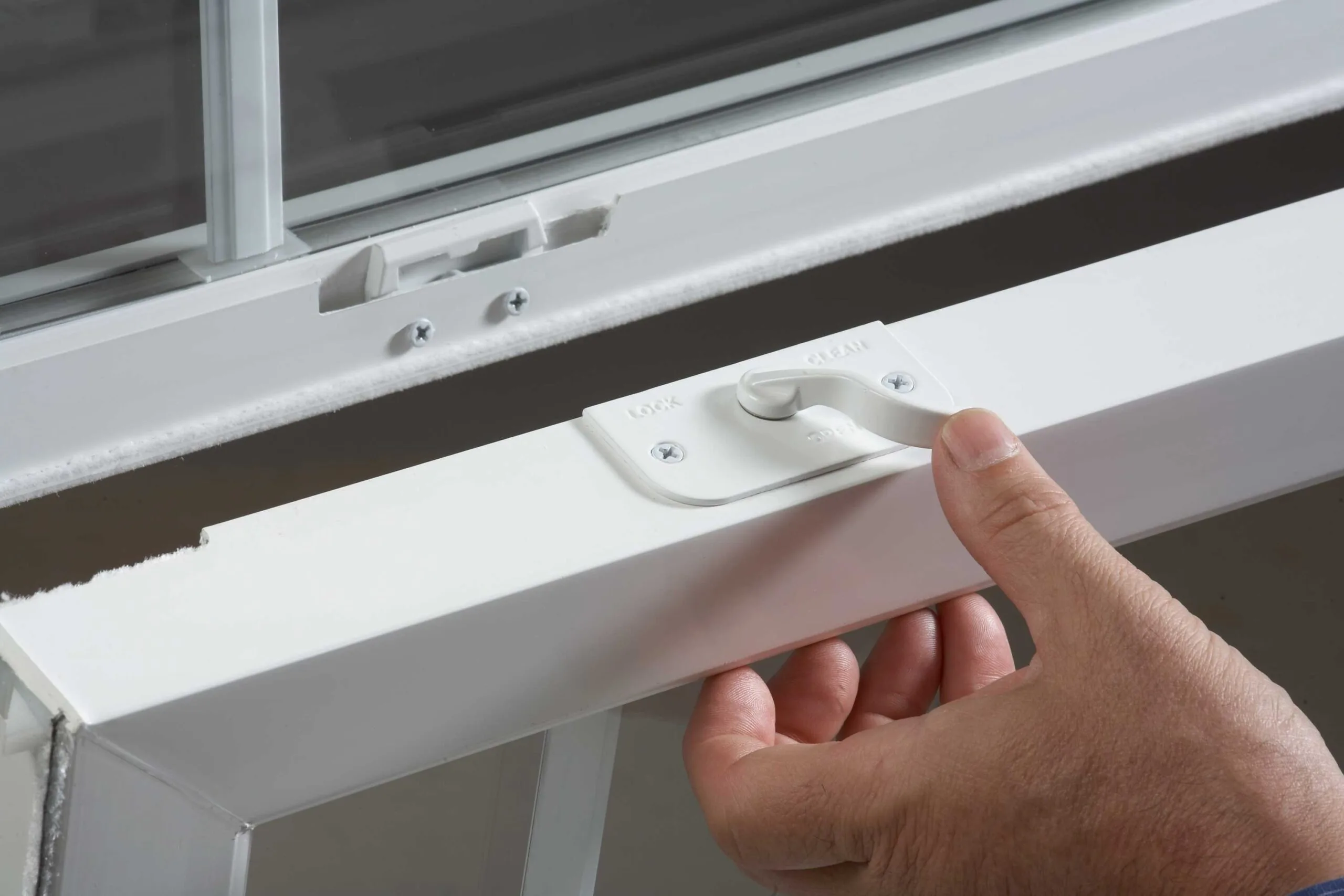
Best for: Double-hung windows.
These locks secure the sash in a partially open position, making them excellent for ventilation while still providing a safety stop. They’re especially useful for families who want airflow without worrying about children pushing windows open.
Pros: Great balance between airflow and safety, affordable, easy to use.
Cons: Not as strong as keyed or bolt locks, may wear over time with frequent use.
Security level: Moderate. Designed more for safety than maximum security.
Smart / Electronic Window Locks
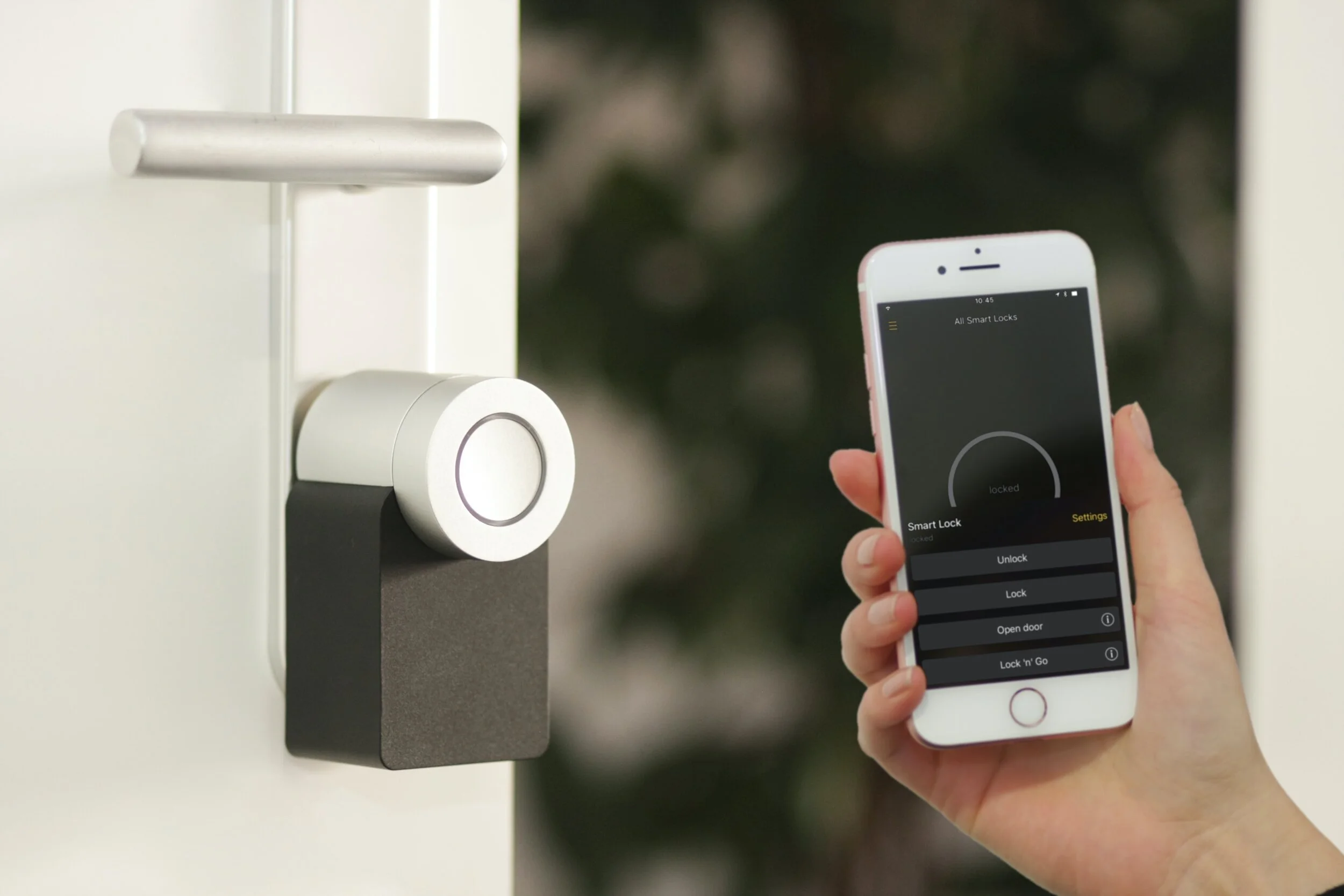
Best for: Modern homes and integrated smart security systems.
Smart locks bring windows into the digital age. Many models connect to Wi-Fi or a home security hub, sending alerts if a window is tampered with or left open. Some can even be controlled from a smartphone app.
Pros: Real-time alerts, remote control, integrates with alarms and cameras.
Cons: Higher cost, requires batteries or wiring, depends on internet reliability.
Security level: High. Excellent when paired with sensors and monitoring.
Bolt Locks / Barrel Locks / Cam Locks
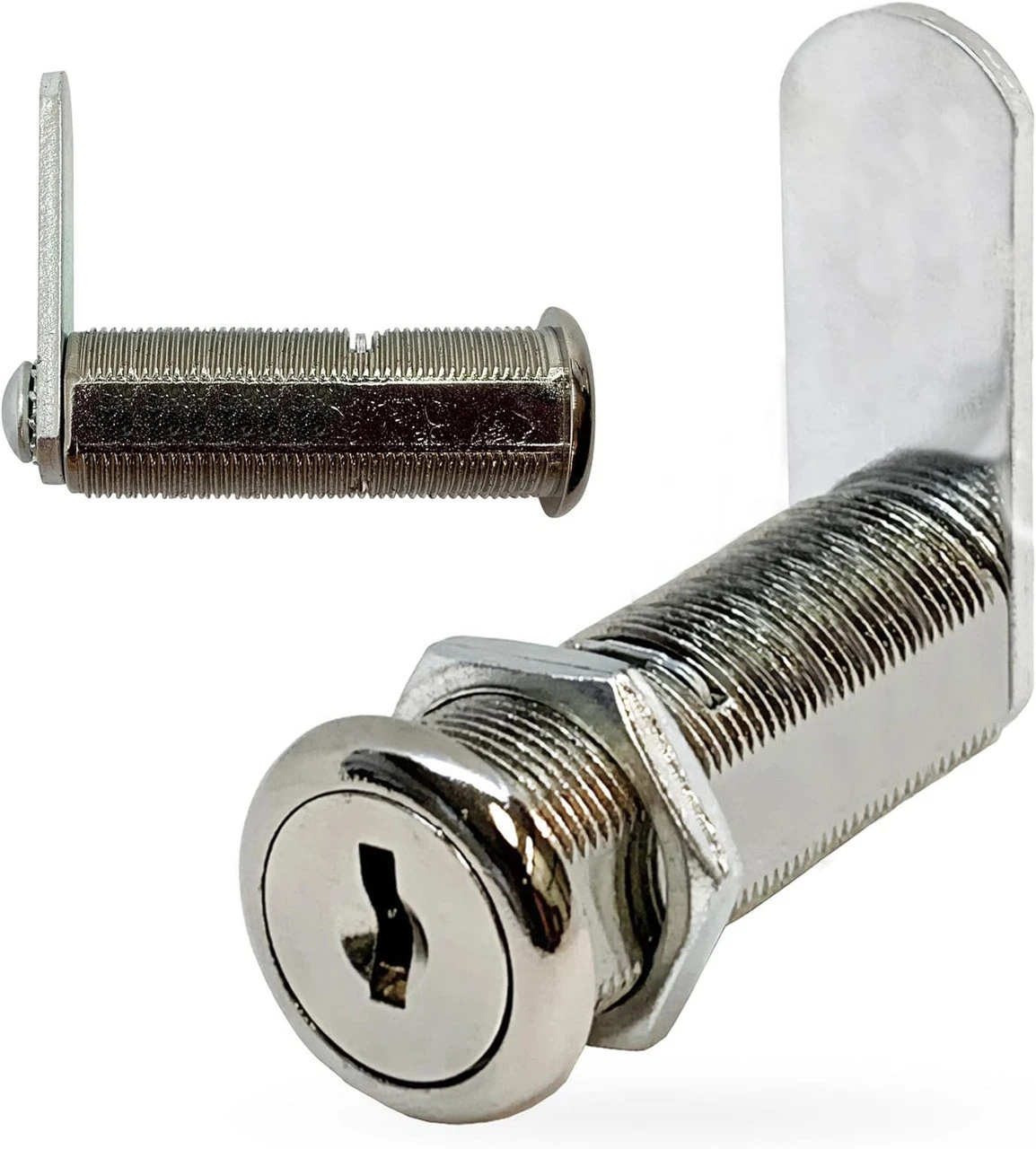
Best for: Casement, awning, and hinged windows.
These locks use strong mechanical systems—such as sliding bolts, rotating barrels, or cams—to clamp windows shut. They’re common in both residential and commercial spaces that demand heavy-duty protection.
Pros: Very strong, durable, reliable under heavy use.
Cons: More visible than other lock types, installation may require drilling.
Security level: Very high. Provides excellent reinforcement for at-risk windows.
Lock Grades & Standards
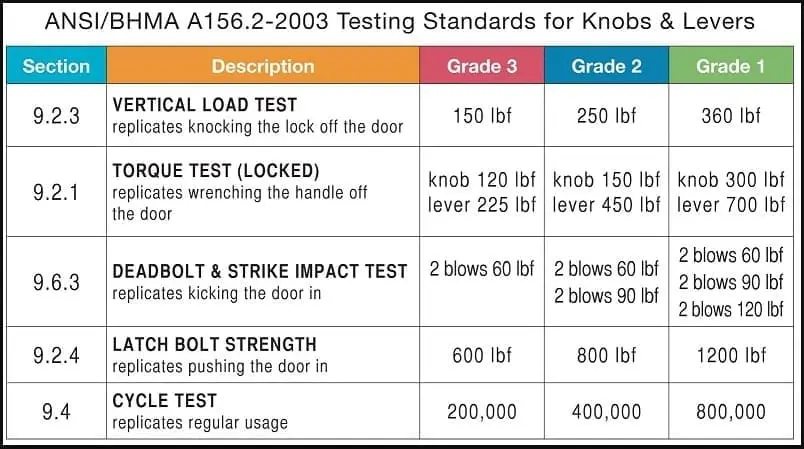
Not all window locks are built the same. Just like door hardware, window locks are often tested against industry standards to make sure they deliver the security and durability homeowners expect. Knowing these grades can help you choose locks that are both safe and long-lasting.
ANSI/BHMA Grades for Locks
The ANSI/BHMA grading system (American National Standards Institute / Builders Hardware Manufacturers Association) is one of the most recognized. Locks are tested for strength, durability, and performance, then rated into three main grades:
Grade 1: Highest level of security, tested for heavy use and maximum resistance.
Grade 2: Mid-range option, good for most residential needs.
Grade 3: Basic protection, typically found in entry-level hardware.
While not every window lock carries an ANSI label, choosing products that meet these standards ensures reliable performance.
Material Durability
The strength of a lock depends heavily on the material. High-quality locks use solid steel, brass, or zinc alloys, which resist wear and add toughness. Cheaper materials may bend, corrode, or break over time, reducing security.
Corrosion Resistance and Weatherproofing

Windows are exposed to the elements, so a good lock should handle moisture, humidity, and temperature changes. Look for locks with anti-corrosion coatings or stainless steel components, especially if you live in coastal areas where salt spray can cause faster rusting.
Design and Build Quality
Beyond standards and materials, thoughtful design also matters. Well-made locks feature tight tolerances, smooth operation, and finishes that resist scratches and fading. These details not only improve security but also extend the life of the lock and enhance the overall look of your windows.
Choosing the Right Lock for Your Window

Not every lock works for every window. The best choice depends on your window style, how you use it, and the level of protection you want. Here’s how to narrow it down.
Match Lock Style to Window Type
Hung windows (single or double-hung): Sash locks, keyed sash locks, or vent stops work best. They secure the meeting rail and keep the sashes aligned.
Sliding windows or patio doors: Track locks and pin locks are effective because they block the sash from sliding. Some models allow partial opening for airflow.
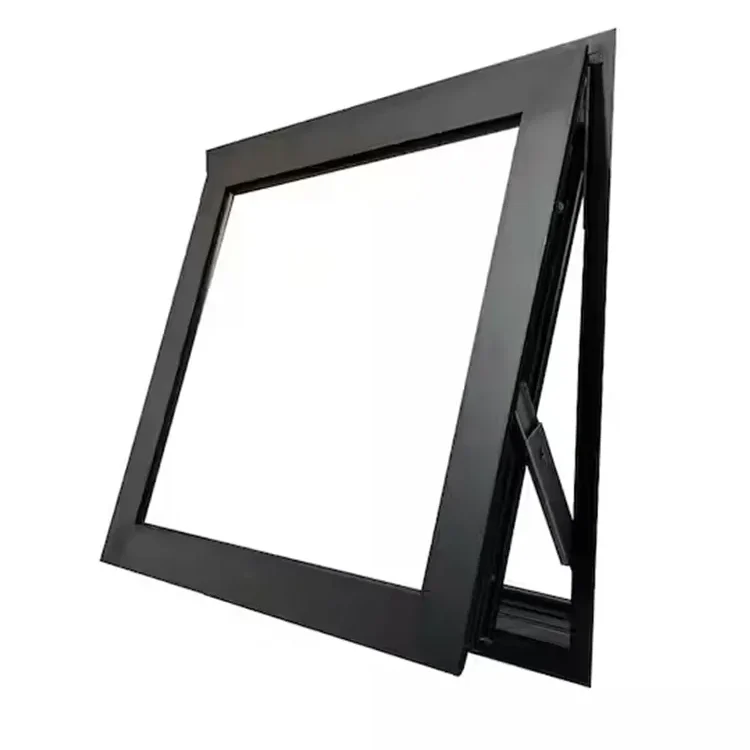
Casement or awning windows: Bolt, barrel, or cam locks fit tightly against the frame, creating a strong seal and resisting forced entry.
Matching the lock type to your window ensures smooth operation and maximum protection.
Security vs. Ventilation
The right lock balances safety and comfort. Hinged wedge locks and vent stops, for example, let you crack the window for airflow while still keeping it secure. For high-risk areas, prioritize full-strength locks like keyed sash or bolt locks over ventilation features.
Child Safety, Egress, and Fire Safety
Locks aren’t just about keeping people out—they also protect the people inside. For homes with children, cable locks or vent limiters are great options to stop windows from opening too far. But remember, bedrooms and living spaces still need at least one window that can act as an egress escape route in case of fire. Always choose locks that balance safety with quick exit access.
Budget vs. Premium Lock Options
Budget locks: Basic sash or track locks are inexpensive and work well for low-risk areas or upper-floor windows.
Premium locks: High-quality keyed locks, multi-point systems, and smart electronic locks cost more but offer added convenience, durability, and stronger protection.
When weighing costs, think long term. A well-built, corrosion-resistant lock often outlasts a cheaper one and provides peace of mind.
Advanced & Hybrid Lock Solutions
While basic window locks provide everyday protection, some situations call for more advanced solutions. Modern hardware and technology now offer ways to boost security, improve convenience, and even connect your windows to your smart home system.
Multi-Point Locking Systems
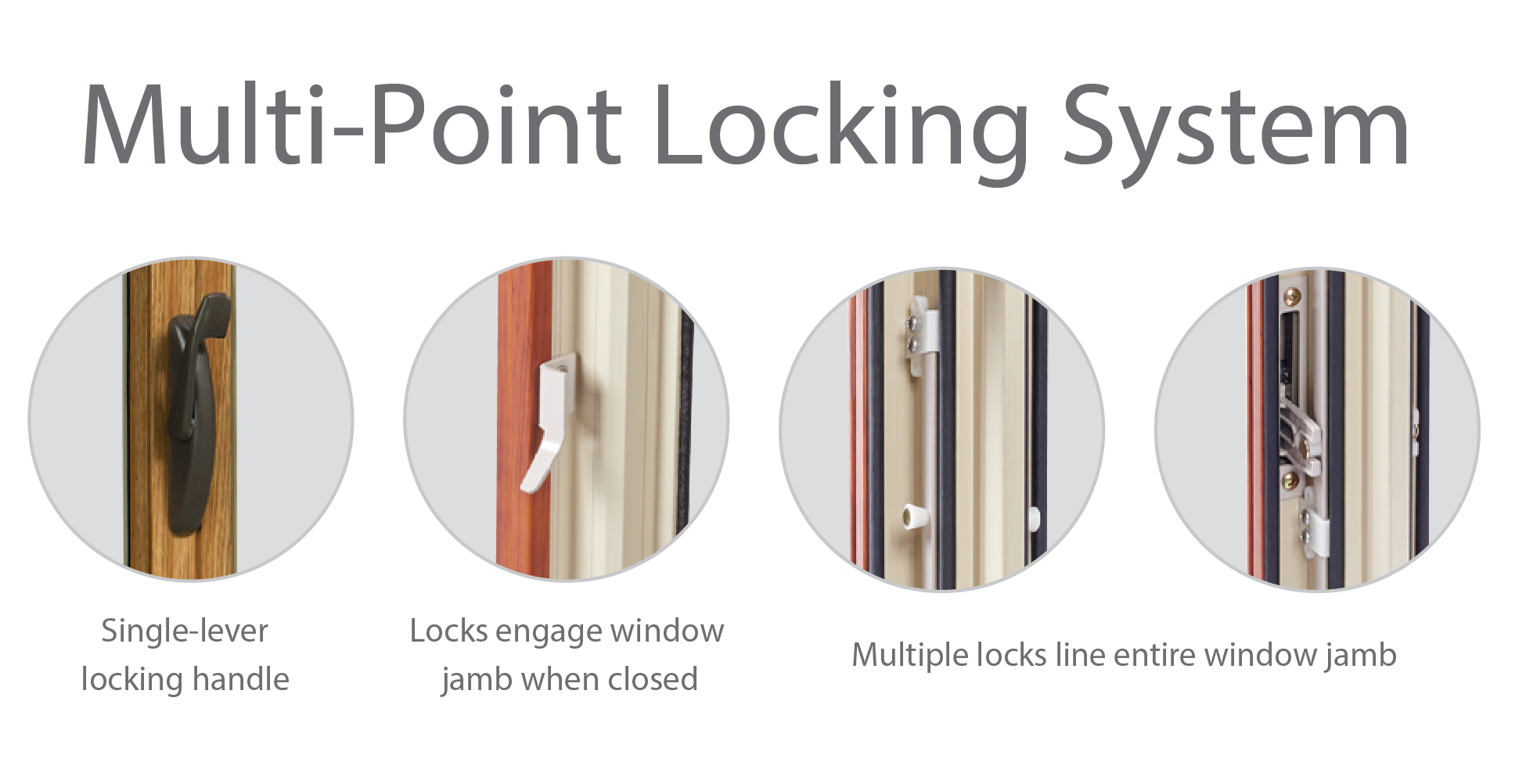
Unlike single-point locks that secure just one spot, multi-point locks fasten the window at several points along the frame. This spreads out pressure, making it much harder to force open. They also improve the window’s seal, helping with both security and energy efficiency. These systems are often used on casement and tilt-and-turn windows but can be found on premium sliding windows too.
Retrofits & Add-On Security Locks

If replacing your windows isn’t in the budget, retrofit locks can provide a security upgrade. Add-on track locks, sash pin locks, or secondary keyed devices are easy to install and give older windows a new layer of protection. This is a cost-effective way to bring existing windows closer to today’s security standards.
Integration with Alarm & Smart Home Systems

Today’s smart window locks can do more than just secure your sash. Many models connect with alarm systems or Wi-Fi hubs, alerting you on your phone if a window is opened unexpectedly. Some even integrate with smart assistants, letting you check window status by voice or automate security routines. This blend of hardware and software turns your windows into an active part of your home security ecosystem.
Secure Your Windows with the Right Lock

The right window lock doesn’t just protect your home—it gives you confidence every day. Whether you need basic sash locks, advanced smart systems, or expert advice on choosing the perfect solution, we’re here to help.
Contact us today to explore window lock options, request a consultation, or get professional installation tailored to your needs.
FAQs
What are the different types of window locks?
Common window locks include sash locks, keyed locks, sliding track locks, pin or cable locks, hinged wedge locks, bolt locks, and modern smart locks. Each type is designed for specific window styles and security needs.
What are the 4 types of locks?
The four main lock categories are:
Padlocks – portable, detachable locks.
Deadbolts – strong locks for doors.
Knob or lever locks – built into door handles.
Cam or barrel locks – common in furniture, cabinets, and some windows.
What are the different types of window wraps?
Window wraps are exterior claddings used to protect frames. Types include aluminum wraps, vinyl wraps, and composite wraps. They improve durability, reduce maintenance, and can be color-matched to blend with siding or trim.
How many types of window keys are there?
Window keys typically fall into two categories: universal keys, which fit a wide range of keyed locks, and specialized keys, which are designed for specific lock brands or models.