












Choosing the right windows for your home is an important decision. Windows affect how much light enters your space, how well your home stays insulated, and even how much energy you save.
Two of the most popular window types are casement windows and sliding windows. Each has its own benefits and drawbacks. Casement windows swing open like a door, offering great ventilation and energy efficiency. Sliding windows slide horizontally and are easy to operate, making them ideal for wide openings.

In this guide, we’ll compare casement vs. sliding windows in detail. You’ll learn about their differences, pros and cons, and which option works best for your home. Let’s dive in!
What Are Casement Windows?

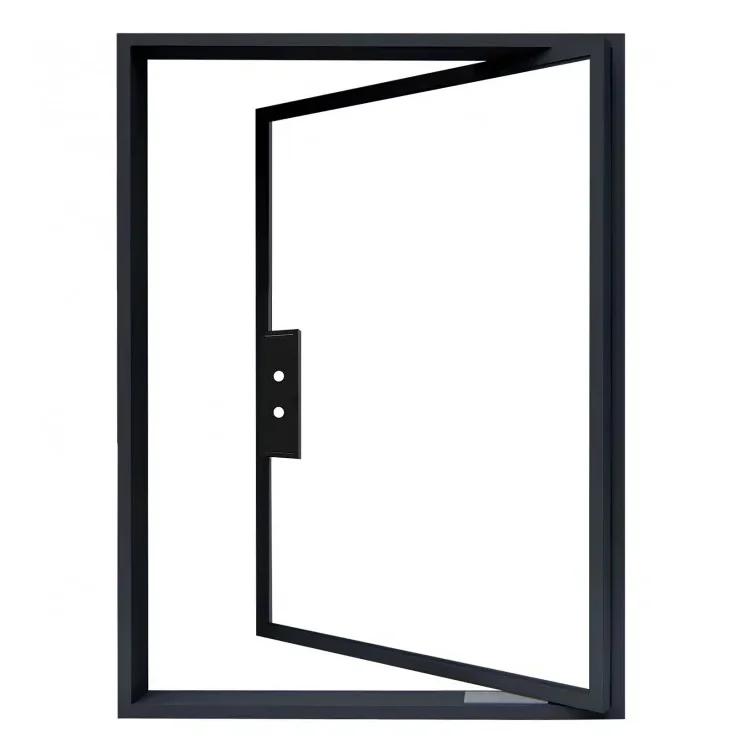
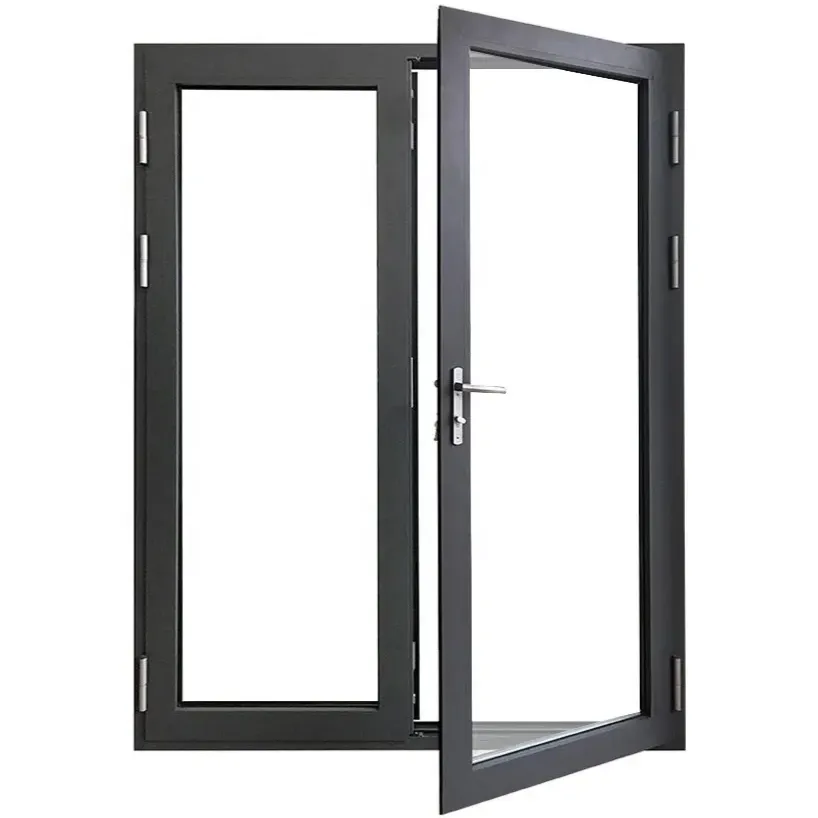
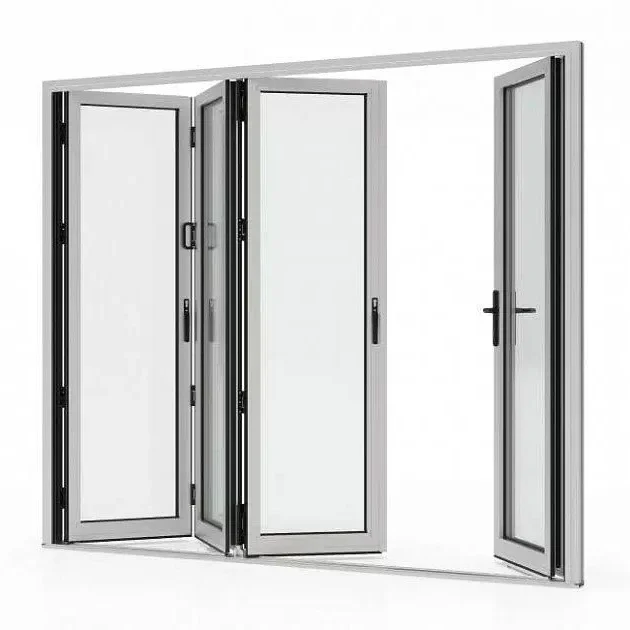
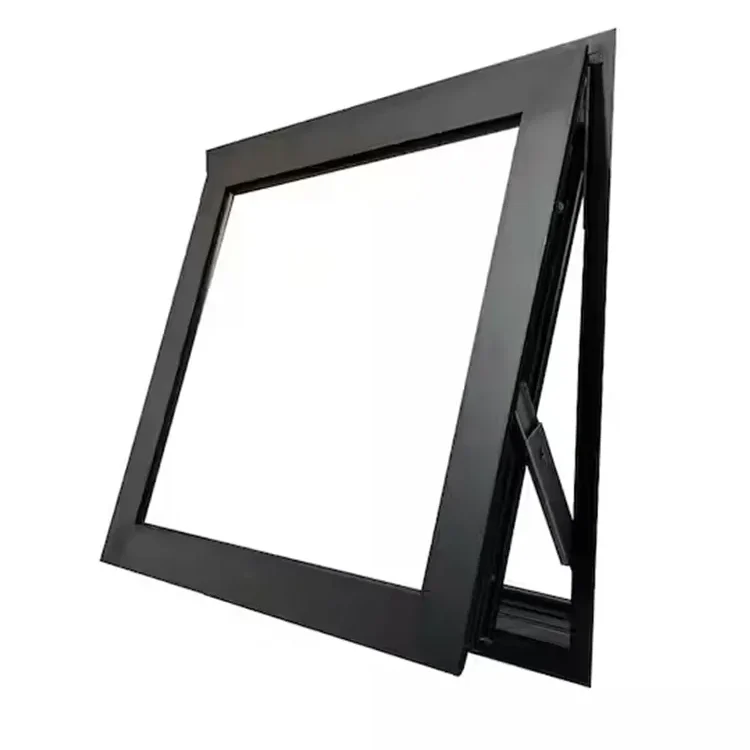
Casement windows, also known as crank windows, are hinged on one side and swing outward like a door. They are operated using a crank, handle, or lever, making them easy to open and close, even in hard-to-reach areas.
These windows work best for narrow and tall spaces, such as above kitchen sinks or in bathrooms. Casement windows come in two main types:
Single Casement Windows – One sash that swings open to the left or right.
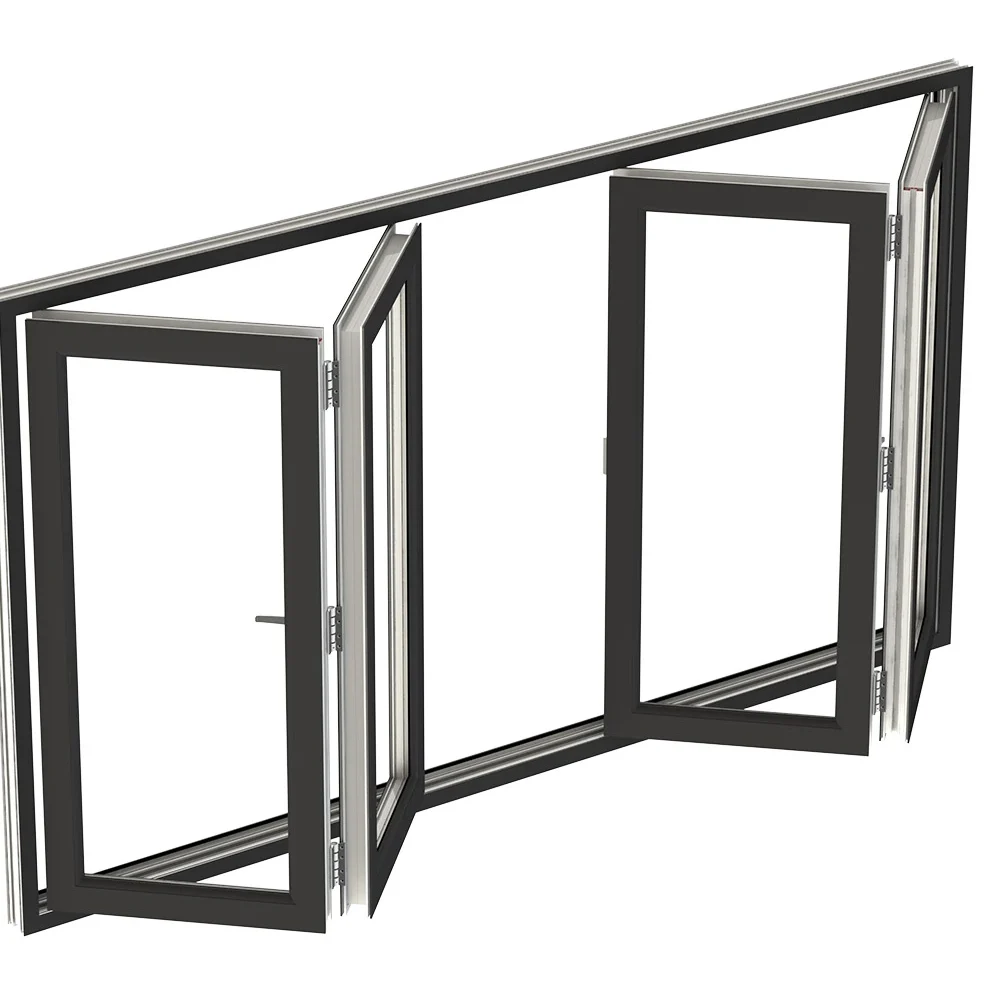
Double Casement Windows – Two sashes that open outward from the center, providing a wider opening.
Since they open fully, casement windows allow maximum ventilation and provide clear, unobstructed views. They also create a tight seal when closed, making them one of the most energy-efficient window types.
Pros and Cons of Casement Windows
| Pros | Cons |
|---|---|
| Excellent ventilation | Requires space to open outward |
| High energy efficiency | Crank mechanism needs maintenance |
| Unobstructed views | Can be damaged by strong winds |
| Easy to clean from inside | Slightly more expensive |
| Better security with tight locks | May obstruct walkways if placed near pathways |
What Are Sliding Windows?

Sliding windows, also known as glider windows, open horizontally by sliding one sash over the other. They move along a track, making them simple to operate without requiring extra space for opening.
Sliding windows are ideal for wide openings where horizontal space is available. They offer a sleek, modern look and are commonly used in living rooms, kitchens, and basements. Sliding windows come in two types:
Single Sliding Windows – One sash slides horizontally while the other remains fixed.
Double Sliding Windows – Both sashes slide, providing more ventilation and flexibility.
Because sliding windows don’t swing open, they’re a great choice for spaces where an outward-opening window could be a hazard or obstruct pathways.
Pros and Cons of Sliding Windows
| Pros | Cons |
|---|---|
| Space-saving, no outward swing | Less energy-efficient due to flexible seals |
| Easy to operate and maintain | Limited ventilation as only half opens |
| Ideal for wide openings | Tracks may require frequent cleaning |
| Provides expansive views | Exterior glass can be harder to clean |
| More affordable than casement windows | May become harder to slide over time |
Key Differences Between Casement and Sliding Windows

Quick Overview
Energy Efficiency
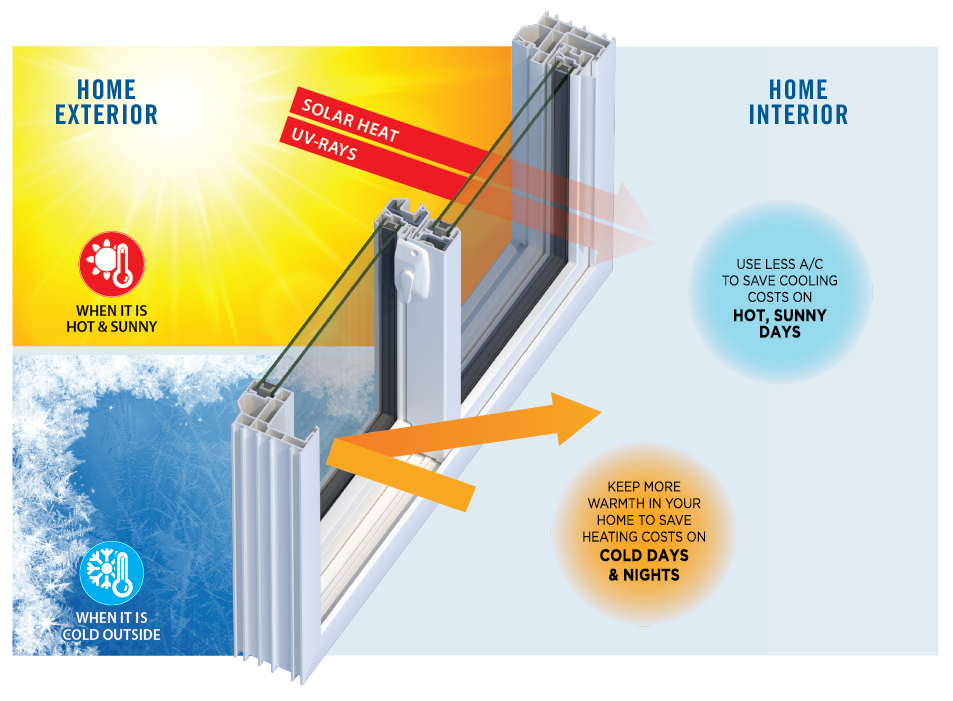
Casement windows create a tight seal when closed, preventing air leaks and maintaining consistent indoor temperatures. This makes them highly energy-efficient, especially in extreme climates where insulation is critical. However, regular maintenance is needed to ensure the seal remains intact over time.
Sliding windows have a flexible seal to allow smooth operation, but this flexibility can lead to minor air leaks. As a result, they are less energy-efficient compared to casement windows, although modern models with better weatherstripping can improve performance.
Ventilation

Casement windows open outward like a door, allowing the entire window space to be used for airflow. This maximizes ventilation, making them an excellent choice for kitchens, bathrooms, or any space where increased airflow is needed.
Sliding windows open by sliding one panel over the other, which means only half the window space is available for ventilation. While this provides moderate airflow, it’s not as effective as casement windows in promoting cross-ventilation.
Maintenance
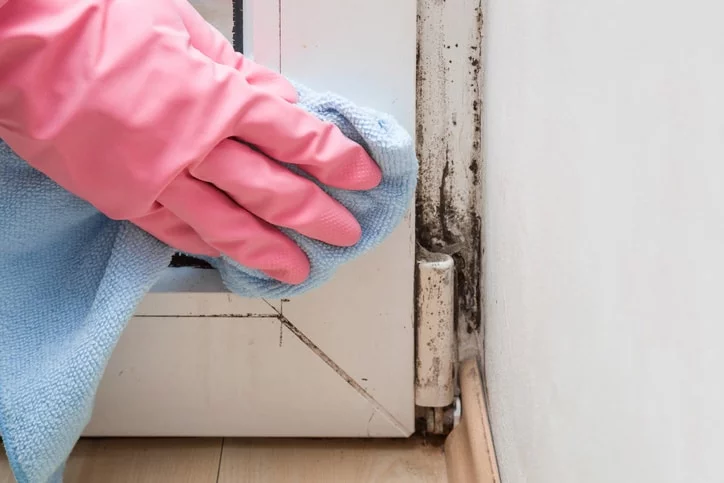
Casement windows require routine maintenance for the crank, hinges, and seals to ensure smooth operation. Cleaning the exterior of casement windows, especially on upper floors, can be challenging as they open outward. However, many modern casement designs allow for easy cleaning from the inside.
Sliding windows need minimal maintenance, with fewer moving parts to worry about. However, the tracks should be cleaned regularly to prevent debris buildup, which can affect sliding performance over time. Cleaning the exterior can also be a bit tricky if one panel is fixed.
Security

Casement windows lock tightly into the frame, making them more secure than sliding windows. Their multi-point locking system adds an extra layer of protection, making it difficult for intruders to force them open.
Sliding windows are less secure by design, as the sliding mechanism leaves a small gap that can be exploited. However, adding additional locks, security bars, or window stoppers can significantly enhance their security.
Cost Considerations

Casement windows tend to be more expensive due to their complex mechanism, higher-quality materials, and installation process. However, their energy-saving potential can offset the initial cost over time, making them a smart investment for long-term savings.
Sliding windows are more affordable upfront, with a simpler design and lower installation costs. They are ideal for homeowners seeking a budget-friendly solution without compromising on basic functionality and style.
Best Applications for Casement and Sliding Windows
When to Choose Casement Windows

1. Kitchens, Living Rooms, and Bathrooms
Casement windows are perfect for areas that require maximum airflow. Their ability to open completely allows fresh air to circulate, making them an ideal choice for kitchens, living rooms, and bathrooms where ventilation is a priority.
2. Traditional or Historic Homes
Casement windows offer a classic and elegant appearance that complements traditional and historic-style homes. Their timeless design adds character and charm, making them a great fit for older homes.
3. Regions with Extreme Weather Conditions
Casement windows provide superior insulation and a tight seal, making them ideal for homes in areas that experience harsh weather conditions. They prevent drafts and help maintain consistent indoor temperatures, reducing heating and cooling costs.
When to Choose Sliding Windows

1. Modern Homes with Wide Horizontal Spaces
Sliding windows are a great choice for modern or contemporary homes that emphasize clean lines and minimalist aesthetics. Their horizontal design is well-suited for wide window openings, providing unobstructed views and natural light.
2. High-Rise Buildings and Windy Areas
Sliding windows are safer in high-rise buildings and locations prone to high winds because they do not swing outward. Their design eliminates the risk of wind damage or accidental impact from sudden gusts, making them a practical choice for such environments.
3. Rooms with Limited Exterior Space
Since sliding windows do not open outward, they are ideal for spaces where exterior space is limited. This makes them a perfect fit for areas such as patios, balconies, or walkways where you need to preserve space.
Conclusion

Casement and sliding windows each have their own advantages. Casement windows offer better ventilation and energy efficiency, while sliding windows are easier to operate and fit well in wide openings. Understanding these differences will help you choose the best option for your home.
Need help deciding? Contact us today for expert advice, a free consultation, or a detailed catalog. We’re ready to assist you!