











| Type | Opening Style | Key Feature | Best For |
|---|---|---|---|
| Single Casement Window | One sash, side-hinged | Simple, reliable operation | Kitchens, bathrooms, narrow openings |
| Double (Paired) Casement Window | Two sashes with center mullion | Balanced, symmetrical design | Wide walls, larger window openings |
| French Casement Window | Two sashes, no mullion | Clear, unobstructed opening | Views, ventilation, egress needs |
| Crank-Out Casement Window | Crank-operated outward opening | Precise control, tight seal | Hard-to-reach areas, above sinks |
| Push-Out Casement Window | Manual push-out operation | Traditional look, simple use | Classic homes, quick ventilation |
| Outswing Casement Window | Opens outward | Saves interior space | Standard residential applications |
| Inswing Casement Window | Opens inward | No exterior clearance needed | Upper floors, balconies, tight exteriors |
| Flush Casement Window | Sash sits flush with frame | Clean, seamless appearance | Modern or heritage architecture |
| Stormproof / Lipped Casement Window | Overlapping sash design | Enhanced weather resistance | Windy, rainy climates |
| Egress Casement Window | Wide-opening safety design | Meets emergency escape codes | Bedrooms, basements |
10 Types of Casement Windows
1) Single Casement Window

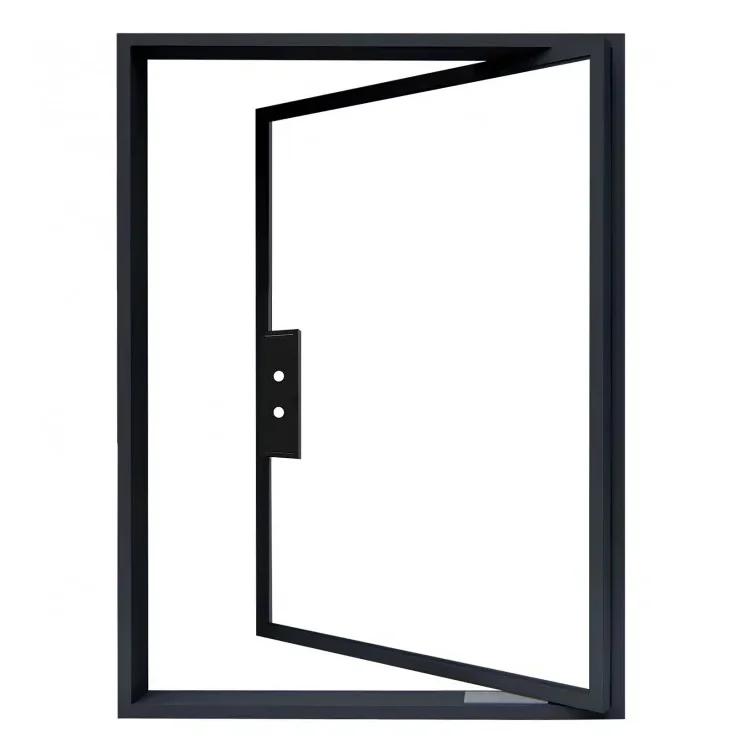
A single casement window is the most classic style, with one sash hinged on either the left or right side. It swings open like a small door, making it easy to use in narrow openings such as kitchens or bathrooms. This is the foundation of all types of casement windows, offering simplicity and reliability.
2) Double (Paired) Casement Window
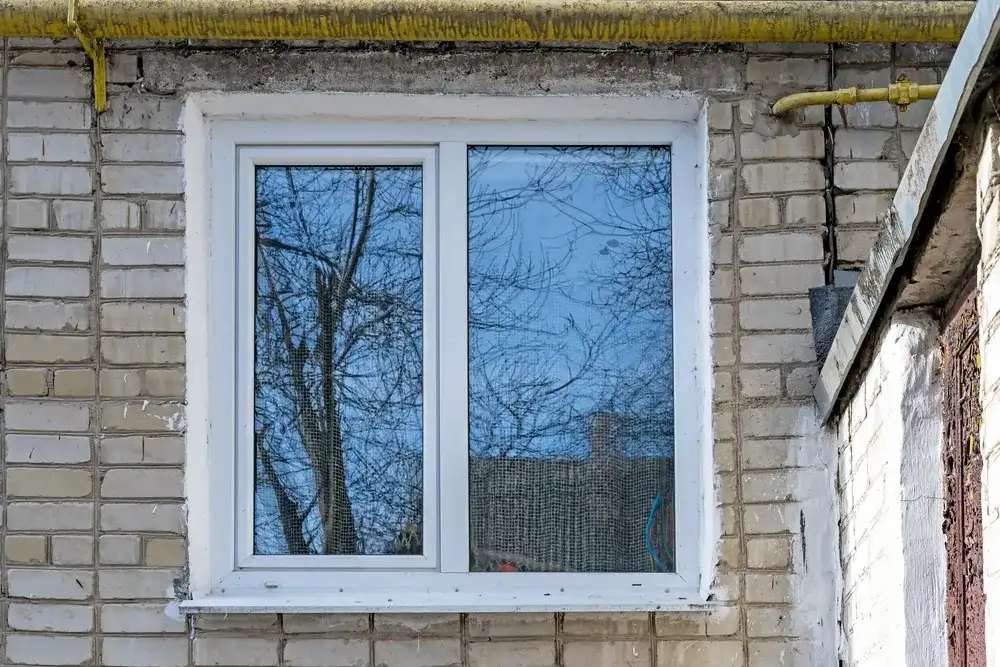
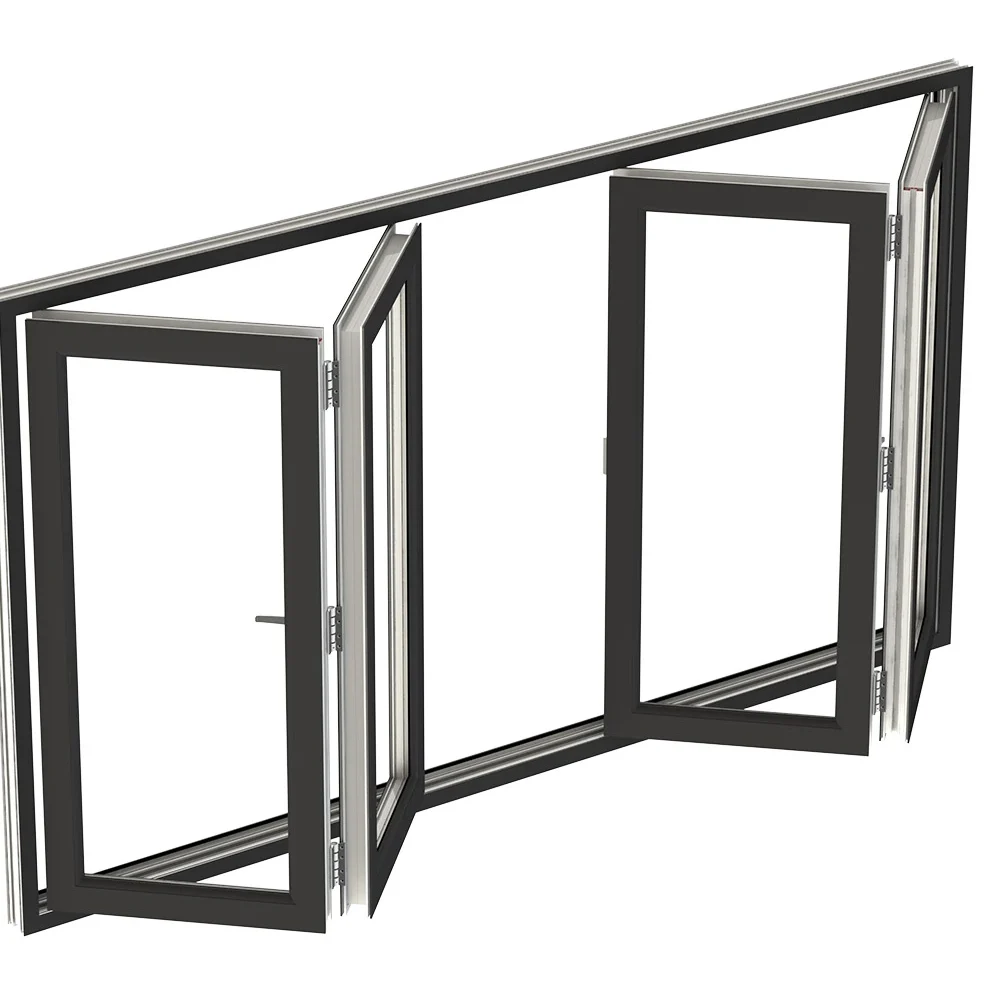
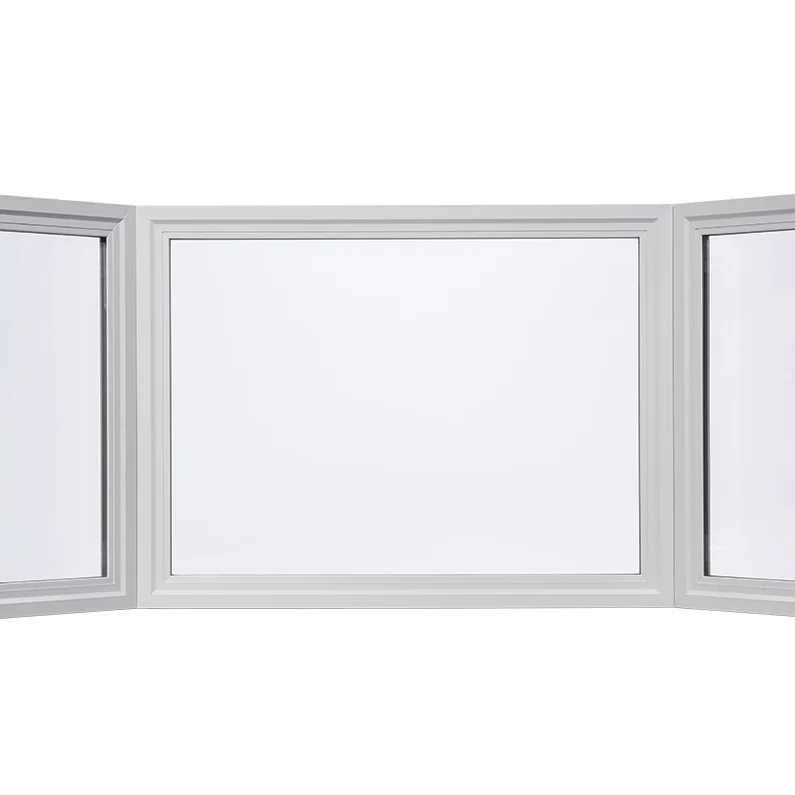
A double casement window features two single casements side by side, divided by a fixed center mullion. This design creates symmetry, making it ideal for larger walls or wider openings where balance matters. Unlike French casement styles, the mullion remains in place, slightly limiting the clear view when open.
3) French Casement Window (No Mullion)

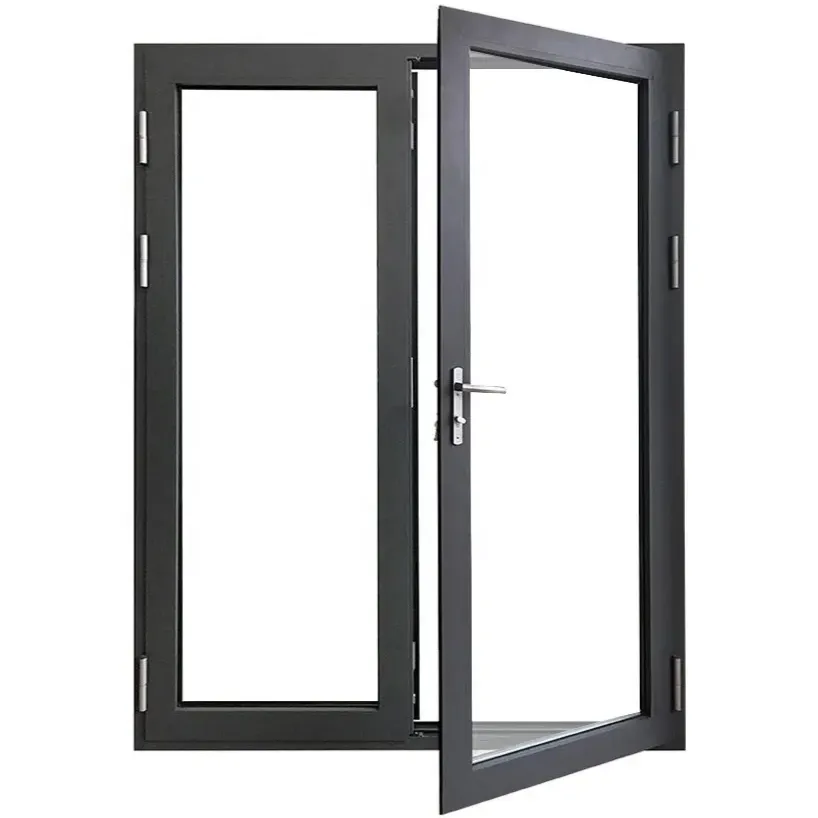
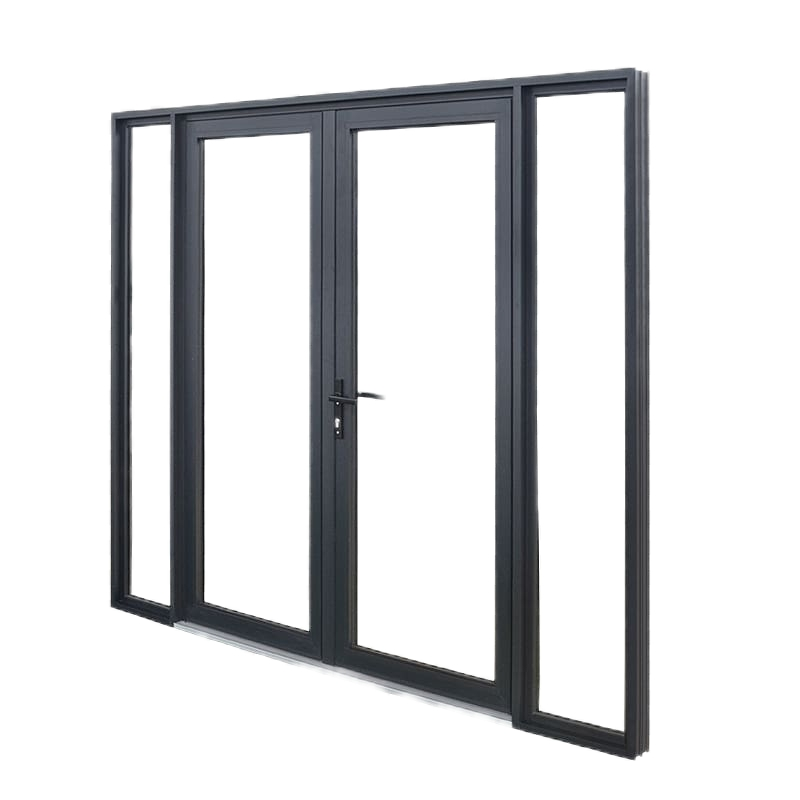
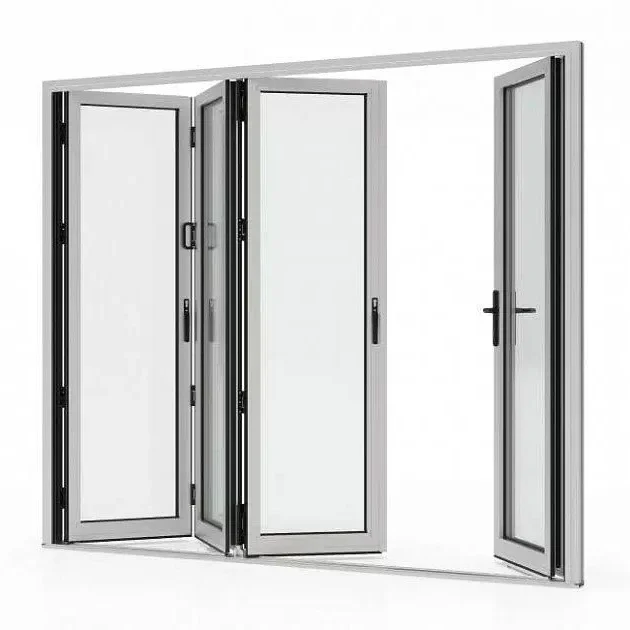
French casement windows open with two sashes that meet in the middle, but with no vertical bar in between. When opened, they leave a completely clear opening that feels spacious and elegant. This type is perfect for maximizing views, ventilation, and even meeting egress requirements.
4) Crank-Out Casement Window
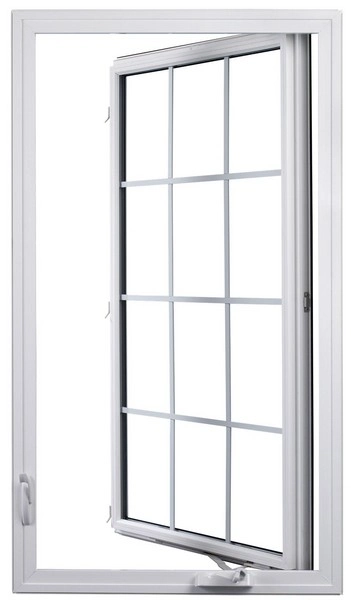
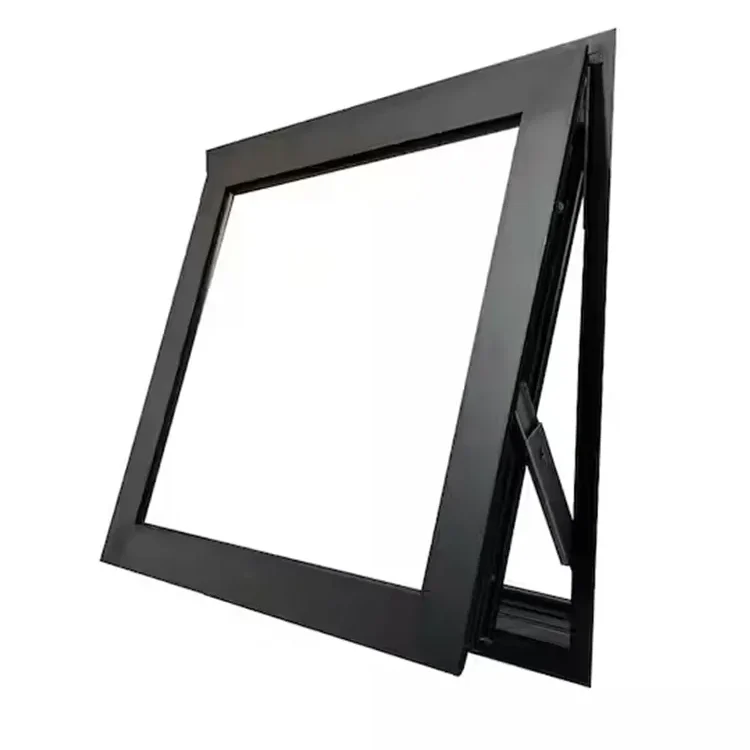
Crank-out casements are operated with a crank handle, which smoothly turns gears to push the sash outward. This design is especially useful for hard-to-reach places, like above a sink, because you can open it with minimal effort. It’s one of the most practical casement window types, offering tight seals and precise control.
5) Push-Out Casement Window

Push-out casement windows open with a latch or lever, letting you swing the sash outward with a gentle push. They have a charming, traditional feel and are often chosen for their simple look and faster operation. The trade-off is less fine control compared to crank styles, but many homeowners love the classic experience.
6) Outswing Casement Window

An outswing casement window opens outward, which is the most common design you’ll see in homes. It works perfectly in interiors where you want to save space, since the sash doesn’t intrude into your room. Just make sure there’s enough clearance outside—like walkways, plants, or decks—so the sash can swing freely.
7) Inswing Casement Window
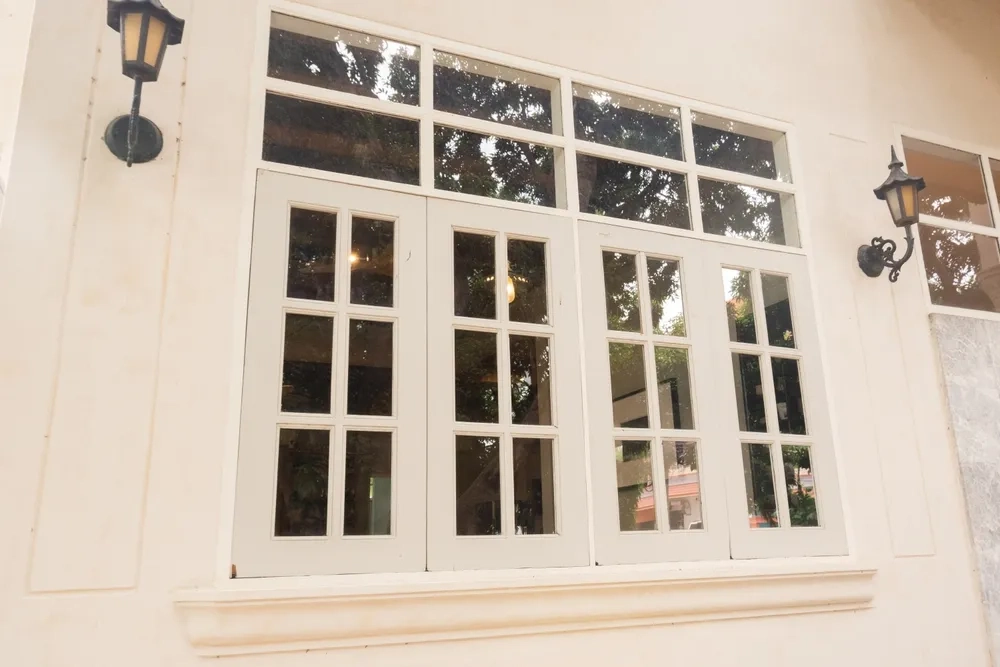
An inswing casement window swings inward instead, which is great when exterior space is limited. Homeowners often choose it for upper floors, narrow balconies, or places where an outswing sash would get in the way. The only thing to keep in mind is that it needs interior space clear of blinds, curtains, or furniture.
8) Flush Casement Window

A flush casement window sits neatly in line with the outer frame when closed, giving it a smooth, seamless look. This style is popular in both heritage homes that want authenticity and modern homes that value minimalism. The slim sightlines create a clean design that feels elegant compared to standard casement profiles.
9) Stormproof / Lipped Casement Window

A stormproof, or lipped casement window, has a sash that overlaps the frame to provide extra weather protection. It’s especially useful for homes in windy or rainy regions, since the design helps keep water and drafts out. With its stepped profile, this type looks more robust compared to flush casements.
10) Egress Casement Window

An egress casement window is designed with wide-opening hinges or special hardware so it can meet building code requirements for emergency escape. You’ll often find this type in bedrooms and basements where safety rules require a clear opening. Always check your local code sizes to make sure the window qualifies for egress use.
How to Choose the Right Type of Casement Window
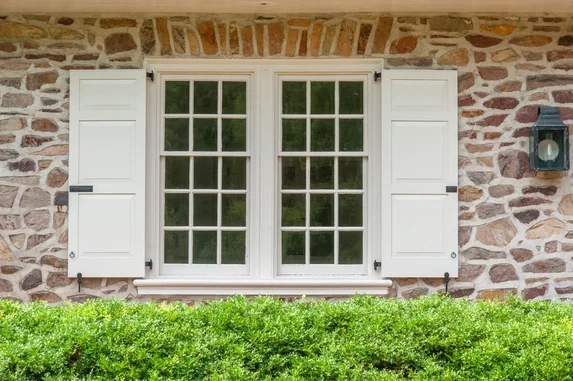
Choosing between the different types of casement windows depends on more than just looks. You’ll want to think about space, function, and even local safety rules before making a decision. The good news is that there’s a style suited for almost every situation.
Here are a few points to guide your choice:
Space available
If outdoor space is clear, an outswing casement is practical.
For balconies or walkways, consider an inswing casement instead.
Ease of use
A crank-out window works best in hard-to-reach areas.
A push-out casement is simpler if you prefer quick operation.
Design preference
Flush casements give a sleek, modern or heritage-friendly finish.
Stormproof casements are sturdier and better for harsh climates.
Safety needs
Bedrooms or basements often need an egress casement to meet code.
French casements give wider openings and plenty of ventilation.
By weighing these factors, you can match the window type to your home’s needs. The right choice balances convenience, style, and performance so your casement windows do more than just look good—they work well for your everyday life.
Conclusion

Casement windows come in many styles, each with its own benefit. From classic single casements to French and egress casement windows designs, the right choice can improve comfort, safety, and style in your home.
Looking for the best types of casement windows for your project? Our team can guide you through the options, recommend the right fit, and help with installation. Contact us today to get started.
FAQs
Are casement windows energy efficient?
Yes, casement windows are often more energy efficient than sliding or double-hung windows. Their sash presses tightly against the frame when closed, creating a strong seal that reduces air leakage.
Do casement windows open both ways?
Most casement windows are designed to open either outward or inward, depending on the type you choose. You need to pick one style during installation; they don’t swing both ways in a single unit.
Can casement windows be installed upstairs?
Absolutely. Casement windows work well on upper floors because they provide strong ventilation and wide openings. Just consider whether an outswing or inswing style makes more sense for your layout.
How long do casement windows usually last?
With proper care, casement windows can last 20 to 30 years or more. The lifespan depends on the frame material, installation quality, and regular maintenance such as cleaning and lubrication.
Are casement windows more expensive than other types?
Casement windows generally cost a little more than basic sliding or single-hung windows. The added expense comes from their hardware and tighter seal, but many homeowners find the energy savings and performance worth it.