









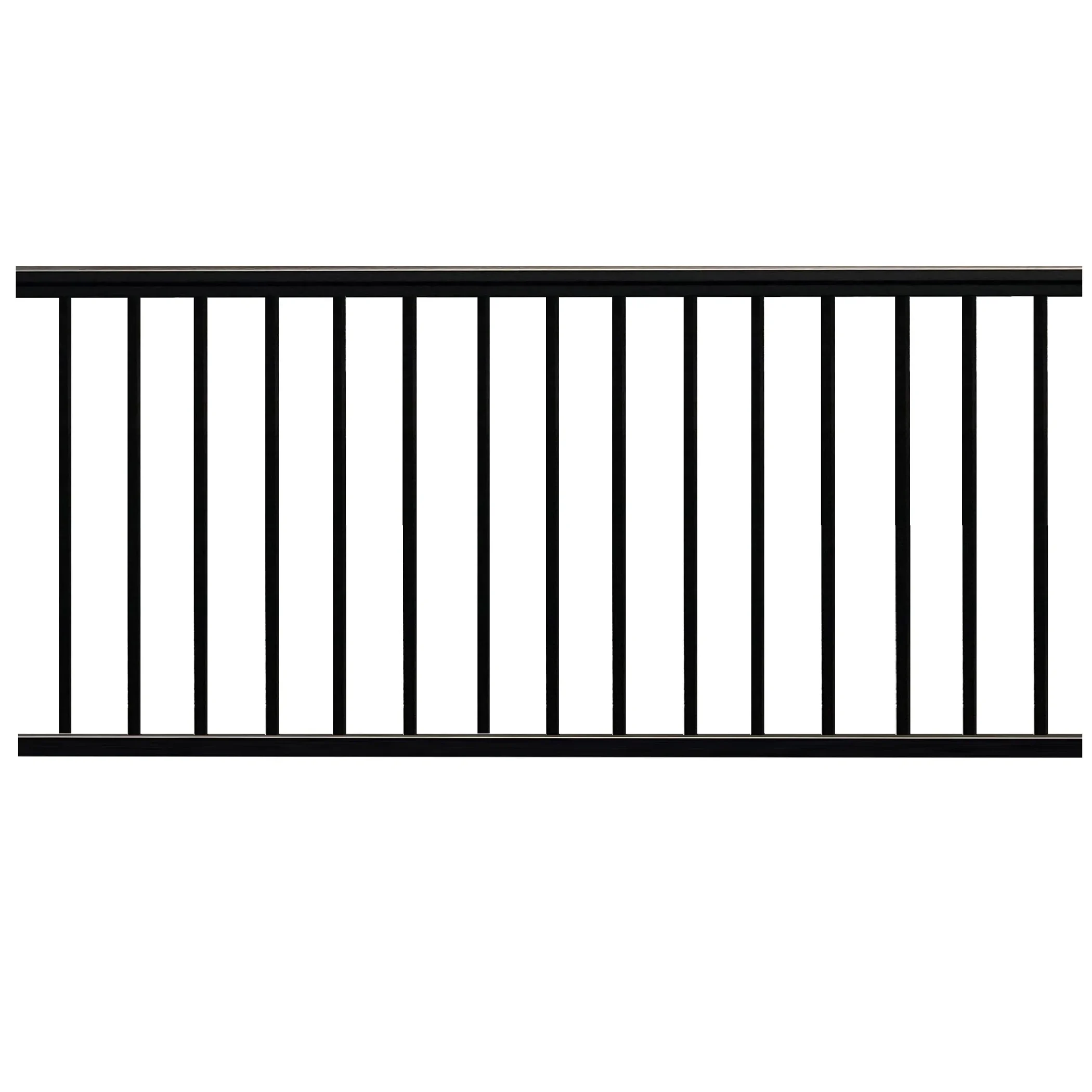


What Is Tempered Glass?

Tempered glass is a type of safety glass that’s made to be much stronger than regular glass. It’s widely used in modern architecture—especially for windows, doors, and glass walls—because of its durability and safety features.
How It’s Made
Tempered glass is created by heating standard glass to over 600°C (around 1100°F) and then rapidly cooling it. This process, known as tempering, puts the glass under controlled stress—making the outer surface extremely strong while the inner layers remain under tension.
Key Features
-
High Strength: Tempered glass is 4 to 5 times stronger than regular annealed glass of the same thickness.
-
Heat Resistance: It can handle extreme temperature changes, making it ideal for sunny or storm-prone locations.
-
Breakage Pattern: If broken, tempered glass shatters into small, blunt pieces rather than sharp shards—greatly reducing the risk of injury.
Where It’s Used in Construction
Tempered glass is commonly used in:
-
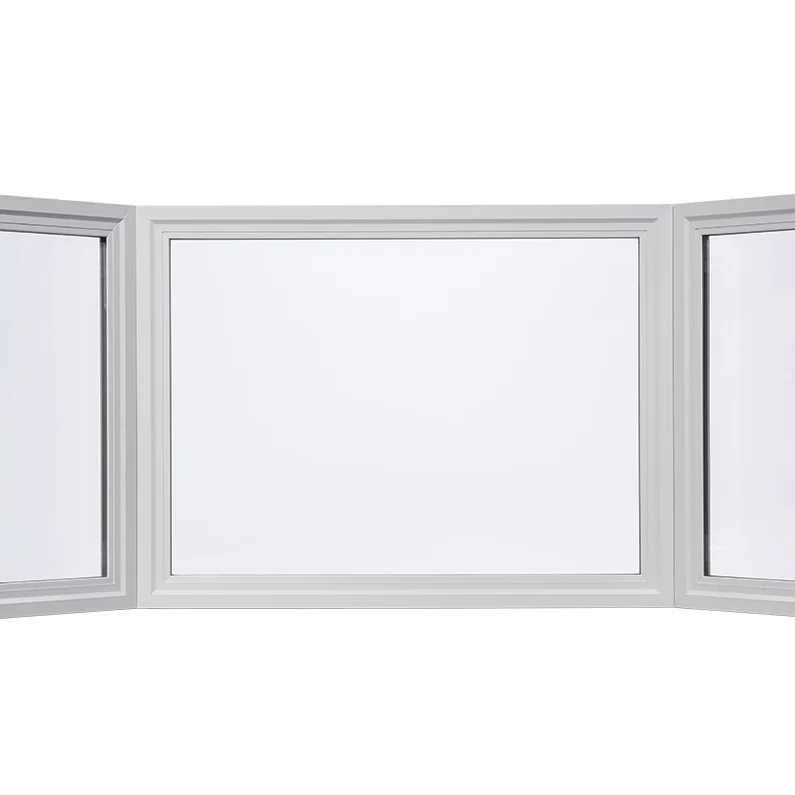
Exterior windows and fixed panels
-
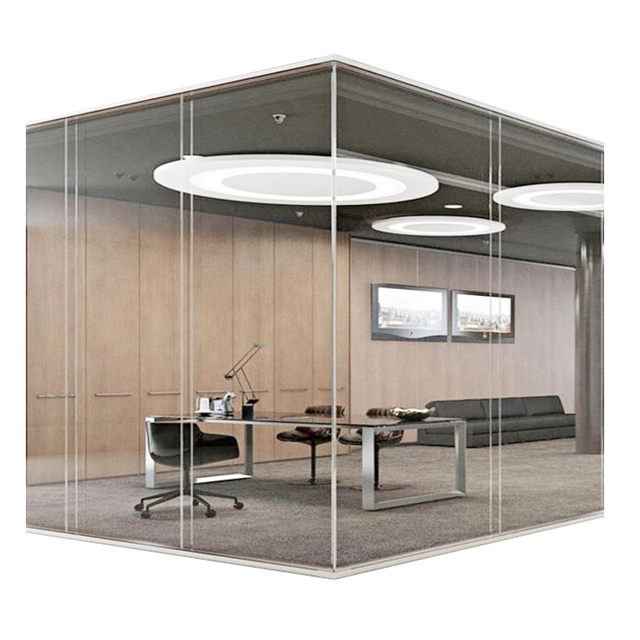
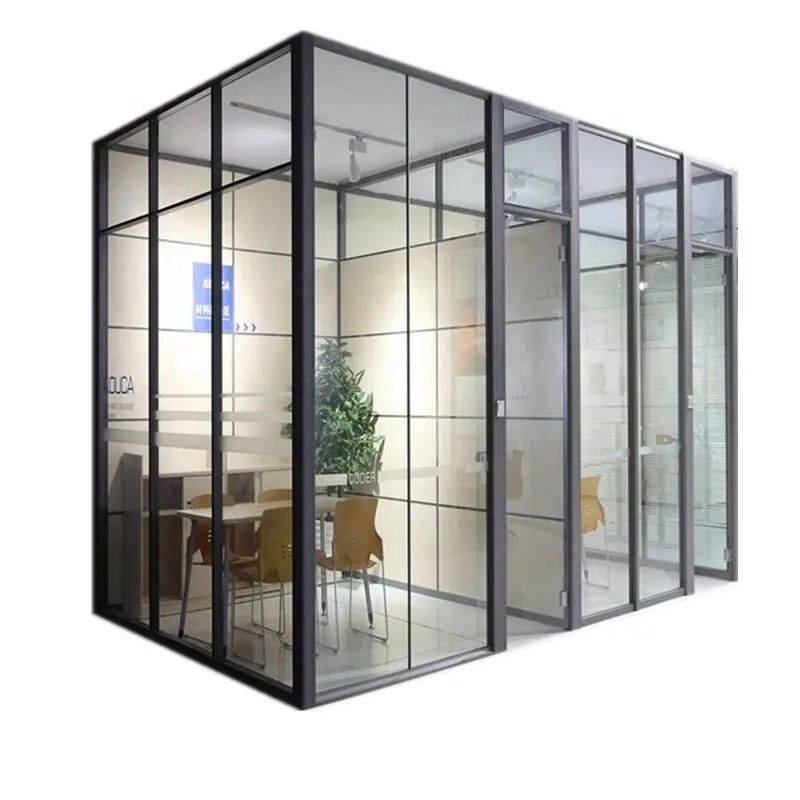
Glass walls or partitions in commercial buildings
-
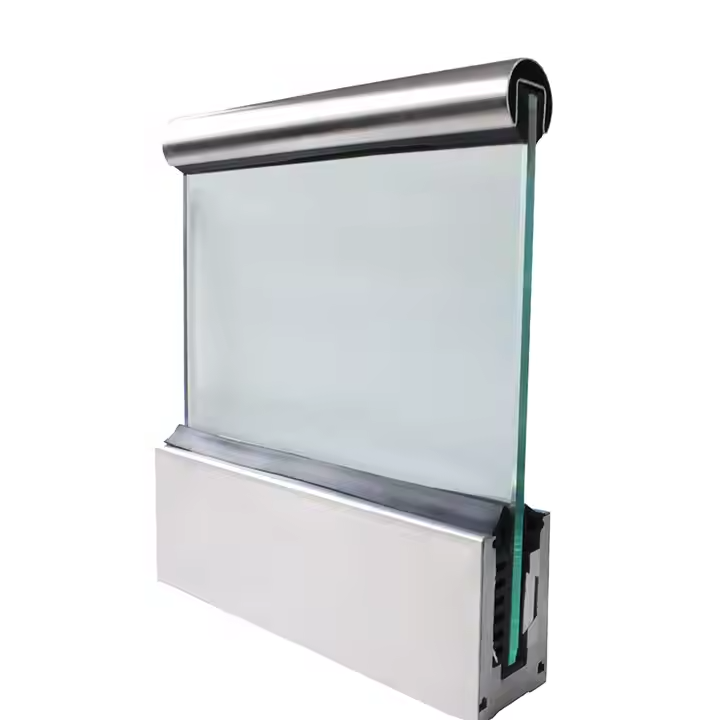
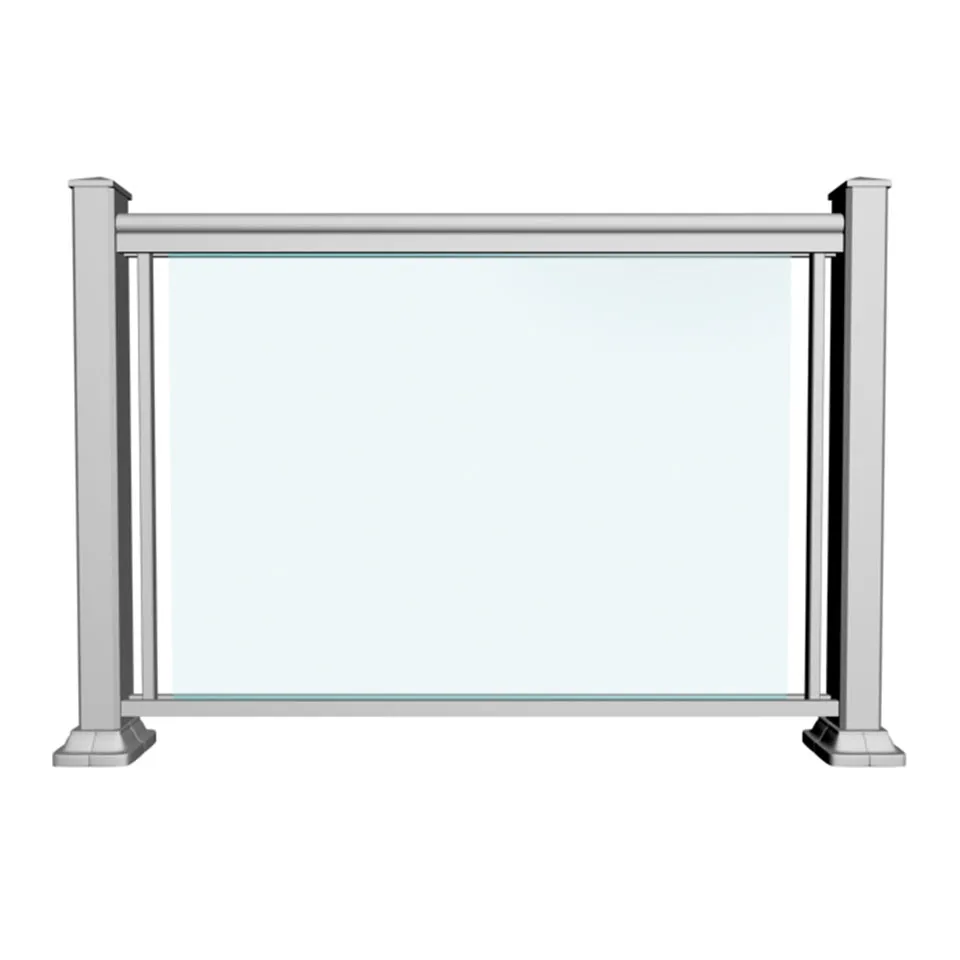
Balcony and stairway glass railings
What Is Laminated Glass?

Laminated glass is another type of safety glass that’s made for strength, security, and protection. It’s especially valued in residential and commercial building projects—particularly for doors, windows, and curtain walls where extra safety and comfort matter.
How It’s Made
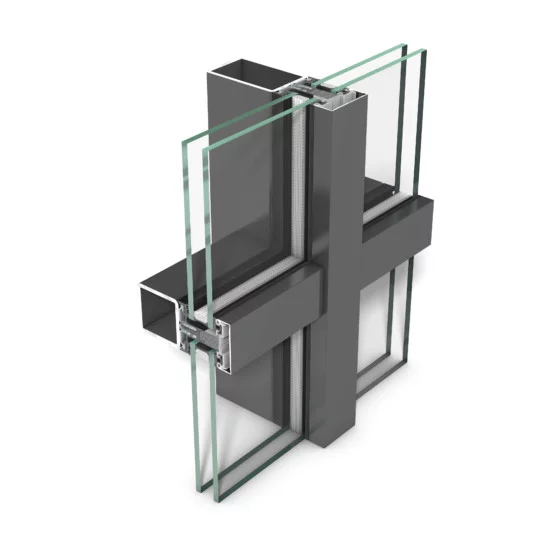
Laminated glass is made by bonding two or more layers of glass with a plastic interlayer, usually PVB (polyvinyl butyral) or EVA (ethylene-vinyl acetate). The layers are then pressed and heated, fusing into a single, strong sheet.
Think of it like a sandwich: glass on the outside, plastic in the middle. Even if the glass breaks, the shards stick to the inner layer, staying in place instead of falling out.
Key Features
-
Shatter-Resistant: It cracks under force but remains intact, offering better protection from accidents or intrusions.
-
Sound Insulation: The plastic layer helps block outside noise—ideal for homes near roads or busy neighborhoods.
-
UV Protection: Laminated glass can filter out up to 99% of harmful UV rays, helping protect your flooring and furniture from fading.
Where It’s Used in Construction
You’ll often find laminated glass in:
-
Front entry doors with large glass panels
-
Fixed windows and oversized panes
-
Skylights and overhead glazing
-
Security windows in homes or offices
Tempered vs. Laminated Glass: Side-by-Side Comparison
Choosing between tempered and laminated glass for your windows or doors?
Quick Overview
| Factor | Tempered Glass | Laminated Glass | Quick Verdict |
|---|---|---|---|
| Breakage behavior | Shatters into small, blunt pieces | Cracks “spiderweb”; pieces stay on interlayer | Both safe; laminated contains better |
| Strength | Up to 4–5× stronger than regular glass | Less raw strength; better at absorbing impacts | Tempered wins raw strength; laminated resists penetration |
| Safety after break | Safer than standard, but panel falls away | Stays in place, keeps protection after cracking | Laminated offers ongoing protection |
| Heat resistance | Excellent (up to ~470°F / 240°C) | Depends on interlayer and thickness | Tempered is better for high heat |
| Sound insulation | Basic (similar to regular glass) | Interlayer reduces noise significantly | Laminated wins for noise control |
| UV protection | No natural UV block (needs coatings) | Blocks up to ~99% UV by default | Laminated wins UV protection |
| Energy efficiency | Good, especially with Low-E coatings | Better heat control due to layered structure | Laminated often performs better |
| Cost | Usually cheaper and widely available | Costs more due to added materials/process | Tempered is budget-friendly; laminated adds value |
1. Breakage Behavior
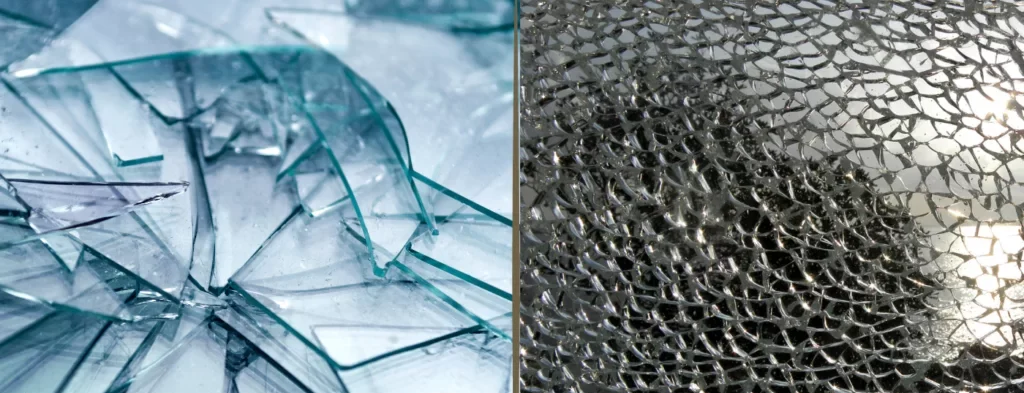
-
Tempered Glass: When broken, it shatters into small, blunt pieces that are less likely to cause injury.
-
Laminated Glass: Cracks into a “spiderweb” pattern, but the pieces stay stuck to the plastic layer, remaining in place.
Verdict: Both are safe, but laminated glass offers better containment after breakage—ideal for security.
2. Strength
-
Tempered: Up to 4–5 times stronger than regular glass. Great for resisting heavy force and wind pressure.
-
Laminated: Not as strong as tempered in pure strength, but better at absorbing repeated or low-force impacts.
Verdict: Tempered wins in raw strength; laminated is better at resisting penetration or repeated force.
3. Safety

-
Tempered: Safer than regular glass, but once it breaks, the panel needs to be replaced.
-
Laminated: Offers continuous protection even after breaking—especially important in doors and tall windows.
Verdict: Laminated glass stays put, which can help prevent falls, theft, or further damage.
4. Heat Resistance

-
Tempered: Excellent heat resistance (up to ~470°F / 240°C). Perfect for sun-exposed areas.
-
Laminated: Heat tolerance depends on thickness and type of interlayer. Can handle heat, but not as much as tempered.
Verdict: Tempered is the better choice for high-heat exposure.
5. Sound Insulation

-
Tempered: Basic soundproofing—similar to regular glass.
-
Laminated: The plastic interlayer absorbs sound waves, making it much quieter indoors.
Verdict: Laminated glass clearly outperforms in noise reduction.
6. UV Protection
-
Tempered: No natural UV protection. Needs coatings if UV filtering is needed.
-
Laminated: Blocks up to 99% of harmful UV rays by default.
Verdict: Laminated is the winner for protecting interiors from sun damage.
7. Energy Efficiency

-
Tempered: Offers decent insulation, especially when combined with Low-E coatings.
-
Laminated: More effective at controlling heat transfer due to its layered structure.
Verdict: Laminated glass has better insulation properties, helping reduce energy bills.
8. Cost
Tempered glass is usually more affordable and widely available.
Laminated glass costs more due to additional materials and processing, but the added security and comfort can justify the investment.
How to Choose for Your Project?

Ready to Choose the Right Glass for Your Windows or Doors?

Whether you’re building new or upgrading for better safety, energy efficiency, or peace of mind—we’re here to help.
Need expert advice or a custom quote? Our team specializes in window and door solutions using tempered and laminated safety glass that fits your style, budget, and local building codes.
Contact us today to get started on your project. Let’s make your space safer, quieter, and more beautiful.