












Interior doors do more than just divide rooms—they shape how your entire home looks, feels, and functions. Whether you’re updating a single room or doing a full renovation, the right doors can boost privacy, reduce noise, and enhance the overall style of your space.

From classic panel doors to space-saving sliding options, there’s a lot to choose from. But don’t worry—we’re here to make it simple. In this guide, we’ll walk you through everything you need to know about selecting interior doors. You’ll learn about door types, materials, sizes, hardware, and how to match each one to your home’s design and layout.
Door Types Explained
Before you dive into styles and colors, it’s important to understand the basics. Interior doors come in several types, each with different features and uses.
Slab vs. Prehung

Slab Doors: These are just the door panels—no frame, hinges, or hardware. Slab doors are great if you’re keeping your existing frame and want more control over customization.
Prehung Doors: These come with a frame, hinges, and are ready to install. If you’re replacing the entire doorway or building new, prehung is usually the easier choice.
Core Options
Hollow Core: Lightweight, budget-friendly, and easy to install. Best for closets or rooms where sound insulation isn’t a big concern.
Solid Core: Made of dense fiberboard or particleboard, offering better soundproofing and durability. A good middle-ground option for bedrooms and bathrooms.
Solid Wood: Heavy, strong, and naturally sound-insulating. Also the most expensive. Perfect for high-end builds or traditional designs.
Swing vs. Sliding Doors

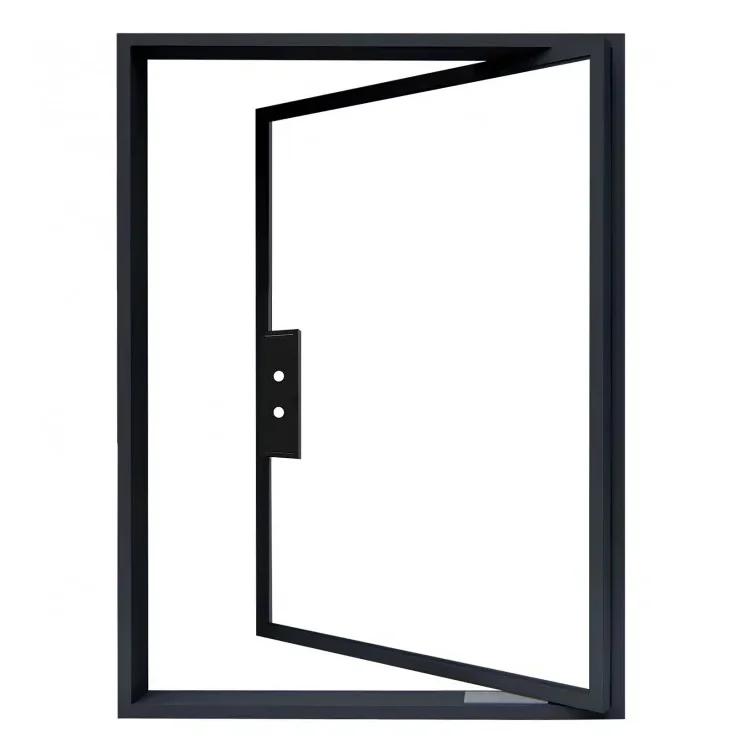
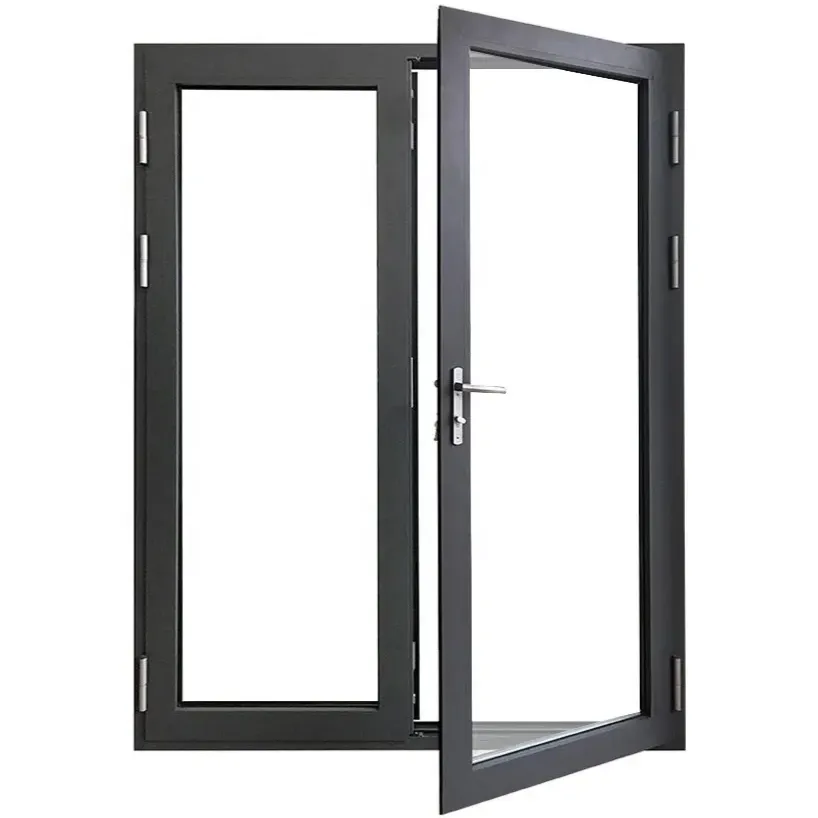
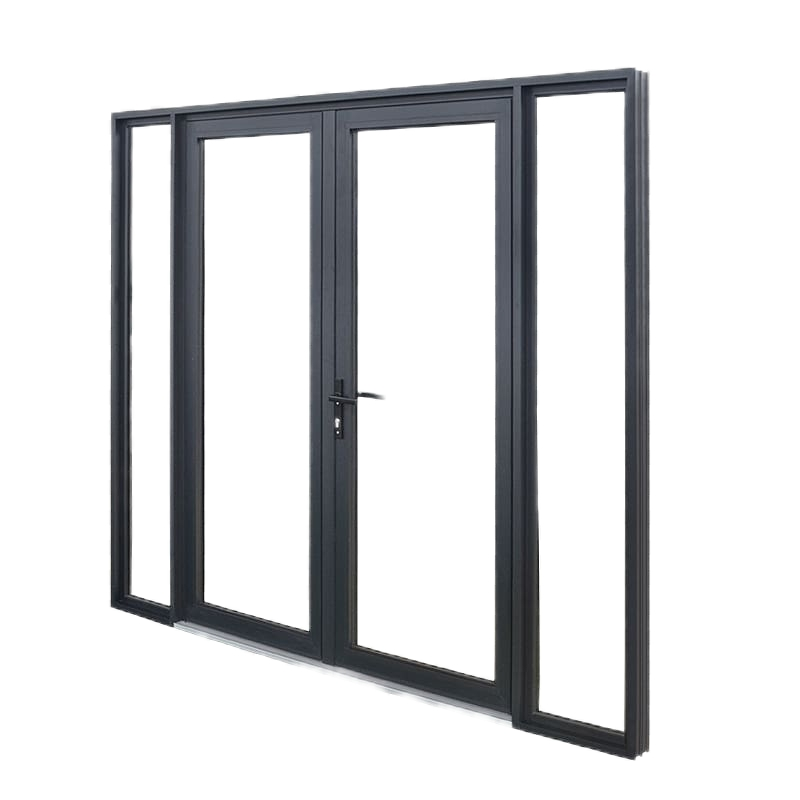
Swing Doors: The standard type that opens on hinges. Can be single or double doors depending on space and layout.
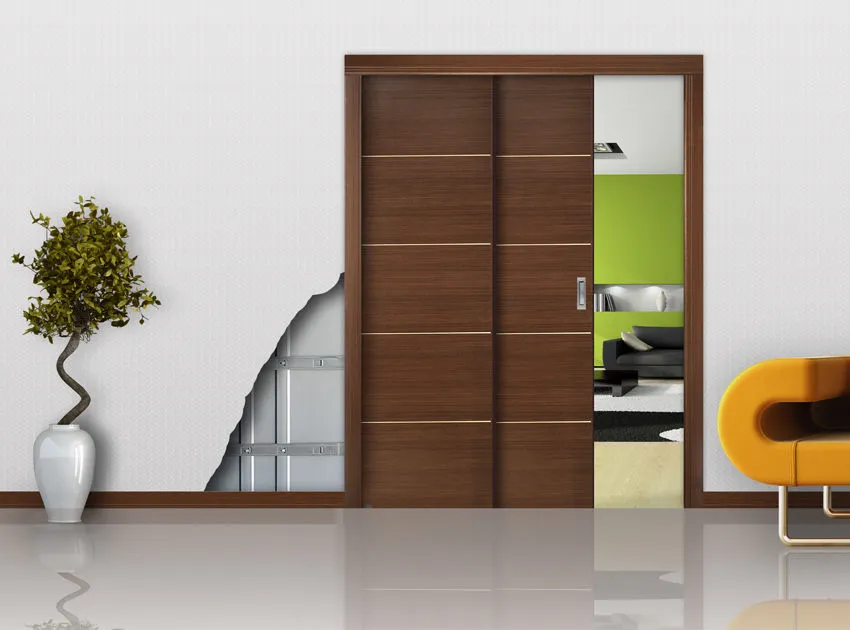
Pocket Doors: Slide into the wall to save floor space—great for small rooms or tight hallways.
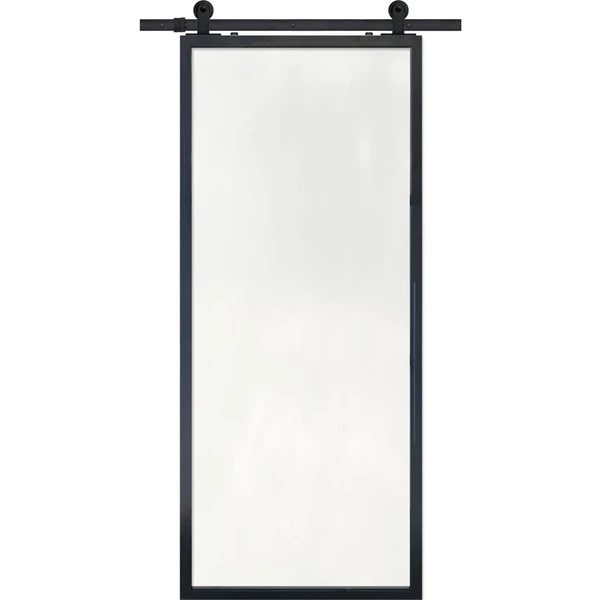
Barn Doors: Slide on a rail along the outside of the wall. A stylish, space-saving option for bedrooms or offices.
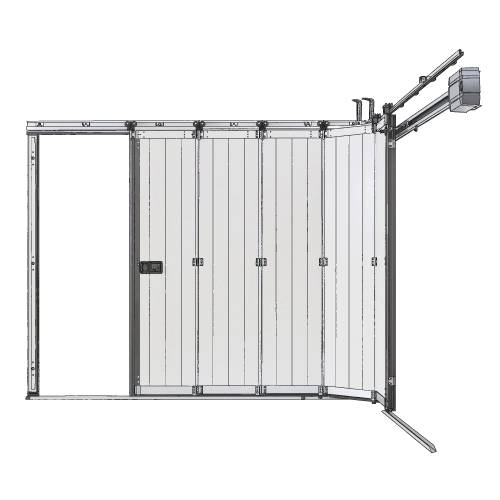
Bypass Doors: Common for closets, these slide past each other on tracks and don’t require swing space.
Popular Interior Door Styles
Interior doors do more than separate rooms—they also shape the look and feel of your space.
Panel Doors

These are the most common interior doors, and they come in several variations:
Raised Panel: Classic and traditional, with elevated rectangular designs.
Recessed (Shaker-style): Clean and modern with simple, indented panels.
Flat Panel: Smooth and minimal, great for contemporary spaces.
Barn Doors
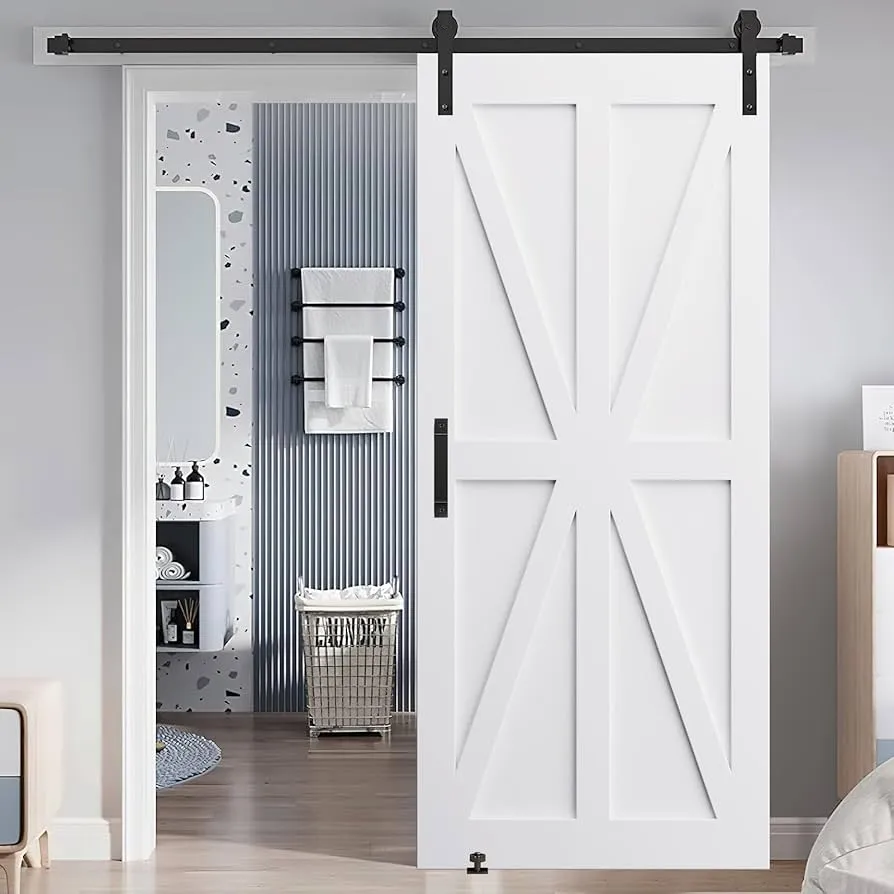
Sliding barn doors bring a rustic or industrial vibe and are perfect for saving space. They mount on a rail above the doorway and slide open sideways—great for bedrooms, offices, or closets.
French Doors
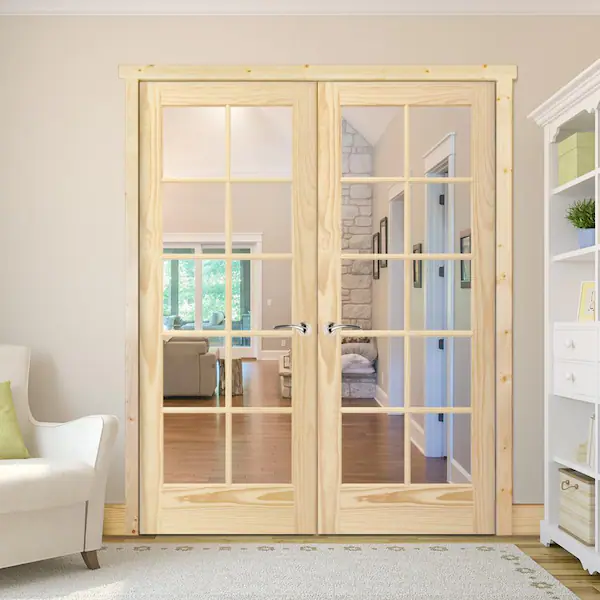
Elegant and airy, French doors have glass panes from top to bottom. They’re ideal for home offices, dining rooms, or anywhere you want natural light to flow between rooms.
Pocket Doors
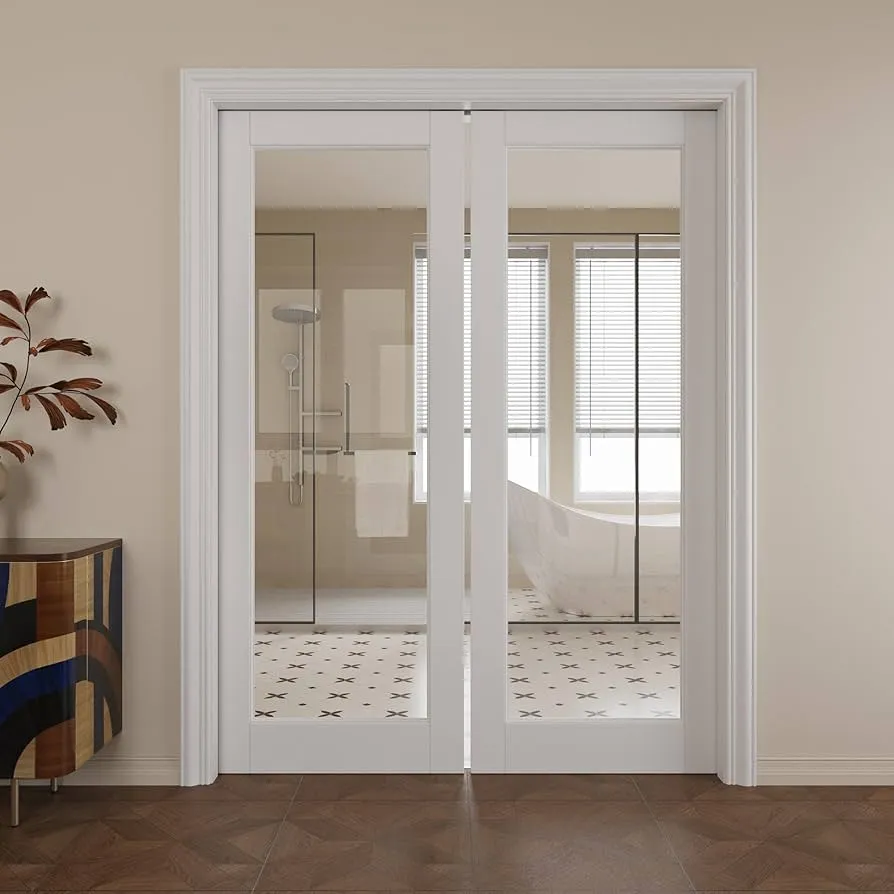
These doors slide directly into the wall and disappear when open. They’re ideal for small spaces like powder rooms or tight hallways where a swinging door isn’t practical.
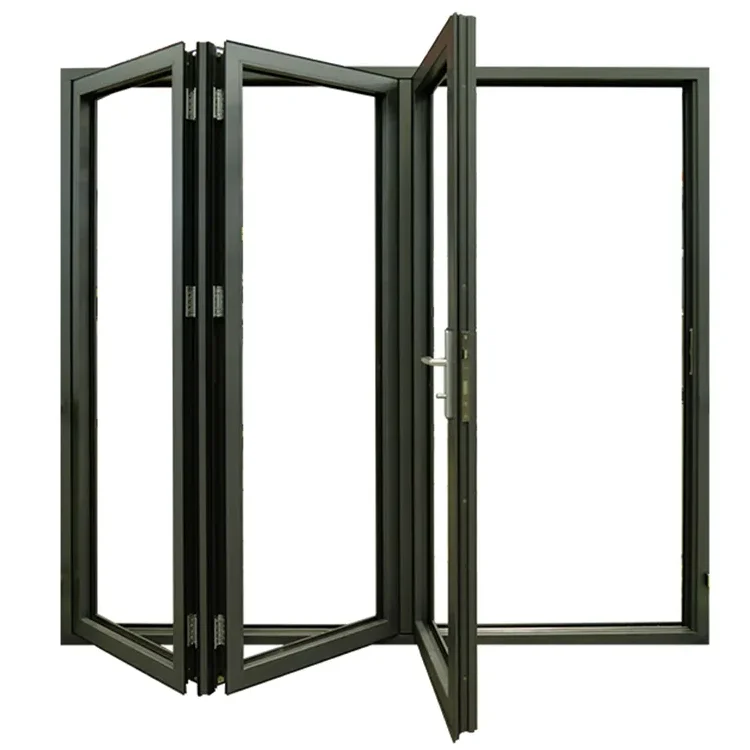
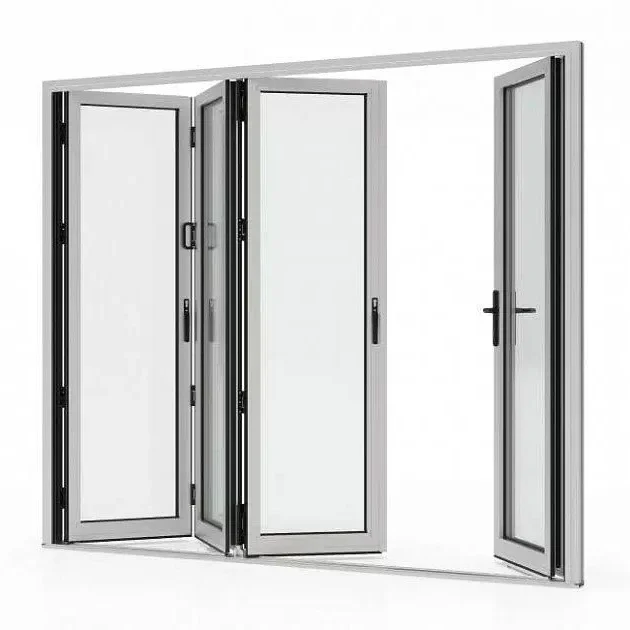
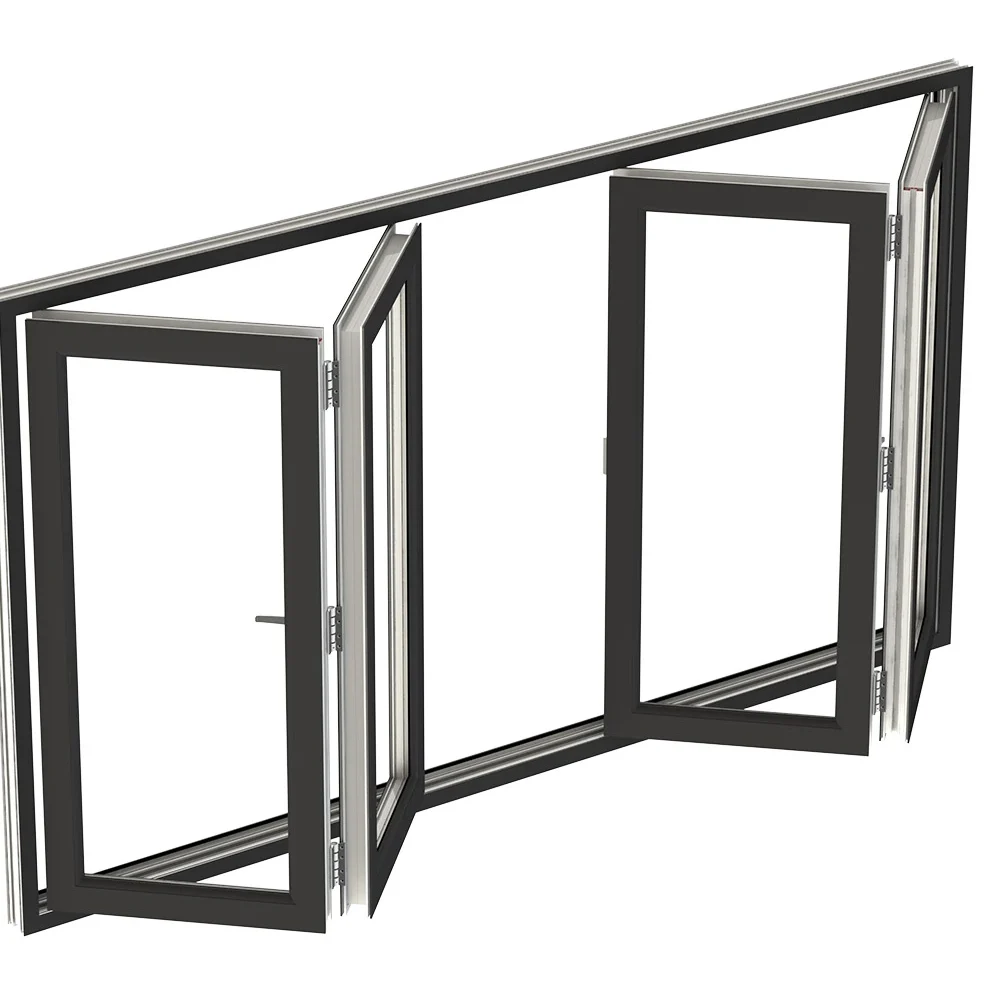
Bifold & Accordion Doors
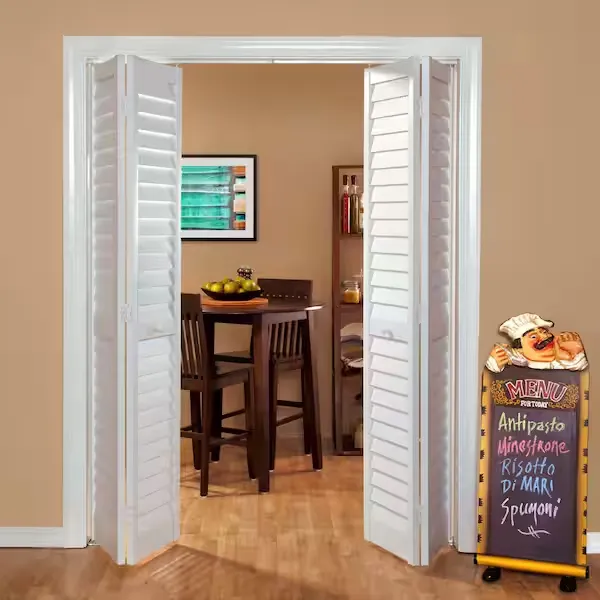
Bifold doors fold in half and are perfect for closets and laundry rooms.
Accordion doors fold into multiple panels and work well for tight utility spaces or dividing rooms.
Dutch & Saloon Doors
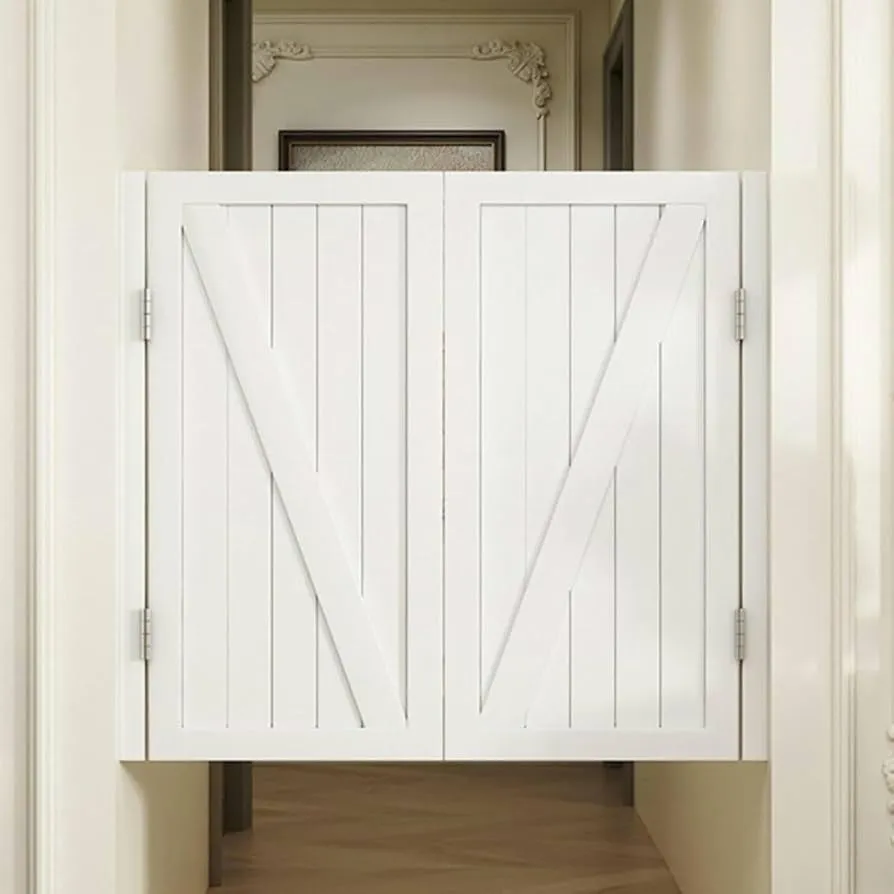
Dutch Doors split horizontally so you can open the top half while keeping the bottom closed. A fun, practical choice for kitchens or playrooms.
Saloon (Café) Doors swing in both directions and add character to casual or vintage-style interiors.
Hidden or Bookshelf Doors

Looking for something creative? Hidden doors are built to look like bookshelves or wall panels—perfect for creating secret rooms, storage spaces, or just adding a fun surprise.
Door Materials and Finishes
Choosing the right material and finish for your interior doors is just as important as picking the style. It affects the look, durability, cost, and even how quiet your home feels.
Common Door Materials
1. Solid Wood

Pros: Beautiful, natural grain; long-lasting; great sound insulation.
Cons: More expensive; can warp with humidity.
Best for: High-end homes, traditional or rustic designs.
2. MDF (Medium-Density Fiberboard)

Pros: Smooth surface for painting; budget-friendly; won’t warp.
Cons: Not water-resistant; heavier than hollow-core.
Best for: Painted doors in any style.
3. Composite (Engineered Wood)
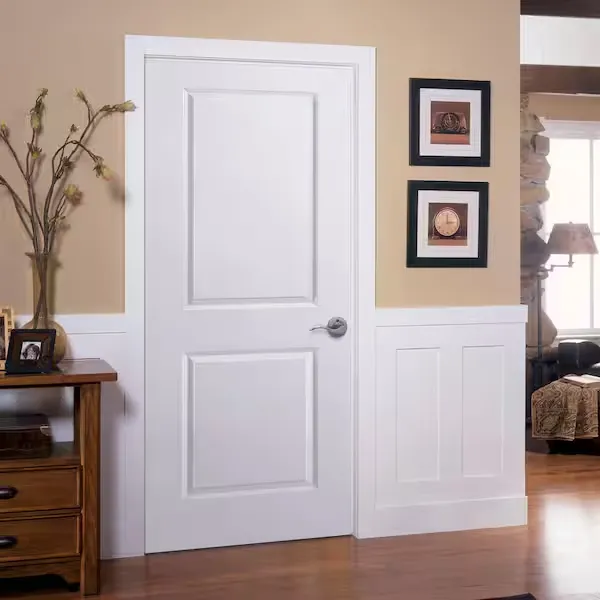
Pros: Strong, cost-effective; mimics real wood; stable in different climates.
Cons: Not as long-lasting as solid wood.
Best for: Everyday use in bedrooms or hallways.
4. PVC (Vinyl)

Pros: Moisture-resistant; low maintenance.
Cons: Can look less refined; limited design options.
Best for: Bathrooms, laundry rooms, utility areas.
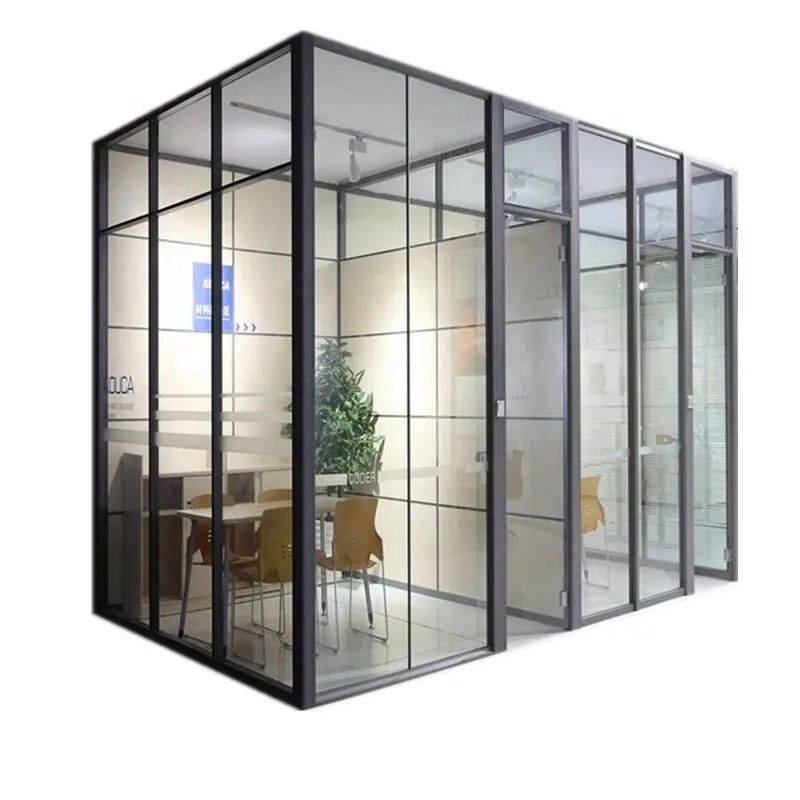
5. Glass (with wood or metal frames)
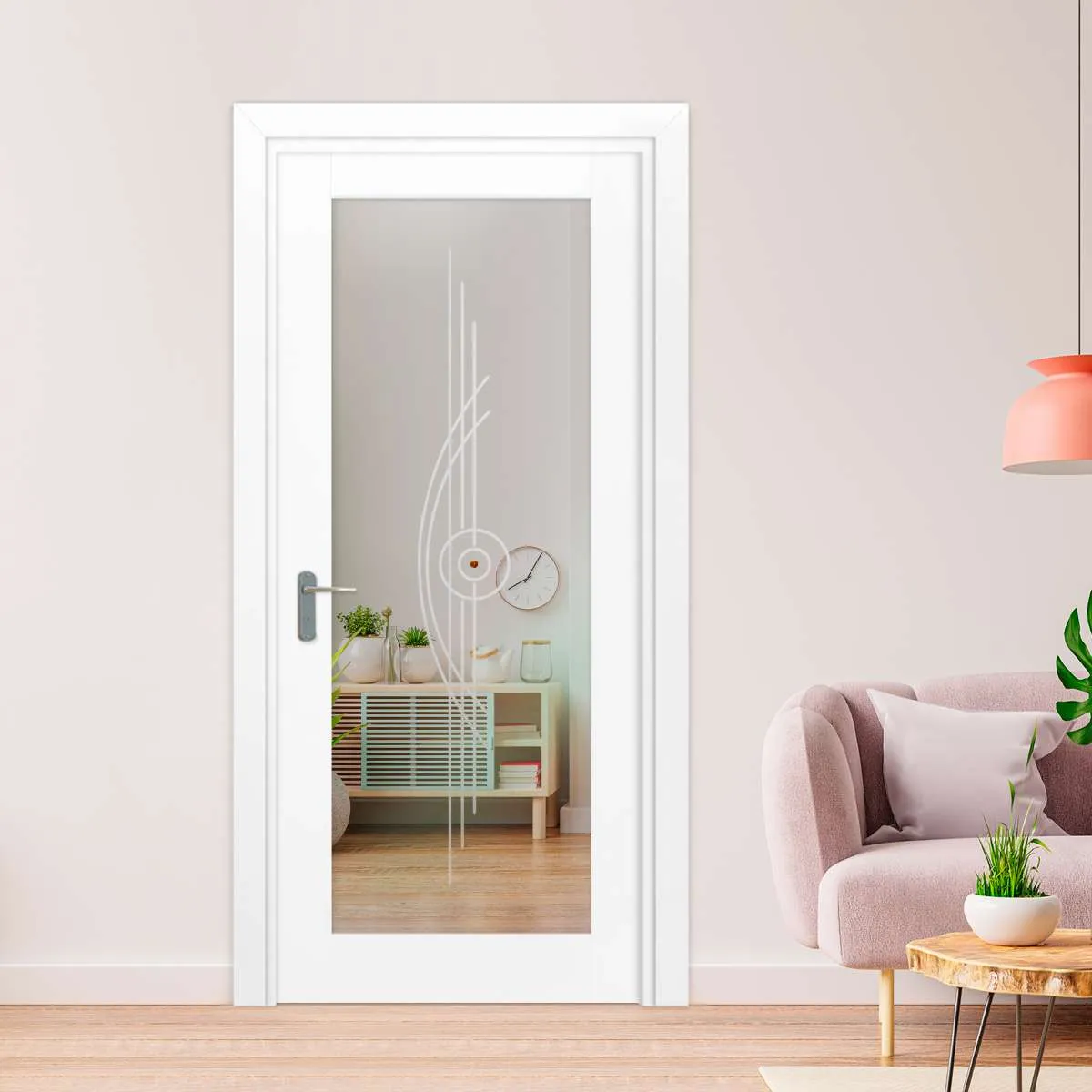
Pros: Allows light to pass; modern and stylish.
Cons: Less privacy; can be pricier.
Best for: French doors, home offices, or brightening dark rooms.
6. Aluminum

Pros: Sleek, durable, lightweight.
Cons: Limited style options; can feel industrial.
Best for: Contemporary or minimalist interiors.
Door Finishes
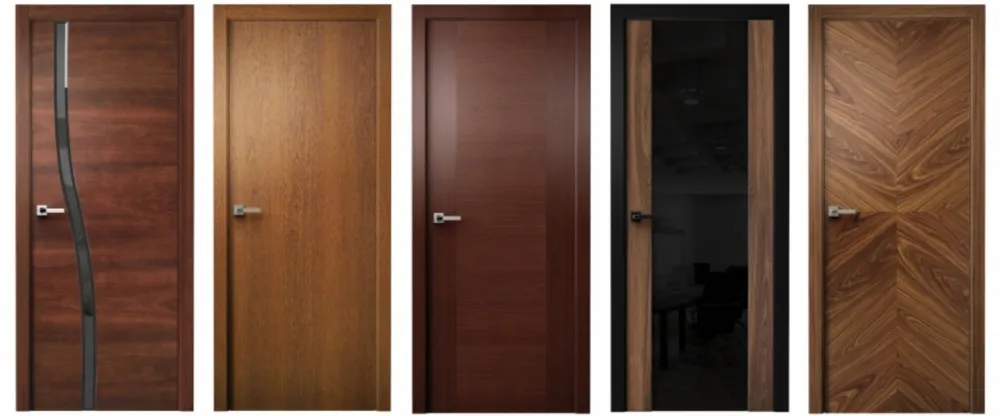
Prefinished: Comes fully painted or stained—just install and enjoy.
Primed: Prepped for painting; saves you time on surface prep.
Unfinished: A blank canvas you can paint or stain any way you like.
Painted: Adds color instantly, but may need touch-ups over time.
Which Combo Is Right for You?
Want a natural, warm look? Go with solid wood and stain.
Need something practical and low-maintenance? MDF or composite with a prefinished coat is a smart pick.
Designing for a damp area? Choose PVC or glass with moisture-resistant frames.
Choosing the Right Size & Swing
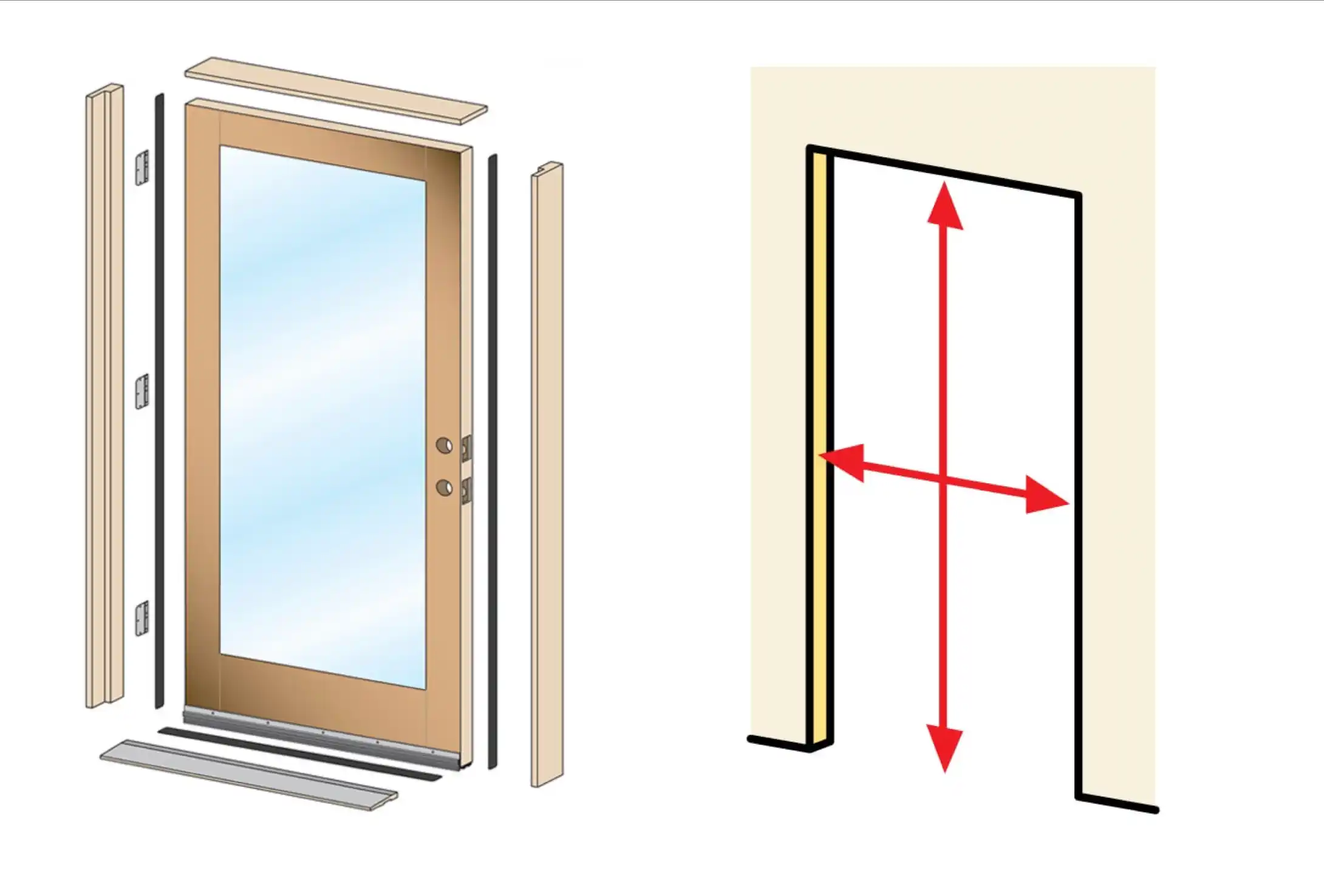
Getting the size and swing of your door right is key to a smooth install—and a door that opens without banging into walls or furniture.
Standard Door Sizes
Widths: Common interior door widths are 24″, 28″, 30″, 32″, and 36″.
Heights: Most interior doors come in 80″ tall; you may also see 84″ or 96″ for taller ceilings.
Thickness: Standard thickness is 1⅜” for hollow/solid core and 1¾” for solid wood doors.
How to Measure Your Door Opening
For Slab Doors:
Measure the width, height, and thickness of your existing door.
If you don’t have the old door, measure between the door stops (where the door rests when closed).
For Prehung Doors:
Measure the rough opening (stud-to-stud width and floor-to-header height).
Add about ½” to each measurement to allow space for shims and level adjustments.
Always take three measurements (top, middle, bottom for width; left, center, right for height) and use the smallest numbers to ensure a proper fit.
Determining Door Swing (Handing)
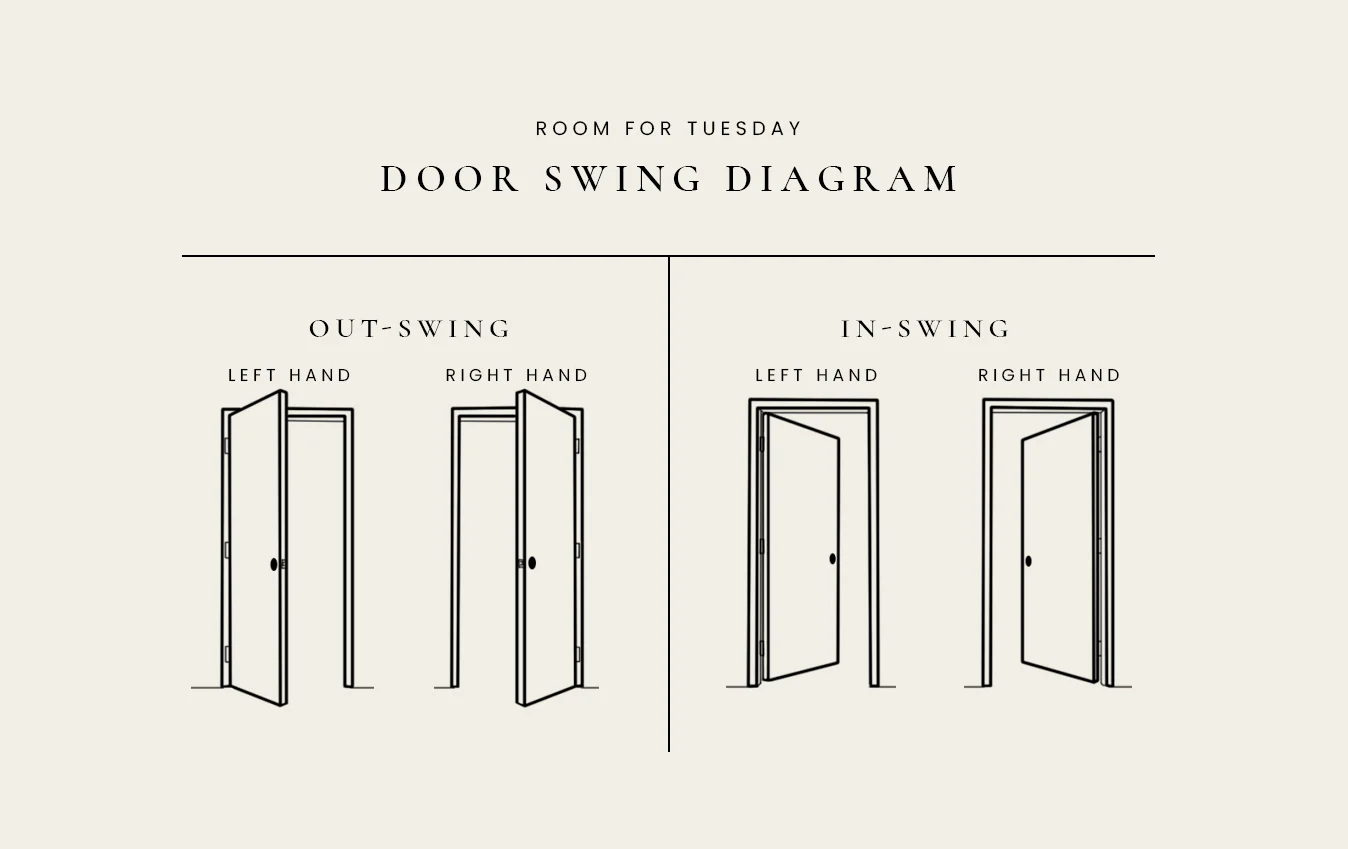
Stand on the “outside” of the room, facing the door.
If the hinges are on your right, it’s a right-hand door.
If the hinges are on your left, it’s a left-hand door.
Decide in-swing (door opens into the room) or out-swing (door opens outward).
Tip: Sketch a quick diagram of your doorway with the swing direction noted. This helps avoid ordering the wrong hand or swing type.
Soundproofing & Privacy Needs
Interior doors do more than just divide spaces—they also help create quiet, private environments. If sound control or privacy is important in certain rooms, here’s what to consider:
Solid Core vs. Hollow Core for Sound Control
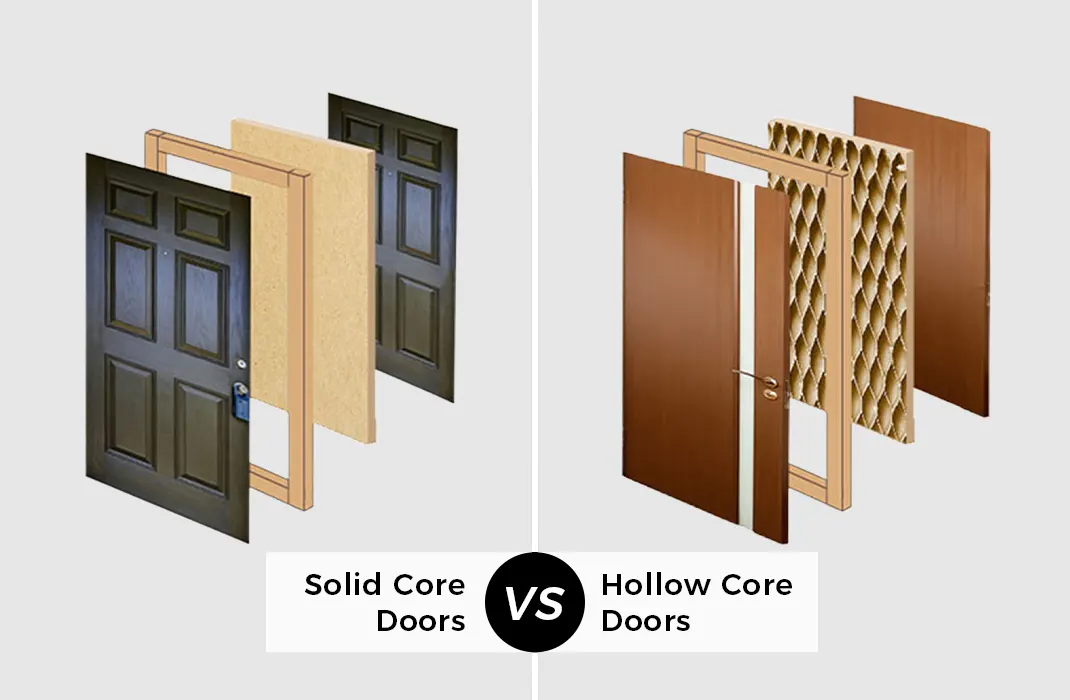
Solid Core Doors
Made of dense engineered wood or MDF, these doors are heavier and block sound more effectively.
Best for: Bedrooms, bathrooms, home offices, and shared walls where noise reduction matters.
Hollow Core Doors
Lightweight and affordable, but they don’t do much to stop sound.
Best for: Closets, pantries, or rooms where privacy and noise are not a concern.
Solid Wood Doors
Excellent for soundproofing and insulation, plus they add a premium feel.
Best for: High-end homes, media rooms, or areas needing maximum privacy.
Room-by-Room Door Recommendations

Bedrooms:
Go for solid core or solid wood doors to keep conversations and noise from traveling through the house.Bathrooms:
Choose a solid or insulated door for both privacy and to block bathroom sounds.Home Offices:
Solid core doors are ideal, especially for remote work—reducing distractions and helping with video calls.Closets & Laundry Rooms:
Hollow core doors are fine here unless noise (like from a washer/dryer) is a concern—then opt for solid.
Matching Doors to Interior Style

Interior doors aren’t just functional—they’re a big part of your home’s design language. The right door style can complement your overall look and even elevate the feel of your space.
Aligning with Your Home’s Aesthetic
Farmhouse
Think: classic panel doors, rustic barn doors, or shaker-style designs. Warm wood tones or soft whites work beautifully.Modern
Go for flush or flat-panel doors with minimal detailing. Black, gray, or bold accent colors create sleek contrast.Traditional
Raised-panel doors with detailed molding are a timeless fit. Choose rich wood finishes or neutrals like cream and taupe.Transitional
Mix classic and modern—like a recessed panel door in a contemporary color. Clean lines with subtle texture work well.Coastal
Look for louvered doors or light-colored, paneled designs that feel breezy and relaxed. Pastels and whites shine here.
Should All Interior Doors Match?
Myth: Every door must be the same.
Not true! It’s totally okay to mix door styles as long as they feel cohesive. For example:
Use panel doors in bedrooms and switch to pocket doors for tight hallways.
Keep finishes (like paint color or hardware) consistent to tie everything together.
Reserve bold or statement doors for special areas like the pantry, office, or powder room.
Door Hardware Essentials
Choosing the right hardware is just as important as picking the door itself—it impacts both the look and how the door functions day to day.
Knobs vs. Levers

Knobs: Classic, rounded, and timeless. Great for traditional spaces but can be trickier to grip (not ideal for small kids or older adults).
Levers: Sleek and easy to operate, especially useful for accessibility. Available in both modern and traditional styles.
Hinges & Latch Sets

Hinges: Usually come in sets of three for standard doors. Finishes should match or complement your chosen handles for a cohesive look.
Latch sets: These are the mechanisms that keep the door closed. Choose from simple magnetic latches or more secure spring-loaded styles.
Locking & Functional Options

Different rooms need different hardware types:
Privacy: Best for bathrooms and bedrooms. They lock from the inside with a push button or turn piece.
Passage: Ideal for hallways, closets, or rooms that don’t need locks.
Dummy: Fixed knobs or levers that don’t turn—used on double doors or decorative panels.
Keyed Entry: Optional for interior doors needing extra security, like home offices or basement storage rooms.
Matching or Mixing Finishes
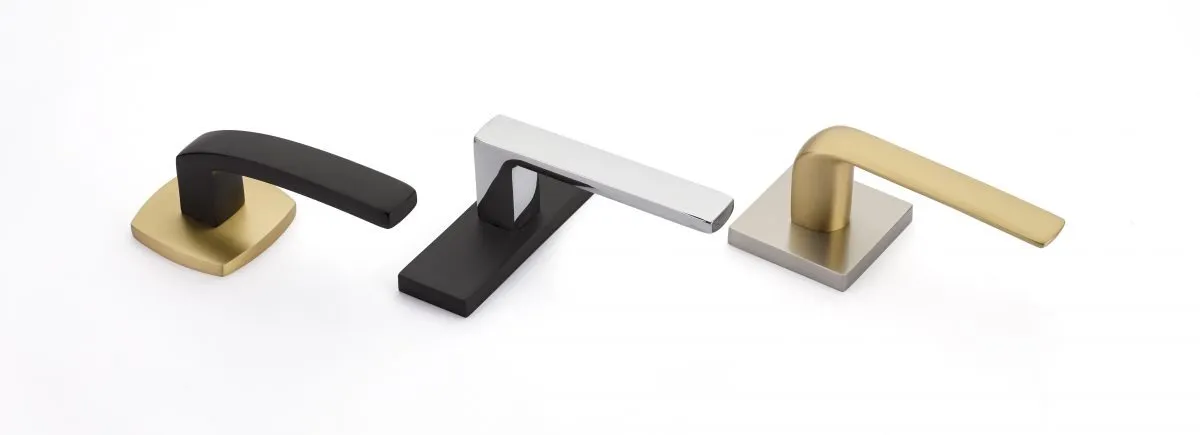
Matching everything (knobs, hinges, latches) keeps things clean and unified.
Mixing is fine too! Just stay within the same style family (e.g., all matte finishes or all vintage-inspired looks).
Popular finishes: satin nickel, matte black, brass, oil-rubbed bronze, and chrome.
DIY vs. Professional Installation
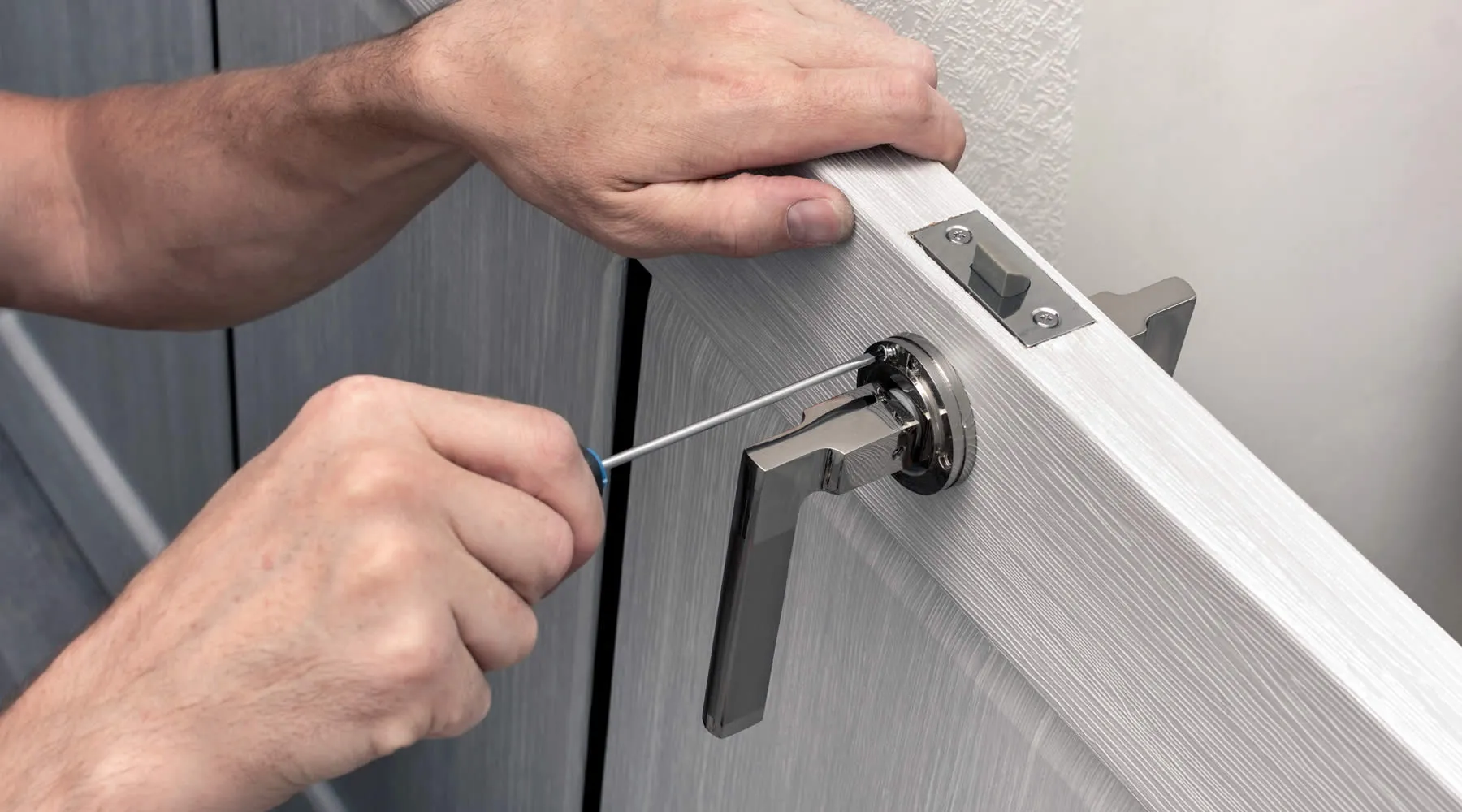
Installing interior doors can be a rewarding DIY project—but it’s not always the best option.
When DIY Is Doable
If you’re replacing a slab door (just the door, not the frame), and your existing frame is in good shape, this can be a relatively simple job.
DIY is a good fit when:
You have basic carpentry skills.
You’re working with pre-drilled slab doors that match your current frame.
You’re not changing the door size, swing direction, or making structural changes.
Why Pros Are Better for Complex Fits
Hiring a professional is the safer bet when:
You’re installing pre-hung doors that require precise leveling and fitting.
You need to cut or expand openings.
You’re dealing with older homes where door frames may be warped or non-standard.
You want a perfect, long-lasting fit without the stress or mess.
Pros also ensure the door swings properly, seals evenly, and hardware aligns precisely—saving you time and potential do-overs.
Budget & Longevity Considerations
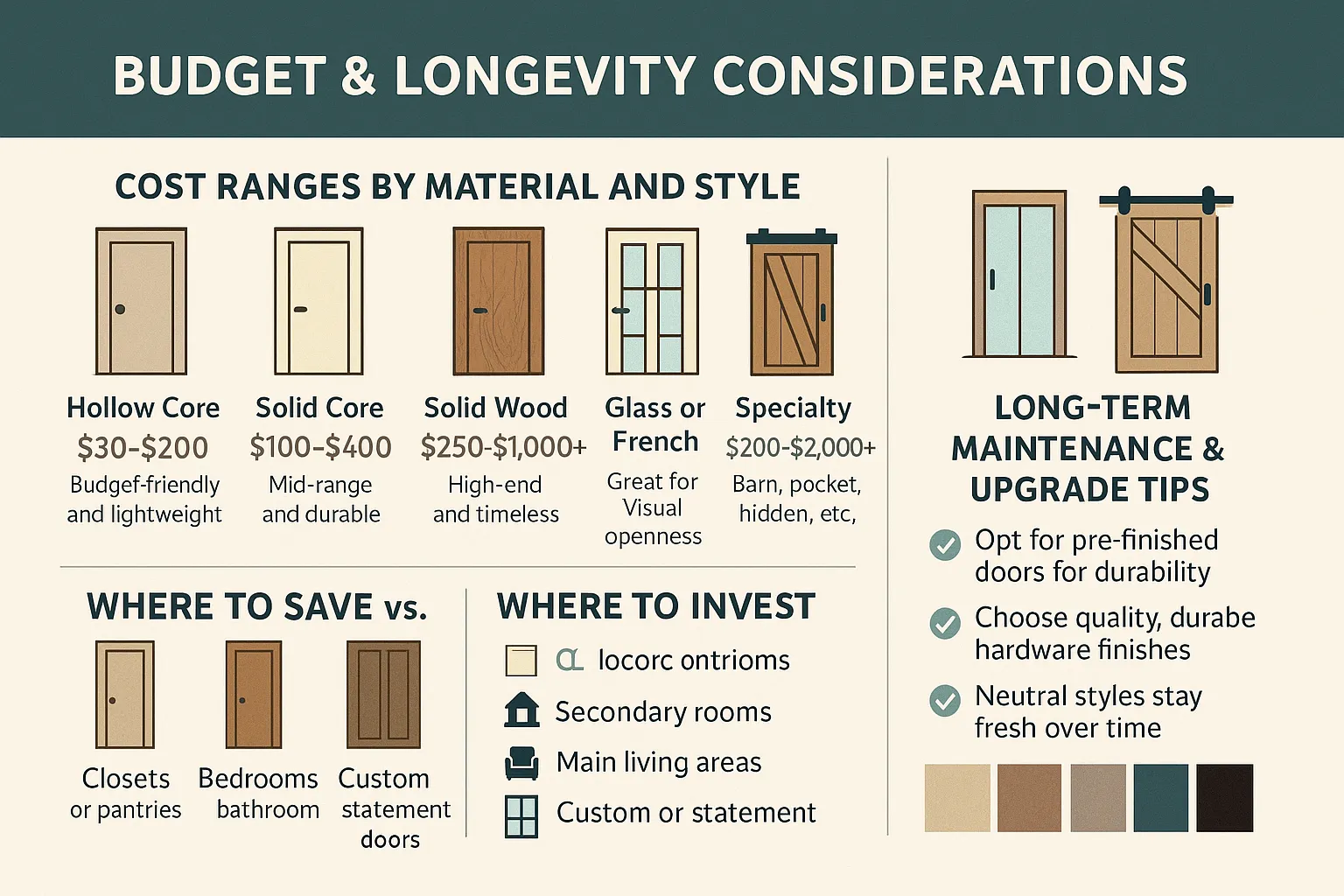
Choosing the right interior door isn’t just about looks—it’s also about getting the best value for your money over time.
Cost Ranges by Material and Style
Hollow Core: $30–$200
Budget-friendly and lightweight; best for closets or low-traffic rooms.Solid Core: $100–$400
Mid-range option that offers good sound insulation and durability.Solid Wood: $250–$1,000+
High-end and timeless; best for noise control, longevity, and a luxury feel.Glass or French Doors: $150–$1,500+
Great for visual openness but may cost more depending on design complexity.Specialty Doors (Barn, Pocket, Hidden): $200–$2,000+
Prices vary widely based on installation difficulty and materials.
Where to Save vs. Where to Invest
Save on:
Closets or pantries – Hollow core doors are perfectly fine.
Secondary rooms – Use simpler designs where privacy isn’t a big issue.
Invest in:
Bedrooms and bathrooms – Solid core offers better soundproofing and durability.
Main living areas – High-traffic zones benefit from stronger doors and quality hardware.
Custom or statement doors – If it’s a focal point, it’s worth the splurge.
Long-Term Maintenance & Upgrade Tips
Pre-finished or factory-painted doors last longer and require less upkeep.
Choose hardware with durable finishes (e.g., satin nickel or matte black) that won’t show wear easily.
If you’re future-proofing, go with neutral, classic designs that won’t feel outdated in a few years.
Check hinges, handles, and seals yearly to keep your doors functioning and looking their best.
Ready to Upgrade Your Interior Doors?

Looking for stylish, durable interior doors at competitive factory prices? We offer a wide range of customizable options to suit any space and budget. Whether you’re renovating one room or your entire home, our team is here to help.
Contact us today for a product catalog, custom design support, or a free quote. Let’s bring your vision to life—door by door.