
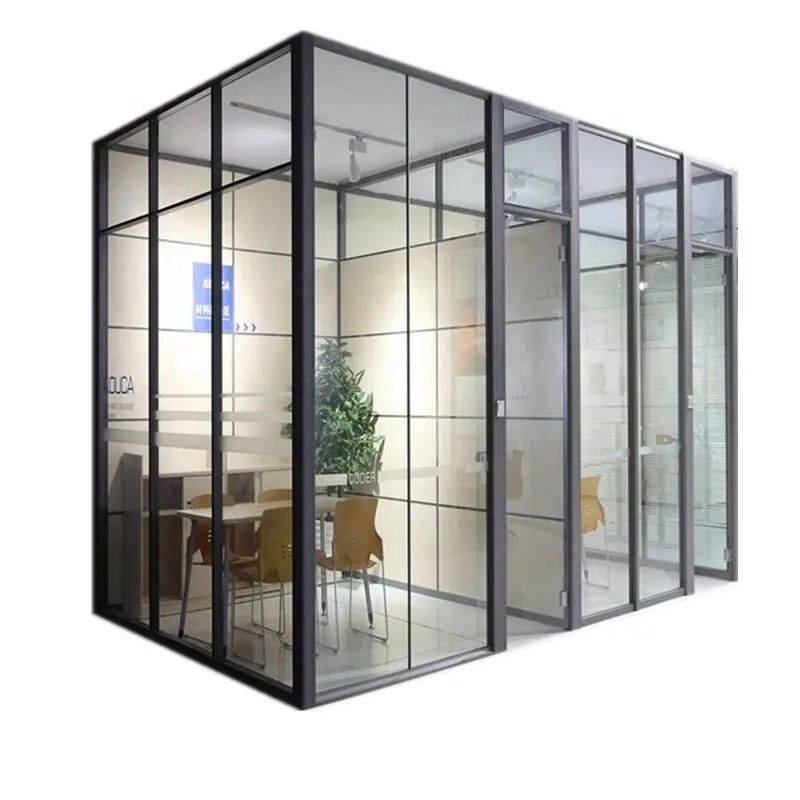
Parts of a Door: Names, Functions & Diagram Guide

Learn the main parts of a door, including the frame, jamb, threshold, slab, hardware, and sealing components, with clear names, functions, and diagrams.
Labeled diagram of exterior door parts and frame
Table of Contents
Please enable JavaScript in your browser to complete this form.
=
Like this article? Share it on:

Table of Contents

What Are the Main Parts of a Door?

A door is made up of three main groups of components: the frame, the door panel, and the hardware. The frame includes parts such as the head, jambs, sill, and threshold. The door panel includes structural elements like stiles, rails, panels, mullions, and glazing. The hardware includes hinges, handles, locks, latches, strike plates, and sealing parts such as weatherstripping and door sweeps. Together, these components allow the door to open, close, lock, and protect the entrance from weather and wear.

Main Structural Parts of a Door

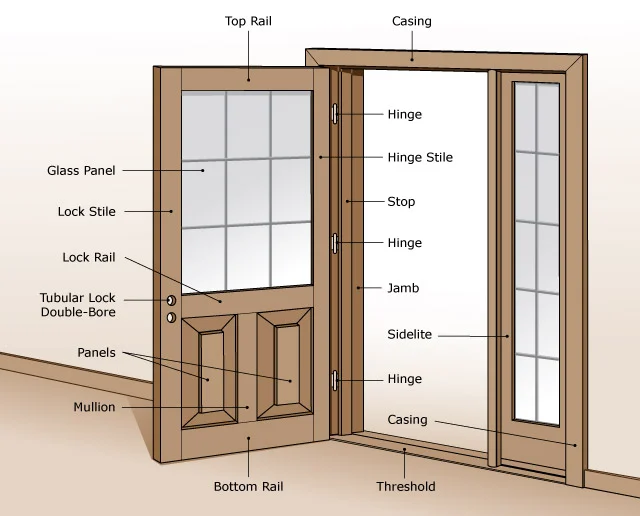
Labeled diagram showing the parts of a traditional door

Understanding the main structural parts of a door helps you see how the entire door system works together. These components form the framework that supports the door, keeps it aligned, and protects the entry from weather and daily wear.

Door Parts Overview Table

Part

Location

Main Function

Door Frame

Surrounds the door opening

Supports the entire door system and connects it to the wall

Door Head

Top horizontal section of the frame

Connects the jambs and keeps the frame square

Door Jamb

Vertical sides of the frame

Supports hinges, latch, and guides door movement

Door Sill

Bottom structural base of the frame

Supports the doorway and helps block water intrusion

Door Threshold

Top of the sill at the bottom of the doorway

Seals the bottom gap and creates a floor transition

Stiles

Vertical edges of the door slab

Provide structural strength and support hardware

Rails

Horizontal sections of the door slab

Hold the door together and support panels or glass

Panels

Between the stiles and rails

Add structure and decorative design

Mullion

Vertical divider within glazed or divided sections

Separates sections and adds structural support

Glazing

Glass installed in the door

Lets in light and improves design or performance

Hinges

Between the door slab and hinge jamb

Allow the door to swing open and closed

Handle / Knob

Mounted on the door slab

Allows the user to open and close the door

Lock / Latch

Mounted inside the door slab

Keeps the door closed and secure

Strike Plate

On the strike jamb

Receives the latch or lock bolt and protects the frame

Door Stop

Attached to the inside edge of the frame

Stops the door in the correct closing position

Weatherstripping

Around the frame edges

Blocks drafts, air leakage, and moisture

Door Sweep

Bottom edge of the door slab

Seals the gap between the door and threshold

Threshold Seal

On or within the threshold

Improves sealing against water, wind, and debris

Door Frame

Exploded view and frame size arrows for door sizing guide

The door frame is the structure that surrounds the door and holds it in place. It connects the door to the wall opening and provides the foundation for other parts like hinges and the door stop.

Key functions include:

  • Supporting the door panel

  • Keeping the door aligned

  • Providing a secure connection to the wall structure

A strong frame ensures the door opens and closes smoothly over time.

The frame usually includes the head, jambs, and sill, while the threshold sits on top of the sill to help seal the bottom of the doorway.

See also: Common Types of Door Frames Explained

Door Head (Header)

The door head, also called the header, is the horizontal top section of the door frame. It connects the two vertical jambs and helps maintain the frame’s shape.

Its main roles are:

  • Holding the top of the frame together

  • Keeping the doorway square and stable

  • Supporting the upper structure of the opening

Without a properly installed door head, the frame can shift and affect door operation.

Door Jambs
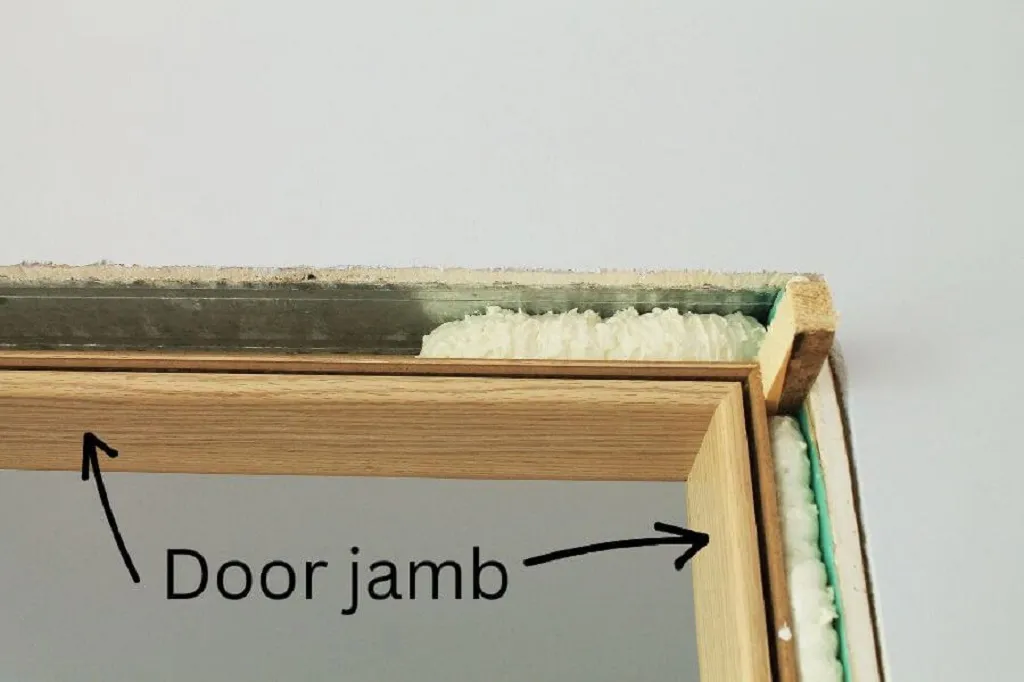
Close up of labeled wooden door jamb in wall cross section

The door jambs are the vertical sides of the door frame. They run from the head at the top down to the sill at the bottom.

There are two main types:

  • Hinge jamb: The side where the hinges are attached

  • Strike jamb: The side where the latch and strike plate meet

Door jambs help guide the door as it opens and closes while supporting the hardware.

Door Sill

Installing new door sill on wood entry frame

The door sill is the bottom structural part of the door frame. It sits directly on the floor or foundation and connects the two jambs.

Its main purposes include:

  • Supporting the doorway structure

  • Preventing water from entering under the door

  • Providing a base for the threshold

Because the sill is exposed to moisture and foot traffic, it is often made from durable materials such as aluminum, wood, or composite.

Door Threshold
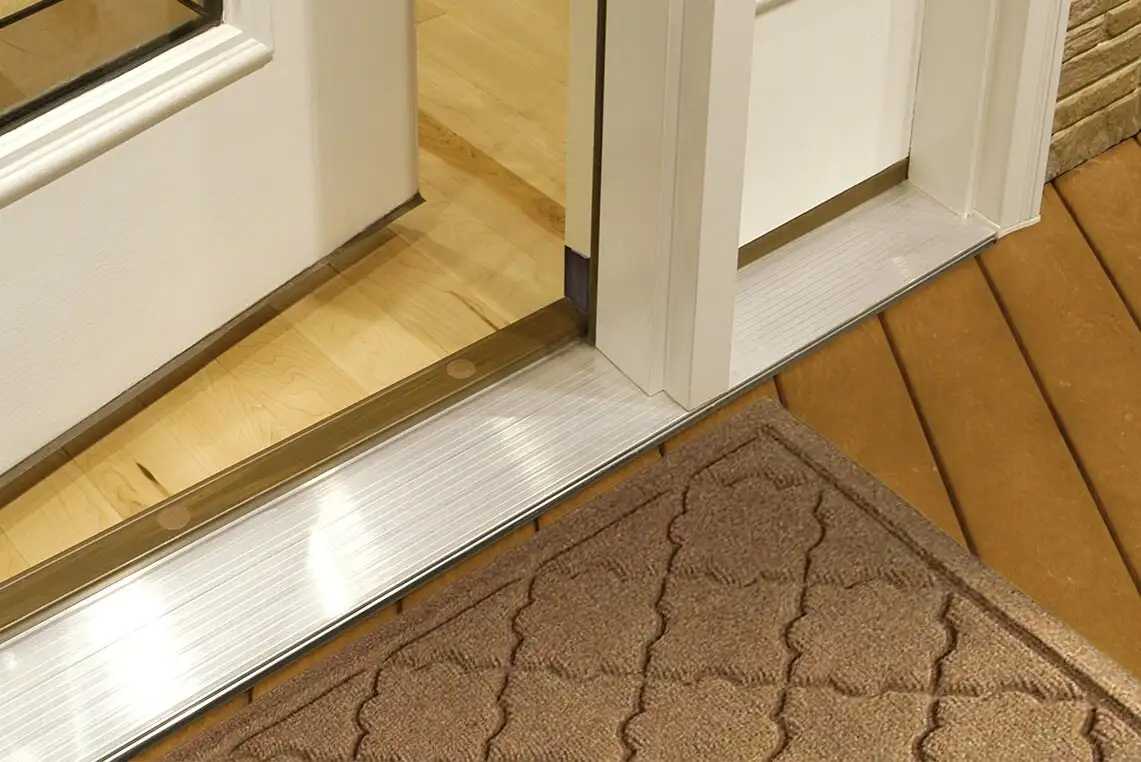
Aluminum door sill with wood floor and threshold strip

The door threshold is the strip installed on top of the door sill. It forms a small raised transition between indoor and outdoor flooring.

Important functions include:

  • Sealing the gap under the door

  • Blocking drafts, water, and dust

  • Creating a smooth transition between floors

When combined with weatherstripping and a door sweep, the threshold helps improve energy efficiency and keeps the home more comfortable.

Parts of the Door Panel (Door Slab)

Labeled parts of a front door including frame and panels

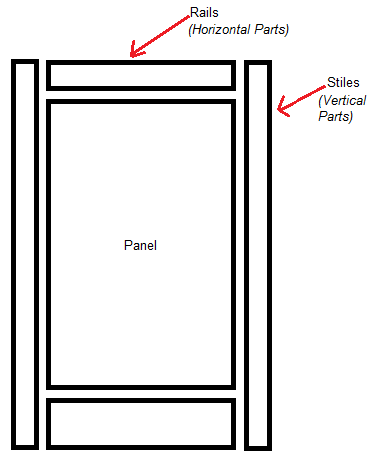
The door panel, also called the door slab, is the main part of the door you see and use every day. It is the moving section that opens and closes within the frame. Most traditional doors are built with several internal components that work together to provide strength, stability, and visual design.

Understanding these parts helps explain how doors are constructed and why some designs are stronger or more decorative than others.

Stiles

Door panel with labeled rails and stiles diagram

Stiles are the vertical edges of the door panel. They run from the top of the door to the bottom and form the outer sides of the door structure. Stiles provide the main support for the door and often hold the hinges, lockset, and handle hardware. Because they carry much of the door’s weight and stress, they are usually made from strong materials such as solid wood, engineered wood, or reinforced composite.

Rails

Rails are the horizontal sections that connect the two stiles. They help hold the door together and maintain its shape. Most doors include several rails, such as the top rail, lock rail, and bottom rail. These horizontal pieces reinforce the structure and create spaces for panels or glass inserts.

Panels

Panels are the sections located between the rails and stiles. They can be purely decorative or contribute to the door’s structure. In many traditional doors, panels are raised or recessed to add texture and visual depth. Panels also allow manufacturers to create a variety of door styles, from classic six-panel designs to modern flat-panel doors.

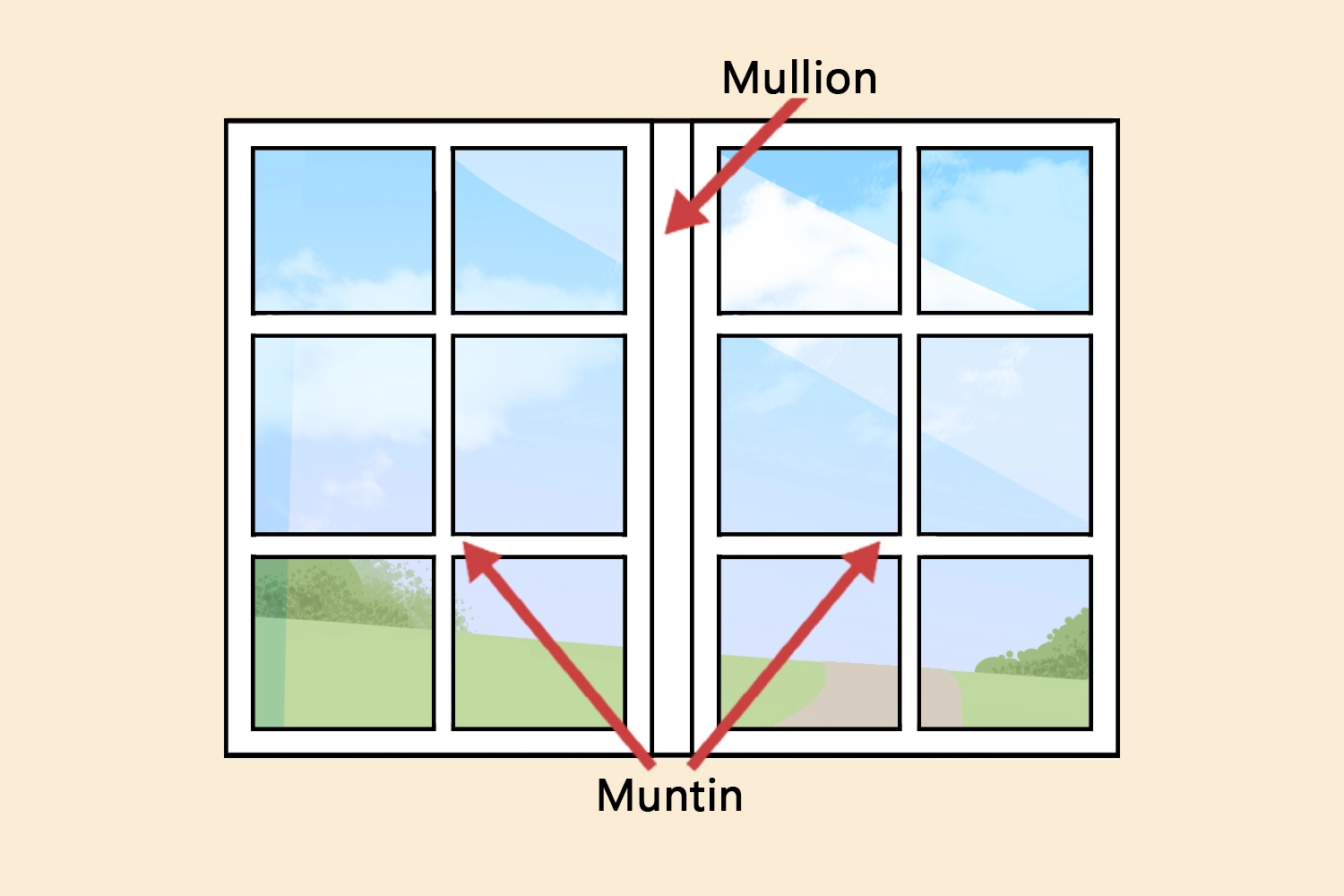
Mullion

Double window diagram showing mullions and muntins

A mullion is a vertical dividing bar used to separate sections of a door, especially in designs that include glass panels or divided layouts. It adds structural support and helps organize the door into smaller visual sections.

Mullions are commonly used in doors that include multiple glass panes or decorative panel layouts.

Glazing

Glazing refers to the glass installed in a door. Glass panels allow natural light to enter the space while maintaining the door’s function as an entry barrier. Modern glazing options may include clear glass, frosted glass, decorative glass, or energy-efficient insulated glass units. This feature improves brightness, enhances design, and can increase the overall appeal of the door.

Door Hardware Components

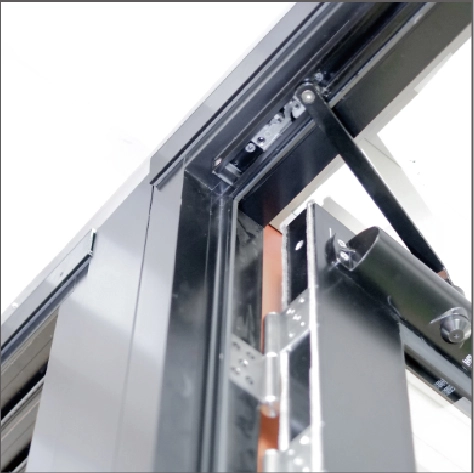
Aluminum door hinge and closer hardware

Door hardware includes the mechanical parts that allow a door to open, close, lock, and operate smoothly. While the door frame and panel provide structure, hardware makes the door functional and secure. Each component plays a specific role in the door system.

Hinges

Hinges connect the door panel to the frame and allow it to swing open and closed. Most standard doors use two or three hinges installed along the hinge jamb. These metal components carry the door’s weight and keep it aligned during movement. High-quality hinges improve durability and ensure the door moves smoothly over time.

Door Handle or Knob

Assorted door handles on various wood finishes

The door handle or knob is the part people use to open and close the door. It is typically installed on the lock rail of the door panel. Handles and knobs come in many styles and finishes, allowing homeowners to match the door hardware with the overall design of the space.

Lock and Latch

The lock and latch system keeps the door securely closed. When the door shuts, the latch slides into the strike plate in the frame, holding the door in place. Locks provide additional security by preventing the door from being opened without a key or turning mechanism.

Strike Plate

The strike plate is a small metal plate installed on the door frame. It contains an opening where the latch or lock bolt fits when the door is closed. This plate reinforces the frame and helps protect it from wear caused by repeated use.

Door Stop

A door stop is a thin strip attached to the inside edge of the door frame. It prevents the door from swinging too far and helps guide the door into the correct closing position. The door stop also improves sealing by allowing the door to press firmly against weatherstripping.

Door Sealing and Weather Protection Parts

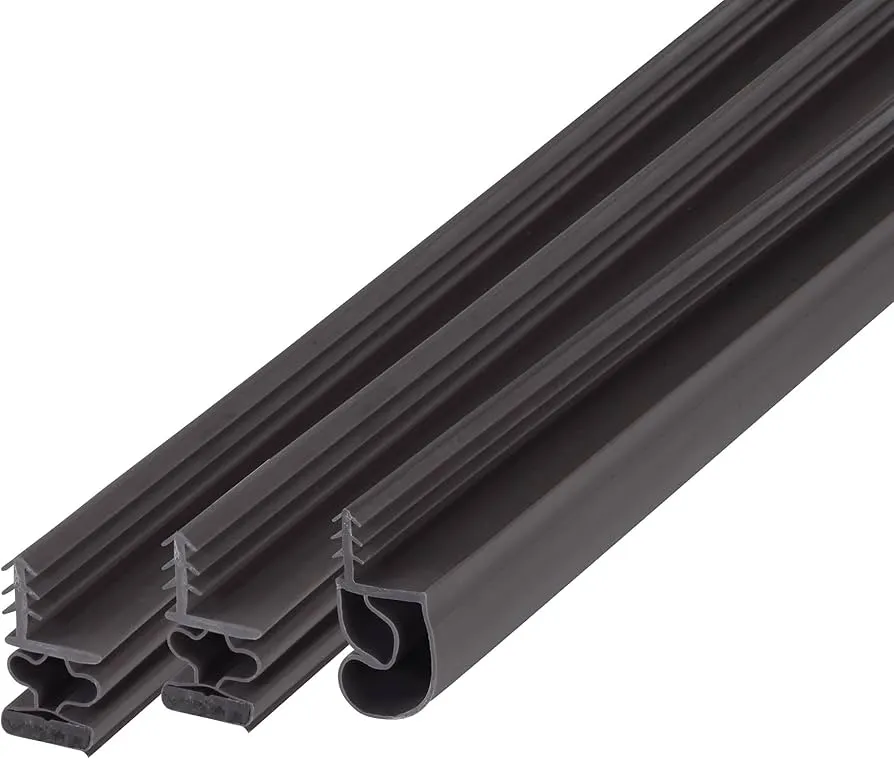
Kerf mounted gasket sealing side of door frame

A well-designed door does more than open and close—it also protects your home from drafts, moisture, dust, and outdoor noise. Several sealing components work together to improve weather protection and energy efficiency. These parts are most common on exterior doors, where weather resistance and insulation are especially important.

Weatherstripping

Magnetic and brush door weatherstripping seals

Weatherstripping is a flexible sealing material installed around the edges of the door frame. It creates a tight seal when the door closes, helping block drafts and reduce heat loss. Weatherstripping is commonly made from rubber, foam, vinyl, or silicone, and it plays a key role in improving insulation and indoor comfort.

Door Sweep

A door sweep is a seal attached to the bottom edge of the door panel. It usually consists of a flexible rubber or brush strip that presses against the threshold when the door closes. Door sweeps help close the gap between the door and the floor, preventing cold air, dust, insects, and moisture from entering.

Threshold Seal

The threshold seal works with the door sweep to protect the bottom of the doorway. Installed on or within the threshold, this seal creates a barrier that blocks water, wind, and debris. Many modern thresholds include adjustable seals to ensure a tighter fit and better long-term performance.

Choosing the Right Door Components

Choosing the right door components helps create a door system that is secure, durable, and energy efficient. When selecting parts for a new project or replacement, it is important to consider door type, material compatibility, weather exposure, security needs, and long-term maintenance.

If you need help comparing options or selecting a suitable door system, our team can provide project-based guidance and custom solutions.

FAQs About Door Parts

What are the main parts of a door?

The main parts of a door include the frame, head, jambs, sill, threshold, door slab, stiles, rails, panels, hinges, handle, lockset, strike plate, weatherstripping, and door sweep. Together, these parts support the door and allow it to open, close, lock, and seal properly.

A door frame is the full structure that surrounds the door opening, while the door jamb refers specifically to the vertical side sections of that frame. The jamb supports the hinges on one side and the latch or strike plate on the other.

The threshold is the strip located at the bottom of the doorway, usually installed on top of the sill. It helps seal the gap below the door, improves weather protection, and creates a transition between indoor and outdoor flooring.

Stiles are the vertical edges of the door slab, while rails are the horizontal sections that connect the stiles. Together, they form the structural framework of many traditional and panel-style doors.

The sill is the bottom structural part of the door frame, while the threshold is the top strip installed over the sill. The sill supports the doorway, and the threshold helps with sealing, weather protection, and floor transition.

The main weather-sealing parts of a door include weatherstripping, the threshold, the threshold seal, and the door sweep. These components help block drafts, dust, moisture, and outdoor air.

Like this article? Share it on:

2 Responses

  1. Tope de puerta o PARTELUZ es lo mismo?? Donde se pone en una puerta doble para tapar laja de la mitad de la puerta? Podrías explicarme xfv y como clavar?

    1. No, tope de puerta y parteluz no son lo mismo.

      Tope de puerta

      1. Va en el marco de la puerta.

      2. Sirve para que la puerta se detenga al cerrar.

      Parteluz (o tapajunta central)

      1. Va en el centro de una puerta doble.

      2. Sirve para tapar la unión o la ranura entre las dos puertas.

      Dónde se coloca:

      1. En la puerta que se cierra primero o en el centro entre ambas hojas.

      Cómo instalar (clavar):

      1. Coloca el parteluz verticalmente en el centro.

      2. Asegúrate de que cubra la ranura entre las dos puertas.

      3. Fíjalo con clavos pequeños o tornillos cada 30–40 cm.

Leave a Reply

Your email address will not be published. Required fields are marked *

Latest Insights From Our Experts

Request A Free Quote!

Please enable JavaScript in your browser to complete this form.
Project Types

Access Your Download – Tell Us About Your Project First

Please enable JavaScript in your browser to complete this form.
Request A Free Quote!
Please enable JavaScript in your browser to complete this form.