
What Is Residential Construction?

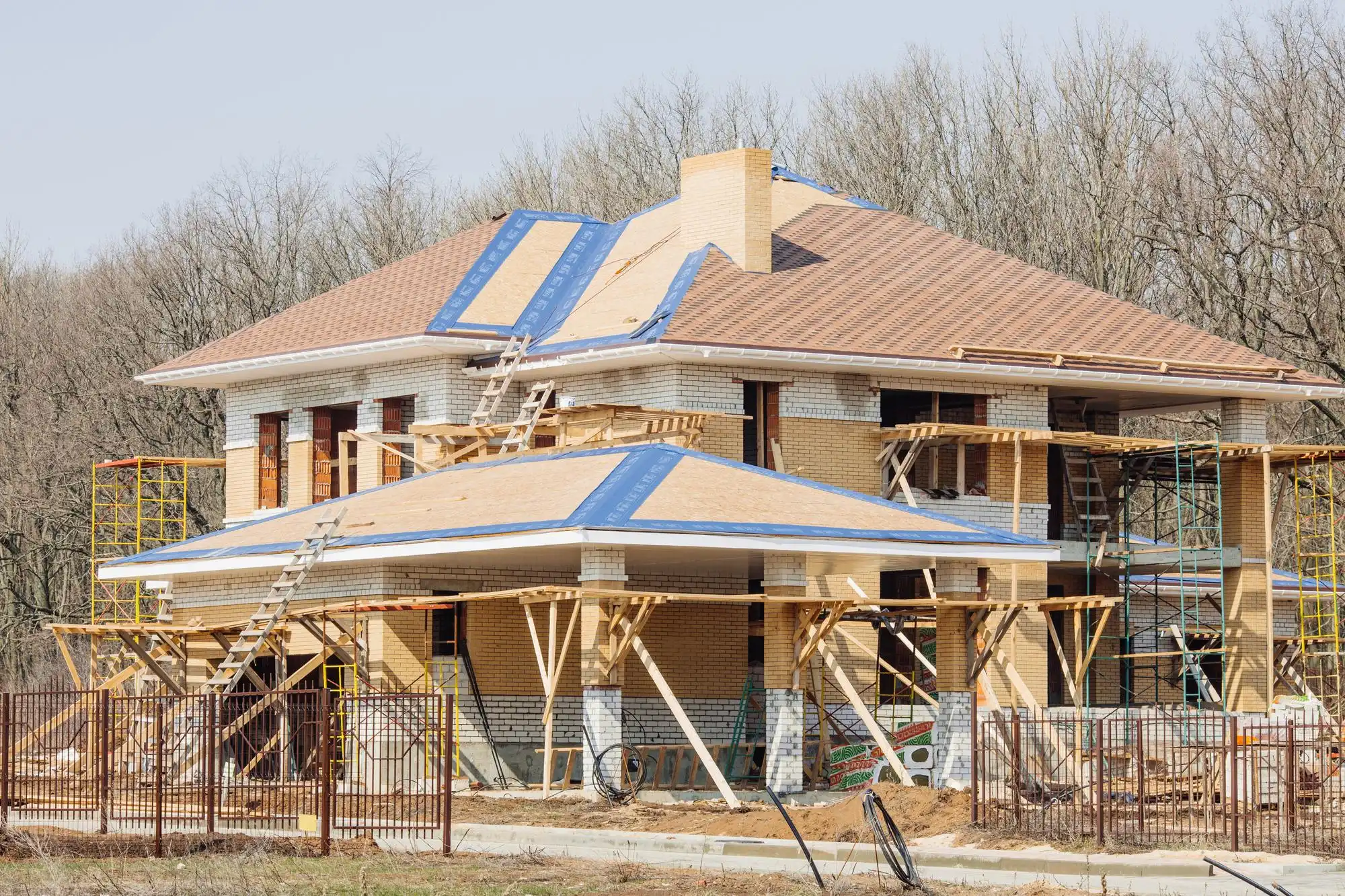
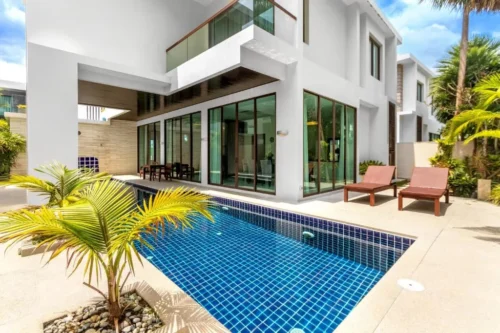
Residential construction focuses on building places where people live and feel at home. This includes single-family houses, condos, townhomes, duplexes, and small apartment buildings. The main goal is comfort, safety, and everyday livability.
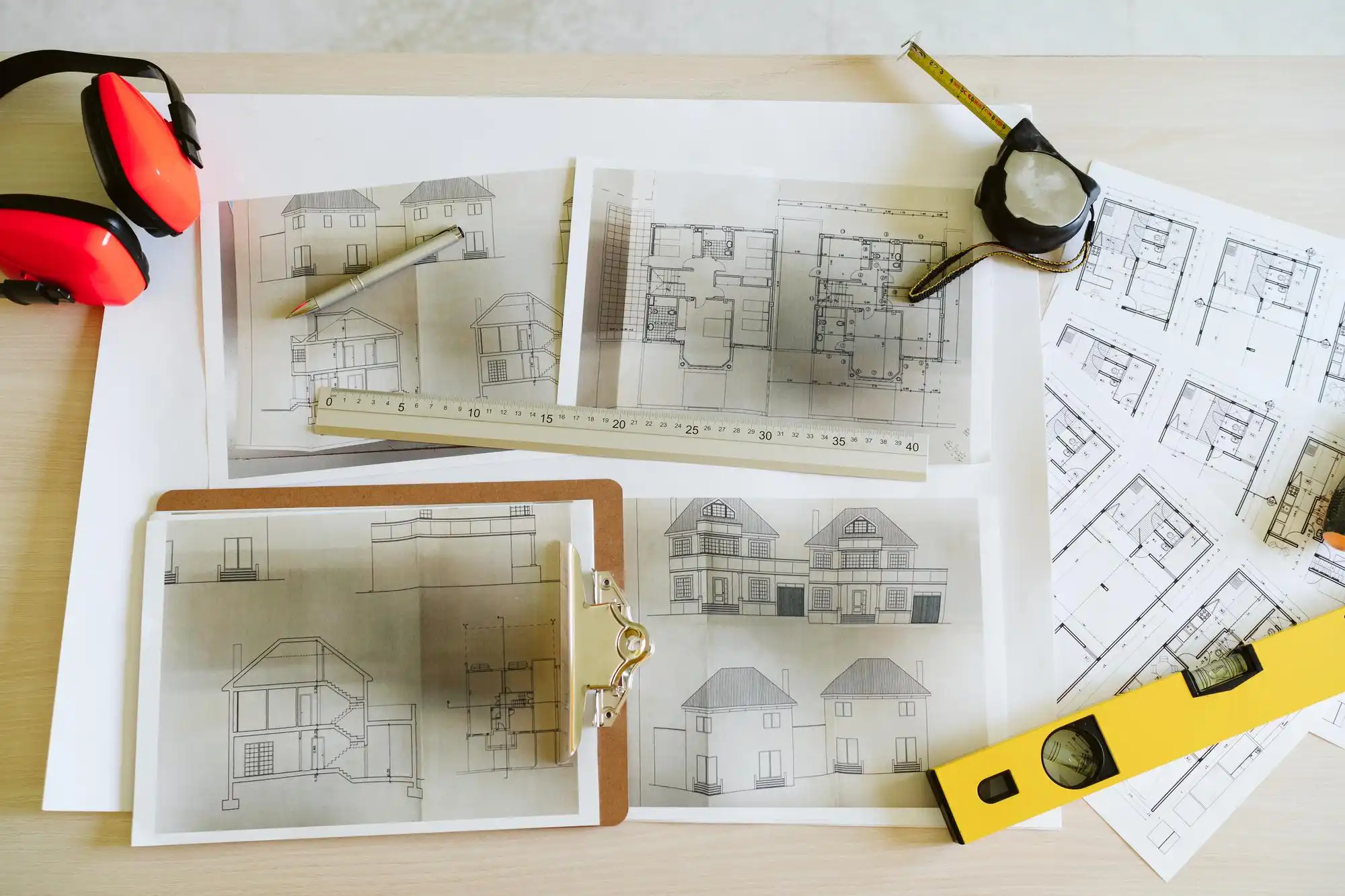
Most residential projects are smaller in scale and designed for personal use. Homeowners often care about layout, natural light, finishes, and how the space fits their lifestyle. Customization plays a big role—everything from room size to materials and colors can be tailored to individual needs. These projects usually have shorter timelines and simpler approval processes compared to larger builds.
What Is Commercial Construction?
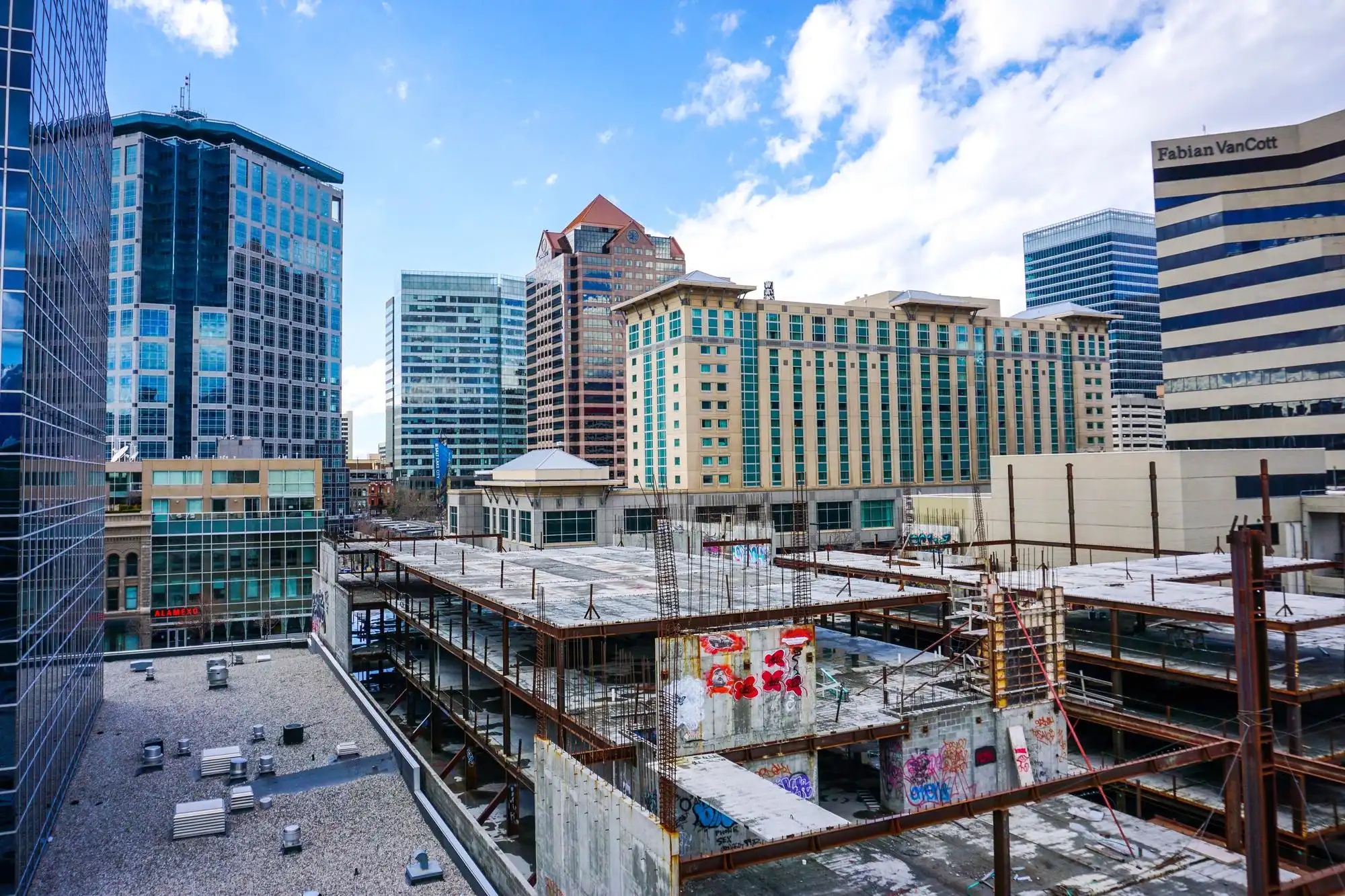
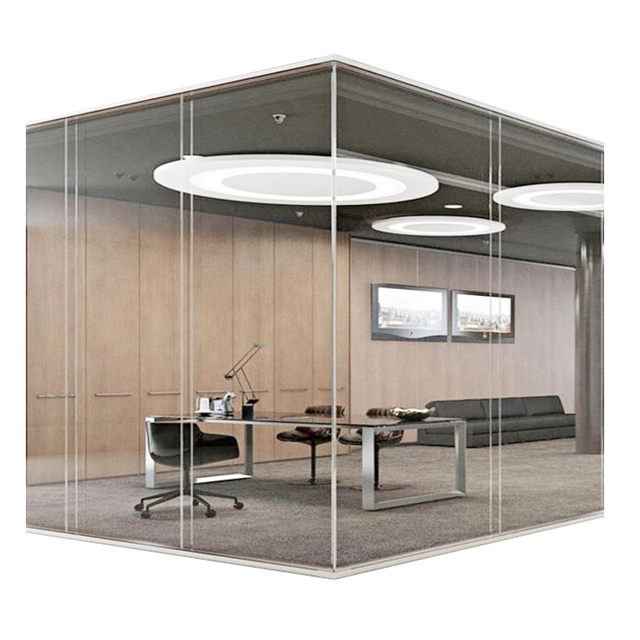
Commercial construction involves building spaces used for business, public services, or income-generating purposes. Common examples include office buildings, retail stores, shopping centers, hospitals, schools, hotels, and warehouses.
These projects are typically larger and more complex than residential builds. They must handle higher foot traffic, heavier loads, and strict safety, accessibility, and building code requirements. Commercial construction can also include large multifamily rental properties, mixed-use developments, and public facilities. The focus is on durability, efficiency, and long-term performance rather than personal customization.
Key Differences in Purpose and Use

The biggest difference between residential and commercial construction is how the building is used. Residential buildings are designed for living—comfort, privacy, and daily routines come first. Commercial buildings are built for business, services, or public use, so they focus on function, safety, and durability.
Another key distinction is ownership. Residential projects are often owner-occupied, meaning the person funding the build will live there. Commercial projects are usually investment or leased spaces, designed to support tenants, customers, or employees and generate long-term returns.
Scale, Cost & Timeline

Residential construction is typically smaller in size, simpler in design, and quicker to complete. These projects usually cost less and follow shorter construction schedules.
Commercial construction operates on a much larger scale. Bigger buildings, specialized systems, and coordination with multiple stakeholders mean higher costs and longer timelines from planning to completion.
Materials & Structural Differences

Residential buildings commonly use timber framing, wood siding, and lighter fixtures that suit smaller loads and private use.
Commercial buildings require stronger, heavier materials like steel, reinforced concrete, and large-span structural systems. These materials support higher traffic, bigger spaces, and long-term wear.
Permits, Codes & Regulations

Residential codes mainly focus on safety, health, and livability for occupants.
Commercial construction must meet stricter rules, including fire safety, accessibility (such as ADA compliance), environmental standards, and zoning requirements. Approval processes are often more complex and vary by location, adding time and planning to commercial projects.
Licensing & Professional Requirements
Licensing rules vary by region, but residential contractors usually need basic trade licenses and local approvals. Commercial construction often requires higher-level credentials, specialty licenses, and stricter compliance checks.
Commercial projects also involve more professionals. Architects, structural engineers, MEP engineers, inspectors, and multiple stakeholders typically work together to meet performance, safety, and regulatory standards.
Project Management & Workforce

Residential projects are usually handled by smaller crews with a limited number of subcontractors. Coordination is simpler, and job sites are easier to manage.
Commercial construction requires large teams, specialized trades, and heavy equipment such as cranes and lifts. Strong project management is critical to keep schedules, budgets, and safety on track.
Customization & Design Flexibility

Residential construction allows for more personal choices. Homeowners can customize layouts, finishes, colors, and materials to match their lifestyle and taste.
Commercial design is more function-driven. Layouts are planned around capacity, workflow, durability, and code compliance rather than personal style.
Safety, Accessibility & Code Complexity

Commercial projects follow stricter safety plans, including detailed risk assessments, site safety protocols, and ongoing inspections. Accessibility standards, such as ADA requirements, are mandatory.
Residential builds still prioritize safety, but inspections and documentation are generally less intensive than in commercial construction.
Financing, Insurance & Risk Factors
Residential financing is usually simpler, with standard mortgages and lower overall risk. Insurance needs are more straightforward.
Commercial projects involve complex financing structures, higher insurance coverage, and greater financial risk. Lenders often require larger down payments and detailed feasibility studies.
Location & Zoning Considerations

Residential zoning focuses on neighborhood character, density, and livability.
Commercial zoning addresses business districts, traffic flow, parking, utilities, and infrastructure capacity—making site selection and approvals more complex.
Choosing Between Residential and Commercial Projects

Choosing between residential and commercial construction depends on your goals, budget, and experience. Each type of project comes with its own challenges and rewards.
Purpose of the project
Choose residential construction if the goal is personal living or small-scale development. Commercial construction suits business operations, rentals, or public use.Budget and financial risk
Residential projects usually require lower upfront costs and carry less financial risk. Commercial projects need larger investments and stronger risk tolerance.Timeline and complexity
Residential builds are faster and simpler to manage. Commercial projects take longer and involve more coordination and approvals.Design flexibility
Residential construction allows more customization and personal style. Commercial design focuses on function, durability, and compliance.Regulations and approvals
Residential codes are simpler. Commercial projects must meet stricter safety, accessibility, and zoning requirements.Long-term goals
Residential projects often focus on comfort and resale value. Commercial projects aim for long-term income, scalability, and operational efficiency.
Understanding these factors helps you choose the construction path that best fits your needs and resources.
Ready to Start Your Construction Project? Contact Us Today
Whether you’re planning a residential build or exploring a commercial construction project, having the right partner makes all the difference. Our experienced team can guide you through planning, design, budgeting, and compliance—every step of the way.
Get expert advice, clear cost insights, and tailored solutions that fit your goals.
Contact us today to discuss your project and turn your construction plans into reality.
FAQs
What is the difference between commercial and residential construction?
Residential construction builds homes where people live, while commercial construction builds business and public use spaces like offices, shops, and hospitals; they differ in purpose, size, materials, and complexity.
What is the meaning of residential and commercial building?
A residential building is designed for people to live in, such as houses or apartments, while a commercial building is used for business activities like offices, stores, and services.
What is the meaning of residential construction?
Residential construction refers to the process of building or renovating structures intended for people to live in, such as single-family homes, townhouses, or condos.
What is the meaning of commercial construction?
Commercial construction means building projects for business, institutional, or public use, including retail buildings, office spaces, and large facilities.