











What Is a Picture Window?

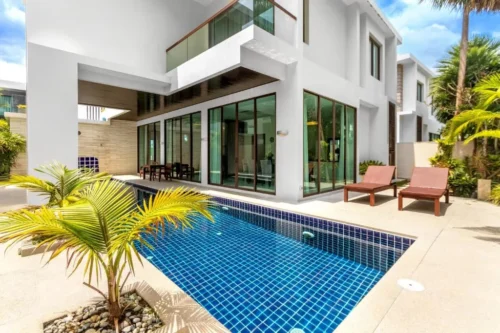
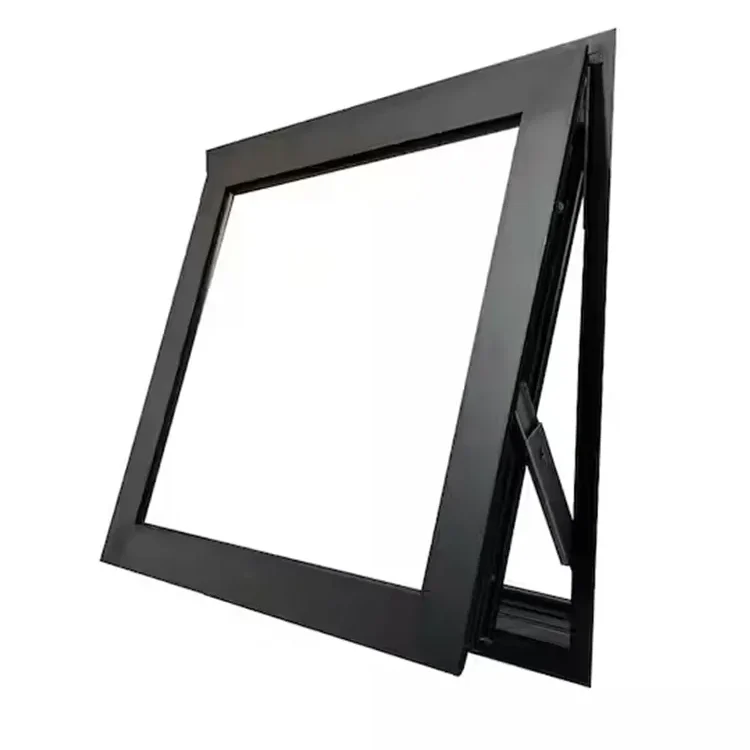
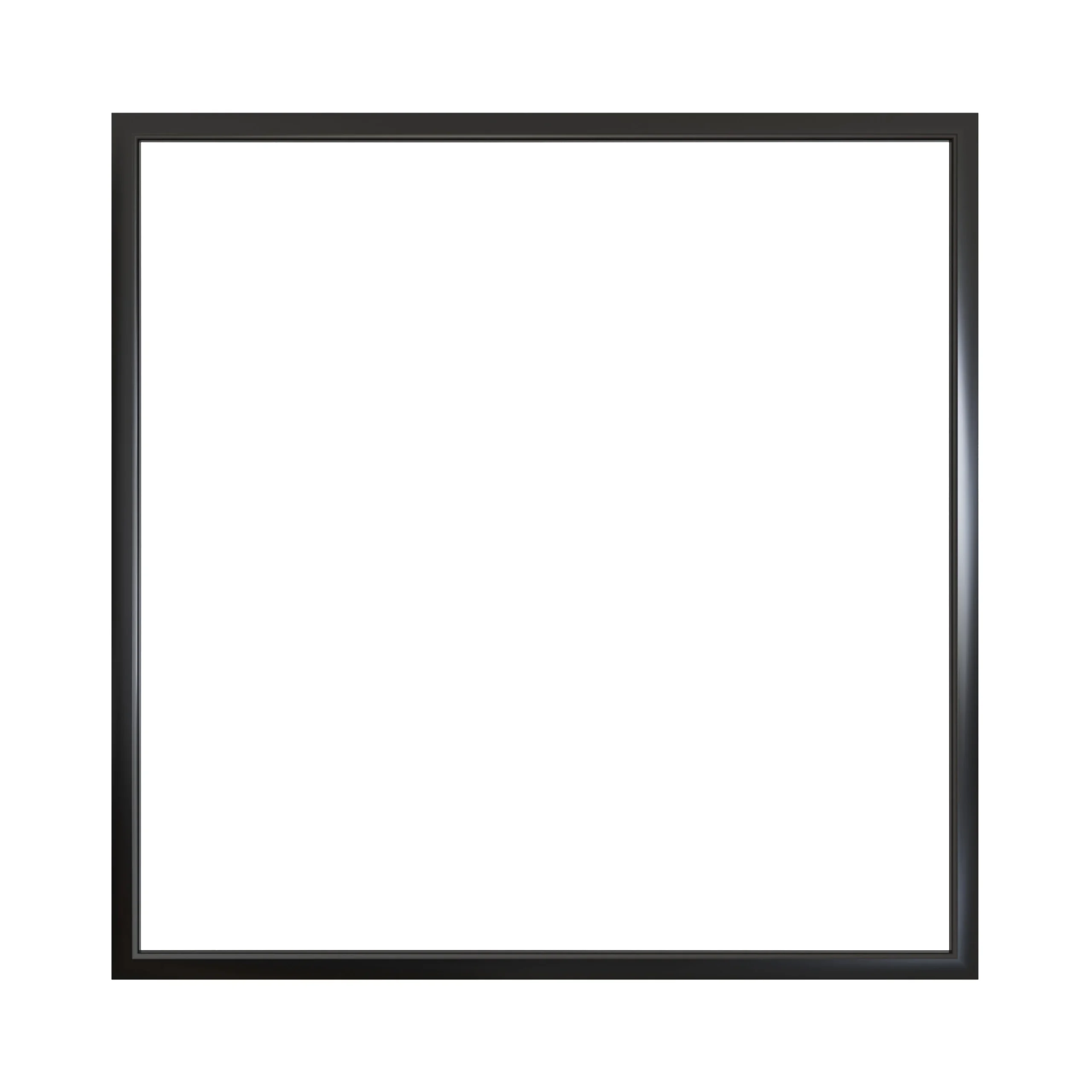
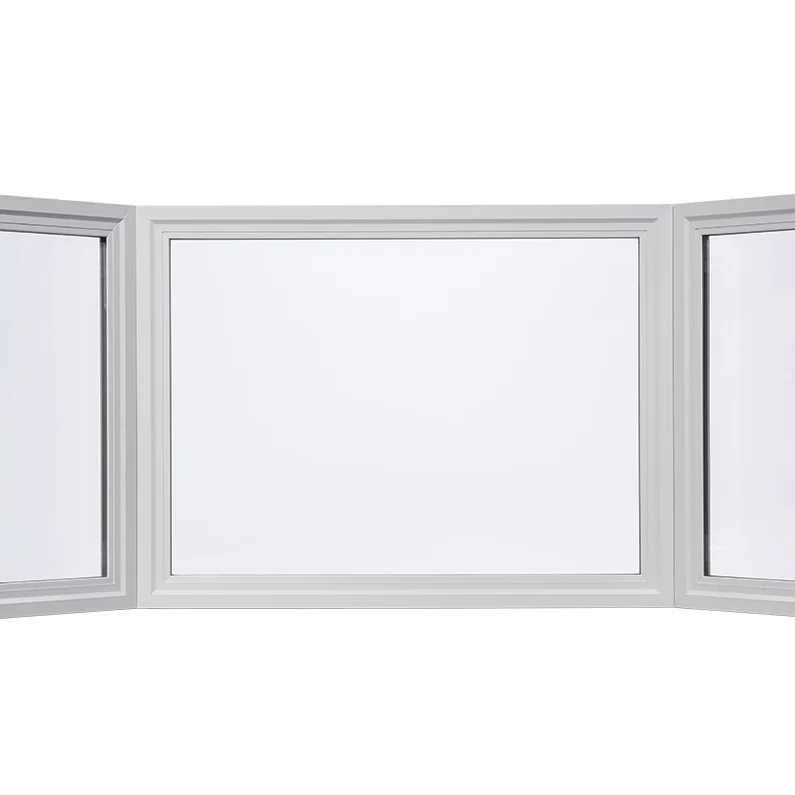
A picture window is a large, fixed window designed to frame the outdoors like artwork — that’s where the name “picture” comes from. Unlike sliding or casement windows, a picture window doesn’t open, which makes the frame thinner, the glass larger, and the view much clearer.
Homeowners often choose picture windows to bring in more natural light, brighten living spaces, and make a room feel bigger. Because they don’t have moving parts, picture windows are usually more energy-efficient, easier to maintain, and great for homes that want wide, uninterrupted views.
You’ll often see them in living rooms, dining areas, stairwells, and anywhere you want to highlight the landscape or garden outside. They work well on their own, or paired with smaller operable windows for ventilation.
Common Standard Picture Window Sizes
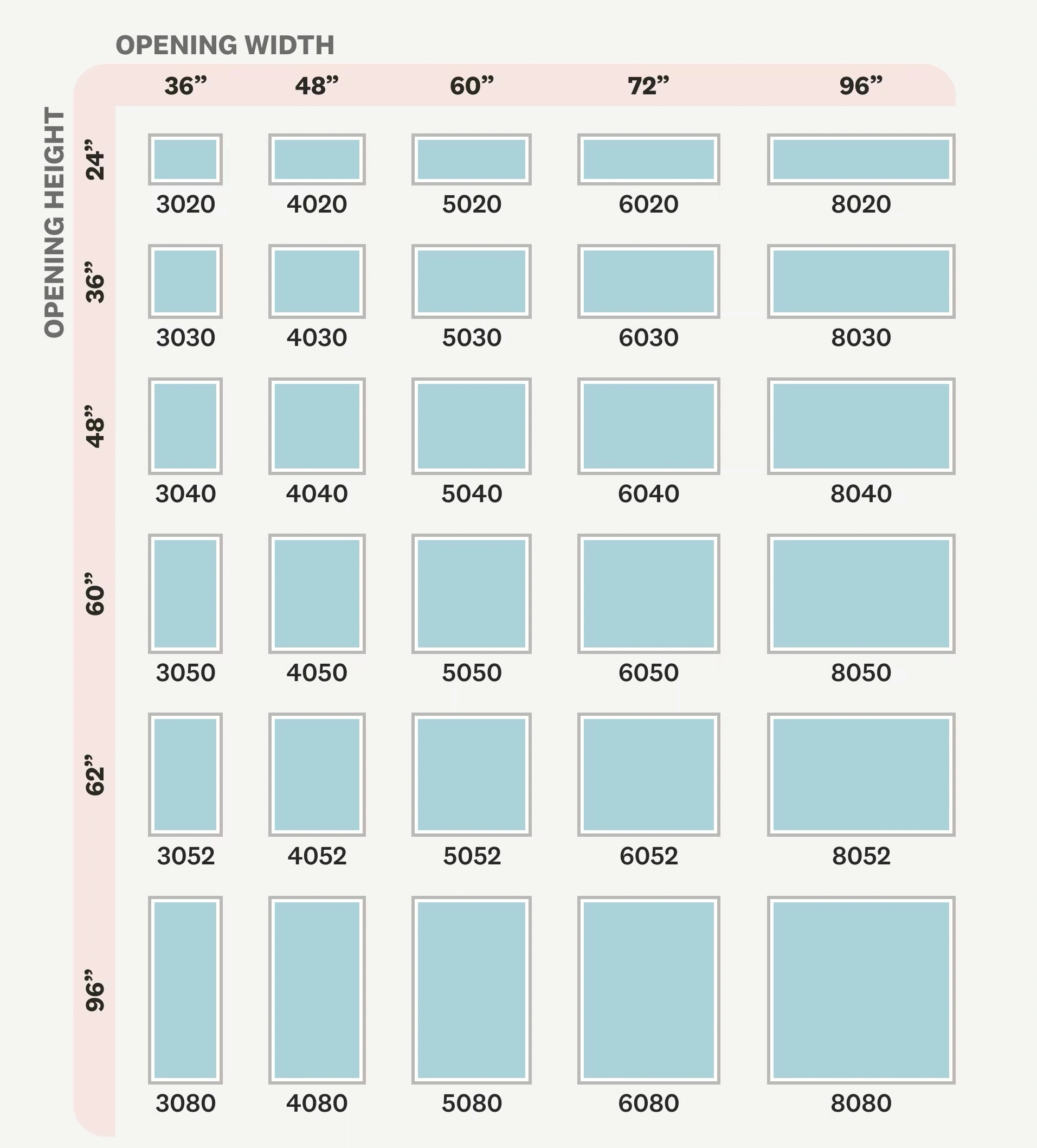
Picture windows come in a wide range of ready-made sizes, making it easy to match your room layout and view goals. Below are some of the most common standard dimensions you’ll see across major manufacturers:
| Standard Size | Best Use Cases |
|---|---|
| 24″ × 36″ | Small rooms, bathrooms, or pairing with operable windows. |
| 36″ × 36″ | Square option for bedrooms, stairwells, hallways. |
| 48″ × 48″ | Medium rooms such as kitchens, living rooms, dining areas. |
| 60″ × 48″ or 60″ × 60″ | Larger living rooms needing more light and wider views. |
| 72″ × 60″ (or larger) | Panoramic openings, scenic views, modern home designs. |
| Custom sizes up to 8 ft × 8 ft | Dramatic indoor-outdoor effect; requires strong framing and glass. |
Most window brands also offer oversized or custom picture windows, often reaching up to 8 ft wide or 8 ft high, as long as structural framing and glass thickness meet safety requirements. These larger units bring in dramatic light and create a true “frame to the outdoors” effect.
Size Variation by Room
The right picture window size often depends on where you plan to install it. Each room has different lighting needs, privacy levels, and wall space, so choosing the right size helps the window look balanced and functional.
Living Room

Living rooms usually benefit from larger picture windows because they’re the main gathering area. Sizes like 60″ × 60″ or 72″ × 60″ work well for creating wide, open views and bringing in plenty of natural light. Bigger windows also help the space feel brighter and more inviting.
Bedroom

Bedrooms need a mix of comfort, privacy, and light. Medium sizes such as 36″ × 36″ or 48″ × 48″ fit well above dressers or along side walls without overwhelming the room. Pairing picture windows with operable side windows can add ventilation without sacrificing the view.
Kitchen
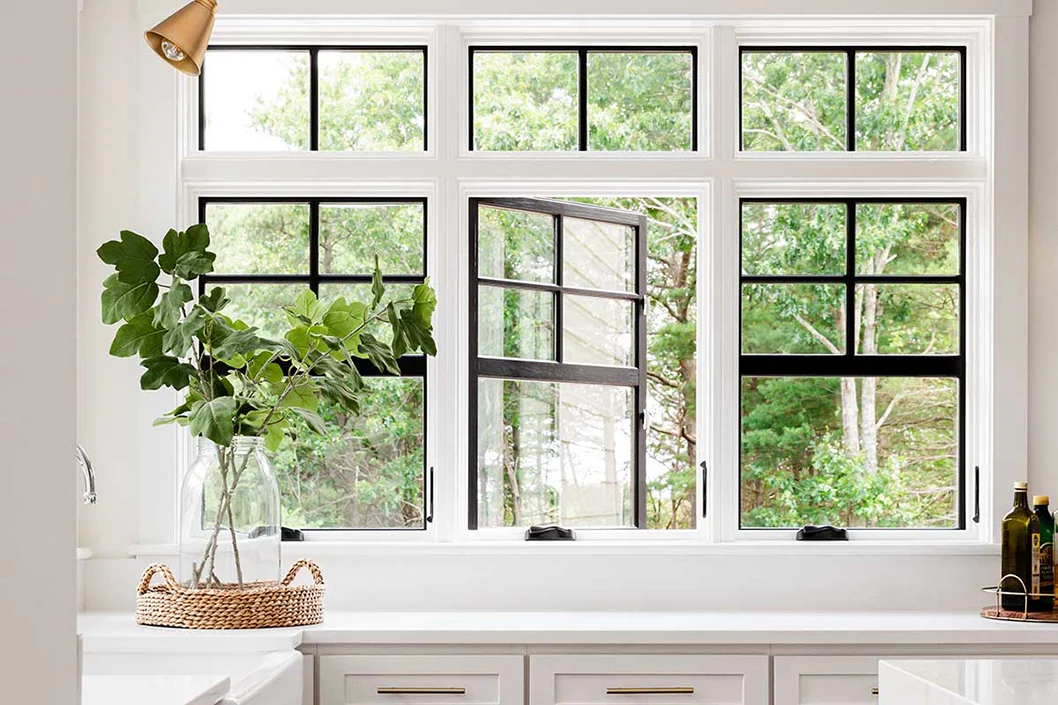
Kitchens benefit from moderate picture windows that brighten prep areas and open up the space. Sizes like 24″ × 36″ or 48″ × 48″ work well above sinks or counters, offering daylight without taking too much wall space needed for cabinets.
Dining Area

Dining rooms often use mid-to-large picture windows to create a pleasant atmosphere during meals. Sizes around 60″ × 48″ or 60″ × 60″ bring in warmth and outdoor views without dominating the wall.
Stairwell or Hallway

Stairwells and hallways usually call for smaller square windows like 36″ × 36″, letting in light while maintaining safety and proportion. These areas benefit from picture windows because they brighten otherwise dim spaces.
Factors to Consider When Choosing Picture Window Size

Choosing the right picture window size is about more than just the view. The size you pick affects comfort, lighting, energy efficiency, and how the room looks overall. Here are the key factors to guide your decision:
Room Size and Wall Space

Start by looking at how much open wall space you have. A window should feel proportional to the room—large enough to brighten the space, but not so big that it overwhelms the wall or limits furniture placement. The window should balance the layout, not dominate it.
Structural Constraints and Framing
Bigger picture windows require stronger support. Large openings may need reinforced framing, thicker headers, or upgraded materials to safely hold the weight of the glass. Always check whether your home’s structure can handle the size you want, especially for windows wider than 6 feet.
Glazing & Glass Quality
Large panes of glass need high-quality glazing to perform well. Options like Low-E coatings, double or triple glazing, and thicker glass help improve energy efficiency, reduce heat gain, and enhance durability. Better glass also protects your interior from UV fading.
Purpose — View vs Privacy vs Light

Think about why you want the window.
For views, go bigger and place it at eye level.
For maximum daylight, choose a taller window.
For privacy, consider a smaller size or higher placement.
Balancing these priorities helps you choose a size that fits your lifestyle.
Budget vs Custom Sizing
Standard sizes are more budget-friendly and easier to source, often reducing labor time. Custom sizes offer full design flexibility but come with higher costs, longer lead times, and more complex installation. Use custom sizing when the architecture or view truly calls for it.
Local Building Codes & Installation Requirements
Very large picture windows may need to meet specific safety and structural requirements. Local codes might dictate glass type, framing strength, or placement—especially in high-wind, coastal, or fire-prone areas. Checking these requirements early prevents costly changes later.
Standard vs. Custom Picture Windows

| Category | Standard Picture Windows | Custom Picture Windows |
|---|---|---|
| Size Range | Preset sizes, usually up to 72″ × 60″ | Any size, often up to 8 ft × 8 ft or larger |
| Cost | More affordable; mass-produced | Higher cost due to custom manufacturing |
| Availability | Readily available; shorter lead times | Longer production and delivery times |
| Installation | Simple installation; standard framing | May require reinforced framing or structural work |
| Design Flexibility | Limited to manufacturer’s size list | Full freedom for shape, size, and proportions |
| Energy Efficiency | Usually double-pane; good basic insulation | Can upgrade glazing, thickness, and coatings |
| Best For | Typical homes and budget-friendly projects | Architectural designs, large views, unique layouts |
Ready to Choose the Perfect Picture Window?
Finding the right picture window size can transform the way your home looks and feels—and we’re here to help you make the best choice. Whether you’re upgrading a single room or designing a whole new space, our experts can guide you through sizing, materials, glazing options, and installation requirements.
Get personalized recommendations, competitive quotes, and professional support tailored to your home’s needs.
Reach out to us today, and let’s bring more light, clarity, and beauty into your space.
FAQs
What is the size of a picture window?
Picture windows commonly range from about 24″ × 36″ up to 72″ × 60″ among standard sizes.
What are standard window sizes?
Standard windows typically fall between 24–72 inches wide and 24–72 inches high, though size depends heavily on window type (e.g. casement, double-hung, sliding, or picture).
What is considered a large picture window?
A picture window wider than ~72 inches (6+ feet) or taller than ~60 inches (5+ feet) is generally considered large — often used for panoramic views and big living spaces.
How do you measure a picture window?
Measure the width and height of the window frame (or rough opening) — always list width first, then height (W × H) — ensuring the wall opening is square and level before ordering.