











A dormer window is a small structure that sticks out from a sloped roof and holds a window of its own. It has walls, a mini-roof, and a window that sits upright—unlike skylights, which lie flat with the roof. The word “dormer” comes from the French dormir and the Latin dormitorium, both meaning “a place to sleep.” That’s because dormers were first used to add light and air to attic sleeping spaces.

Today, homeowners, designers, and builders value dormer windows for more than history. A well-designed dormer brings extra head-room to low attic areas, fills dark spaces with natural light, improves ventilation, and adds strong architectural character to the exterior. It can also increase usable floor space and boost a home’s value—especially during attic conversions or second-floor upgrades.
How a Dormer Window Works

A dormer window sits upright on a sloped roof, creating a small “room” that extends above the roofline. Its walls and mini-roof connect back to the main roof, adding head-room where ceilings would normally slope too low.
Because a dormer interrupts the roof surface, good waterproofing is essential. Proper flashing around the sides, valleys, and window trim prevents leaks and keeps the structure sound.
When built well, a dormer can completely change an attic or loft—opening tight spaces, bringing in natural light, improving airflow, and turning unused corners into bright, comfortable living areas.
Common Types & Styles of Dormers

| Dormer Style | Best Architectural Match | Pros | Cons |
|---|---|---|---|
| Gable Dormer | Colonial, Cape Cod, Cottage | Strong character, good light, simple build | Limited width |
| Shed Dormer | Attic conversions, Craftsman | Max head-room, wide layout | More complex roof tie-in |
| Hipped Dormer | Bungalow, Craftsman | Wind-resistant, smooth look | Smaller interior gain |
| Eyebrow Dormer | Cottage, Tudor, Custom | High charm, soft curved design | Harder to build & flash |
| Flat Roof Dormer | Modern, Low-slope homes | Clean lines, good space | Needs excellent waterproofing |
| Wall Dormer | Traditional & tall façades | Large windows, strong height appearance | More structural work |
Dormer windows come in many shapes, and each one adds a different look and function to a home. Knowing the main styles helps you choose a dormer that fits your roof design, budget, and the feeling you want your space to have.
1. Gable (Dog-House) Dormer

A gable dormer is the classic style most people picture—a small “dog-house” shape with two sloping roof sides that meet at a peak. It brings strong architectural character and works well on traditional homes like Cape Cod, Colonial, or cottage-style houses. Gable dormers add great vertical head-room and strong natural light.
Best for: Steeper roof pitches, classic or symmetrical homes
Main benefit: Adds standout curb appeal with simple construction
2. Shed Dormer

A shed dormer has a single sloping roof plane, making it wider and more open than a gable dormer. Because of its broad design, it offers the most usable interior space—often used for attic conversions, extra bedrooms, or office setups.
Best for: Homes needing big interior space gains
Main benefit: Maximizes head-room across long areas of the roof
3. Hipped Dormer

A hipped dormer has three roof surfaces that slope gently toward the sides and front. This style blends smoothly with roofs on Craftsman, Bungalow, and some modern homes. It’s more subtle than a gable dormer and offers better resistance to wind.
Best for: Homes in windy areas or with hipped main roofs
Main benefit: Balanced look, smooth transitions, and good durability
4. Eyebrow / Arched Dormer
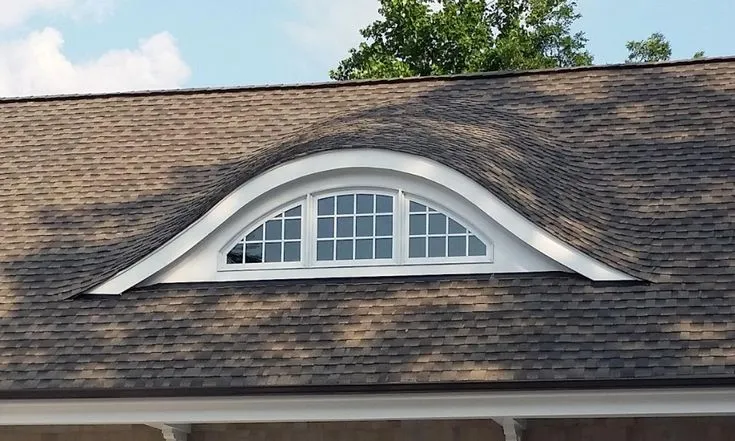
An eyebrow dormer features a soft, curved roof that rises gently from the main roofline without sharp angles. It’s one of the most decorative options, often used to create a more romantic, high-end look while allowing modest daylight into the attic.
Best for: Cottage, Tudor, coastal, or custom architectural designs
Main benefit: Beautiful curves that add charm without overpowering the roof
5. Flat Roof Dormer

A flat roof dormer has a simple horizontal roof, commonly used in modern or low-slope homes. This type provides strong space efficiency but needs careful waterproofing due to its low pitch.
Best for: Modern or contemporary homes
Main benefit: Clean lines and maximum interior height
6. Wall Dormer

A wall dormer extends straight up from the main floor wall rather than from the roof slope. It visually stretches the home upward and makes the upper level feel more like a full floor.
Best for: Homes wanting a taller façade without changing the main roof
Main benefit: Adds vertical presence and large window openings
7. Link Dormer

A link dormer connects two roof sections or ties into an existing ridge. It often includes a narrow hallway or loft area inside. Though less common, it’s useful for complex roof designs or multi-wing homes.
Best for: Homes with multiple roof lines or extensions
Main benefit: Creates a smooth transition and adds usable connector space
Key Benefits & Limitations

Dormer windows do more than change the look of a roof. They can completely transform how an attic or upper floor feels and functions. Before adding one, it’s helpful to weigh the major benefits and the realistic limitations.
Benefits
-
More usable space: Dormers raise the ceiling line in low areas, giving you standing room and expanding how you can use the attic.
-
Better natural light: The upright window brings in brighter, more direct daylight compared to a skylight.
-
Improved ventilation: Opening dormer windows helps hot air escape and keeps upper floors cooler.
-
Enhanced curb appeal: Dormers add character, depth, and architectural interest to the roofline.
-
Potential property value boost: A brighter, more functional attic or second floor often increases resale appeal.
-
Energy-efficiency gains: High-performance glazing, added insulation, and improved airflow can reduce heat loss and improve comfort.
Limitations
-
Higher cost: Dormers require framing, roofing, interior finishing, and window installation.
-
Structural complexity: Tying into an existing roof must be done correctly to stay strong and avoid damage.
-
Leak risk: Poor flashing or rushed installation can lead to water issues.
-
Style-matching challenges: The wrong dormer type may look out of place on certain homes.
-
Permit and zoning rules: Some areas—especially historic districts—have strict height and roofline regulations.
Planning, Building & Cost Considerations
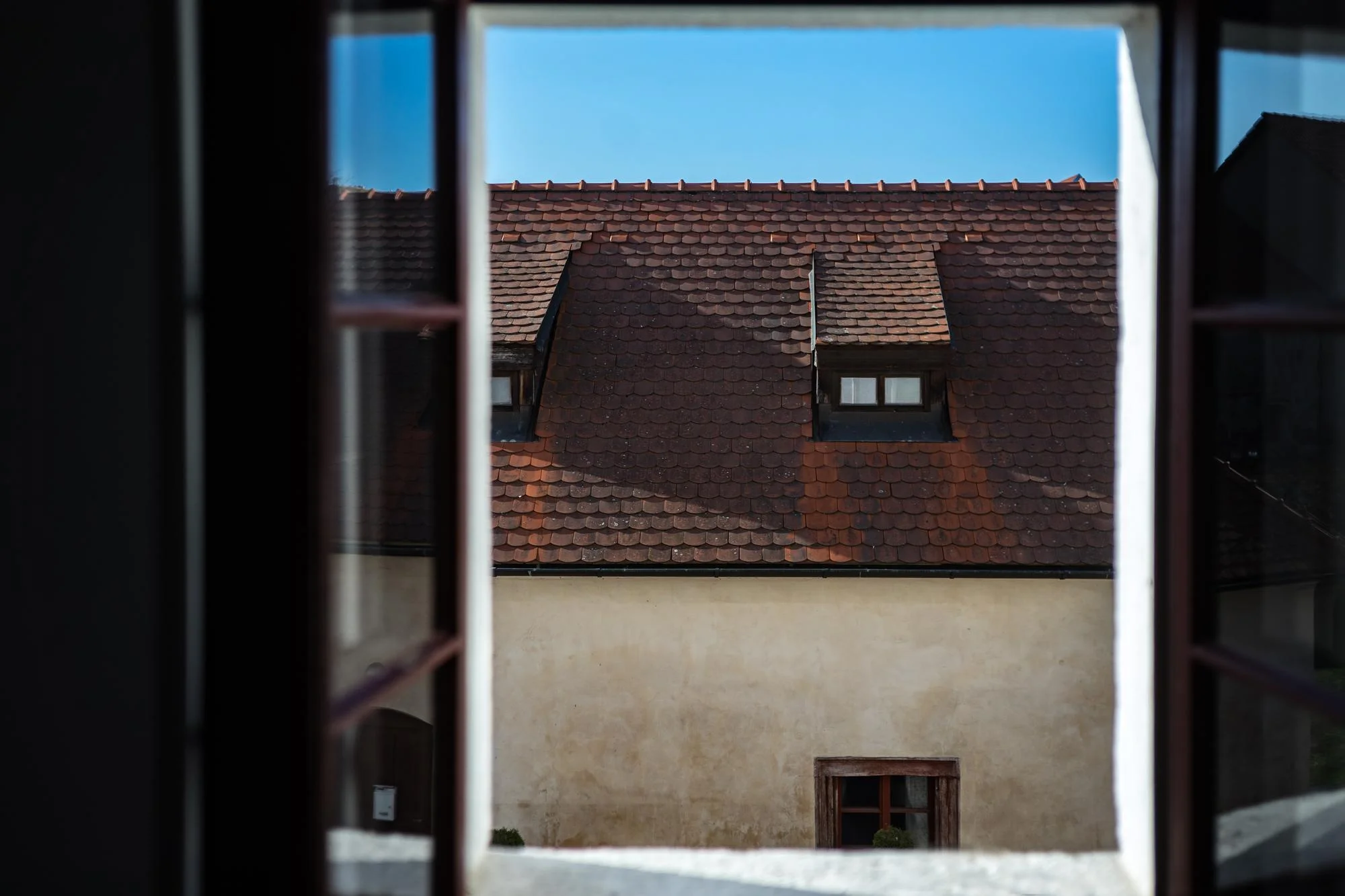
Dormers require careful planning to avoid delays and extra costs.
-
Permits & zoning: Most areas need approval for roof changes, especially in historic districts where size and placement rules are strict.
-
Cost factors: Materials, labor, roofing work, and interior finishing all add up. Small dormers sit in a lower cost range, while large shed dormers can be significantly higher.
-
Structural design: Roof pitch, architectural style, and how the dormer ties into the main roof all affect stability and appearance.
-
Maintenance: Regular flashing checks, updated sealants, and window upgrades keep dormers weather-tight and long-lasting.
Design & Style Tips for Homeowners or Specifiers
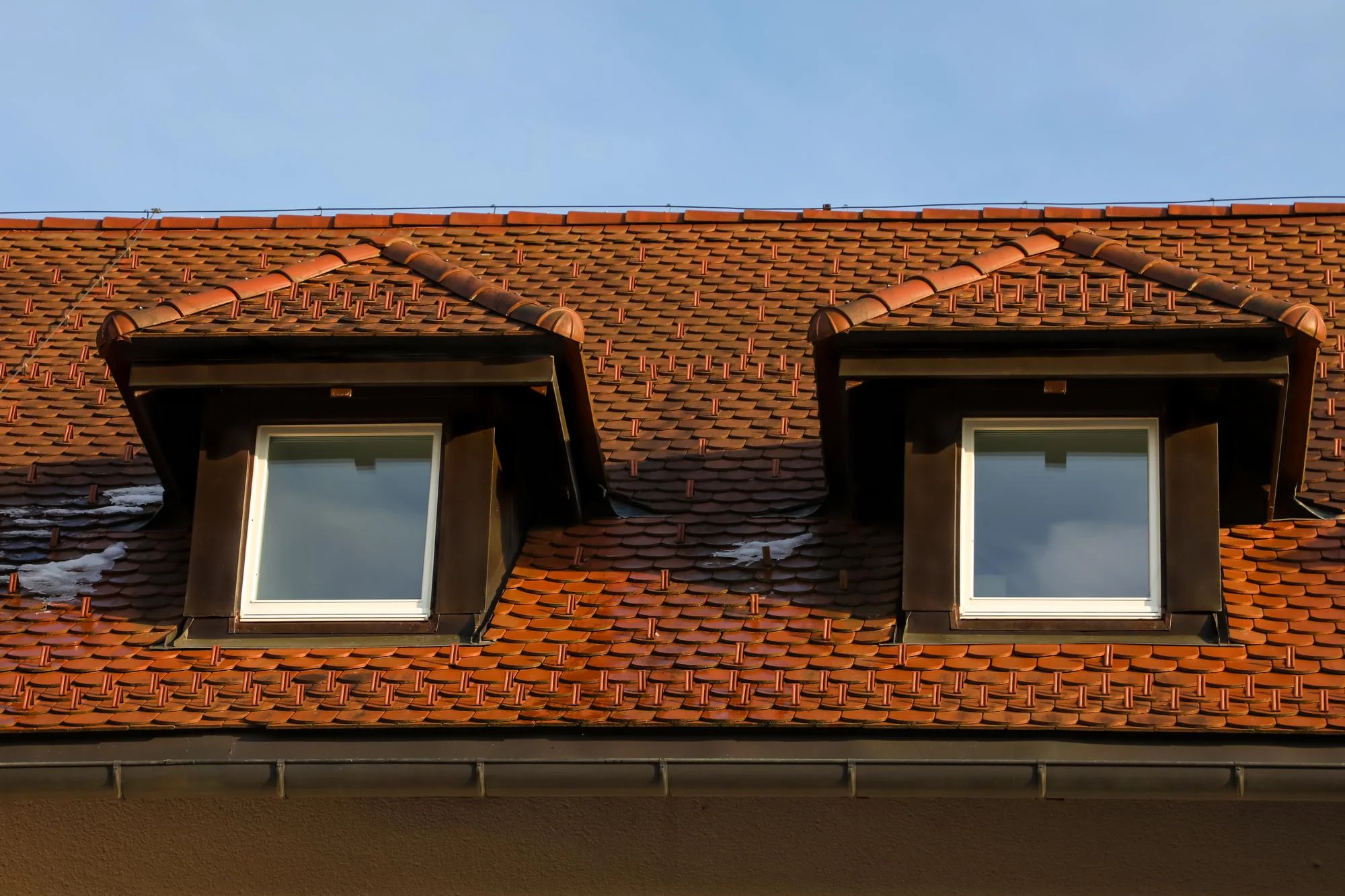
Choosing the right dormer helps your home look balanced and feel more comfortable.
-
Match the home style: Gable dormers suit Cape Cod homes, shed and hipped dormers fit Craftsman designs, and flat dormers work well on modern houses.
-
Choose the right window: Casement windows offer airflow, double-hung windows give a classic look, and awning windows work well in rainy areas.
-
Support good performance: Low-E glazing and insulated frames improve comfort and reduce heat loss.
-
Keep exterior harmony: Match roof materials, trim, and proportions so the dormer blends naturally.
-
Sustainability value: Dormers boost daylight, ventilation, and thermal comfort—ideal for architects and B2B specifiers focused on energy-efficient design.