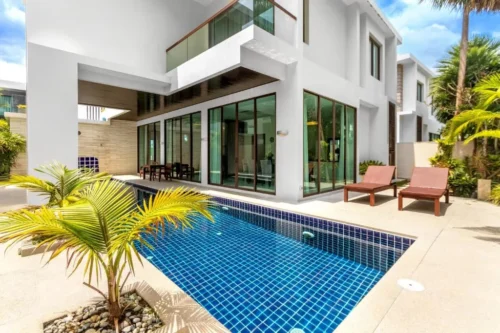












Modern architectural styles shape the way we live, work, and experience space today. They reflect how design, technology, and sustainability come together to create buildings that are both beautiful and functional. Unlike traditional architecture, which focused on ornament and history, modern styles emphasize simplicity, openness, and connection with the environment.

When we say “modern architecture,” we’re talking about 20th and 21st-century movements — from clean-lined Minimalism to futuristic Parametricism. These styles continue to evolve, blending creativity and innovation to meet today’s needs for comfort, efficiency, and sustainable living.
| Style | Core idea | Signature features | Typical materials | Common uses | Pros | Considerations |
|---|---|---|---|---|---|---|
| International Style | Function over ornament; clean geometry. | Flat roofs; glass curtain walls; straight lines; open plans. | Steel, reinforced concrete, large-format glass. | Skyscrapers, offices, minimalist homes. | Timeless, efficient, bright interiors. | Can feel austere; glazing may need high-performance specs. |
| Minimalism | “Less is more” spatial clarity. | Simple forms; no decoration; neutral palette; daylight emphasis. | Plaster, wood, stone, aluminum, glass. | Residences, galleries, retreat houses. | Calm, uncluttered, easy to personalize. | Requires careful detailing; storage planning is critical. |
| Brutalism | Expressive mass & honest structure. | Exposed concrete/brick; bold geometry; repetition. | Board-formed concrete, brick, steel. | Civic buildings, campuses, cultural centers. | Sculptural presence; durable. | Can read heavy; thermal comfort and weathering need attention. |
| Bauhaus / Functionalism | Form follows function; industrial logic. | Flat roofs; rectangular modules; efficient layouts. | Steel, concrete, glass; standardized parts. | Housing blocks, schools, modern homes. | Cost-effective, practical, clear design language. | May appear utilitarian without warm materials. |
| Deconstructivism / Parametricism | Non-linear, algorithmic expression. | Fragmented volumes; curves; dynamic facades. | Engineered steel, complex glazing, composites. | Museums, cultural icons, landmark offices. | High impact; future-forward identity. | Complex engineering; higher cost and maintenance. |
| Contemporary / Sustainable | Now-focused, adaptable, eco-driven. | Green roofs; solar; flexible spaces; mixed materials; biophilic links. | Timber, recycled content, high-performance glass, concrete/steel. | Homes, offices, mixed-use. | Lower energy use; healthier interiors. | Upfront cost for systems; requires integrated design. |
| Tropical Modernism | Modernism adapted to hot-humid climates. | Deep overhangs; verandas; cross-ventilation; indoor-outdoor flow. | Local timber, bamboo, stone, shading screens. | Resorts, coastal houses, villas. | Comfortable, climate-responsive, site-specific. | Detailing for moisture, insects, and storms is vital. |
| Mid-Century Modern | Post-war openness & nature connection. | Low roofs; glass walls; patios/courtyards; warm textures. | Wood, brick, stone, aluminum, glass. | Suburban homes, remodels, light commercial. | Bright, airy, timeless; great indoor-outdoor living. | Large glazing needs shading/energy upgrades. |
| High-Tech / Structural Expressionism | Structure and systems as aesthetics. | Exposed frames/ducts; extensive glass; modular parts. | Steel, glass, tension systems, prefabs. | Airports, museums, towers, tech campuses. | Transparent, flexible, celebrates engineering. | Visible services need meticulous coordination and upkeep. |
#1. International Style
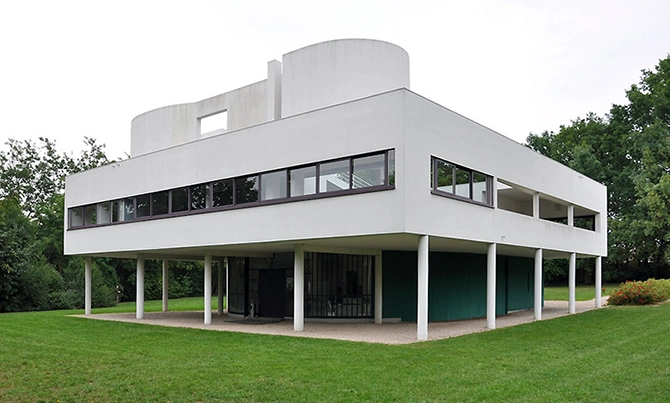
The International Style is one of the cornerstones of modern architecture — clean, bold, and timeless. Emerging in the early 20th century, it rejected unnecessary ornamentation in favor of pure function and clarity.
Key features include:
Flat or gently sloped roofs
Large expanses of glass and curtain walls
Geometric shapes and straight lines
Open, flexible floor plans
This style emphasizes form follows function — meaning the design serves the building’s purpose, not decoration. You’ll see this approach in modern skyscrapers, office towers, and minimalist homes worldwide. Its influence set the foundation for much of today’s architecture, blending efficiency with visual lightness and openness.
#2. Minimalism
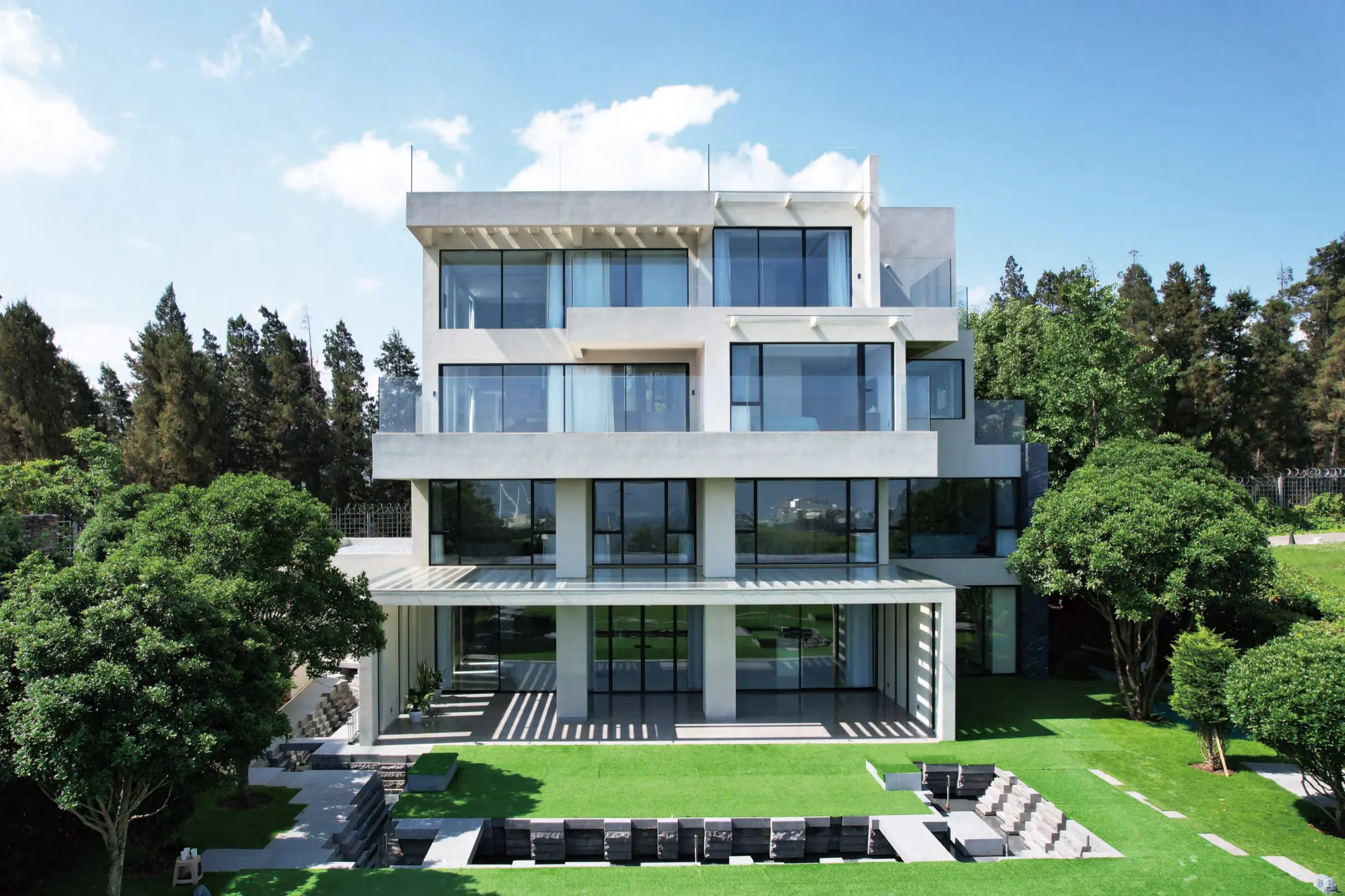
Minimalism takes the idea of “less is more” to heart. This architectural style strips away clutter and focuses on space, proportion, and natural light.
Key features include:
Simple geometry and clean lines
Absence of decorative elements
Open, flowing layouts
Use of natural light and neutral colors
Minimalist homes often feel calm, balanced, and uncluttered — perfect for modern living. This style influences residential design today by creating environments that feel larger, more peaceful, and in tune with nature. The result is a timeless aesthetic that’s easy to personalize with materials, texture, or art.
#3. Brutalism
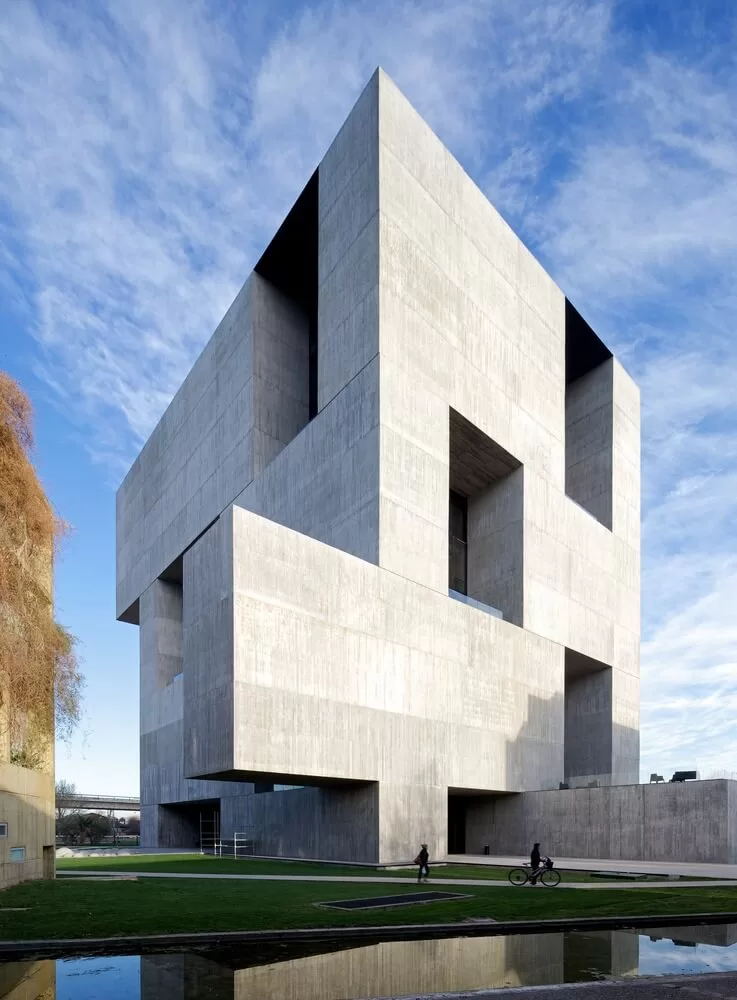
Brutalism is bold, unapologetic, and dramatic. Born in the mid-20th century, it celebrates raw materials — especially concrete — and honest construction.
Key features include:
Exposed concrete or brick facades
Strong geometric forms and repetition
Visible structural elements
Focus on function and strength over decoration
You’ll find Brutalism in universities, government buildings, and modern cultural centers. Though once controversial, it’s regaining popularity for its striking aesthetics and sculptural qualities. Modern architects now reinterpret Brutalism with softer finishes, glass, and greenery to balance its rugged strength with warmth and comfort.
#4. Bauhaus / Functionalism
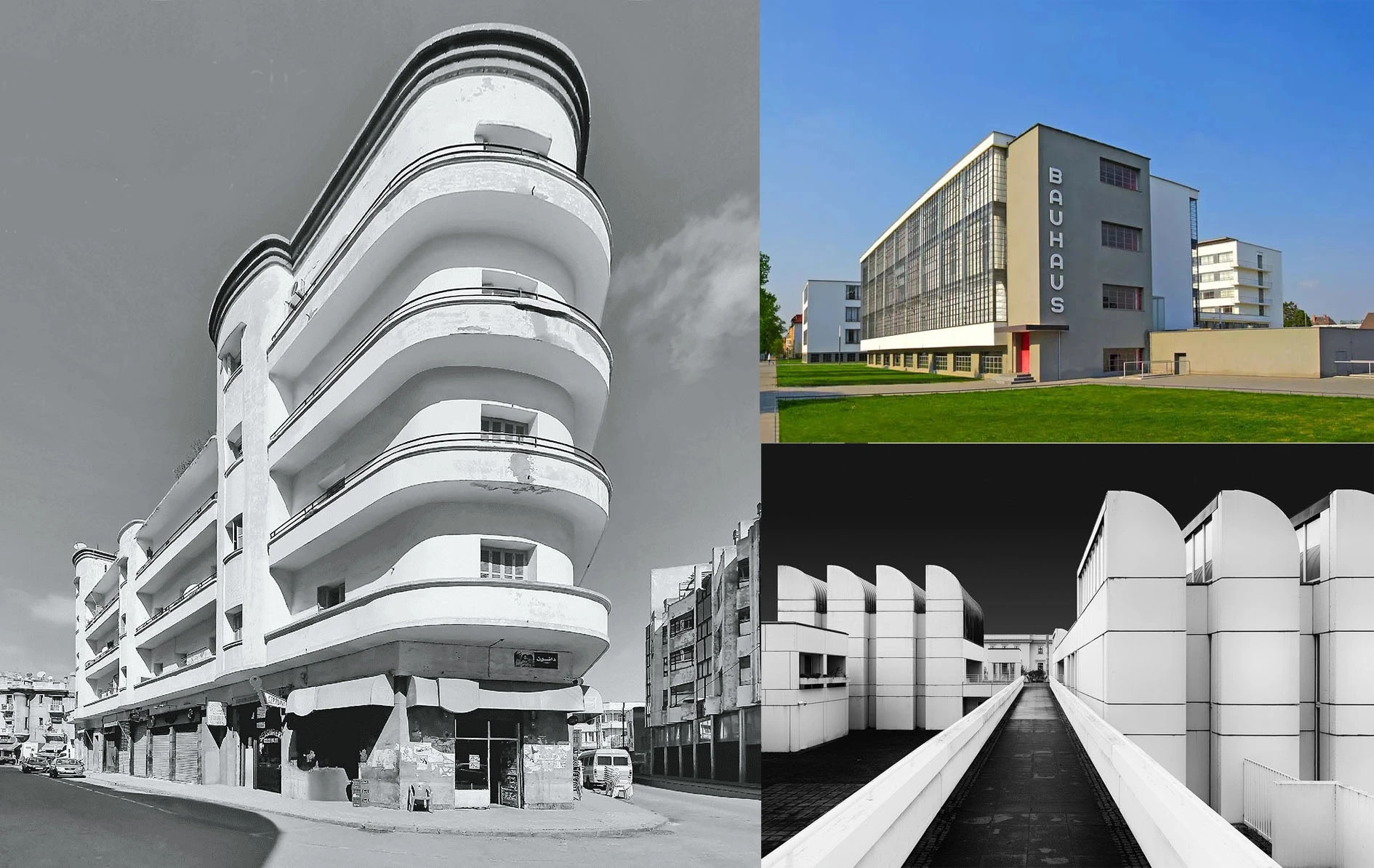
The Bauhaus movement reshaped architecture by uniting art, technology, and industry. Founded in Germany in 1919, Bauhaus emphasized practicality — that design should serve people’s needs.
Key features include:
Function-driven layouts and simplicity
Flat roofs, rectangular forms, and industrial materials
Modular, efficient design systems
Integration of form, craftsmanship, and modern manufacturing
This philosophy lives on in countless modern homes and commercial buildings. Its legacy can be seen in everything from urban apartment blocks to minimalist furniture. The Bauhaus style taught designers to see beauty in utility — a lesson that continues to guide sustainable, cost-efficient architecture today.
#5. Deconstructivism / Parametricism

Deconstructivism and Parametricism represent the experimental edge of modern architecture. They break away from symmetry and predictability, replacing them with movement, curves, and complex geometries.
Key features include:
Fragmented forms and unexpected angles
Algorithmic or computer-generated shapes
Dynamic facades that play with light and texture
Use of modern materials like steel, glass, and composites
You’ll see these styles in cutting-edge museums, cultural centers, and iconic urban landmarks. They challenge the idea of buildings as static objects — instead, they flow like living forms. Parametricism, driven by digital tools, continues to push architecture toward organic, responsive, and futuristic designs.
#6. Contemporary / Sustainable Architecture

Contemporary architecture represents the present moment — ever-changing, adaptable, and environmentally aware. It draws from many styles, but its core focus is sustainability, flexibility, and connection to nature.
Key features include:
Integration of green roofs, solar panels, and energy-efficient systems
Flexible open spaces and modular layouts
Mixed materials like glass, concrete, timber, and steel
Biophilic design — connecting interiors to the natural environment
This style reflects how modern life and sustainability go hand in hand. Architects now design buildings that reduce energy use, minimize waste, and enhance well-being. It’s the evolution of architecture — blending technology, creativity, and responsibility to shape a better, greener future.
#7. Tropical Modernism

Tropical Modernism blends modernist design principles with local, climate-responsive architecture. Originally developed in warm, humid regions, this style adapts international modernism to fit tropical conditions.
Key features include:
Wide overhangs, open floor plans, and shaded verandas
Natural ventilation instead of heavy air conditioning
Local materials like timber, bamboo, and stone
Seamless transition between indoor and outdoor spaces
This style matters because it combines beauty, comfort, and sustainability. It celebrates regional identity while promoting energy efficiency — proving that modern architecture can be both global and grounded in place. Today, you’ll find Tropical Modernism influencing resort designs, coastal homes, and eco-conscious villas worldwide.
#8. Mid-Century Modern

Mid-Century Modern architecture reflects a sense of optimism and progress that followed World War II. It values simplicity, connection with nature, and open living spaces that bring people together.
Key features include:
Flat or gently sloped roofs
Expansive glass walls and sliding doors
Indoor-outdoor flow with patios or courtyards
Warm materials like wood, brick, and stone
This timeless style continues to inspire new builds and remodels because it balances practicality with elegance. Homes feel bright, airy, and inviting — perfect for today’s lifestyle that values openness and natural light. Its enduring appeal lies in its versatility, blending effortlessly with both classic and contemporary interiors.
#9. High-Tech / Structural Expressionism
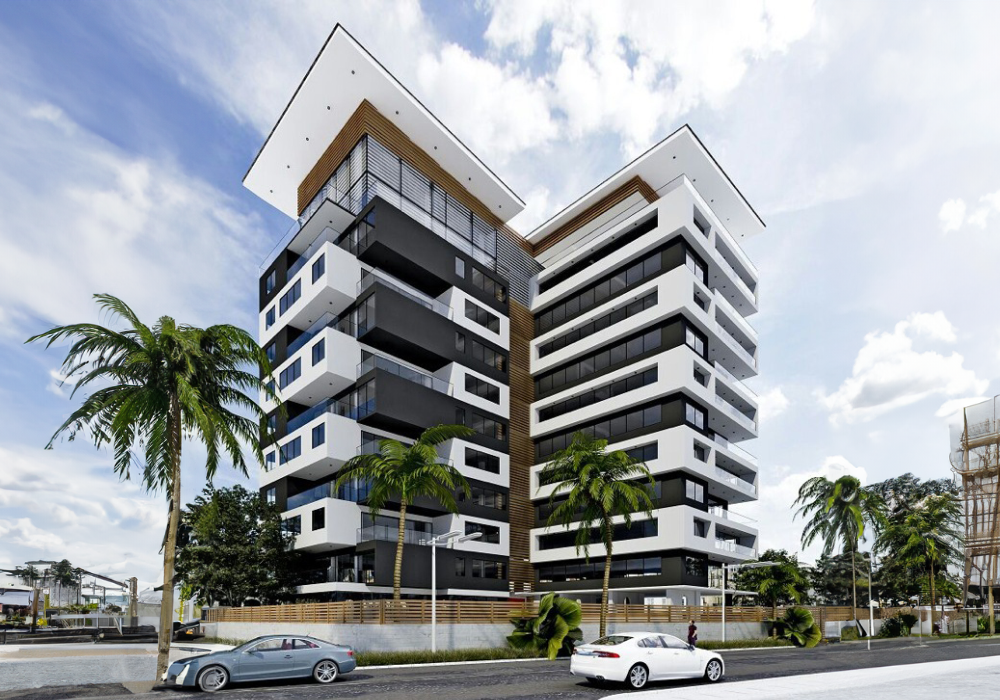
High-Tech architecture — also known as Structural Expressionism — celebrates the beauty of engineering. Instead of hiding mechanical systems and frameworks, it proudly puts them on display.
Key features include:
Exposed steel frames, ducts, and trusses
Extensive use of glass and metal
Visible structural elements as design features
Modular components and flexible interiors
This style differs from Minimalism because it’s not about simplicity — it’s about honesty and innovation. It reveals how a building works, turning structure into style. You’ll often see it in airports, museums, and high-rise towers where transparency and technology define the design. Its appeal lies in showcasing human ingenuity and the sleek sophistication of modern materials.
How to Choose the Right Style for Your Project
Choosing the right architectural style isn’t just about what looks good — it’s about what feels right for your space, your lifestyle, and your environment. The perfect style balances beauty, function, and long-term value.
1. Match Your Site and Climate

Every location has its own rhythm — sun, wind, humidity, and terrain. Your architectural style should work with these conditions, not against them.
In warm or tropical climates, open layouts, shaded verandas, and ventilation-friendly styles like Tropical Modernism perform best.
In cooler regions, designs with insulated materials, smaller openings, or thicker walls (like Mid-Century or Minimalist) help maintain comfort.
Adapting design to nature ensures energy efficiency and comfort year-round.
2. Choose Materials that Fit the Look and Budget

Materials define both the aesthetic and performance of your project.
Concrete and steel fit industrial or high-tech styles.
Glass and timber highlight warmth and transparency in modern homes.
Local materials cut costs, support sustainability, and blend seamlessly into the surroundings.
Balancing beauty and budget creates a design that looks high-end without overspending.
3. Blend Modern Styles Responsibly

Many of today’s best designs borrow from multiple architectural styles. A transitional or hybrid approach combines modern innovation with timeless elements — like pairing clean minimalist lines with natural stone textures.
The key is balance: too many mixed elements can look chaotic, but thoughtful blending creates character and authenticity.
4. Think Ahead — Adaptability and Resale Appeal
Good design should grow with you. Choose a style that allows for future upgrades or layout changes without losing harmony. Neutral modern styles like Contemporary or Mid-Century Modern often age gracefully and appeal to future buyers.
A timeless look paired with energy-efficient materials ensures your home remains both beautiful and valuable for years to come.